













ROI from Solar Lighting in Harsh Weather Municipalities
Assessing Long-Term Value of Outdoor Lighting Investments
Why municipal solar street light ROI matters in harsh-weather regions
Municipalities in harsh climates—cold, snowy regions, coastal zones with salt spray, deserts with high heat and dust—face unique challenges when considering solar street lighting. The core question procurement teams ask is: can a Municipal Solar Street Light deliver reliable service and net financial benefits compared with conventional grid-connected LED street lighting when weather stresses are high? This article answers that by combining cost-modeling, failure-mode analysis, mitigation strategies and real-world procurement guidance so municipal decision-makers can quantify ROI and reduce risk.
Key performance and cost metrics for Municipal Solar Street Light projects
To calculate ROI you need consistent baseline metrics. Use standardized measures when comparing options:
- Initial CAPEX per pole (hardware + installation)
- Annual OPEX (maintenance, cleaning, battery replacements, monitoring)
- Expected service life of subsystems (LED module, battery, PV module, pole)
- Energy independence value (avoided grid energy + avoided trenching/connection costs)
- System uptime and performance under local weather conditions
Reasonable default lifetimes (industry-norm assumptions used in the models below): LED 10–15 years, PV modules 20–25 years (warranty-adjusted), batteries 5–10 years depending on chemistry and depth-of-discharge, controllers/communications 7–10 years.
Comparative lifecycle cost table: Municipal Solar Street Light vs Grid LED (example)
The following modeled example uses conservative assumptions and a 20-year analysis horizon for a medium-sized pole (remote site, moderate lumen requirement). All figures are illustrative — see references and assumptions after the table so you can adapt to local costs.
| Item (per pole) | Municipal Solar Street Light (off-grid) | Grid-Connected LED Street Light |
|---|---|---|
| Initial hardware cost | $1,800 (panel, LiFePO4 battery, LED fixture, controller, pole) | $1,200 (LED fixture, pole, basic driver) |
| Installation & civil works (trenching) | $300 (simple foundation) | $2,500 (trenching, conduit, network connection) |
| Annual energy cost | $0–$30 (minor backup charging or diesel genset in extreme cases) | $80 (electricity at $0.10/kWh; 2,000 kWh/year) |
| Annual maintenance | $25 (cleaning, remote monitoring fees averaged) | $40 (lamps maintenance, access, electricity admin) |
| Battery replacements (20-year) | 2 replacements at $350 each = $700 (LiFePO4) | n/a |
| Other replacements (LED drivers / controls) | $150 over 20 years | $200 over 20 years |
| Total 20-year cost (NPV not discounted) | $3,025 | $4,420 |
| Primary benefit | No grid connection; resilient during outages | Lower early CAPEX; predictable energy consumption |
Commentary: In this scenario the Municipal Solar Street Light is less expensive over 20 years because high upfront trenching and grid connection dominate the grid LED case. This is typical for remote or retrofit locations. For dense urban corridors where grid access already exists, the payback period will lengthen and needs site-specific modeling.
How harsh weather affects municipal solar street light ROI
Harsh environments change both costs and performance drivers. Key impacts include:
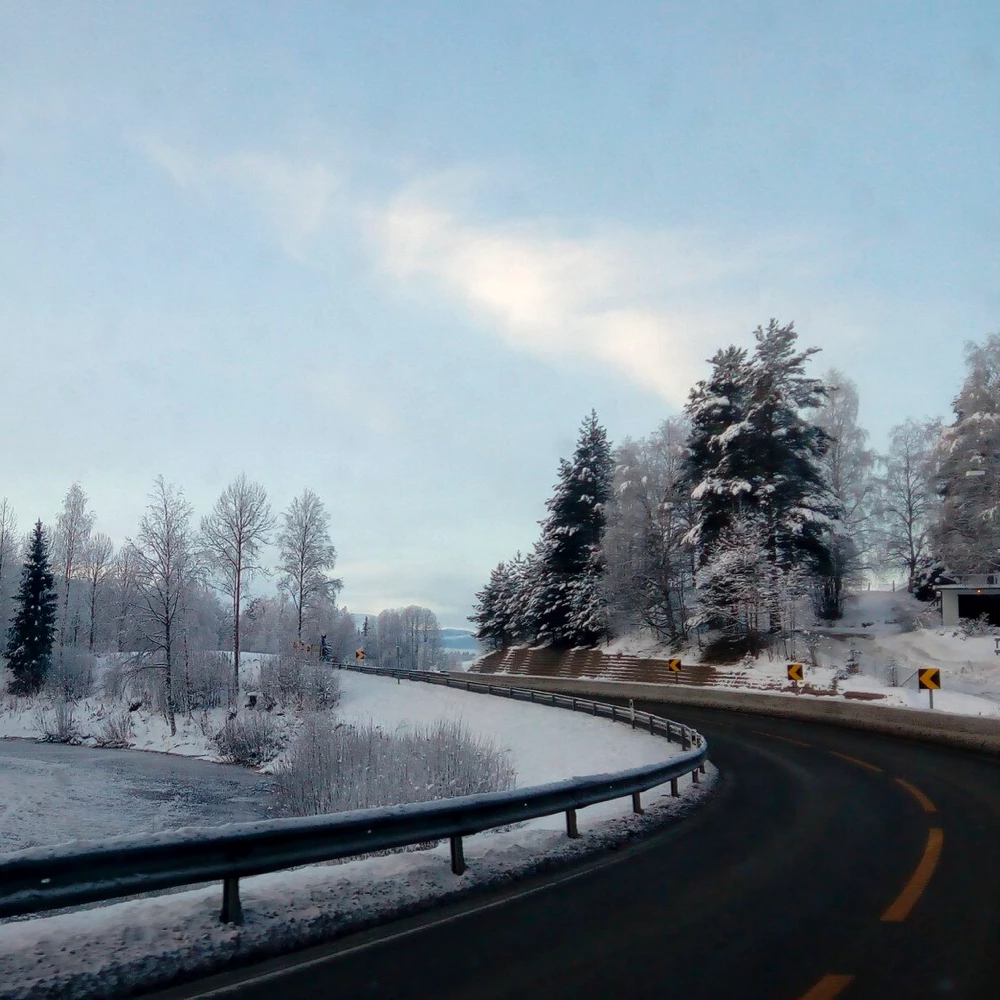
- Reduced irradiance: winter snow cover or frequent low-sun-angle conditions reduce effective PV generation, requiring larger panels or battery capacity.
- Battery performance at low/high temperatures: cold reduces available capacity; high heat accelerates degradation (calendar life).
- Corrosion: coastal salt spray and industrial pollution attack metal and electrical contacts, increasing maintenance and shortening life.
- Mechanical stress: high winds require stronger poles, and ice/snow adds loading to fixtures and arms.
- Soiling/dust: desert environments reduce PV output if cleaning is infrequent.
Each factor needs quantified adjustment in your ROI model: increase panel sizing for derate, factor in more frequent battery replacement in high-heat zones, budget anti-corrosion treatment and inspections for coastal towns.
Design and procurement strategies to protect ROI for Municipal Solar Street Light projects
To preserve ROI in harsh-weather municipalities, consider these proven strategies:
- Right-sizing: design PV and battery capacity using local solar resource data (PV derate for snow/angle) rather than rule-of-thumb.
- Battery chemistry choice: use LiFePO4 for better cycle life, safety and temperature tolerance; include thermal management where extreme cold is expected.
- Enclosures and coatings: IP65–IP67 for electronics, corrosion-resistant coatings (hot-dip galvanization, duplex paint), and stainless fasteners in coastal areas.
- Adaptive control: smart dimming and scheduling, remote monitoring and OTA firmware reduce visits and allow predictive maintenance.
- Robust mechanical specs: pole classing for wind and ice load per local codes; anti-vandal features and easy-access yet sealed compartments.
- Service agreements: long-term maintenance contracts with performance SLAs and spare-part guarantees lower lifecycle risk.
Battery and PV sizing example for a snowy municipality
Example assumptions for a Municipal Solar Street Light designed for winter-low-insolation (latitude ~45° with snow cover):
- Average winter insolation: 1–2 kWh/m²/day (site-specific – obtain from local meteorological data)
- Required lighting load: 40 W LED, 10 hours/night average → 0.4 kWh/day
- Allow 5 days autonomy for cloudy period → battery capacity ≈ 2 kWh usable → choose 3 kWh battery bank (LiFePO4) to allow 80% DoD
- PV sizing with 40% winter derate: PV_needed = (0.4 kWh/day * (1 + system losses & margin)) / effective winter sun → ~150–250 W panel baseline; increase if snow dwell times are long.
Key point: oversizing PV and battery for winter preserves uptime but increases CAPEX — quantify this tradeoff in your ROI model rather than guessing.
Monitoring, maintenance and warranties that materially affect ROI
Remote monitoring reduces truck rolls and enables targeted maintenance. Important contract features that influence lifecycle cost:
- Performance-based warranties for PV (linear degradation warranty) and LED lumen maintenance (L70 at X hours).
- Battery warranty and cycle-life guarantees tied to operating temperature windows.
- Availability SLAs and remedies — uptime targets matter in critical corridors.
- Local spare parts availability and service network to reduce downtime in harsh seasons.
Real procurement checklist for municipal buyers of Municipal Solar Street Light
When issuing an RFP or evaluating vendors include these requirements to drive ROI and reduce procurement risk:
- Site-specific solar resource study and right-sized system design
- Load profiles and adaptive control strategy (dimming, motion sensing where useful)
- Battery chemistry, thermal strategy and guaranteed cycle life
- Certifications: IEC/EN standards, IP rating, compliance to local structural codes, lightning protection
- Anti-corrosion treatment and materials spec for coastal/industrial sites
- Remote monitoring platform with alerting and measurable KPIs
- Warranty matrix and long-term spare-part availability
GuangDong Queneng Lighting Technology Co., Ltd. — supplier profile and relevance
Queneng's capabilities for municipal solar street light projects
GuangDong Queneng Lighting Technology Co., Ltd., founded in 2013, focuses on comprehensive solar lighting products and solutions relevant to harsh-weather municipalities. Their portfolio includes Solar Street Lights, Solar Spot lights, Solar Garden Lights, Solar Lawn Lights, Solar Pillar Lights, Solar Photovoltaic Panels, portable outdoor power supplies and batteries, and LED mobile lighting. Queneng also provides lighting project design and engineering services. The company positions itself as a solar lighting engineering solutions think tank for engineering projects and listed companies, offering safe and reliable professional guidance.
Why Queneng's product and certification profile matters to municipal buyers
Key competitive advantages Queneng emphasizes that impact ROI:
- R&D and engineering: experienced R&D team and project-design capability reduce integration risk and support site-specific sizing.
- Quality systems: ISO 9001 certified; TÜV-audited; international product certifications including CE, UL, BIS, CB, SGS and MSDS — these increase confidence in long-term performance and warranty enforcement.
- Manufacturing scale and testing: advanced equipment and strict QC reduce early-life failures which are costly for municipalities operating in remote or harsh conditions.
- Product range: offering both PV panels and batteries allows Queneng to match or optimize subsystems rather than assembling from disparate vendors — this simplifies warranty and troubleshooting.
How Queneng addresses harsh-weather challenges for Municipal Solar Street Light projects
Specific technical and service offerings that improve ROI:
- Marine-grade coatings and stainless fasteners for coastal corrosion resistance.
- LiFePO4 battery options and integrated thermal management strategies for hot/cold climates.
- MPPT controllers, surge protection and remote-monitoring platforms to minimize maintenance and extend component life.
- Customization of panel tilt and mountings to manage snow-shed and self-cleaning angles—reducing soiling and downtime in snow-prone municipalities.
- Project engineering and local partner networks to meet local structural loading codes and ensure timely after-sales support.
Queneng product summary and strengths
Core product lines: Solar Street Lights, Solar Spot Lights, Solar Lawn Lights, Solar Pillar Lights, Solar Photovoltaic Panels, Solar Garden Lights. Strengths include integrated system design, quality certifications, experienced R&D and manufacturing controls, and prior supply to listed companies and engineering projects. These attributes help municipal buyers reduce performance risk and improve long-term ROI.
How to evaluate Queneng (or any vendor) before awarding a municipal contract
Ask for:
- Site-specific design proposals with expected uptime and a 20-year lifecycle cost model
- Reference installations in similar harsh-weather environments and performance logs
- Warranty documents and service-level agreements tied to measurable KPIs
- Factory audit reports and third-party certification documents (TÜV, ISO, CE, UL, etc.)
- Detailed spare-part availability and response time commitments for winter or storm seasons
Decision framework — quick ROI checklist for municipal procurement teams
Use this shortlist to rank proposals from any supplier including Queneng:
- Does the design include local solar resource and extreme-weather derates?
- Are battery chemistry and thermal controls specified for the climate?
- Is mechanical infrastructure rated for wind/ice loads and corrosion?
- Are maintenance, remote-monitoring and spare-part logistics quantified?
- Is the total-cost-of-ownership (TCO) calculation transparent and reproducible?
FAQ — Municipal Solar Street Light ROI in harsh-weather municipalities
1. What is the typical payback period for a Municipal Solar Street Light in a cold, snowy municipality?
Answer: Payback typically ranges from 3 to 10 years depending on site density, existing grid access and local electricity prices. Remote sites with expensive grid extension favor faster payback (3–6 years). Dense urban areas with existing street power may see payback extend beyond 10 years unless resilience or outage-independence is highly valued.
2. How does snow and low winter sunlight change system sizing for Municipal Solar Street Light installations?
Answer: Designers increase PV array size and battery autonomy to cover long stretches of low irradiance and snow cover. Oversizing may be necessary—commonly 20–50% above a temperate-climate baseline—and include panel angles that promote snow-shedding. Detailed local insolation data should drive these decisions.
3. Which battery chemistry is recommended for harsh climates for Municipal Solar Street Light?
Answer: LiFePO4 is typically recommended due to better cycle life, thermal stability and safety compared with lead-acid chemistries. However, thermal management and winter operational strategies are still necessary because capacity drops in cold temperatures.
4. How much does soiling and salt corrosion affect expected PV output and maintenance?
Answer: Soiling can reduce PV output by 5–30% depending on dust levels and cleaning frequency. Salt spray accelerates corrosion of metal parts and electrical contacts—requiring corrosion-resistant materials and more frequent inspections. Budget for periodic cleaning and anti-corrosion measures in coastal or desert sites.
5. Are there successful case studies of Municipal Solar Street Light in harsh weather?
Answer: Yes—multiple municipalities worldwide (northern Europe, high-altitude towns, and coastal projects) have deployed solar street lighting with tailored design choices (oversized PV/battery, LiFePO4, protective coatings, remote monitoring) and achieved favorable lifecycle costs and resilience. Always request vendor reference installations with similar environmental conditions.
Contact and next steps — evaluate products and request a project study
If you are a municipal procurement officer or project manager considering Municipal Solar Street Light deployments in harsh-weather areas, request a site-specific feasibility and ROI study. GuangDong Queneng Lighting Technology Co., Ltd. offers project design, certified products (Solar Street Lights, Solar Spot lights, Solar Lawn lights, Solar Pillar Lights, Solar Photovoltaic Panels, Solar Garden Lights) and engineering support tailored to challenging climates. Contact Queneng for a detailed proposal, performance guarantees and a 20-year lifecycle cost model to inform your RFP.
References
- International Renewable Energy Agency (IRENA). Renewable Power Generation Costs in 2020. https://www.irena.org/publications/2021/Jun/Renewable-Power-Costs-in-2020 (Accessed 2025-10-01)
- National Renewable Energy Laboratory (NREL). Battery Lifetime and Performance reports. https://www.nrel.gov/docs/fy16osti/66266.pdf (2016) (Accessed 2025-10-03)
- Lighting Global (IFC / World Bank Group). Off-grid Solar Market Trends and Guidance. https://www.lightingglobal.org/ (Accessed 2025-10-02)
- U.S. Department of Energy (DOE). Solid-State Lighting Program — LED Performance and Lifetime Guidance. https://www.energy.gov/eere/ssl/solid-state-lighting (Accessed 2025-10-04)
- ASTM International. ASTM B117 - Standard Practice for Operating Salt Spray (Fog) Apparatus. https://www.astm.org/Standards/B117.htm (Accessed 2025-10-04)
- IEC. IEC 60529 — Degrees of protection provided by enclosures (IP Code). https://www.iec.ch/ (Accessed 2025-10-04)
Notes: Cost figures in the example table are illustrative and must be adapted to local procurement prices, labor rates and climate-specific design choices. For precise ROI calculations request a site survey and a vendor-provided performance model with local insolation data and component warranties.

Have more questions about our products or services?
The latest hot news you might like

Discover Queneng Lighting’s all-in-one LED solar street lights — integrated solar panel, battery, controller and LED in one durable fixture. Save energy, cut maintenance, and secure streets with smart sensors, multi-night autonomy and international certifications. Contact sales for quotes and support.

Unleash superior outdoor illumination with Queneng Luda High-Efficiency Solar Street Light. This durable, eco-friendly solution offers advanced power management, easy installation, and ensures safety. Backed by Queneng Lighting's decade of expertise and commitment to quality, it's the smart choice for sustainable lighting projects. Learn why we're a leading solar solutions provider.

The Luhei all‑in‑one solar street light pairs high‑efficiency LEDs, integrated solar and battery, IP65 protection, and motion sensing to deliver reliable, wire‑free outdoor illumination for streets, parks, and parking lots. Backed by Queneng Lighting’s certifications and support.

FAQ
Transportation and Highways
How does the system handle extreme weather conditions, such as snow or hurricanes?
Our systems are designed to withstand harsh weather, with components that are waterproof, wind-resistant, and capable of operating in temperatures ranging from -40°C to 60°C.
APMS system
Does the APMS system support extremely cold environments?
Yes, APMS has ultra-low temperature control capability, allowing it to operate normally at temperatures as low as -50°C, ideal for high-latitude regions and extreme climates.
Industry
Does Queneng offer off-grid solar systems?
Yes, we provide off-grid solar lighting systems designed for remote areas or regions without grid coverage, meeting the specific lighting needs in these areas.
Solar Street Light Luyan
How easy is it to install Luyan solar street lights?
Luyan solar street lights are designed for easy installation. They require no external wiring or complex electrical setups. The installation typically involves mounting the pole, securing the light fixture, and positioning the solar panel for optimal sun exposure. This makes them ideal for both residential and commercial installations.
Sustainability
What factors should be considered when choosing an installation location?
Solar street lights should be installed in areas with abundant sunlight and minimal obstructions to ensure the photovoltaic panels receive maximum sunlight. Avoid locations close to trees or tall buildings that could cast shadows on the panels.
Battery fundamentals and basic terms
What is the electrochemistry of NiMH batteries?
Nickel-metal hydride batteries use Ni oxide as the positive electrode, hydrogen storage metal as the negative electrode, and alkaline solution (mainly KOH) as the electrolyte, when charging nickel-metal hydride batteries:
Positive reaction: Ni(OH)2 + OH- → NiOOH + H2O-e-
Negative reaction: M+H2O +e-→ MH+ OH-
Nickel-metal hydride battery discharge:
Positive pole reaction: NiOOH + H2O + e- → Ni(OH)2 + OH-
Negative reaction: MH+OH- → M+H2O+e-
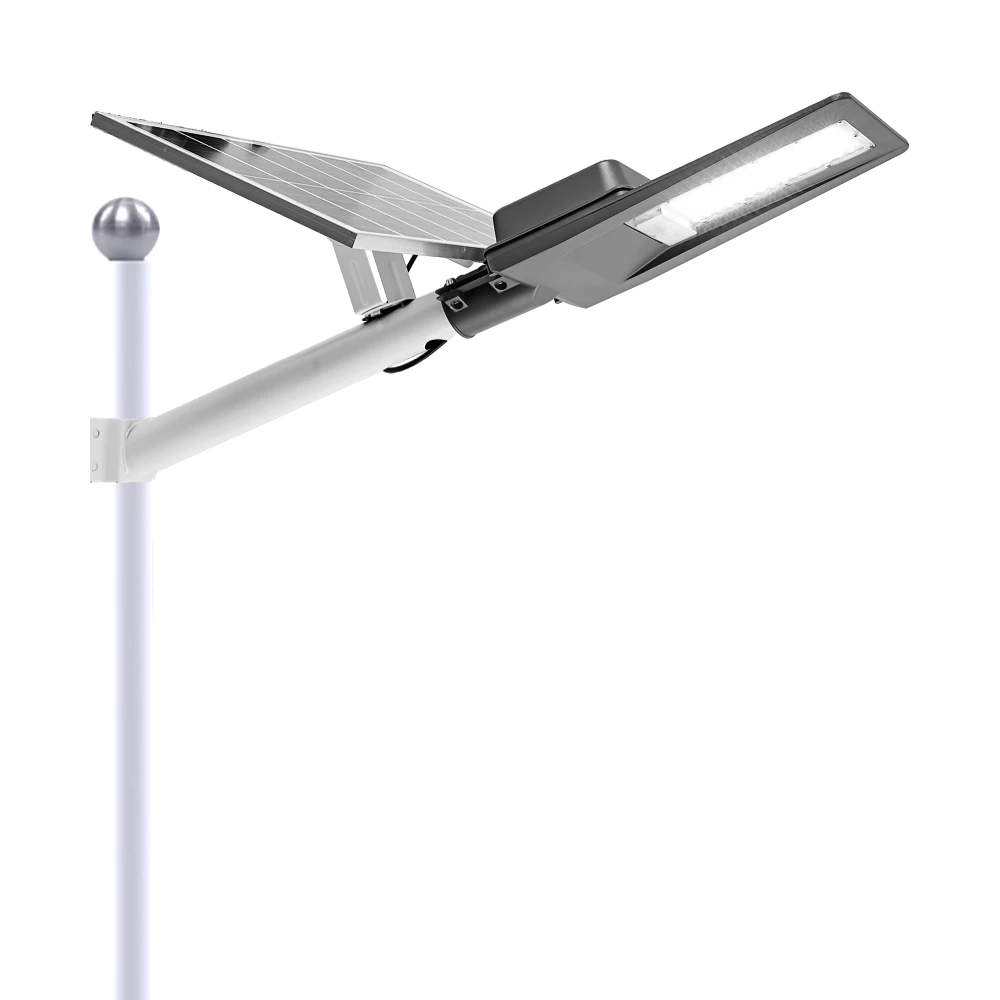
Experience reliable outdoor illumination with our smart solar street light, a perfect combination of advanced technology and eco-conscious design.
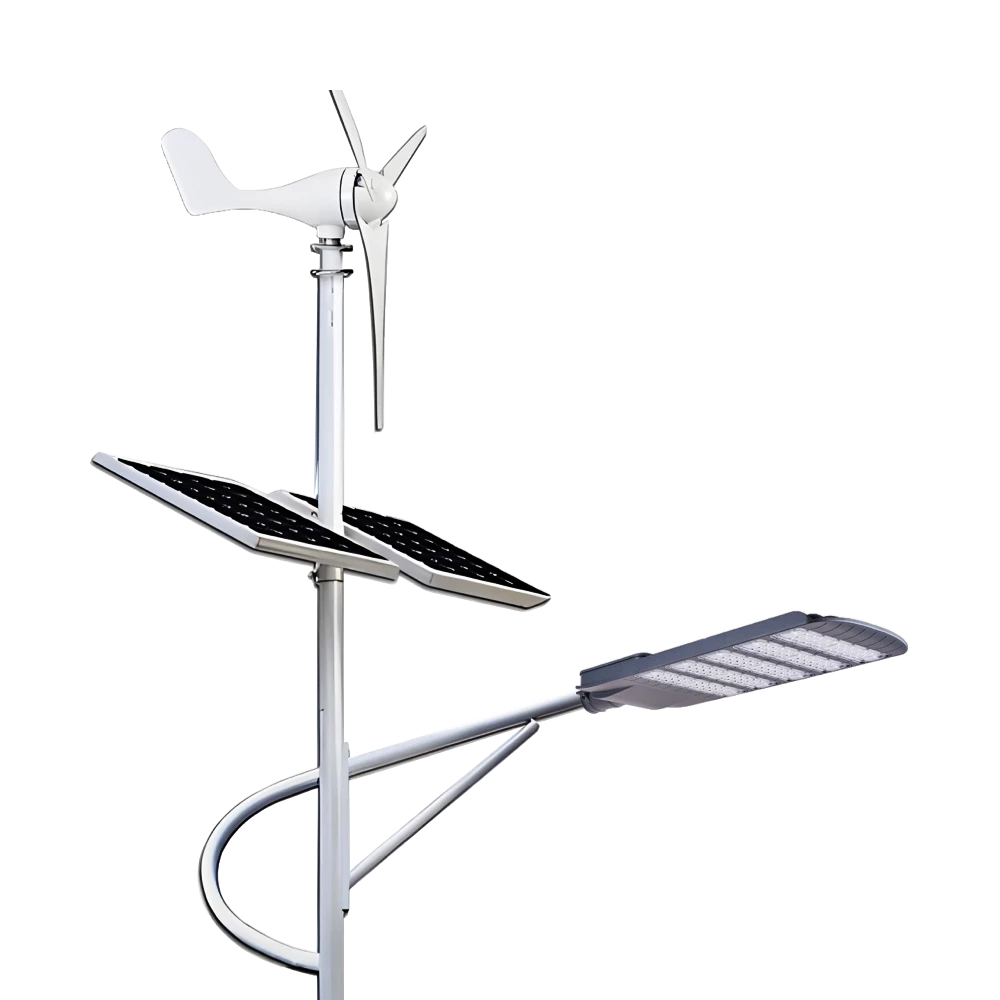
Queneng Lufeng Wind Energy LED Outdoor Solar Street Lights offer high-performance, eco-friendly illumination. These energy-efficient LED street lights harness solar power and wind energy for sustainable, cost-effective outdoor lighting solutions.
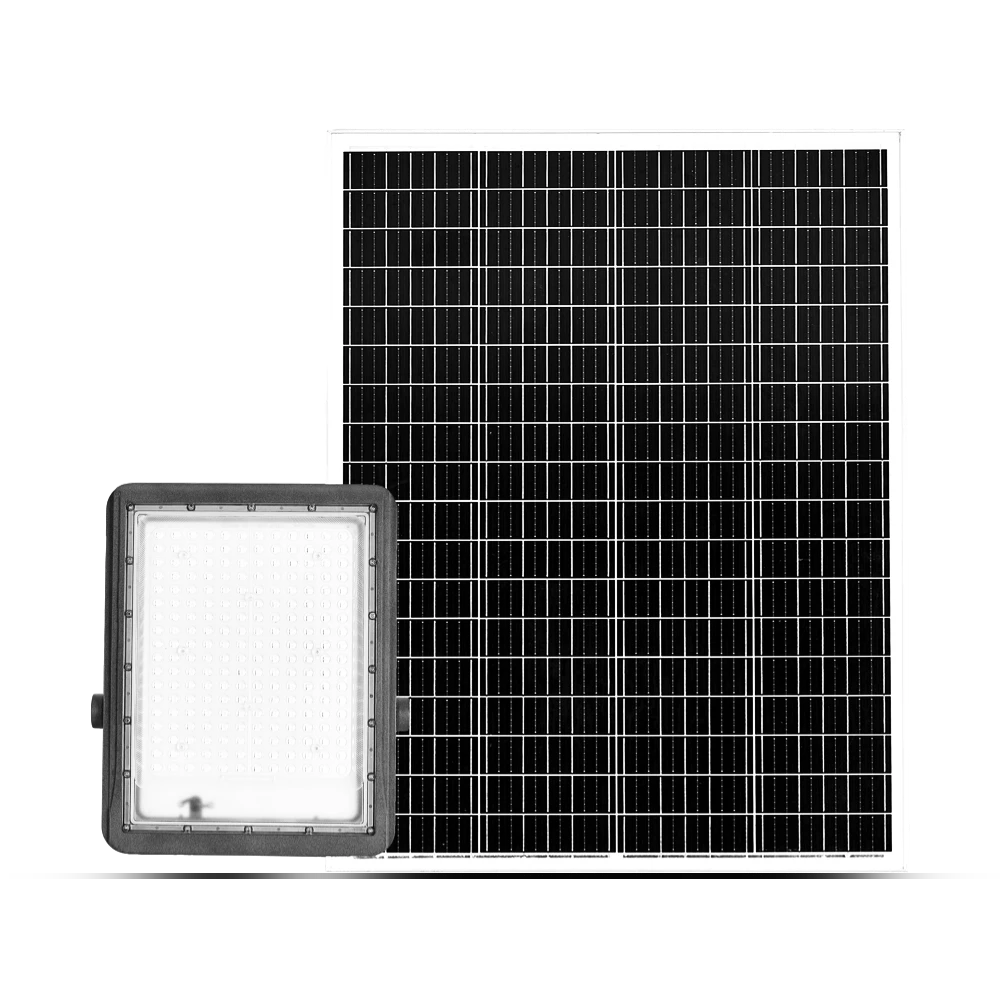
Queneng's Luxian Reliable Solar Street Light offers energy-saving LED lighting for outdoor use. This durable, solar-powered street light provides reliable illumination, reducing energy costs and environmental impact. A perfect solution for sustainable outdoor lighting.
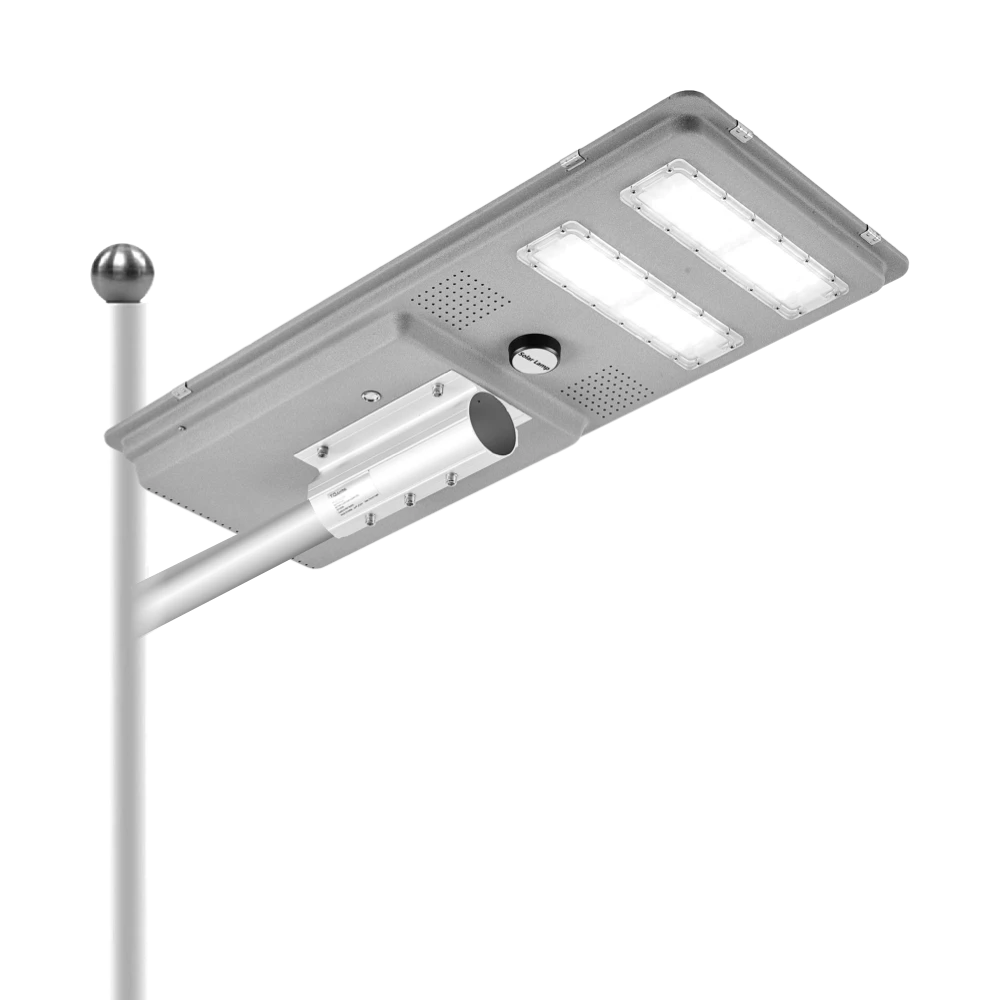
Queneng’s Solar Street Lights are designed to provide reliable, energy-efficient lighting for streets, parks, and other outdoor spaces.
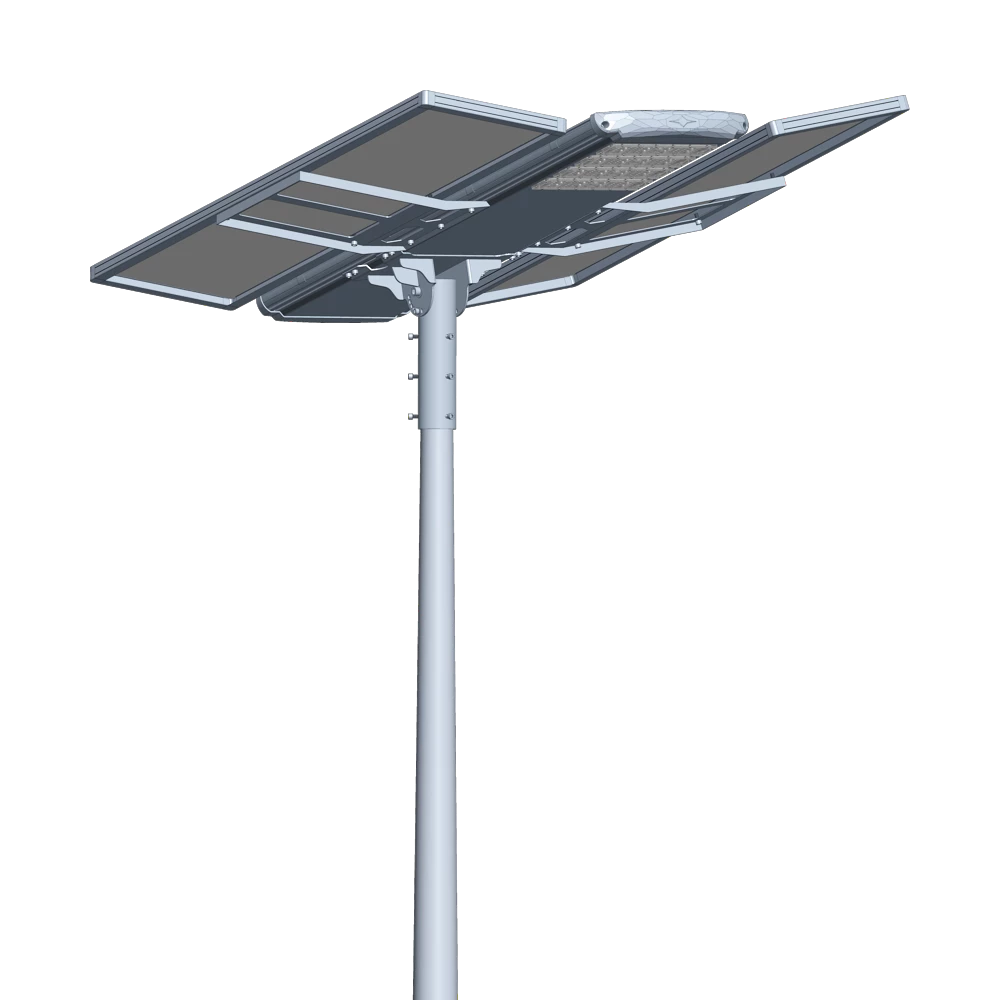
Introducing the Luqing Solar Street Light by Queneng, Efficient LED lighting powered by solar energy is perfect for illuminating outdoor areas. Harness the power of solar energy for sustainable, reliable street lighting. Ideal for eco-friendly, cost-effective outdoor illumination solutions.
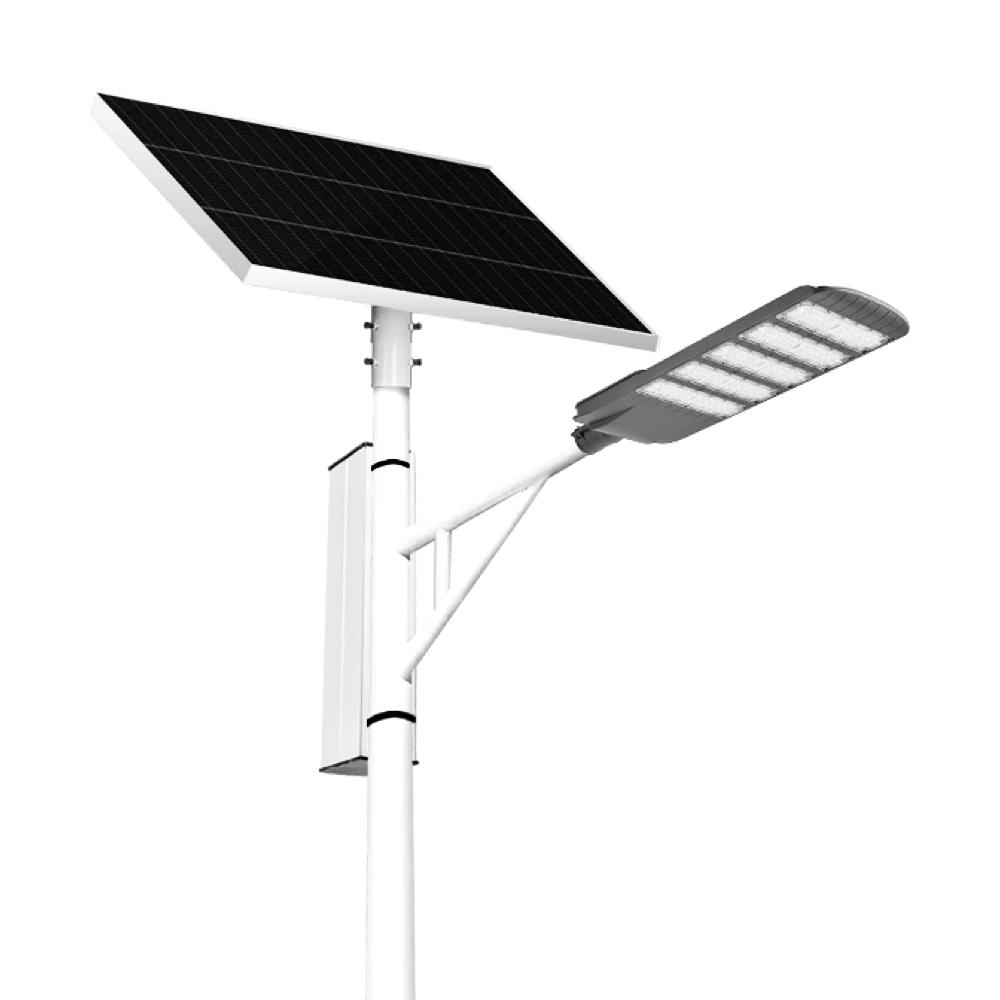
The Solar Streetlights of Luhao for Municipalities are designed to deliver reliable, energy-efficient, and cost-effective public lighting solutions. Equipped with advanced LED technology, durable lithium batteries, and high-efficiency solar panels, these streetlights provide consistent illumination for roads, parks, residential areas, and government projects.
Our professional team is ready to answer any questions and provide personalized support for your project.
You can reach us via phone or email to learn more about Queneng’s solar lighting solutions. We look forward to working with you to promote clean energy solutions!
Rest assured that your privacy is important to us, and all information provided will be handled with the utmost confidentiality.
By clicking 'Send Inquiry Now' I agree to Queneng processing my personal data.
To see how to withdraw your consent, how to control your personal data and how we process it, please see our Privacy Policy and Terms of use.
Schedule a Meeting
Book a date and time that is convenient for you and conduct the session in advance.
Have more questions about our products or services?
The messenger of light & power conversion
Environmental protection and intelligent manufacturing are our brand philosophy, and quality assurance and the best user experience are our eternal promises to users.
CONTACT
No.9F, Building F, Cao San Xin Tian Hong Logistics Park, Guzhen Town, Zhongshan City, Guangdong Province, China.
or write [email protected]
WhatsApp: +86 136 2270 1011


