













Unlocking Value: The ROI of Municipal Solar Street Lights in Nigeria
Unlocking Value: The ROI of Municipal Solar Street Lights in Nigeria
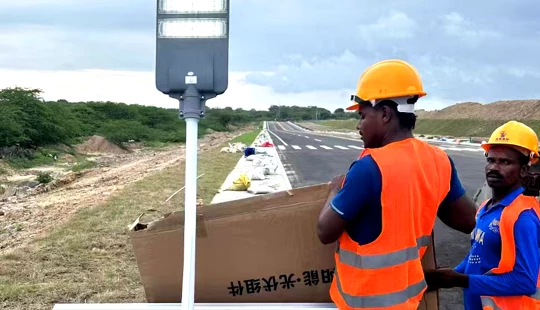
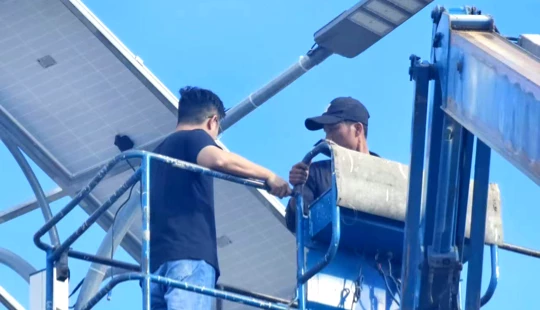
Nigeria, a nation brimming with potential, faces persistent challenges in its energy sector, with unreliable grid electricity impacting daily life and hindering economic growth. In this context, the investment in sustainable infrastructure is not just an option but a necessity. Municipalities across Nigeria are increasingly exploring solar solutions to illuminate their streets, enhance public safety, and reduce operational burdens. But beyond the obvious benefits, what is the true ROI of municipal solar street light scheme design procurement in Nigeria? This comprehensive guide delves into the financial, environmental, and social returns, offering insights for informed decision-making.
Why Solar Street Lights are a Game Changer for Nigerian Municipalities
Addressing Nigeria's Energy Deficit with Sustainable Lighting
Nigeria's energy landscape is characterized by an unreliable national grid, leading to widespread reliance on costly and polluting diesel generators. Implementing solar street lights directly tackles this deficit, providing an independent, off-grid lighting solution. By harnessing abundant solar energy, municipalities can ensure consistent illumination regardless of grid availability, significantly improving the quality of urban life. This shift represents a strategic investment in energy independence and resilience for communities across the nation.
Enhanced Safety and Security for Urban Areas
Well-lit streets are fundamental to urban safety and security. Dark areas contribute to increased crime rates and road accidents, especially in rapidly growing urban centers. Investing in reliable solar street lighting schemes dramatically improves visibility, deterring criminal activity and making public spaces safer for residents and commuters. This translates into social ROI, fostering community trust and encouraging outdoor activities, ly contributing to a more vibrant and secure urban environment.
Environmental Stewardship and Carbon Footprint Reduction
Beyond immediate operational benefits, municipal solar street lights offer significant environmental advantages. By eliminating the need for grid electricity or diesel generators, these systems drastically reduce carbon emissions and air pollution. Nigeria, as a signatory to international climate agreements, can leverage such initiatives to demonstrate its commitment to sustainable development and environmental stewardship. This aligns with global efforts towards a greener future, providing long-term ecological ROI for the nation.
Demystifying the ROI: Key Financial Benefits and Payback
Significant Reductions in Operational Costs
The most immediate and tangible financial benefit of solar street lights is the drastic reduction in operational expenses. Traditional street lights incur substantial electricity bills, which are often unpredictable due to fluctuating tariffs and generator fuel costs. Solar street lights, once installed, operate virtually free of charge, leveraging a readily available natural resource. This eliminates monthly electricity costs, freeing up valuable municipal funds for other essential public services.
Avoiding Grid Infrastructure and Fuel Costs
For new developments or areas lacking grid connectivity, solar street lights bypass the enormous capital expenditure associated with trenching, cabling, and connecting to the national grid. Furthermore, in areas where grid power is intermittent, the reliance on diesel generators for lighting is a major drain on resources. A report by the Nigerian Economic Summit Group (NESG) in 2020 indicated that Nigerian businesses and households spend an estimated NGN 14 trillion (approx. $34 billion USD at the time) annually on self-generated electricity. Solar street lights eliminate these recurrent fuel costs, offering predictable and sustainable lighting expenditure and boosting the ROI of municipal solar street light scheme design procurement in Nigeria.
Long-Term Savings on Maintenance and Replacements
Modern solar street light systems are designed for durability and longevity. High-quality LED luminaires have a lifespan of 50,000 to 100,000 hours, significantly outlasting traditional bulbs. Advanced battery technologies, such as LiFePO4, offer thousands of charge cycles and come with extended warranties. While initial installation may involve labor, the ongoing maintenance requirements are minimal compared to grid-tied systems that need constant monitoring for cable faults or power surges. This leads to substantial long-term savings in maintenance and replacement costs, contributing positively to the overall ROI.
Potential for Carbon Credits and Incentives
As global awareness of climate change grows, schemes for carbon offsetting and green financing are becoming more accessible. Municipalities investing in large-scale solar lighting projects may qualify for carbon credits, providing an additional revenue stream or offsetting other emissions. While specific national incentives in Nigeria are still evolving, international organizations and development banks increasingly support renewable energy projects, further enhancing the financial viability and ROI of such initiatives.
The Critical Role of Expert Scheme Design for Maximizing ROI
Tailored Solutions for Optimal Performance and Durability
Achieving a high ROI from solar street lights begins with a meticulously planned scheme design. A one-size-fits-all approach often leads to suboptimal performance, premature failures, and ly, a poor return on investment. Expert design considers factors like local solar irradiance, desired illumination levels, hours of operation, and local weather conditions (e.g., dust, heat, rainfall). A customized design ensures that the system is perfectly sized, balancing initial cost with long-term efficiency and reliability, crucial for any successful municipal solar street light scheme design procurement in Nigeria.
Component Selection: Battery, Panel, and LED Efficacy
The quality and specification of individual components are paramount. The solar panel's wattage, the battery's capacity (ideally LiFePO4 for longevity and performance, with a typical lifespan of 10-15 years), and the LED luminaire's efficacy (lumens per watt) directly influence the system's efficiency and lifespan. Cutting corners on these components can lead to frequent breakdowns and higher maintenance costs, undermining the projected ROI. A professional design firm like Queneng Lighting ensures the selection of high-grade, compatible components that guarantee sustained performance.
Site Assessment and Light Distribution Planning
Effective scheme design also includes thorough site assessments and precise light distribution planning. This involves determining optimal pole heights, spacing, and tilt angles for solar panels to maximize energy capture and ensure uniform, adequate illumination across roads and public areas. Poor planning can result in dark spots, inefficient energy use, or over-illumination, all of which negatively impact the overall effectiveness and ROI of municipal solar street light scheme design procurement in Nigeria.
Navigating the Procurement Process in Nigeria for Solar Street Lights
Transparency and Due Diligence in Supplier Selection
The procurement of municipal solar street lights requires a robust and transparent process. Municipalities must conduct thorough due diligence on potential suppliers, evaluating their track record, financial stability, and technical capabilities. Avoiding the lowest-cost bidder without considering quality and reliability is crucial. A strong emphasis on transparency helps mitigate risks of corruption and ensures that public funds are invested wisely for maximum long-term benefit for solar street light procurement in Nigeria.
Ensuring Compliance with International Standards and Certifications
For any significant infrastructure project, adherence to international quality and safety standards is non-negotiable. Suppliers should provide certifications such as ISO 9001 for quality management, along with product-specific certifications like CE, UL, BIS, or CB, which confirm that components meet rigorous performance and safety benchmarks. These certifications are a testament to the product's reliability and the manufacturer's commitment to quality, directly impacting the longevity and ROI of municipal solar street light scheme design procurement in Nigeria.
Prioritizing Quality, Warranty, and After-Sales Support
Beyond initial purchase price, the terms of warranty and the availability of after-sales support are critical procurement considerations. A comprehensive warranty covering key components (panels, batteries, LEDs) provides peace of mind and protection against premature failures. Reliable after-sales service, including spare parts availability and technical assistance, ensures the sustained operation of the lighting system, safeguarding the municipality's investment and maximizing its long-term ROI.
Queneng Lighting: Your Partner for Sustainable Solar Solutions in Nigeria
Expertise in Design, Production, and Project Implementation
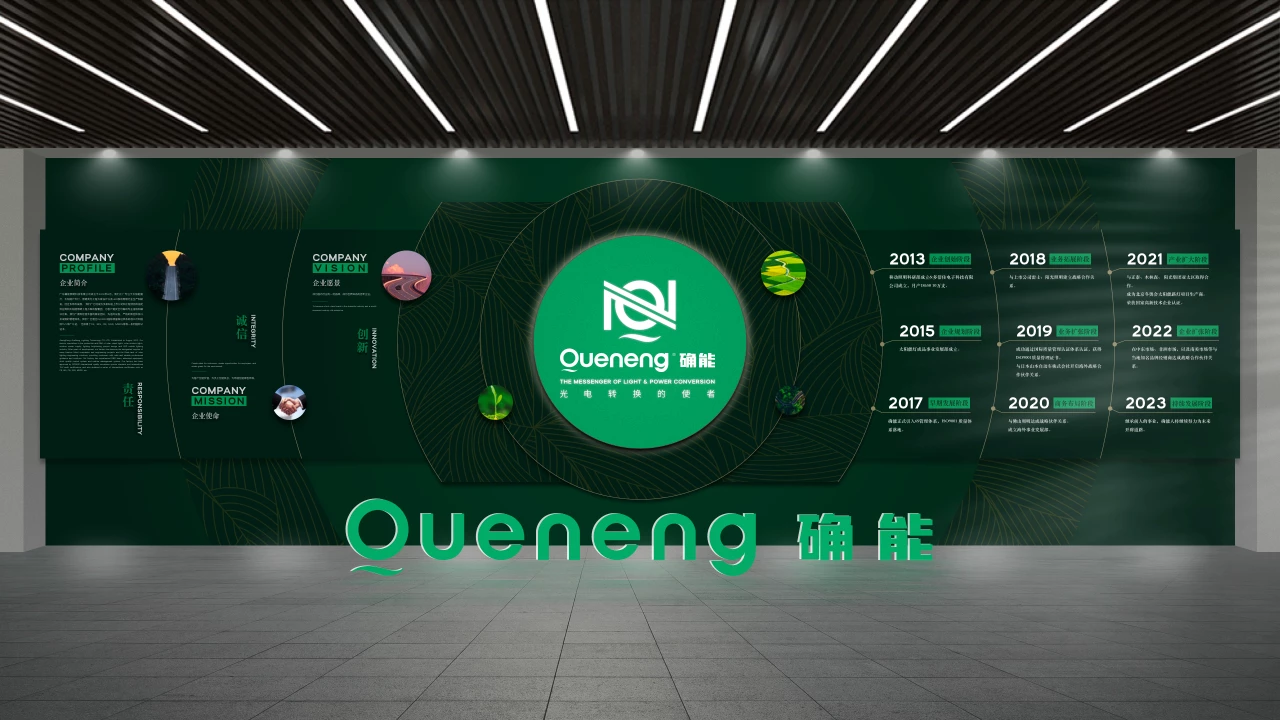
GuangDong Queneng Lighting Technology Co., Ltd., founded in 2013, stands as a premier provider in the solar lighting industry. With years of dedicated development, Queneng has become a designated supplier for numerous renowned companies and engineering projects. Our expertise spans solar street lights, garden lights, photovoltaic panels, and comprehensive lighting project design, making us an ideal partner for ambitious municipal solar initiatives in Nigeria. We bring a wealth of experience in customizing robust and efficient solar lighting solutions tailored to local needs, ensuring a high ROI for municipal solar street light scheme design.
Commitment to Quality and International Certifications
At Queneng, quality is non-negotiable. We boast an experienced R&D team, advanced manufacturing equipment, and stringent quality control systems. Our commitment to excellence is underscored by our ISO 9001 international quality assurance system standard approval and international TÜV audit certification. Furthermore, our products carry a series of international certificates, including CE, UL, BIS, CB, SGS, and MSDS, assuring Nigerian municipalities of reliable, safe, and high-performance solar lighting systems, essential for long-term ROI.
A Trusted Think Tank for Municipal Solar Projects
Queneng Lighting acts as a solar lighting engineering solutions think tank, providing customers with safe and reliable professional guidance and solutions from conceptualization to implementation. Our deep understanding of solar technology and project management enables us to assist Nigerian municipalities in crafting the most effective and financially sound solar street light scheme design procurement in Nigeria, ensuring optimal performance and maximizing long-term ROI.
Conclusion: Illuminating Nigeria's Future with Smart Solar Investments
The decision to invest in municipal solar street lights in Nigeria is a strategic one, offering a multifaceted Return on Investment that extends far beyond mere cost savings. From enhancing public safety and promoting environmental sustainability to achieving long-term financial stability through reduced operational expenditures, the benefits are clear. By prioritizing expert scheme design, diligent procurement processes, and partnering with a reputable and certified supplier like GuangDong Queneng Lighting Technology Co., Ltd., Nigerian municipalities can confidently illuminate their urban landscapes, fostering growth, security, and a brighter, more sustainable future. The path to a well-lit Nigeria begins with smart, informed solar investment choices today.
Frequently Asked Questions
What is the typical payback period for municipal solar street lights in Nigeria?
While exact payback periods vary based on system design, component quality, local electricity costs, and installation expenses, high-quality municipal solar street light systems in Nigeria often achieve a payback period of 3 to 6 years. This is primarily due to significant savings on electricity bills and the elimination of generator fuel costs. After this period, the savings contribute directly to municipal budgets.
How does scheme design impact the ROI of solar street lights?
Scheme design is crucial. A well-designed system, tailored to specific site conditions and illumination needs, ensures optimal energy capture, efficient power consumption, and extended system lifespan. Conversely, a poorly designed system can lead to insufficient lighting, frequent component failures, higher maintenance, and ly, a diminished or negative ROI. Proper design is key to maximizing efficiency and longevity.
What are the most critical factors to consider during procurement?
Key factors include supplier reputation and extensive experience in the solar lighting industry, product quality and adherence to international certifications (e.g., ISO, CE, UL, BIS), comprehensive warranty terms for all major components, reliable after-sales support, and the supplier's ability to offer customized solutions. Prioritizing these aspects over the lowest upfront cost ensures long-term reliability and maximizes your investment's ROI.
Are there any government incentives for solar street light projects in Nigeria?
While specific, consistent national incentives solely for municipal solar street light projects in Nigeria are still developing, various initiatives like the Rural Electrification Agency (REA) programs support broader off-grid energy solutions. Additionally, international climate finance mechanisms and carbon credit schemes may offer opportunities for eligible projects. It's advisable for municipalities to consult with relevant government bodies and energy agencies for the latest updates and potential support.
Why is quality and certification important for solar street light suppliers?
Quality and certification are paramount because they ensure that the solar street light systems are reliable, safe, durable, and perform as expected in Nigeria's often demanding environmental conditions. Certifications like ISO 9001 for quality management, along with product-specific certifications such as CE, UL, and BIS, indicate that the supplier adheres to international standards in manufacturing and product quality. This directly translates to a longer lifespan, fewer failures, lower maintenance costs, and a significantly higher long-term ROI for the municipality.

Have more questions about our products or services?
The latest hot news you might like

Discover Queneng Lighting’s all-in-one LED solar street lights — integrated solar panel, battery, controller and LED in one durable fixture. Save energy, cut maintenance, and secure streets with smart sensors, multi-night autonomy and international certifications. Contact sales for quotes and support.

Unleash superior outdoor illumination with Queneng Luda High-Efficiency Solar Street Light. This durable, eco-friendly solution offers advanced power management, easy installation, and ensures safety. Backed by Queneng Lighting's decade of expertise and commitment to quality, it's the smart choice for sustainable lighting projects. Learn why we're a leading solar solutions provider.

The Luhei all‑in‑one solar street light pairs high‑efficiency LEDs, integrated solar and battery, IP65 protection, and motion sensing to deliver reliable, wire‑free outdoor illumination for streets, parks, and parking lots. Backed by Queneng Lighting’s certifications and support.

FAQ
Transportation and Highways
What maintenance is required for highway solar lighting systems?
Routine maintenance includes cleaning the solar panels, checking the battery status, and inspecting the light fixtures every 6-12 months.
Are the lights compliant with transportation safety standards?
Yes, our products meet international standards such as CE, RoHS, and ISO certifications.
Schools and Educational Institutions
Do solar lights work year-round, even during winter?
Yes, solar lights can work year-round, even in winter. However, in areas with heavy snow, it’s important to ensure the solar panels are clear of snow for optimal performance.
Solar Street Light Luqing
Do solar street lights work without direct sunlight?
Solar street lights can still operate without direct sunlight as long as the solar panels receive some sunlight during the day to charge the battery. However, performance may be less optimal during prolonged periods of low sunlight, and the battery life may be shorter.
Do Luqing solar street lights work in cold or snowy climates?
Yes, Luqing solar street lights are designed to work in various weather conditions, including cold and snowy climates. The solar panels are made to operate efficiently even in low temperatures, and the LED lights perform well in all weather.
Remote Areas Rural Development
Can solar streetlights be relocated if community needs change?
Yes, they are designed to be portable and can be relocated to new sites with minimal adjustments.
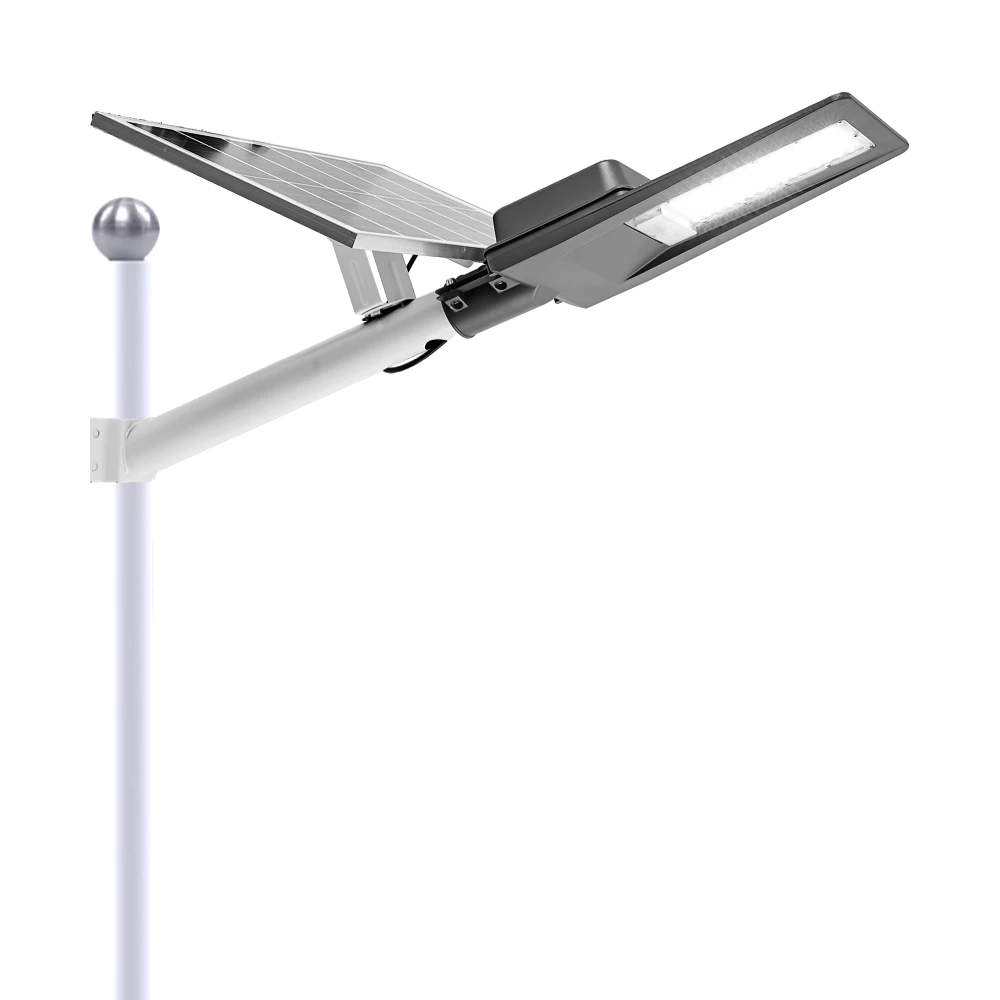
Experience reliable outdoor illumination with our smart solar street light, a perfect combination of advanced technology and eco-conscious design.
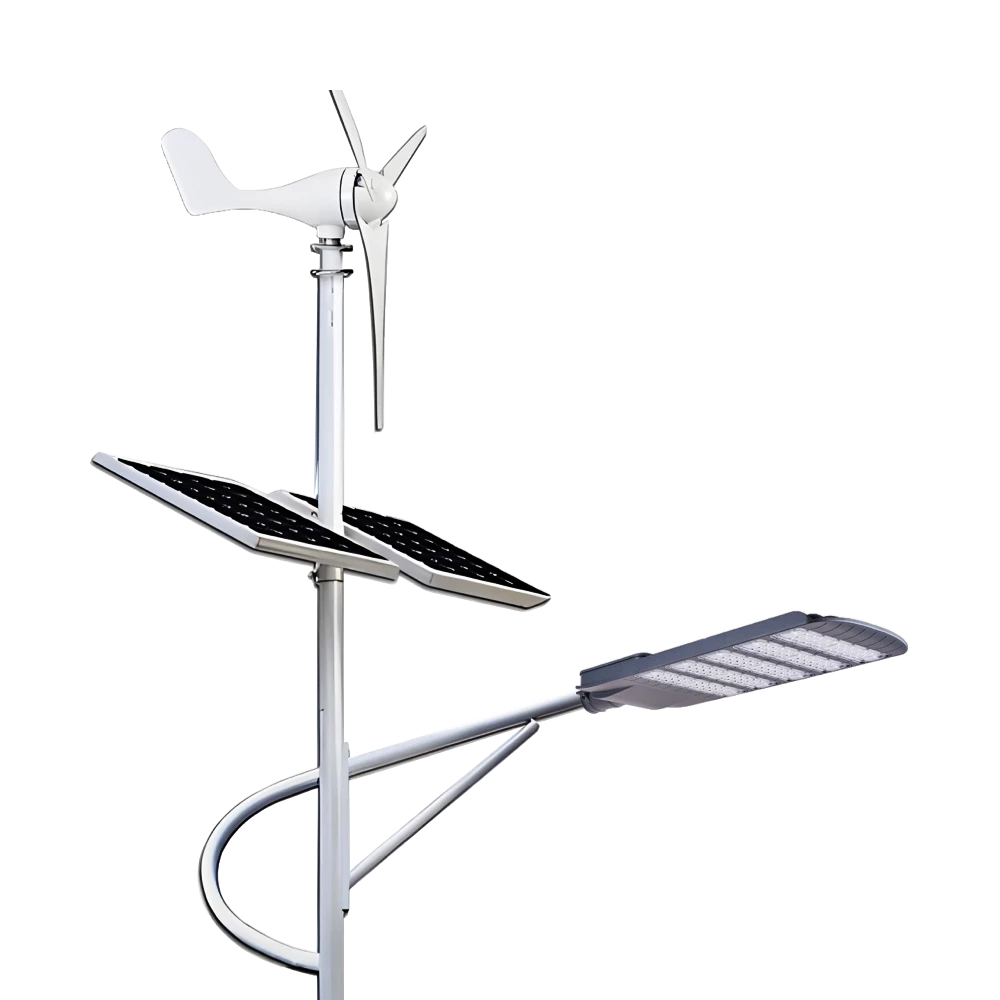
Queneng Lufeng Wind Energy LED Outdoor Solar Street Lights offer high-performance, eco-friendly illumination. These energy-efficient LED street lights harness solar power and wind energy for sustainable, cost-effective outdoor lighting solutions.
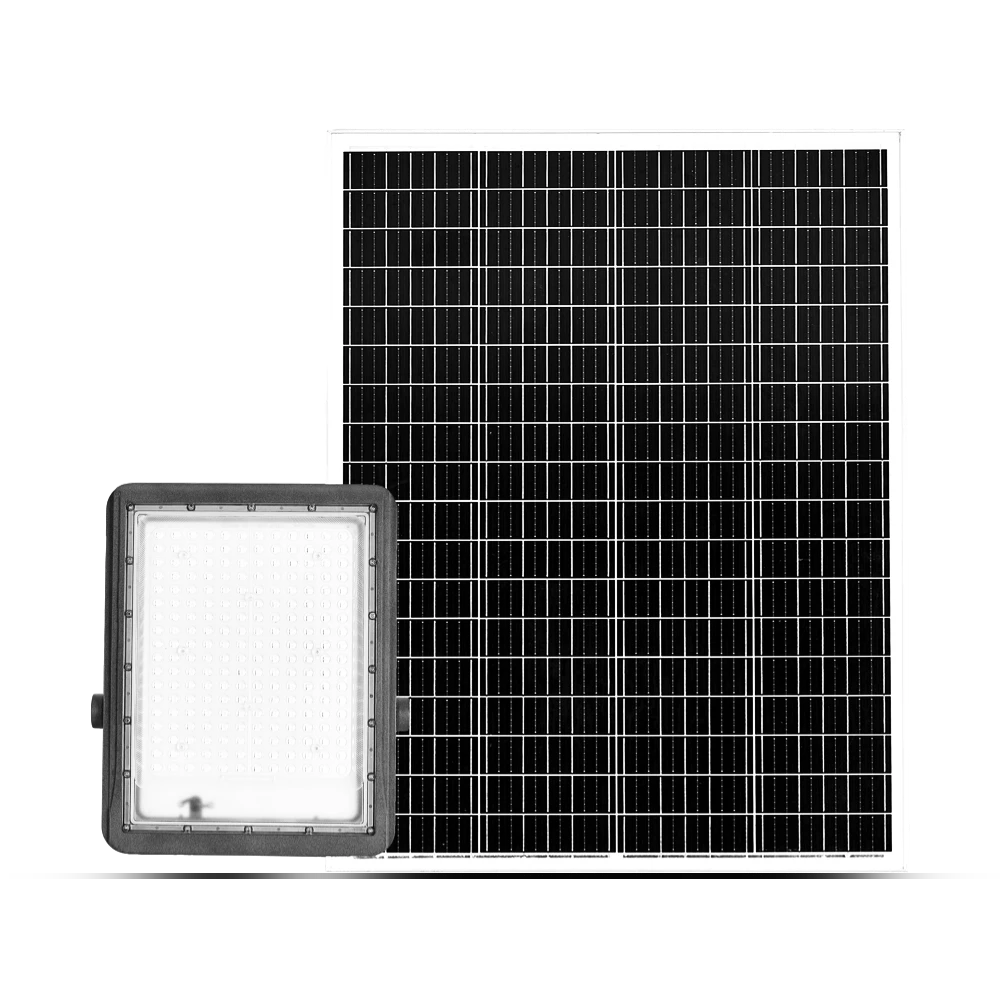
Queneng's Luxian Reliable Solar Street Light offers energy-saving LED lighting for outdoor use. This durable, solar-powered street light provides reliable illumination, reducing energy costs and environmental impact. A perfect solution for sustainable outdoor lighting.
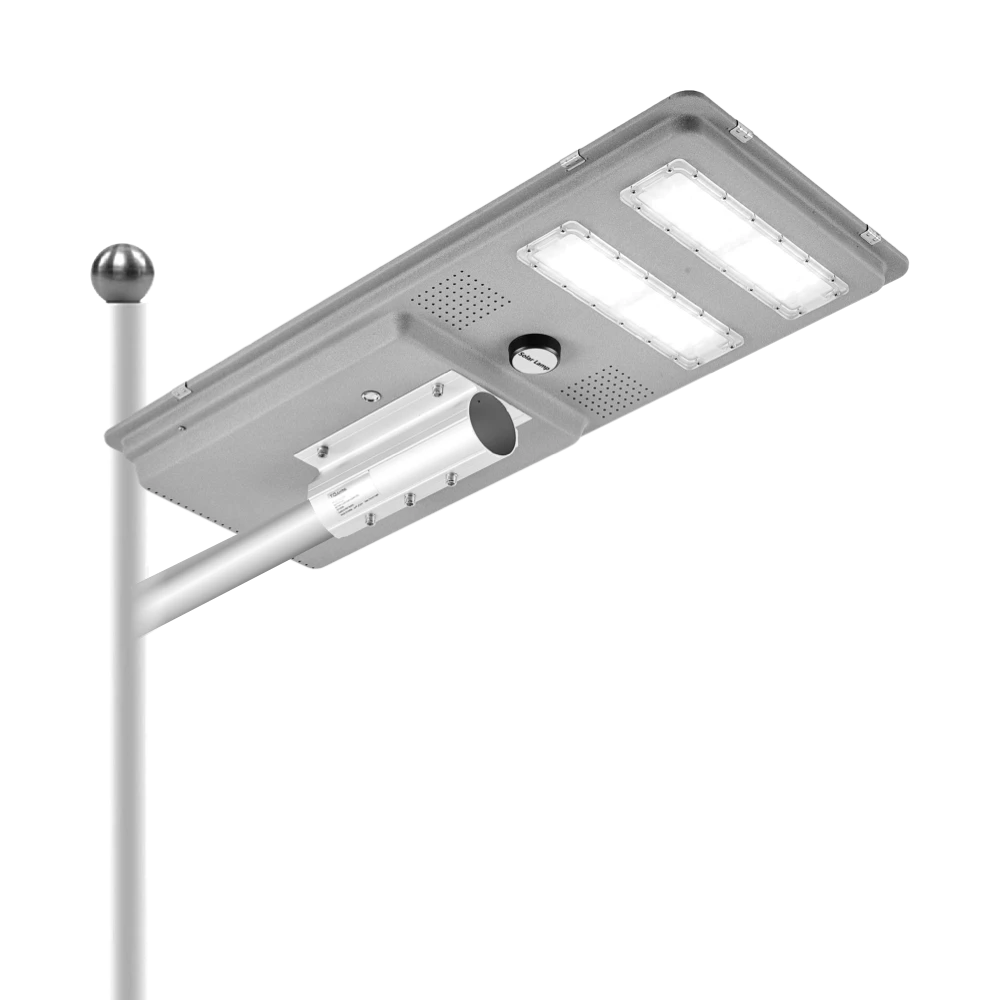
Queneng’s Solar Street Lights are designed to provide reliable, energy-efficient lighting for streets, parks, and other outdoor spaces.
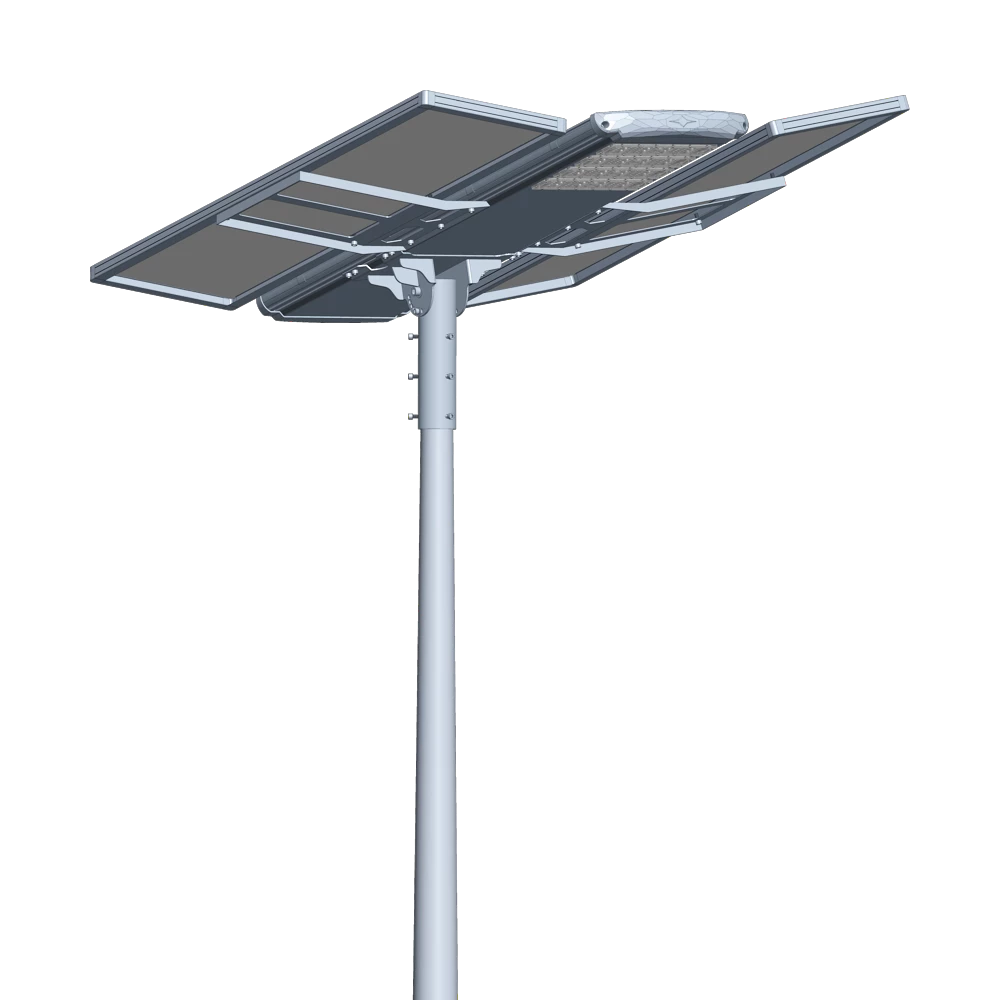
Introducing the Luqing Solar Street Light by Queneng, Efficient LED lighting powered by solar energy is perfect for illuminating outdoor areas. Harness the power of solar energy for sustainable, reliable street lighting. Ideal for eco-friendly, cost-effective outdoor illumination solutions.
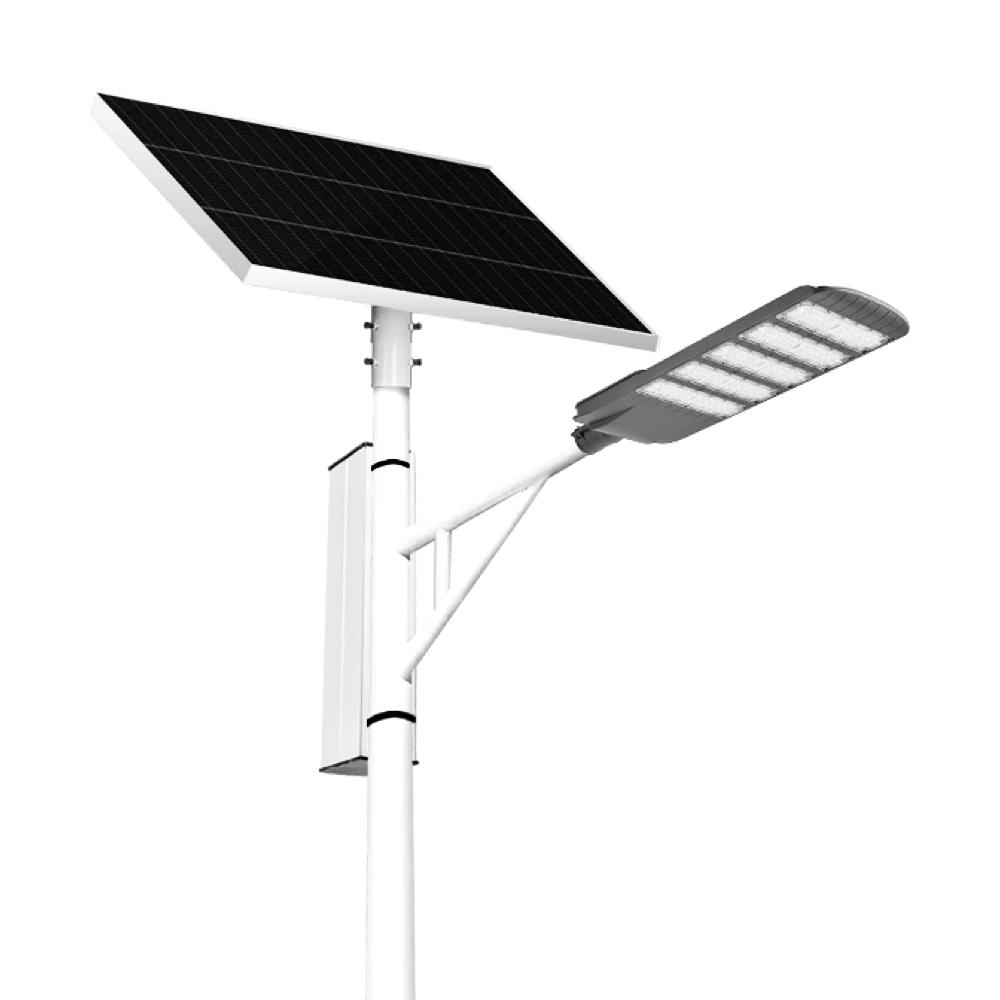
The Solar Streetlights of Luhao for Municipalities are designed to deliver reliable, energy-efficient, and cost-effective public lighting solutions. Equipped with advanced LED technology, durable lithium batteries, and high-efficiency solar panels, these streetlights provide consistent illumination for roads, parks, residential areas, and government projects.
Our professional team is ready to answer any questions and provide personalized support for your project.
You can reach us via phone or email to learn more about Queneng’s solar lighting solutions. We look forward to working with you to promote clean energy solutions!
Rest assured that your privacy is important to us, and all information provided will be handled with the utmost confidentiality.
By clicking 'Send Inquiry Now' I agree to Queneng processing my personal data.
To see how to withdraw your consent, how to control your personal data and how we process it, please see our Privacy Policy and Terms of use.
Schedule a Meeting
Book a date and time that is convenient for you and conduct the session in advance.
Have more questions about our products or services?
The messenger of light & power conversion
Environmental protection and intelligent manufacturing are our brand philosophy, and quality assurance and the best user experience are our eternal promises to users.
CONTACT
No.9F, Building F, Cao San Xin Tian Hong Logistics Park, Guzhen Town, Zhongshan City, Guangdong Province, China.
or write [email protected]
WhatsApp: +86 136 2270 1011


