














ROI optimization framework for large-scale solar lighting adoption | Insights by Quenenglighting
Unlocking Value: Your ROI Optimization Framework for Large-Scale Solar Lighting Adoption
As the world shifts towards sustainable infrastructure, large-scale solar lighting is emerging as a powerful solution for municipalities, industrial complexes, and public spaces. However, embarking on such a project requires a clear understanding of its financial viability and long-term benefits. An ROI (Return on Investment) optimization framework is essential to maximize the value of your investment. Here, we address key questions users frequently ask when considering large-scale solar lighting adoption, providing professional insights and data-backed answers.
What is an ROI Optimization Framework for Large-Scale Solar Lighting, and Why is it Crucial?
An ROI optimization framework for large-scale solar lighting is a structured approach to evaluate, plan, and execute solar lighting projects with the primary goal of maximizing financial returns and overall project value. It encompasses a holistic assessment of initial capital expenditure, operational savings, maintenance costs, environmental benefits, and potential revenue streams or incentives over the system's lifespan.
It's crucial because large-scale projects involve significant capital. A robust framework helps procurement professionals and decision-makers:
- Justify Investment: Provide clear financial projections to stakeholders.
- Mitigate Risks: Identify potential challenges and cost overruns early.
- Optimize Design: Select the most cost-effective and efficient technologies.
- Ensure Long-Term Sustainability: Plan for maintenance and performance monitoring.
- Leverage Benefits: Fully account for both tangible and intangible advantages.
How Do I Accurately Calculate the Return on Investment (ROI) for a Large-Scale Solar Lighting Project?
Calculating ROI for solar lighting involves comparing the total benefits (savings and incentives) against the total costs over a specified period. The basic formula is:
ROI = (Net Project Benefits - Total Project Costs) / Total Project Costs * 100%
For solar lighting, Net Project Benefits typically include:
- Eliminated Electricity Bills: Direct savings from not consuming grid power.
- Reduced Installation Costs: Savings from avoiding trenching, cabling, and grid connection fees typical of traditional lighting.
- Lower Maintenance Costs: Fewer components prone to failure compared to traditional systems (e.g., no ballasts, less wiring issues).
- Potential Incentives: Government grants, tax credits, or carbon credits.
Total Project Costs include:
- Initial Purchase & Installation: Cost of solar luminaires, poles, foundations, labor, and project management.
- Ongoing Maintenance: Scheduled cleaning, battery replacement (typically every 5-10 years for LiFePO4), and component checks.
- Decommissioning Costs: End-of-life disposal or recycling.
Industry estimates for large-scale solar lighting projects often suggest payback periods ranging from 3 to 7 years, heavily dependent on local electricity costs, sunlight availability, and system design.
What Are the Key Technical and Financial Factors That Most Significantly Impact the ROI of Solar Lighting?
Several critical factors can significantly sway your ROI:
- Technical Factors:
- Solar Panel Efficiency: Commercial-grade monocrystalline solar panels typically offer efficiencies between 19% and 22%. Higher efficiency means more power generated in smaller footprints.
- Battery Technology: LiFePO4 (Lithium Iron Phosphate) batteries, commonly used in high-quality solar lighting, offer 2,000 to 5,000 charge cycles, equating to a lifespan of 5-10 years or more, providing superior longevity and depth of discharge compared to lead-acid.
- LED Luminaire Efficiency: Modern LED luminaires can achieve efficiencies of 150-180 lumens per watt, significantly reducing power consumption and allowing for smaller, more cost-effective solar power systems.
- Smart Controls: Motion sensors, dimming schedules, and remote monitoring optimize energy use, extending battery life and reducing power requirements.
- Site Insolation: The average daily peak sun hours at your location directly impacts energy generation.
- Financial Factors:
- Local Electricity Costs: Higher grid electricity rates translate to greater savings and faster ROI.
- Installation Labor Costs: Varies by region, but solar lighting often saves on trenching and wiring labor.
- Government Incentives: Tax credits, grants, or rebates for renewable energy projects can dramatically improve financial viability.
- Maintenance Frequency & Cost: While solar requires less maintenance, factoring in battery replacement and occasional panel cleaning is essential.
What Are the Typical Upfront Costs and Long-Term Operational Savings I Can Expect from Large-Scale Solar Lighting Adoption?
- Upfront Costs: These include the cost of the solar street light units (solar panel, battery, LED luminaire, controller, pole), foundation work, installation labor, and potential design/engineering fees. A single high-quality solar street light unit can range from $1,500 to $4,000+, depending on wattage, battery capacity, pole height, and smart features. Large-scale projects may benefit from volume discounts. While often higher than conventional light fixtures initially, the lack of extensive trenching, wiring, and grid connections significantly reduces overall installation costs, sometimes by 20-30% or more compared to grid-tied setups in remote areas.
- Long-Term Operational Savings:
- Zero Electricity Bills: This is the most significant saving, especially with rising energy prices.
- Reduced Maintenance: Annual maintenance costs for traditional streetlights can be 5-10% of their initial cost, including lamp replacement, ballast failures, and wiring issues. Solar lighting, while requiring less frequent intervention, might involve panel cleaning and battery replacement every 5-10 years, making its long-term operational costs generally lower.
- Avoided Grid Infrastructure Costs: No need for utility connections, transformers, or meters, which can be substantial in new developments or off-grid locations.
Are There Viable Financing Models or Government Incentives Available to Support Large-Scale Solar Lighting Projects?
Yes, several models and incentives exist:
- Direct Purchase & Own: The most straightforward, where the entity purchases and owns the system outright. Benefits from full long-term savings.
- Power Purchase Agreements (PPAs): A third-party developer finances, installs, and maintains the solar lighting system, selling the generated electricity (or lighting service) to the end-user at a fixed or escalating rate, often lower than grid electricity. This eliminates upfront capital costs for the buyer.
- Leasing: Similar to a PPA, but the end-user leases the equipment and eventually takes ownership or renews the lease.
- Government Grants & Rebates: Many national, regional, and local governments offer incentives for renewable energy adoption. These can include capital grants for project installation, tax credits (e.g., Investment Tax Credit in the U.S. for eligible projects), or accelerated depreciation benefits. It's crucial to research specific programs available in your jurisdiction.
- Green Bonds: Some projects can be financed through green bonds, attracting investors interested in environmentally friendly investments.
How Can I Ensure the Long-Term Performance, Reliability, and Minimal Maintenance of My Solar Lighting Investment?
Ensuring long-term performance hinges on several critical aspects:
- Quality Components: Invest in high-grade solar panels, LiFePO4 batteries, efficient LED luminaires, and robust controllers from reputable manufacturers. Cheap components often lead to early failures and higher total cost of ownership.
- Proper Sizing: The system must be correctly sized for your specific location's solar insolation and desired light output, with sufficient battery autonomy (typically 3-5 nights of backup power) to handle cloudy days.
- Intelligent Control Systems: Implement MPPT (Maximum Power Point Tracking) charge controllers for efficient energy harvesting and smart dimming features (e.g., motion-sensing, time-based dimming) to conserve battery power and extend component life.
- Durable Construction: Luminaires and poles should be built to withstand local environmental conditions (wind, extreme temperatures, humidity, corrosion). IP65 or higher ratings are advisable for outdoor components.
- Regular, Minimal Maintenance: Primarily involves periodic cleaning of solar panels (annually or semi-annually, depending on dust/debris) and visual inspection of components. Battery replacement will be necessary every 5-10 years, which should be factored into the TCO.
- Remote Monitoring: Advanced systems offer remote monitoring capabilities, allowing for proactive identification of issues and performance tracking without physical site visits.
Beyond Financial Metrics, What Are the Environmental and Social Benefits, and How Do They Contribute to Overall Project Value?
While financial ROI is paramount, the broader benefits significantly enhance overall project value:
- Environmental Benefits:
- Reduced Carbon Emissions: Replacing grid-tied lighting with solar can mitigate approximately 0.4 to 0.6 kg of CO2 emissions per kWh saved, based on typical grid electricity generation mixes. This contributes to combating climate change and achieving sustainability goals.
- Lower Ecological Footprint: Avoids the environmental impact of traditional power generation (e.g., coal mining, natural gas extraction, water usage).
- Reduced Light Pollution: Smart controls allow for precise light distribution and dimming, minimizing sky glow and preserving nocturnal environments.
- Social Benefits:
- Enhanced Public Safety & Security: Well-lit areas deter crime and improve visibility for pedestrians and drivers.
- Improved Quality of Life: Better illumination in parks, streets, and public spaces fosters community engagement and extends usable hours.
- Energy Independence: Provides reliable lighting in remote or off-grid areas where grid connection is costly or unavailable.
- Brand Reputation: Demonstrates commitment to sustainability and corporate social responsibility, enhancing public image and attracting environmentally conscious citizens or businesses.
These intangible benefits, while harder to quantify financially, build goodwill, improve safety, and align with global sustainability mandates, often influencing public perception and long-term strategic goals.
Quenenglighting: Your Partner in ROI Optimized Solar Lighting
At Quenenglighting, we understand the complexities of large-scale solar lighting adoption. Our commitment to an ROI optimization framework means we provide solutions that are not just environmentally friendly but also financially sound. We leverage:
- High-Efficiency Components: Utilizing High Quality solar panels, long-lasting LiFePO4 batteries, and cutting-edge LED technology for maximum energy harvesting and minimal power consumption.
- Intelligent Control Systems: Advanced MPPT controllers and smart dimming capabilities ensure optimal performance, extended battery life, and energy savings.
- Robust & Durable Design: Our luminaires and poles are engineered to withstand diverse environmental conditions, ensuring reliability and minimal maintenance over their extensive lifespan.
- Comprehensive Project Support: From initial consultation and custom design to installation guidance and after-sales service, we partner with you to achieve your project goals.
- Competitive Total Cost of Ownership: By focusing on quality and efficiency, Quenenglighting ensures a superior return on your investment through significant operational savings and extended product longevity.
Choose Quenenglighting for a sustainable, cost-effective, and high-performance solar lighting solution that truly delivers on its promise of value and long-term ROI.
Data Reference Sources:
- U.S. Department of Energy (DOE) Lighting R&D Program, and various LED manufacturer specifications.
- National Renewable Energy Laboratory (NREL), and solar panel manufacturers' specifications (e.g., Jinko Solar, Trina Solar).
- Research on LiFePO4 battery technology, and battery manufacturers' datasheets.
- Various solar industry market analyses and project case studies.
- Municipal streetlight maintenance budget reports, and solar integrator estimates.
- U.S. Environmental Protection Agency (EPA) Greenhouse Gas Equivalencies Calculator, and International Energy Agency (IEA) data for grid electricity emissions factors.

Have more questions about our products or services?
The latest hot news you might like

Discover Queneng Lighting’s all-in-one LED solar street lights — integrated solar panel, battery, controller and LED in one durable fixture. Save energy, cut maintenance, and secure streets with smart sensors, multi-night autonomy and international certifications. Contact sales for quotes and support.

Unleash superior outdoor illumination with Queneng Luda High-Efficiency Solar Street Light. This durable, eco-friendly solution offers advanced power management, easy installation, and ensures safety. Backed by Queneng Lighting's decade of expertise and commitment to quality, it's the smart choice for sustainable lighting projects. Learn why we're a leading solar solutions provider.

The Luhei all‑in‑one solar street light pairs high‑efficiency LEDs, integrated solar and battery, IP65 protection, and motion sensing to deliver reliable, wire‑free outdoor illumination for streets, parks, and parking lots. Backed by Queneng Lighting’s certifications and support.

FAQ
Solar Street Light Lufeng
Can Lufeng solar street lights be integrated with other smart systems?
Yes, Lufeng solar street lights can be integrated with smart systems for more advanced functionality. Some models can be connected to remote control units or smart city systems, allowing for real-time monitoring, remote management, and automated control of lighting schedules. This integration enhances efficiency and ease of use.
Battery and Analysis
What is overcharging and what effect does it have on battery performance?
Positive electrode: 4OH- - 4e → 2H2O + O2↑;①
Negative electrode: 2H2 + O2 → 2H2O②
Since the negative electrode capacity is higher than the positive electrode capacity during design, the oxygen generated by the positive electrode passes through the separator paper and combines with the hydrogen generated by the negative electrode. Therefore, under normal circumstances, the internal pressure of the battery will not increase significantly. However, if the charging current is too large, Or if the charging time is too long, the generated oxygen will not be consumed in time, which may cause the internal pressure to rise, battery deformation, leakage and other adverse phenomena. At the same time, its electrical properties will also be significantly reduced.
Solar Street Light Luzhou
Are Luzhou solar street lights easy to install?
Yes, Luzhou solar street lights are designed for easy installation. They come with all necessary hardware, and installation typically takes just a few hours. The lights do not require any wiring or electrical connections, making them perfect for both residential and commercial applications.
Sustainability
What is the wind resistance rating of Queneng solar street lights?
Our solar street lights are rigorously tested and can withstand wind speeds of up to 120 km/h. For areas with particularly strong winds, we offer customized solutions to enhance wind resistance.
Distributors
Do you offer product training for distributors?
Yes, we provide in-depth product training, both online and in-person (when applicable), to ensure that you and your team are fully equipped with the knowledge needed to sell and support Queneng’s solar products.
Tourist Attractions and Resorts
Can solar lighting systems withstand harsh weather conditions?
Yes, solar lighting systems are built to be durable and weather-resistant. They can withstand rain, snow, and extreme temperatures, making them ideal for year-round use in outdoor settings.
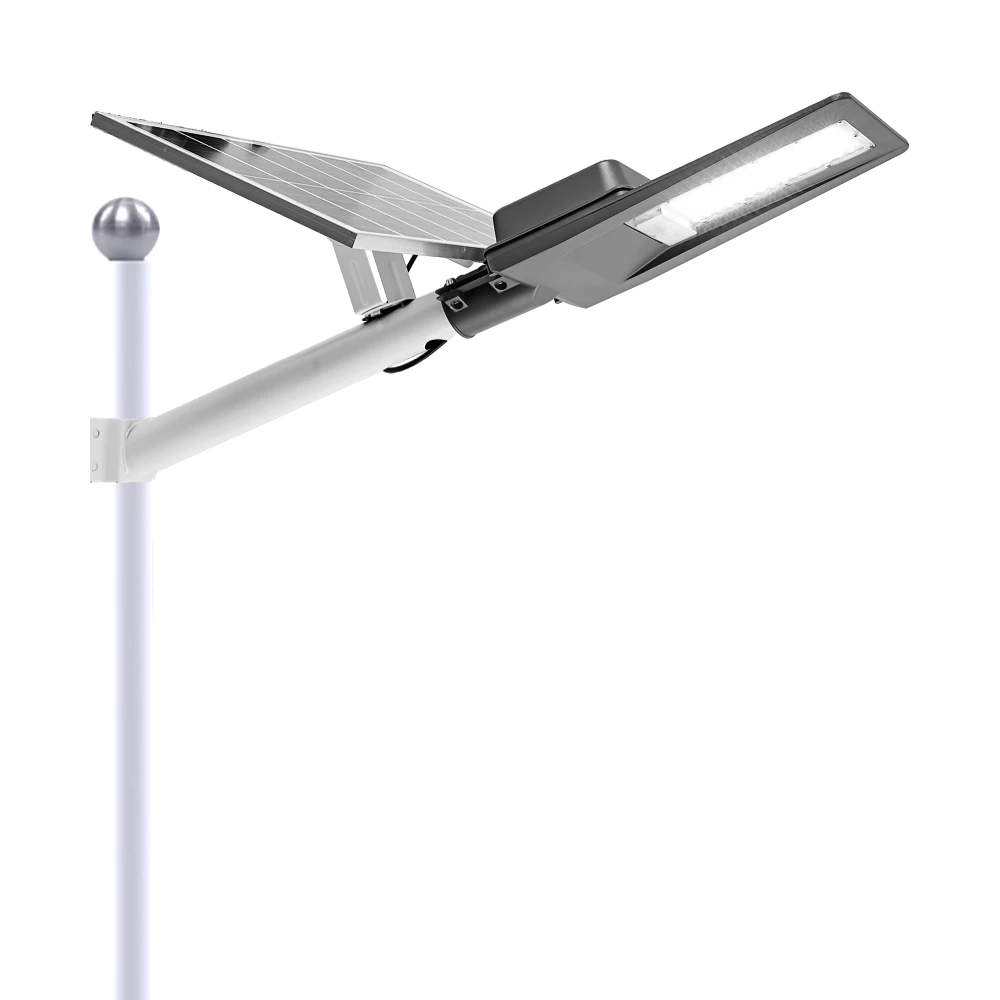
Experience reliable outdoor illumination with our smart solar street light, a perfect combination of advanced technology and eco-conscious design.
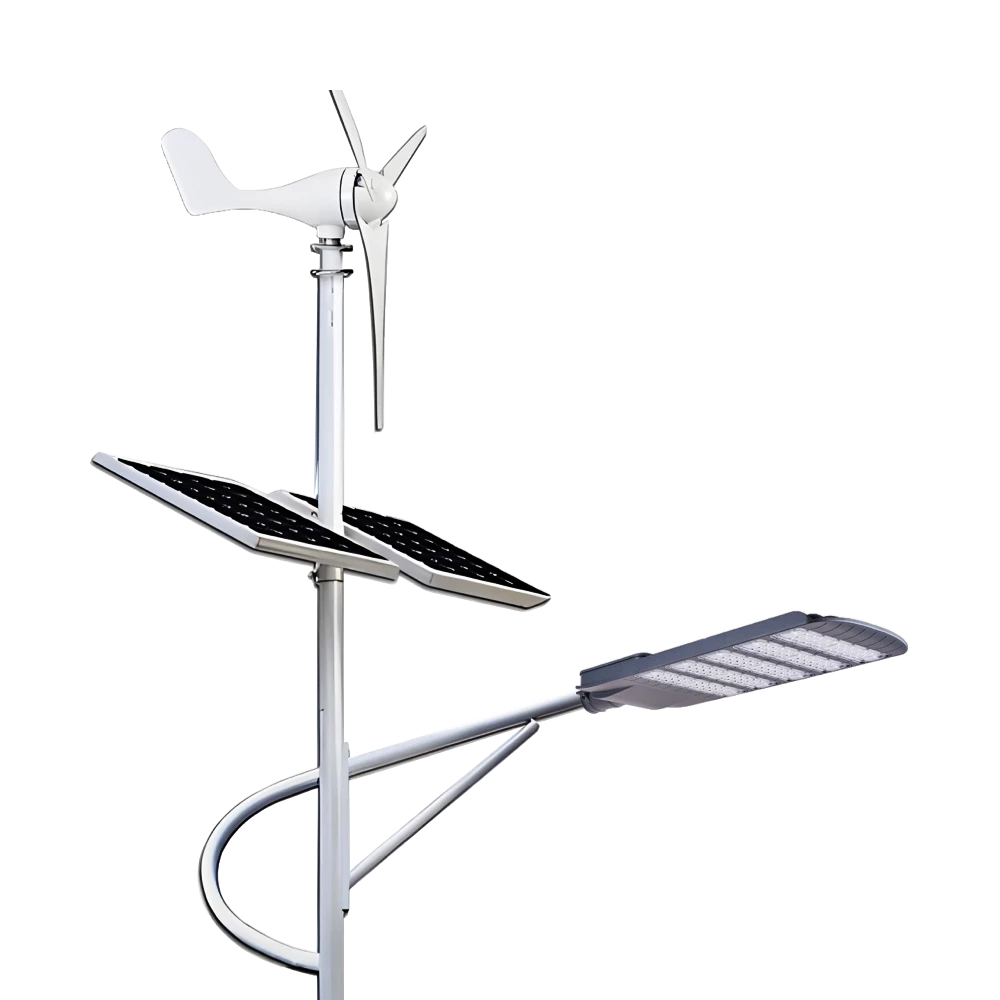
Queneng Lufeng Wind Energy LED Outdoor Solar Street Lights offer high-performance, eco-friendly illumination. These energy-efficient LED street lights harness solar power and wind energy for sustainable, cost-effective outdoor lighting solutions.
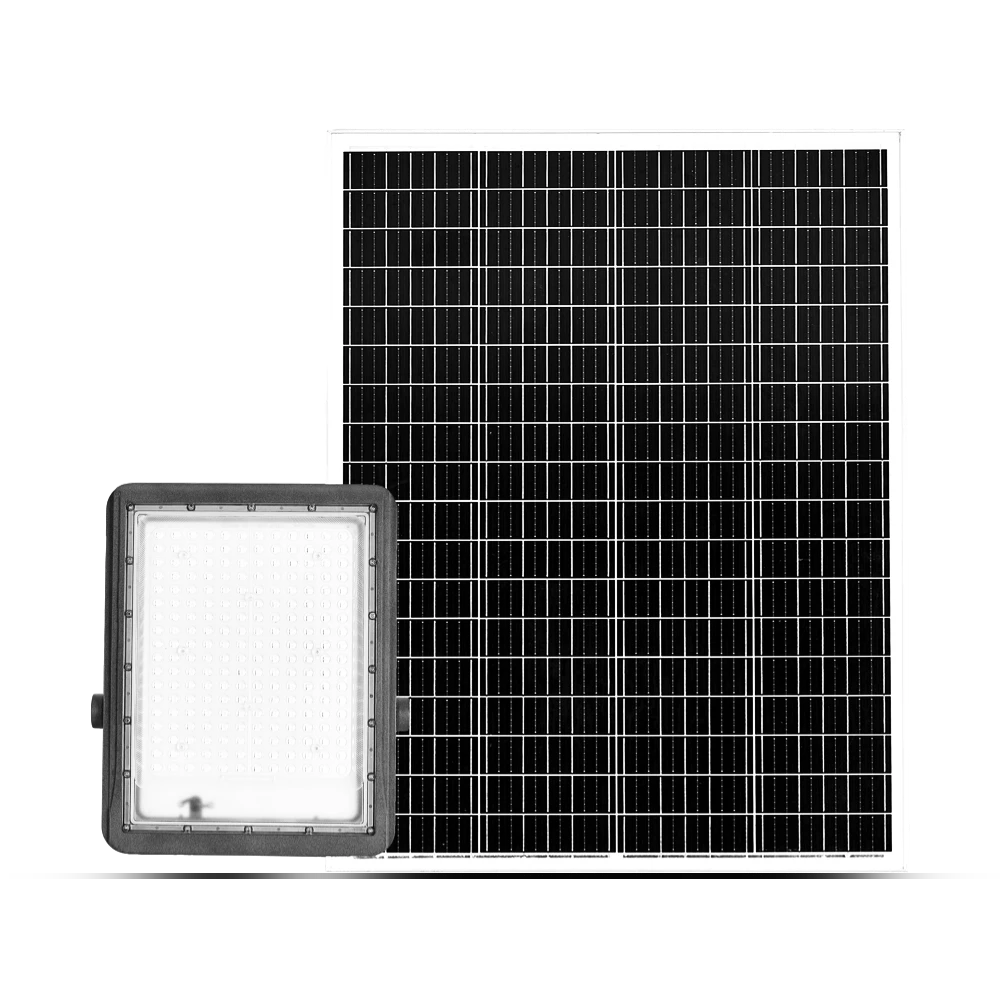
Queneng's Luxian Reliable Solar Street Light offers energy-saving LED lighting for outdoor use. This durable, solar-powered street light provides reliable illumination, reducing energy costs and environmental impact. A perfect solution for sustainable outdoor lighting.
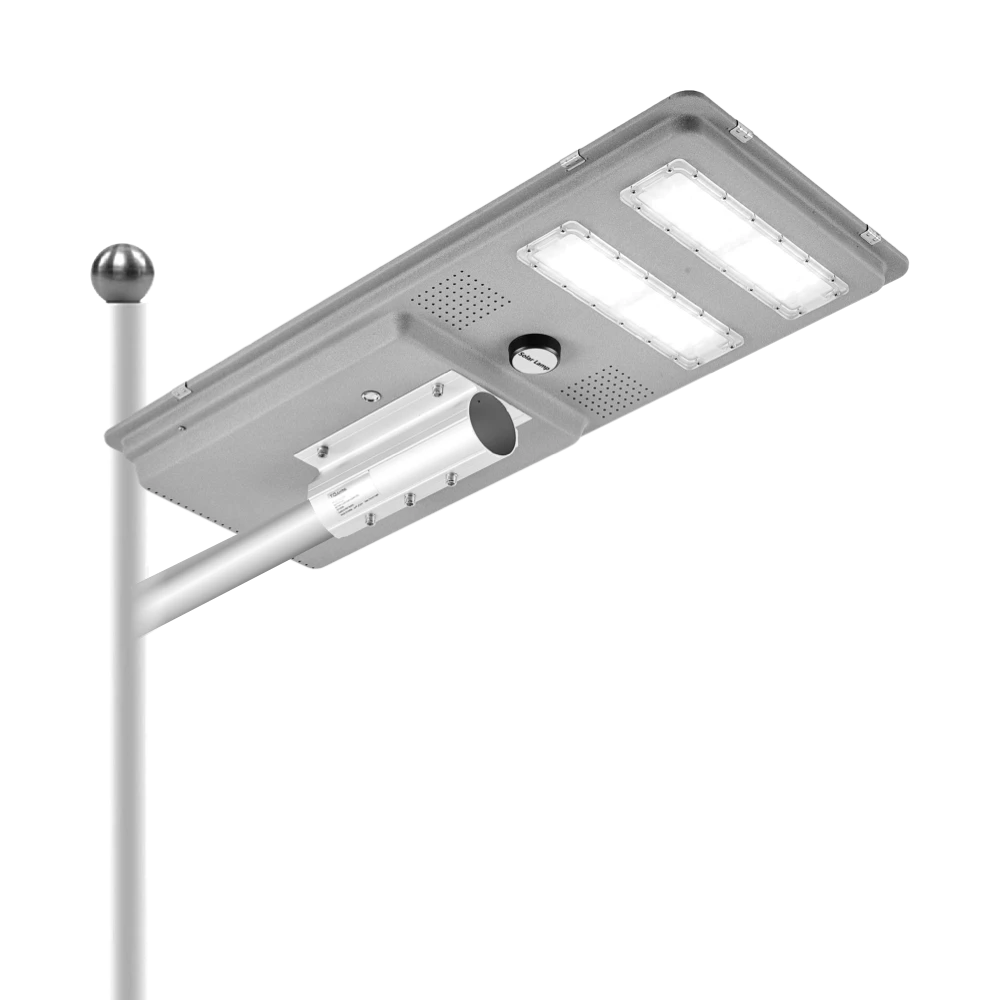
Queneng’s Solar Street Lights are designed to provide reliable, energy-efficient lighting for streets, parks, and other outdoor spaces.
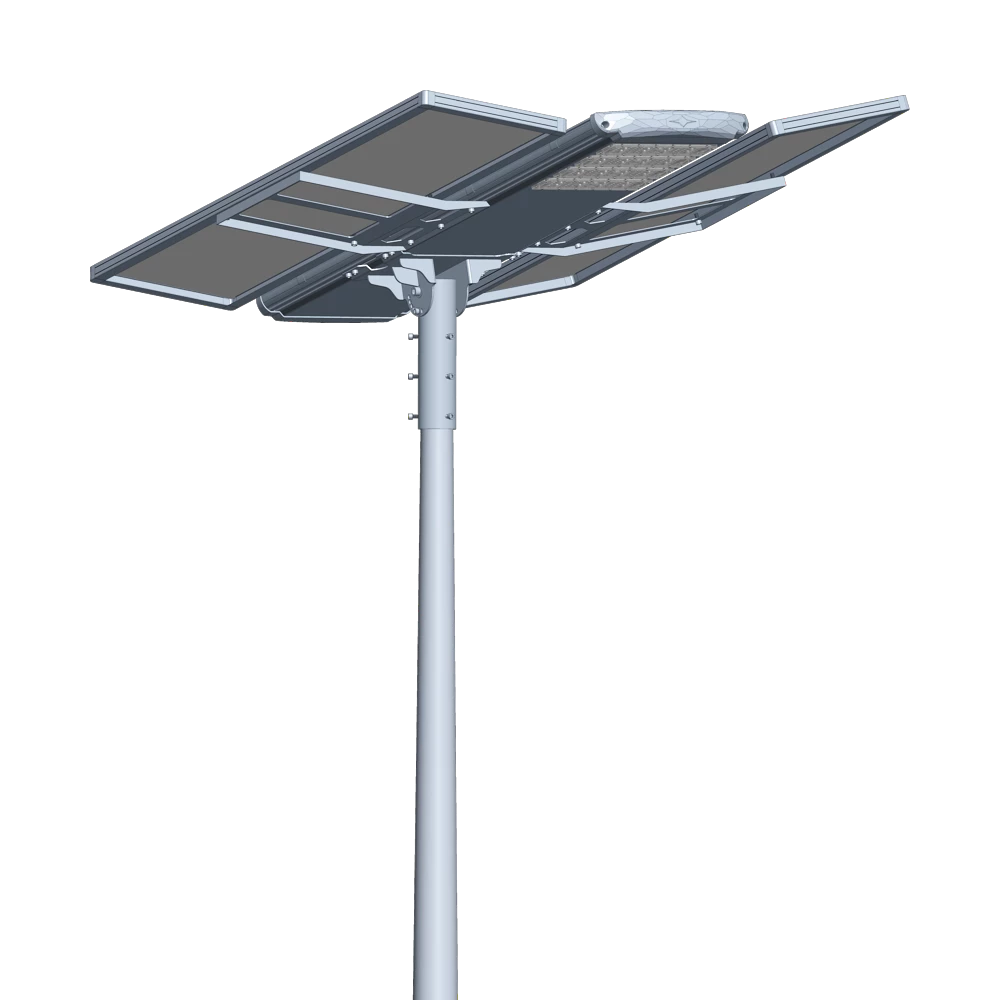
Introducing the Luqing Solar Street Light by Queneng, Efficient LED lighting powered by solar energy is perfect for illuminating outdoor areas. Harness the power of solar energy for sustainable, reliable street lighting. Ideal for eco-friendly, cost-effective outdoor illumination solutions.
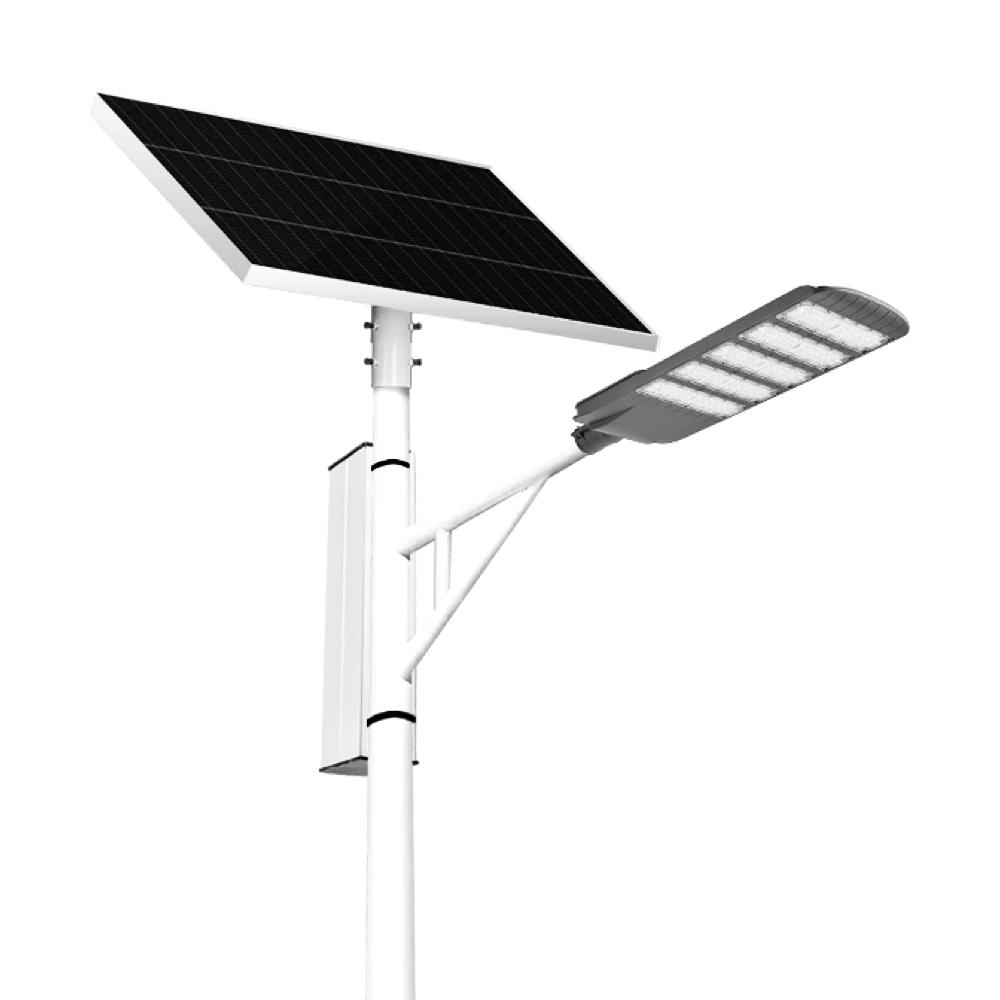
The Solar Streetlights of Luhao for Municipalities are designed to deliver reliable, energy-efficient, and cost-effective public lighting solutions. Equipped with advanced LED technology, durable lithium batteries, and high-efficiency solar panels, these streetlights provide consistent illumination for roads, parks, residential areas, and government projects.
If you would like more information about Queneng solar lighting solutions, please send us a message by filling out the form below. Our professional team will get back to you within 24 hours!
Rest assured that your privacy is important to us, and all information provided will be handled with the utmost confidentiality.
Schedule a Meeting
Book a date and time that is convenient for you and conduct the session in advance.
Have more questions about our products or services?
The messenger of light & power conversion
Environmental protection and intelligent manufacturing are our brand philosophy, and quality assurance and the best user experience are our eternal promises to users.
CONTACT
No.9F, Building F, Cao San Xin Tian Hong Logistics Park, Guzhen Town, Zhongshan City, Guangdong Province, China.
or write [email protected]
WhatsApp: +86 136 2270 1011


