














ROI analysis of solar street light system in Kano metropolitan area | Insights by Quenenglighting
ROI Analysis: Smart Solar Street Lighting in Kano – AI-Driven Profitability for Procurement
For procurement professionals in the Kano Metropolitan Area, the decision to invest in solar street lighting transcends mere environmental responsibility; it represents a strategic financial opportunity. With persistent challenges in grid reliability and fluctuating electricity tariffs, robust solar street light systems offer a compelling proposition for long-term cost savings and enhanced urban infrastructure. This analysis provides a data-backed exploration of the Return on Investment (ROI) for such systems, critically examining how AI integration can further elevate their profitability and operational efficiency.
What is the Typical Upfront Investment for a Solar Street Light System in Kano?
The initial capital outlay for a high-quality solar street light system in Kano typically ranges from $800 to $1,500 per unit for a robust setup (e.g., 60W LED luminaire, 150-200W monocrystalline solar panel, 100-150Ah LiFePO4 battery, MPPT charge controller, and pole). This range accounts for variations in component quality, system specifications, and economies of scale for larger projects. Installation costs, which can vary based on terrain and labor, are an additional consideration but are often offset by the elimination of trenching for grid connections. Investing in durable, high-efficiency components is crucial for long-term ROI, preventing frequent replacements and maintenance.
How Significant are the Energy Cost Savings, Considering Kano's Context?
The energy cost savings are substantial. Kano benefits from high solar insolation, averaging between 5.5 to 6.0 kWh/m²/day, ensuring consistent power generation. More critically, the system eliminates reliance on grid electricity, which in Nigeria, particularly for commercial or municipal uses, incurs tariffs ranging from NGN 60-70 per kWh (approximately $0.05 - $0.07 per kWh), with frequent increments. Furthermore, solar systems negate the need for expensive and unreliable diesel generators, avoiding significant fuel, maintenance, and operational costs associated with power outages. The absence of monthly electricity bills forms the bedrock of solar street lighting's rapid payback period.
What is the Projected Return on Investment (ROI) or Payback Period?
Based on typical upfront costs and significant energy savings, the projected payback period for a well-designed and installed solar street light system in the Kano Metropolitan Area is often estimated to be between 3 to 5 years. This calculation takes into account the initial investment versus the cumulative savings from avoided electricity bills, reduced generator usage, and minimal ongoing maintenance. After this period, the system generates pure savings throughout its extensive lifespan, contributing directly to municipal or organizational budgets and providing an attractive Net Present Value (NPV).
How Does System Reliability and Maintenance Factor into the Long-Term ROI?
Modern solar street light systems are designed for high reliability and low maintenance, directly impacting long-term ROI. High-quality components such as monocrystalline solar panels typically have a lifespan of 25+ years, while advanced LiFePO4 batteries offer 5-10 years of service life with thousands of deep charge cycles. LED luminaires can last 50,000 to 100,000 hours (over 10 years). Scheduled maintenance is minimal, primarily involving occasional panel cleaning. The inherent resilience of solar systems to grid failures makes them more reliable than grid-tied alternatives in regions with unstable power supply, ensuring continuous illumination and preventing costs associated with darkness (e.g., increased security incidents).
What Role Does AI Play in Optimizing ROI for Solar Street Lighting?
Artificial Intelligence significantly enhances the ROI of solar street lighting through several critical applications:
- Predictive Maintenance: AI algorithms analyze historical performance data, battery degradation rates, and environmental conditions to predict potential component failures before they occur. This allows for proactive maintenance, extending component lifespan by up to 20% and drastically reducing emergency repair costs and downtime.
- Adaptive Lighting Control: AI-powered sensors can detect real-time pedestrian and vehicular traffic. Lights can be dimmed or brightened dynamically, optimizing energy consumption. This adaptive control can lead to energy savings of 15-30%, prolonging battery life and maximizing operational efficiency.
- Performance Monitoring & Optimization: AI platforms continuously monitor system performance (energy generation, battery health, LED output) and environmental factors. They identify inefficiencies or anomalies, providing actionable insights for optimizing charging profiles, lighting schedules, and overall system health, ensuring peak performance and maximum energy yield.
- Optimal Design & Sizing: AI tools can analyze vast datasets of local weather patterns, solar irradiance, and usage requirements to recommend the most cost-effective and efficient system design, potentially reducing initial capital expenditure by avoiding over- or under-sizing.
Beyond Direct Cost Savings, What Other Benefits Contribute to Overall Value?
The value proposition of solar street lighting extends beyond direct financial savings:
- Enhanced Public Safety & Security: Well-lit streets demonstrably reduce crime rates and improve public safety, encouraging economic activity and community engagement, indirectly boosting property values and business viability.
- Environmental Sustainability: Zero carbon emissions contribute to local and global climate goals, enhancing the city's green image.
- Energy Independence: Reduces reliance on a volatile national grid and fossil fuels, providing energy security.
- Improved Urban Aesthetics: Modern solar street lights contribute to a contemporary and well-maintained urban landscape.
What are the Key Technical Specifications That Maximize ROI?
To maximize ROI, procurement decisions should prioritize systems with these key technical specifications:
- High-Efficiency Monocrystalline Solar Panels: For maximum energy capture in limited space.
- Long-Cycle-Life LiFePO4 Batteries: Superior longevity, depth of discharge, and safety compared to lead-acid.
- MPPT (Maximum Power Point Tracking) Charge Controllers: Optimize power harvest from solar panels by 15-30%.
- High-Lumen-Per-Watt LED Luminaires: Ensure efficient light output with minimal power consumption.
- Robust Enclosures (IP65/IP67): Provide excellent protection against dust, water, and harsh environmental conditions, minimizing component damage.
- Integrated Smart Control Systems (AI-Ready): For remote monitoring, adaptive lighting, and predictive maintenance capabilities.
Quenenglighting: Your Partner for Smart Solar Solutions
Quenenglighting offers state-of-the-art solar street lighting solutions designed for the demanding conditions of areas like Kano. Our systems integrate high-efficiency monocrystalline panels, advanced LiFePO4 battery technology for extended life and deep cycling, and intelligent MPPT charge controllers for optimal energy harvesting. We stand out by incorporating AI-ready smart control systems, enabling predictive maintenance, adaptive lighting, and real-time performance monitoring to maximize your long-term ROI. With robust construction meeting IP67 standards and a focus on durability, Quenenglighting ensures reliable, high-performance illumination, backed by comprehensive support and industry-leading warranties, translating directly into lower total cost of ownership and superior value for procurement professionals.
Data Reference Sources
- National Electricity Regulatory Commission (NERC), Nigeria - Q4 2023 Tariff Reviews
- World Bank Group - Solar Atlas for Nigeria - 2023 Update
- International Renewable Energy Agency (IRENA) - Renewable Power Generation Costs in 2022-2023
- Nigerian Bureau of Statistics (NBS) - Energy Sector Data, 2023
- Grand View Research & Statista - Reports on AI in Smart Cities and Energy Management, 2023-2024

Have more questions about our products or services?
The latest hot news you might like

Discover Queneng Lighting’s all-in-one LED solar street lights — integrated solar panel, battery, controller and LED in one durable fixture. Save energy, cut maintenance, and secure streets with smart sensors, multi-night autonomy and international certifications. Contact sales for quotes and support.

Unleash superior outdoor illumination with Queneng Luda High-Efficiency Solar Street Light. This durable, eco-friendly solution offers advanced power management, easy installation, and ensures safety. Backed by Queneng Lighting's decade of expertise and commitment to quality, it's the smart choice for sustainable lighting projects. Learn why we're a leading solar solutions provider.

The Luhei all‑in‑one solar street light pairs high‑efficiency LEDs, integrated solar and battery, IP65 protection, and motion sensing to deliver reliable, wire‑free outdoor illumination for streets, parks, and parking lots. Backed by Queneng Lighting’s certifications and support.

FAQ
Battery and Analysis
Can a rechargeable 1.2V portable battery be used instead of a 1.5V alkaline manganese battery?
What are the advantages of lithium-ion batteries?
2) High working voltage;
3) No memory effect;
4) Long cycle life;
5) No pollution;
6) Light weight;
7) Small self-discharge.
What are the main factors that affect battery life?
When selecting a charger, it is best to use a charger with proper termination devices (e.g., anti-overcharge time device, negative voltage difference (-dV) cut-off charging, and anti-overheating sensing device) to avoid shortening the service life of the battery due to overcharging. Generally speaking, slow charging can prolong the service life of the battery more than fast charging.
2. Discharge:
a.The depth of discharge is the main factor affecting the life of the battery, the higher the depth of discharge, the shorter the life of the battery. In other words, by reducing the depth of discharge, the life of the battery can be greatly extended. Therefore, we should avoid over-discharging the battery to a very low voltage.
b. When batteries are discharged at high temperatures, the life of the battery will be shortened.
c. If an electronic device is designed in such a way that all current cannot be completely stopped, and if the device is left unused for a long period of time without the batteries being removed, the residual current may sometimes cause the batteries to be over-consumed, resulting in over-discharge of the batteries.
d. Mixing batteries of different capacities, chemical structures, or charge levels, as well as old and new batteries, can also cause excessive battery discharge, or even reverse charging.
3. Storage:
Prolonged storage of batteries at high temperatures will reduce their electrode activity and shorten their service life.
Solar Street Light Lulin
How easy is it to install Lulin solar street lights?
Lulin solar street lights are designed for easy installation. They do not require any wiring to the power grid, making them perfect for areas without electrical infrastructure. The installation typically involves mounting the pole, securing the light fixture, and positioning the solar panel for maximum sunlight exposure. The lights can be installed quickly and efficiently, saving on installation costs.
Battery Performance and Testing
What is a 24-hour self-discharge test?
APMS system
What scenarios is the APMS system suitable for?
The APMS system is widely applicable in remote off-grid areas, extremely cold climates, and industrial sites with high energy stability requirements, such as mines and oil fields.
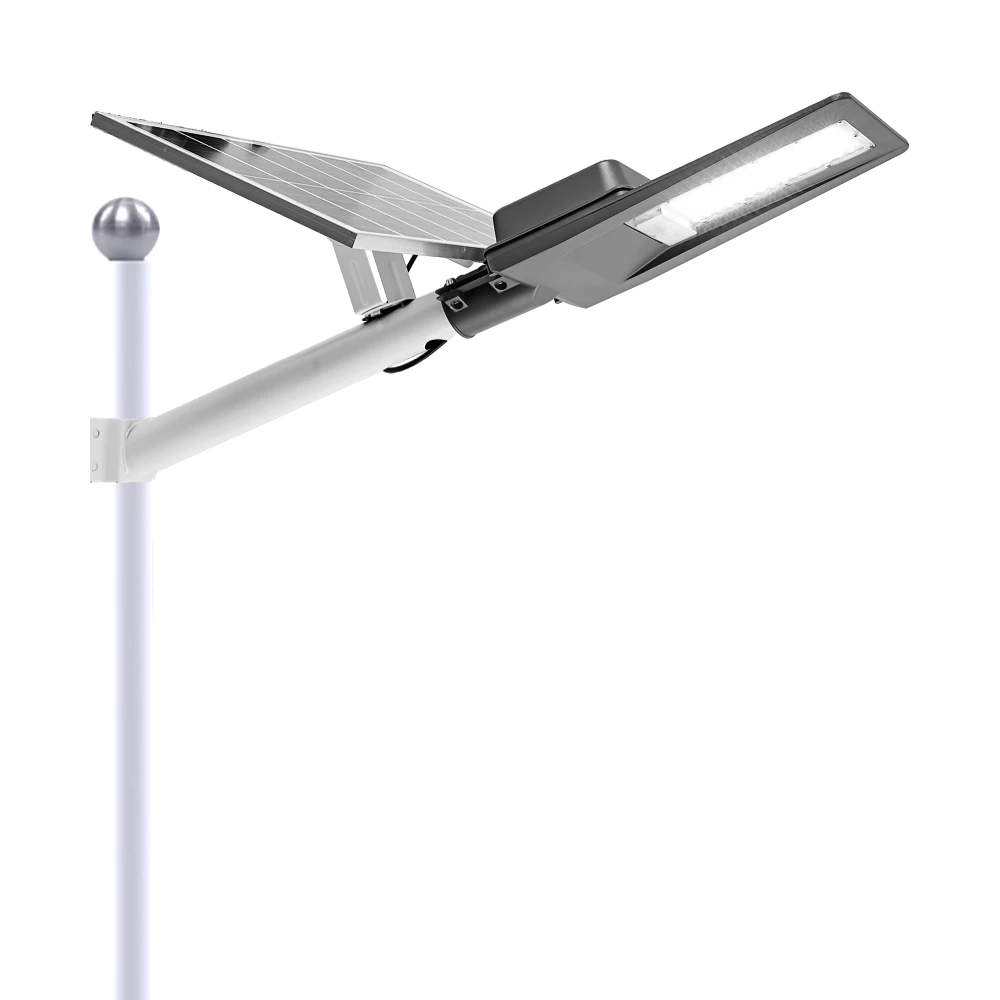
Experience reliable outdoor illumination with our smart solar street light, a perfect combination of advanced technology and eco-conscious design.
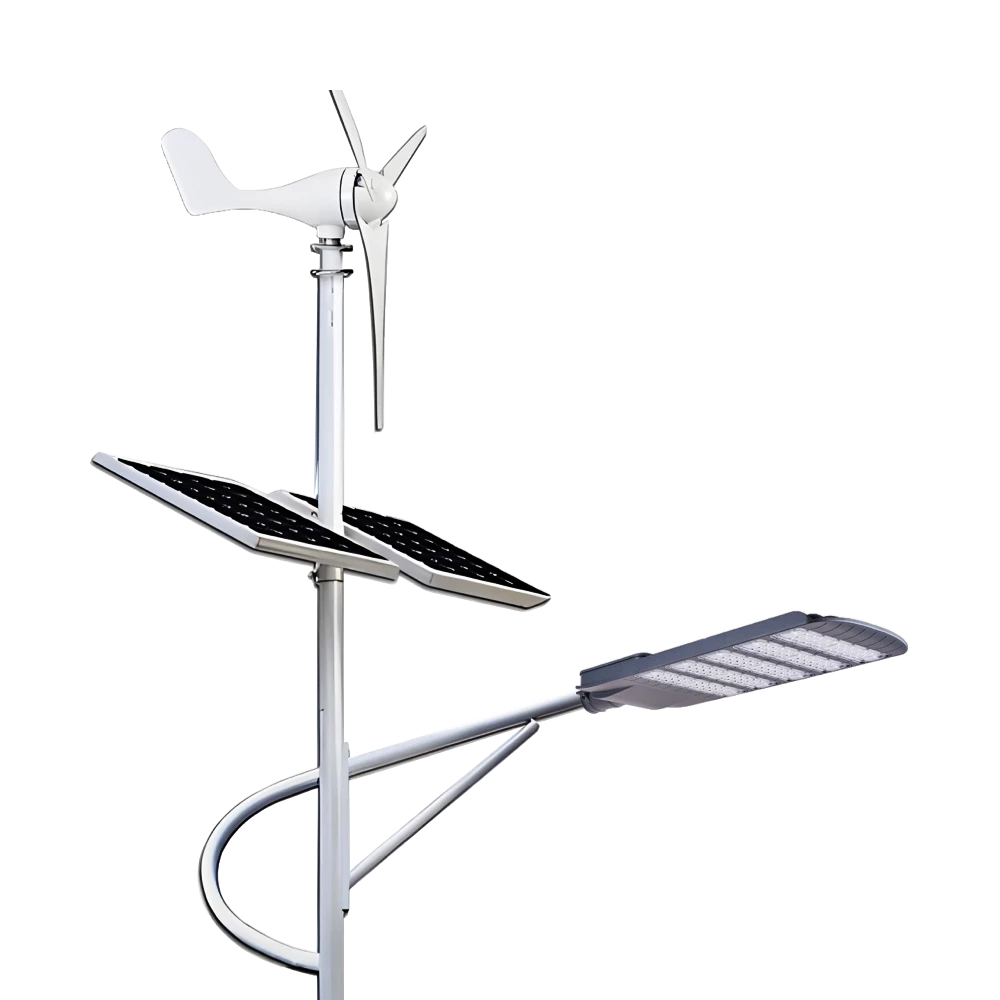
Queneng Lufeng Wind Energy LED Outdoor Solar Street Lights offer high-performance, eco-friendly illumination. These energy-efficient LED street lights harness solar power and wind energy for sustainable, cost-effective outdoor lighting solutions.
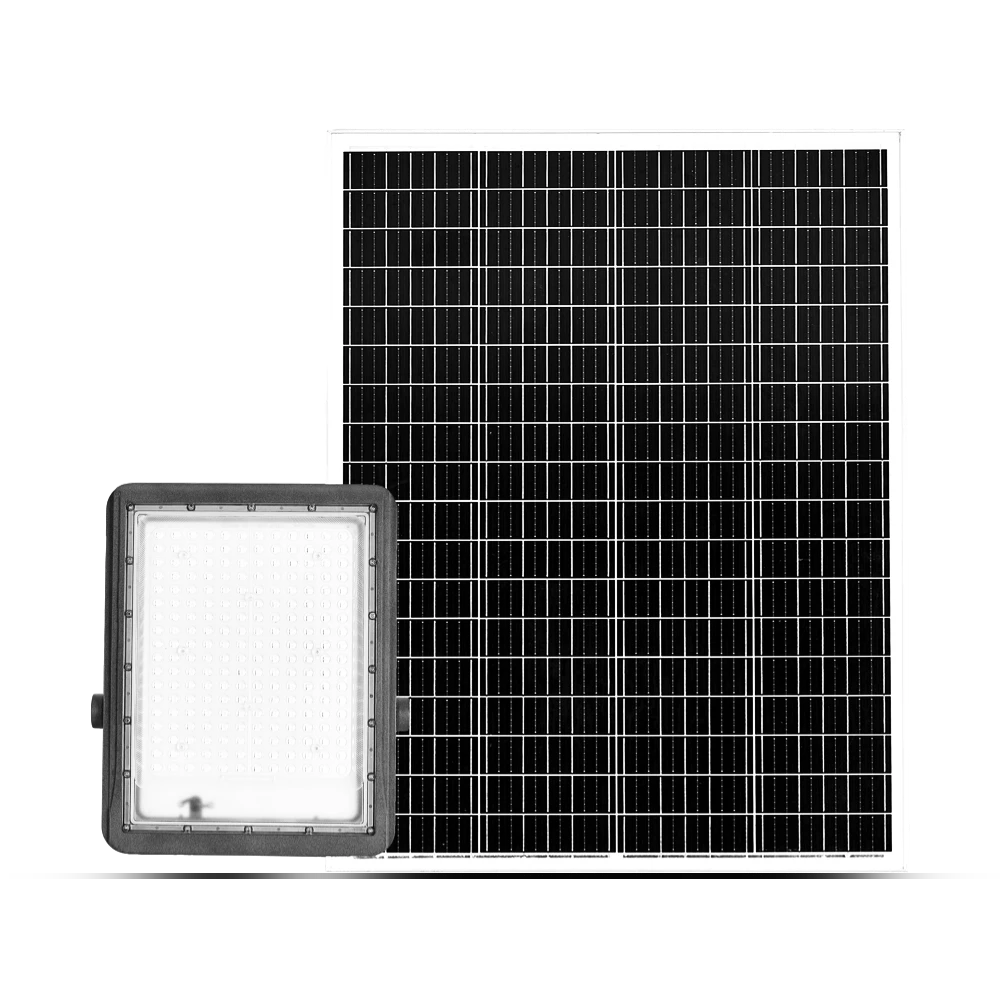
Queneng's Luxian Reliable Solar Street Light offers energy-saving LED lighting for outdoor use. This durable, solar-powered street light provides reliable illumination, reducing energy costs and environmental impact. A perfect solution for sustainable outdoor lighting.
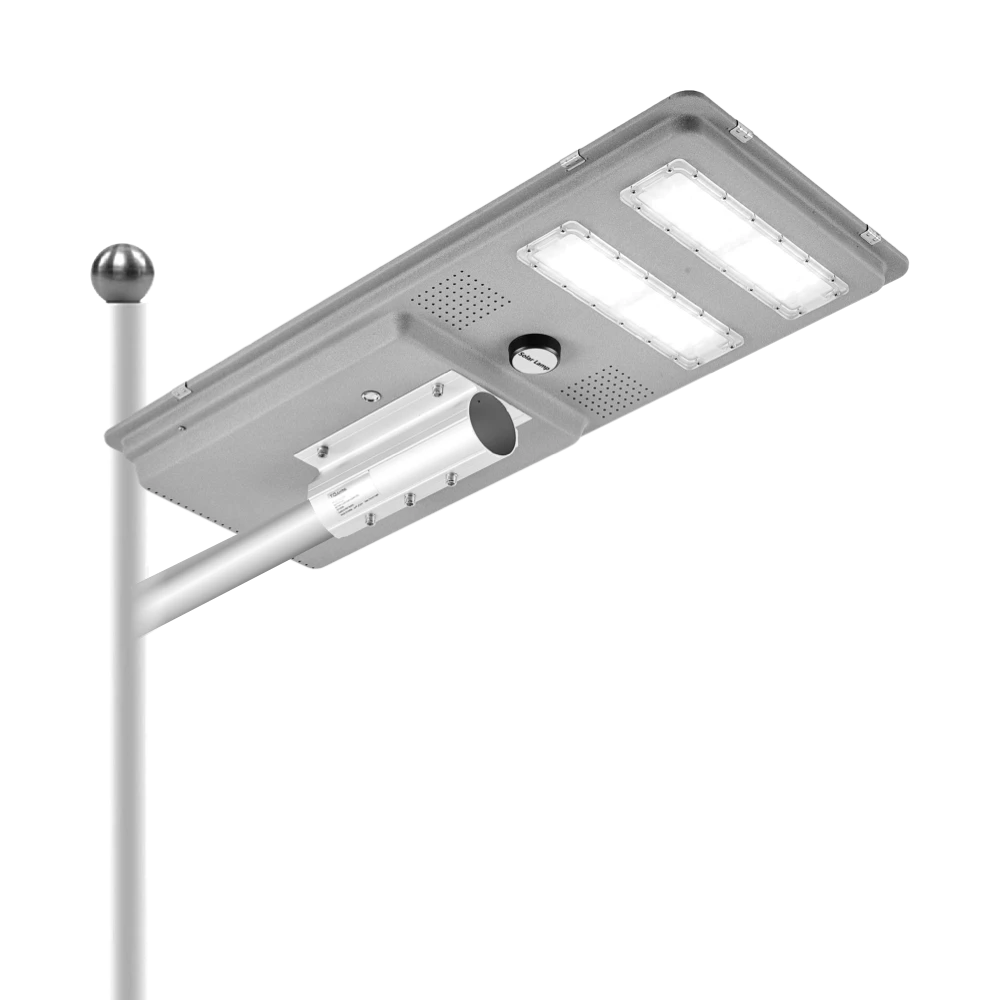
Queneng’s Solar Street Lights are designed to provide reliable, energy-efficient lighting for streets, parks, and other outdoor spaces.
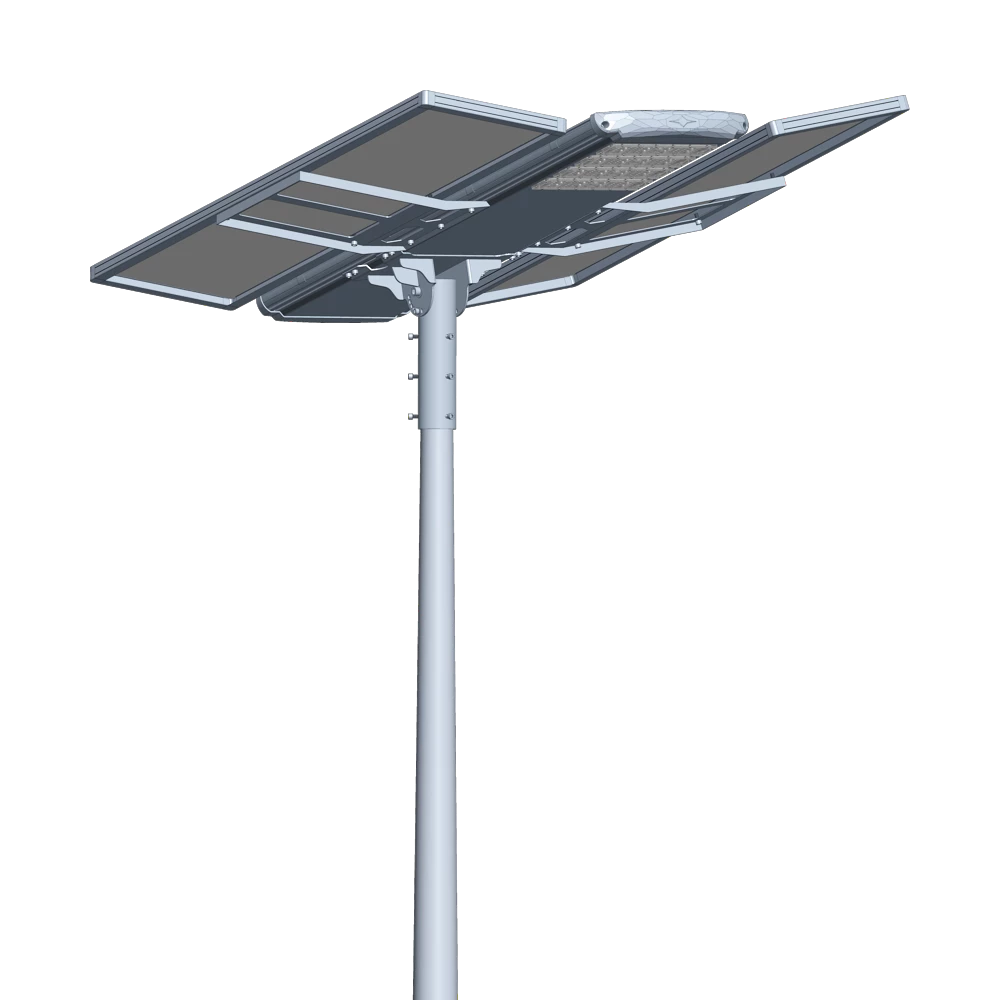
Introducing the Luqing Solar Street Light by Queneng, Efficient LED lighting powered by solar energy is perfect for illuminating outdoor areas. Harness the power of solar energy for sustainable, reliable street lighting. Ideal for eco-friendly, cost-effective outdoor illumination solutions.
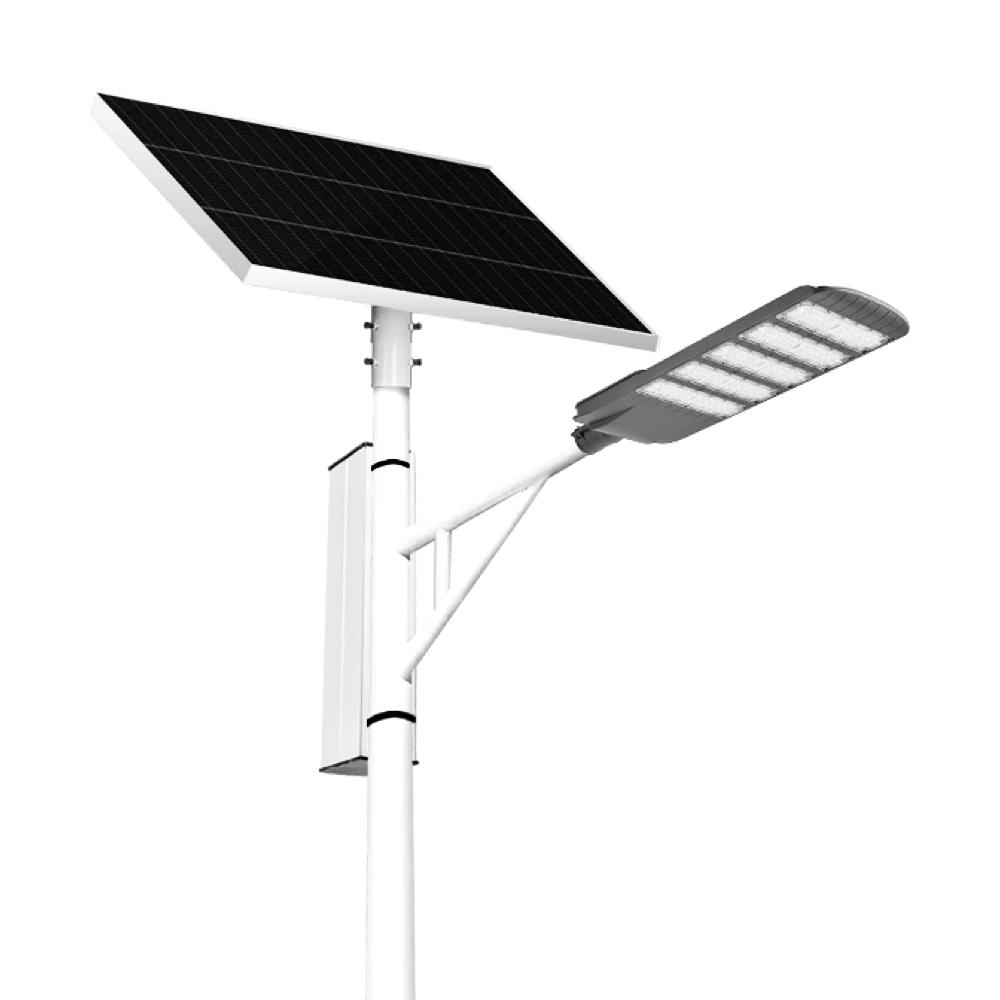
The Solar Streetlights of Luhao for Municipalities are designed to deliver reliable, energy-efficient, and cost-effective public lighting solutions. Equipped with advanced LED technology, durable lithium batteries, and high-efficiency solar panels, these streetlights provide consistent illumination for roads, parks, residential areas, and government projects.
If you would like more information about Queneng solar lighting solutions, please send us a message by filling out the form below. Our professional team will get back to you within 24 hours!
Rest assured that your privacy is important to us, and all information provided will be handled with the utmost confidentiality.
Schedule a Meeting
Book a date and time that is convenient for you and conduct the session in advance.
Have more questions about our products or services?
The messenger of light & power conversion
Environmental protection and intelligent manufacturing are our brand philosophy, and quality assurance and the best user experience are our eternal promises to users.
CONTACT
No.9F, Building F, Cao San Xin Tian Hong Logistics Park, Guzhen Town, Zhongshan City, Guangdong Province, China.
or write [email protected]
WhatsApp: +86 136 2270 1011


