














how to set up solar street light with remote | Queneng Guide
How to Set Up a Solar Street Light with Remote Control: A Queneng Guide
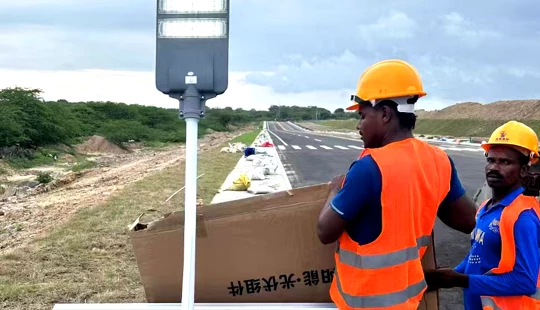
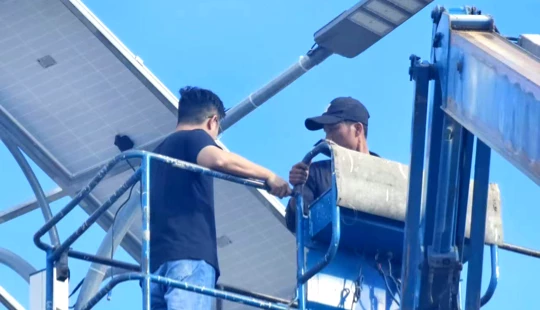
Setting up solar street lights with remote control offers significant advantages in management and maintenance. This guide provides a step-by-step process for professionals, addressing common challenges and ensuring a smooth installation. We’ll cover everything from initial site assessment to final system testing and remote configuration.
Site Assessment and Preparation
Before installation, conduct a thorough site survey. Consider factors like sunlight exposure (optimizing solar panel placement for maximum energy capture), the desired illumination level, and the number of lights needed. Proper planning minimizes future complications. Note the location of existing power infrastructure (if any) and potential obstacles.
Mounting and Wiring the Solar Street Light
Securely mount the solar panel to a stable structure, ensuring optimal solar exposure throughout the day. Carefully connect the solar panel to the light fixture using the provided wiring harness. Ensure all connections are tight and properly insulated to prevent short circuits and improve the longevity of your solar street lighting system. This step is critical for the efficient operation of your remote-controlled solar street lighting.
Connecting the Remote Control System
The remote control system, often wireless, usually connects to a control box integrated into the solar street light. Follow the manufacturer’s instructions carefully. Different systems might use radio frequency (RF) or other communication protocols. Programming the remote to control the individual light or groups of lights requires adherence to the specific instructions for your Queneng system. Pay close attention to the pairing process to avoid connectivity issues.
Software Configuration and Testing
Many Queneng solar street lights allow for remote configuration via software. This allows for adjustments to settings like brightness, light schedules, and other operational parameters. Test the system thoroughly after installation to ensure all functions are working correctly. This includes verifying the remote control functionality and the responsiveness of the solar lighting system to commands. Troubleshooting any issues early will prevent future interruptions.
Maintenance and Troubleshooting
Regular maintenance is essential for optimal performance. This includes cleaning the solar panels to remove dirt and debris, and periodically checking the battery levels and the overall health of the system. Familiarize yourself with common troubleshooting steps to quickly address any performance issues that may arise. Regularly reviewing data from your remote monitoring system will help you proactively address any potential problems with your solar street lighting.

Have more questions about our products or services?
The latest hot news you might like

Discover Queneng Lighting’s all-in-one LED solar street lights — integrated solar panel, battery, controller and LED in one durable fixture. Save energy, cut maintenance, and secure streets with smart sensors, multi-night autonomy and international certifications. Contact sales for quotes and support.

Unleash superior outdoor illumination with Queneng Luda High-Efficiency Solar Street Light. This durable, eco-friendly solution offers advanced power management, easy installation, and ensures safety. Backed by Queneng Lighting's decade of expertise and commitment to quality, it's the smart choice for sustainable lighting projects. Learn why we're a leading solar solutions provider.

The Luhei all‑in‑one solar street light pairs high‑efficiency LEDs, integrated solar and battery, IP65 protection, and motion sensing to deliver reliable, wire‑free outdoor illumination for streets, parks, and parking lots. Backed by Queneng Lighting’s certifications and support.

FAQ
Solar Street Light Luqing
What kind of maintenance does the solar street light require?
Solar street lights are designed for low maintenance. The primary maintenance task is to ensure the solar panels are clean and free of debris to optimize their charging efficiency. Periodic checks of the battery and LED performance may also be necessary to ensure long-term functionality.
Solar Street Light Lufeng
What type of LED technology does Lufeng solar street lights use?
Lufeng solar street lights use advanced LED technology, which provides bright, high-quality illumination while consuming less power compared to traditional street lights. LEDs are more energy-efficient, have a longer lifespan, and require less maintenance, making them ideal for outdoor lighting applications.
Solar Street Light Luyan
Can Luyan solar street lights function in areas with limited sunlight or cloudy weather?
Yes, Luyan solar street lights are designed to function reliably even in areas with limited sunlight or during cloudy weather. The high-efficiency solar panels can capture and store energy even in low-light conditions, ensuring that the lights will still provide illumination during cloudy or rainy days. The system is equipped with a battery that stores enough energy to keep the lights running throughout the night, regardless of weather conditions, making it suitable for diverse climates.
Battery and Analysis
What are the main factors that affect battery life?
When selecting a charger, it is best to use a charger with proper termination devices (e.g., anti-overcharge time device, negative voltage difference (-dV) cut-off charging, and anti-overheating sensing device) to avoid shortening the service life of the battery due to overcharging. Generally speaking, slow charging can prolong the service life of the battery more than fast charging.
2. Discharge:
a.The depth of discharge is the main factor affecting the life of the battery, the higher the depth of discharge, the shorter the life of the battery. In other words, by reducing the depth of discharge, the life of the battery can be greatly extended. Therefore, we should avoid over-discharging the battery to a very low voltage.
b. When batteries are discharged at high temperatures, the life of the battery will be shortened.
c. If an electronic device is designed in such a way that all current cannot be completely stopped, and if the device is left unused for a long period of time without the batteries being removed, the residual current may sometimes cause the batteries to be over-consumed, resulting in over-discharge of the batteries.
d. Mixing batteries of different capacities, chemical structures, or charge levels, as well as old and new batteries, can also cause excessive battery discharge, or even reverse charging.
3. Storage:
Prolonged storage of batteries at high temperatures will reduce their electrode activity and shorten their service life.
Remote Areas Rural Development
Can solar streetlights be relocated if community needs change?
Yes, they are designed to be portable and can be relocated to new sites with minimal adjustments.
Solar Street Light Luan
What makes Luan solar street lights high-efficiency?
Luan solar street lights are equipped with advanced high-efficiency solar panels and LED technology. The panels capture solar energy effectively, even under low light conditions, while the energy-efficient LEDs provide bright illumination with minimal power consumption, ensuring long-lasting performance.
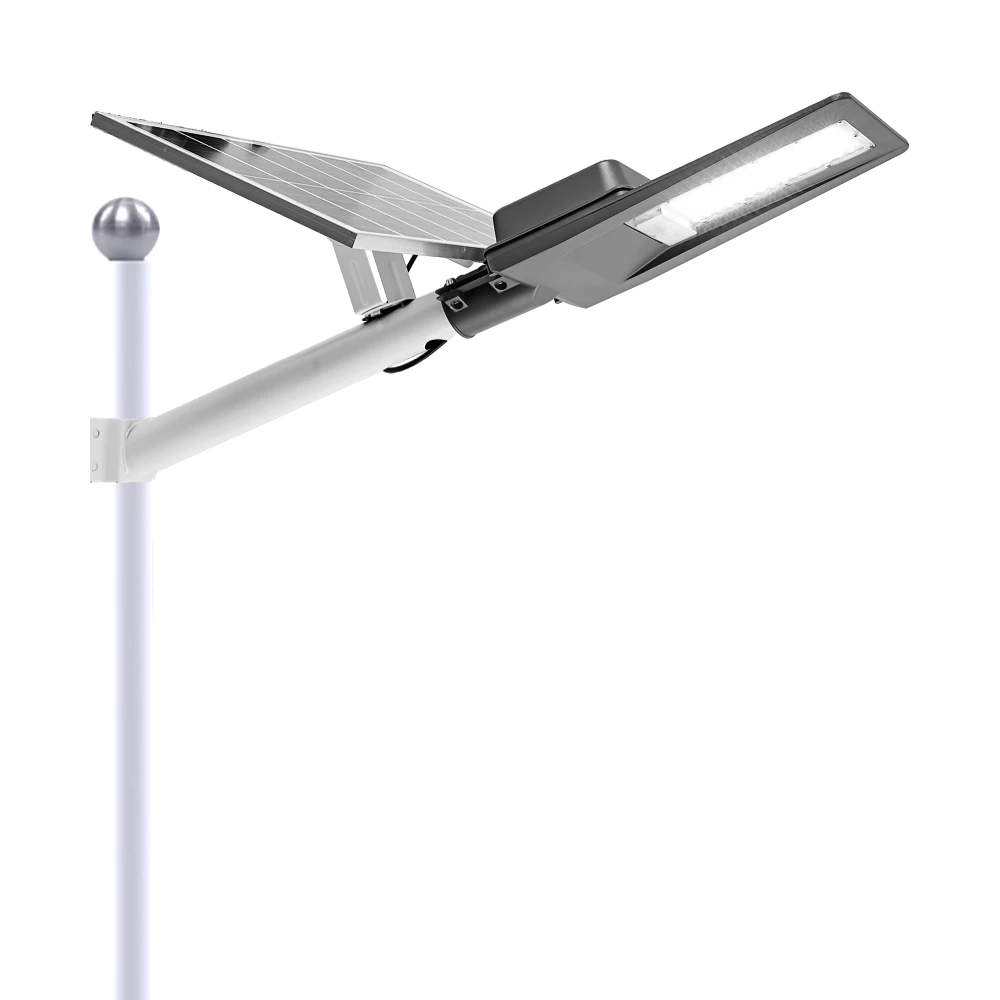
Experience reliable outdoor illumination with our smart solar street light, a perfect combination of advanced technology and eco-conscious design.
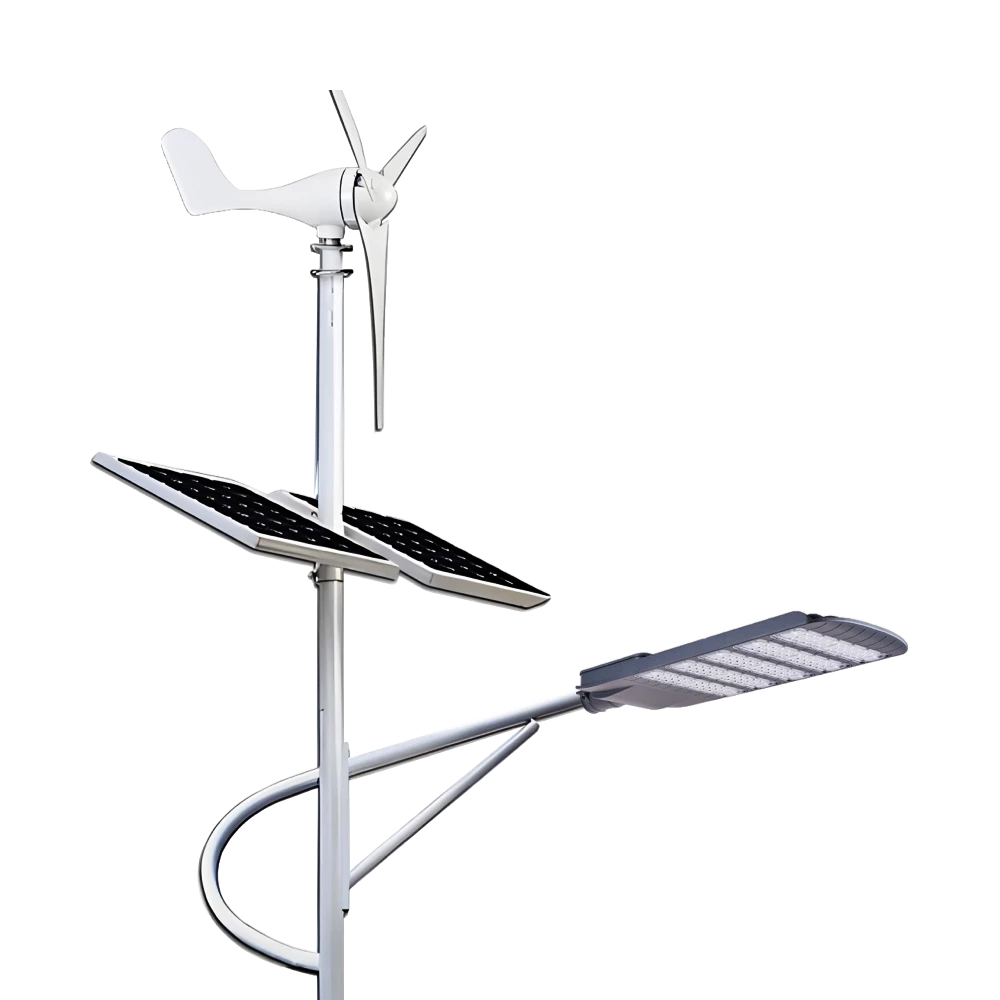
Queneng Lufeng Wind Energy LED Outdoor Solar Street Lights offer high-performance, eco-friendly illumination. These energy-efficient LED street lights harness solar power and wind energy for sustainable, cost-effective outdoor lighting solutions.
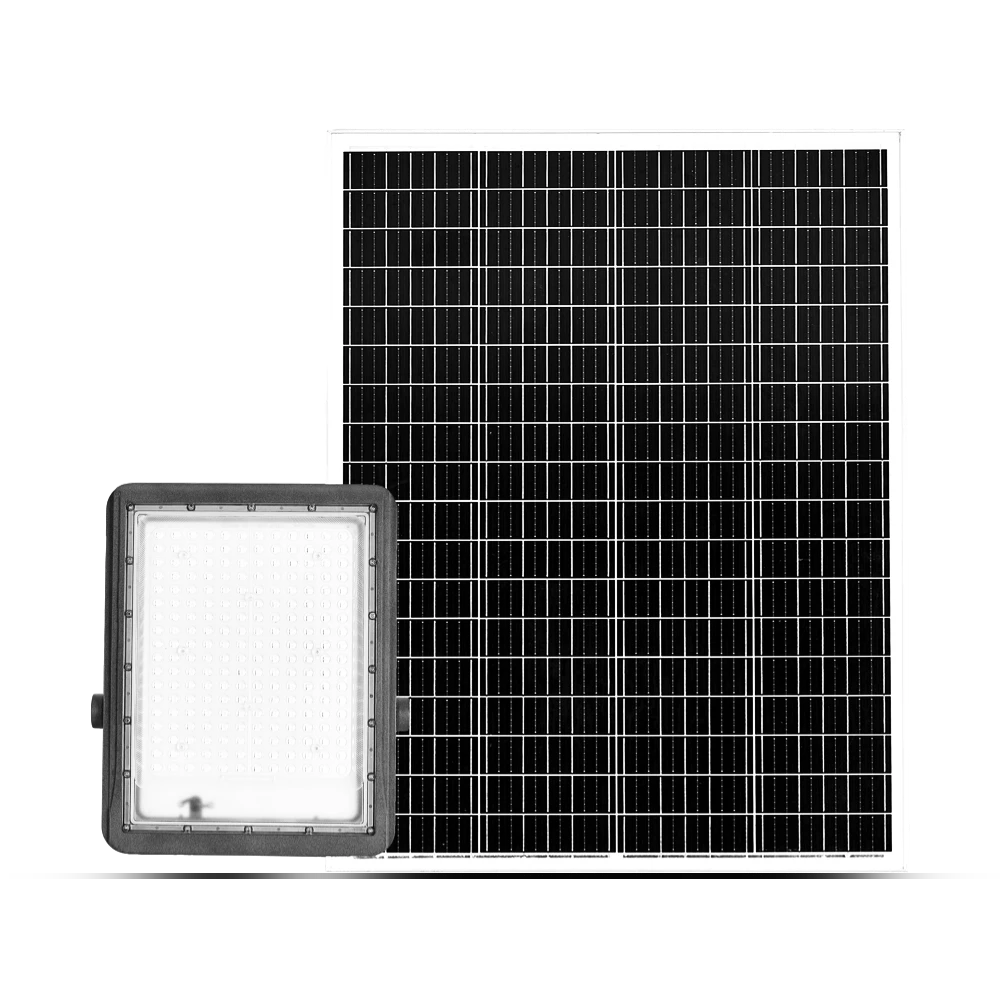
Queneng's Luxian Reliable Solar Street Light offers energy-saving LED lighting for outdoor use. This durable, solar-powered street light provides reliable illumination, reducing energy costs and environmental impact. A perfect solution for sustainable outdoor lighting.
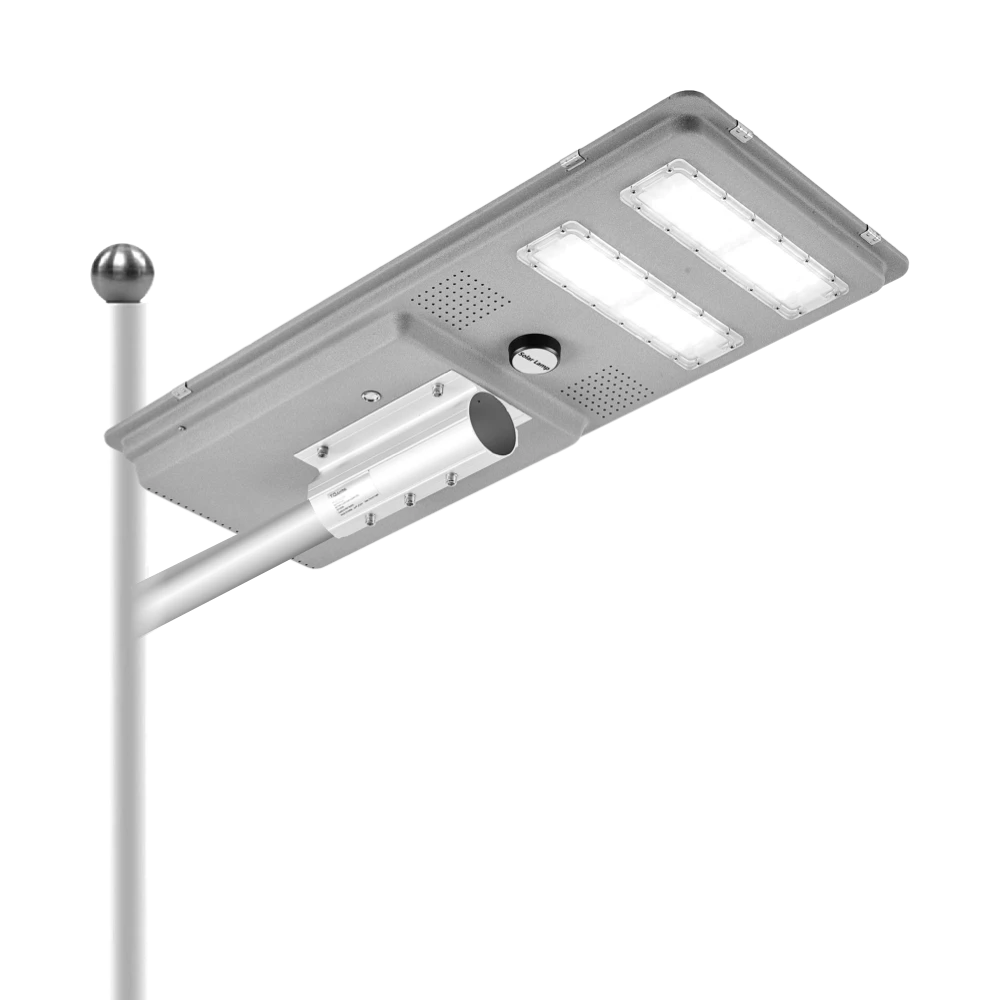
Queneng’s Solar Street Lights are designed to provide reliable, energy-efficient lighting for streets, parks, and other outdoor spaces.
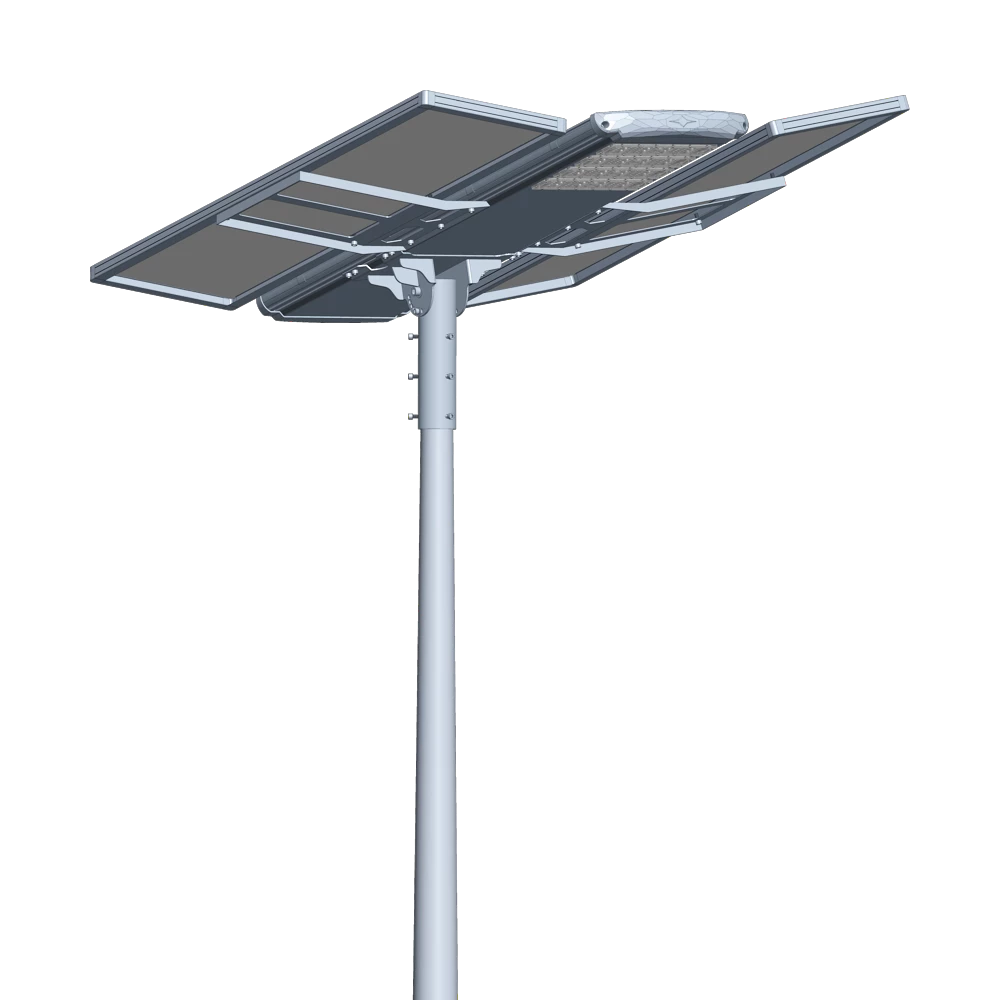
Introducing the Luqing Solar Street Light by Queneng, Efficient LED lighting powered by solar energy is perfect for illuminating outdoor areas. Harness the power of solar energy for sustainable, reliable street lighting. Ideal for eco-friendly, cost-effective outdoor illumination solutions.
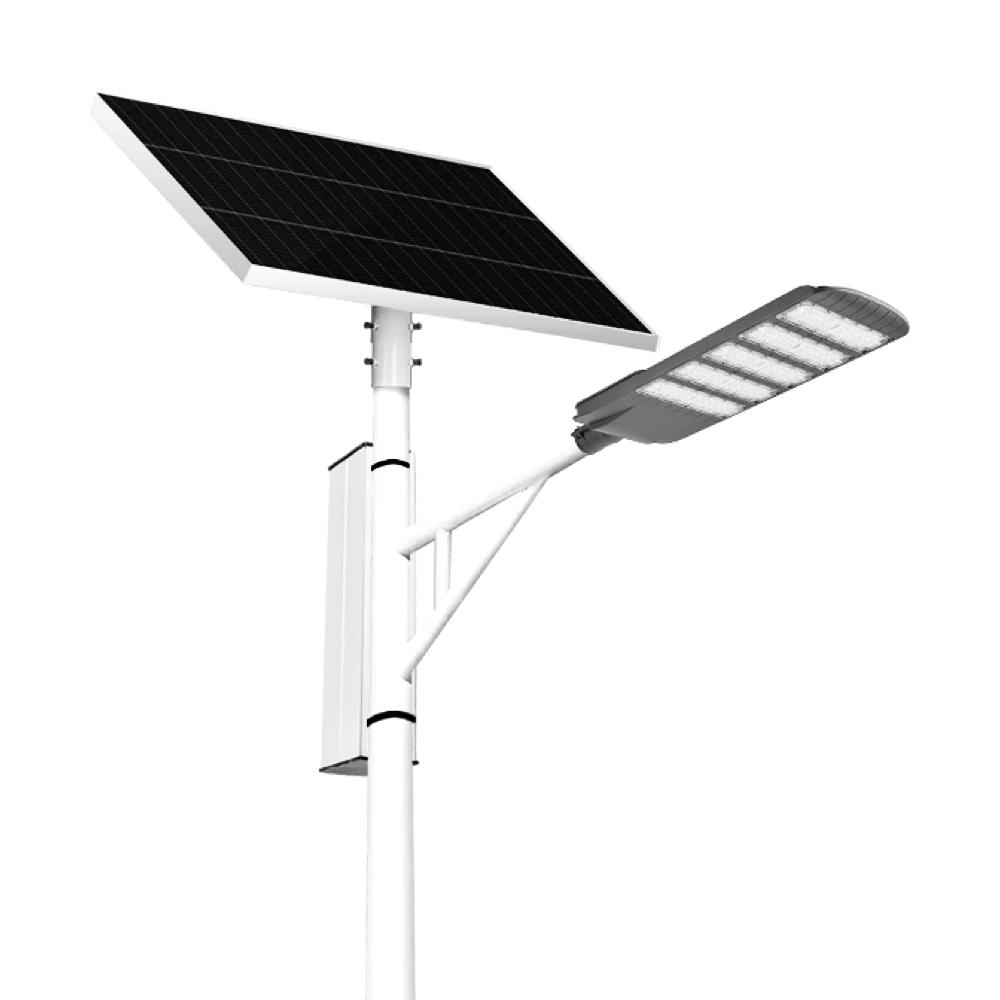
The Solar Streetlights of Luhao for Municipalities are designed to deliver reliable, energy-efficient, and cost-effective public lighting solutions. Equipped with advanced LED technology, durable lithium batteries, and high-efficiency solar panels, these streetlights provide consistent illumination for roads, parks, residential areas, and government projects.
If you would like more information about Queneng solar lighting solutions, please send us a message by filling out the form below. Our professional team will get back to you within 24 hours!
Rest assured that your privacy is important to us, and all information provided will be handled with the utmost confidentiality.
Schedule a Meeting
Book a date and time that is convenient for you and conduct the session in advance.
Have more questions about our products or services?
The messenger of light & power conversion
Environmental protection and intelligent manufacturing are our brand philosophy, and quality assurance and the best user experience are our eternal promises to users.
CONTACT
No.9F, Building F, Cao San Xin Tian Hong Logistics Park, Guzhen Town, Zhongshan City, Guangdong Province, China.
or write [email protected]
WhatsApp: +86 136 2270 1011


