














Distributor partnership proposal for solar-powered lighting solutions | Insights by Quenenglighting
Navigating the Lucrative World of Solar Lighting Distribution
The demand for sustainable and off-grid lighting solutions is accelerating, positioning solar-powered lighting as a crucial component of modern infrastructure and rural development. For distributors, understanding the nuances of this market is key to forging successful partnerships and offering high-quality, reliable products. This guide addresses critical questions for those considering a distributor partnership in solar-powered lighting.
What is the current market potential for solar-powered lighting solutions?
The market for solar-powered lighting is experiencing robust growth. According to a report by Grand View Research, the global solar street lighting market size was estimated at USD 6.5 billion in 2022 and is projected to expand at a compound annual growth rate (CAGR) of 18.5% from 2023 to 2030. This growth is fueled by increasing government initiatives for rural electrification, smart city projects, and the rising adoption of renewable energy sources. Developing regions, in particular, offer immense potential due to inadequate grid infrastructure and a strong drive for sustainable development goals. For distributors, this signifies a vast and expanding customer base, from municipal projects and commercial developments to residential and off-grid applications.
What are the critical components and quality standards to look for in solar lighting products?
The performance and longevity of a solar lighting system hinge on the quality of its core components:
- Solar Panel (Photovoltaic Module): Look for high-efficiency monocrystalline silicon panels, which offer better performance in low light conditions and a smaller footprint compared to polycrystalline panels. A typical efficiency for good quality panels ranges from 19-22%.
- Battery: Lithium Iron Phosphate (LiFePO4) batteries are the industry standard due to their longer cycle life (typically 2,000 to 4,000 cycles at 80% Depth of Discharge), higher thermal stability, and better discharge rates compared to lead-acid batteries. Battery capacity should be sufficient to power the light for several cloudy days (typically 3-5 days autonomy).
- LED Light Source: High-efficiency LEDs from reputable brands (e.g., Philips, Cree, Osram) are crucial. Look for efficacy ratings of 150-180 lumens per watt (lm/W) or higher. Color Rendering Index (CRI) should ideally be >70, and Color Temperature (CCT) is often 3000K (warm white) or 5000K (cool white), depending on the application.
- Charge Controller: Maximum Power Point Tracking (MPPT) controllers are superior to Pulse Width Modulation (PWM) controllers, as they optimize power harvesting from the solar panel, especially during fluctuating weather conditions, increasing system efficiency by 15-30%.
- Housing and Fixture: Durable materials like die-cast aluminum alloys with a high IP (Ingress Protection) rating (IP65 or IP66) are essential for resistance to dust, water, and corrosion, ensuring longevity in outdoor environments.
How do I assess the reliability and longevity of solar lighting systems?
Assessing reliability involves several factors:
- Warranty: A strong warranty (e.g., 3-5 years for the entire system, 10-25 years for solar panels) indicates manufacturer confidence.
- Component Quality: As mentioned above, branded, high-spec components are key.
- Thermal Management: Effective heat dissipation for LEDs and batteries prevents premature degradation. Look for integrated heat sinks.
- Battery Management System (BMS): A robust BMS protects LiFePO4 batteries from overcharge, over-discharge, over-current, and over-temperature, significantly extending battery life.
- Manufacturer Reputation & Testing: Research the manufacturer's track record, certifications, and ask for independent test reports (e.g., IES photometric reports, salt spray tests, vibration tests).
What technical and logistical challenges should distributors anticipate and how can they be mitigated?
- Battery Degradation: Even LiFePO4 batteries degrade over time. Mitigation: Ensure systems are designed with adequate battery capacity and efficient charge controllers. Offer battery replacement services or modular designs for easy swaps.
- Performance in Variable Weather: Prolonged cloudy periods can reduce autonomy. Mitigation: Oversize solar panels and batteries based on local insolation data and project requirements. Intelligent power management systems that dim lights during low battery states can extend operation.
- Installation & Maintenance: While solar lights eliminate trenching, pole installation and occasional cleaning/inspection are still required. Mitigation: Partner with manufacturers providing detailed installation guides, training, and easily serviceable designs.
- Logistics & Storage: Batteries can be heavy and require specific storage conditions. Mitigation: Plan logistics carefully, understand shipping regulations for lithium batteries, and ensure proper warehousing.
What are the essential certifications and regulatory compliance for solar lighting products?
Compliance is critical for market access and consumer trust:
- CE Mark (European Union): Demonstrates conformity with EU health, safety, and environmental protection standards.
- RoHS (Restriction of Hazardous Substances): Mandates that electrical and electronic products contain restricted amounts of certain hazardous materials.
- IP Rating (Ingress Protection): Indicates protection against solids (dust) and liquids (water). IP65 or IP66 is standard for outdoor lighting.
- ISO 9001 (Quality Management): Certifies that the manufacturer adheres to a recognized quality management system.
- ISO 14001 (Environmental Management): Demonstrates commitment to environmental responsibility.
- Specific Market Certifications: For North America, UL (Underwriters Laboratories) or ETL certifications might be required. For Middle East markets, SASO might be necessary.
What innovative technologies are shaping the future of solar lighting?
The solar lighting industry is dynamic:
- Smart Control Systems & IoT Integration: Wireless communication (LoRaWAN, Zigbee, NB-IoT) allows remote monitoring, adaptive dimming based on motion detection or time schedules, and fault reporting, leading to energy savings and predictive maintenance.
- Higher Efficiency Components: Continued advancements in PV cell efficiency (e.g., perovskite cells, bifacial panels), LED efficacy, and battery energy density.
- AI and Machine Learning: Predictive analytics for weather patterns and energy consumption to optimize battery usage and lighting schedules.
- Modular Designs: Easier installation, maintenance, and scalability.
- Energy Storage Innovations: Exploring alternative battery chemistries beyond LiFePO4 for even longer lifespans or higher energy density.
What kind of support should a distributor expect from a solar lighting manufacturer?
A strong manufacturer-distributor partnership is built on mutual support:
- Comprehensive Product Training: Technical specifications, installation procedures, troubleshooting, and maintenance.
- Marketing & Sales Support: High-quality product images, brochures, case studies, and co-branded marketing materials.
- Technical Assistance: Dedicated support team for pre-sales design, project customization, and post-sales troubleshooting.
- Competitive Pricing & Flexible MOQs: Pricing structures that allow for healthy margins, along with reasonable minimum order quantities.
- Reliable Warranty & After-Sales Service: Clear warranty terms, efficient claims processing, and availability of spare parts.
- R&D and Product Roadmap: A manufacturer committed to continuous innovation, ensuring you can offer cutting-edge solutions.
Quenenglighting: Your Partner for Sustainable Illumination
Quenenglighting stands as a premier manufacturer, committed to delivering high-quality, innovative solar-powered lighting solutions that meet the rigorous demands of today's market. We pride ourselves on using only top-tier components, including high-efficiency monocrystalline solar panels, long-life LiFePO4 batteries with advanced BMS, and high-efficacy LED chipsets, ensuring exceptional performance and durability. Our products are rigorously tested and comply with international standards such as CE, RoHS, and IP66, guaranteeing reliability and market acceptance. We offer a comprehensive suite of smart lighting solutions, integrating IoT for remote management and adaptive control, future-proofing your offerings. Beyond superior products, Quenenglighting provides robust distributor support, including in-depth technical training, extensive marketing collateral, dedicated project design assistance, and a strong after-sales service framework. Partner with Quenenglighting to illuminate communities sustainably and drive your business forward in the rapidly expanding solar lighting sector.

Have more questions about our products or services?
The latest hot news you might like

Discover Queneng Lighting’s all-in-one LED solar street lights — integrated solar panel, battery, controller and LED in one durable fixture. Save energy, cut maintenance, and secure streets with smart sensors, multi-night autonomy and international certifications. Contact sales for quotes and support.

Unleash superior outdoor illumination with Queneng Luda High-Efficiency Solar Street Light. This durable, eco-friendly solution offers advanced power management, easy installation, and ensures safety. Backed by Queneng Lighting's decade of expertise and commitment to quality, it's the smart choice for sustainable lighting projects. Learn why we're a leading solar solutions provider.

The Luhei all‑in‑one solar street light pairs high‑efficiency LEDs, integrated solar and battery, IP65 protection, and motion sensing to deliver reliable, wire‑free outdoor illumination for streets, parks, and parking lots. Backed by Queneng Lighting’s certifications and support.

FAQ
Solar Street Light Luqing
What kind of maintenance does the solar street light require?
Solar street lights are designed for low maintenance. The primary maintenance task is to ensure the solar panels are clean and free of debris to optimize their charging efficiency. Periodic checks of the battery and LED performance may also be necessary to ensure long-term functionality.
Solar Street Light Luqiu
How do the smart sensors in Luqiu solar street lights work?
Luqiu solar street lights are equipped with motion and ambient light sensors. The motion sensor detects movement and adjusts the brightness accordingly, while the ambient light sensor automatically turns the light on at dusk and off at dawn to optimize energy use.
Battery Performance and Testing
What is a 24-hour self-discharge test?
Battery and Analysis
What are the possible reasons why batteries and battery packs cannot be discharged?
2) Insufficient charging or no charging;
3) The ambient temperature is too low;
4) The discharge efficiency is low. For example, when a large current is discharged, an ordinary battery cannot discharge electricity because the internal material diffusion speed cannot keep up with the reaction speed, causing the voltage to drop sharply.
Solar Street Light Luzhou
Can Luzhou solar street lights be used in remote locations?
Yes, Luzhou solar street lights are perfect for remote locations that do not have access to the electrical grid. Their solar-powered design allows them to operate independently, making them an ideal solution for rural roads, parks, and off-grid areas.
Industry
Will the solar street lights work effectively in winter or during low sunlight conditions?
Queneng’s solar lights are equipped with high-capacity batteries, ensuring normal illumination even in low-light conditions, making them ideal for regions with frequent winter or rainy weather.
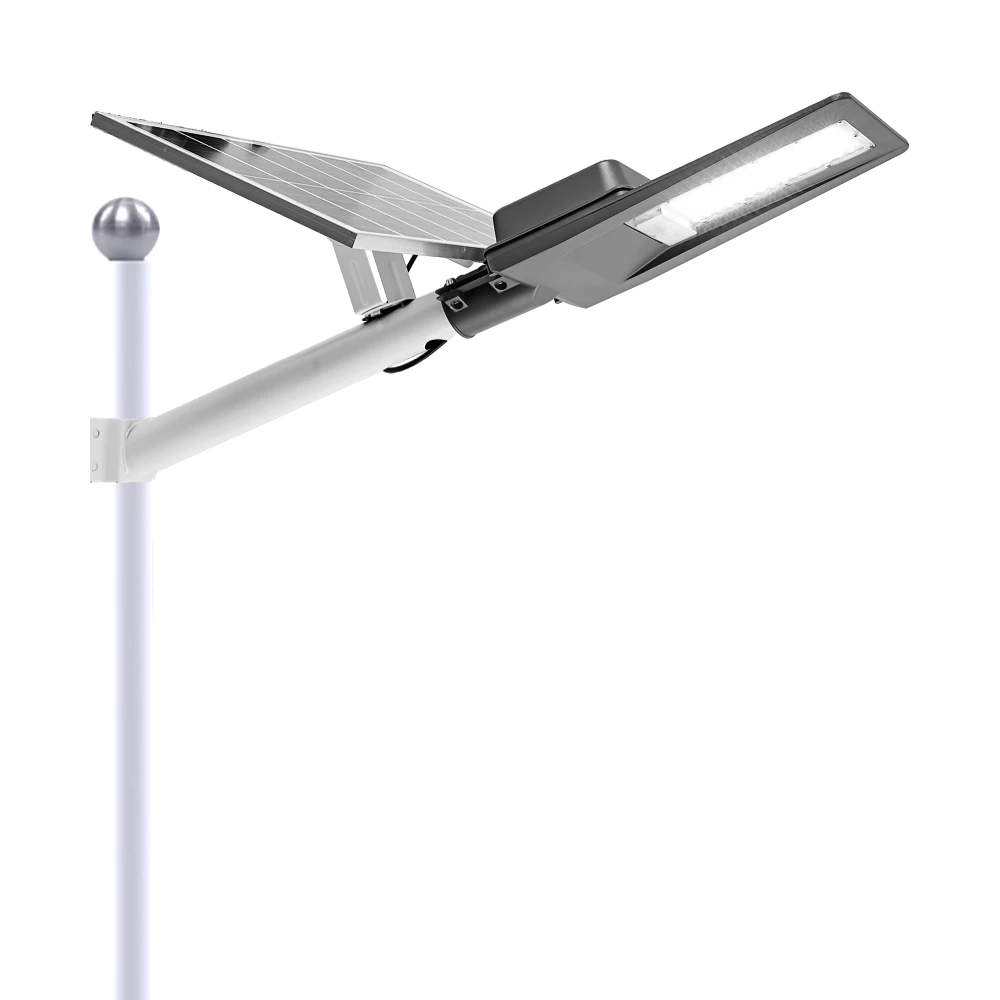
Experience reliable outdoor illumination with our smart solar street light, a perfect combination of advanced technology and eco-conscious design.
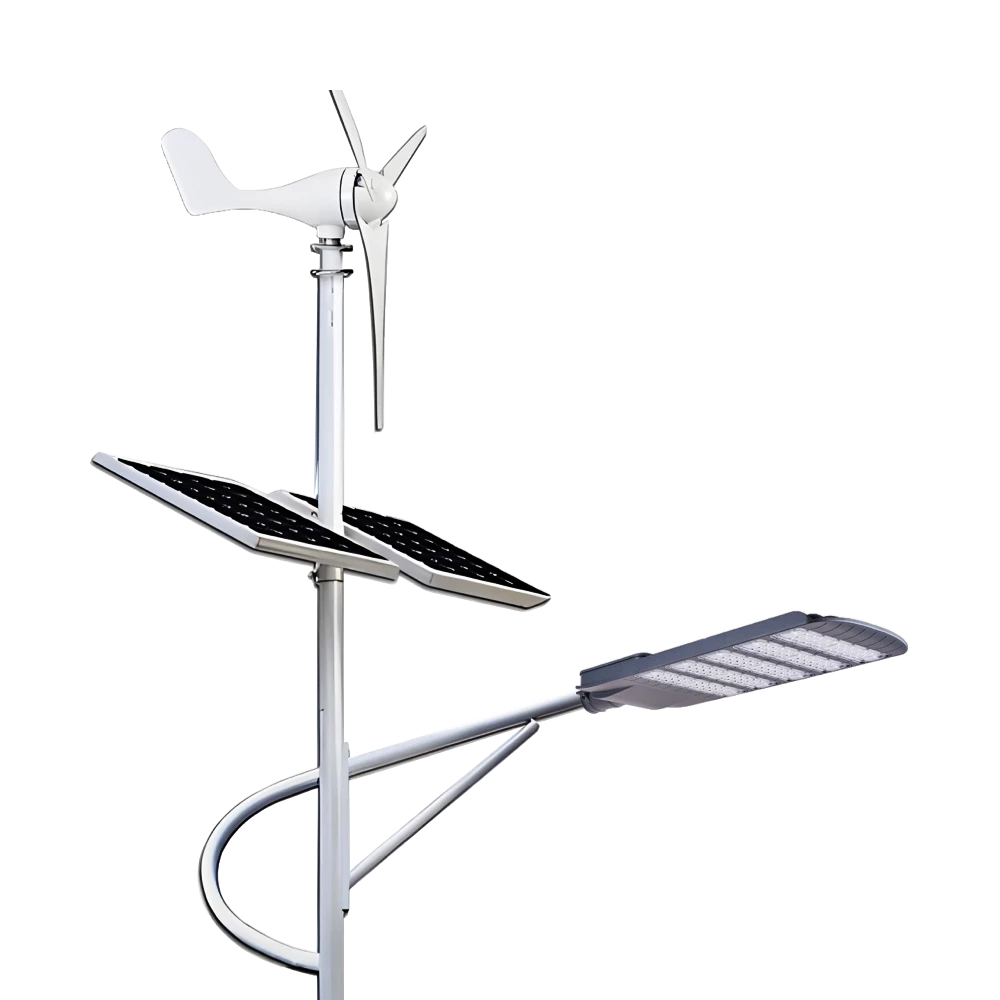
Queneng Lufeng Wind Energy LED Outdoor Solar Street Lights offer high-performance, eco-friendly illumination. These energy-efficient LED street lights harness solar power and wind energy for sustainable, cost-effective outdoor lighting solutions.
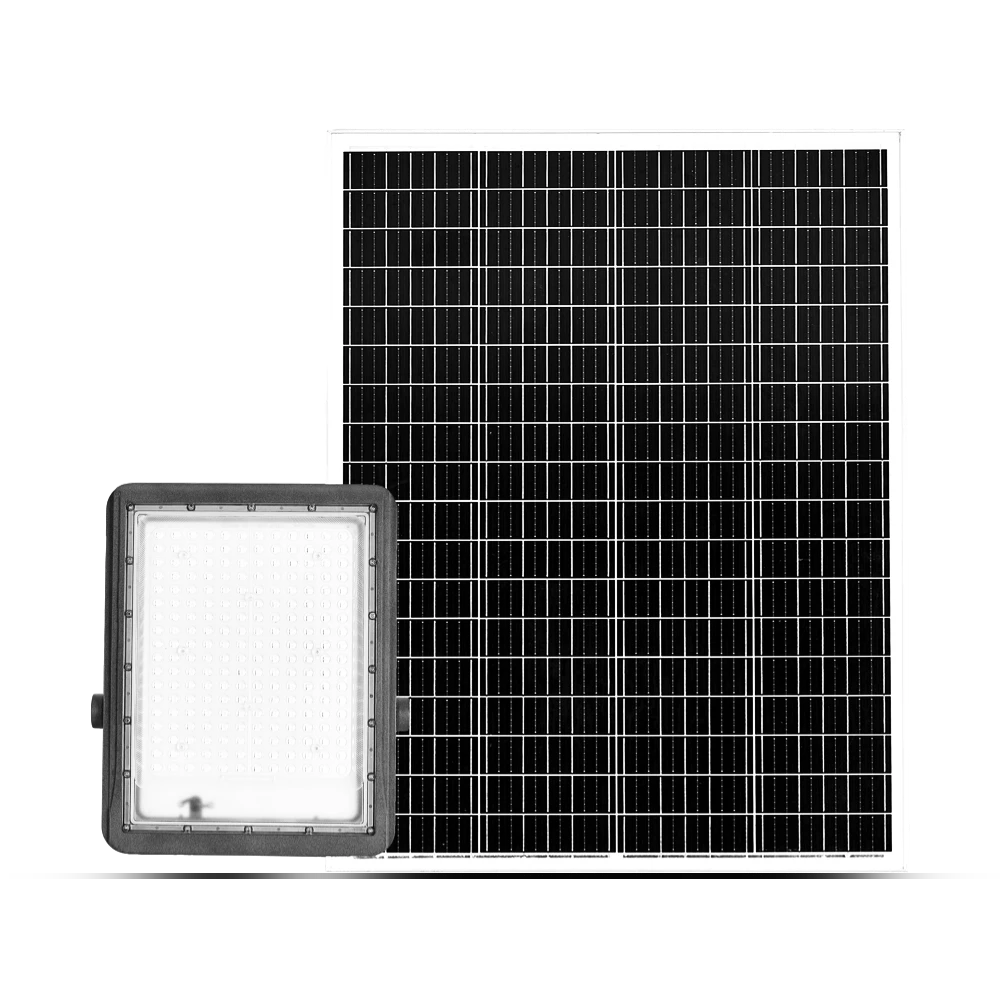
Queneng's Luxian Reliable Solar Street Light offers energy-saving LED lighting for outdoor use. This durable, solar-powered street light provides reliable illumination, reducing energy costs and environmental impact. A perfect solution for sustainable outdoor lighting.
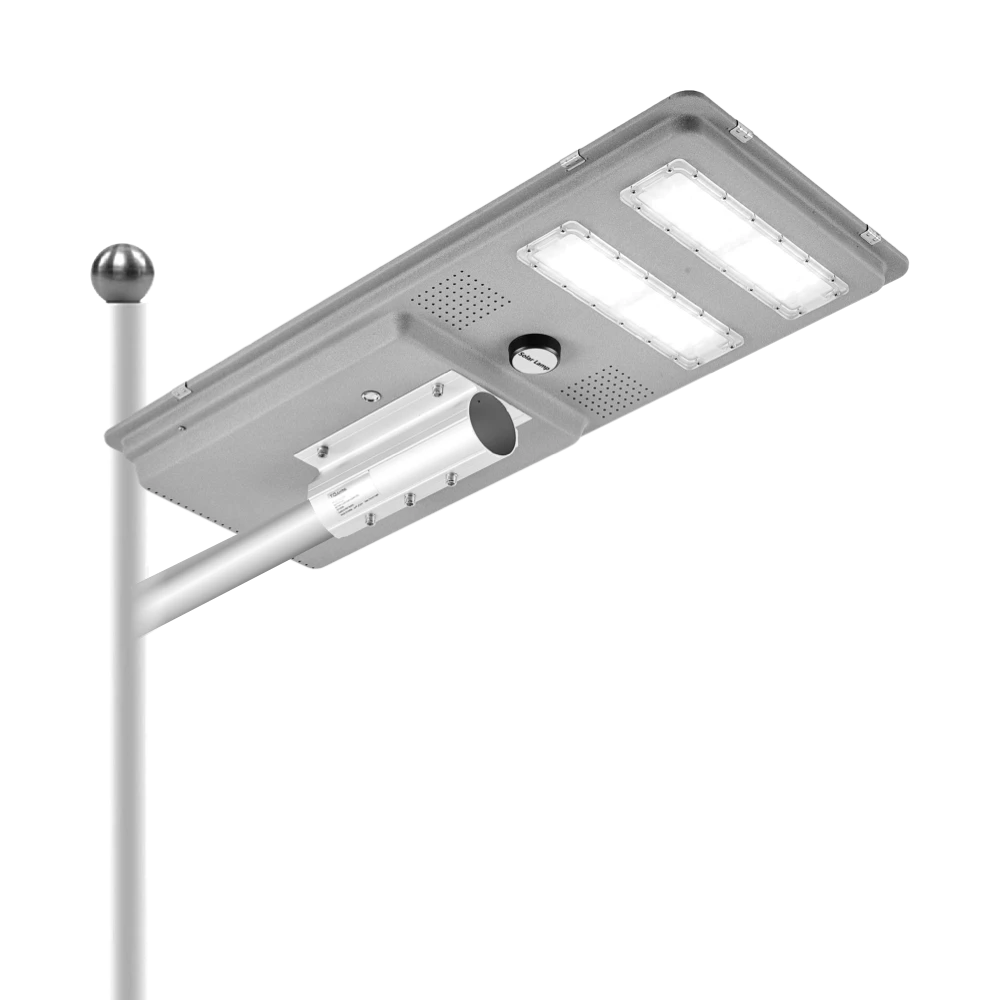
Queneng’s Solar Street Lights are designed to provide reliable, energy-efficient lighting for streets, parks, and other outdoor spaces.
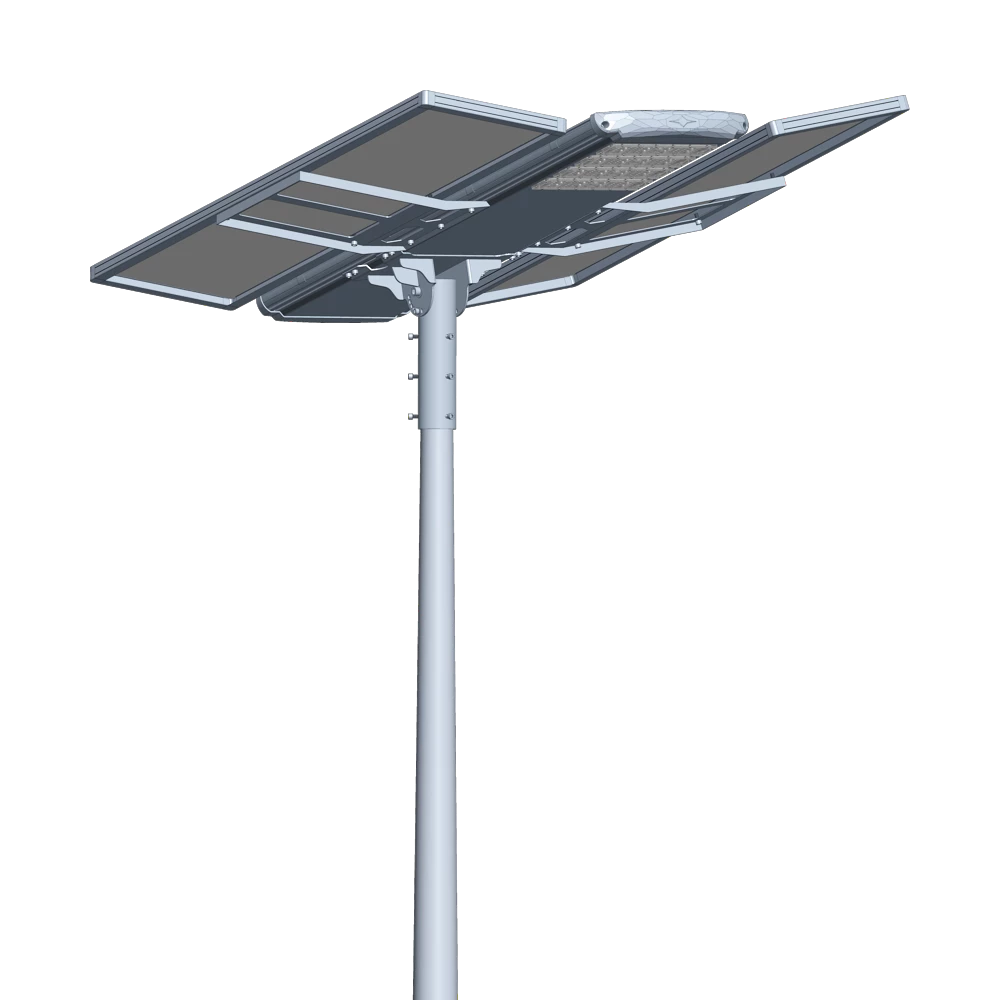
Introducing the Luqing Solar Street Light by Queneng, Efficient LED lighting powered by solar energy is perfect for illuminating outdoor areas. Harness the power of solar energy for sustainable, reliable street lighting. Ideal for eco-friendly, cost-effective outdoor illumination solutions.
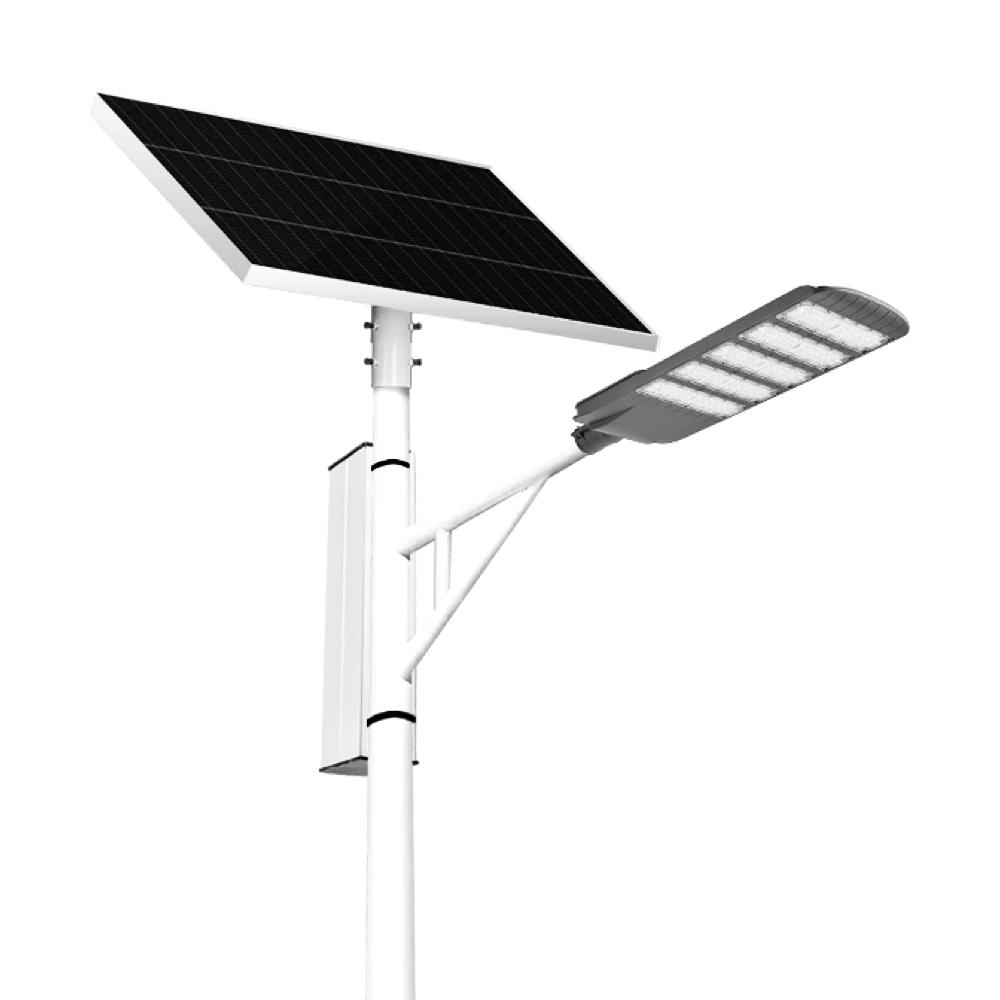
The Solar Streetlights of Luhao for Municipalities are designed to deliver reliable, energy-efficient, and cost-effective public lighting solutions. Equipped with advanced LED technology, durable lithium batteries, and high-efficiency solar panels, these streetlights provide consistent illumination for roads, parks, residential areas, and government projects.
If you would like more information about Queneng solar lighting solutions, please send us a message by filling out the form below. Our professional team will get back to you within 24 hours!
Rest assured that your privacy is important to us, and all information provided will be handled with the utmost confidentiality.
Schedule a Meeting
Book a date and time that is convenient for you and conduct the session in advance.
Have more questions about our products or services?
The messenger of light & power conversion
Environmental protection and intelligent manufacturing are our brand philosophy, and quality assurance and the best user experience are our eternal promises to users.
CONTACT
No.9F, Building F, Cao San Xin Tian Hong Logistics Park, Guzhen Town, Zhongshan City, Guangdong Province, China.
or write [email protected]
WhatsApp: +86 136 2270 1011


