

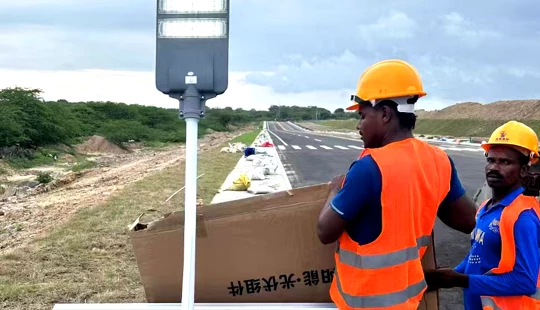
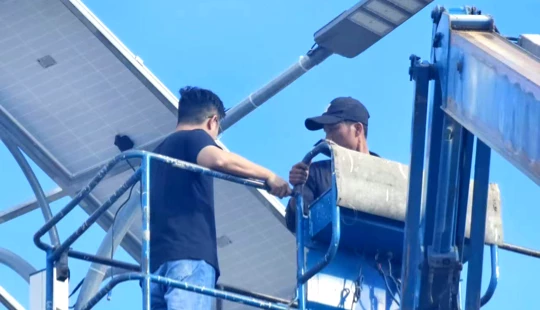













Distributor Partnership Programs in Solar Lighting Industry | Insights by Quenenglighting
Solar lighting is not just an eco-friendly alternative; it's a rapidly expanding market driven by global sustainability initiatives, decreasing technology costs, and increasing demand for reliable, off-grid lighting solutions. For businesses looking to tap into this lucrative sector, partnering with a reputable solar lighting manufacturer is a strategic move. This article delves into the critical aspects of distributor partnership programs, offering insights into what makes a successful collaboration and what questions prospective partners should ask.
What are the key benefits of joining a solar lighting distributor partnership program?
Partnering with an established manufacturer offers numerous advantages. Foremost, distributors gain access to a proven product line, reducing the risks associated with R&D and manufacturing. Financially, competitive pricing structures and attractive profit margins (often ranging from 20-40% depending on volume and product) are standard, ensuring business profitability. Beyond economics, partners benefit from extensive marketing support, including co-branded materials, lead generation programs, and participation in industry events. Technical training on product installation, maintenance, and troubleshooting empowers distributors to offer comprehensive solutions, while dedicated account management ensures ongoing support and strategic guidance.
What criteria do manufacturers look for in potential solar lighting distributors?
Manufacturers seek partners who can effectively represent their brand and drive sales. Key criteria typically include: a strong local market presence and understanding, a proven sales track record in related industries (e.g., electrical, construction, municipal supply), financial stability to manage inventory and credit terms, and a commitment to after-sales service. Technical aptitude for installation and maintenance is often a prerequisite, along with sufficient warehousing capabilities. Manufacturers may also look for a shared vision regarding market growth and customer satisfaction.
What kind of product portfolio and technological support can distributors expect from a leading solar lighting partner?
A strong partnership offers access to a diverse and innovative product portfolio. This typically includes integrated solar street lights, split-type solar street lights, solar garden lights, solar flood lights, and specialized commercial and industrial solutions. Leading manufacturers emphasize technological advancements like high-efficiency monocrystalline solar panels (often exceeding 20% conversion efficiency), long-life LiFePO4 batteries (with cycle lives often above 2000-5000 cycles for 70% DoD), and smart control systems. These systems often feature IoT integration for remote monitoring, motion sensing, dimming capabilities, and intelligent power management to optimize performance and battery longevity. Comprehensive technical documentation, CAD files, and regular product training sessions are also crucial support elements.
How do manufacturers support their distributors with marketing and sales enablement?
Effective marketing and sales enablement are cornerstones of a successful partnership. Manufacturers often provide distributors with a suite of tools, including high-quality product catalogs, brochures, digital marketing assets (images, videos, social media content), and customizable sales presentations. Co-marketing initiatives, such as joint advertising campaigns or exhibition participation, help boost brand visibility. Some programs offer lead referral systems, connecting distributors directly with interested customers in their territory. Training on sales techniques, product positioning, and competitive analysis further equips distributors to close deals and grow their market share.
What are the current trends and market opportunities in the solar lighting industry that distributors should be aware of?
The global solar street lighting market was valued at USD 8.8 billion in 2023 and is projected to grow at an impressive Compound Annual Growth Rate (CAGR) of 19.8% from 2024 to 2030 (Grand View Research). This growth is fueled by government initiatives for sustainable infrastructure, increasing demand for off-grid lighting in remote areas, and the rising adoption of smart city technologies. Key trends include the integration of AI and machine learning for predictive maintenance, enhanced energy storage solutions, modular designs for easier installation and maintenance, and a greater emphasis on aesthetic design to blend with urban and architectural landscapes. Distributors should focus on niche markets like smart public lighting, industrial site illumination, and sustainable residential development.
How does after-sales service and warranty support work for solar lighting distributors?
Robust after-sales service and clear warranty policies are vital for customer satisfaction and building trust. Reputable manufacturers provide comprehensive warranty periods, typically 2-5 years for the complete solar lighting system and 10-25 years for solar panels. Distributors should expect direct access to technical support teams for troubleshooting, prompt spare parts supply, and clear procedures for warranty claims and product returns. Training on common issues and preventative maintenance helps distributors address many concerns directly, enhancing their reputation as reliable solution providers.
What role does pricing strategy and competitive advantage play in a successful solar lighting distribution partnership?
A successful partnership hinges on a well-defined pricing strategy that allows distributors to remain competitive while achieving healthy margins. Manufacturers often offer tiered pricing based on volume, special project pricing, and protective measures against direct competition in exclusive territories. The competitive advantage comes not just from price, but from the overall value proposition: product quality, technological innovation, comprehensive support, and brand reputation. Distributors must articulate these advantages to customers, emphasizing the long-term cost savings, reliability, and environmental benefits of high-quality solar lighting solutions.
Conclusion: Partnering for a Brighter Future with Quenenglighting
Navigating the dynamic solar lighting market requires a strong, supportive partnership. Quenenglighting stands as a premier choice for distributors seeking to excel in this industry. With a commitment to cutting-edge technology, Quenenglighting offers a comprehensive range of high-performance solar lighting solutions, from smart streetlights to aesthetic garden lights, all powered by efficient monocrystalline panels and durable LiFePO4 batteries. Our robust R&D ensures products are at the forefront of innovation, featuring intelligent controls and IoT capabilities. We back our partners with extensive technical training, aggressive marketing support, flexible partnership models, and an industry-leading warranty and after-sales service. Partner with Quenenglighting to leverage our quality, reliability, and expertise, ensuring mutual growth and lighting up the world, one sustainable solution at a time.
Data References:
- Grand View Research. (2024). Solar Street Lighting Market Size, Share & Trends Analysis Report By Type (Standalone, Grid-connected), By Application (Residential, Commercial, Industrial), By Region, And Segment Forecasts, 2024 - 2030.

Have more questions about our products or services?
The latest hot news you might like

Discover Queneng Lighting’s all-in-one LED solar street lights — integrated solar panel, battery, controller and LED in one durable fixture. Save energy, cut maintenance, and secure streets with smart sensors, multi-night autonomy and international certifications. Contact sales for quotes and support.

Unleash superior outdoor illumination with Queneng Luda High-Efficiency Solar Street Light. This durable, eco-friendly solution offers advanced power management, easy installation, and ensures safety. Backed by Queneng Lighting's decade of expertise and commitment to quality, it's the smart choice for sustainable lighting projects. Learn why we're a leading solar solutions provider.

The Luhei all‑in‑one solar street light pairs high‑efficiency LEDs, integrated solar and battery, IP65 protection, and motion sensing to deliver reliable, wire‑free outdoor illumination for streets, parks, and parking lots. Backed by Queneng Lighting’s certifications and support.

FAQ
Solar Street Light Luan
Are Luan solar street lights weatherproof?
Yes, Luan solar street lights are designed to withstand a variety of weather conditions. They are built with weather-resistant materials that can endure rain, snow, high winds, and extreme temperatures. This ensures they can provide consistent performance year-round, even in harsh climates.
Sustainability
What is the wind resistance rating of Queneng solar street lights?
Our solar street lights are rigorously tested and can withstand wind speeds of up to 120 km/h. For areas with particularly strong winds, we offer customized solutions to enhance wind resistance.
Battery and Analysis
What certifications have the company's products passed?
Battery Performance and Testing
What is high temperature and high humidity test?
After the battery is fully charged, store it under certain temperature and humidity conditions for several days. During the storage process, observe whether there is any leakage.
The high temperature and humidity test for lithium batteries is: (national standard)
Charge the battery with 1C constant current and constant voltage to 4.2V, with a cut-off current of 10mA, and then put it in a constant temperature and humidity box at (40±2)℃ and a relative humidity of 90%-95%. After leaving it for 48h, take the battery out and put it in (20 Leave it aside for 2 hours at ±5)°C. Observe that there should be no abnormality in the appearance of the battery. Then discharge it to 2.75V at a constant current of 1C, and then perform a 1C charge and 1C discharge cycle at (20±5)°C until the discharge capacity Not less than 85% of the initial capacity, but the number of cycles should not be more than 3 times.
Battery Types and Applications
What is the lifespan of rechargeable batteries used in cordless phones?
1. After charging, the call time becomes shorter every time;
2. The call signal is not clear enough, the reception effect is blurry, and the noise is loud;
3. The distance between the cordless phone and the base needs to be closer and closer, that is, the range of use of the cordless phone is getting narrower and narrower.
Solar Street Light Chuanqi
Can Chuanqi solar street lights be installed in remote or off-grid locations?
Yes, Chuanqi solar street lights are perfect for remote or off-grid locations because they do not require an external power supply. They are entirely solar-powered, making them ideal for rural areas, parks, trails, or other places where connecting to the electrical grid is not feasible. Their self-sufficient design makes installation simple and cost-effective.
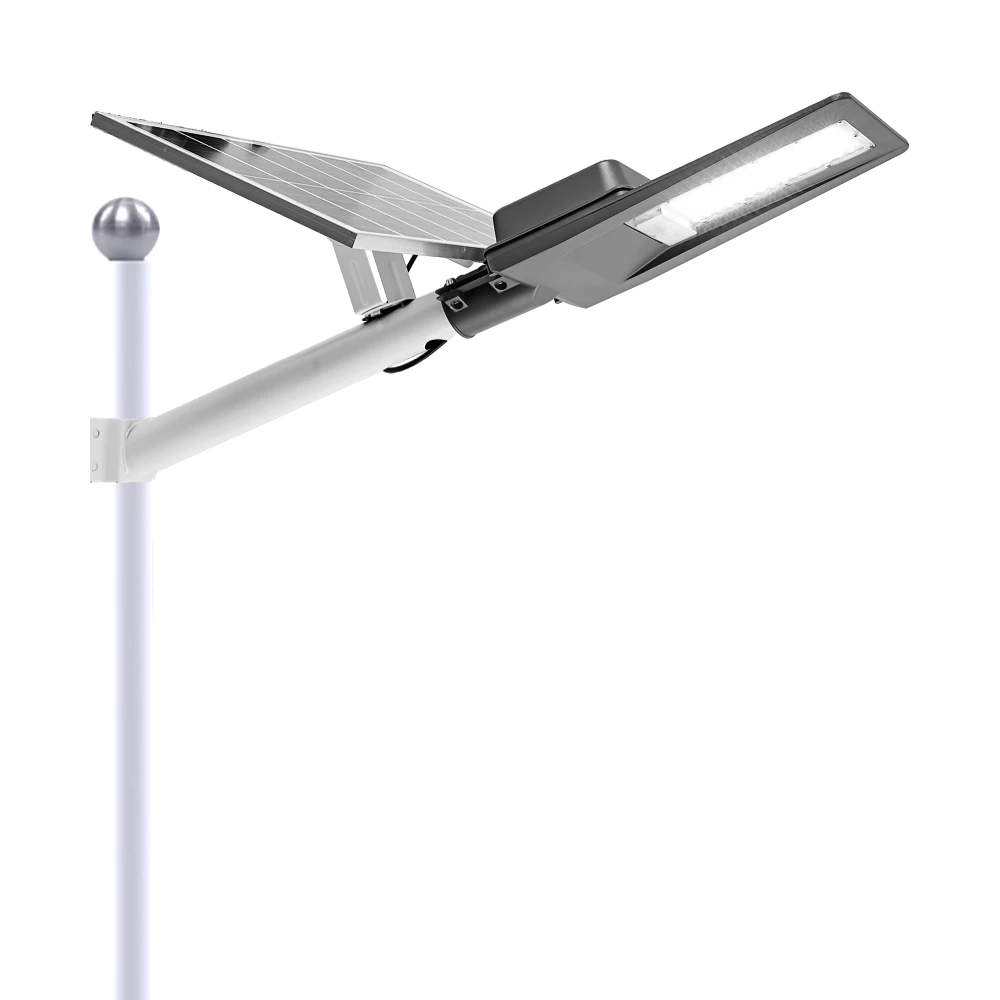
Experience reliable outdoor illumination with our smart solar street light, a perfect combination of advanced technology and eco-conscious design.
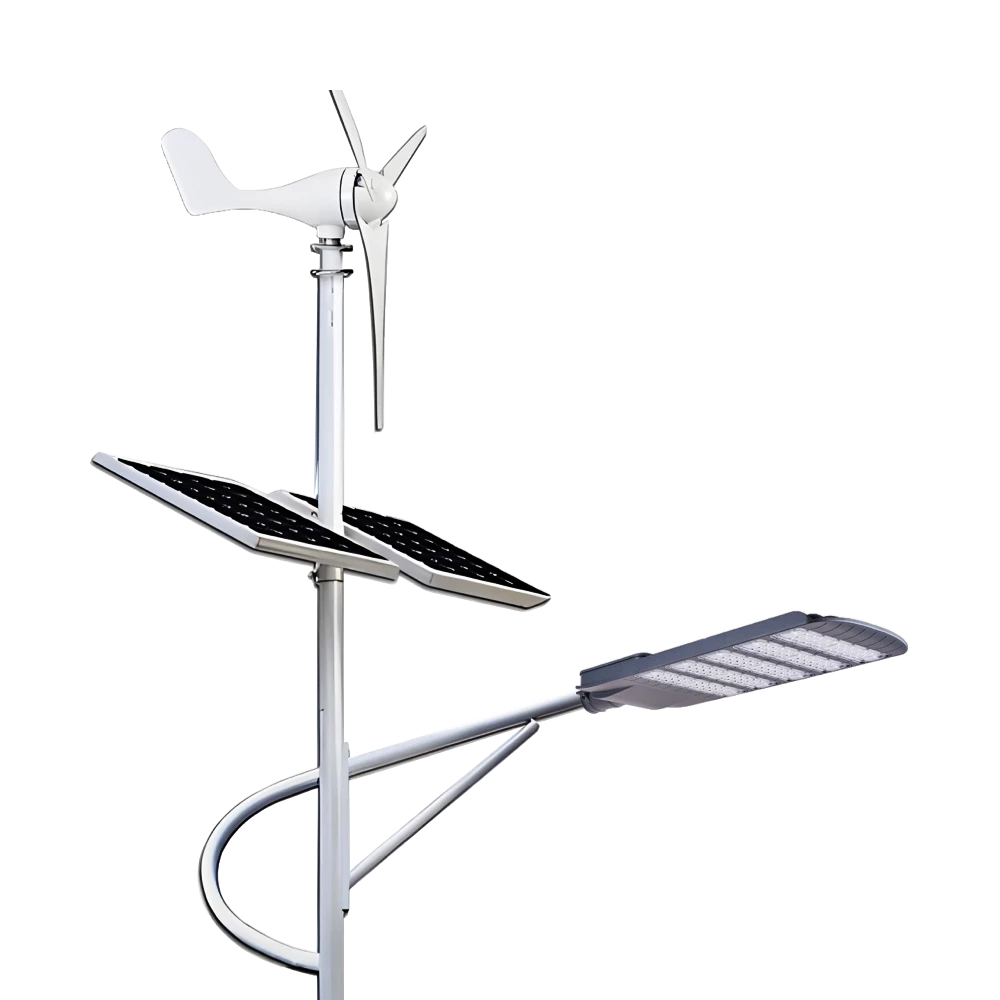
Queneng Lufeng Wind Energy LED Outdoor Solar Street Lights offer high-performance, eco-friendly illumination. These energy-efficient LED street lights harness solar power and wind energy for sustainable, cost-effective outdoor lighting solutions.
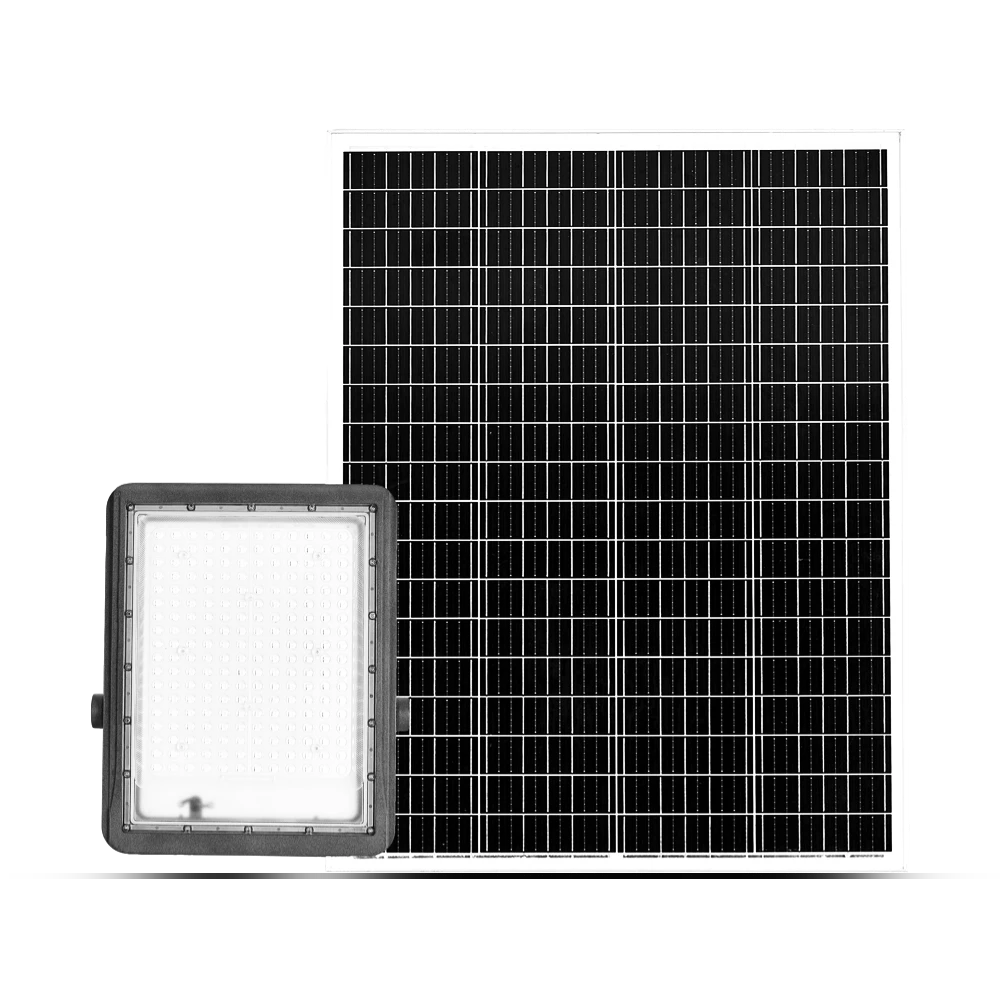
Queneng's Luxian Reliable Solar Street Light offers energy-saving LED lighting for outdoor use. This durable, solar-powered street light provides reliable illumination, reducing energy costs and environmental impact. A perfect solution for sustainable outdoor lighting.
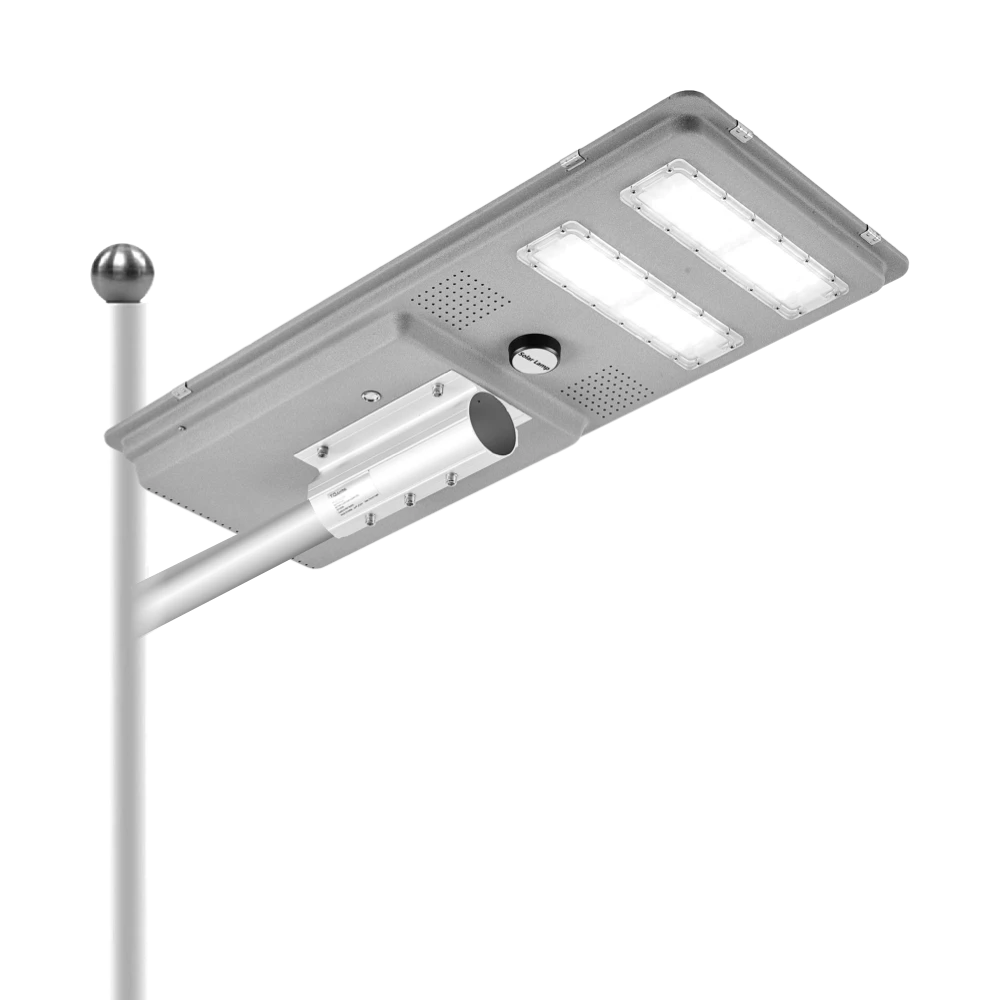
Queneng’s Solar Street Lights are designed to provide reliable, energy-efficient lighting for streets, parks, and other outdoor spaces.
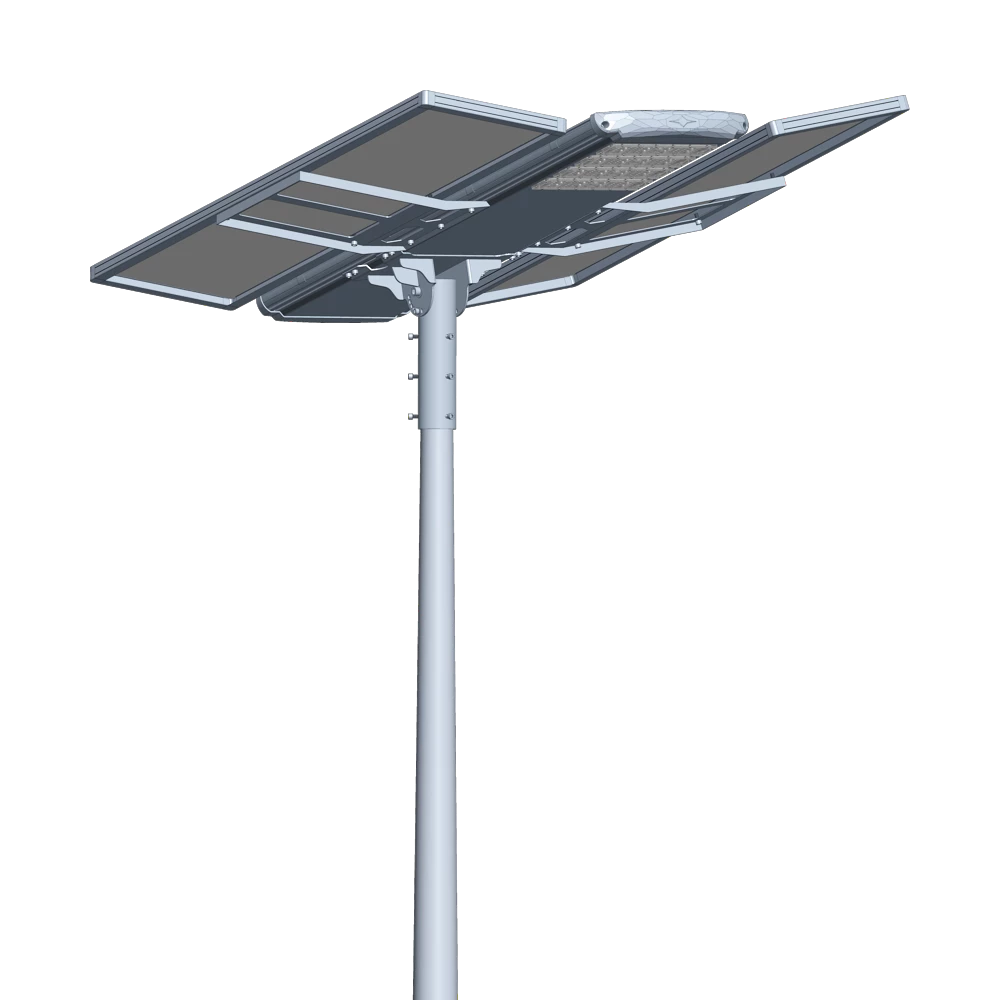
Introducing the Luqing Solar Street Light by Queneng, Efficient LED lighting powered by solar energy is perfect for illuminating outdoor areas. Harness the power of solar energy for sustainable, reliable street lighting. Ideal for eco-friendly, cost-effective outdoor illumination solutions.
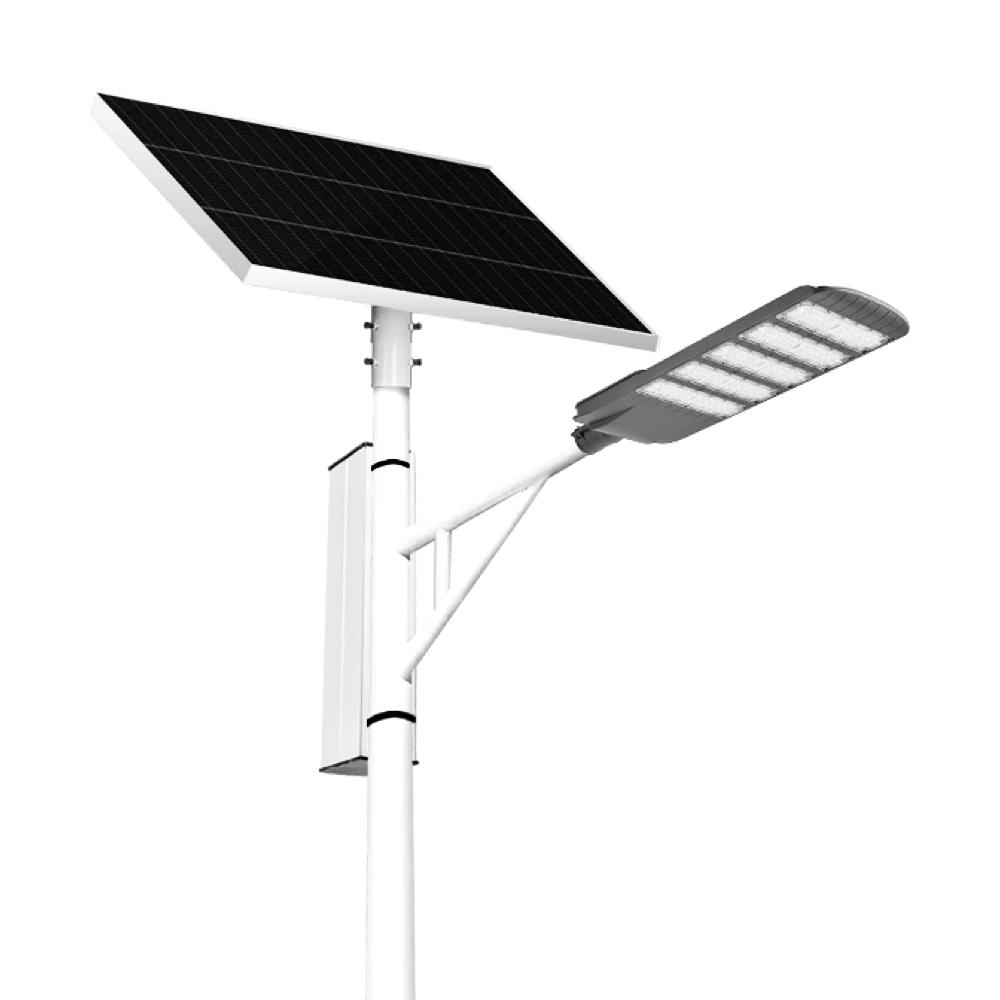
The Solar Streetlights of Luhao for Municipalities are designed to deliver reliable, energy-efficient, and cost-effective public lighting solutions. Equipped with advanced LED technology, durable lithium batteries, and high-efficiency solar panels, these streetlights provide consistent illumination for roads, parks, residential areas, and government projects.
If you would like more information about Queneng solar lighting solutions, please send us a message by filling out the form below. Our professional team will get back to you within 24 hours!
Rest assured that your privacy is important to us, and all information provided will be handled with the utmost confidentiality.
Schedule a Meeting
Book a date and time that is convenient for you and conduct the session in advance.
Have more questions about our products or services?
The messenger of light & power conversion
Environmental protection and intelligent manufacturing are our brand philosophy, and quality assurance and the best user experience are our eternal promises to users.
CONTACT
No.9F, Building F, Cao San Xin Tian Hong Logistics Park, Guzhen Town, Zhongshan City, Guangdong Province, China.
or write [email protected]
WhatsApp: +86 136 2270 1011


