

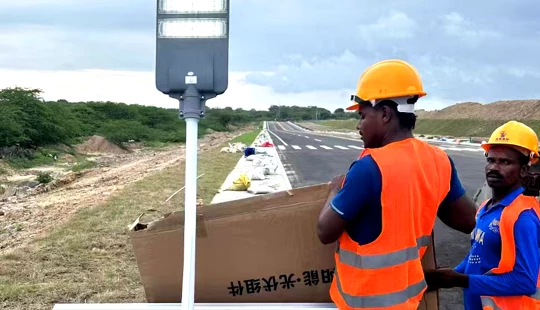
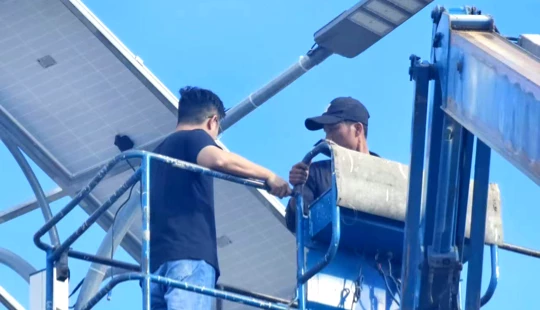












Distributor Strategies for Entering New Municipal Markets | Insights by Quenenglighting
Distributor Strategies for Illuminating New Municipal Markets with Solar Lighting
The global solar street lighting market is experiencing robust growth, projected to reach USD 16.32 billion by 2029 from USD 7.82 billion in 2024, at a CAGR of 15.89% (Mordor Intelligence). This expansion presents unparalleled opportunities for distributors looking to enter or expand within new municipal markets. However, navigating the unique landscape of government procurement, diverse local needs, and stringent standards requires a well-defined strategy. This guide explores key questions and provides actionable insights for distributors aiming to light up new cities with sustainable solar solutions.
How to Identify High-Potential Municipal Markets for Solar Lighting?
Identifying the right markets is the foundational step. Distributors should focus on municipalities demonstrating a clear commitment to sustainability, smart city initiatives, or those facing significant energy challenges (e.g., unreliable grid, high electricity costs in remote areas). Look for published urban development plans, smart city roadmaps, and government grants for renewable energy. Research local economic indicators, population density, and existing infrastructure. Early adopters are often mid-sized cities or suburban areas seeking cost-effective, environmentally friendly solutions for parks, pathways, and secondary roads, before larger metropolitan areas undertake massive overhauls.
What are the Essential Regulatory Requirements and Certifications for Municipal Solar Lighting Projects?
Regulatory compliance is paramount. Municipalities typically demand products that meet international and national standards for safety, performance, and environmental impact. Key certifications include:
- IP Ratings (e.g., IP65, IP67): For dust and water ingress protection, crucial for outdoor applications.
- IK Ratings (e.g., IK08, IK10): For impact resistance, important for public installations.
- CE, RoHS, FCC: European and US market electrical safety and hazardous substance compliance.
- IESNA (Illuminating Engineering Society of North America) Standards: For light distribution patterns and uniformity, ensuring adequate illumination without light pollution.
- Local Electrical Codes: Compliance with specific municipal or regional electrical installation regulations.
Ensure your products, especially batteries (Lithium Iron Phosphate - LiFePO4, known for its long cycle life of 2,000-6,000 cycles and enhanced safety), solar panels (mono-crystalline typically 19-22% efficiency), and controllers, meet these rigorous specifications.
How Can Distributors Effectively Build and Manage Relationships with Municipal Authorities and Local Partners?
Success in municipal markets heavily relies on strong relationships. Distributors should engage early with city planners, public works departments, and sustainability officers. Attend local government procurement fairs and industry conferences. Partnering with local electrical contractors, engineering firms, or urban planning consultants can provide invaluable local expertise, installation services, and project management capabilities. Trust is built through transparent communication, reliable product delivery, and a proven track record.
What are the Key Considerations for Tailoring Solar Lighting Solutions to Specific Municipal Needs and Environments?
One-size-fits-all rarely works. Municipalities have diverse requirements:
- Light Output & Distribution: Varying lumen requirements (e.g., 2,000-15,000 lumens for street lights) and beam angles for different applications (streets, parks, pathways).
- Autonomy: Battery backup for 2-5 days of cloudy weather is often requested to ensure reliability.
- Smart Features: Integration with smart city platforms, remote monitoring and control, dimming capabilities, motion sensors (PIR/microwave) for energy saving and adaptive lighting.
- Aesthetics: Design matching urban architecture.
- Environmental Factors: Products designed to withstand extreme temperatures (e.g., -20°C to +60°C), high winds, or coastal corrosion.
Offering modular designs and customization options tailored to specific project needs is a significant differentiator.
How to Successfully Navigate the Complex Municipal Procurement and Tender Processes?
Municipal procurement is often structured, transparent, and competitive. Distributors must:
- Understand the Process: Familiarize yourself with the city's bidding portals, submission requirements, and timelines.
- Detailed Proposals: Submit comprehensive proposals that clearly address all technical specifications, provide detailed cost breakdowns (including installation and maintenance), and highlight the long-term ROI and environmental benefits.
- Compliance: Ensure all required documentation (certifications, financial statements, references) is meticulously prepared.
- Value Proposition: Emphasize not just the product, but the complete solution, including project management, installation support, warranty, and after-sales service.
What Funding Mechanisms and Financial Models Can Support Municipal Solar Lighting Initiatives?
Budget constraints are common. Distributors can assist by:
- Grant Identification: Helping municipalities identify and apply for federal, state, or international grants for renewable energy and smart infrastructure.
- Energy Performance Contracting (EPC): Proposing models where energy savings fund the project over time.
- Public-Private Partnerships (PPPs): Collaborating on projects where the private sector designs, builds, finances, and operates the infrastructure.
- Leasing & Financing Options: Offering flexible financing terms or connecting municipalities with specialized green energy lenders.
Highlighting the cost savings over traditional grid lighting (e.g., reduced electricity bills, lower maintenance) is key to demonstrating a strong ROI.
Why is Comprehensive After-Sales Support and Maintenance Crucial for Municipal Solar Lighting Projects?
Municipalities require reliability and longevity. A strong after-sales commitment builds trust and ensures project success over the product's lifespan. This includes:
- Extended Warranties: Offering warranties for key components (e.g., 5-10 years for LED fixtures, 3-5 years for batteries).
- Technical Support: Readily available troubleshooting and expert assistance.
- Spare Parts Availability: Ensuring easy access to replacement components.
- Maintenance Programs: Offering service contracts for routine inspections, cleaning, and preventative maintenance, which can significantly extend the life of the assets (e.g., cleaning solar panels quarterly can maintain optimal charging efficiency).
By proactively addressing these areas, distributors can establish themselves as invaluable partners to municipalities seeking to embrace sustainable, efficient, and smart solar lighting solutions.
Quenenglighting: Your Partner in Sustainable Urban Illumination
For distributors eyeing the lucrative municipal solar lighting market, choosing the right manufacturing partner is crucial. Quenenglighting stands out with its commitment to innovation, quality, and comprehensive support. We offer:
- Advanced R&D: Continuously developing cutting-edge solar lighting technologies, including highly efficient monocrystalline solar panels (22%+ efficiency), long-lasting LiFePO4 batteries (6000+ cycles), and intelligent control systems that integrate seamlessly with smart city platforms.
- Customization Expertise: Our flexible manufacturing capabilities allow for tailored solutions that meet specific municipal requirements, from light output and distribution to aesthetic design and extreme weather resilience.
- Rigorous Quality Control: Adhering to international standards (IP67, IK10, CE, RoHS, IESNA), ensuring every product delivers reliable, durable, and high-performance illumination.
- Comprehensive Distributor Support: Beyond products, we provide extensive technical training, marketing materials, project consultation, and robust after-sales service to empower our partners in winning and executing municipal projects successfully.
- Competitive Value: Combining High Quality quality with cost-effectiveness, enabling distributors to offer superior ROI to municipalities without compromising on sustainability or performance.
Partner with Quenenglighting to confidently expand your reach and deliver exceptional solar lighting solutions that transform urban landscapes.

Have more questions about our products or services?
The latest hot news you might like

Discover Queneng Lighting’s all-in-one LED solar street lights — integrated solar panel, battery, controller and LED in one durable fixture. Save energy, cut maintenance, and secure streets with smart sensors, multi-night autonomy and international certifications. Contact sales for quotes and support.

Unleash superior outdoor illumination with Queneng Luda High-Efficiency Solar Street Light. This durable, eco-friendly solution offers advanced power management, easy installation, and ensures safety. Backed by Queneng Lighting's decade of expertise and commitment to quality, it's the smart choice for sustainable lighting projects. Learn why we're a leading solar solutions provider.

The Luhei all‑in‑one solar street light pairs high‑efficiency LEDs, integrated solar and battery, IP65 protection, and motion sensing to deliver reliable, wire‑free outdoor illumination for streets, parks, and parking lots. Backed by Queneng Lighting’s certifications and support.

FAQ
Industry
Will the solar street lights work effectively in winter or during low sunlight conditions?
Queneng’s solar lights are equipped with high-capacity batteries, ensuring normal illumination even in low-light conditions, making them ideal for regions with frequent winter or rainy weather.
Remote Areas Rural Development
How long does it take to install solar streetlights in a rural area?
Installation time varies, but on average, it takes about 2-3 hours per light, with complete project timelines depending on the scale and terrain.
What happens if a component of the solar lighting system fails?
Most systems have modular designs, so individual components like batteries or LED lights can be replaced without affecting the entire setup.
Are solar streetlights scalable for larger rural projects?
Yes, solar streetlights are highly scalable and can be customized to meet the requirements of large-scale rural electrification projects.
Batteries and the environment
What is the main manifestation of the hazards of used batteries?
Public Gardens and Landscape Lighting
What happens if the solar light is not working properly?
If your solar light is not working properly, it could be due to a variety of reasons, such as dirt on the solar panel, insufficient sunlight, or battery issues. We recommend cleaning the panel and ensuring it receives enough sunlight. If the problem persists, please contact our customer service team for troubleshooting assistance.
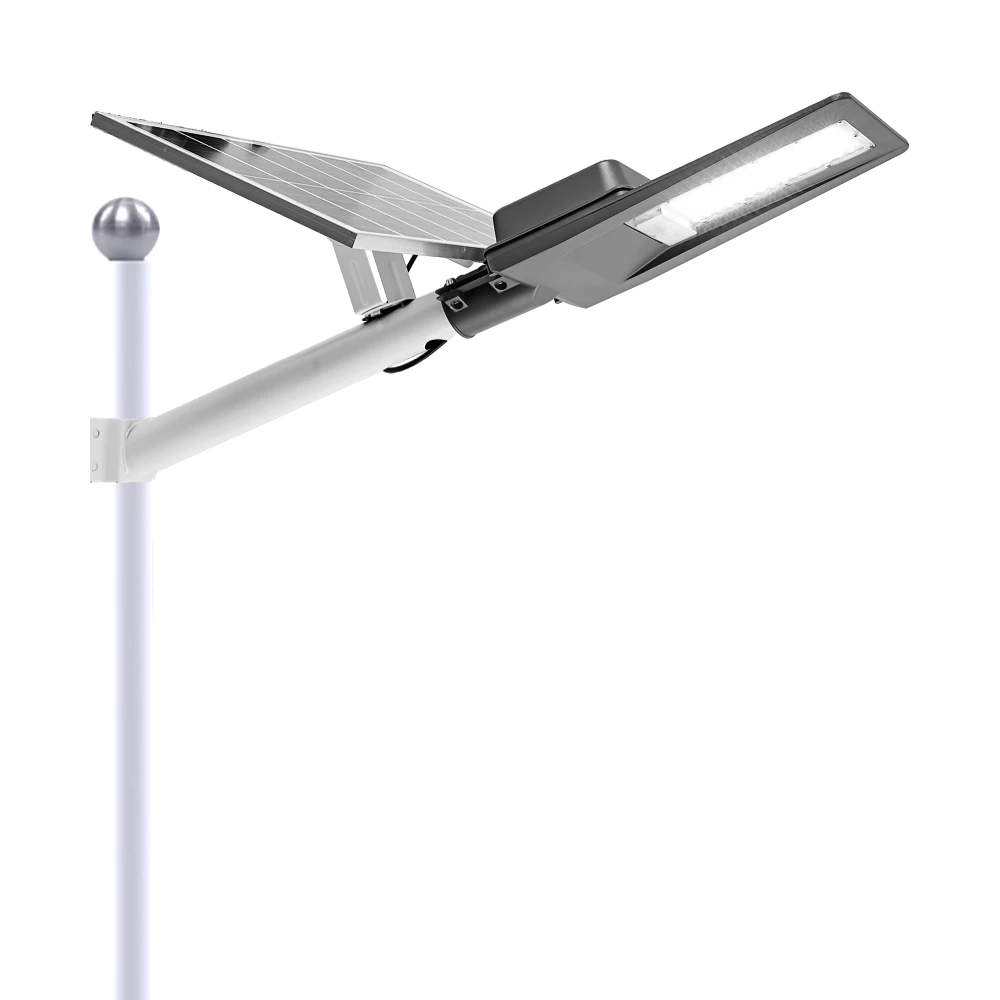
Experience reliable outdoor illumination with our smart solar street light, a perfect combination of advanced technology and eco-conscious design.
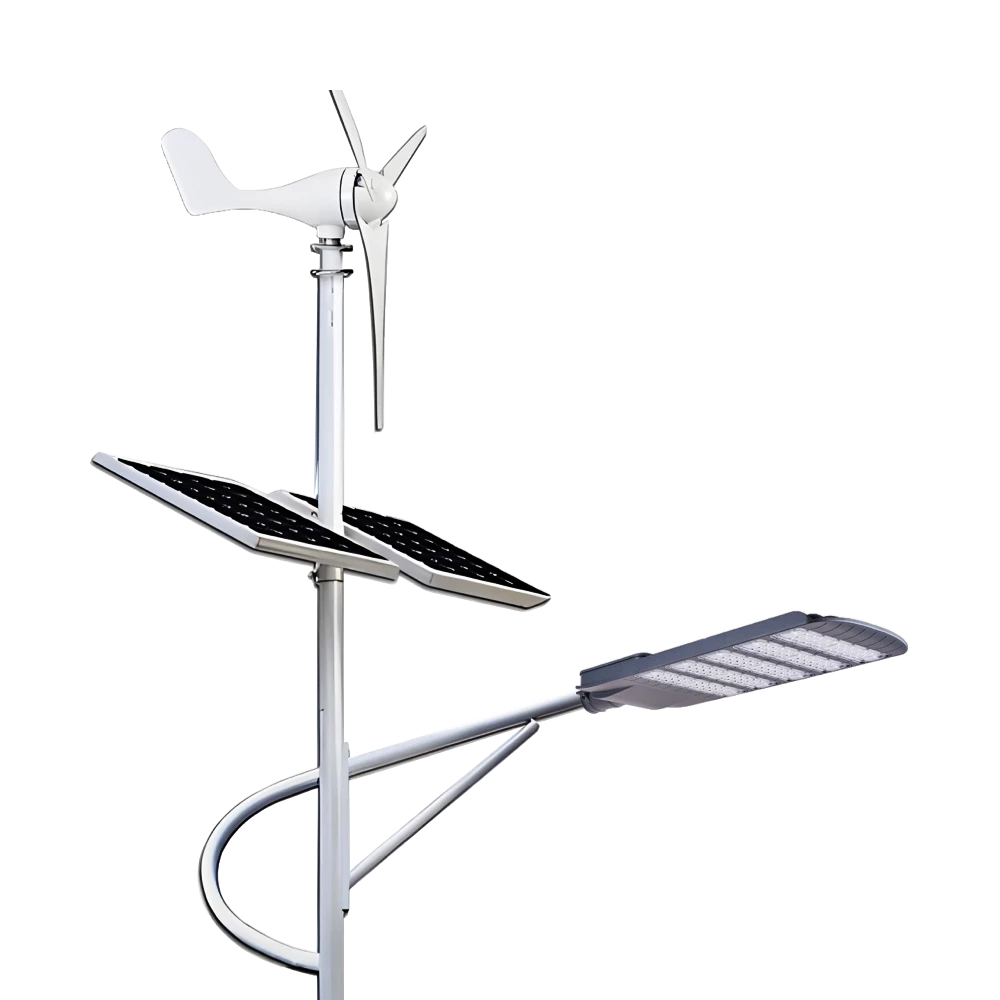
Queneng Lufeng Wind Energy LED Outdoor Solar Street Lights offer high-performance, eco-friendly illumination. These energy-efficient LED street lights harness solar power and wind energy for sustainable, cost-effective outdoor lighting solutions.
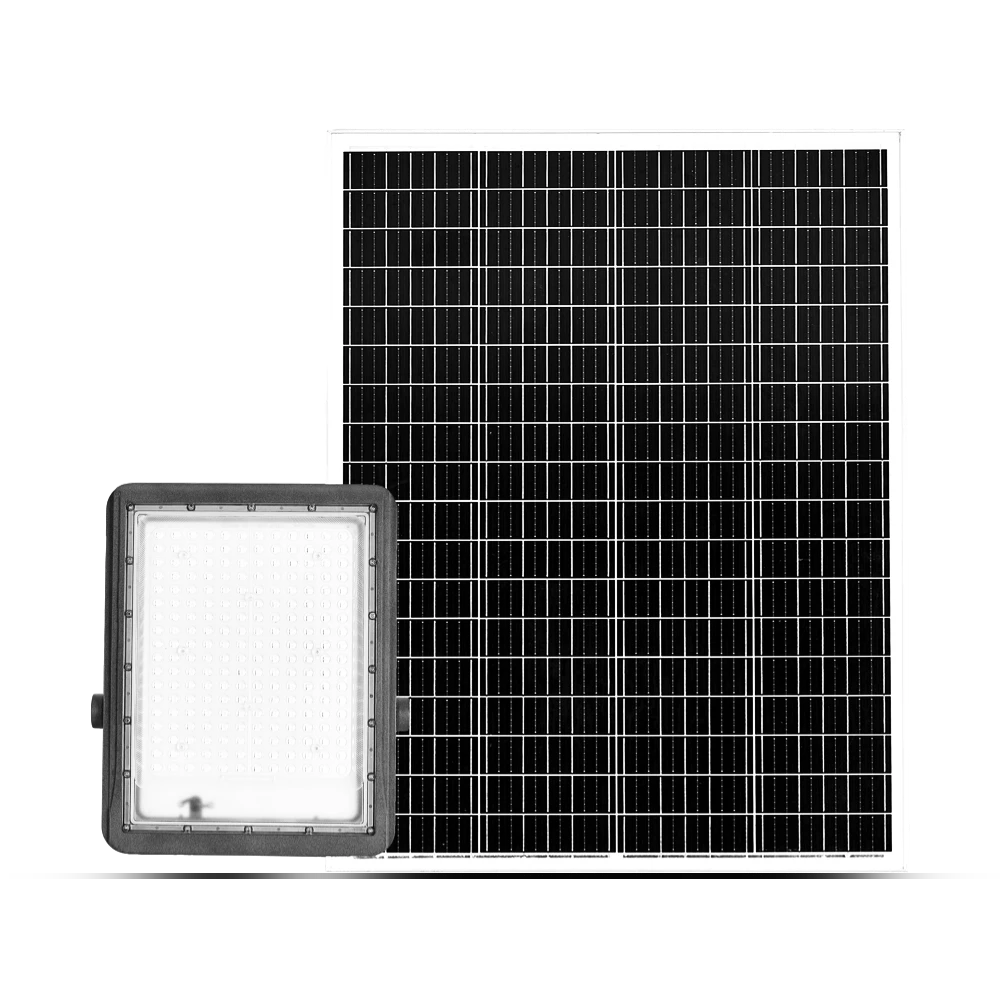
Queneng's Luxian Reliable Solar Street Light offers energy-saving LED lighting for outdoor use. This durable, solar-powered street light provides reliable illumination, reducing energy costs and environmental impact. A perfect solution for sustainable outdoor lighting.
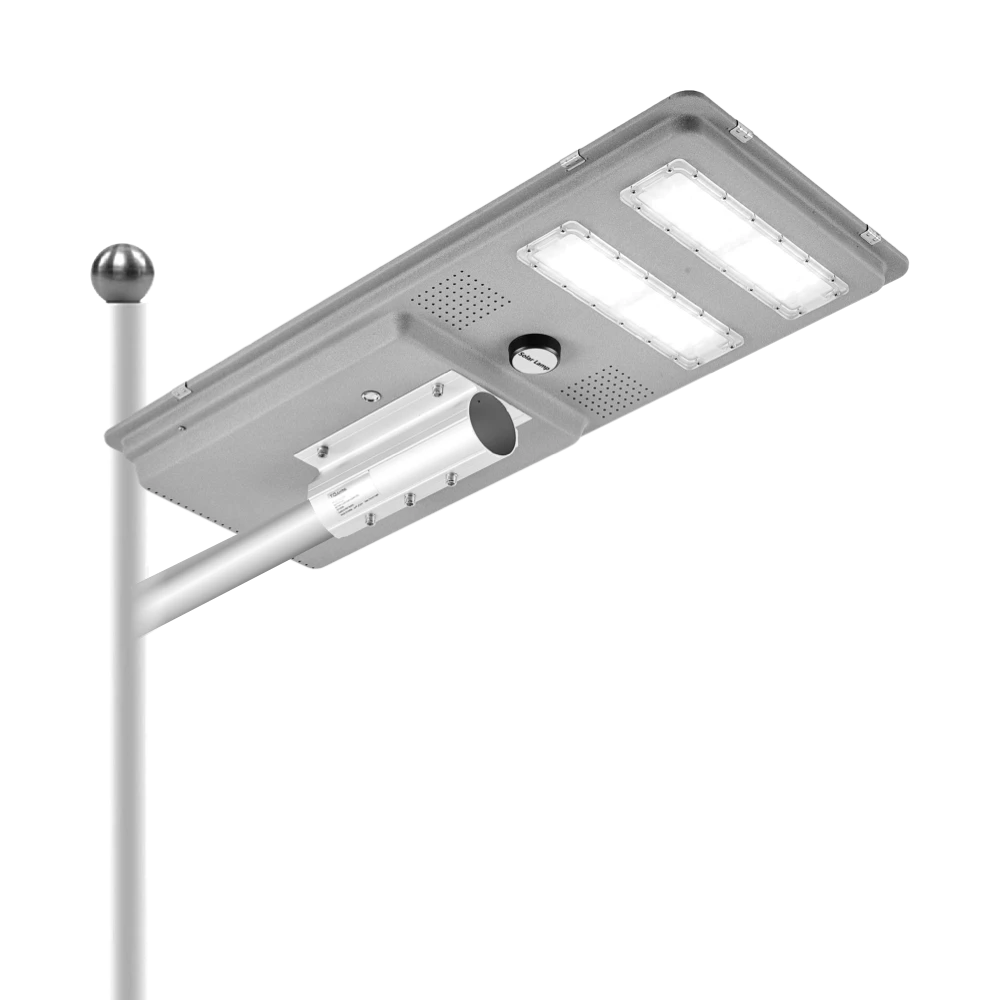
Queneng’s Solar Street Lights are designed to provide reliable, energy-efficient lighting for streets, parks, and other outdoor spaces.
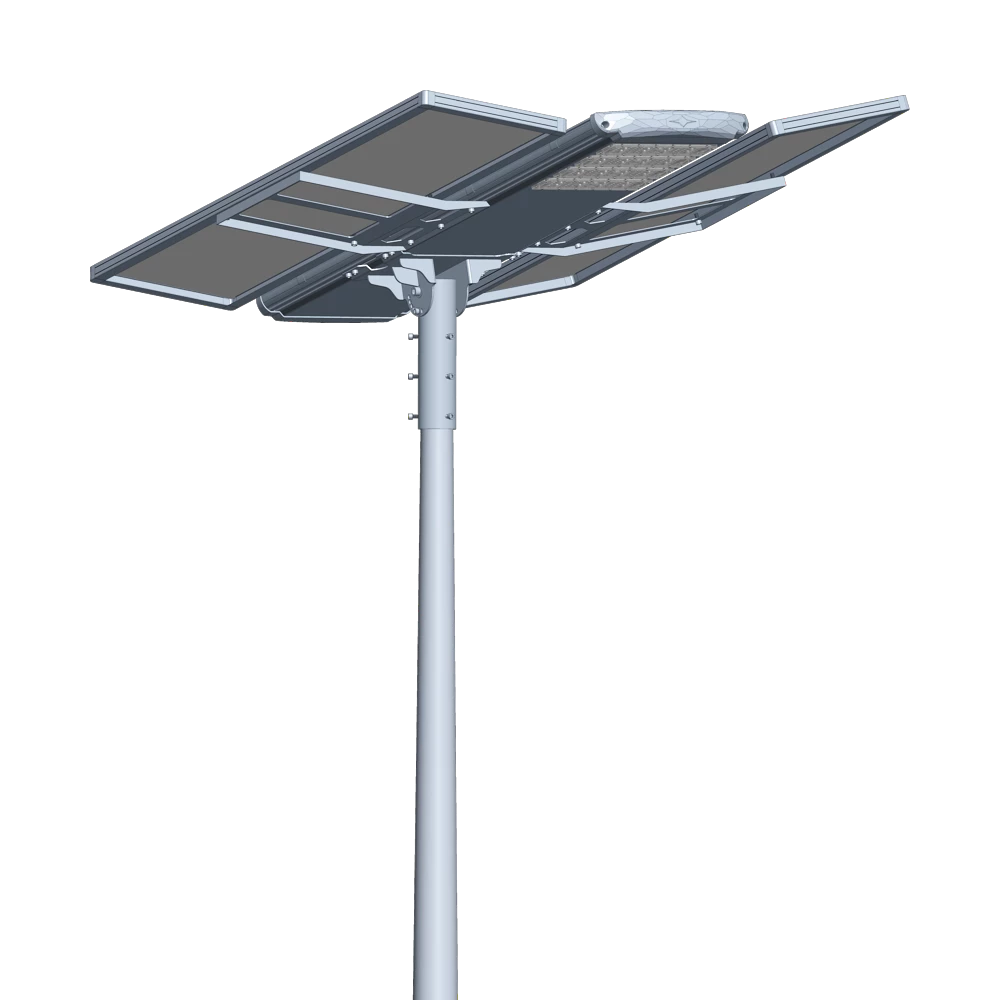
Introducing the Luqing Solar Street Light by Queneng, Efficient LED lighting powered by solar energy is perfect for illuminating outdoor areas. Harness the power of solar energy for sustainable, reliable street lighting. Ideal for eco-friendly, cost-effective outdoor illumination solutions.
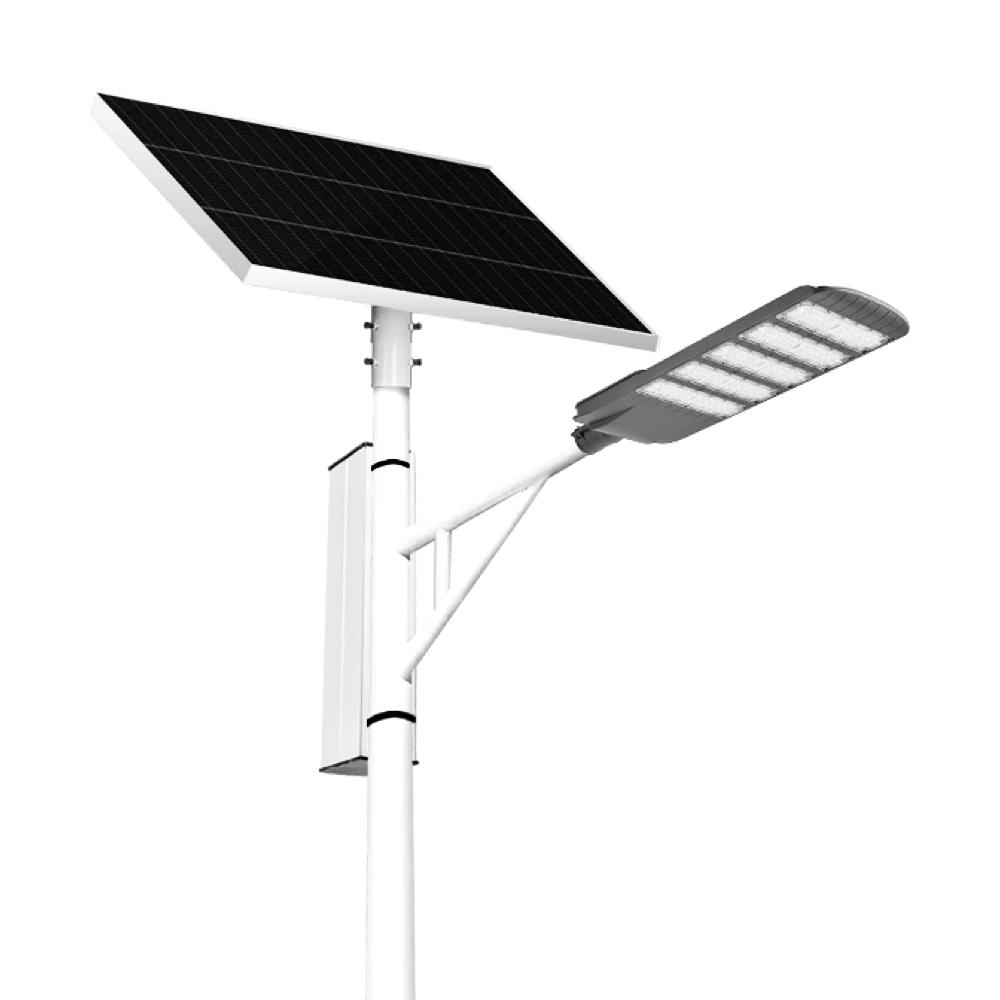
The Solar Streetlights of Luhao for Municipalities are designed to deliver reliable, energy-efficient, and cost-effective public lighting solutions. Equipped with advanced LED technology, durable lithium batteries, and high-efficiency solar panels, these streetlights provide consistent illumination for roads, parks, residential areas, and government projects.
If you would like more information about Queneng solar lighting solutions, please send us a message by filling out the form below. Our professional team will get back to you within 24 hours!
Rest assured that your privacy is important to us, and all information provided will be handled with the utmost confidentiality.
Schedule a Meeting
Book a date and time that is convenient for you and conduct the session in advance.
Have more questions about our products or services?
The messenger of light & power conversion
Environmental protection and intelligent manufacturing are our brand philosophy, and quality assurance and the best user experience are our eternal promises to users.
CONTACT
No.9F, Building F, Cao San Xin Tian Hong Logistics Park, Guzhen Town, Zhongshan City, Guangdong Province, China.
or write [email protected]
WhatsApp: +86 136 2270 1011


