

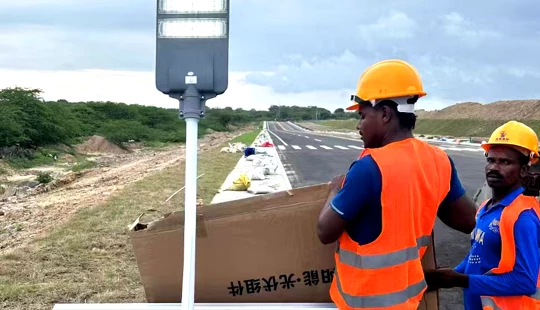
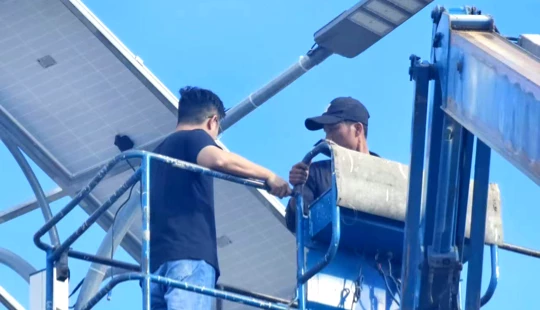













Wholesale Challenges in Exporting Solar Lights to Remote Markets | Insights by Quenenglighting
Navigating the Complexities of Exporting Wholesale Solar Lights to Remote Markets
The global demand for solar lighting continues to surge, particularly in remote and off-grid regions where access to conventional electricity is limited. While the potential for impact and profit is immense, exporting wholesale solar lights to these challenging markets is fraught with unique obstacles. For buyers in the solar lighting industry, understanding these complexities is crucial for successful procurement and project implementation. Let's explore the key challenges and how to address them.
1. The Labyrinth of Logistics and Last-Mile Delivery
Challenge: Remote markets often lack developed infrastructure, leading to high shipping costs, extended transit times, and potential damage during multiple transfers. Bulky solar street lights or large quantities of solar home systems can be expensive and difficult to transport to inland or rural areas.
Solution: Partner with freight forwarders specializing in challenging routes and dangerous goods (for batteries). Optimize packaging for durability and compact size to maximize container space. Consider breaking down shipments at regional hubs and utilizing local distribution networks for the 'last mile.' Robust, weather-resistant packaging is non-negotiable to protect sensitive components like solar panels and batteries from harsh transit conditions.
2. Navigating Customs, Tariffs, and Import Regulations
Challenge: Each country has unique customs procedures, import duties, taxes, and product certification requirements. Lithium-ion batteries, common in solar lights, are classified as 'dangerous goods,' subjecting them to strict IATA (International Air Transport Association) or IMO (International Maritime Organization) regulations, requiring specific documentation and packaging.
Solution: Work with experienced customs brokers who understand the destination country's specific regulations and battery import rules. Ensure all products meet international standards (e.g., CE, RoHS, IEC) and any country-specific certifications. Proactively gather all necessary documentation, including Material Safety Data Sheets (MSDS) for batteries, to prevent delays and unexpected costs.
3. Ensuring Product Durability and Performance in Harsh Environments
Challenge: Solar lights in remote areas often face extreme weather conditions – intense heat, high humidity, heavy dust, strong winds, and heavy rainfall. Standard products may not withstand these elements, leading to premature failure and high replacement costs.
Solution: Prioritize solar lights with high IP ratings (IP65, IP66, or even IP67 for dust and water ingress protection). Look for robust housing materials like die-cast aluminum alloys, tempered glass for solar panels, and corrosion-resistant coatings. Critically, select products featuring high-quality Lithium Iron Phosphate (LiFePO4) batteries, which offer superior cycle life (often 2,000-4,000 cycles at 80% DOD), better thermal stability, and enhanced safety compared to traditional lead-acid or some NMC lithium-ion chemistries in solar applications. High-efficiency monocrystalline solar panels are also essential for optimal energy harvesting.
4. Installation, Maintenance, and After-Sales Support Deficiencies
Challenge: Remote areas often lack skilled technicians for installation and maintenance. Providing timely after-sales support, technical assistance, or warranty fulfillment can be logistically challenging and expensive.
Solution: Opt for 'plug-and-play' solar lighting solutions with simple, intuitive installation processes. Provide comprehensive, multi-language installation manuals and offer remote technical training or video tutorials. Establish a clear warranty policy and, where feasible, collaborate with local partners for basic maintenance and spare parts availability. Reliable manufacturers should offer accessible online support or dedicated technical lines.
5. Managing Financing and Payment Risks
Challenge: International transactions, especially to emerging markets, can involve currency fluctuations, varying payment norms, and higher credit risks.
Solution: Utilize secure payment methods such as Letters of Credit (LCs) or Telegraphic Transfers (TT) with reputable banks. Consider engaging export credit agencies for risk mitigation. Building long-term relationships with trusted suppliers can also lead to more flexible payment terms over time.
6. Understanding Local Market Needs and Demand
Challenge: The 'one-size-fits-all' approach rarely works. Local cultural preferences, specific lighting requirements (e.g., brightness levels, beam angles for different applications), and budget constraints vary significantly across remote markets.
Solution: Conduct thorough market research or partner with local distributors who possess intimate knowledge of the region. Understand common applications – from street lighting and security lighting to home lighting and commercial applications – and tailor product specifications accordingly. Flexibility in product customization can be a significant advantage.
Quenenglighting: Your Partner in Remote Solar Lighting Solutions
Addressing these formidable challenges requires a supplier with extensive experience, robust product quality, and a commitment to customer success. Quenenglighting stands out as a reliable partner for wholesale buyers looking to export solar lights to remote markets. Our advantages include:
- Advanced Product Engineering: We specialize in high-durability solar lighting solutions, incorporating IP66/IP67 rated designs, high-efficiency monocrystalline solar panels, and long-life LiFePO4 batteries to withstand extreme environmental conditions.
- Global Logistics Expertise: With years of international export experience, we understand the intricacies of global shipping and customs regulations, particularly concerning battery products, ensuring smooth and timely delivery.
- Comprehensive Quality Assurance: Our products undergo rigorous testing to meet international standards (CE, RoHS, IEC), guaranteeing reliability and consistent performance in challenging off-grid environments.
- Tailored Solutions and Support: We offer a wide range of customizable solar lighting products and provide excellent pre-sales consultation and after-sales technical support, empowering our partners with the knowledge and tools for successful project deployment.
- Commitment to Sustainability: We are dedicated to delivering eco-friendly, energy-efficient lighting that empowers communities and reduces carbon footprints worldwide.
By partnering with Quenenglighting, you can confidently navigate the complexities of exporting solar lights, bringing reliable and sustainable lighting solutions to even the most remote corners of the globe.

Have more questions about our products or services?
The latest hot news you might like

Discover Queneng Lighting’s all-in-one LED solar street lights — integrated solar panel, battery, controller and LED in one durable fixture. Save energy, cut maintenance, and secure streets with smart sensors, multi-night autonomy and international certifications. Contact sales for quotes and support.

Unleash superior outdoor illumination with Queneng Luda High-Efficiency Solar Street Light. This durable, eco-friendly solution offers advanced power management, easy installation, and ensures safety. Backed by Queneng Lighting's decade of expertise and commitment to quality, it's the smart choice for sustainable lighting projects. Learn why we're a leading solar solutions provider.

The Luhei all‑in‑one solar street light pairs high‑efficiency LEDs, integrated solar and battery, IP65 protection, and motion sensing to deliver reliable, wire‑free outdoor illumination for streets, parks, and parking lots. Backed by Queneng Lighting’s certifications and support.

FAQ
Municipal and Public Infrastructure
Are your solar streetlights compliant with international standards?
Yes, our products meet international quality and safety standards, including ISO9001, CE, and RoHS certifications, ensuring reliability and performance.
Solar Street Light Luhao
What are the key features of the Luhao solar street light?
The Luhao solar street light combines advanced LED technology with solar power, providing a sustainable, energy-efficient lighting solution. Key features include high-performance LEDs, solar panel charging, long-lasting batteries, and weather-resistant construction for reliable outdoor illumination.
Battery and Analysis
What is over-discharge and what effect does it have on battery performance?
Public Gardens and Landscape Lighting
Can solar lights be customized for specific landscaping needs?
Yes, we offer customizable solar lighting solutions to meet the unique needs of different landscaping projects. From adjusting the brightness to selecting the appropriate lighting style and design, we can tailor our products to fit your vision.
Commercial and Industrial Parks
Do solar lights work well in large parking areas?
Yes, our solar lights provide uniform illumination ideal for expansive parking areas, ensuring safety and visibility.
OEM&ODM
Can I customize the product appearance and packaging?
Yes! We offer full customization on housing color, logo printing, battery configuration, controller type, and box design.
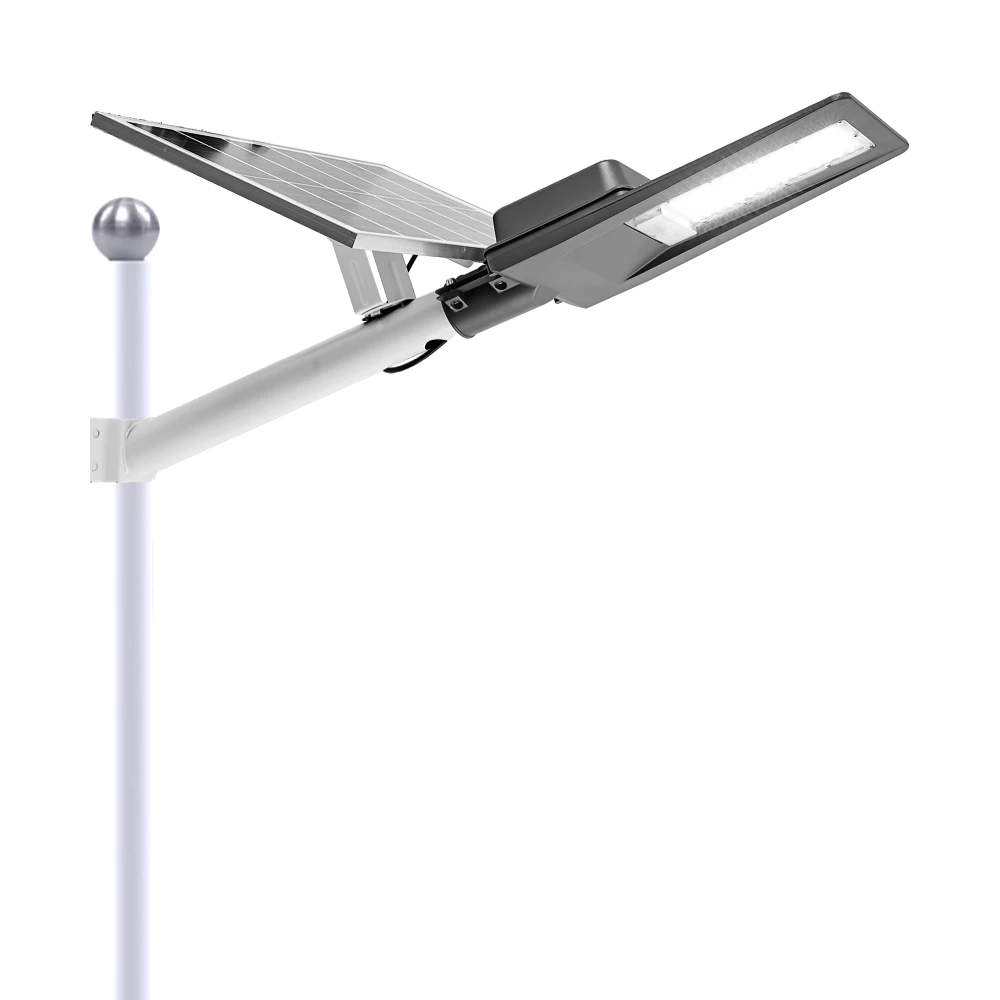
Experience reliable outdoor illumination with our smart solar street light, a perfect combination of advanced technology and eco-conscious design.
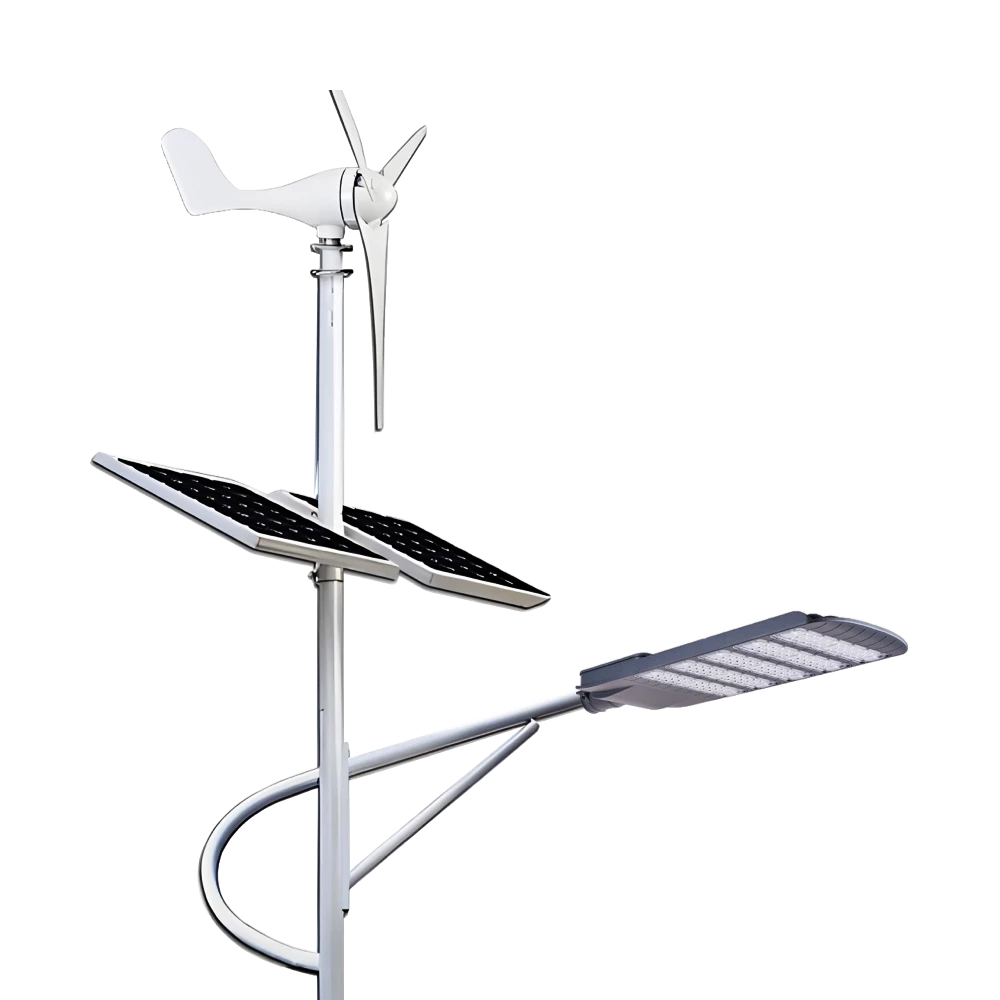
Queneng Lufeng Wind Energy LED Outdoor Solar Street Lights offer high-performance, eco-friendly illumination. These energy-efficient LED street lights harness solar power and wind energy for sustainable, cost-effective outdoor lighting solutions.
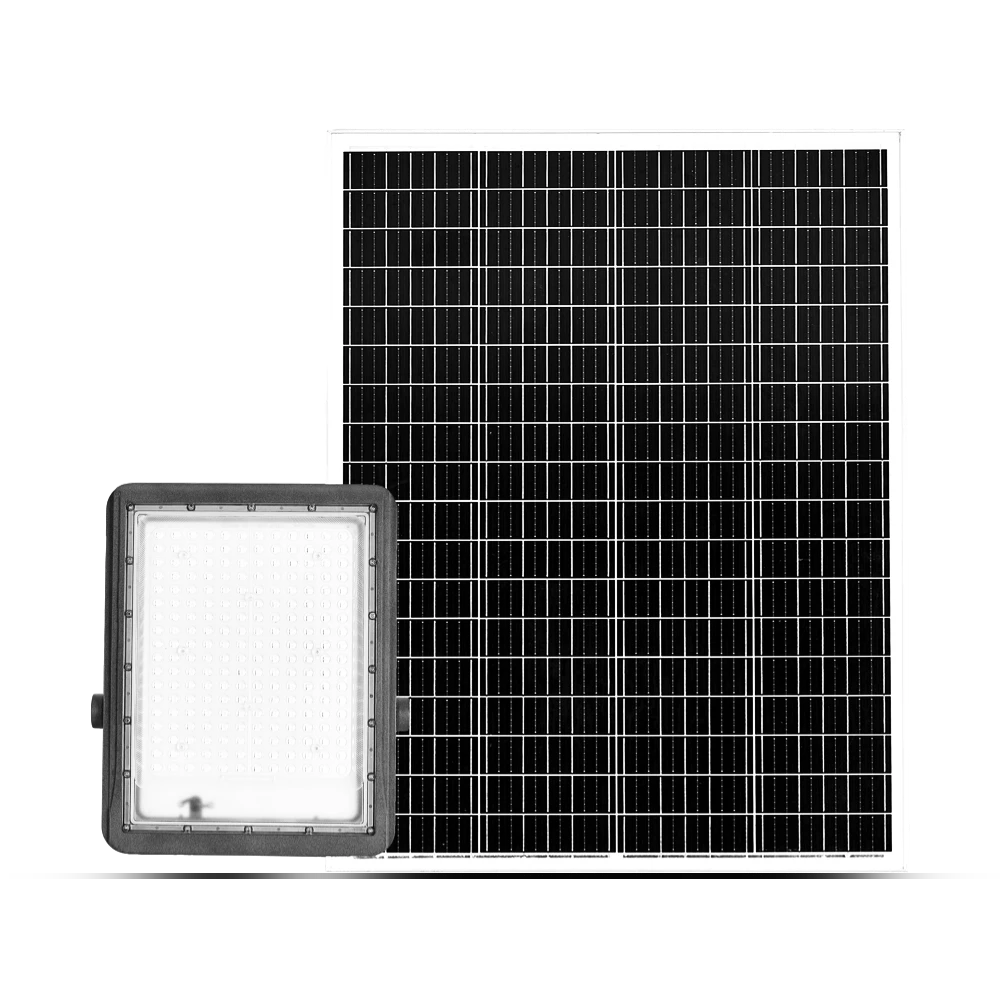
Queneng's Luxian Reliable Solar Street Light offers energy-saving LED lighting for outdoor use. This durable, solar-powered street light provides reliable illumination, reducing energy costs and environmental impact. A perfect solution for sustainable outdoor lighting.
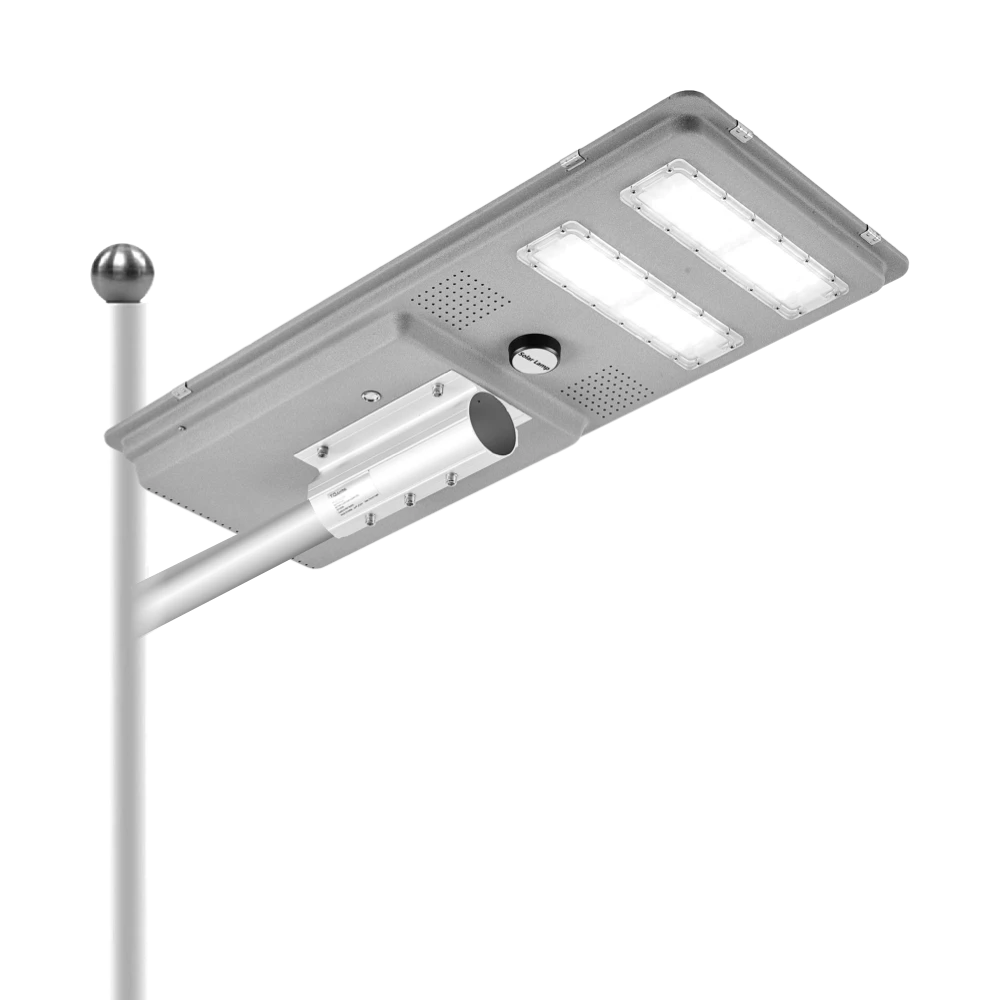
Queneng’s Solar Street Lights are designed to provide reliable, energy-efficient lighting for streets, parks, and other outdoor spaces.
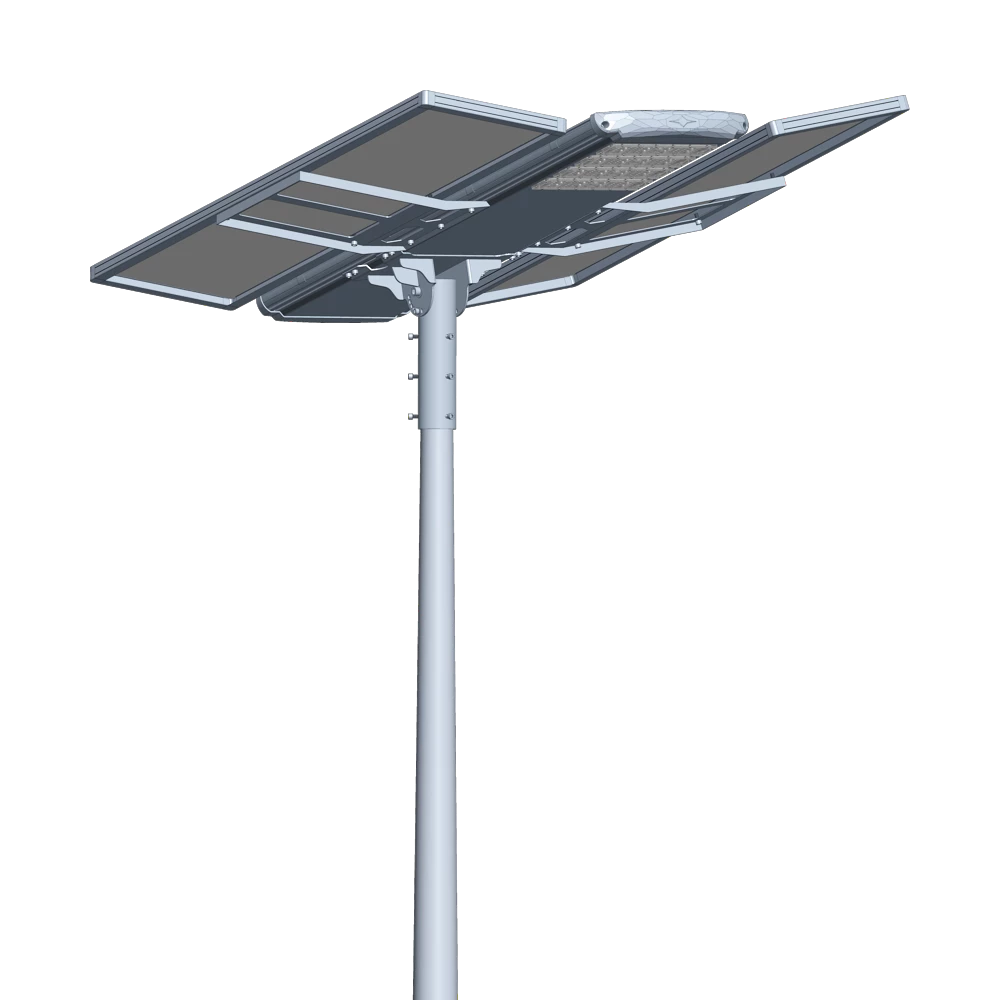
Introducing the Luqing Solar Street Light by Queneng, Efficient LED lighting powered by solar energy is perfect for illuminating outdoor areas. Harness the power of solar energy for sustainable, reliable street lighting. Ideal for eco-friendly, cost-effective outdoor illumination solutions.
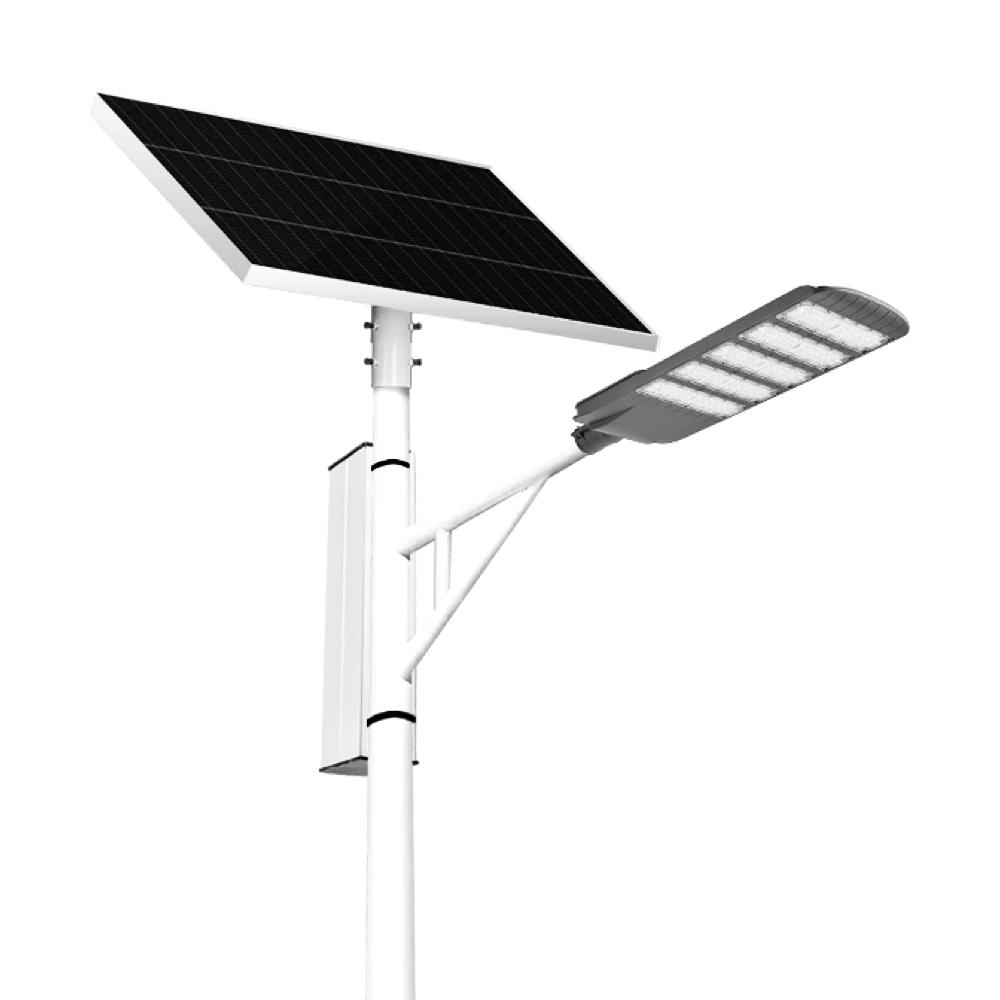
The Solar Streetlights of Luhao for Municipalities are designed to deliver reliable, energy-efficient, and cost-effective public lighting solutions. Equipped with advanced LED technology, durable lithium batteries, and high-efficiency solar panels, these streetlights provide consistent illumination for roads, parks, residential areas, and government projects.
If you would like more information about Queneng solar lighting solutions, please send us a message by filling out the form below. Our professional team will get back to you within 24 hours!
Rest assured that your privacy is important to us, and all information provided will be handled with the utmost confidentiality.
Schedule a Meeting
Book a date and time that is convenient for you and conduct the session in advance.
Have more questions about our products or services?
The messenger of light & power conversion
Environmental protection and intelligent manufacturing are our brand philosophy, and quality assurance and the best user experience are our eternal promises to users.
CONTACT
No.9F, Building F, Cao San Xin Tian Hong Logistics Park, Guzhen Town, Zhongshan City, Guangdong Province, China.
or write [email protected]
WhatsApp: +86 136 2270 1011


