














Solar Powered Street Lights vs. Traditional: A Definitive Guide
Illuminating the Future: Solar Powered Street Lights vs. Traditional Street Lights
Street lighting is fundamental to public safety, urban development, and daily life. For decades, traditional street lights powered by the grid have been the standard. However, with increasing environmental concerns, rising energy costs, and rapid technological advancements, solar powered street lights are emerging as a powerful, sustainable alternative. This comprehensive guide, brought to you by GuangDong Queneng Lighting Technology, a leader in solar lighting engineering solutions, will meticulously compare these two dominant lighting technologies, helping you make an informed decision for your next project.
Defining the Core Technologies
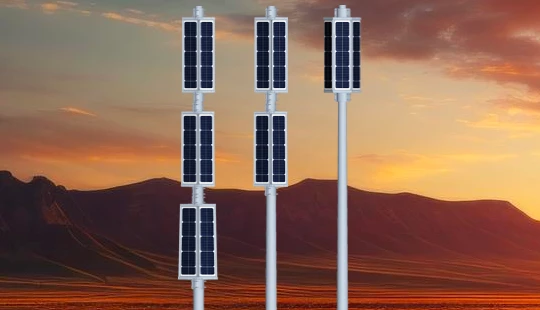
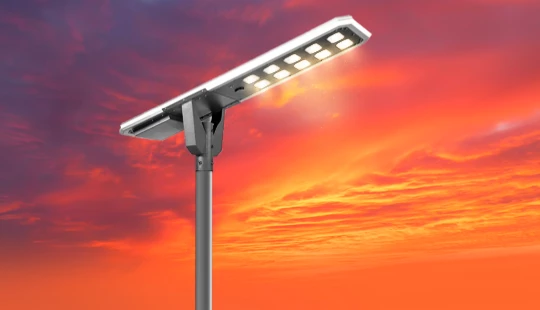
Before diving into a detailed comparison, it's essential to understand what each technology entails. Traditional street lights typically rely on high-intensity discharge (HID) lamps like high-pressure sodium (HPS) or metal halide, or more recently, LED technology, all connected to the national electricity grid. They consume grid power and require extensive underground cabling infrastructure. In contrast, solar powered street lights are self-sufficient units, integrating a solar panel, a battery (usually lithium-ion), an LED lamp, and a smart controller. They harness sunlight during the day to charge the battery and automatically illuminate at night, operating entirely off-grid. This fundamental difference forms the basis of many of their unique benefits and challenges.
Understanding the Core Differences: Solar vs. Traditional Street Lighting
Energy Source and Environmental Impact
The most significant distinction lies in their energy source. Traditional street lights depend on electricity generated, often from fossil fuels, contributing to carbon emissions and climate change. Even with cleaner grid mixes, there's an inherent energy demand. Solar powered street lights, on the other hand, utilize an inexhaustible, clean energy source: the sun. They produce zero operational carbon emissions, significantly reducing the carbon footprint of lighting infrastructure. This makes them a cornerstone of sustainable urban development and a key component in achieving global environmental goals. Companies like Queneng are at the forefront, providing eco-friendly solar lighting solutions that support a greener planet.
Installation Complexity and Initial Investment
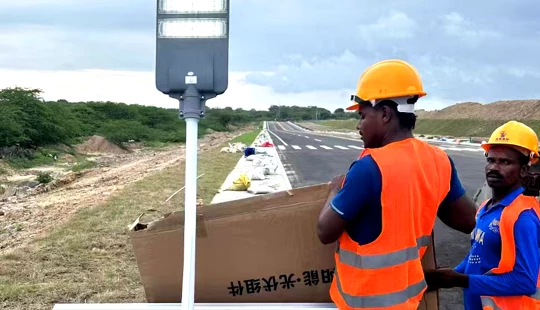
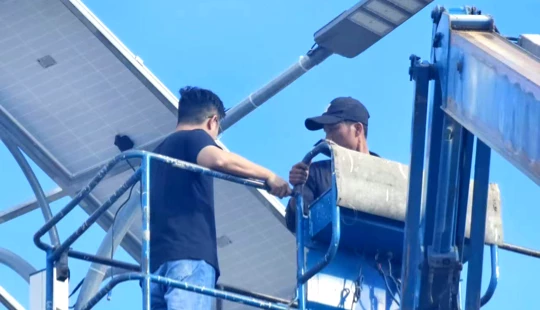
Installation is where solar lighting often presents an immediate advantage, especially in remote areas or new developments. Traditional street lights require extensive trenching for power cables, connection to the grid, and conduit installation, which can be time-consuming, labor-intensive, and costly. Solar street lights are standalone units, requiring only a concrete foundation and pole installation, eliminating the need for complex wiring or grid connection. While the initial unit cost of a high-quality solar street light system (including panel, battery, and lamp) might be higher than a basic traditional light, the absence of trenching, cabling, and grid connection costs often makes the overall installation cost for solar more competitive, particularly for large-scale projects.
Operating Costs and Long-term Savings
This is arguably the most compelling advantage of solar powered street lights. Once installed, they operate entirely free of charge, as the sun's energy is free. Traditional street lights, conversely, incur ongoing electricity bills, which can be substantial, especially for large networks. According to industry analysis, the operational savings from solar street lights can lead to a payback period of as little as 3-5 years, depending on electricity rates and initial investment. Over their lifespan, high-efficiency solar lighting solutions provide immense long-term cost savings, freeing up municipal or private budgets for other essential services. This makes solar street lights a truly cost-effective choice for modern infrastructure planning.
Maintenance Requirements and Durability
Both systems require maintenance, but their nature differs. Traditional street lights, especially older HID models, frequently require bulb replacements and wiring checks. Even modern LED traditional lights, while reducing bulb changes, still rely on grid infrastructure which can suffer outages and require repair. Solar street lights, with quality components, are designed for durability. Their primary maintenance involves occasional cleaning of the solar panels to ensure optimal charging and battery replacement, typically every 5-7 years for high-quality lithium-ion batteries. Queneng Lighting ensures the use of robust components and advanced battery technology, minimizing maintenance and maximizing the lifespan of their solar street lights, guaranteeing reliable performance for years.
Performance, Reliability, and Smart Features
Early solar street lights faced challenges with inconsistent performance, but modern technology has largely overcome these. With high-efficiency monocrystalline solar panels (often 18-22% efficient or higher), long-lasting LiFePO4 batteries, and intelligent charge controllers, today's solar street lights offer consistent, bright illumination even after several cloudy days (autonomy of 2-3 nights is common). Furthermore, solar street lights are inherently more resilient to grid failures and power outages. They can also incorporate advanced features like motion sensors, dimming capabilities, and IoT connectivity for remote monitoring and adaptive lighting, optimizing energy use and enhancing safety. These smart solar lighting solutions provide superior control and efficiency, often surpassing the capabilities of basic traditional setups.
Versatility and Application Suitability
Solar powered street lights offer unparalleled versatility. Their off-grid nature makes them ideal for remote rural roads, parks, campuses, industrial estates, temporary construction sites, and areas prone to power outages. They are also perfect for projects prioritizing sustainability and rapid deployment. Traditional street lights are best suited where grid connection is readily available and cost-effective, typically in densely populated urban centers with existing infrastructure. However, even in urban settings, solar street lights are increasingly being adopted for their environmental and economic benefits, enhancing street aesthetics and reducing reliance on an aging grid. Queneng's expertise in lighting project design ensures the optimal solution for diverse applications.
The Tangible Benefits of Embracing Solar Street Lighting Solutions
Beyond the direct comparisons, the shift towards solar street lighting signifies a broader commitment to innovation and sustainability. The global solar street lighting market size, valued at USD 6.2 billion in 2022, is projected to reach USD 26.6 billion by 2032, demonstrating a clear upward trend and market confidence in these solutions. This growth is driven by increasing demand for energy independence, reduced operational expenses, and the desire for greener infrastructure. By choosing solar, communities and businesses benefit from enhanced safety, lower long-term costs, and a significantly reduced environmental footprint. It’s an investment in a brighter, more sustainable future.
Queneng Lighting: Your Partner in Sustainable Lighting Engineering
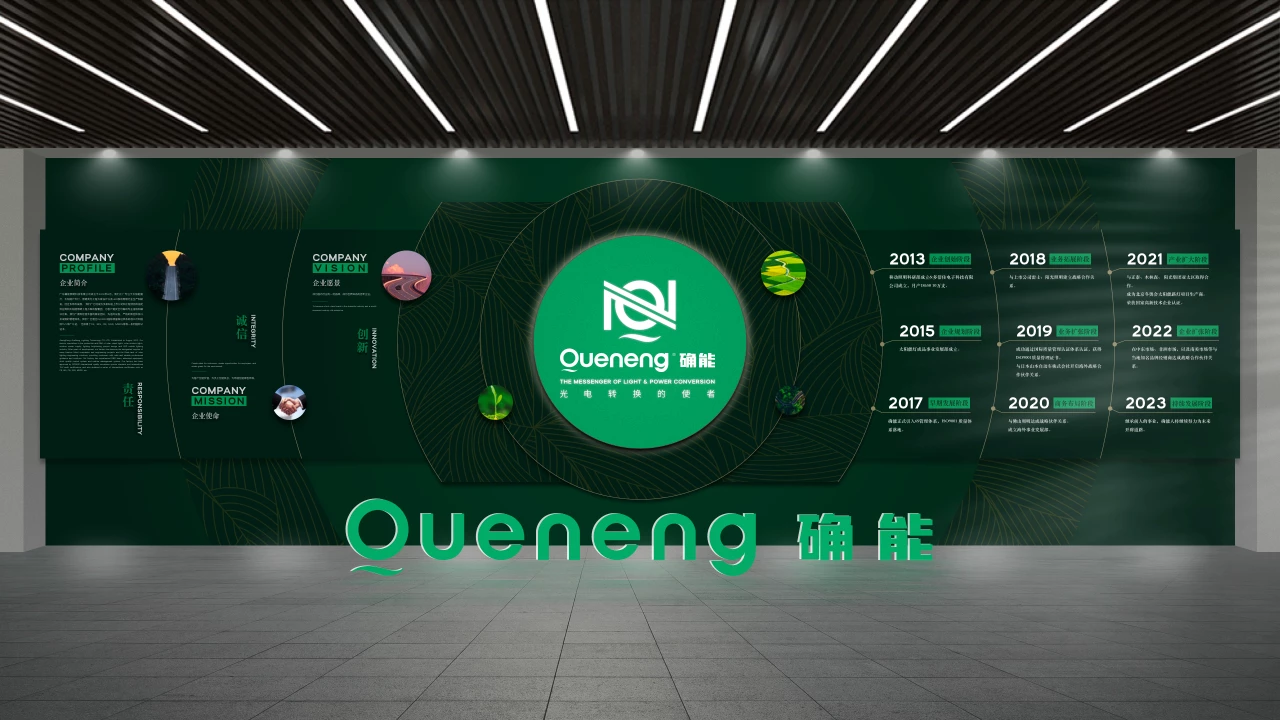
At GuangDong Queneng Lighting Technology Co., Ltd., we have been at the forefront of solar lighting innovation since 2013. Our extensive experience in solar street lights, garden lights, and comprehensive lighting project design positions us as a leading solar lighting engineering solutions think tank. We pride ourselves on an experienced R&D team, advanced equipment, and stringent quality control, evidenced by our ISO 9001, TÜV, CE, UL, BIS, and other international certifications. We are dedicated to providing safe, reliable, and professional guidance, ensuring our clients receive the most advanced and efficient solar lighting solutions tailored to their specific needs. Our commitment is to deliver not just products, but complete, sustainable lighting ecosystems.
Making the Smart Choice for Modern Infrastructure
The choice between solar powered street lights and traditional street lights is increasingly clear for many applications. While traditional lighting still has its place, the economic, environmental, and technological advantages of modern solar street lights are undeniable. From eliminating electricity bills and reducing carbon emissions to offering easy installation and smart functionalities, solar solutions present a compelling value proposition for any forward-thinking development project. As a designated supplier for many famous listed companies and engineering projects, Queneng Lighting is ready to help you navigate this transition, providing expert solutions that illuminate your path to a sustainable and efficient future.
Frequently Asked Questions
What is the average lifespan of a solar street light battery?Typically, high-quality lithium-ion batteries (LiFePO4) used in modern solar street lights last between 5 to 7 years, though some can exceed 10 years with proper management and ideal conditions. Companies like Queneng prioritize durable, long-lasting batteries for their solar lighting systems.
Can solar street lights work in cloudy weather or during winter?Yes, modern solar street lights are designed with sufficient battery capacity to provide illumination for several consecutive nights without direct sunlight (often 2-3 nights autonomy). The solar panel still generates some power even on cloudy days, albeit at a reduced rate. Systems are often engineered to account for local weather patterns.
Are solar street lights brighter than traditional ones?With the advent of high-efficiency LED technology, modern solar street lights can be just as bright, if not brighter and more energy-efficient, than many traditional HPS or metal halide lamps. The lumen output can be tailored to specific project requirements, ensuring adequate illumination for safety and visibility.
What are the main benefits of investing in solar powered street lights?Key benefits include zero electricity bills, significant long-term cost savings, reduced carbon footprint, easy installation without trenching, independence from the grid (resilience to power outages), and the ability to incorporate smart features like motion sensing and remote monitoring. These factors make them an excellent choice for sustainable and reliable lighting.
Is the initial cost of solar street lights always higher?While the upfront unit cost of a solar street light might be higher than a traditional light, the overall project cost can often be lower or comparable when considering the elimination of trenching, cabling, and grid connection fees required for traditional systems. The long-term operational savings quickly offset any initial difference.

Have more questions about our products or services?
The latest hot news you might like

Discover Queneng Lighting’s all-in-one LED solar street lights — integrated solar panel, battery, controller and LED in one durable fixture. Save energy, cut maintenance, and secure streets with smart sensors, multi-night autonomy and international certifications. Contact sales for quotes and support.

Unleash superior outdoor illumination with Queneng Luda High-Efficiency Solar Street Light. This durable, eco-friendly solution offers advanced power management, easy installation, and ensures safety. Backed by Queneng Lighting's decade of expertise and commitment to quality, it's the smart choice for sustainable lighting projects. Learn why we're a leading solar solutions provider.

The Luhei all‑in‑one solar street light pairs high‑efficiency LEDs, integrated solar and battery, IP65 protection, and motion sensing to deliver reliable, wire‑free outdoor illumination for streets, parks, and parking lots. Backed by Queneng Lighting’s certifications and support.

FAQ
All-in-one solar street lights
Are all-in-one solar street lights easy to maintain?
Yes, integrated design simplifies inspection and replacement.
Public Gardens and Landscape Lighting
Can solar lights be installed in any outdoor space?
Our solar lighting solutions are versatile and can be installed in most outdoor areas, including public gardens, parks, pathways, streets, and recreational areas. As long as there is enough sunlight exposure during the day, solar lights can be installed almost anywhere.
Solar Street Light Luyi
What are the key features of Luyi solar street lights?
Luyi solar street lights feature advanced LED technology paired with high-efficiency solar panels. They offer bright, reliable illumination while consuming minimal energy. The lights are designed with durable materials to withstand harsh outdoor conditions and come equipped with motion sensors, adaptive brightness control, and smart monitoring capabilities for enhanced energy savings.
Transportation and Highways
Are the lights compliant with transportation safety standards?
Yes, our products meet international standards such as CE, RoHS, and ISO certifications.
Solar Street Light Chuanqi
Can Chuanqi solar street lights be installed in remote or off-grid locations?
Yes, Chuanqi solar street lights are perfect for remote or off-grid locations because they do not require an external power supply. They are entirely solar-powered, making them ideal for rural areas, parks, trails, or other places where connecting to the electrical grid is not feasible. Their self-sufficient design makes installation simple and cost-effective.
Battery Performance and Testing
What is self-discharge of secondary batteries?
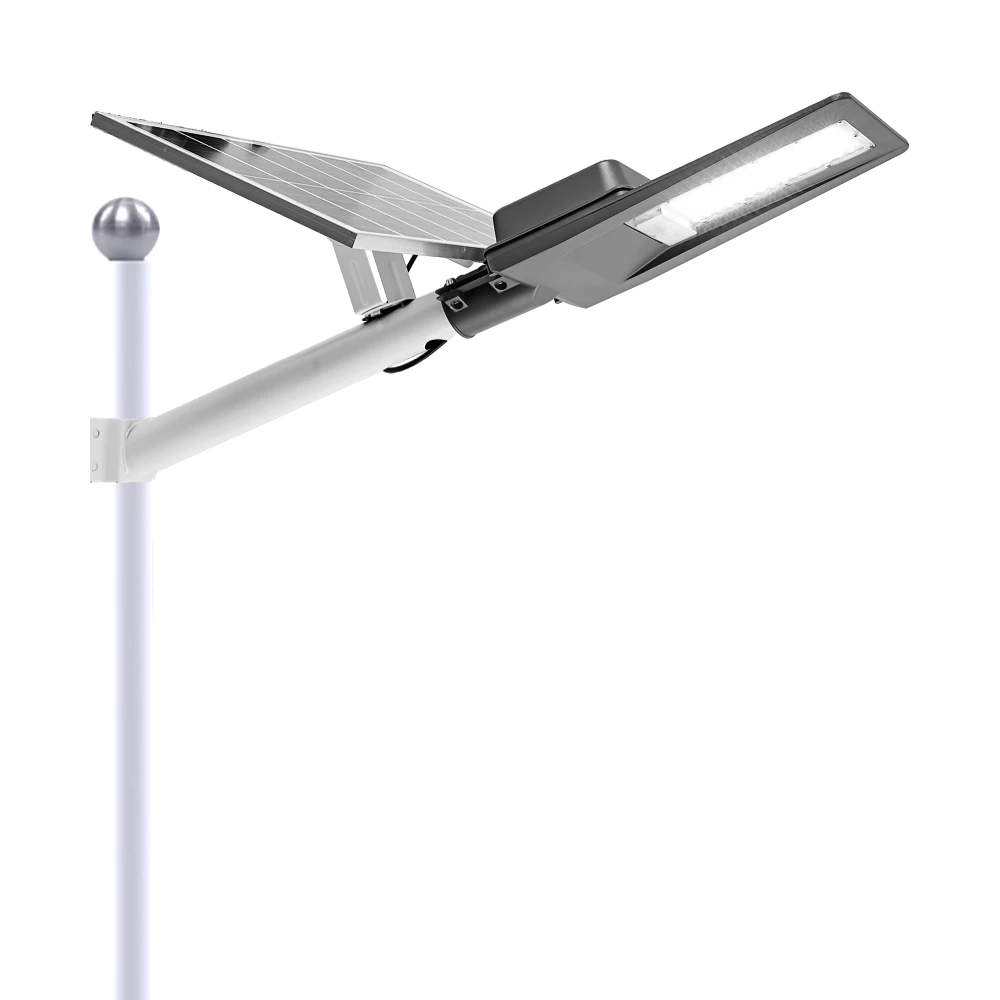
Experience reliable outdoor illumination with our smart solar street light, a perfect combination of advanced technology and eco-conscious design.
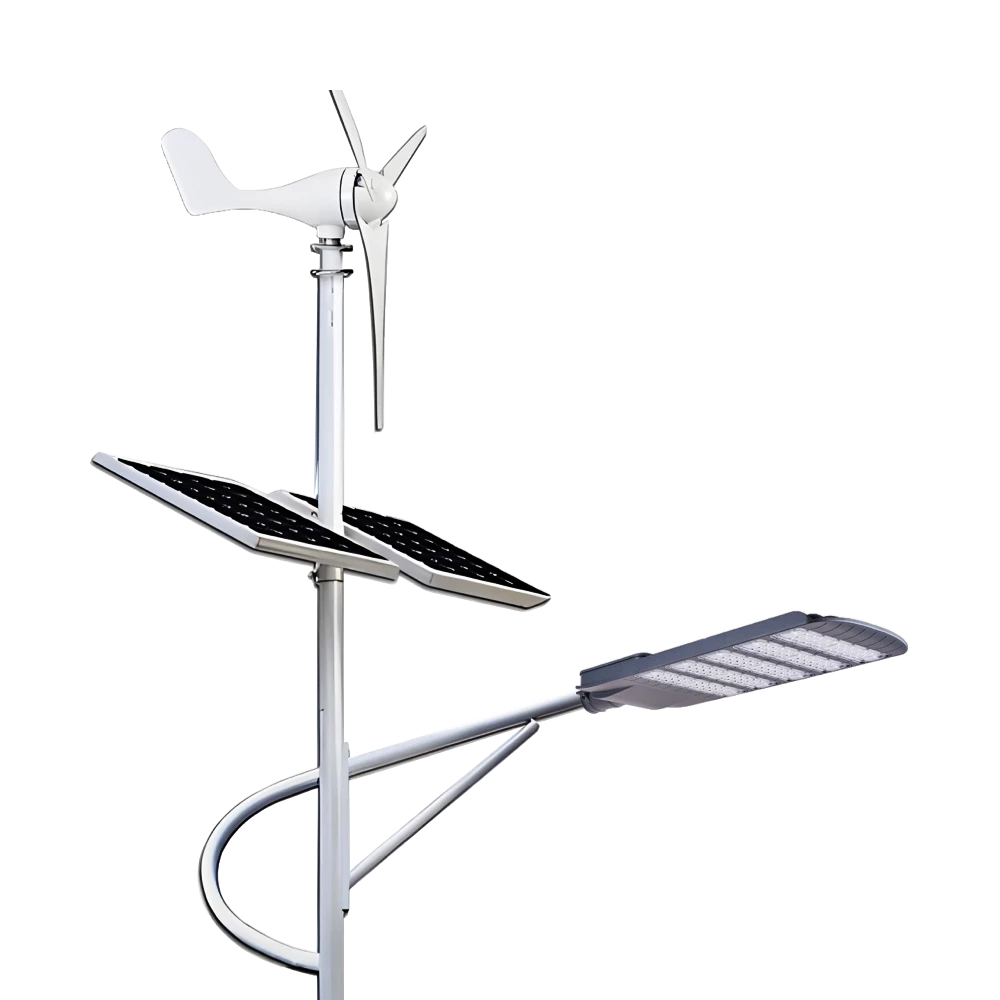
Queneng Lufeng Wind Energy LED Outdoor Solar Street Lights offer high-performance, eco-friendly illumination. These energy-efficient LED street lights harness solar power and wind energy for sustainable, cost-effective outdoor lighting solutions.
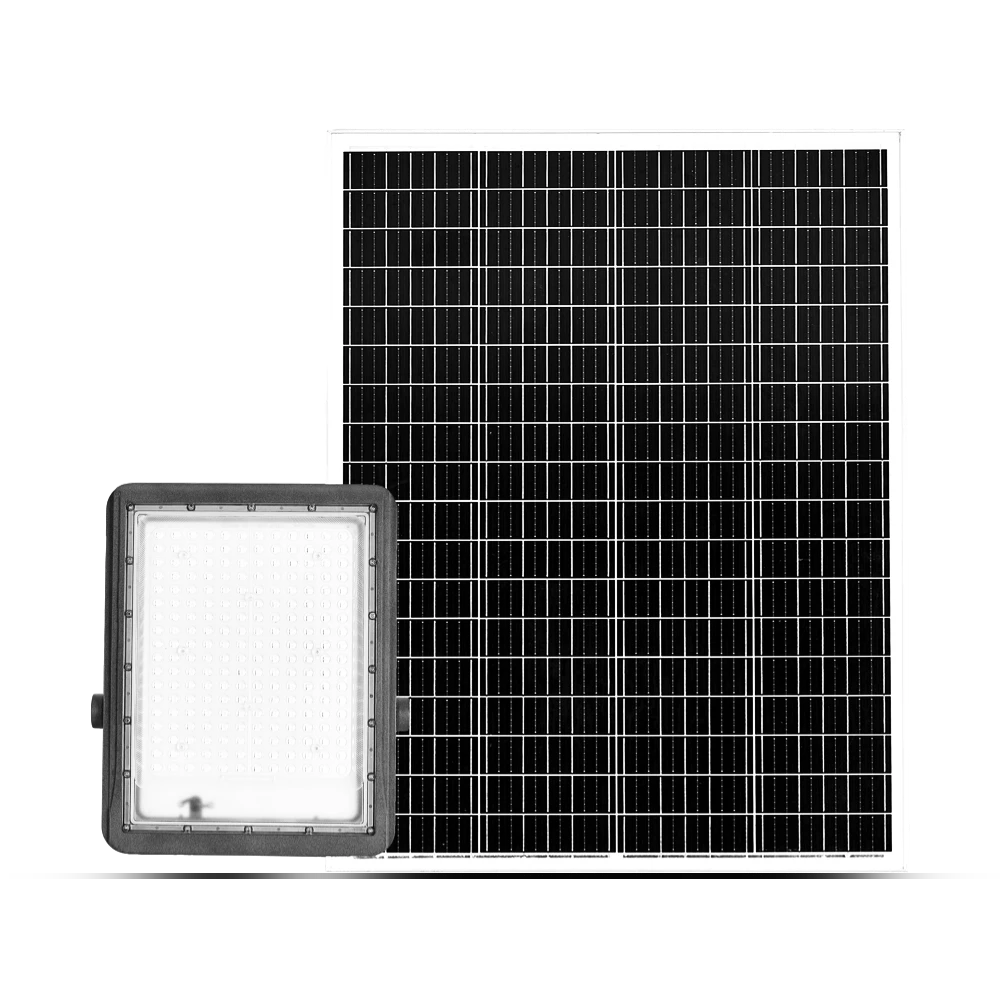
Queneng's Luxian Reliable Solar Street Light offers energy-saving LED lighting for outdoor use. This durable, solar-powered street light provides reliable illumination, reducing energy costs and environmental impact. A perfect solution for sustainable outdoor lighting.
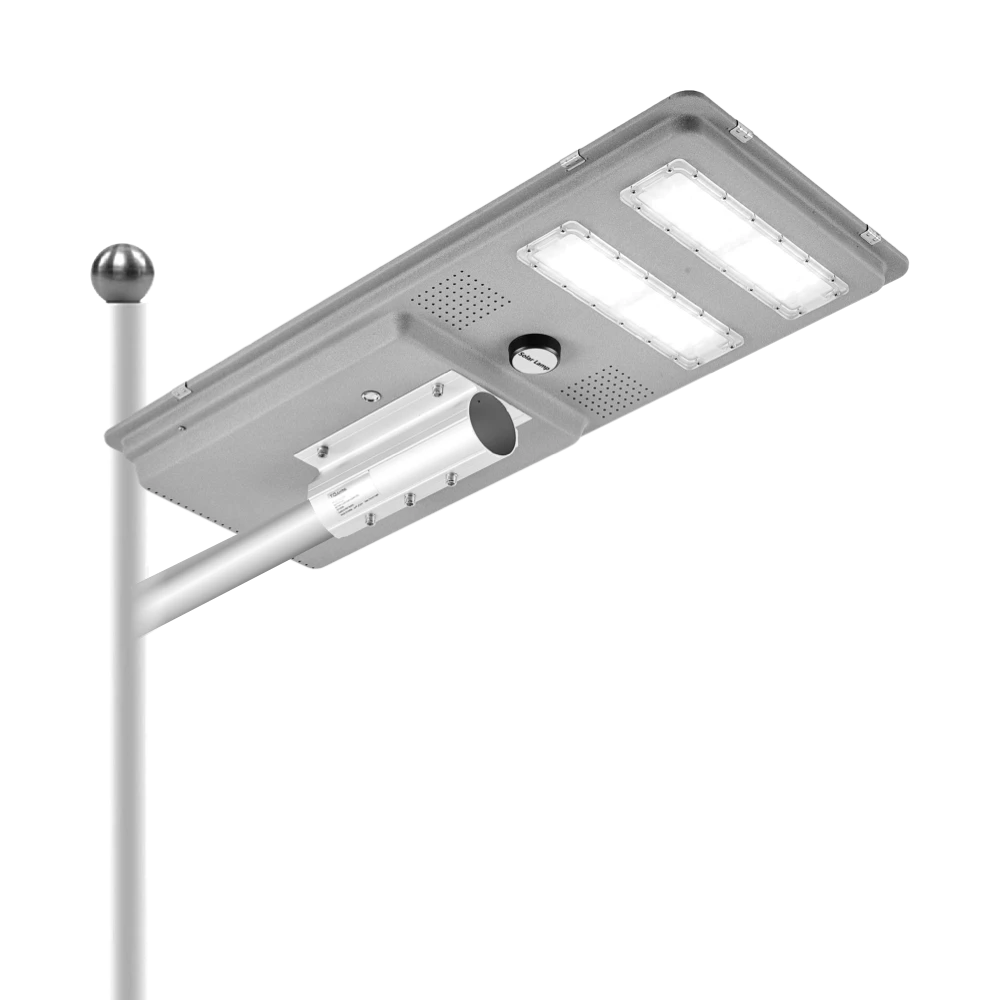
Queneng’s Solar Street Lights are designed to provide reliable, energy-efficient lighting for streets, parks, and other outdoor spaces.
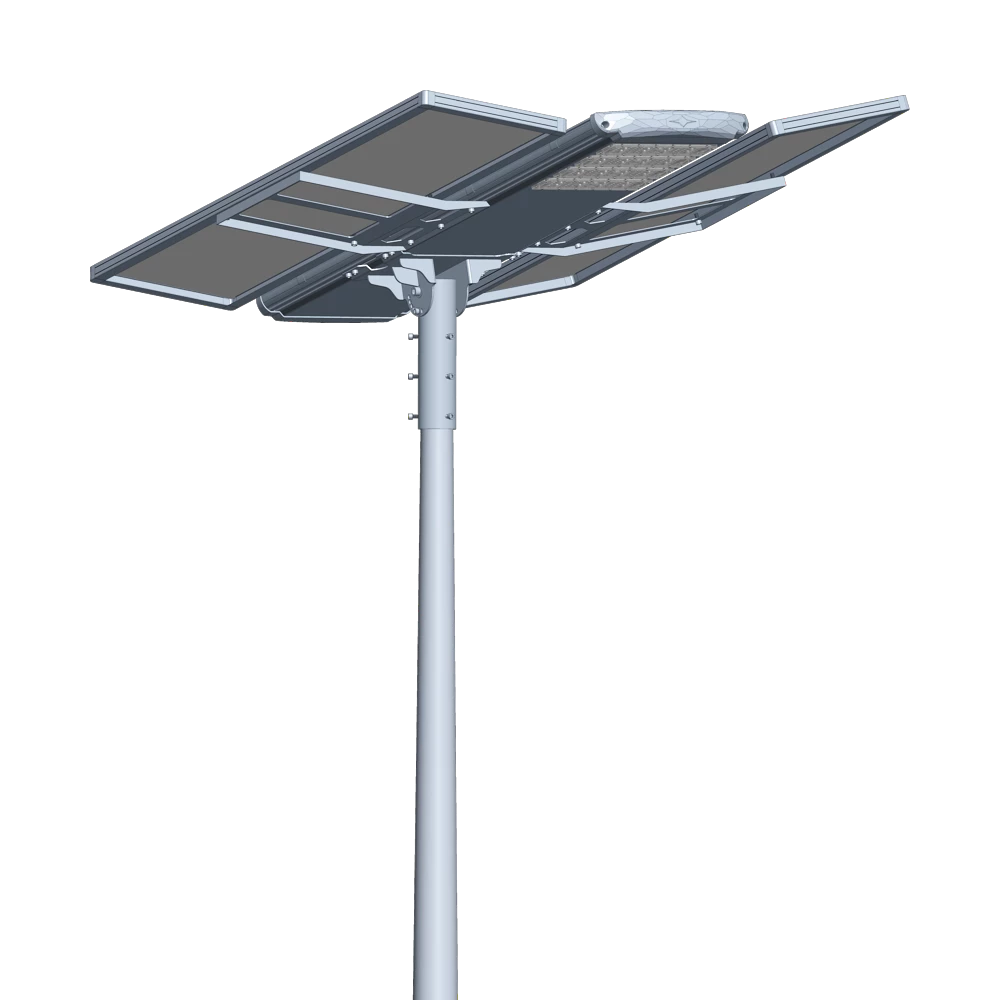
Introducing the Luqing Solar Street Light by Queneng, Efficient LED lighting powered by solar energy is perfect for illuminating outdoor areas. Harness the power of solar energy for sustainable, reliable street lighting. Ideal for eco-friendly, cost-effective outdoor illumination solutions.
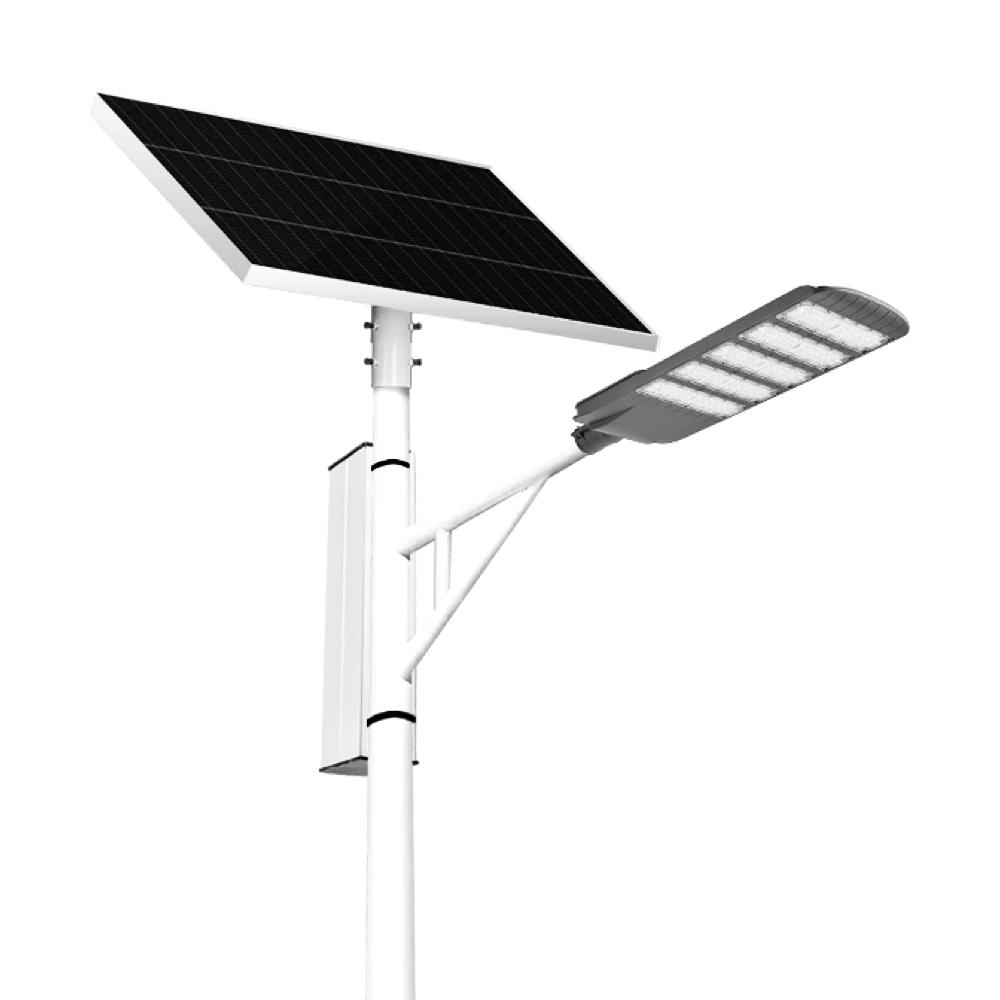
The Solar Streetlights of Luhao for Municipalities are designed to deliver reliable, energy-efficient, and cost-effective public lighting solutions. Equipped with advanced LED technology, durable lithium batteries, and high-efficiency solar panels, these streetlights provide consistent illumination for roads, parks, residential areas, and government projects.
Our professional team is ready to answer any questions and provide personalized support for your project.
You can reach us via phone or email to learn more about Queneng’s solar lighting solutions. We look forward to working with you to promote clean energy solutions!
Rest assured that your privacy is important to us, and all information provided will be handled with the utmost confidentiality.
By clicking 'Send Inquiry Now' I agree to Queneng processing my personal data.
To see how to withdraw your consent, how to control your personal data and how we process it, please see our Privacy Policy and Terms of use.
Schedule a Meeting
Book a date and time that is convenient for you and conduct the session in advance.
Have more questions about our products or services?
The messenger of light & power conversion
Environmental protection and intelligent manufacturing are our brand philosophy, and quality assurance and the best user experience are our eternal promises to users.
CONTACT
No.9F, Building F, Cao San Xin Tian Hong Logistics Park, Guzhen Town, Zhongshan City, Guangdong Province, China.
or write [email protected]
WhatsApp: +86 136 2270 1011


