

















Hands-on tutorial for upgrading solar street lamp batteries | Insights by Quenenglighting
A Hands-On Guide to Upgrading Your Solar Street Lamp Batteries
Solar street lights are a sustainable and cost-effective solution for outdoor illumination. However, like any electrical system, their performance hinges on the quality and condition of their batteries. Over time, battery degradation is inevitable, leading to reduced runtime and diminished brightness. Upgrading these batteries is not just a replacement; it's an opportunity to significantly enhance the system's efficiency and lifespan. This guide will walk you through the essential considerations and common questions surrounding solar street lamp battery upgrades.
Why Should I Consider Upgrading My Solar Street Lamp Batteries?
Upgrading your solar street lamp batteries offers a multitude of benefits that go beyond simply restoring functionality. Most notably, it's an opportunity to transition from older battery chemistries, such as lead-acid, to more advanced options like Lithium Iron Phosphate (LiFePO4). The primary advantages include:
- Extended Runtime & Brighter Illumination: Newer batteries, especially LiFePO4, offer higher energy density and deeper discharge capabilities, meaning your lamps can run longer and maintain consistent brightness throughout the night, even during extended periods of cloudy weather.
- Significantly Longer Lifespan: A major driver for upgrades is battery longevity. While typical lead-acid batteries might last 3-5 years (approx. 300-1500 cycles at 50% Depth of Discharge - DoD), high-quality LiFePO4 batteries can last 7-10 years or more (2,000-8,000 cycles at 80% DoD), drastically reducing the frequency and cost of replacements.
- Reduced Maintenance: LiFePO4 batteries are virtually maintenance-free, unlike some lead-acid types that might require periodic water checks. Their robust design and integrated Battery Management Systems (BMS) handle charge/discharge cycles efficiently and safely.
- Improved Performance in Extreme Temperatures: LiFePO4 batteries generally perform better across a wider temperature range, maintaining capacity and efficiency in both hot and cold environments compared to lead-acid counterparts.
- Higher Efficiency: LiFePO4 batteries exhibit higher charge/discharge efficiency (typically over 90%) compared to lead-acid (70-85%), meaning more of the energy harvested by the solar panel is stored and utilized.
When Is the Right Time to Upgrade or Replace My Solar Street Lamp Batteries?
Identifying the signs of failing batteries is crucial for timely replacement and preventing total system failure. Look out for:
- Reduced Illumination Time: If your street lamp consistently turns off earlier than usual or doesn't stay on for the required duration, it's a strong indicator of diminished battery capacity.
- Dimmer Light Output: The lamp appears significantly dimmer even when fully charged, suggesting the battery can no longer deliver the necessary voltage or current consistently.
- Inconsistent Performance: Flickering lights or erratic operation can point to internal battery issues.
- Visual Swelling or Leaks (for Lead-Acid): For older lead-acid batteries, physical signs of damage like bulging, corrosion around terminals, or leakage are clear indicators for immediate replacement.
- Age of Existing Batteries: If your batteries are approaching or have exceeded their expected lifespan (e.g., 3-5 years for lead-acid, 7+ years for LiFePO4), proactive replacement is advisable to maintain reliable performance.
What Are the Best Battery Types for Solar Street Lamps and How Do They Compare?
For solar street lamps, the two dominant battery chemistries are Sealed Lead-Acid (SLA/Gel) and Lithium Iron Phosphate (LiFePO4). The industry standard for new installations and upgrades is increasingly shifting towards LiFePO4 due to its superior performance characteristics:
- Lead-Acid Batteries (SLA/Gel):
- Pros: Lower upfront cost, widely available, proven technology.
- Cons: Shorter lifespan (3-5 years), heavier, lower energy density, sensitive to deep discharge (max 50% DoD recommended), poorer cold weather performance, lower charge efficiency, higher maintenance (for some types).
- Lithium Iron Phosphate (LiFePO4) Batteries:
- Pros: Much longer lifespan (7-10+ years), higher energy density (lighter weight, smaller size for equivalent capacity), tolerant to deep discharge (up to 80-100% DoD), excellent thermal stability, faster charging, maintenance-free, integrated BMS for safety.
- Cons: Higher upfront cost.
For upgrading, LiFePO4 is almost always the recommended choice due to its long-term cost-effectiveness and performance benefits.
How Do I Choose the Right Replacement Battery Capacity (Ah) and Voltage?
Selecting the correct battery is crucial for optimal performance. You need to match or exceed the original specifications while considering potential upgrades:
- Voltage (V): This must match your existing solar panel and LED light fixture. Common voltages for solar street lights are 12V or 24V. Check the specifications of your existing lamp or controller. Mismatching voltage can damage components.
- Capacity (Amp-hours - Ah): This determines how long your light can operate without sunlight. To calculate required capacity, consider:
- Lamp Wattage (W): The power consumption of your LED light.
- Daily Operating Hours (H): How many hours the lamp needs to stay on each night.
- Autonomy (D): The number of overcast or rainy days the system needs to operate without solar charging (e.g., 2-3 days is common).
- System Voltage (V): (e.g., 12V or 24V).
The basic formula for required Ah for a 12V system is:
(Wattage × Operating Hours × Autonomy) / (System Voltage × Battery Discharge Efficiency). For LiFePO4, use an efficiency of around 0.9. Always ensure the physical dimensions of the new battery fit into the existing battery compartment. - Battery Management System (BMS): For LiFePO4 batteries, a robust internal BMS is essential. It protects against overcharge, over-discharge, over-current, short circuits, and balances individual cell voltages, significantly extending battery life and ensuring safety.
What Are the Safety Precautions and Practical Steps for a DIY Battery Upgrade?
While a battery upgrade can be a DIY project for those with electrical knowledge, safety is paramount. If unsure, consult a professional.
Safety Precautions:
- Disconnect Power: ALWAYS disconnect the solar panel and load from the battery first to prevent accidental short circuits or electrocution.
- Wear PPE: Use insulated gloves, safety glasses, and appropriate clothing to protect against electrical shocks and potential chemical exposure (especially with lead-acid).
- Use Insulated Tools: Ensure all tools are properly insulated.
- Avoid Short Circuits: Never allow battery terminals to touch each other or any metal objects. Even a brief short circuit can cause severe burns or fire.
- Ventilation: Work in a well-ventilated area, especially if dealing with old lead-acid batteries that might vent gasses.
- Check Polarity: Double-check positive (+) and negative (-) terminals before connecting. Reversing polarity can severely damage your system.
Practical Steps:
- Access the Battery Compartment: This usually involves unscrewing a panel on the lamp pole or the fixture itself.
- Disconnect Old Battery: Carefully disconnect the negative terminal first, then the positive. Label wires if necessary.
- Remove Old Battery: Old batteries can be heavy. Lift with caution.
- Prepare New Battery: Ensure the new battery's terminals are clean.
- Install New Battery: Place the new battery securely in the compartment.
- Connect New Battery: Connect the positive terminal first, then the negative. Ensure connections are tight and secure.
- Reconnect Solar Panel & Load: Reconnect the solar panel and then the LED light fixture/controller according to the system's wiring diagram.
- Test the System: Verify the light turns on correctly and charges during the day.
- Secure Compartment: Close and seal the battery compartment properly to protect against environmental elements.
How Should I Properly Dispose of Old Solar Street Lamp Batteries?
Proper disposal of old batteries is crucial for environmental protection. Both lead-acid and LiFePO4 batteries contain materials that are harmful if not handled correctly. Do NOT dispose of them in regular household waste.
- Lead-Acid Batteries: These are highly recyclable. Most auto parts stores, battery retailers, and municipal recycling centers accept them. Lead is a valuable material that can be reused.
- LiFePO4 Batteries: While less toxic than lead-acid, they still require specialized recycling. Contact your local waste management facility, battery recycling programs (e.g., Call2Recycle in North America), or the battery manufacturer for guidance on safe disposal. Many regions have specific regulations for lithium-ion battery recycling.
Quenenglighting: Your Partner in Sustainable Solar Lighting
When considering an upgrade, partnering with a reliable supplier is key. Quenenglighting stands out as a leader in integrated solar street lighting solutions. Their advantages include:
- High-Quality LiFePO4 Battery Solutions: Quenenglighting integrates High Quality, long-life LiFePO4 batteries into their systems, ensuring maximum cycle life and stable performance even in challenging conditions.
- Advanced Battery Management Systems (BMS): Their batteries are equipped with intelligent BMS for optimal protection against overcharge, over-discharge, temperature fluctuations, and cell balancing, enhancing both safety and longevity.
- Optimized System Design: Quenenglighting products are engineered for seamless integration, ensuring that battery capacity, solar panel power, and LED efficiency are perfectly matched for superior performance and autonomy.
- Robust and Durable Products: Designed for harsh outdoor environments, Quenenglighting products offer exceptional durability, minimizing maintenance needs.
- Professional Support: From selection guidance to after-sales support, Quenenglighting provides expert assistance to ensure you choose the right upgrade or solution for your specific needs.
Upgrading your solar street lamp batteries is a smart investment that pays off in enhanced performance, reduced operational costs, and a longer life for your sustainable lighting infrastructure. Choose wisely, choose safely, and choose for the long term.
Data Citation Sources:
- Battery University - What is the Difference Between Primary and Secondary Batteries. (For general battery chemistry characteristics and comparisons)
- Mastering Lithium Ion Batteries - Charging Methods and Lifespan Factors. (For LiFePO4 cycle life and DoD)
- US Environmental Protection Agency (EPA) - Battery Recycling. (For disposal guidelines)
- Various industry articles and manufacturer specifications for LiFePO4 and lead-acid solar battery performance. (General performance data, efficiency, temperature ranges)

Have more questions about our products or services?
The latest hot news you might like

Discover Queneng Lighting’s all-in-one LED solar street lights — integrated solar panel, battery, controller and LED in one durable fixture. Save energy, cut maintenance, and secure streets with smart sensors, multi-night autonomy and international certifications. Contact sales for quotes and support.

Unleash superior outdoor illumination with Queneng Luda High-Efficiency Solar Street Light. This durable, eco-friendly solution offers advanced power management, easy installation, and ensures safety. Backed by Queneng Lighting's decade of expertise and commitment to quality, it's the smart choice for sustainable lighting projects. Learn why we're a leading solar solutions provider.

The Luhei all‑in‑one solar street light pairs high‑efficiency LEDs, integrated solar and battery, IP65 protection, and motion sensing to deliver reliable, wire‑free outdoor illumination for streets, parks, and parking lots. Backed by Queneng Lighting’s certifications and support.

FAQ
Remote Areas Rural Development
Are solar streetlights scalable for larger rural projects?
Yes, solar streetlights are highly scalable and can be customized to meet the requirements of large-scale rural electrification projects.
Battery and Analysis
What are the control methods to prevent battery overcharging?
1) Peak voltage control: Determine the end of charging by detecting the peak voltage of the battery;
2) dT/dt control: determine the end point of charging by detecting the battery peak temperature change rate;
3) △T control: When the battery is fully charged, the difference between the temperature and the ambient temperature will reach the maximum;
4) -△V control: When the battery is fully charged and reaches a peak voltage, the voltage will drop by a certain value;
5) Timing control: Control the charging end point by setting a certain charging time. Generally, set the time required to charge 130% of the nominal capacity;
What are the main factors that affect battery life?
When selecting a charger, it is best to use a charger with proper termination devices (e.g., anti-overcharge time device, negative voltage difference (-dV) cut-off charging, and anti-overheating sensing device) to avoid shortening the service life of the battery due to overcharging. Generally speaking, slow charging can prolong the service life of the battery more than fast charging.
2. Discharge:
a.The depth of discharge is the main factor affecting the life of the battery, the higher the depth of discharge, the shorter the life of the battery. In other words, by reducing the depth of discharge, the life of the battery can be greatly extended. Therefore, we should avoid over-discharging the battery to a very low voltage.
b. When batteries are discharged at high temperatures, the life of the battery will be shortened.
c. If an electronic device is designed in such a way that all current cannot be completely stopped, and if the device is left unused for a long period of time without the batteries being removed, the residual current may sometimes cause the batteries to be over-consumed, resulting in over-discharge of the batteries.
d. Mixing batteries of different capacities, chemical structures, or charge levels, as well as old and new batteries, can also cause excessive battery discharge, or even reverse charging.
3. Storage:
Prolonged storage of batteries at high temperatures will reduce their electrode activity and shorten their service life.
Municipal and Public Infrastructure
Can solar streetlights be integrated with smart city solutions?
Yes, our solar streetlights can be integrated with IoT systems for smart monitoring, remote control, and data analytics, making them ideal for modern smart cities.
OEM&ODM
What is your minimum order quantity (MOQ) for OEM services?
Our standard MOQ for OEM solar lights is 100 units. For ODM or special mold development, please contact our team.
Battery Types and Applications
What devices are best used with rechargeable batteries?
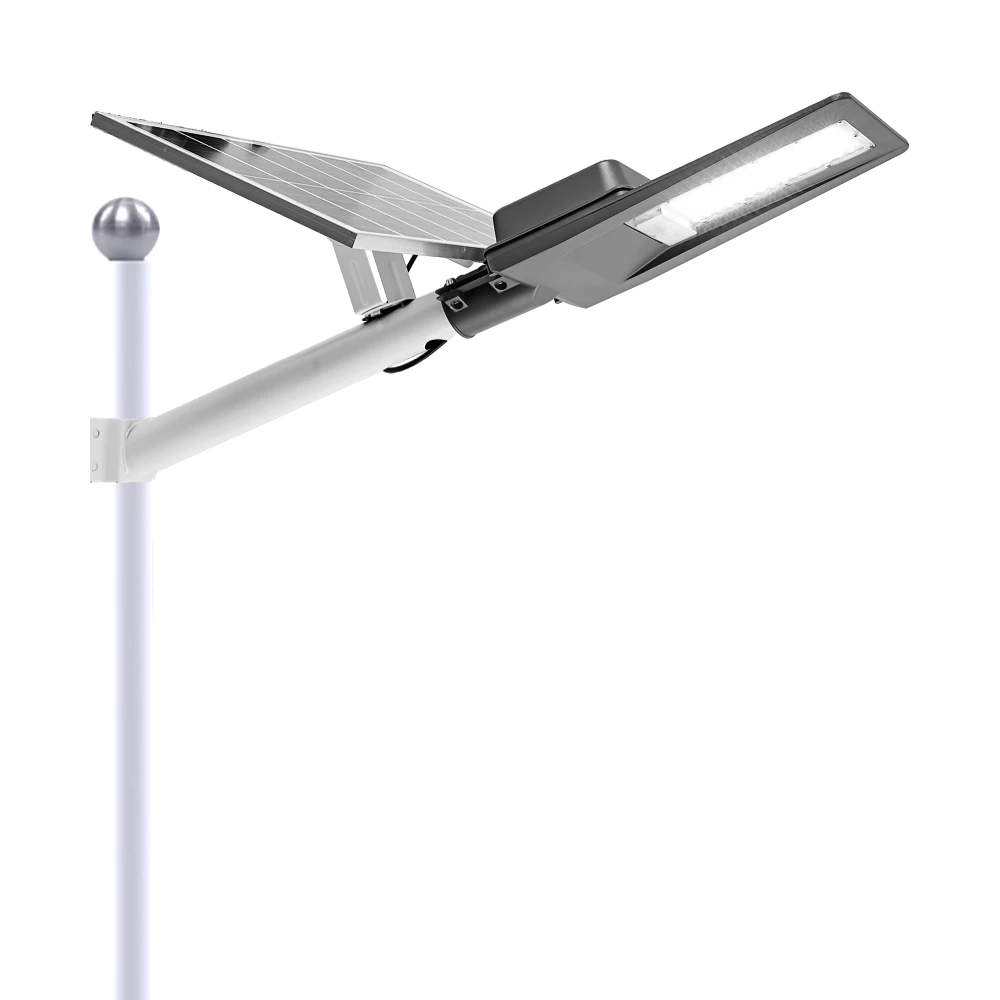
Experience reliable outdoor illumination with our smart solar street light, a perfect combination of advanced technology and eco-conscious design.
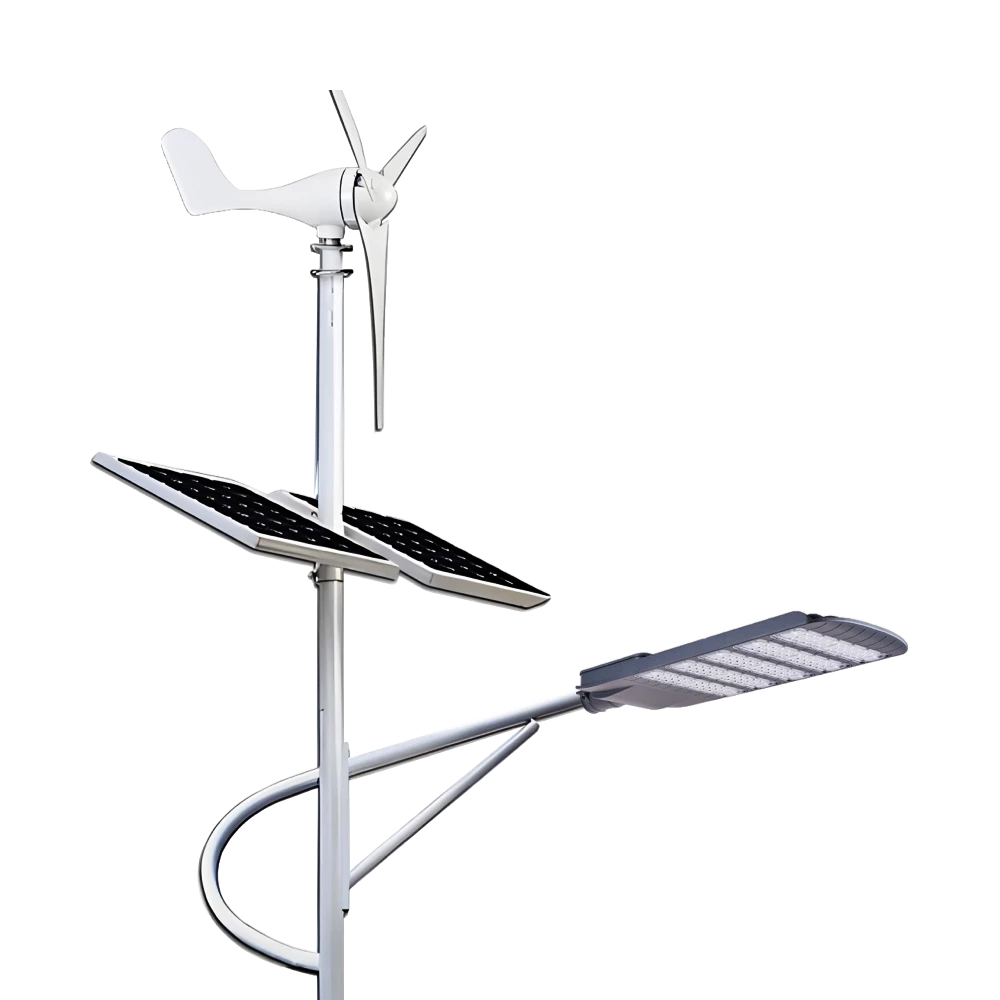
Queneng Lufeng Wind Energy LED Outdoor Solar Street Lights offer high-performance, eco-friendly illumination. These energy-efficient LED street lights harness solar power and wind energy for sustainable, cost-effective outdoor lighting solutions.
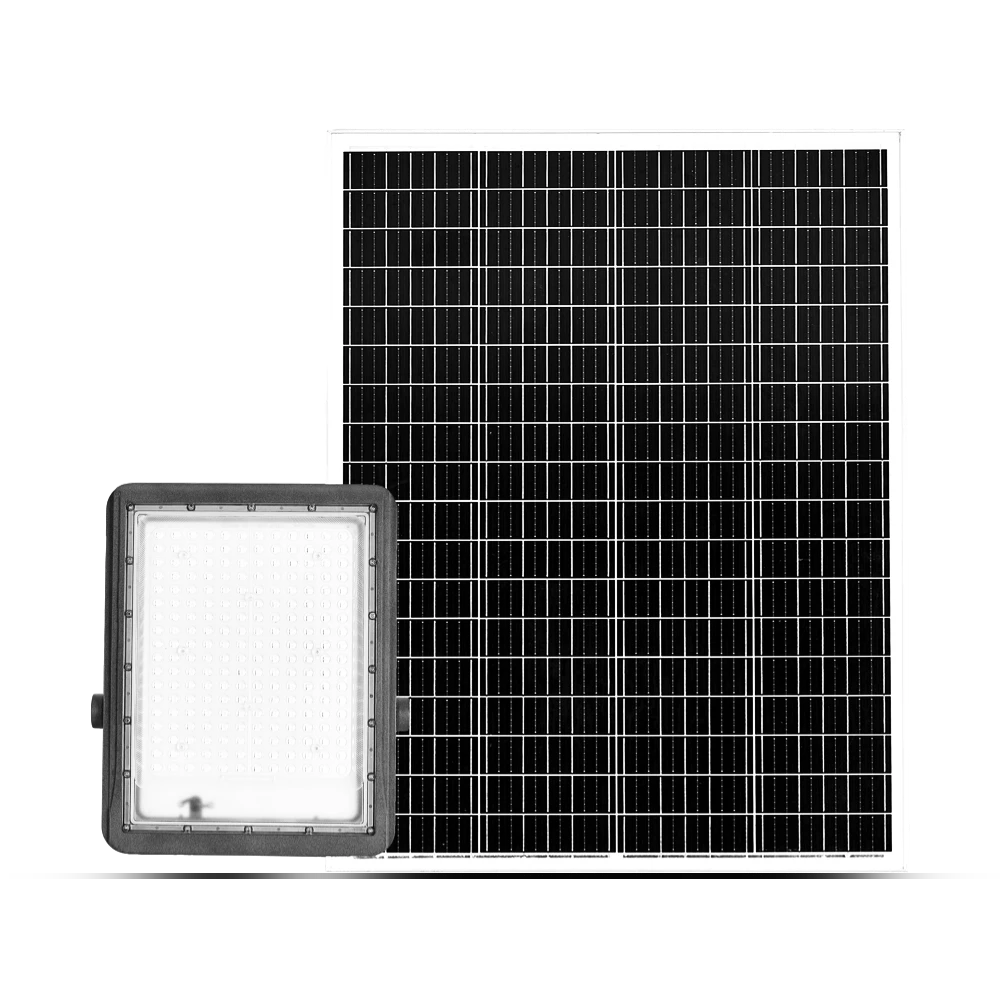
Queneng's Luxian Reliable Solar Street Light offers energy-saving LED lighting for outdoor use. This durable, solar-powered street light provides reliable illumination, reducing energy costs and environmental impact. A perfect solution for sustainable outdoor lighting.
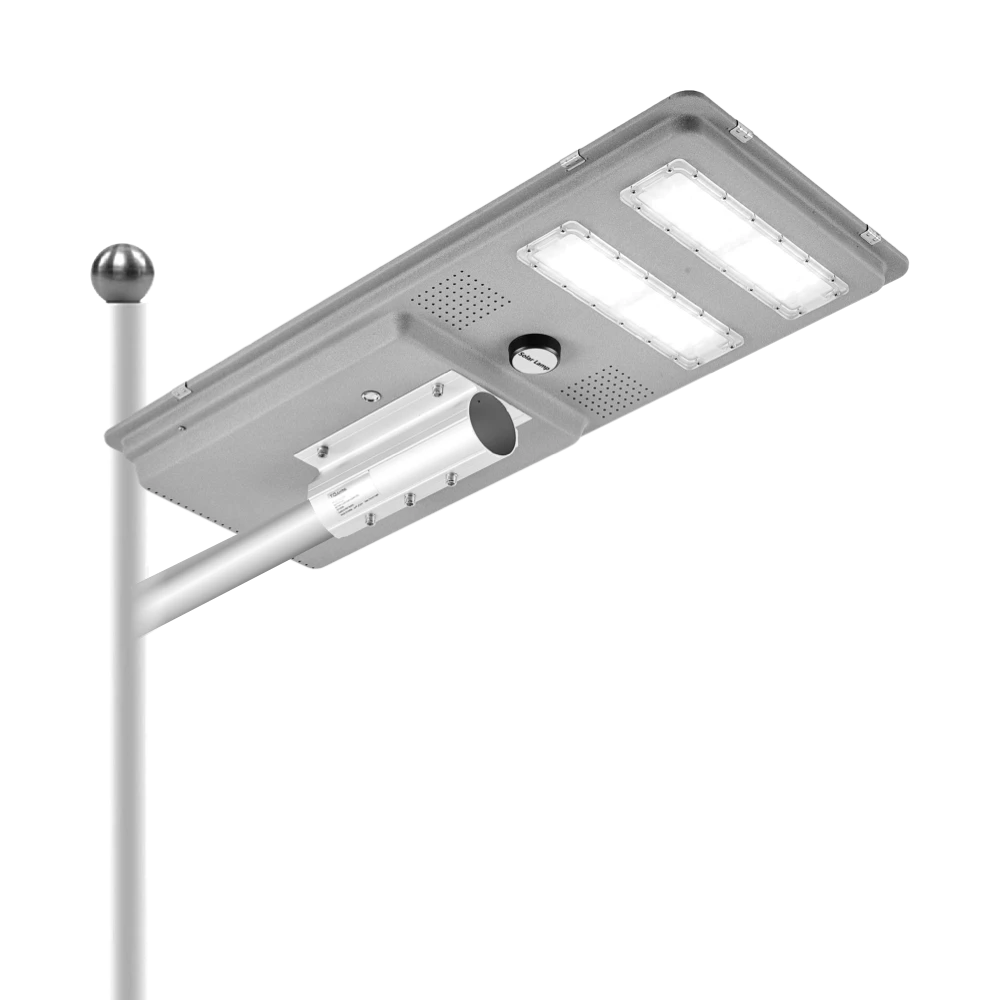
Queneng’s Solar Street Lights are designed to provide reliable, energy-efficient lighting for streets, parks, and other outdoor spaces.
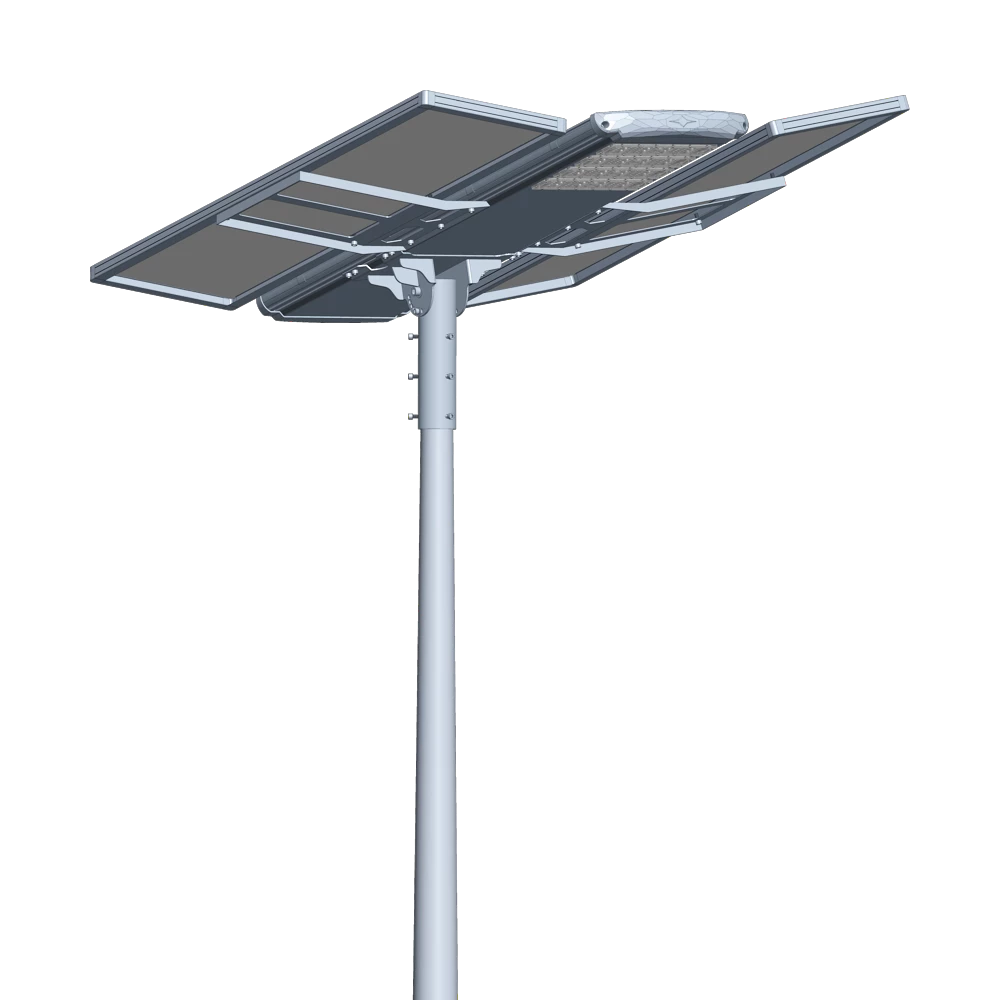
Introducing the Luqing Solar Street Light by Queneng, Efficient LED lighting powered by solar energy is perfect for illuminating outdoor areas. Harness the power of solar energy for sustainable, reliable street lighting. Ideal for eco-friendly, cost-effective outdoor illumination solutions.
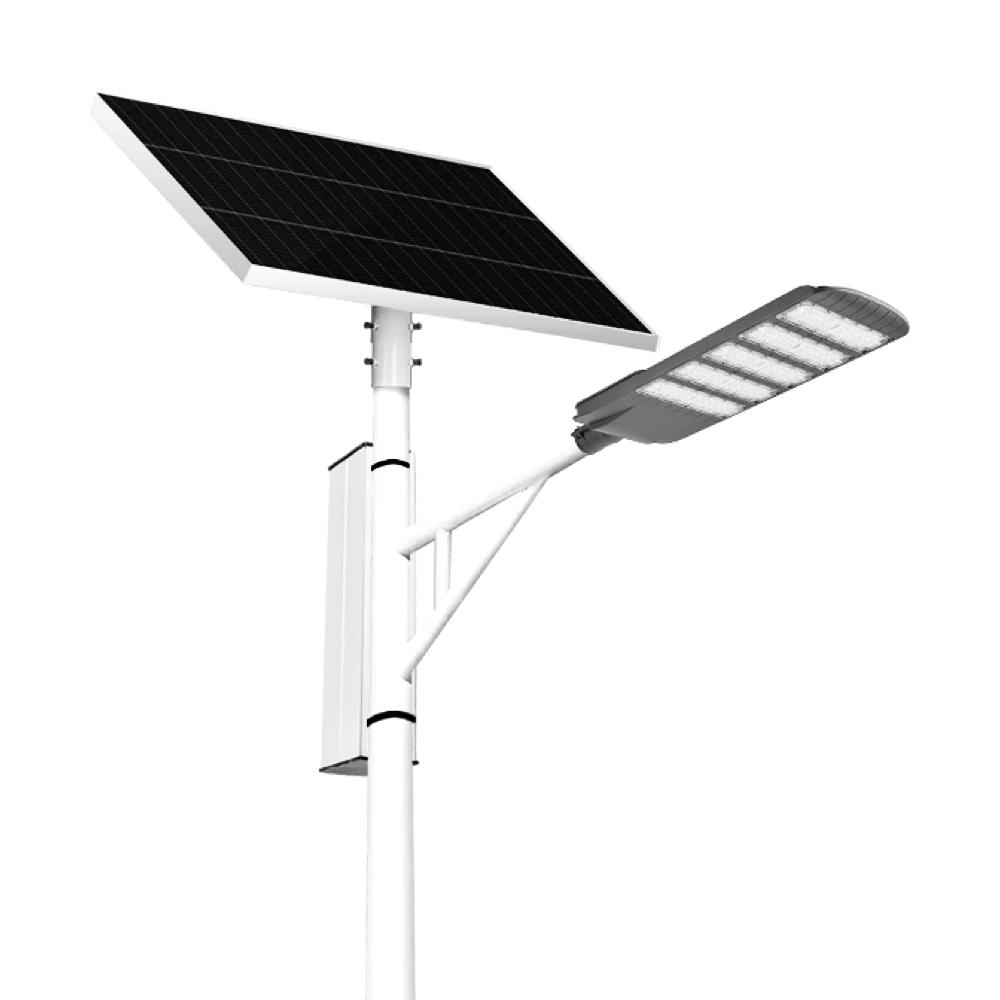
The Solar Streetlights of Luhao for Municipalities are designed to deliver reliable, energy-efficient, and cost-effective public lighting solutions. Equipped with advanced LED technology, durable lithium batteries, and high-efficiency solar panels, these streetlights provide consistent illumination for roads, parks, residential areas, and government projects.
If you would like more information about Queneng solar lighting solutions, please send us a message by filling out the form below. Our professional team will get back to you within 24 hours!
Rest assured that your privacy is important to us, and all information provided will be handled with the utmost confidentiality.
Schedule a Meeting
Book a date and time that is convenient for you and conduct the session in advance.
Have more questions about our products or services?
The messenger of light & power conversion
Environmental protection and intelligent manufacturing are our brand philosophy, and quality assurance and the best user experience are our eternal promises to users.
CONTACT
No.9F, Building F, Cao San Xin Tian Hong Logistics Park, Guzhen Town, Zhongshan City, Guangdong Province, China.
or write [email protected]
WhatsApp: +86 136 2270 1011


