














Solar Street Light Controller Guide: PWM & MPPT Technology, Features, Installation & Troubleshooting | Queneng
With the advancement of clean energy technologies, solar street lights are widely used in roadways, public areas, and campuses. This guide explores the development of solar street light controllers—from basic to PWM and MPPT technologies—covering working principles, main features, installation steps, and common troubleshooting methods.
1. Evolution of Solar Controller Technologies (Focus on Street Lighting)
| Controller Type | Generation | Control Method | Efficiency | Key Features |
|---|---|---|---|---|
| Basic Controller | 1st Gen | Direct Battery Connection | 70–76% | Obsolete, low energy utilization |
| PWM Controller | 2nd Gen | Pulse Width Modulation (PWM) | 75–80% | Widely used, improves charging performance |
| MPPT Controller | 3rd Gen | Maximum Power Point Tracking | 99% tracking, 97% system | High-end, real-time optimization |
2. Key Features of Modern Solar Street Light Controllers
-
Overcharge protection
-
Over-discharge protection
-
Overcurrent and short-circuit protection
-
Overvoltage protection
-
Anti-backflow protection (Schottky diode)
-
Lightning surge protection (MOV)
-
Solar panel reverse polarity protection
-
Battery reverse polarity and open-circuit protection
-
Temperature compensation
-
Self-check functionality
-
Recovery interval mechanism
-
Light-sensing auto control (light on at night, off during the day)
3. Installation and Configuration Guide
-
Install in a well-ventilated area, avoid moisture and direct sunlight.
-
Connection order: Battery → Solar Panel → Load.
-
Avoid oversizing solar panels or load devices.
-
Always check polarity before connection.
-
Do not use non-solar sources to simulate charging.
4. Common Faults & Troubleshooting
| Problem | Cause & Solution |
|---|---|
| Light not working | May be daytime (light control active), low battery, or incorrect wiring. Try reinstallation. |
| Works at first, fails after days | Loose or incorrect solar panel connection. |
| Light control doesn’t respond | Light control feature not enabled or wired wrong. |
| Controller LED blinks rapidly | Load short circuit or overload. |
5. Charging Protection Modes (12V System Reference)
| Mode | Voltage Range | Description |
|---|---|---|
| Bulk Charge | 14.6–14.8V | High current, fast charging |
| Equalization | 14.4V | Rebalances cell voltages, improves battery health |
| Float Charge | 13.5–13.7V | Trickle charging to maintain charge |
| Low Voltage Cutoff | 11.1V | Prevents deep discharge, extends battery life |
✅ Conclusion
Modern solar controllers with MPPT tracking, intelligent charging, environmental compensation, and robust protections significantly boost system performance and durability. They are becoming essential for advanced solar street lighting systems.

Have more questions about our products or services?
The latest hot news you might like

Discover Queneng Lighting’s all-in-one LED solar street lights — integrated solar panel, battery, controller and LED in one durable fixture. Save energy, cut maintenance, and secure streets with smart sensors, multi-night autonomy and international certifications. Contact sales for quotes and support.

Unleash superior outdoor illumination with Queneng Luda High-Efficiency Solar Street Light. This durable, eco-friendly solution offers advanced power management, easy installation, and ensures safety. Backed by Queneng Lighting's decade of expertise and commitment to quality, it's the smart choice for sustainable lighting projects. Learn why we're a leading solar solutions provider.

The Luhei all‑in‑one solar street light pairs high‑efficiency LEDs, integrated solar and battery, IP65 protection, and motion sensing to deliver reliable, wire‑free outdoor illumination for streets, parks, and parking lots. Backed by Queneng Lighting’s certifications and support.

FAQ
Commercial and Industrial Parks
How does solar lighting work in industrial parks?
Solar lights use photovoltaic panels to convert sunlight into electricity, stored in batteries, to power LED lamps at night.
Solar Street Light Luyan
What types of batteries are used in Luyan solar street lights, and how do they work?
Luyan solar street lights use high-quality lithium-ion batteries. These batteries store the solar energy captured during the day and provide reliable illumination at night. Lithium-ion batteries are known for their longer lifespan, faster charging times, and better energy storage compared to traditional lead-acid batteries.
Battery Performance and Testing
What is a temperature cycling experiment?
1) The battery is changed from normal temperature to 66±3℃ and 15±5% for 1 hour.
2) Place it for 1 hour at a temperature of 33±3℃ and a humidity of 90±5℃.
3) Change the condition to -40±3℃ and leave it for 1 hour
4) Leave the battery at 25℃ for 0.5 hours
These 4 steps complete a cycle. After these 27 cycle experiments, the battery should have no leakage, alkali creep, rust or other abnormal conditions.
Solar Street Light Luda
What are the installation requirements for Luda solar street lights?
Installing Luda solar street lights is straightforward and does not require complex wiring. The lights come with easy-to-follow installation instructions, typically involving mounting the pole, securing the light fixture, and positioning the solar panel for optimal sunlight exposure. Since they don’t require any electrical wiring, the installation is quick and cost-effective.
Battery fundamentals and basic terms
What are the packaging materials for batteries?
2. PVC film, trademark tube
3. Connection sheet: stainless steel sheet, pure nickel sheet, nickel-plated steel sheet
4. lead sheet: stainless steel sheet (easy to solder), Pure nickel sheet (spot welding firmly)
5. plug type
6. protection components such as temperature control switches, overcurrent protector, current limiting resistors
7. cardboard boxes, cartons
8. Plastic shell type
What are the common standards for batteries?
Batteries commonly used national standards: nickel-metal hydride batteries standard GB/T15100_1994, GB/T18288_2000; lithium-ion batteries standard GB/T10077_1998, YD/T998_1999, GB/T18287_2000.
In addition, the common standards for batteries also have the Japanese Industrial Standard JIS C standard on batteries.
IEC is the International Electrotechnical Commission (International Electrical Commission), is a world-wide standardization organization composed of national electrical commissions, which aims to promote the standardization of the world electrical and electronic fields.The IEC standard is the standard developed by the International Electrotechnical Commission.
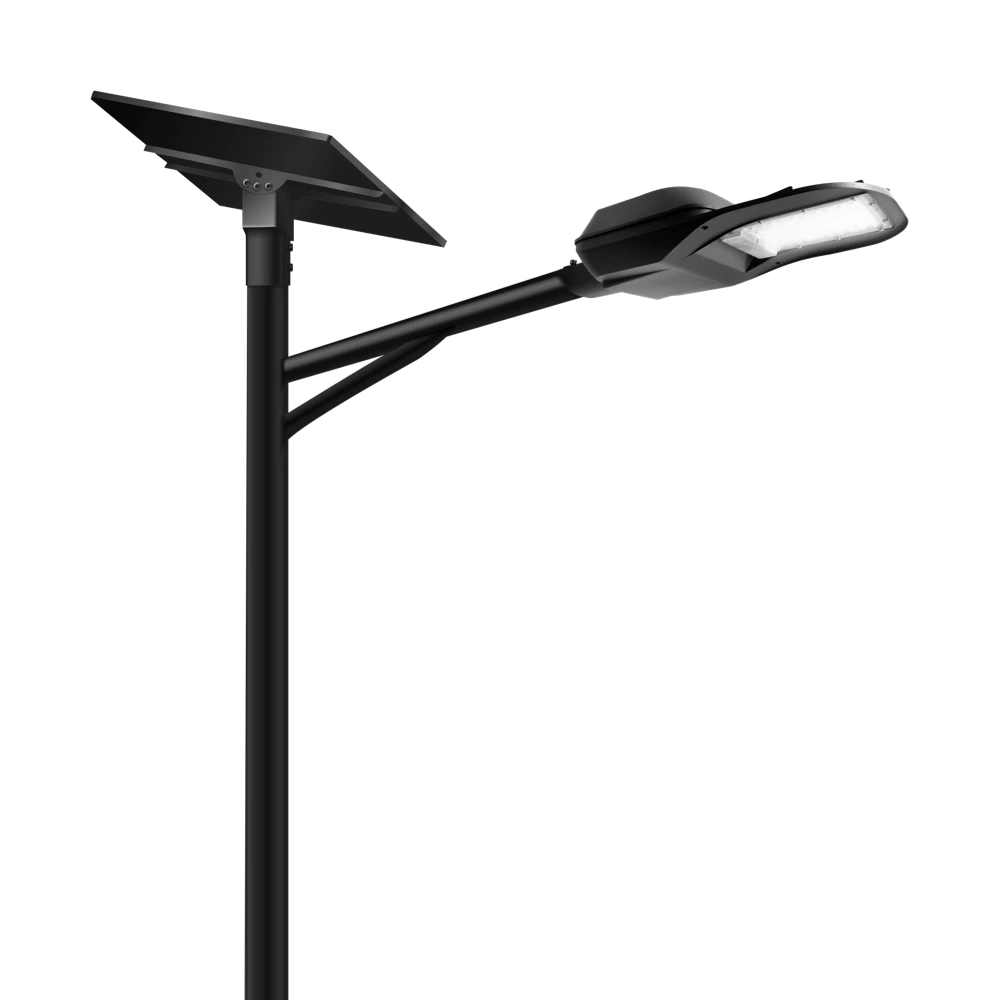
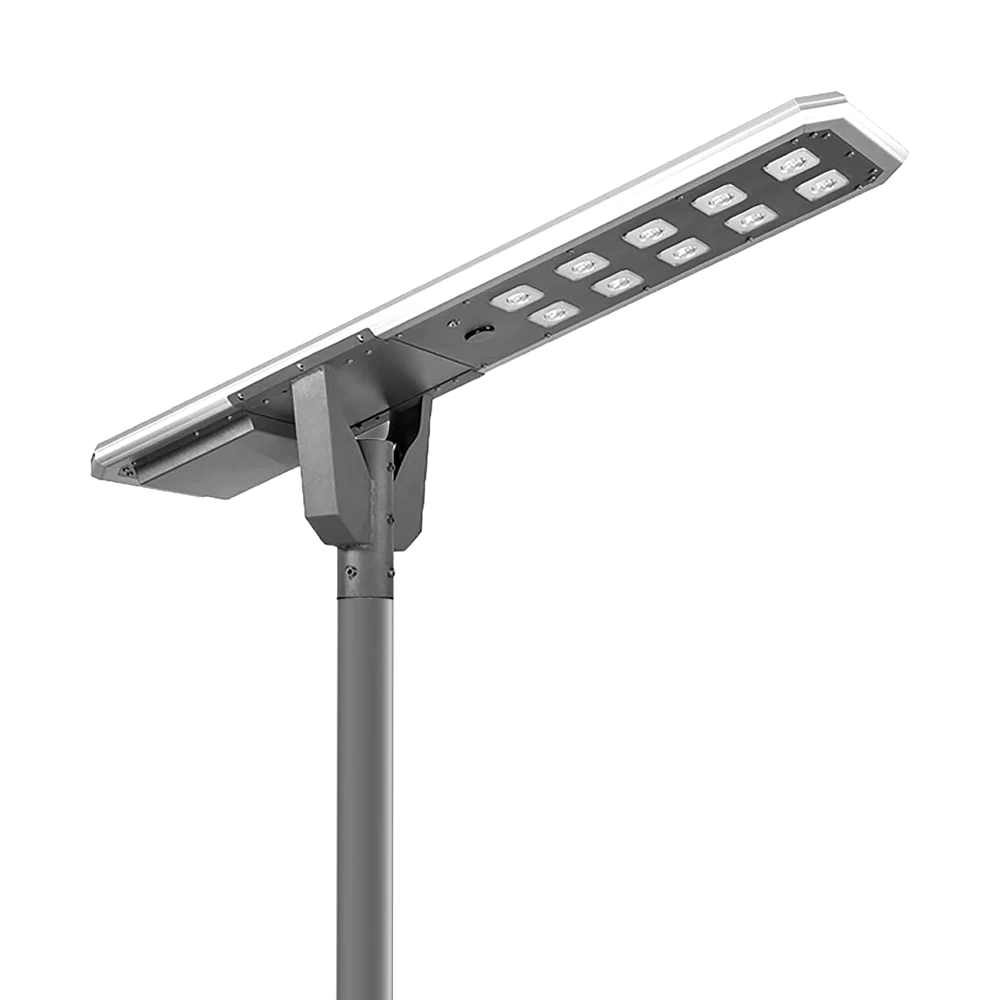
Illuminate your outdoor spaces with the Solar Street Light, a cutting-edge solution combining advanced solar technology and energy-saving LED lighting.
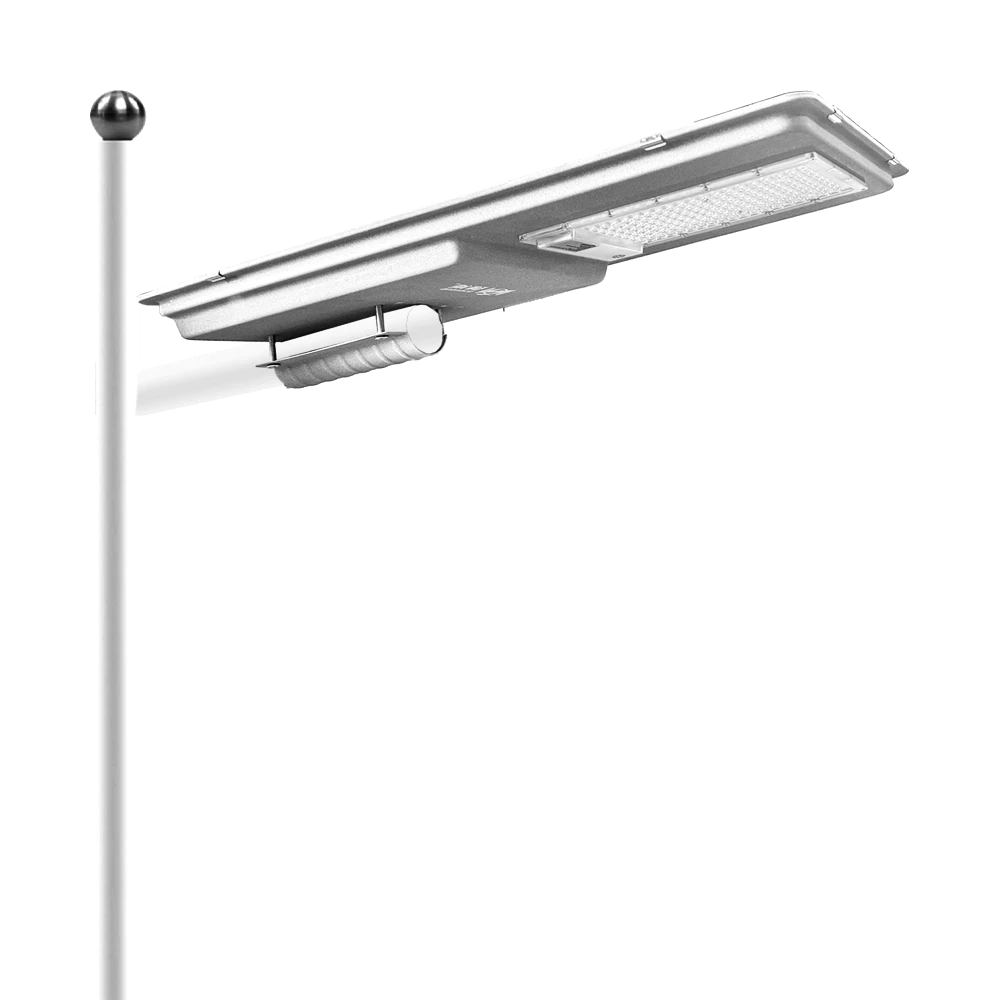
Queneng's Lufa high-efficiency solar LED street lights illuminate urban and commercial spaces brilliantly. These commercial solar LED street lights offer superior energy savings and reliable performance, making them an ideal sustainable lighting solution.
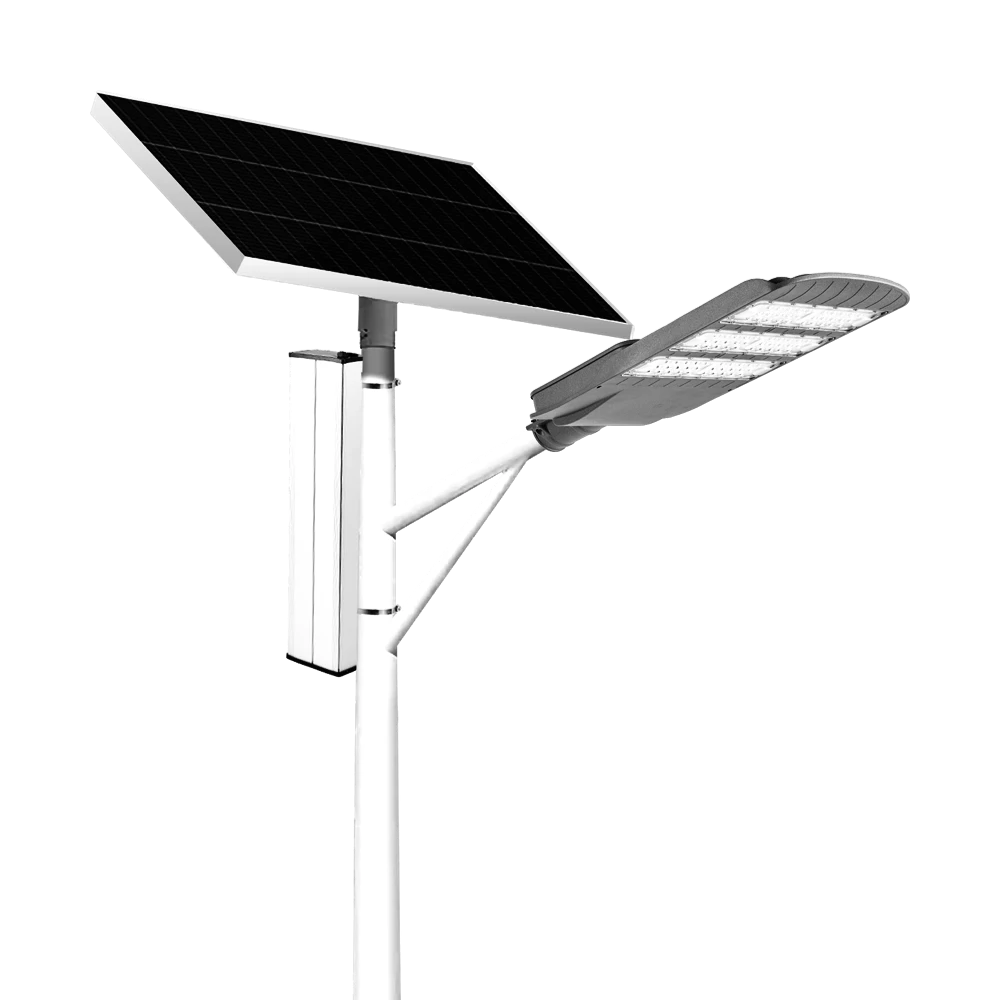
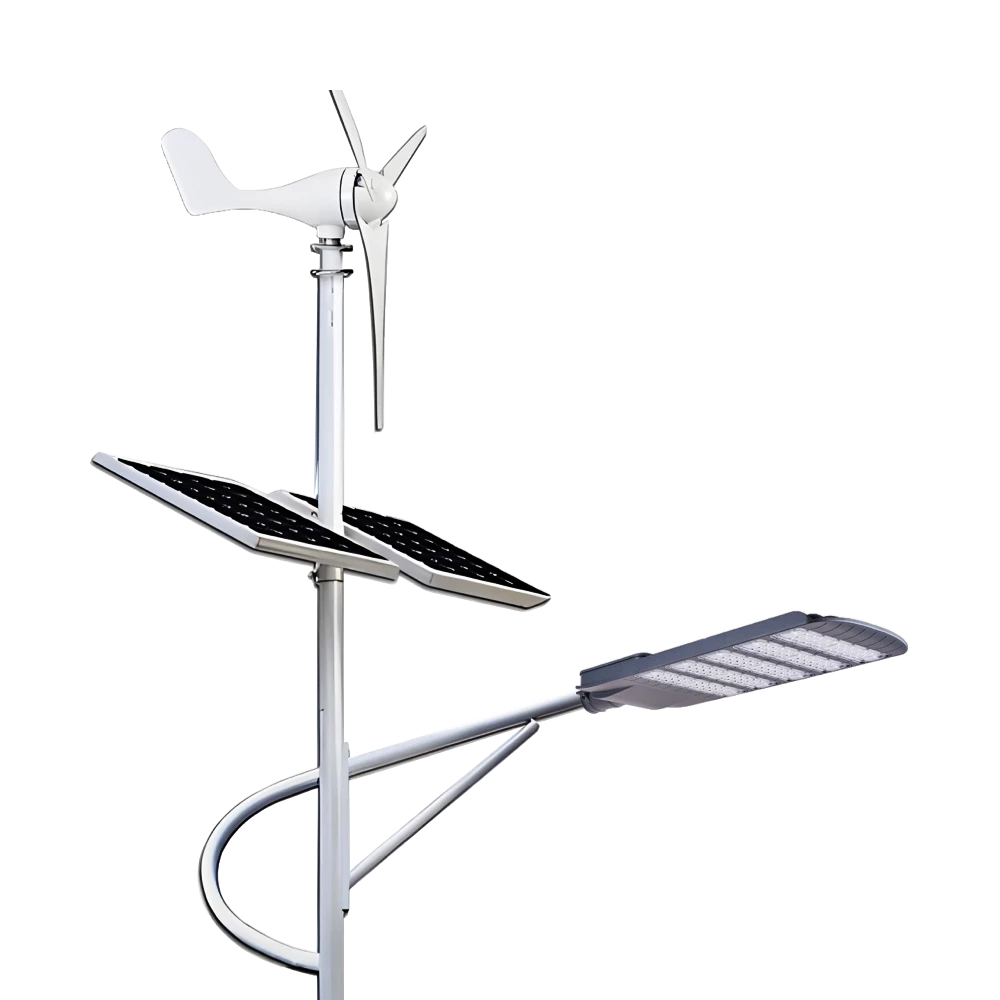
Queneng Lufeng Wind Energy LED Outdoor Solar Street Lights offer high-performance, eco-friendly illumination. These energy-efficient LED street lights harness solar power and wind energy for sustainable, cost-effective outdoor lighting solutions.
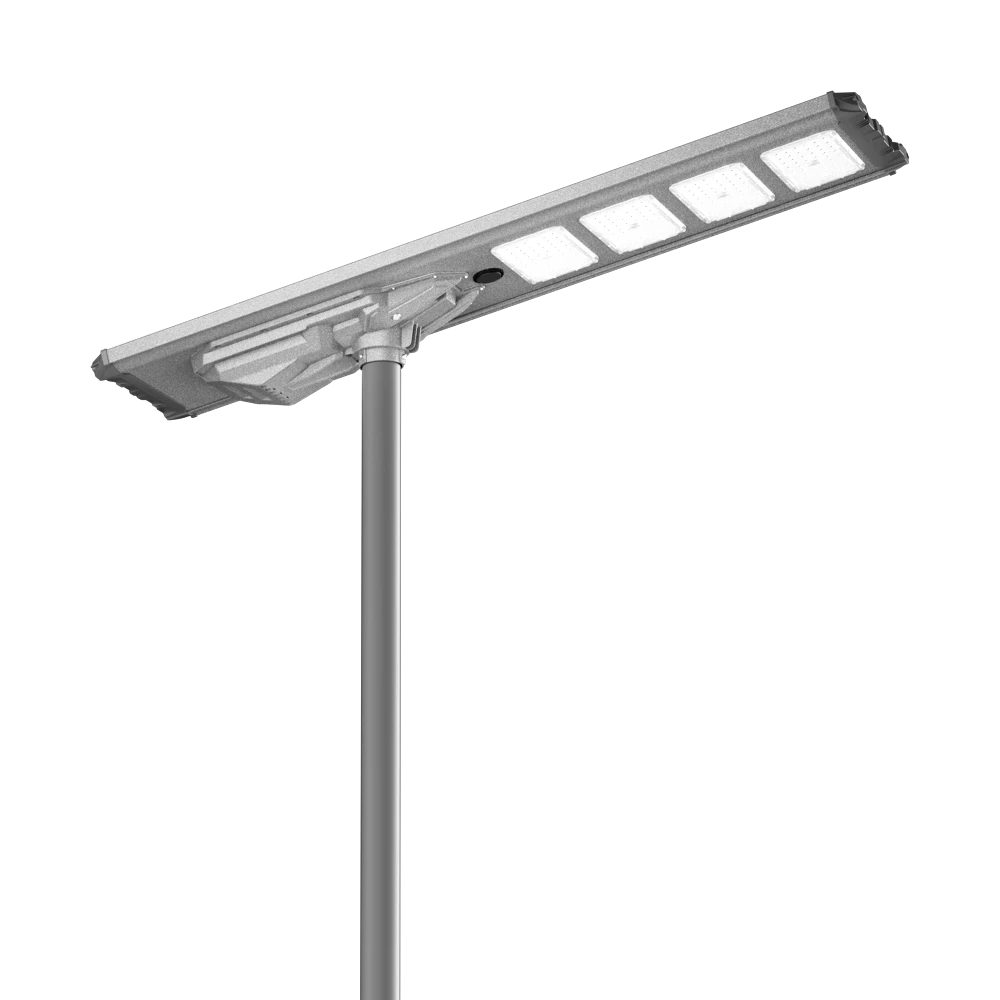
Queneng's Lufei Solar Street Light offers durable, energy-efficient outdoor lighting solutions. This solar-powered street light provides reliable illumination, reducing energy costs and environmental impact. Ideal for outdoor spaces, Lufei ensures safety and security.
If you would like more information about Queneng solar lighting solutions, please send us a message by filling out the form below. Our professional team will get back to you within 24 hours!
Rest assured that your privacy is important to us, and all information provided will be handled with the utmost confidentiality.
Schedule a Meeting
Book a date and time that is convenient for you and conduct the session in advance.
Have more questions about our products or services?
The messenger of light & power conversion
Environmental protection and intelligent manufacturing are our brand philosophy, and quality assurance and the best user experience are our eternal promises to users.
CONTACT
No.9F, Building F, Cao San Xin Tian Hong Logistics Park, Guzhen Town, Zhongshan City, Guangdong Province, China.
or write [email protected]
WhatsApp: +86 136 2270 1011


