














Light efficiency comparison in government solar street lighting in Vietnam | Insights by Quenenglighting
Navigating Light Efficiency for Government Solar Street Lighting in Vietnam
As Vietnam continues its rapid urbanization and commitment to sustainable development, the demand for efficient and reliable public infrastructure, particularly street lighting, is paramount. Solar street lighting offers a compelling solution, aligning with the nation's green growth ambitions. For government bodies looking to re-procure or upgrade existing systems, understanding the nuances of light efficiency and modern technologies is crucial for long-term success. Here, we address five critical questions that procurement professionals might ask.
How have LED efficiency benchmarks evolved, and what are current standards for solar street lights?
The core of modern street lighting efficiency lies in Light Emitting Diodes (LEDs). Over the past decade, LED technology has seen remarkable advancements. Today, high-efficiency LEDs used in solar street lighting systems typically achieve a luminous efficacy of 160 to 180 lumens per watt (lm/W). This is a significant leap from earlier generations or traditional lighting sources, which often struggled to reach 100 lm/W. This high lm/W ratio means that less power is required to produce the same amount of light, directly translating to smaller solar panels, more compact battery systems, and extended operational autonomy. When evaluating new systems, aiming for a minimum of 160 lm/W ensures you're investing in current-generation, energy-optimized technology.
What battery technologies offer the best longevity and performance in Vietnam's climate?
The battery is the heart of a solar street light, storing energy for nighttime operation. For optimal longevity and performance, especially in Vietnam's diverse climate (which can range from hot and humid to cooler in northern winters), Lithium Iron Phosphate (LiFePO4) batteries are the industry standard. They offer several advantages over older lead-acid or even other lithium-ion chemistries:
- Long Cycle Life: LiFePO4 batteries typically provide 2,000 to 4,000 charge/discharge cycles to 80% Depth of Discharge (DOD), meaning they can last significantly longer, often 5-10 years, compared to 1-3 years for lead-acid.
- Wide Operating Temperature Range: They perform reliably across a broader temperature spectrum, generally from -20°C to 60°C, making them suitable for Vietnam's tropical conditions.
- Enhanced Safety: LiFePO4 chemistry is inherently more stable and safer, reducing risks of thermal runaway.
- Consistent Performance: They maintain a relatively constant voltage throughout their discharge cycle, ensuring consistent light output.
Beyond lumens, what smart features and controls enhance overall light efficiency and cost savings?
Modern solar street lighting goes beyond basic illumination. Smart features significantly boost efficiency and cut operational costs:
- Intelligent Dimming: Integrating Passive Infrared (PIR) motion sensors allows lights to dim to a lower intensity (e.g., 30-50%) when no activity is detected, only returning to full brightness upon sensing motion. This can reduce energy consumption by up to 70% during off-peak hours, extending battery life and system autonomy. Time-based dimming schedules also contribute to energy savings.
- Maximum Power Point Tracking (MPPT) Controllers: These advanced charge controllers optimize the power output from the solar panel to the battery, ensuring maximum energy harvesting even under varying sunlight conditions, improving charging efficiency by 15-30% compared to older PWM controllers.
- IoT-Enabled Remote Monitoring and Control: Internet of Things (IoT) integration allows for real-time monitoring of system performance (battery status, solar charging, LED function) and remote control of lighting schedules. This enables predictive maintenance, reduces the need for on-site inspections, and facilitates rapid troubleshooting, leading to substantial reductions in operational and maintenance (O&M) costs.
What are the key factors determining the long-term cost-effectiveness and ROI for government solar street light projects?
Investing in solar street lighting for government projects requires a clear understanding of its Return on Investment (ROI). Key factors include:
- Energy Savings: The most significant benefit is the complete elimination of electricity bills. Over a system's lifespan, this translates into substantial financial savings.
- Reduced Infrastructure Costs: Solar street lights are self-contained, requiring no trenching for cables, grid connection fees, or ongoing utility infrastructure maintenance, leading to lower upfront installation costs compared to traditional grid-tied systems in remote or new development areas.
- Component Lifespan: High-quality components are crucial. Modern LEDs boast lifespans of 50,000 to 100,000 hours, solar panels typically last 20-25 years, and LiFePO4 batteries 5-10 years. A well-designed system minimizes replacement frequency.
- Lower Maintenance: With robust designs and smart monitoring, maintenance needs are significantly reduced. Remote diagnostics can pinpoint issues before they become critical.
- Environmental Benefits: While harder to quantify financially, the reduction in carbon emissions aligns with national and international environmental goals, enhancing public image and contributing to a greener future.
Overall, a high-quality solar street lighting system can achieve an ROI within 3-7 years, offering substantial savings thereafter.
How do Vietnam's environmental factors and government initiatives influence optimal solar street lighting design?
Vietnam's unique environmental conditions and strategic government direction play a critical role in system design:
- Solar Irradiance: Vietnam benefits from strong solar resources, particularly in the south, with an average daily solar radiation of 4-5 kWh/m²/day in many regions. This abundant sunshine allows for efficient solar panel charging, but regional variations (e.g., lower irradiance in northern rainy seasons) necessitate careful system sizing to ensure year-round reliability.
- Climate Resilience: High humidity, dust, and the occasional presence of typhoons (especially in coastal areas) demand robust system construction. Luminaires and enclosures should have high Ingress Protection (IP) ratings (e.g., IP65 or IP66) to protect against dust and water ingress. Materials must be corrosion-resistant and structurally sound to withstand strong winds.
- Government Support: Vietnam's commitment to renewable energy, articulated in its National Green Growth Strategy (2021-2030) and Power Development Plan VIII, creates a supportive policy environment. This strategic alignment encourages government entities to invest in sustainable solutions like solar street lighting, which contributes to national energy security and environmental targets. Optimal designs should consider these long-term policy frameworks to ensure future compatibility and support.
Quenenglighting: Your Partner for Advanced Solar Street Lighting in Vietnam
For government procurement in Vietnam, choosing a reliable and technologically advanced partner is essential. Quenenglighting stands out by offering solutions engineered for superior performance and longevity. Our systems incorporate ultra-high efficiency LEDs (often exceeding 170 lm/W), robust LiFePO4 batteries with extended lifespans, and advanced MPPT charge controllers for optimal energy management. We integrate intelligent dimming and cutting-edge IoT remote monitoring systems, drastically reducing operational costs and enhancing reliability. Our designs are built to withstand Vietnam's challenging climate, featuring high IP ratings and durable materials. By partnering with Quenenglighting, government projects can achieve maximum light efficiency, significant long-term cost savings, and a sustainable, bright future.

Have more questions about our products or services?
The latest hot news you might like

Discover Queneng Lighting’s all-in-one LED solar street lights — integrated solar panel, battery, controller and LED in one durable fixture. Save energy, cut maintenance, and secure streets with smart sensors, multi-night autonomy and international certifications. Contact sales for quotes and support.

Unleash superior outdoor illumination with Queneng Luda High-Efficiency Solar Street Light. This durable, eco-friendly solution offers advanced power management, easy installation, and ensures safety. Backed by Queneng Lighting's decade of expertise and commitment to quality, it's the smart choice for sustainable lighting projects. Learn why we're a leading solar solutions provider.

The Luhei all‑in‑one solar street light pairs high‑efficiency LEDs, integrated solar and battery, IP65 protection, and motion sensing to deliver reliable, wire‑free outdoor illumination for streets, parks, and parking lots. Backed by Queneng Lighting’s certifications and support.

FAQ
Battery Types and Applications
What is a smart secondary battery?
Solar Street Light Luyan
How do Luyan solar street lights reduce environmental impact?
Luyan solar street lights are an eco-friendly lighting solution because they use solar power, a renewable energy source, to generate electricity. By relying on solar energy, they eliminate the need for grid electricity, helping to reduce carbon emissions and decrease the overall carbon footprint. Additionally, the energy-efficient LED lights consume less power, ensuring that the system uses minimal energy while providing bright, reliable illumination.
Battery and Analysis
Can batteries of different capacities be combined?
Solar Street Light Lufeng
What type of LED technology does Lufeng solar street lights use?
Lufeng solar street lights use advanced LED technology, which provides bright, high-quality illumination while consuming less power compared to traditional street lights. LEDs are more energy-efficient, have a longer lifespan, and require less maintenance, making them ideal for outdoor lighting applications.
Public Gardens and Landscape Lighting
How can I order solar lighting products for my public garden or landscape project?
To order solar lighting solutions for your project, simply contact our sales team via phone, email, or our website. We will work with you to understand your specific requirements and provide customized solutions that fit your needs. We also offer installation support and after-sales services to ensure your project is a success.
What happens if the solar light is not working properly?
If your solar light is not working properly, it could be due to a variety of reasons, such as dirt on the solar panel, insufficient sunlight, or battery issues. We recommend cleaning the panel and ensuring it receives enough sunlight. If the problem persists, please contact our customer service team for troubleshooting assistance.
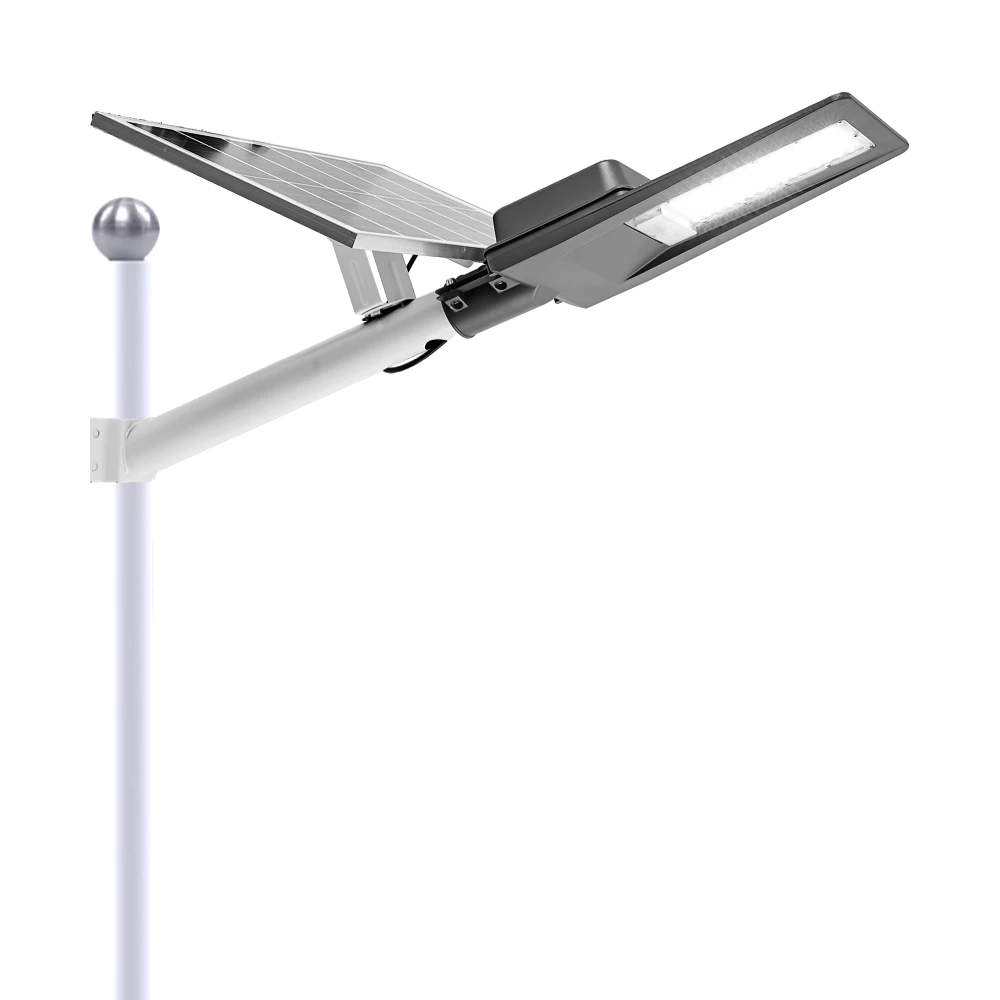
Experience reliable outdoor illumination with our smart solar street light, a perfect combination of advanced technology and eco-conscious design.
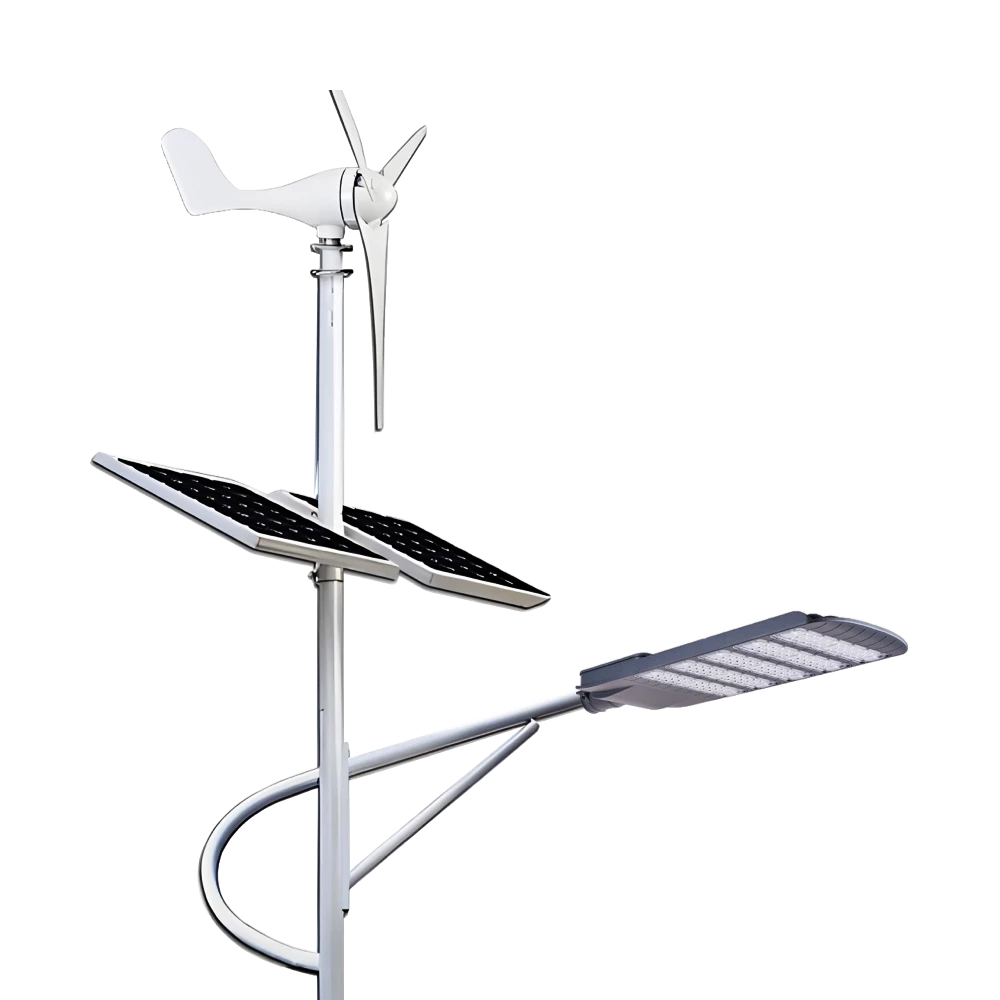
Queneng Lufeng Wind Energy LED Outdoor Solar Street Lights offer high-performance, eco-friendly illumination. These energy-efficient LED street lights harness solar power and wind energy for sustainable, cost-effective outdoor lighting solutions.
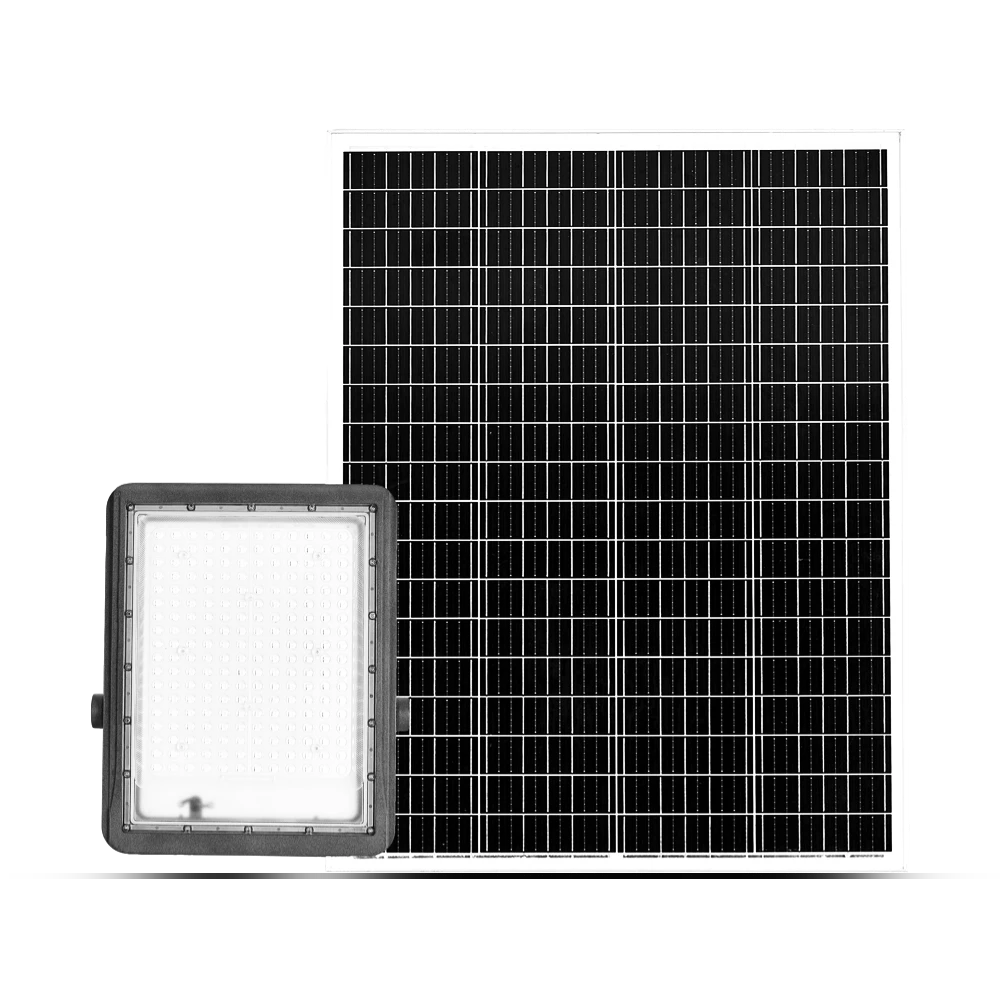
Queneng's Luxian Reliable Solar Street Light offers energy-saving LED lighting for outdoor use. This durable, solar-powered street light provides reliable illumination, reducing energy costs and environmental impact. A perfect solution for sustainable outdoor lighting.
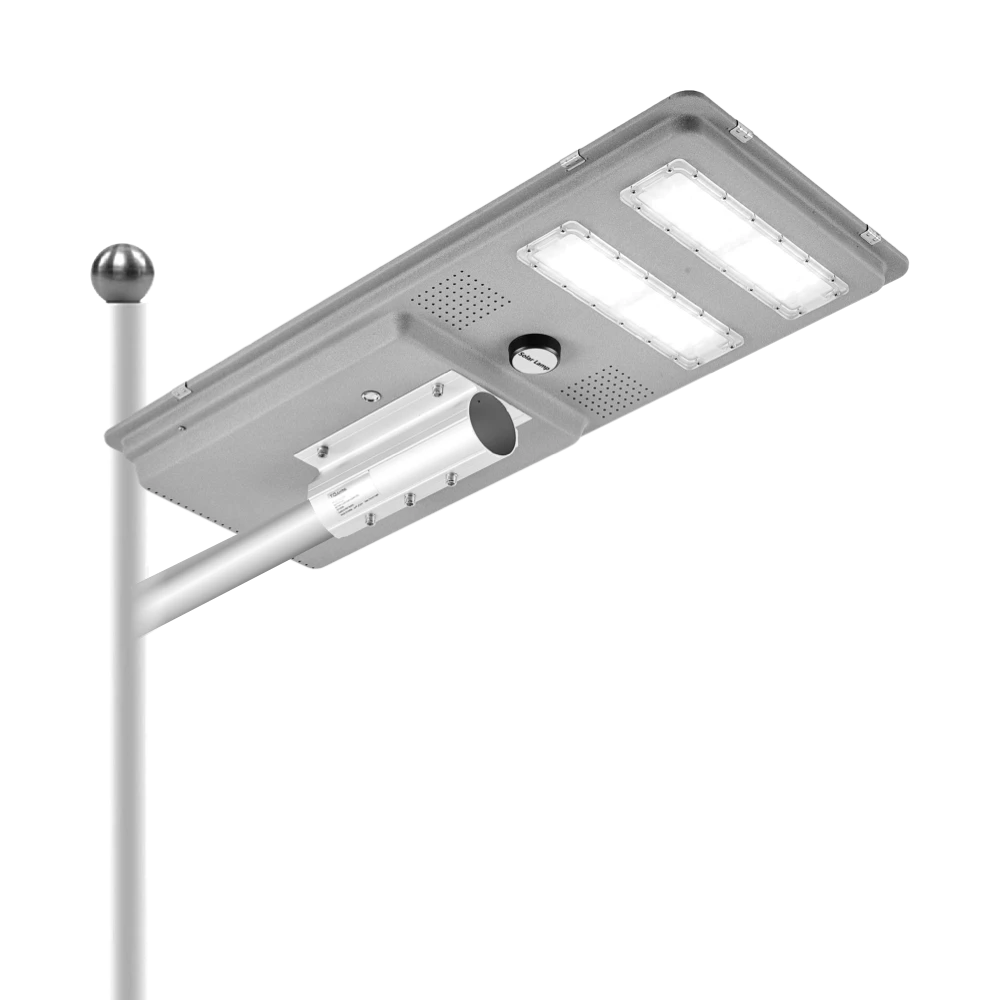
Queneng’s Solar Street Lights are designed to provide reliable, energy-efficient lighting for streets, parks, and other outdoor spaces.
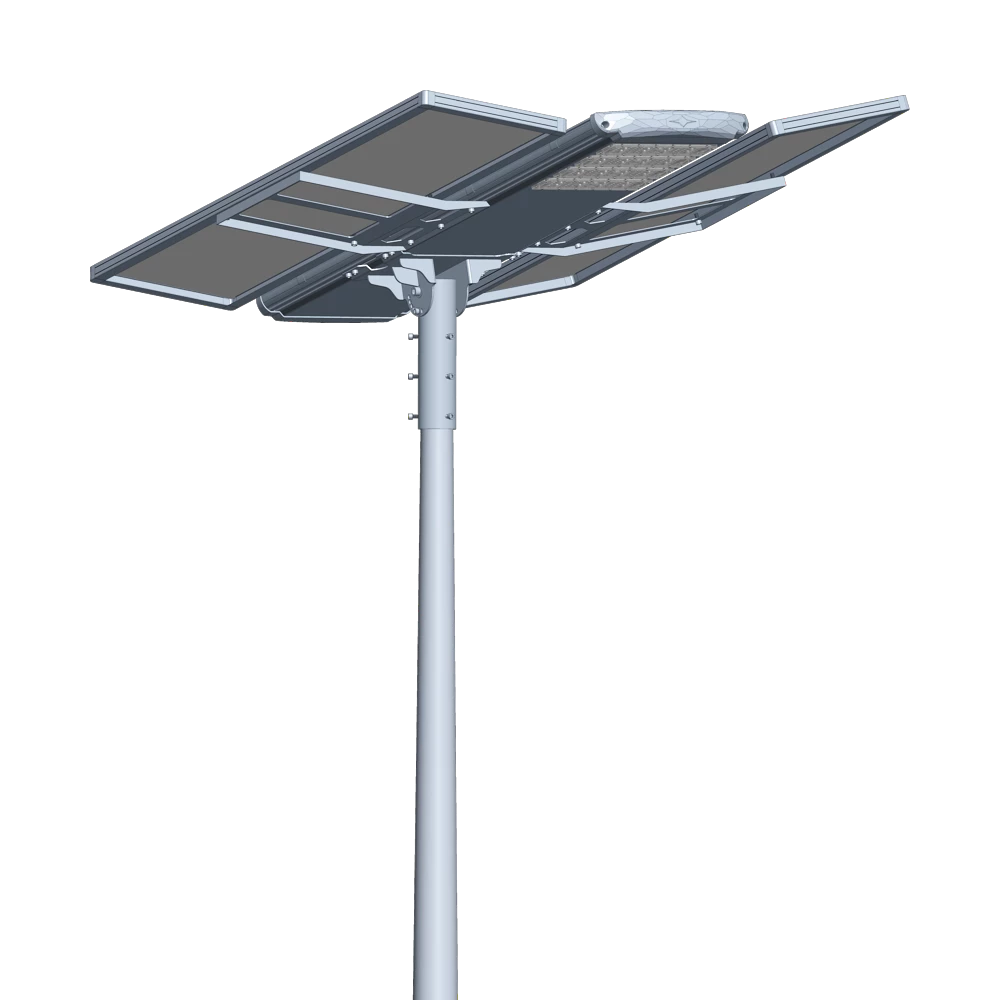
Introducing the Luqing Solar Street Light by Queneng, Efficient LED lighting powered by solar energy is perfect for illuminating outdoor areas. Harness the power of solar energy for sustainable, reliable street lighting. Ideal for eco-friendly, cost-effective outdoor illumination solutions.
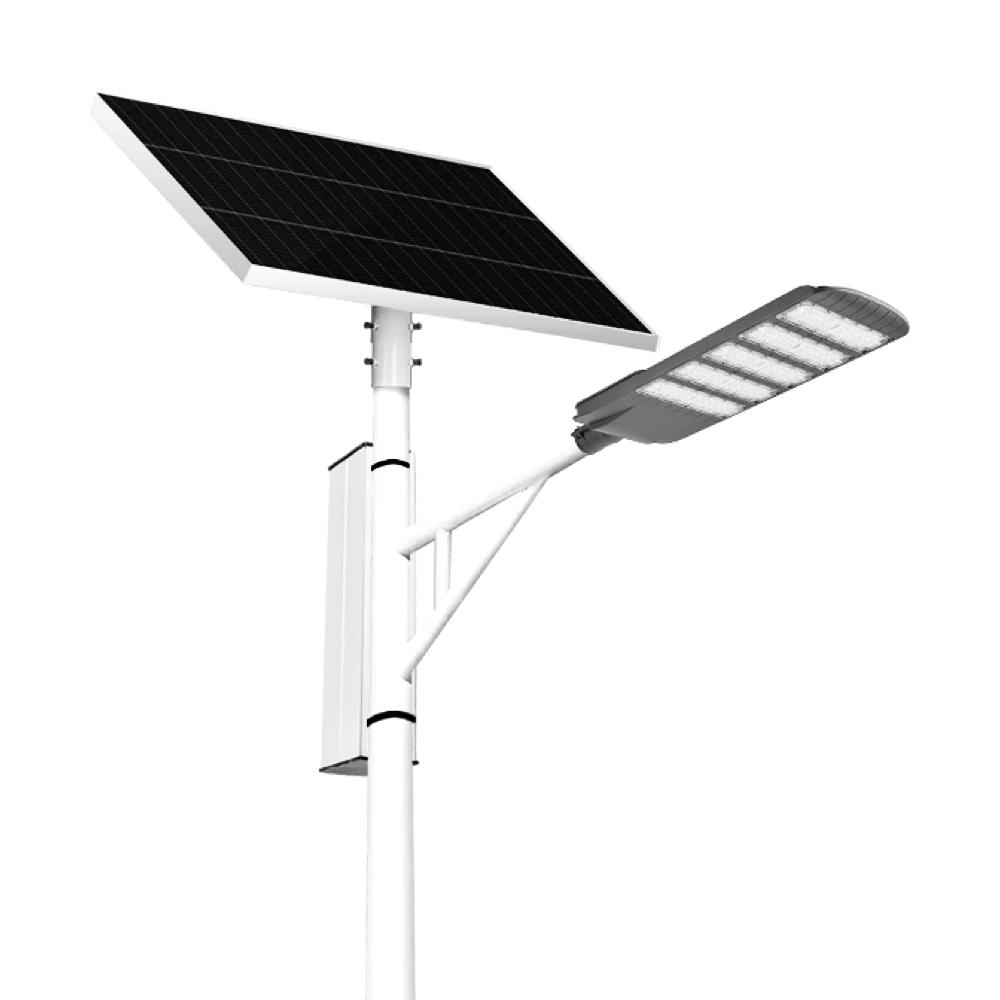
The Solar Streetlights of Luhao for Municipalities are designed to deliver reliable, energy-efficient, and cost-effective public lighting solutions. Equipped with advanced LED technology, durable lithium batteries, and high-efficiency solar panels, these streetlights provide consistent illumination for roads, parks, residential areas, and government projects.
If you would like more information about Queneng solar lighting solutions, please send us a message by filling out the form below. Our professional team will get back to you within 24 hours!
Rest assured that your privacy is important to us, and all information provided will be handled with the utmost confidentiality.
Schedule a Meeting
Book a date and time that is convenient for you and conduct the session in advance.
Have more questions about our products or services?
The messenger of light & power conversion
Environmental protection and intelligent manufacturing are our brand philosophy, and quality assurance and the best user experience are our eternal promises to users.
CONTACT
No.9F, Building F, Cao San Xin Tian Hong Logistics Park, Guzhen Town, Zhongshan City, Guangdong Province, China.
or write [email protected]
WhatsApp: +86 136 2270 1011


