














Installation workflow for Manufacturer of Solar Street Lights systems | Insights by Quenenglighting
Optimizing Your Solar Street Light Installation Workflow: A Manufacturer's Guide
For manufacturers and clients investing in solar street light systems, a streamlined and professional installation workflow is paramount to ensuring product longevity, optimal performance, and return on investment. This guide delves into the critical stages, common challenges, and best practices from a manufacturer's perspective, providing insights into what makes a solar street light project truly successful.
What are the Critical Pre-Installation Site Assessment Steps?
Before any physical installation begins, a thorough site assessment is crucial. This phase determines the feasibility, design parameters, and potential challenges of the project. Key steps include:
- Solar Irradiance Analysis: Accurately measuring the Global Horizontal Irradiance (GHI) and Direct Normal Irradiance (DNI) at the specific location. Industry data shows that optimal performance requires adequate sunlight, with typical GHI values ranging from 3.5 to 6.0 kWh/m²/day for most viable solar projects. This dictates solar panel sizing.
- Shading Analysis: Identifying and mapping potential obstructions (buildings, trees) that could cast shadows on solar panels throughout the day and year. Even partial shading can drastically reduce power generation, sometimes by as much as 50% for a single shaded cell.
- Soil Geotechnical Survey: Understanding soil composition and bearing capacity is vital for designing robust foundations. Factors like soil type (clay, sand, loam) and frost line depth directly impact foundation dimensions and material requirements.
- Wind Load Assessment: Calculating local wind speeds and designing poles and foundations to withstand maximum anticipated wind loads, adhering to standards like ASCE 7-16 or Eurocode 1. Pole heights typically range from 5 to 12 meters, and taller poles require stronger foundations to resist wind forces.
- Topographical and Accessibility Survey: Mapping the terrain for ease of installation, equipment transport, and potential civil works requirements.
How Do Manufacturers Ensure Optimal Component Selection and Supply Chain Efficiency?
The reliability of a solar street light system hinges on the quality of its components. Manufacturers prioritize sourcing high-performance, durable parts:
- High-Efficiency Solar Panels: Monocrystalline silicon panels are preferred, offering efficiencies typically between 20-22% and excellent low-light performance, ensuring maximum energy harvest in compact footprints.
- Long-Life Batteries: Lithium Iron Phosphate (LiFePO4) batteries are the industry standard, known for their safety, stability, and long cycle life, often exceeding 2,000 to 5,000 cycles at 80% Depth of Discharge (DoD), translating to 5-10+ years of operational life.
- Intelligent MPPT Charge Controllers: Maximum Power Point Tracking (MPPT) controllers optimize power extraction from solar panels, boasting efficiencies of 95-99%. They also manage battery charging, prevent overcharging/discharging, and integrate smart features like dimming and remote monitoring.
- High-Efficacy LED Luminaires: Modern LED chips deliver high luminous efficacy, typically 150-180 lumens per watt (lm/W), providing bright illumination with minimal power consumption and a lifespan of 50,000 to 100,000 operating hours.
- Robust Supply Chain Management: Manufacturers establish strong relationships with reputable suppliers, implement strict quality control at the sourcing stage, and manage logistics efficiently to ensure timely delivery of certified components, minimizing project delays and cost overruns.
What are the Best Practices for Foundation and Pole Installation?
The structural integrity of a solar street light system relies heavily on proper foundation and pole installation:
- Foundation Design & Excavation: Based on the geotechnical survey and wind load calculations, concrete foundations (e.g., C25/30 strength class) are designed to safely anchor the pole. Excavation depth and diameter must meet engineering specifications, often requiring significant concrete volumes depending on soil conditions and pole height.
- Anchor Bolt Setting: Precision is key. Anchor bolts must be set accurately using templates to ensure the pole flange aligns perfectly. Proper curing time for concrete (typically 7-28 days for full strength) is essential before mounting the pole.
- Pole Erection: Poles are typically hot-dip galvanized (meeting ISO 1461 standards) for superior corrosion resistance, crucial for outdoor environments. Heavy lifting equipment (cranes) is used for safe and efficient erection. Poles must be plumbed vertically and securely bolted to the foundation with appropriate torque settings.
How is the Solar Panel, Luminaire, and Battery System Assembled and Connected?
This stage involves the integration of the electrical and lighting components:
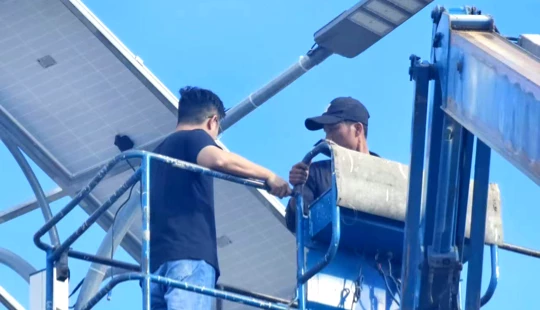
- Solar Panel Mounting: Panels are securely mounted to the pole bracket at the optimal tilt angle determined during the site assessment for maximum solar exposure throughout the year. For instance, in northern hemisphere mid-latitudes, an angle roughly equal to the latitude is common, adjusted for seasonal performance.
- Luminaire and Battery Box Installation: The LED luminaire is attached to the pole arm, ensuring correct orientation. The battery enclosure, often integrated into the pole or mounted externally at an accessible height, is secured. These enclosures typically have an IP65 or IP67 rating for dust and water ingress protection.
- Wiring and Electrical Connections: All electrical components (solar panel, battery, controller, LED luminaire) are connected according to manufacturer's wiring diagrams. This involves proper cable sizing (e.g., according to local electrical codes like NEC or IEC standards), crimping, and insulation to prevent short circuits and ensure safety. All connections are made secure and watertight.
What Key Checks are Performed During System Commissioning and Testing?
Commissioning is the final validation phase, ensuring the system operates as designed:
- Visual Inspection: A thorough check for any physical damage, correct component placement, and secure wiring.
- Electrical Parameter Verification: Measuring open-circuit voltage (Voc) and short-circuit current (Isc) of the solar panel, battery voltage, and current output to the LED fixture. These readings are compared against manufacturer specifications.
- Controller Programming: Verifying that the charge controller is correctly programmed with desired lighting schedules, dimming profiles, and protection settings (e.g., low-voltage disconnect).
- Functionality Test: Conducting a nighttime test to confirm the LED luminaire illuminates as expected, responding to light sensors or programmed schedules. Observing charging behavior during daylight hours.
- Data Logging: For smart systems, ensuring remote monitoring and data logging are active and correctly transmitting performance data.
What Are the Long-Term Maintenance Considerations for Solar Street Lights?
Proactive maintenance extends the life and performance of solar street lights:
- Panel Cleaning: Regular cleaning (e.g., semi-annually or quarterly in dusty environments) of solar panels is essential, as dust and dirt accumulation can reduce efficiency by 15-25%.
- Battery Health Checks: Periodic checks of battery voltage and performance, especially after 3-5 years, to assess degradation. While LiFePO4 batteries are robust, monitoring helps predict end-of-life.
- Visual Inspections: Annually checking poles for corrosion, loose connections, or physical damage. Ensuring luminaires are clean and correctly aimed.
- Firmware Updates: For intelligent systems, applying firmware updates to charge controllers or communication modules to enhance features or address bugs.
- Wiring Integrity: Inspecting all cables and connections for wear, corrosion, or damage, especially in areas exposed to harsh weather.
How Can Project Safety and Quality Control Be Maintained Throughout Installation?
Safety and quality are non-negotiable throughout the entire installation process:
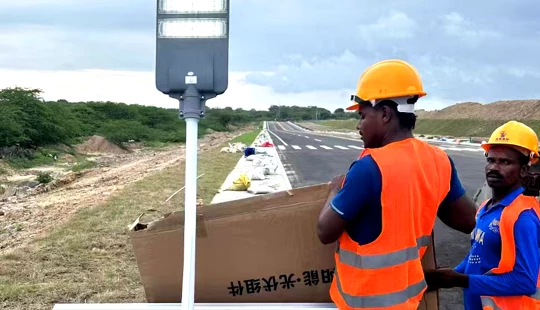
- Comprehensive Safety Plans: Implementing detailed safety protocols, including the use of Personal Protective Equipment (PPE) such as hard hats, safety glasses, gloves, and fall protection when working at heights. Adherence to local safety regulations (e.g., OSHA standards).
- Skilled Workforce: Ensuring all installation personnel are trained, certified electricians for electrical work, and experienced in heavy equipment operation.
- Quality Control Checklists: Utilizing stage-specific checklists (e.g., for foundation, pole erection, electrical connections) to verify compliance with design specifications and industry standards (e.g., ISO 9001 quality management principles).
- Regular Site Audits: Conducting periodic site visits and inspections by project managers or quality assurance teams to monitor progress, ensure adherence to plans, and address any deviations promptly.
- Tool and Equipment Maintenance: Ensuring all tools and heavy machinery are regularly inspected and maintained to prevent failures and ensure safe operation.
Quenenglighting's Advantage
At Quenenglighting, we understand the complexities of solar street light deployment. Our commitment to excellence begins with meticulous design, utilizing advanced software for precise site analysis and optimal system configuration. We leverage a robust supply chain to source only the highest-quality components—from high-efficiency monocrystalline solar panels (20%+ efficiency) and durable LiFePO4 batteries (2000-5000+ cycles) to intelligent MPPT controllers (98% efficiency) and high-efficacy LED luminaires (160+ lm/W). Our manufacturing processes adhere to stringent ISO 9001 quality standards, ensuring every component meets global benchmarks. Beyond product delivery, we offer comprehensive technical support and installation guidance, helping our clients navigate the workflow seamlessly. Quenenglighting’s systems are designed for reliability, longevity, and superior performance, backed by rigorous testing and a focus on long-term value, making us a trusted partner for sustainable lighting solutions.
Data Citation Sources:
- Solar industry benchmarks for panel efficiency and GHI values.
- Battery technology specifications for LiFePO4 cycle life and DoD.
- LED lighting industry standards for luminous efficacy and lifespan.
- Electrical engineering principles and standards (e.g., for MPPT efficiency, cable sizing, IP ratings).
- Civil engineering and structural design standards (e.g., ASCE, Eurocode for wind loads, concrete strength classes).
- Corrosion protection standards (e.g., ISO 1461 for hot-dip galvanizing).
- Occupational safety and health regulations (e.g., OSHA for PPE).
- Quality management system standards (e.g., ISO 9001).
- General industry best practices for solar PV system installation and maintenance.

Have more questions about our products or services?
The latest hot news you might like

Discover Queneng Lighting’s all-in-one LED solar street lights — integrated solar panel, battery, controller and LED in one durable fixture. Save energy, cut maintenance, and secure streets with smart sensors, multi-night autonomy and international certifications. Contact sales for quotes and support.

Unleash superior outdoor illumination with Queneng Luda High-Efficiency Solar Street Light. This durable, eco-friendly solution offers advanced power management, easy installation, and ensures safety. Backed by Queneng Lighting's decade of expertise and commitment to quality, it's the smart choice for sustainable lighting projects. Learn why we're a leading solar solutions provider.

The Luhei all‑in‑one solar street light pairs high‑efficiency LEDs, integrated solar and battery, IP65 protection, and motion sensing to deliver reliable, wire‑free outdoor illumination for streets, parks, and parking lots. Backed by Queneng Lighting’s certifications and support.

FAQ
Public Gardens and Landscape Lighting
Are solar lights safe for use in public spaces?
Yes, solar lights are safe for public spaces. They use low-voltage LED lights that do not pose any electrical hazards. Additionally, our lights are designed with weather-resistant and durable materials to withstand outdoor conditions, making them reliable and safe for public use.
Municipal and Public Infrastructure
Can they operate during rainy or cloudy days?
Yes, advanced battery technology ensures continuous operation even in low sunlight conditions.
Battery and Analysis
What are the possible reasons for zero or low voltage in a single battery?
2) The battery is continuously overcharged by high-rate and large current, causing the battery core to expand and the positive and negative electrodes to directly contact and short-circuit, etc.;
3) There is an internal short circuit or micro-short circuit in the battery, such as improper placement of the positive and negative electrode plates, resulting in a short circuit between the electrode plates, or contact between the positive and negative electrode plates, etc.
Remote Areas Rural Development
Can solar streetlights be relocated if community needs change?
Yes, they are designed to be portable and can be relocated to new sites with minimal adjustments.
Batteries and the environment
What are the “green batteries” currently being used and researched?
Battery Performance and Testing
What are the battery safety test items?
2) Overcharge and over-discharge test
3) Withstand voltage test
4) Impact test
5) Vibration test
6) Heating test
7) Fire test
9) Temperature changing cycle test
10) Trickle charging test
11) Free drop test
12) Low pressure test
13) Forced discharge test
15) Electric hot plate test
17) Thermal shock test
19) Needle prick test
20) Extrusion test
21) Heavy object impact test
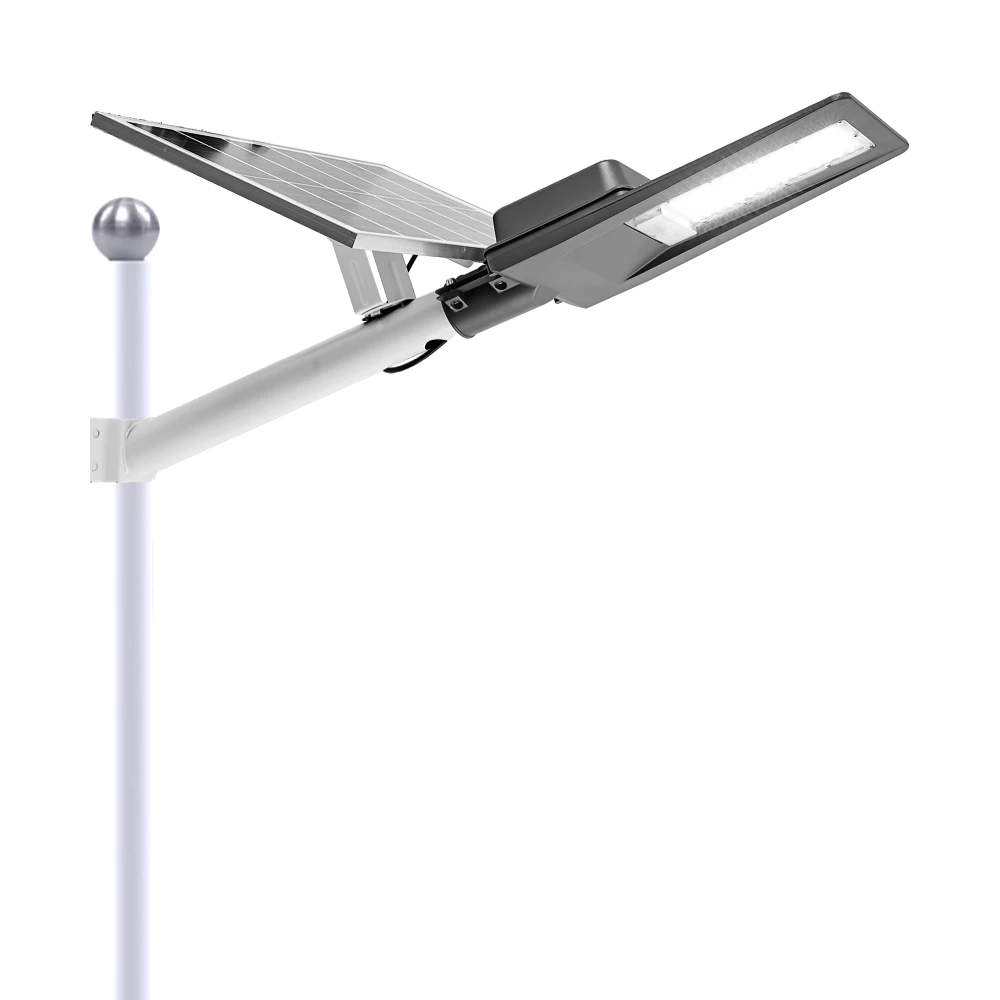
Experience reliable outdoor illumination with our smart solar street light, a perfect combination of advanced technology and eco-conscious design.
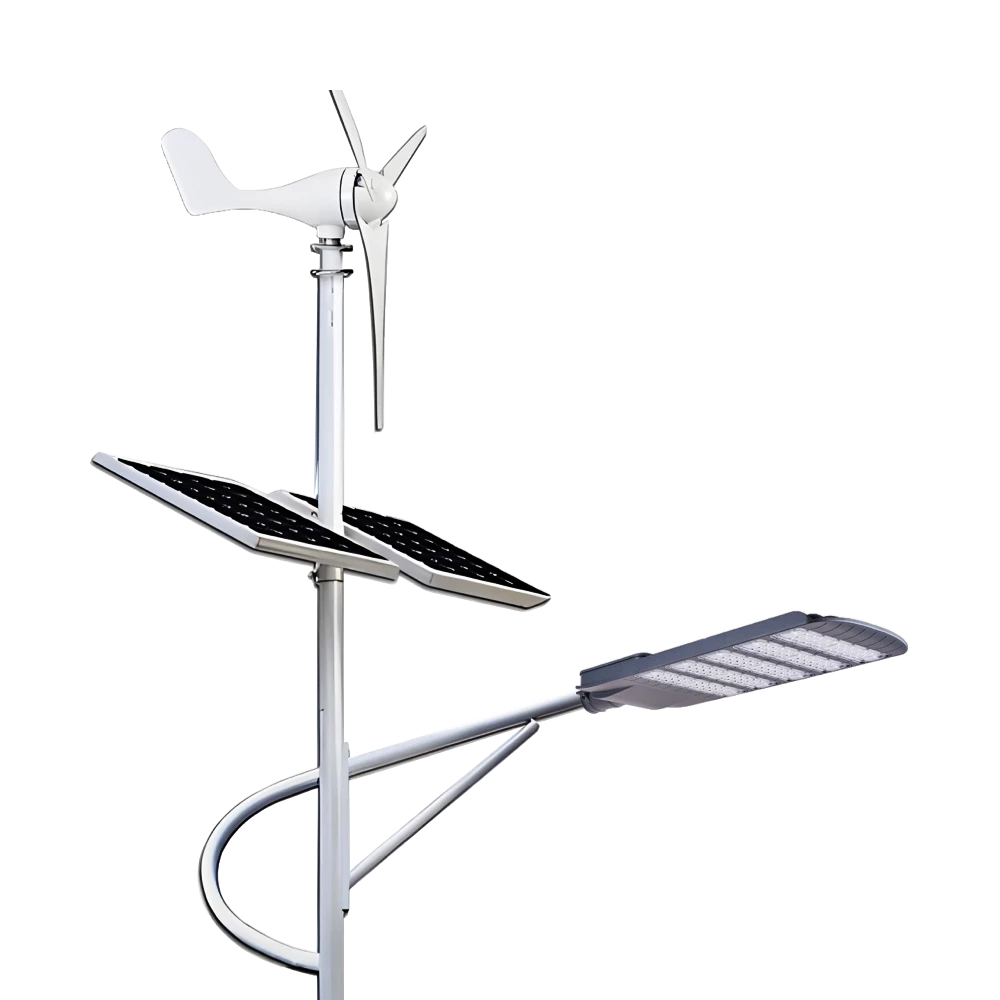
Queneng Lufeng Wind Energy LED Outdoor Solar Street Lights offer high-performance, eco-friendly illumination. These energy-efficient LED street lights harness solar power and wind energy for sustainable, cost-effective outdoor lighting solutions.
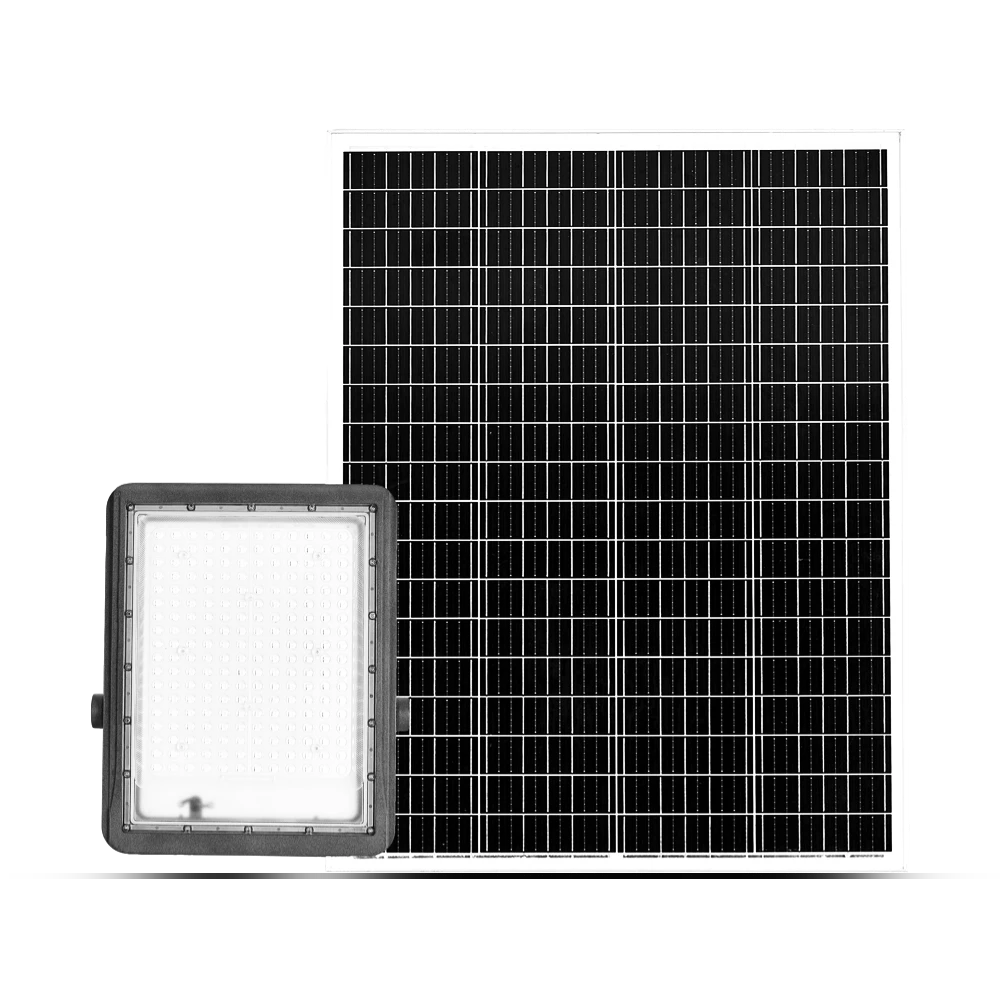
Queneng's Luxian Reliable Solar Street Light offers energy-saving LED lighting for outdoor use. This durable, solar-powered street light provides reliable illumination, reducing energy costs and environmental impact. A perfect solution for sustainable outdoor lighting.
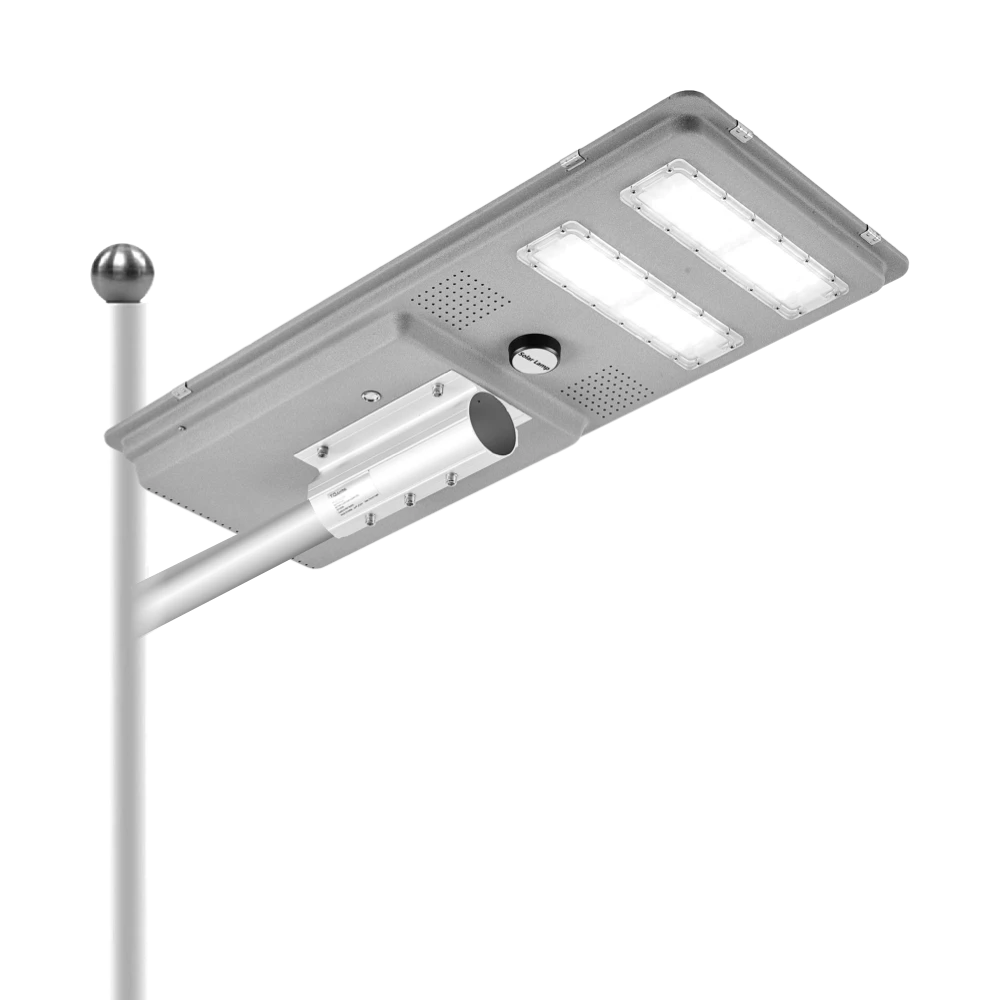
Queneng’s Solar Street Lights are designed to provide reliable, energy-efficient lighting for streets, parks, and other outdoor spaces.
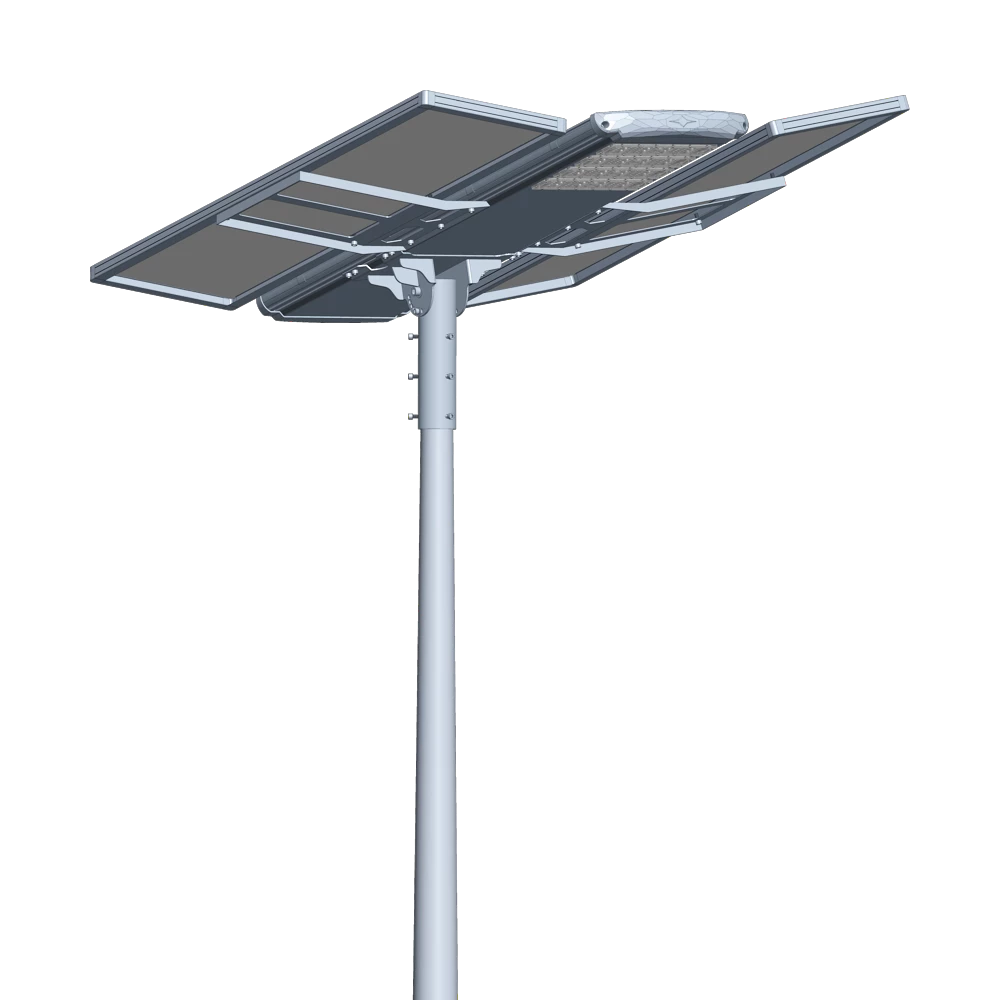
Introducing the Luqing Solar Street Light by Queneng, Efficient LED lighting powered by solar energy is perfect for illuminating outdoor areas. Harness the power of solar energy for sustainable, reliable street lighting. Ideal for eco-friendly, cost-effective outdoor illumination solutions.
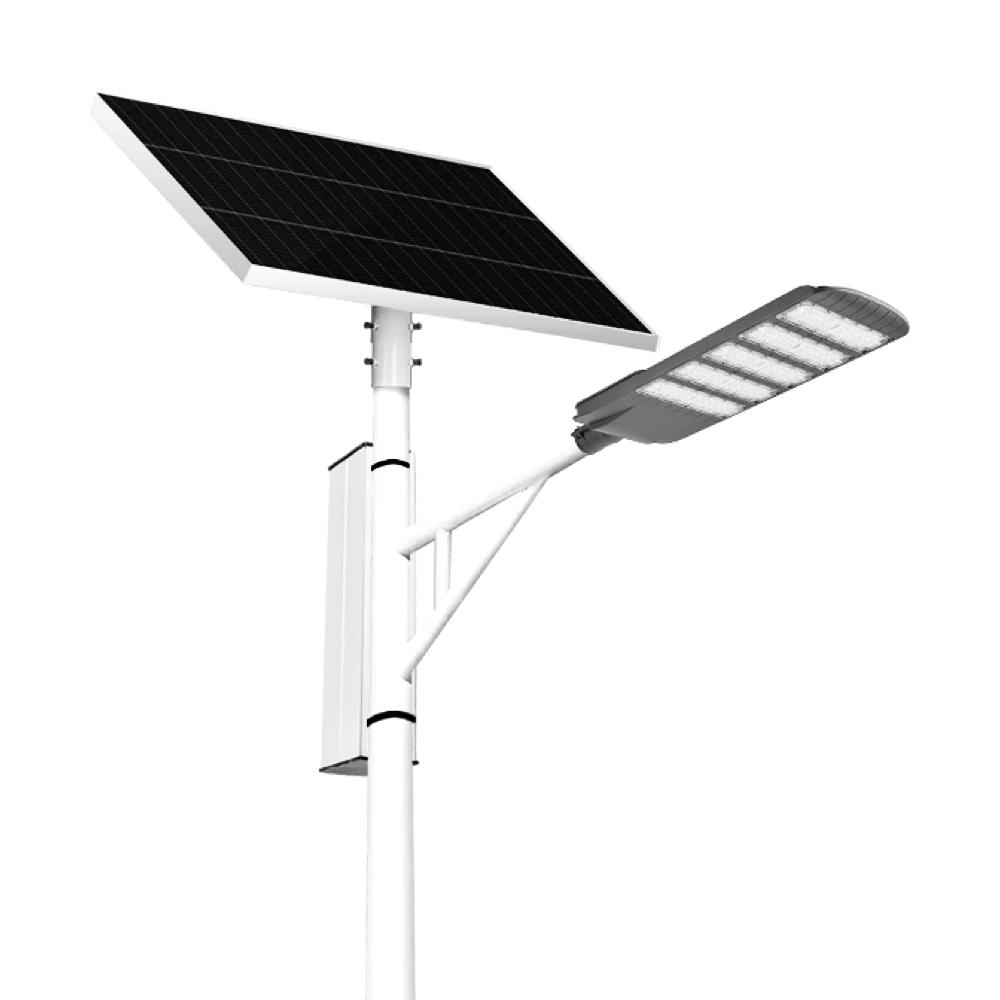
The Solar Streetlights of Luhao for Municipalities are designed to deliver reliable, energy-efficient, and cost-effective public lighting solutions. Equipped with advanced LED technology, durable lithium batteries, and high-efficiency solar panels, these streetlights provide consistent illumination for roads, parks, residential areas, and government projects.
If you would like more information about Queneng solar lighting solutions, please send us a message by filling out the form below. Our professional team will get back to you within 24 hours!
Rest assured that your privacy is important to us, and all information provided will be handled with the utmost confidentiality.
Schedule a Meeting
Book a date and time that is convenient for you and conduct the session in advance.
Have more questions about our products or services?
The messenger of light & power conversion
Environmental protection and intelligent manufacturing are our brand philosophy, and quality assurance and the best user experience are our eternal promises to users.
CONTACT
No.9F, Building F, Cao San Xin Tian Hong Logistics Park, Guzhen Town, Zhongshan City, Guangdong Province, China.
or write [email protected]
WhatsApp: +86 136 2270 1011


