














a complete sample and specifications of solar street light | Queneng Guide
A Complete Sample and Specifications of Solar Street Light
Understanding Solar Street Light Components
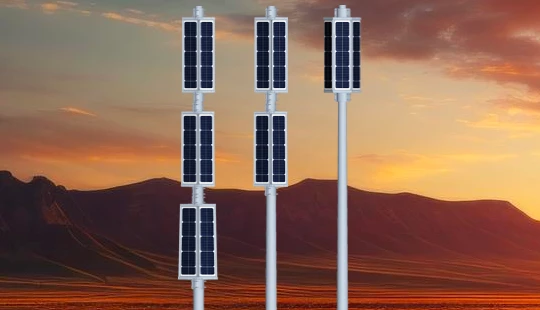
- Solar Panel: Converts sunlight into electricity. Typically, monocrystalline or polycrystalline silicon panels are used.
- *Source*: Solar Energy Industries Association (SEIA)
- Battery: Stores energy for use during non-daylight hours. Common types include lead-acid and lithium-ion batteries.
- *Source*: U.S. Department of Energy
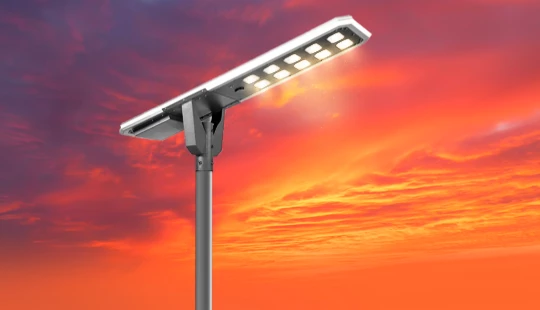
- LED Luminary: Provides high-efficiency lighting. LED lights are preferred for their longevity and energy efficiency.
- *Source*: LEDinside
- Controller: Manages the flow of energy between the solar panel, battery, and LED luminary.
- *Source*: National Renewable Energy Laboratory (NREL)
- Pole and Mounting Hardware: Supports the solar panel and luminary at the desired height and orientation.
Key Specifications of Solar Street Lights
- Power Output: Ranges from 20W to 150W, depending on the area to be illuminated.
- *Source*: International Energy Agency (IEA)
- Lumen Output: Typically between 2,000 to 15,000 lumens, ensuring adequate brightness.
- *Source*: Illuminating Engineering Society (IES)
- Battery Capacity: Varies from 12V 50Ah to 12V 200Ah, influenced by the required autonomy.
- *Source*: Battery University
- Solar Panel Wattage: Commonly between 50W to 300W, based on regional solar irradiance.
- *Source*: Global Solar Atlas
- Height of Pole: Usually between 4 to 12 meters, depending on the application and desired light coverage.
- *Source*: American Society of Civil Engineers (ASCE)
Performance Metrics
- Efficiency: Solar panel efficiency can range from 15% to 22%, affecting overall system performance.
- *Source*: National Renewable Energy Laboratory (NREL)
- Autonomy: The number of days the light can operate without sunlight, typically 2 to 5 days.
- *Source*: Solar Energy Industries Association (SEIA)
- Color Temperature: Ranges from 3000K to 6500K, impacting the perceived warmth or coolness of the light.
- *Source*: Illuminating Engineering Society (IES)
- Ingress Protection (IP) Rating: Indicates the level of protection against dust and water, often IP65 or higher for outdoor use.
- *Source*: International Electrotechnical Commission (IEC)
Installation and Maintenance Considerations
- Site Assessment: Evaluate the location for solar irradiance, shading, and accessibility.
- *Source*: Solar Energy Industries Association (SEIA)
- Installation Process: Typically involves mounting the pole, attaching the solar panel, and connecting the components.
- *Source*: American Society of Civil Engineers (ASCE)
- Maintenance: Regular cleaning of the solar panel and periodic checks on the battery and connections are essential.
- *Source*: National Renewable Energy Laboratory (NREL)
Advantages of Solar Street Lights
- Energy Savings: Reduces electricity costs as it uses free solar energy.
- *Source*: U.S. Department of Energy
- Environmental Impact: Decreases carbon footprint by utilizing renewable energy.
- *Source*: International Energy Agency (IEA)
- Low Maintenance: Designed for minimal upkeep, reducing long-term costs.
- *Source*: Solar Energy Industries Association (SEIA)
- Easy Installation: Does not require extensive electrical infrastructure.
- *Source*: American Society of Civil Engineers (ASCE)
This article has provided a comprehensive overview of a complete sample and specifications of solar street lights, addressing the needs of professionals in the solar lighting industry. By understanding the components, specifications, performance metrics, and installation considerations, readers can make informed decisions about solar street lighting solutions.

Have more questions about our products or services?
The latest hot news you might like

Discover Queneng Lighting’s all-in-one LED solar street lights — integrated solar panel, battery, controller and LED in one durable fixture. Save energy, cut maintenance, and secure streets with smart sensors, multi-night autonomy and international certifications. Contact sales for quotes and support.

Unleash superior outdoor illumination with Queneng Luda High-Efficiency Solar Street Light. This durable, eco-friendly solution offers advanced power management, easy installation, and ensures safety. Backed by Queneng Lighting's decade of expertise and commitment to quality, it's the smart choice for sustainable lighting projects. Learn why we're a leading solar solutions provider.

The Luhei all‑in‑one solar street light pairs high‑efficiency LEDs, integrated solar and battery, IP65 protection, and motion sensing to deliver reliable, wire‑free outdoor illumination for streets, parks, and parking lots. Backed by Queneng Lighting’s certifications and support.

FAQ
Battery fundamentals and basic terms
What are the common standards for batteries?
Batteries commonly used national standards: nickel-metal hydride batteries standard GB/T15100_1994, GB/T18288_2000; lithium-ion batteries standard GB/T10077_1998, YD/T998_1999, GB/T18287_2000.
In addition, the common standards for batteries also have the Japanese Industrial Standard JIS C standard on batteries.
IEC is the International Electrotechnical Commission (International Electrical Commission), is a world-wide standardization organization composed of national electrical commissions, which aims to promote the standardization of the world electrical and electronic fields.The IEC standard is the standard developed by the International Electrotechnical Commission.
Solar Street Light Luqing
Can solar street lights be used in cloudy or rainy weather?
Yes, solar street lights can still function in cloudy or rainy conditions, though their performance may be reduced due to lower sunlight. The battery is designed to store enough energy to power the light for several days of overcast weather.
Battery Types and Applications
What types of rechargeable batteries are there? Which devices are they suitable for?
Features: High capacity, environmentally friendly (no mercury, lead, cadmium), overcharge protection
Application equipment: audio equipment, video recorders, mobile phones, cordless phones, emergency lights, notebook computers
Ni-MH prismatic battery
Features: High capacity, environmentally friendly, overcharge protection
Application equipment: audio equipment, video recorders, mobile phones, cordless phones, emergency lights, notebook computers
NiMH button battery
Features: High capacity, environmentally friendly, overcharge protection
Application equipment: mobile phones, cordless phones
Nickel cadmium round battery
Features: High load capacity
Application equipment: audio equipment, power tools
Nickel cadmium button battery
Features: High load capacity
Application equipment: Cordless phones, memory
Lithium Ion Battery
Features: High load capacity, high energy density
Application equipment: mobile phones, laptops, video recorders
Lead-acid batteries
Features: Cheap, easy to process, short life, heavy weight
Application equipment: ships, automobiles, miner's lamps, etc.
Remote Areas Rural Development
Can solar streetlights be relocated if community needs change?
Yes, they are designed to be portable and can be relocated to new sites with minimal adjustments.
Solar Street Light Luzhou
What is the brightness level of Luzhou solar street lights?
Luzhou solar street lights provide bright, high-quality illumination that is comparable to traditional street lighting. The LEDs used in these lights are designed to provide focused, powerful lighting that enhances visibility and safety in outdoor spaces.
Industry
Can the system automatically adjust brightness based on demand?
Absolutely. Our intelligent control system supports automatic brightness adjustment based on foot traffic or preset time schedules, helping conserve energy and enhancing safety.
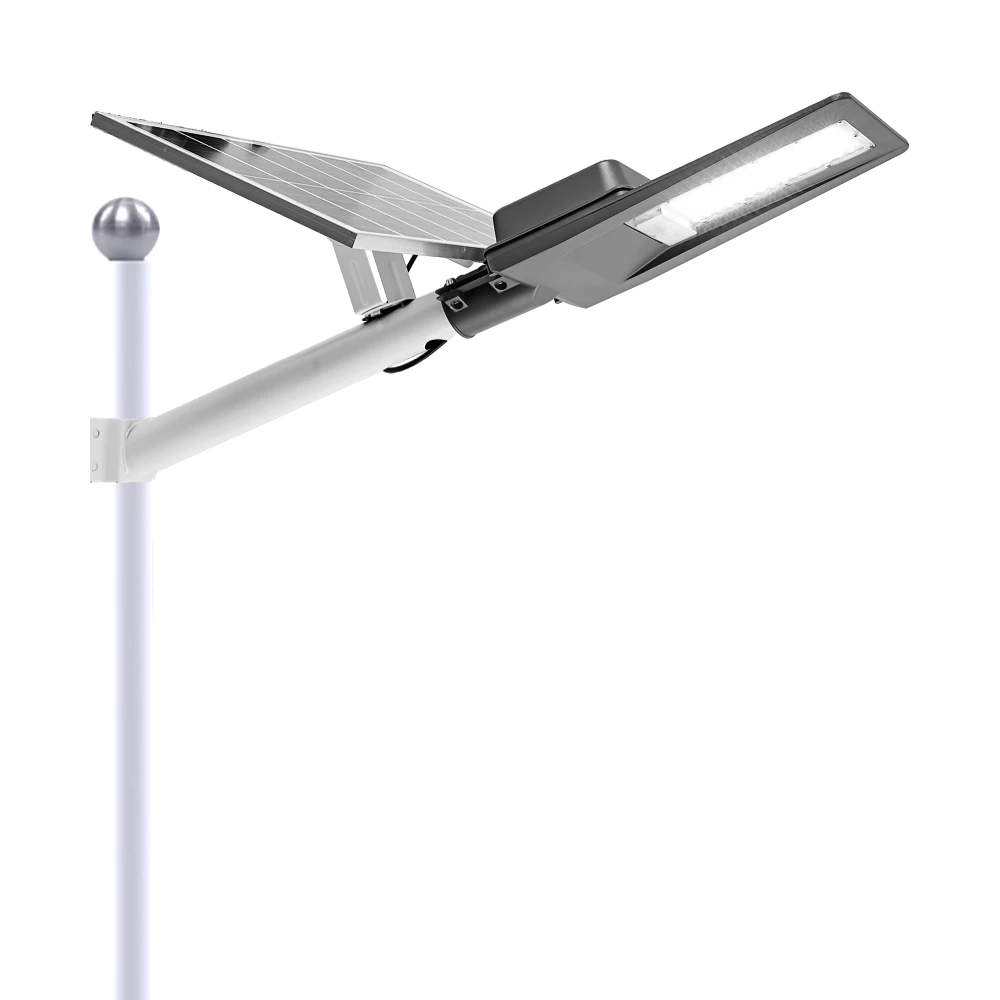
Experience reliable outdoor illumination with our smart solar street light, a perfect combination of advanced technology and eco-conscious design.
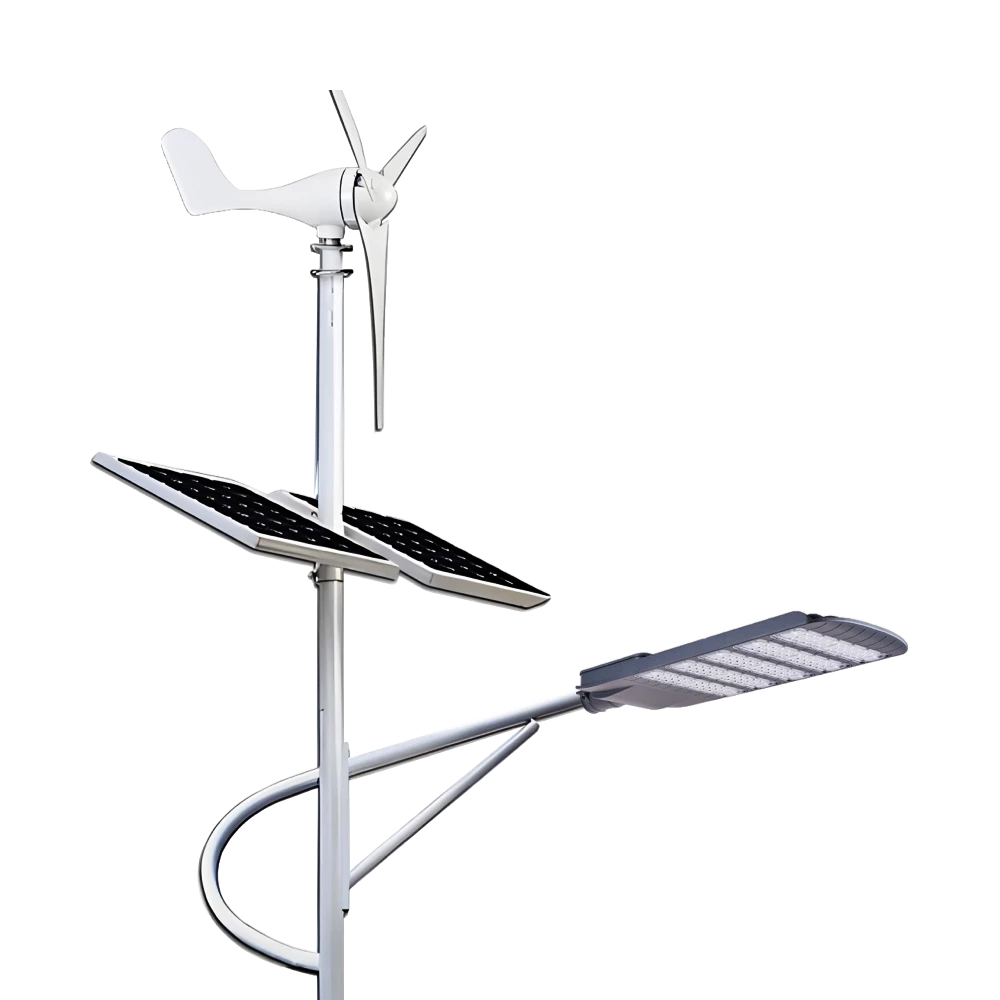
Queneng Lufeng Wind Energy LED Outdoor Solar Street Lights offer high-performance, eco-friendly illumination. These energy-efficient LED street lights harness solar power and wind energy for sustainable, cost-effective outdoor lighting solutions.
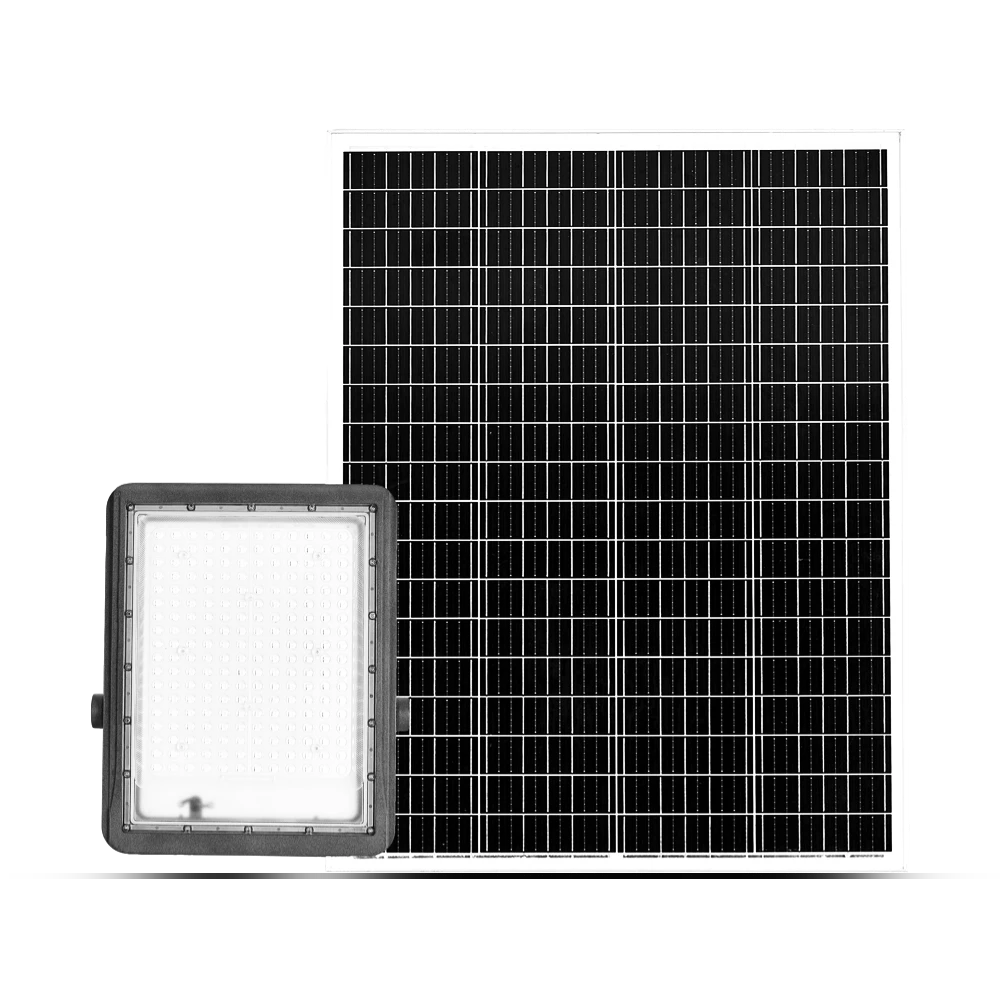
Queneng's Luxian Reliable Solar Street Light offers energy-saving LED lighting for outdoor use. This durable, solar-powered street light provides reliable illumination, reducing energy costs and environmental impact. A perfect solution for sustainable outdoor lighting.
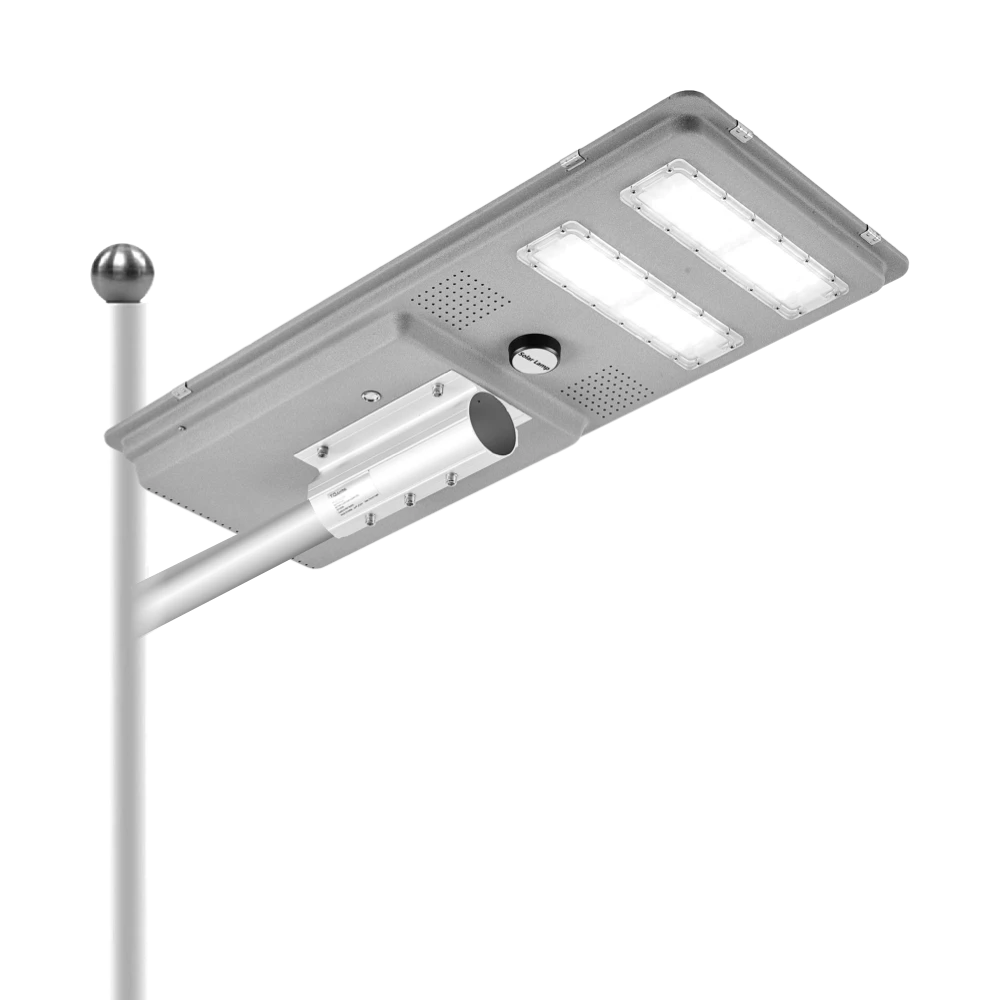
Queneng’s Solar Street Lights are designed to provide reliable, energy-efficient lighting for streets, parks, and other outdoor spaces.
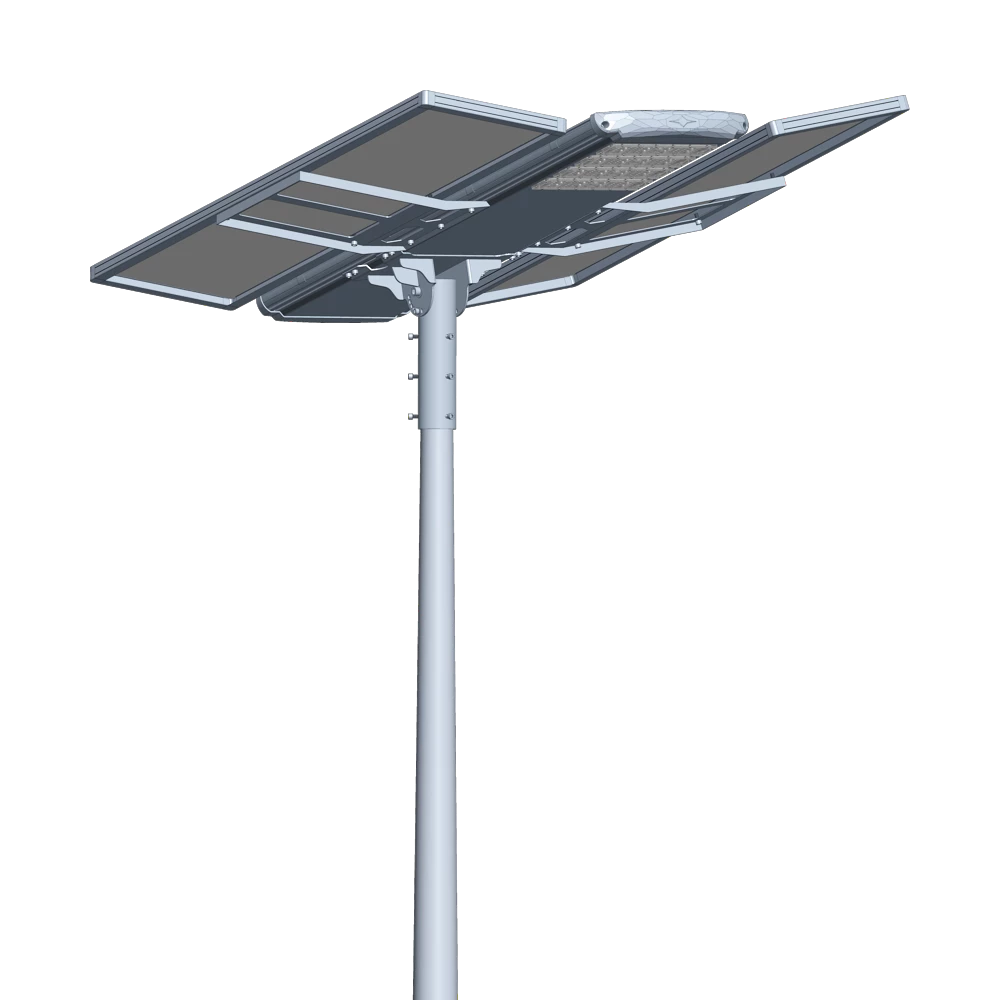
Introducing the Luqing Solar Street Light by Queneng, Efficient LED lighting powered by solar energy is perfect for illuminating outdoor areas. Harness the power of solar energy for sustainable, reliable street lighting. Ideal for eco-friendly, cost-effective outdoor illumination solutions.
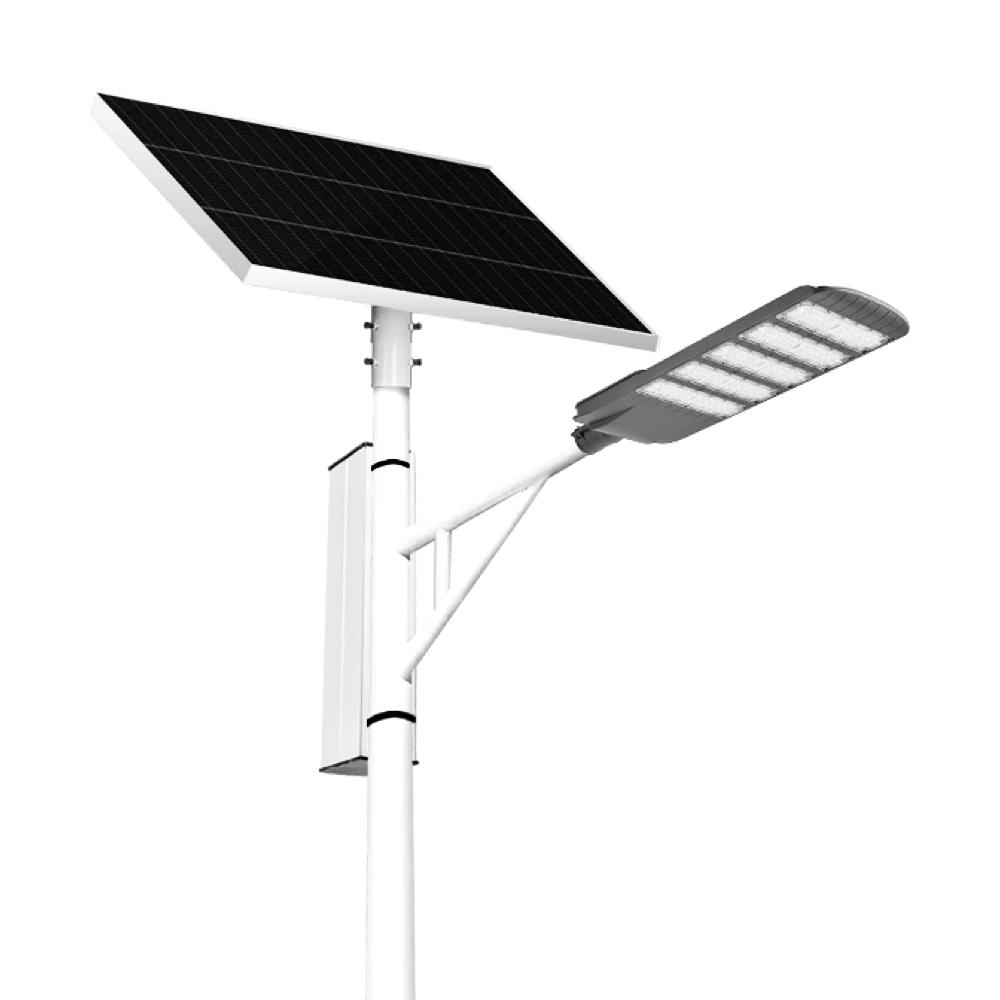
The Solar Streetlights of Luhao for Municipalities are designed to deliver reliable, energy-efficient, and cost-effective public lighting solutions. Equipped with advanced LED technology, durable lithium batteries, and high-efficiency solar panels, these streetlights provide consistent illumination for roads, parks, residential areas, and government projects.
If you would like more information about Queneng solar lighting solutions, please send us a message by filling out the form below. Our professional team will get back to you within 24 hours!
Rest assured that your privacy is important to us, and all information provided will be handled with the utmost confidentiality.
Schedule a Meeting
Book a date and time that is convenient for you and conduct the session in advance.
Have more questions about our products or services?
The messenger of light & power conversion
Environmental protection and intelligent manufacturing are our brand philosophy, and quality assurance and the best user experience are our eternal promises to users.
CONTACT
No.9F, Building F, Cao San Xin Tian Hong Logistics Park, Guzhen Town, Zhongshan City, Guangdong Province, China.
or write [email protected]
WhatsApp: +86 136 2270 1011


