













how many watts for solar street light | Queneng Guide
How Many Watts for Solar Street Light? Choosing the Right Solar Power
Determining the appropriate wattage for your solar street lights is crucial for optimal performance and longevity. This decision depends on several factors, and selecting the wrong wattage can lead to insufficient illumination or wasted energy. This article clarifies the key considerations for professionals in the solar lighting industry.
Factors Influencing Wattage Selection
Several factors impact the necessary wattage of your solar street light. These include:
* Illumination Area: Larger areas require higher wattage to provide adequate illumination. A small residential street might only need a lower-wattage solar street light, while a larger commercial area might demand considerably more.
* Desired Lumens: Lumens measure the brightness of a light source. Higher lumen output typically requires higher wattage. The required lumens depend on the application; a busy thoroughfare demands brighter lighting than a quiet residential street.
* Ambient Light: Areas with significant ambient light (e.g., city centers) may need lower-wattage solar street lights compared to those in rural areas with limited ambient light.
* Weather Conditions: Cloudy or frequently overcast conditions necessitate higher wattage to compensate for reduced solar energy collection.
Calculating Wattage Requirements
There's no one-size-fits-all answer to how many watts for a solar street light?. A proper calculation requires considering the above factors, alongside the solar panel's capacity and battery storage. Professionals often use lighting design software to model the required illumination levels and subsequently determine the necessary wattage.
Effective calculation involves determining the required lumens per square meter and then selecting a solar street light with an appropriate wattage and lumen output to meet those requirements.
Solar Panel Capacity and Battery Considerations
The solar panel's capacity directly relates to the wattage of the solar street light it can power. An insufficiently sized panel will lead to underperformance, especially on cloudy days. Similarly, the battery capacity determines how long the light operates during periods without sunlight. Ensure the battery can support the chosen wattage for the required hours of operation.
Choosing the right wattage for your solar street lights is a balancing act. Over-specifying leads to unnecessary costs, while under-specifying results in inadequate lighting. Accurate calculation and consideration of the influencing factors are critical for a successful installation.

Have more questions about our products or services?
The latest hot news you might like

Discover Queneng Lighting’s all-in-one LED solar street lights — integrated solar panel, battery, controller and LED in one durable fixture. Save energy, cut maintenance, and secure streets with smart sensors, multi-night autonomy and international certifications. Contact sales for quotes and support.

Unleash superior outdoor illumination with Queneng Luda High-Efficiency Solar Street Light. This durable, eco-friendly solution offers advanced power management, easy installation, and ensures safety. Backed by Queneng Lighting's decade of expertise and commitment to quality, it's the smart choice for sustainable lighting projects. Learn why we're a leading solar solutions provider.

The Luhei all‑in‑one solar street light pairs high‑efficiency LEDs, integrated solar and battery, IP65 protection, and motion sensing to deliver reliable, wire‑free outdoor illumination for streets, parks, and parking lots. Backed by Queneng Lighting’s certifications and support.

FAQ
Municipal and Public Infrastructure
How long do solar streetlights last?
Our solar streetlights typically last for 5-10 years with minimal maintenance.
What happens if the battery runs out of charge?
Our solar streetlights use advanced battery management systems to optimize energy usage. Even during prolonged cloudy or rainy periods, the lights can function at reduced brightness to conserve energy.
Commercial and Industrial Parks
Do solar lights work well in large parking areas?
Yes, our solar lights provide uniform illumination ideal for expansive parking areas, ensuring safety and visibility.
Distributors
What types of products do Queneng distributors offer?
Queneng offers a range of solar lighting solutions, including street lights, garden lights, floodlights, and customized lighting systems for residential, commercial, and infrastructure applications.
Solar Street Light Luqing
What kind of maintenance does the solar street light require?
Solar street lights are designed for low maintenance. The primary maintenance task is to ensure the solar panels are clean and free of debris to optimize their charging efficiency. Periodic checks of the battery and LED performance may also be necessary to ensure long-term functionality.
Public Gardens and Landscape Lighting
How much sunlight do solar lights need to function properly?
Solar lights typically require 6-8 hours of direct sunlight during the day to charge fully and provide 8-12 hours of lighting during the night. However, our high-efficiency solar panels are designed to maximize energy capture even in less-than-ideal sunlight conditions.
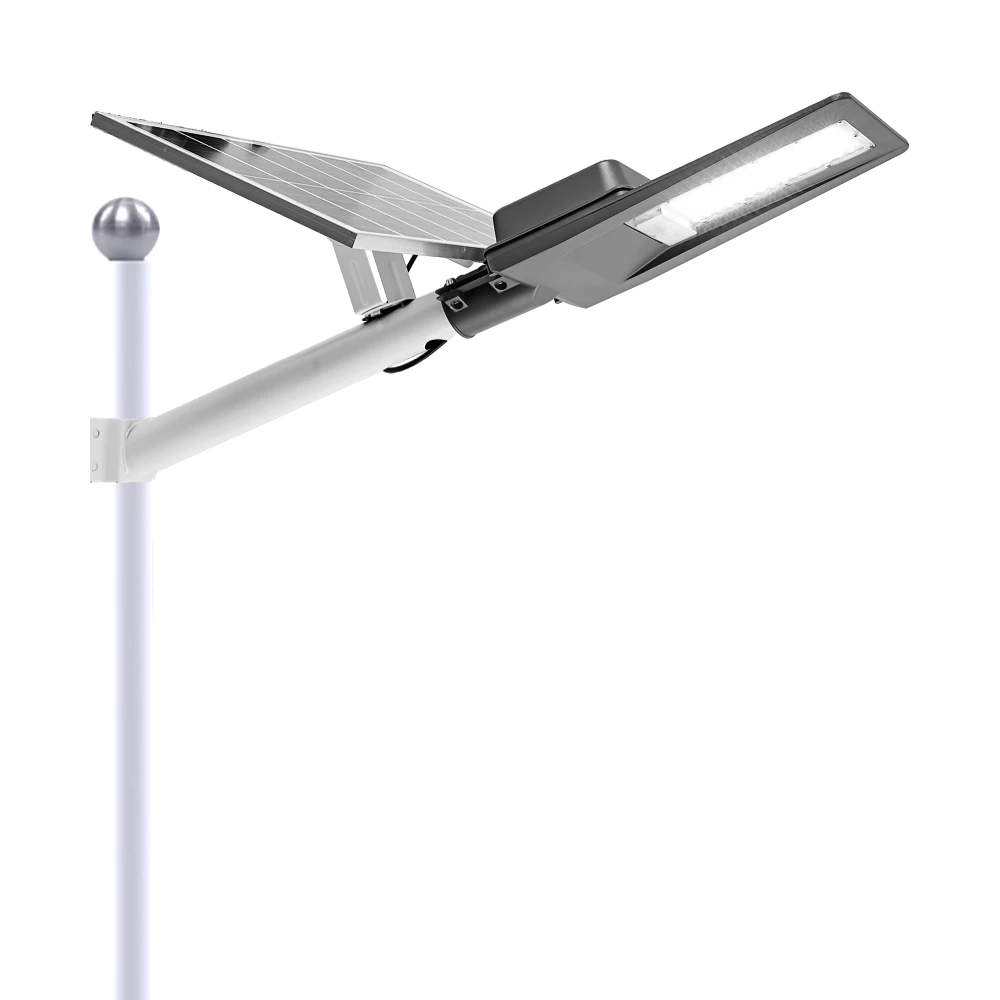
Experience reliable outdoor illumination with our smart solar street light, a perfect combination of advanced technology and eco-conscious design.
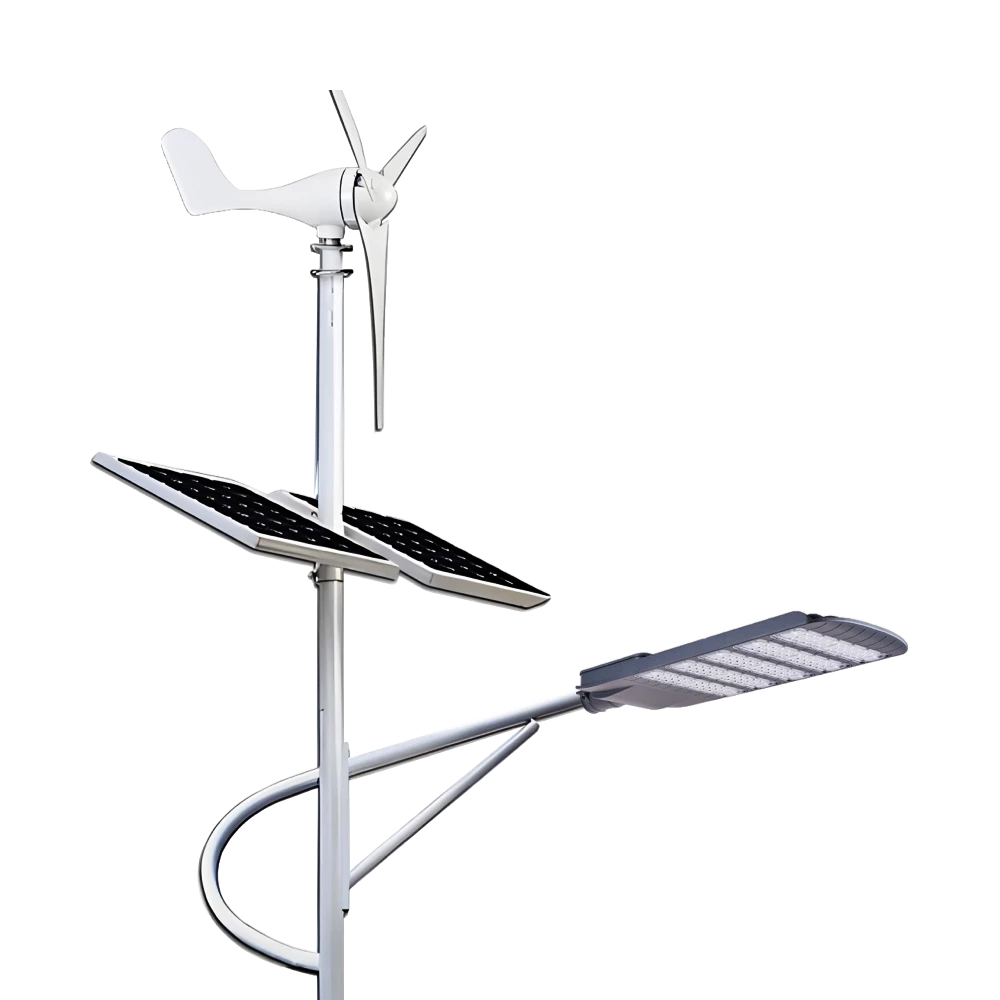
Queneng Lufeng Wind Energy LED Outdoor Solar Street Lights offer high-performance, eco-friendly illumination. These energy-efficient LED street lights harness solar power and wind energy for sustainable, cost-effective outdoor lighting solutions.
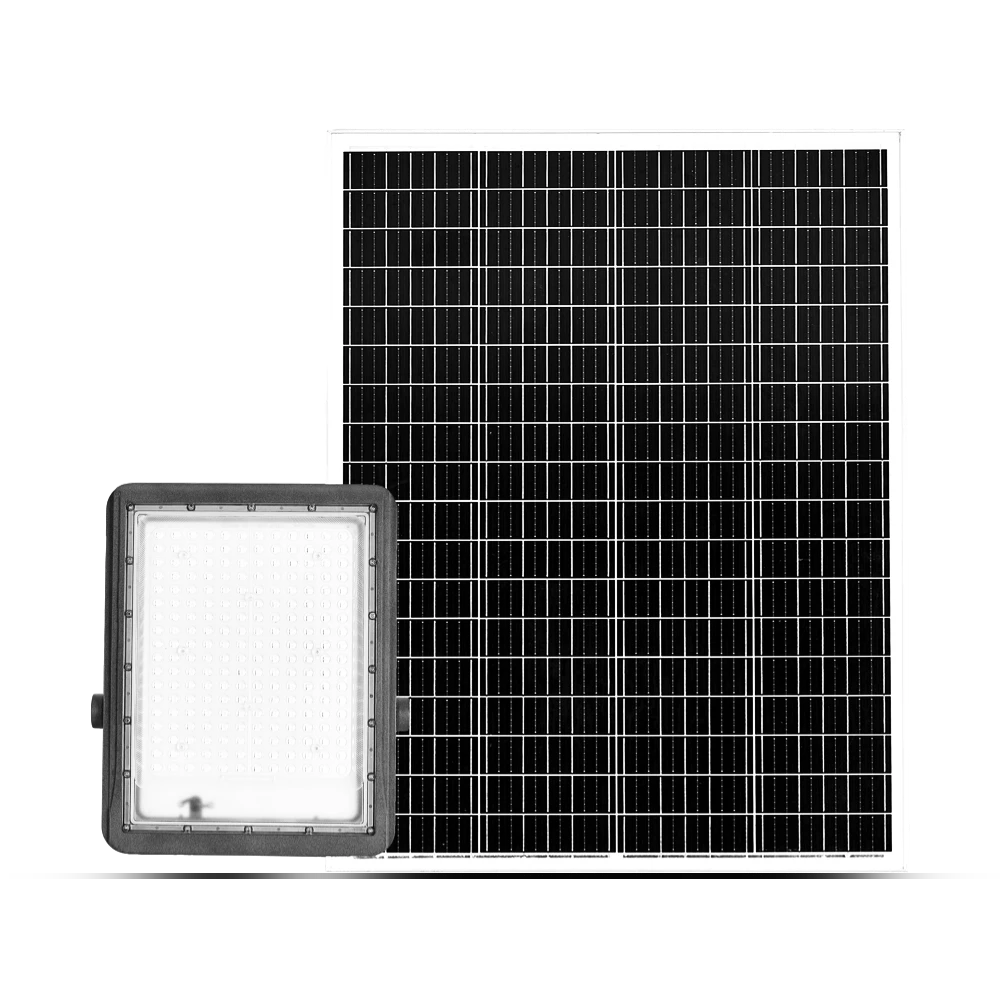
Queneng's Luxian Reliable Solar Street Light offers energy-saving LED lighting for outdoor use. This durable, solar-powered street light provides reliable illumination, reducing energy costs and environmental impact. A perfect solution for sustainable outdoor lighting.
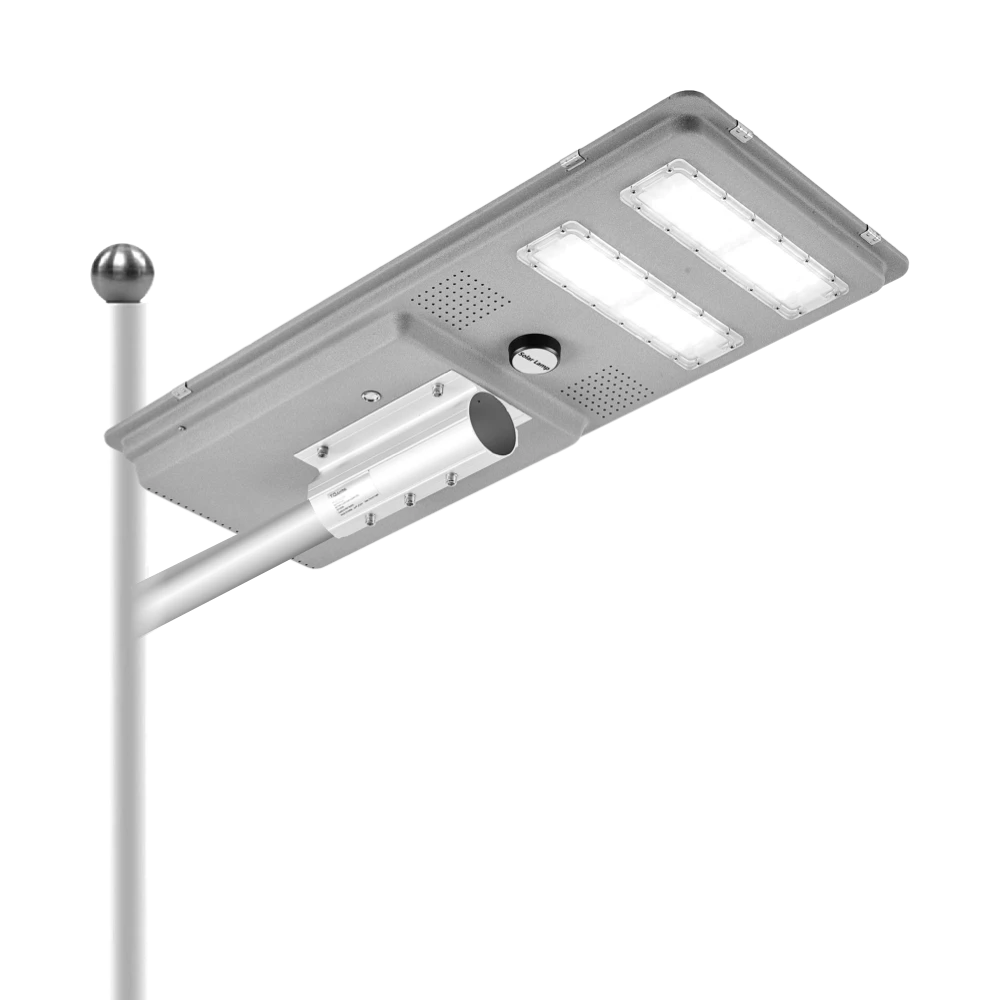
Queneng’s Solar Street Lights are designed to provide reliable, energy-efficient lighting for streets, parks, and other outdoor spaces.
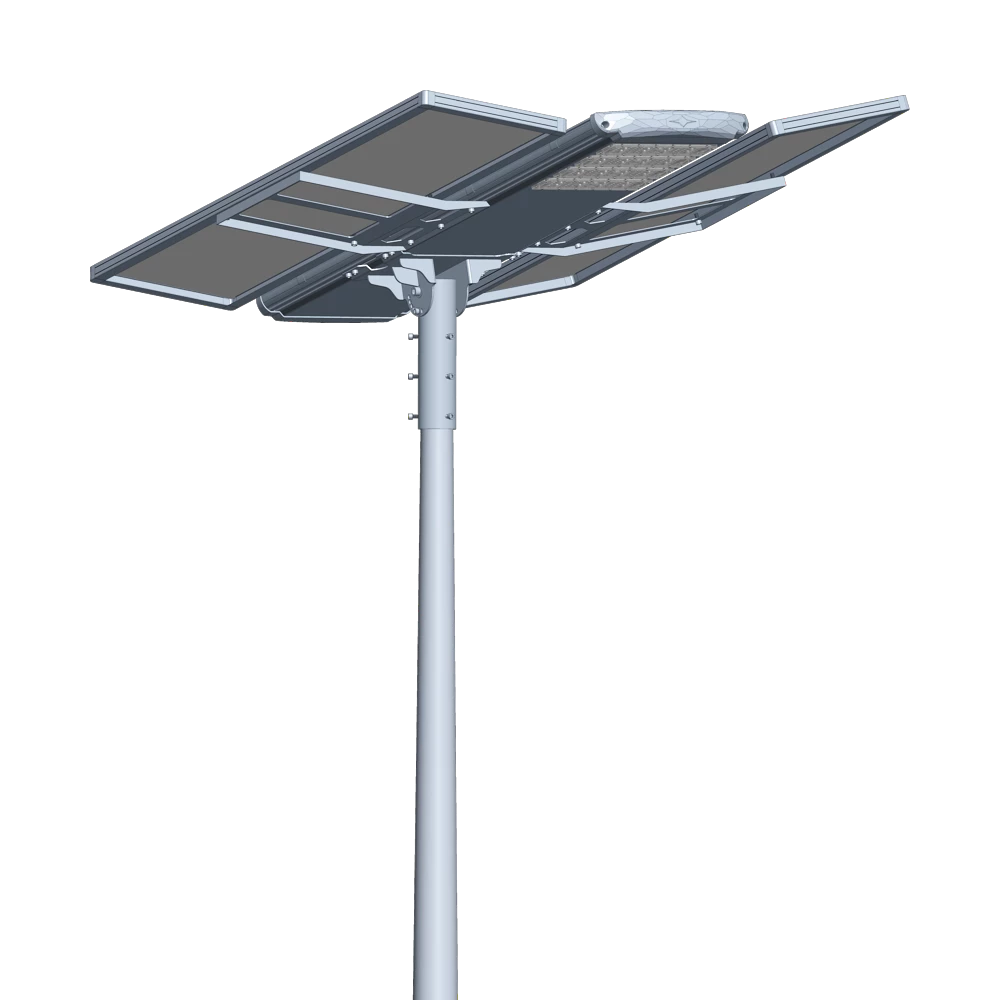
Introducing the Luqing Solar Street Light by Queneng, Efficient LED lighting powered by solar energy is perfect for illuminating outdoor areas. Harness the power of solar energy for sustainable, reliable street lighting. Ideal for eco-friendly, cost-effective outdoor illumination solutions.
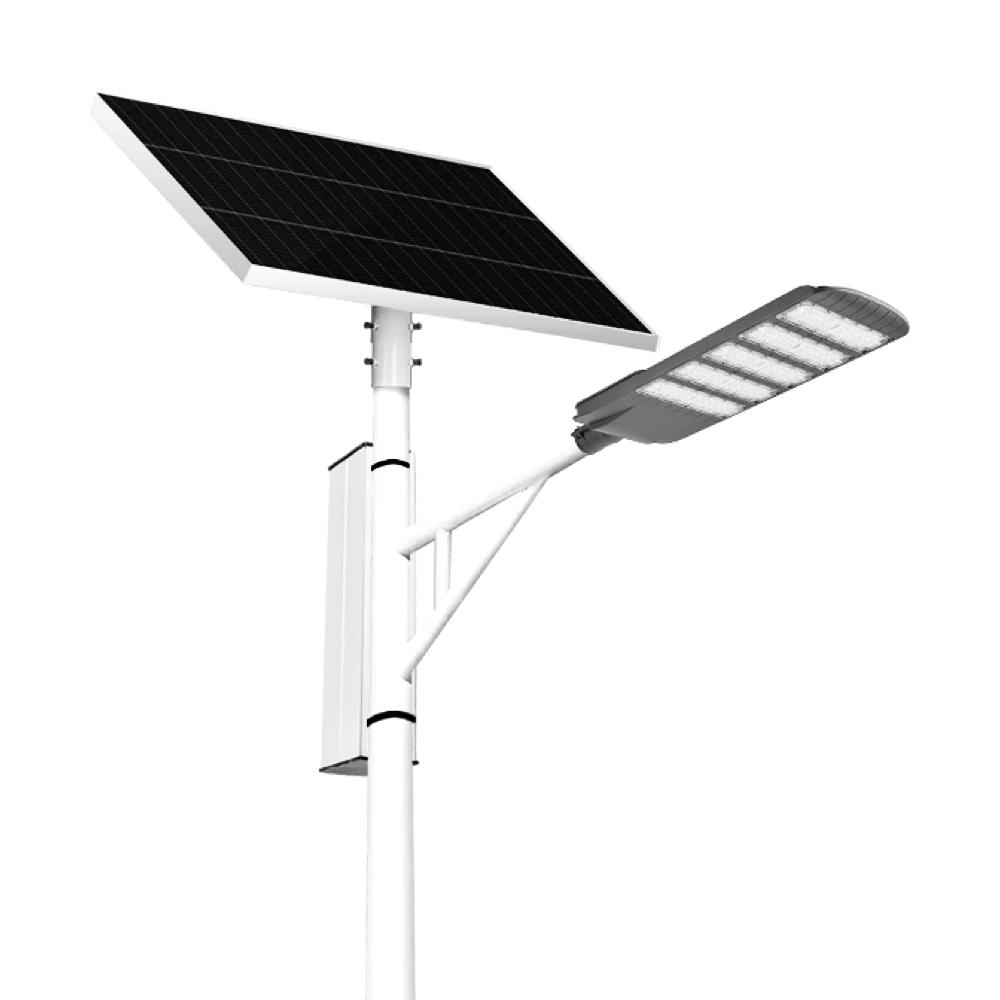
The Solar Streetlights of Luhao for Municipalities are designed to deliver reliable, energy-efficient, and cost-effective public lighting solutions. Equipped with advanced LED technology, durable lithium batteries, and high-efficiency solar panels, these streetlights provide consistent illumination for roads, parks, residential areas, and government projects.
If you would like more information about Queneng solar lighting solutions, please send us a message by filling out the form below. Our professional team will get back to you within 24 hours!
Rest assured that your privacy is important to us, and all information provided will be handled with the utmost confidentiality.
Schedule a Meeting
Book a date and time that is convenient for you and conduct the session in advance.
Have more questions about our products or services?
The messenger of light & power conversion
Environmental protection and intelligent manufacturing are our brand philosophy, and quality assurance and the best user experience are our eternal promises to users.
CONTACT
No.9F, Building F, Cao San Xin Tian Hong Logistics Park, Guzhen Town, Zhongshan City, Guangdong Province, China.
or write [email protected]
WhatsApp: +86 136 2270 1011


