














are solar street lights any good | Queneng Guide
Are Solar Street Lights Any Good? A Professional's Perspective
Are solar street lights a worthwhile investment? This article addresses common concerns and explores the efficacy and advancements in solar street lighting technology, providing insights for professionals in the field. We'll examine the benefits, limitations, and considerations for successful solar street light deployment.
The Evolution of Solar Street Lighting Technology
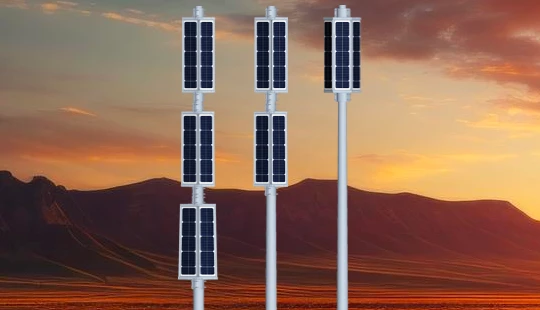
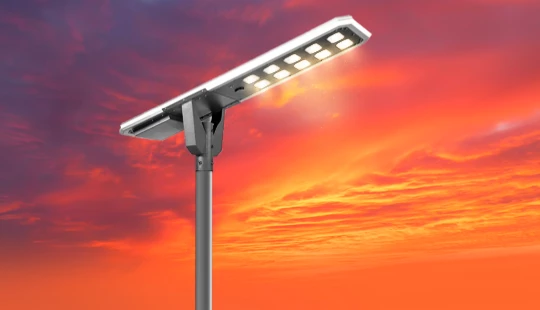
Early solar street lights suffered from reliability issues, limited lumen output, and short battery lifespans. However, significant advancements have addressed these challenges. Modern solar street lights utilize higher-efficiency solar panels, longer-lasting batteries (like lithium iron phosphate), and intelligent control systems. These improvements dramatically enhance performance and longevity, making solar street lights a viable and often superior alternative to grid-tied systems.
Advantages of Solar Street Lights
* Reduced Operational Costs: Eliminating electricity bills is a primary benefit. Maintenance costs are also typically lower due to fewer moving parts.
* Environmental Friendliness: Solar street lights significantly reduce carbon emissions compared to traditional lighting. This aligns with growing sustainability initiatives.
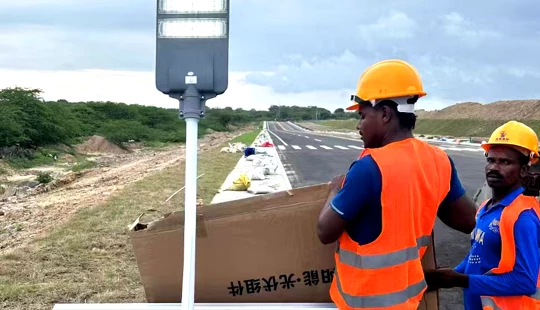
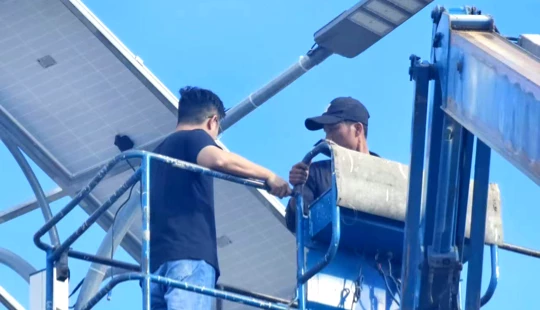
* Easy Installation: Relatively simple installation in remote or off-grid locations makes them cost-effective in various scenarios.
* Improved Safety and Security: Enhanced illumination improves visibility and deters crime, enhancing public safety.
* Remote Monitoring and Control: Smart solar street lights offer remote monitoring and control capabilities, optimizing energy usage and maintenance schedules.
Challenges and Considerations
Despite advancements, some considerations remain:
* Initial Investment: The upfront cost can be higher than traditional lighting, though long-term savings often outweigh this.
* Weather Dependency: Performance can be affected by prolonged periods of cloudy weather or snowfall. Proper system sizing and battery capacity are crucial to mitigate this.
* Light Output and Duration: While technology has improved, careful selection is needed to ensure adequate light output and duration to meet specific needs.
* Battery Management: Proper battery maintenance and replacement planning are essential for long-term operational efficiency.
Selecting the Right Solar Street Light
Careful consideration of several factors is vital for successful deployment:
* Location Specifics: Sunlight availability, ambient light levels, and desired illumination levels influence system design.
* Luminaire Selection: Choosing the right luminaire, considering factors like lumen output, light distribution, and durability, is key.
* Battery Capacity: Appropriate battery capacity must be chosen based on expected weather conditions and operational requirements.
* Control System: Integrating smart controls can optimize energy consumption and extend system lifespan.
Solar street lights represent a compelling solution for many lighting applications. By carefully considering the factors outlined above, professionals can ensure successful deployment and maximize the benefits of this environmentally friendly and cost-effective technology.

Have more questions about our products or services?
The latest hot news you might like

Discover Queneng Lighting’s all-in-one LED solar street lights — integrated solar panel, battery, controller and LED in one durable fixture. Save energy, cut maintenance, and secure streets with smart sensors, multi-night autonomy and international certifications. Contact sales for quotes and support.

Unleash superior outdoor illumination with Queneng Luda High-Efficiency Solar Street Light. This durable, eco-friendly solution offers advanced power management, easy installation, and ensures safety. Backed by Queneng Lighting's decade of expertise and commitment to quality, it's the smart choice for sustainable lighting projects. Learn why we're a leading solar solutions provider.

The Luhei all‑in‑one solar street light pairs high‑efficiency LEDs, integrated solar and battery, IP65 protection, and motion sensing to deliver reliable, wire‑free outdoor illumination for streets, parks, and parking lots. Backed by Queneng Lighting’s certifications and support.

FAQ
Industry
How long is the expected lifespan of Queneng’s solar lighting system?
Under normal maintenance, our solar lighting systems can last over 10 years. High-quality materials and advanced technology contribute to their long-lasting durability and reliability.
Battery Performance and Testing
What is an impact test?
All-in-one solar street lights
Can these lights operate in rainy seasons?
Properly designed systems can work for several cloudy or rainy days continuously.
Solar Street Light Luqing
What is the main advantage of using Luqing solar street lights over traditional street lights?
The main advantage of Luqing solar street lights is their sustainability. They use solar energy, eliminating the need for electricity from the grid, which reduces energy costs and environmental impact while providing reliable lighting.
Are solar street lights easy to install?
Yes, solar street lights are easy to install. They do not require external wiring or connections to the electrical grid. The installation process is straightforward and typically involves mounting the light pole, positioning the solar panel, and securing the battery and lighting unit.
Sustainability
Do Queneng solar street lights require a power connection?
No, our solar street lights operate independently of the power grid. They rely entirely on photovoltaic panels that charge the built-in battery, making an electrical connection unnecessary.
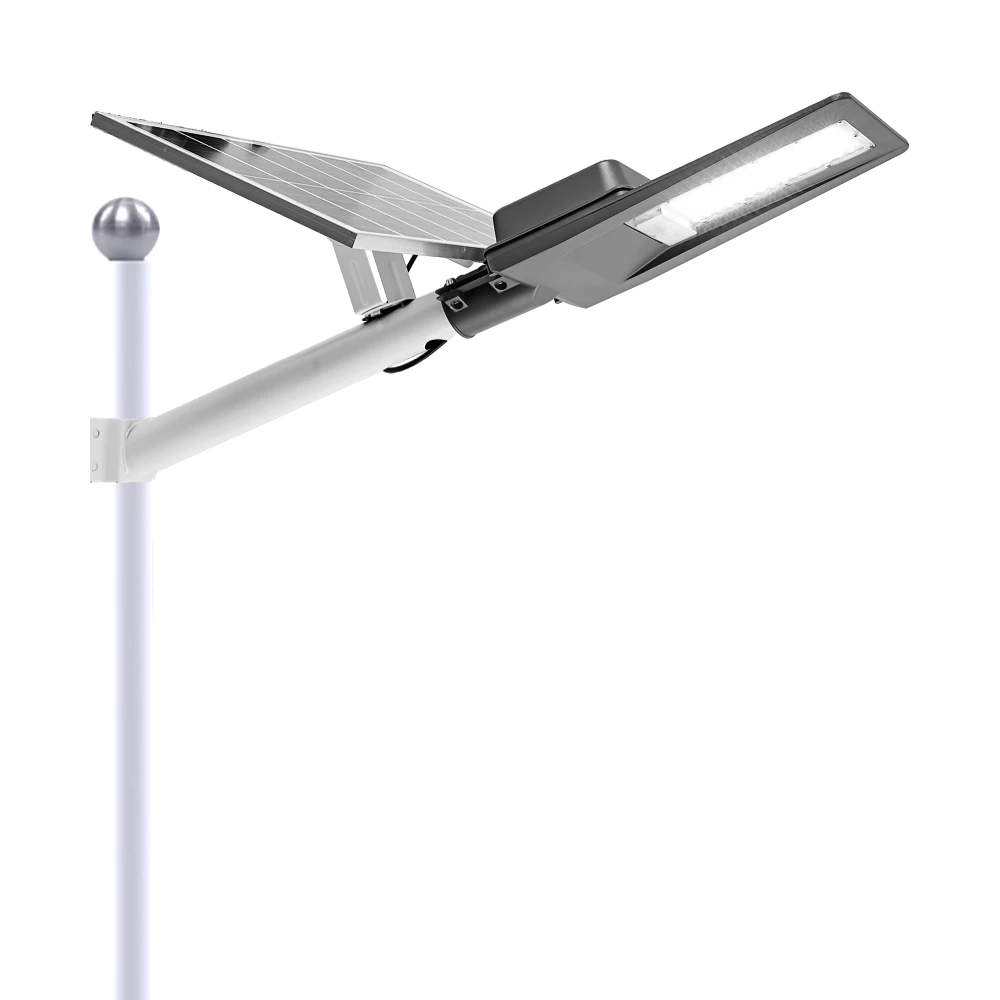
Experience reliable outdoor illumination with our smart solar street light, a perfect combination of advanced technology and eco-conscious design.
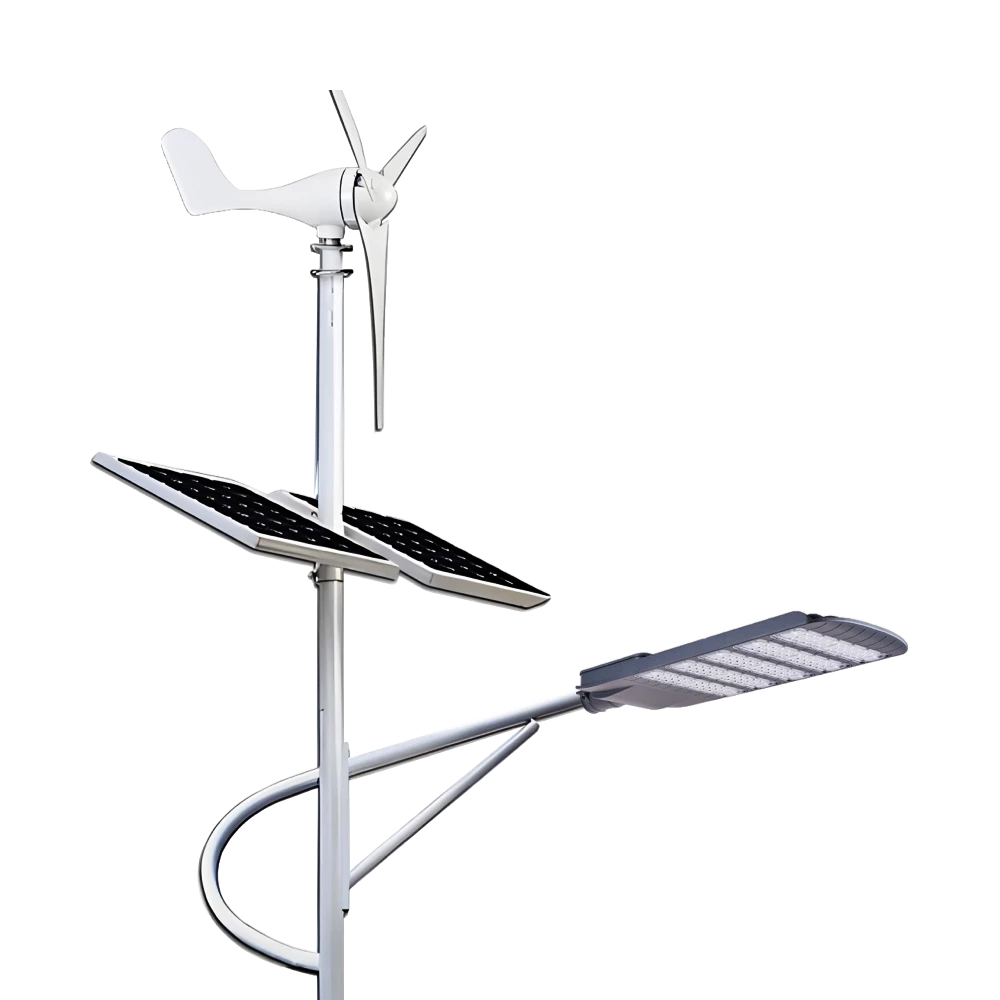
Queneng Lufeng Wind Energy LED Outdoor Solar Street Lights offer high-performance, eco-friendly illumination. These energy-efficient LED street lights harness solar power and wind energy for sustainable, cost-effective outdoor lighting solutions.
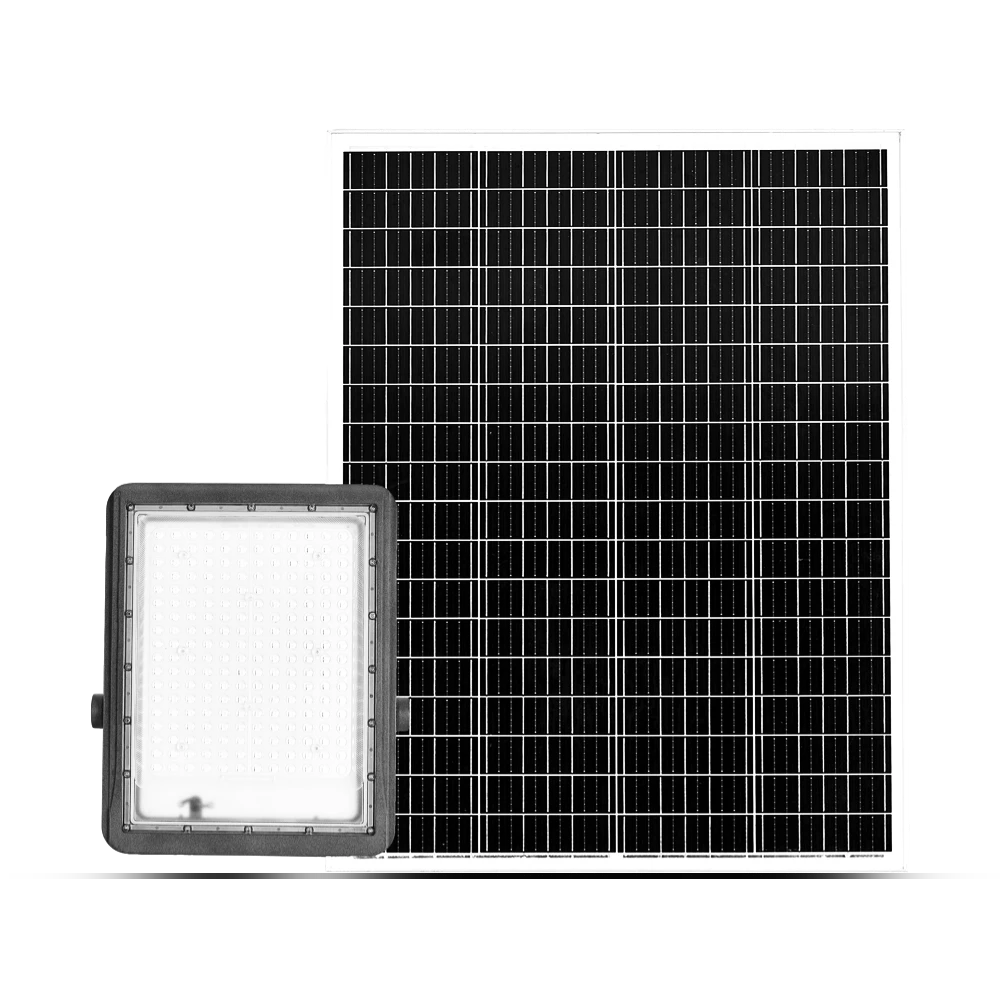
Queneng's Luxian Reliable Solar Street Light offers energy-saving LED lighting for outdoor use. This durable, solar-powered street light provides reliable illumination, reducing energy costs and environmental impact. A perfect solution for sustainable outdoor lighting.
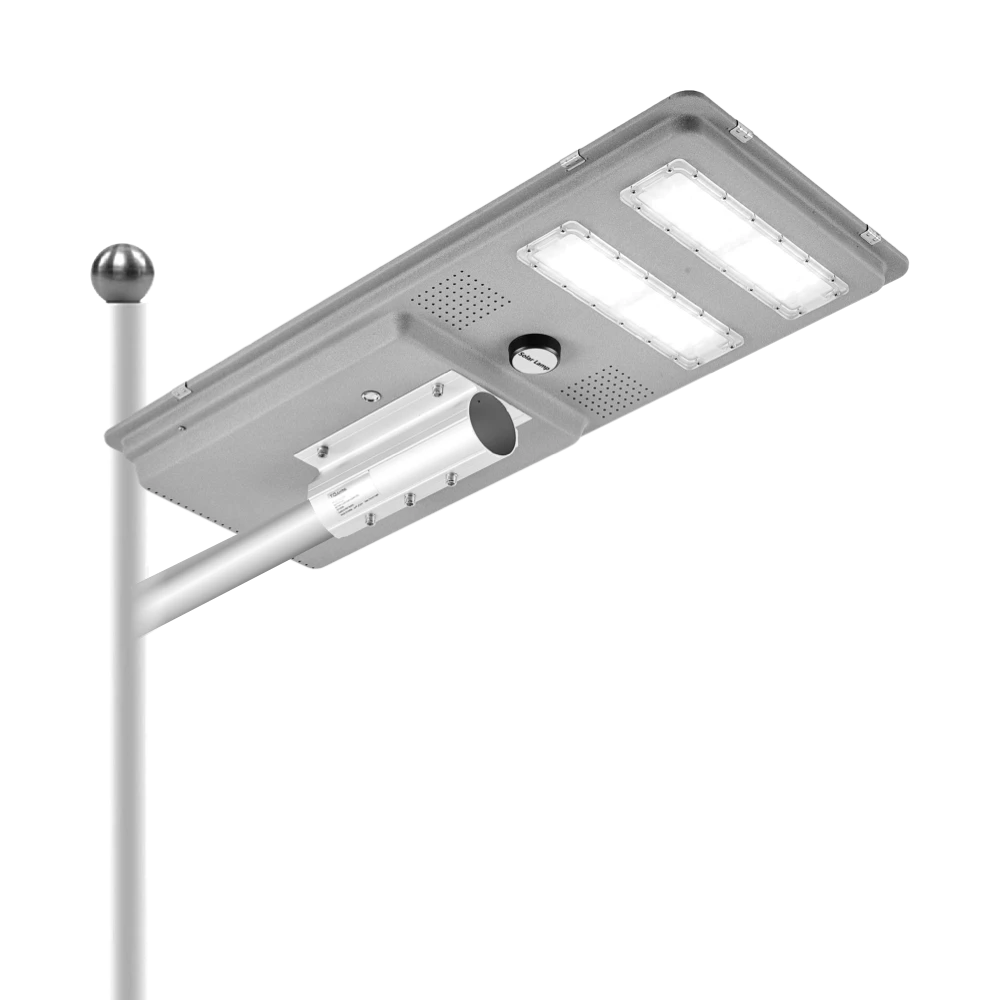
Queneng’s Solar Street Lights are designed to provide reliable, energy-efficient lighting for streets, parks, and other outdoor spaces.
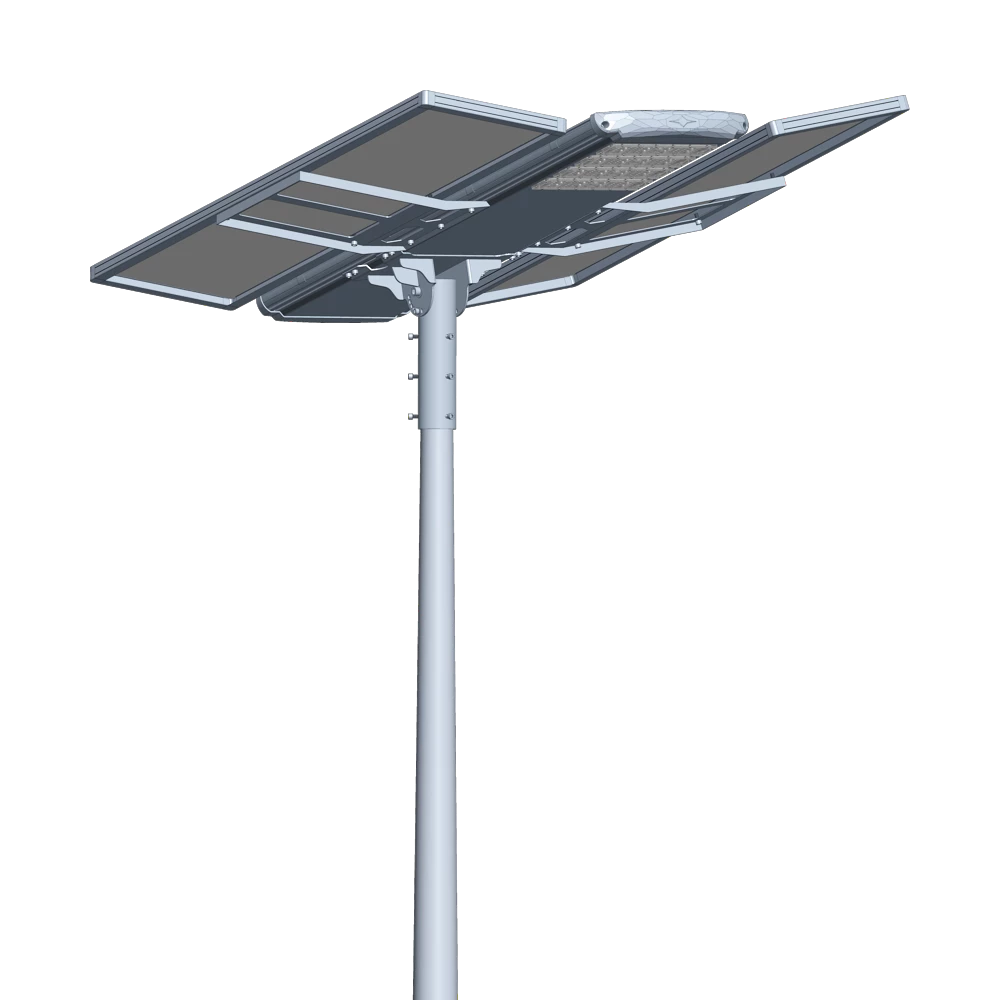
Introducing the Luqing Solar Street Light by Queneng, Efficient LED lighting powered by solar energy is perfect for illuminating outdoor areas. Harness the power of solar energy for sustainable, reliable street lighting. Ideal for eco-friendly, cost-effective outdoor illumination solutions.
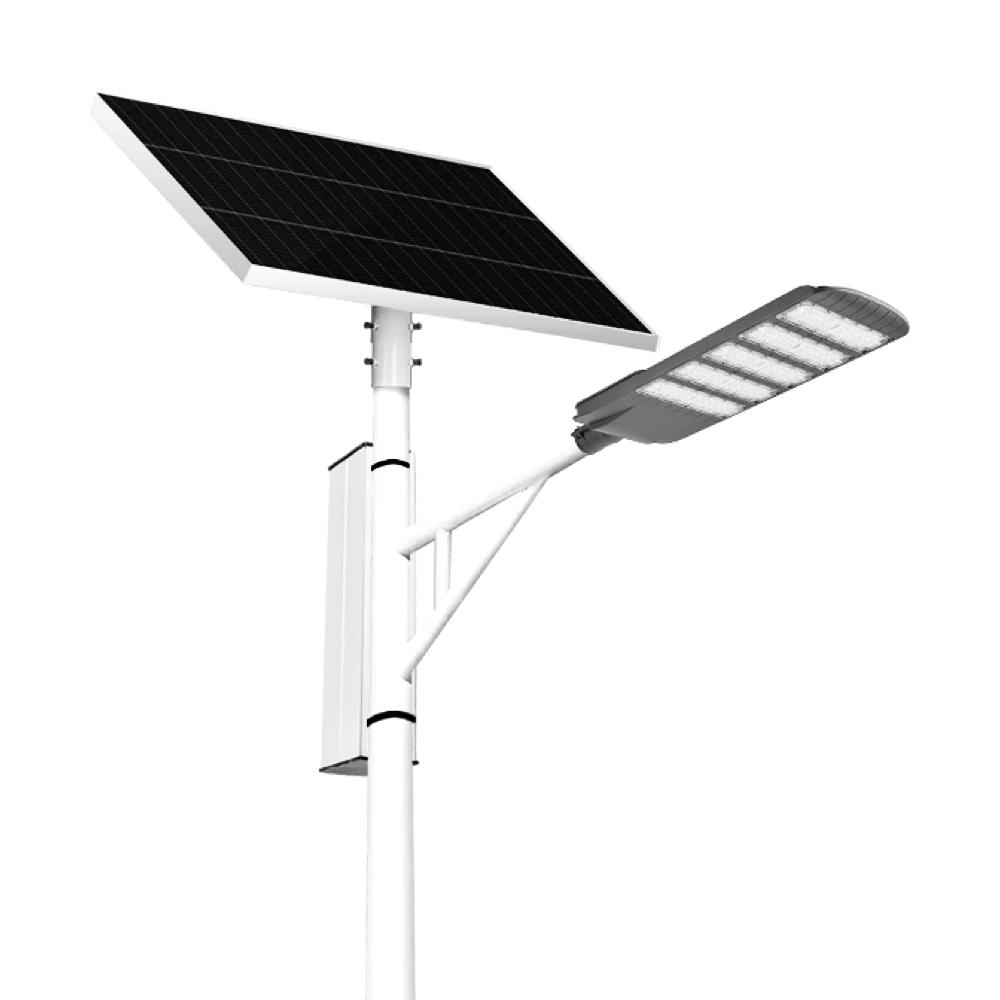
The Solar Streetlights of Luhao for Municipalities are designed to deliver reliable, energy-efficient, and cost-effective public lighting solutions. Equipped with advanced LED technology, durable lithium batteries, and high-efficiency solar panels, these streetlights provide consistent illumination for roads, parks, residential areas, and government projects.
If you would like more information about Queneng solar lighting solutions, please send us a message by filling out the form below. Our professional team will get back to you within 24 hours!
Rest assured that your privacy is important to us, and all information provided will be handled with the utmost confidentiality.
Schedule a Meeting
Book a date and time that is convenient for you and conduct the session in advance.
Have more questions about our products or services?
The messenger of light & power conversion
Environmental protection and intelligent manufacturing are our brand philosophy, and quality assurance and the best user experience are our eternal promises to users.
CONTACT
No.9F, Building F, Cao San Xin Tian Hong Logistics Park, Guzhen Town, Zhongshan City, Guangdong Province, China.
or write [email protected]
WhatsApp: +86 136 2270 1011


