














Distributor management guide for solar streetlight manufacturers | Insights by Quenenglighting
Navigating the Bright Path: A Distributor Management Guide for Solar Streetlight Manufacturers
The global solar street lighting market is experiencing significant growth, driven by increasing demand for sustainable infrastructure, energy efficiency, and off-grid solutions. Valued at USD 6.51 billion in 2022, the market is projected to expand at a compound annual growth rate (CAGR) of 16.5% from 2023 to 2030, potentially reaching over USD 17 billion by the end of the decade. For solar streetlight manufacturers, capitalizing on this expansive market requires not only superior products but also a well-structured and highly efficient distribution network. Effective distributor management is paramount to ensuring market penetration, customer satisfaction, and long-term brand success. This guide delves into key aspects of building and maintaining a thriving distributor ecosystem.
How to Strategically Select the Right Distributors for Solar Streetlight Products?
The foundation of a successful distribution strategy lies in choosing the right partners. This process should be meticulous and data-driven, extending beyond just sales potential.
- Market Reach and Penetration: Assess their existing customer base, geographical coverage, and ability to reach target segments (e.g., municipalities, construction companies, commercial developers). Do they have a strong presence in regions with high solar adoption potential?
- Financial Stability and Resources: Evaluate their financial health to ensure they can manage inventory, marketing investments, and timely payments. A strong balance sheet indicates reliability.
- Technical Capability and Expertise: Solar streetlights are technical products. Distributors must possess or be willing to acquire the necessary technical knowledge for pre-sales consultation, installation support, and basic troubleshooting. This includes understanding solar PV systems, battery technologies, and lighting controls.
- Sales and Marketing Infrastructure: Look for a dedicated sales team, existing marketing channels, and a willingness to invest in promoting your products. Their sales methodology should align with Quenenglighting's approach.
- Reputation and Customer Service: A distributor's reputation directly impacts Quenenglighting. Choose partners known for integrity, reliability, and excellent customer service. Check references from their previous suppliers and customers.
- Alignment with Company Values: Ensure their business philosophy, ethical standards, and long-term vision align with yours. This fosters a more cohesive and productive partnership.
What are the Essential Training and Technical Support Programs Manufacturers Should Provide to Their Distributors?
Equipping distributors with knowledge and tools is critical for their success and, by extension, yours. A lack of technical expertise is a common challenge in the solar sector.
- Comprehensive Product Training: Detailed sessions covering product features, benefits, specifications, installation procedures, and maintenance requirements for all your solar streetlight models.
- Sales and Application Training: Guide them on identifying customer needs, presenting solutions, competitive differentiation, and overcoming common objections. Include case studies and success stories.
- Technical Installation & Troubleshooting Workshops: Hands-on training on proper installation techniques, system commissioning, fault diagnosis, and basic repair. This can significantly reduce post-sales support calls.
- Updates on Industry Standards & Technologies: Regular updates on evolving solar technology, relevant certifications (e.g., CE, RoHS, ISO), and market trends (e.g., smart city integration, IoT-enabled streetlights).
- Dedicated Technical Support Channel: Establish a clear and responsive channel (e.g., hotline, online portal, email support) for distributors to quickly resolve complex technical queries or issues.
- Marketing and Brand Guideline Training: Ensure distributors understand and adhere to Quenenglighting identity, messaging, and marketing guidelines when promoting your products.
How Can Manufacturers Effectively Manage Distributor Performance and Set Realistic KPIs?
Regular performance monitoring and clear key performance indicators (KPIs) are vital for accountability and growth. This allows for proactive intervention and strategic adjustments.
- Sales Volume and Growth: Track quarterly/annual sales against agreed targets. Monitor growth trends to identify opportunities or declines.
- Market Share: Assess their penetration within their defined territory against competitors.
- Customer Satisfaction (CSAT): Implement surveys or feedback mechanisms to gauge end-user satisfaction with the product and the distributor's service.
- Technical Support Response Time: Measure how quickly distributors respond to and resolve customer technical issues.
- Inventory Turnover: Monitor their inventory levels to prevent overstocking or stockouts, ensuring efficient supply chain management.
- Marketing Activities and Lead Generation: Track the quantity and quality of leads generated through their marketing efforts and specific campaigns.
- Training Compliance: Ensure distributors' staff participate in and complete required training programs.
- Regular Review Meetings: Schedule quarterly or bi-annual performance reviews to discuss progress, challenges, and future strategies. Use data to drive discussions.
What Marketing and Sales Support Should Manufacturers Offer to Empower Their Distribution Network?
Providing robust marketing and sales tools can significantly amplify your distributors' efforts and accelerate market adoption.
- Comprehensive Marketing Collateral: Provide high-quality brochures, data sheets, product catalogs, technical specifications, high-resolution images, and videos.
- Co-Marketing Programs and Funds: Offer financial support or shared resources for joint marketing campaigns, trade shows, or local advertising initiatives.
- Lead Generation and Sharing: Develop a system for generating leads (e.g., through your website, industry events) and sharing qualified leads with appropriate distributors.
- Case Studies and Testimonials: Equip them with compelling examples of successful installations and satisfied customers to build credibility.
- Competitive Analysis: Provide insights into competitors' products, pricing, and strategies to help distributors position your offerings effectively.
- Sales Tools and Presentations: Ready-to-use sales presentations, configuration tools, and pricing calculators to streamline their sales process.
- Online Distributor Portal: A centralized online platform for accessing all resources – training materials, pricing, order status, marketing assets, and technical support documentation.
How to Address Common Challenges Like Channel Conflict, Pricing, and After-Sales Service in Distributor Relationships?
Proactive management of potential friction points is crucial for long-term partnership health.
- Channel Conflict: Clearly define territories (exclusive vs. non-exclusive), customer segments, and rules of engagement in the distributor agreement. Implement a robust CRM system to track leads and opportunities, ensuring fair allocation and preventing direct sales by the manufacturer in a distributor's assigned area.
- Pricing Strategy: Establish a transparent pricing structure with clear guidelines, minimum advertised price (MAP) policies, volume discounts, and special project pricing. Consider regional pricing adjustments based on market dynamics and competition. Regular communication about pricing updates is essential.
- After-Sales Service: Define clear Service Level Agreements (SLAs) with distributors regarding response times, repair processes, and spare parts availability. Provide comprehensive training on diagnostics and troubleshooting. Manufacturers should support complex repairs and warranty claims, ensuring a smooth customer experience. Centralized technical support from the manufacturer can act as a crucial backup.
What Role Does Technology Play in Enhancing Distributor Management?
Leveraging technology is no longer an option but a necessity for efficient and scalable distributor management in the modern solar industry.
- Customer Relationship Management (CRM) Systems: Essential for tracking leads, sales opportunities, customer interactions, and support tickets across the distribution network. This provides a unified view of the sales pipeline and customer service history.
- Enterprise Resource Planning (ERP) Systems: Integrates supply chain, inventory management, order processing, and financials, enabling distributors to access real-time stock levels and place orders efficiently.
- Distributor Portals: A dedicated online platform serving as a single source for product information, training modules, marketing collateral, pricing updates, order tracking, and support requests. This empowers distributors with self-service capabilities.
- IoT and Smart City Platforms: For manufacturers offering smart solar streetlights, integrating these platforms can provide distributors with tools for remote monitoring, diagnostics, predictive maintenance, and operational insights, adding significant value to their service offerings. This is increasingly important as the smart lighting market segment grows.
- Learning Management Systems (LMS): For scalable and consistent delivery of training programs, allowing distributors to access modules on demand and track their progress.
What Are the Key Contractual Elements for a Robust Distributor Agreement?
A well-drafted legal agreement is the backbone of any strong manufacturer-distributor relationship, setting clear expectations and mitigating risks.
- Term and Territory: Clearly define the duration of the agreement and the exclusive or non-exclusive geographical area where the distributor can operate.
- Products and Pricing: List the specific products covered by the agreement and the pricing structure, including discounts, payment terms, and price revision clauses.
- Performance Targets: Outline specific sales quotas, market share objectives, or other KPIs that the distributor is expected to meet. Include provisions for non-performance.
- Marketing and Sales Obligations: Detail the distributor’s responsibilities regarding marketing, advertising, sales activities, and brand representation.
- Technical Support and After-Sales Service: Specify the level of technical support the distributor must provide and their role in warranty claims, repairs, and spare parts management.
- Intellectual Property (IP) and Confidentiality: Protect your patents, trademarks, and proprietary information. Include non-disclosure clauses.
- Termination Clauses: Clearly define conditions under which either party can terminate the agreement, including notice periods and procedures for handling outstanding orders or inventory.
- Governing Law and Dispute Resolution: Specify the jurisdiction for legal disputes and the preferred method of dispute resolution (e.g., arbitration, mediation).
Quenenglighting: Your Partner for Sustainable Solar Lighting Solutions
At Quenenglighting, we understand the critical role of a strong distribution network in the rapidly evolving solar lighting industry. As a leading manufacturer of high-quality, innovative solar streetlights, we are committed to empowering our partners for success. Our advantages include:
- Superior Product Quality & Innovation: We offer a comprehensive range of advanced solar streetlights, incorporating high-efficiency solar panels, long-life LiFePO4 batteries, intelligent MPPT controllers, and durable designs. Our commitment to R&D ensures cutting-edge features like IoT connectivity and smart lighting management.
- Comprehensive Technical & Sales Support: Quenenglighting provides extensive product training, hands-on installation workshops, and dedicated technical support, ensuring our distributors are fully equipped to serve their markets. We also offer robust marketing collateral and co-marketing opportunities.
- Reliability & Certifications: Our products adhere to stringent international standards (e.g., CE, RoHS, ISO9001, IP66), guaranteeing reliability and compliance. We stand by our products with strong warranties and efficient after-sales service.
- Market-Driven Solutions: We listen to market feedback and continuously adapt our offerings to meet diverse regional demands, from urban infrastructure to remote off-grid applications.
Partner with Quenenglighting to illuminate the future, backed by quality, innovation, and unparalleled support.
Data Citation Sources:
- Grand View Research, Solar Street Lighting Market Size, Share & Trends Analysis Report By Type, By Component, By End-use, By Region, And Segment Forecasts, 2023 - 2030.

Have more questions about our products or services?
The latest hot news you might like

Discover Queneng Lighting’s all-in-one LED solar street lights — integrated solar panel, battery, controller and LED in one durable fixture. Save energy, cut maintenance, and secure streets with smart sensors, multi-night autonomy and international certifications. Contact sales for quotes and support.

Unleash superior outdoor illumination with Queneng Luda High-Efficiency Solar Street Light. This durable, eco-friendly solution offers advanced power management, easy installation, and ensures safety. Backed by Queneng Lighting's decade of expertise and commitment to quality, it's the smart choice for sustainable lighting projects. Learn why we're a leading solar solutions provider.

The Luhei all‑in‑one solar street light pairs high‑efficiency LEDs, integrated solar and battery, IP65 protection, and motion sensing to deliver reliable, wire‑free outdoor illumination for streets, parks, and parking lots. Backed by Queneng Lighting’s certifications and support.

FAQ
Sustainability
What factors should be considered when choosing an installation location?
Solar street lights should be installed in areas with abundant sunlight and minimal obstructions to ensure the photovoltaic panels receive maximum sunlight. Avoid locations close to trees or tall buildings that could cast shadows on the panels.
What is the warranty period for Queneng solar street lights?
We offer a 3–5-year warranty on all solar street lights, depending on the model and project requirements. During the warranty period, any issues arising from quality defects will be repaired or replaced at no cost.
Transportation and Highways
Can the lights operate continuously in rainy or cloudy conditions?
Yes, the battery is designed to store enough energy to last for several days without sunlight.
Solar Street Light Lufei
What is the warranty on the solar street light?
Queneng offers a warranty of 2-5 years on our solar street lights, covering defects in material and workmanship. The warranty duration may vary based on the model and product components.
Public Gardens and Landscape Lighting
Are there any warranty options for solar lights?
Yes, we offer a standard 2-year warranty for all our solar lighting products. The warranty covers manufacturing defects and performance issues under normal usage. For any issues outside the warranty period, we provide repair and replacement services.
Battery Performance and Testing
What is a temperature cycling experiment?
1) The battery is changed from normal temperature to 66±3℃ and 15±5% for 1 hour.
2) Place it for 1 hour at a temperature of 33±3℃ and a humidity of 90±5℃.
3) Change the condition to -40±3℃ and leave it for 1 hour
4) Leave the battery at 25℃ for 0.5 hours
These 4 steps complete a cycle. After these 27 cycle experiments, the battery should have no leakage, alkali creep, rust or other abnormal conditions.
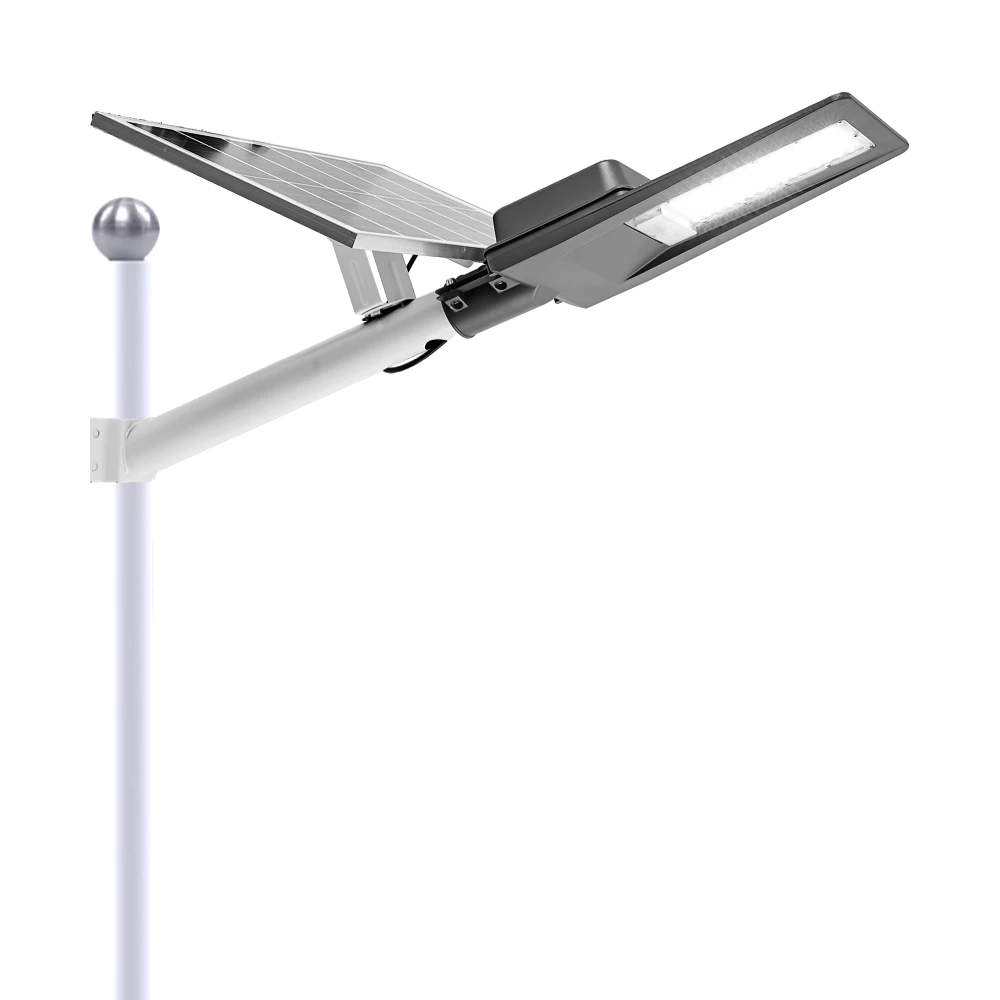
Experience reliable outdoor illumination with our smart solar street light, a perfect combination of advanced technology and eco-conscious design.
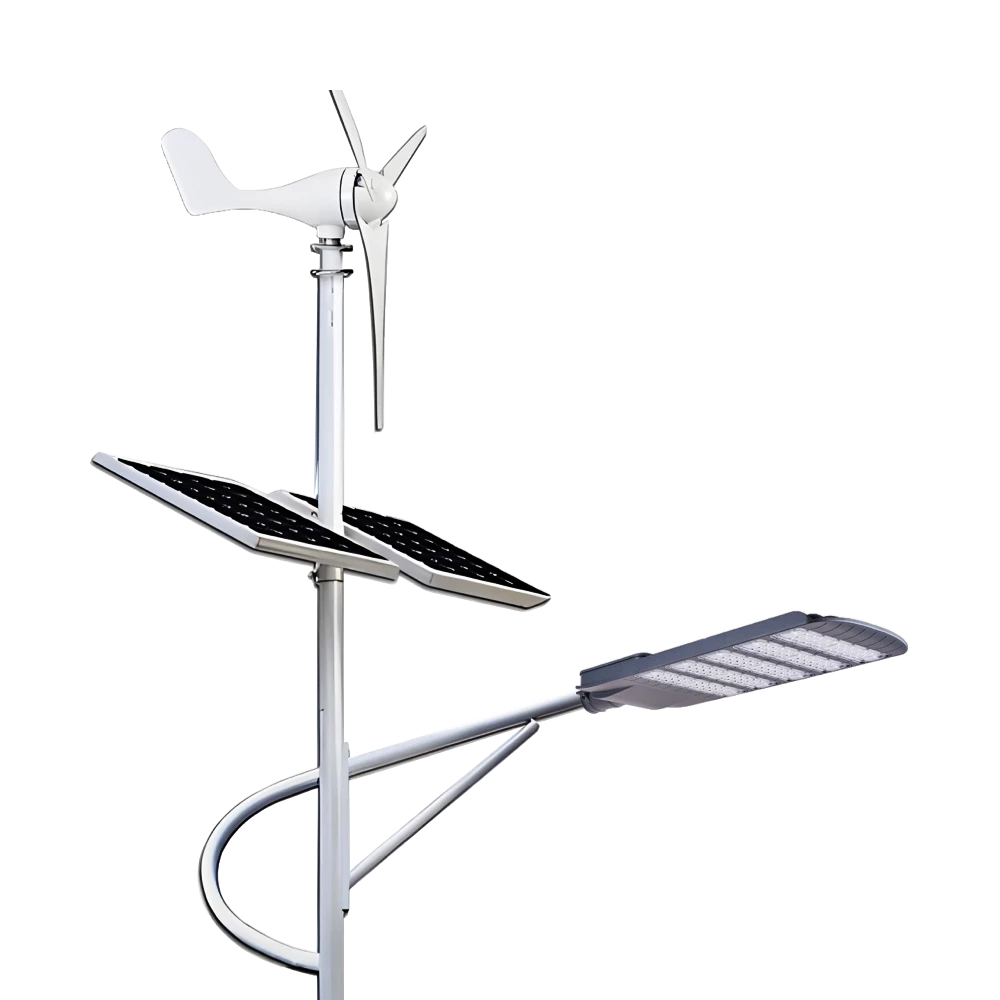
Queneng Lufeng Wind Energy LED Outdoor Solar Street Lights offer high-performance, eco-friendly illumination. These energy-efficient LED street lights harness solar power and wind energy for sustainable, cost-effective outdoor lighting solutions.
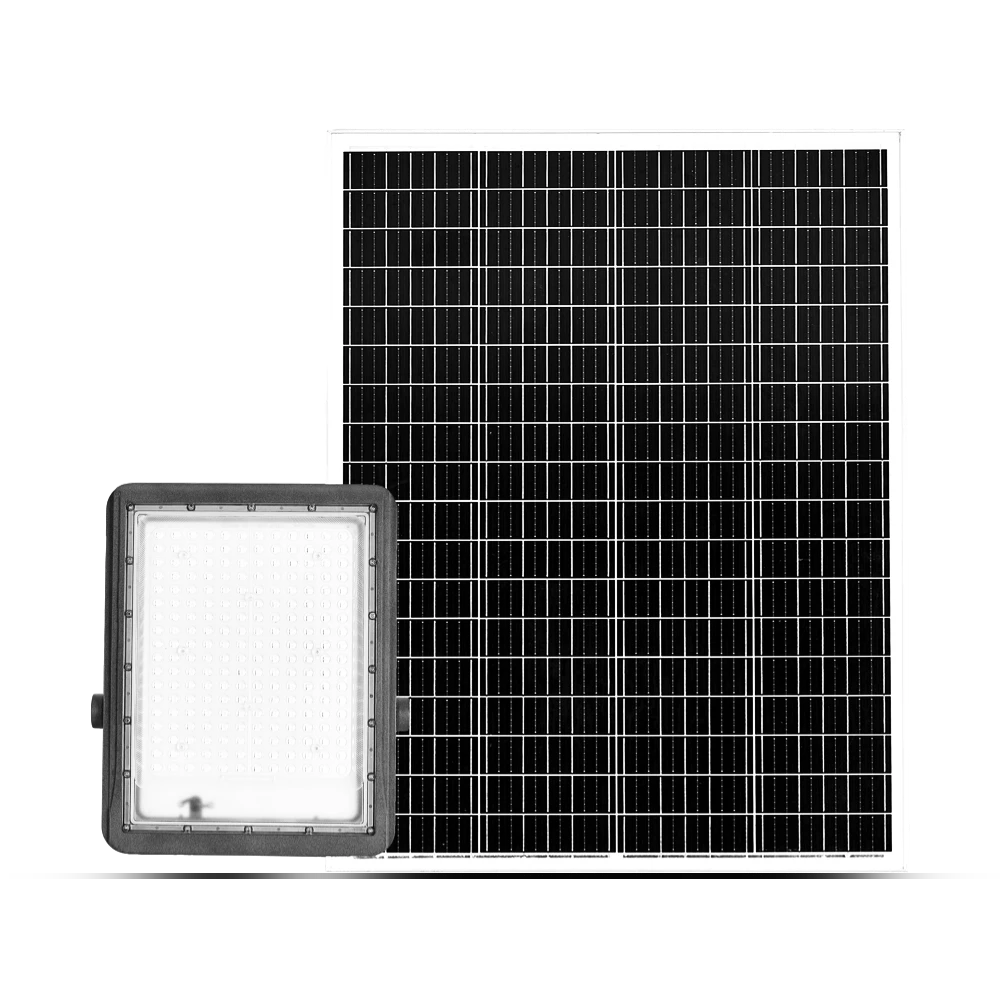
Queneng's Luxian Reliable Solar Street Light offers energy-saving LED lighting for outdoor use. This durable, solar-powered street light provides reliable illumination, reducing energy costs and environmental impact. A perfect solution for sustainable outdoor lighting.
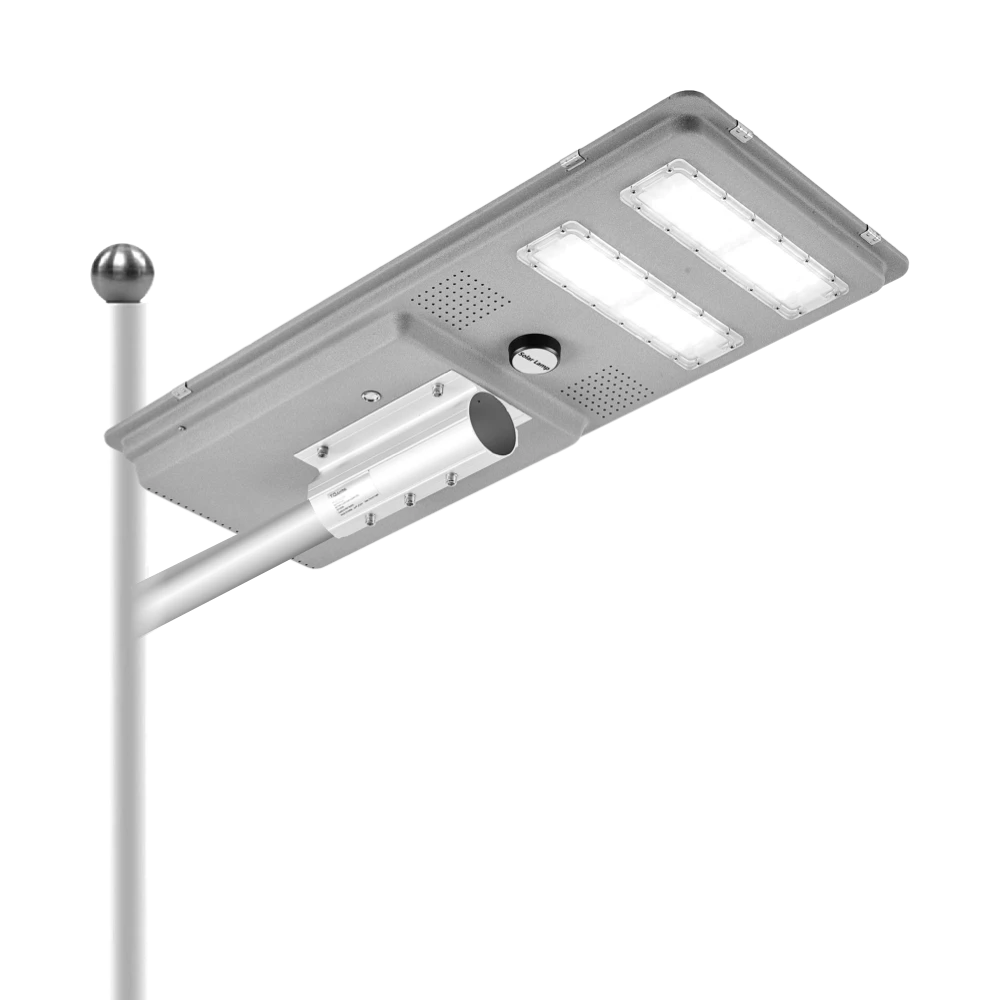
Queneng’s Solar Street Lights are designed to provide reliable, energy-efficient lighting for streets, parks, and other outdoor spaces.
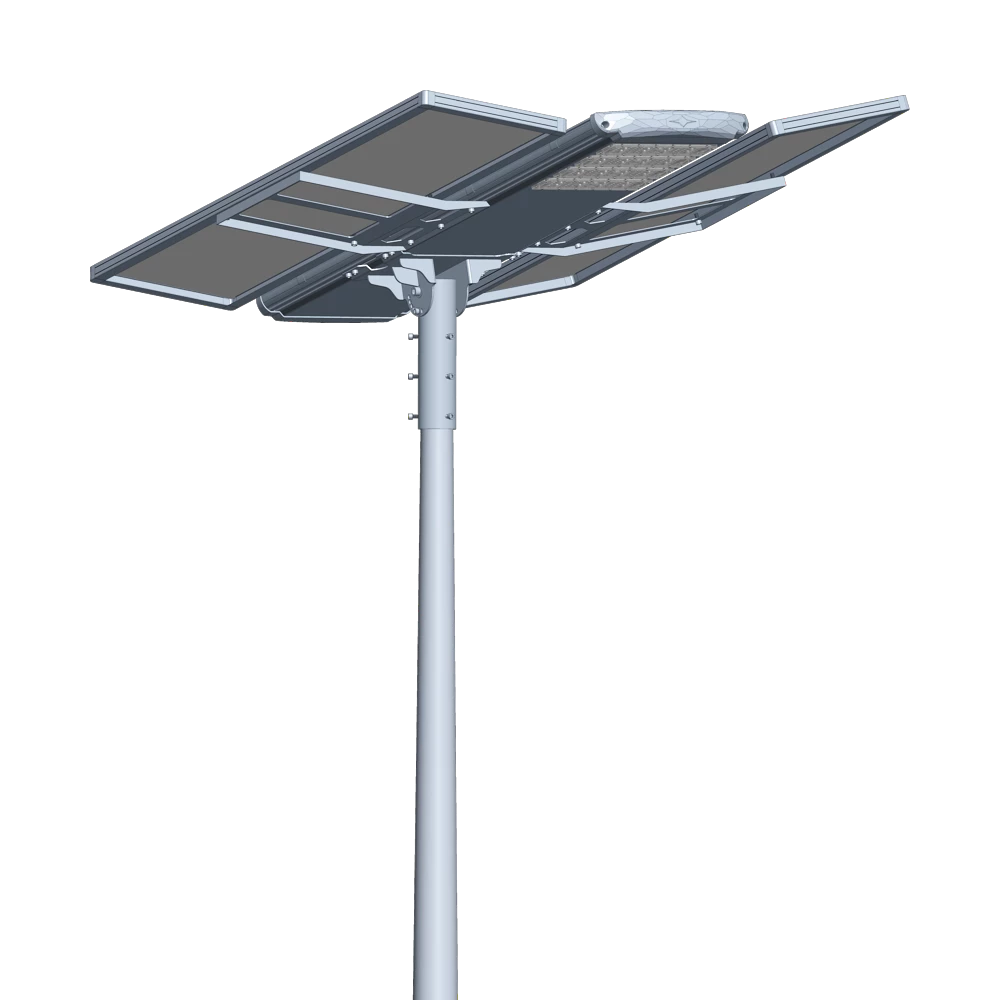
Introducing the Luqing Solar Street Light by Queneng, Efficient LED lighting powered by solar energy is perfect for illuminating outdoor areas. Harness the power of solar energy for sustainable, reliable street lighting. Ideal for eco-friendly, cost-effective outdoor illumination solutions.
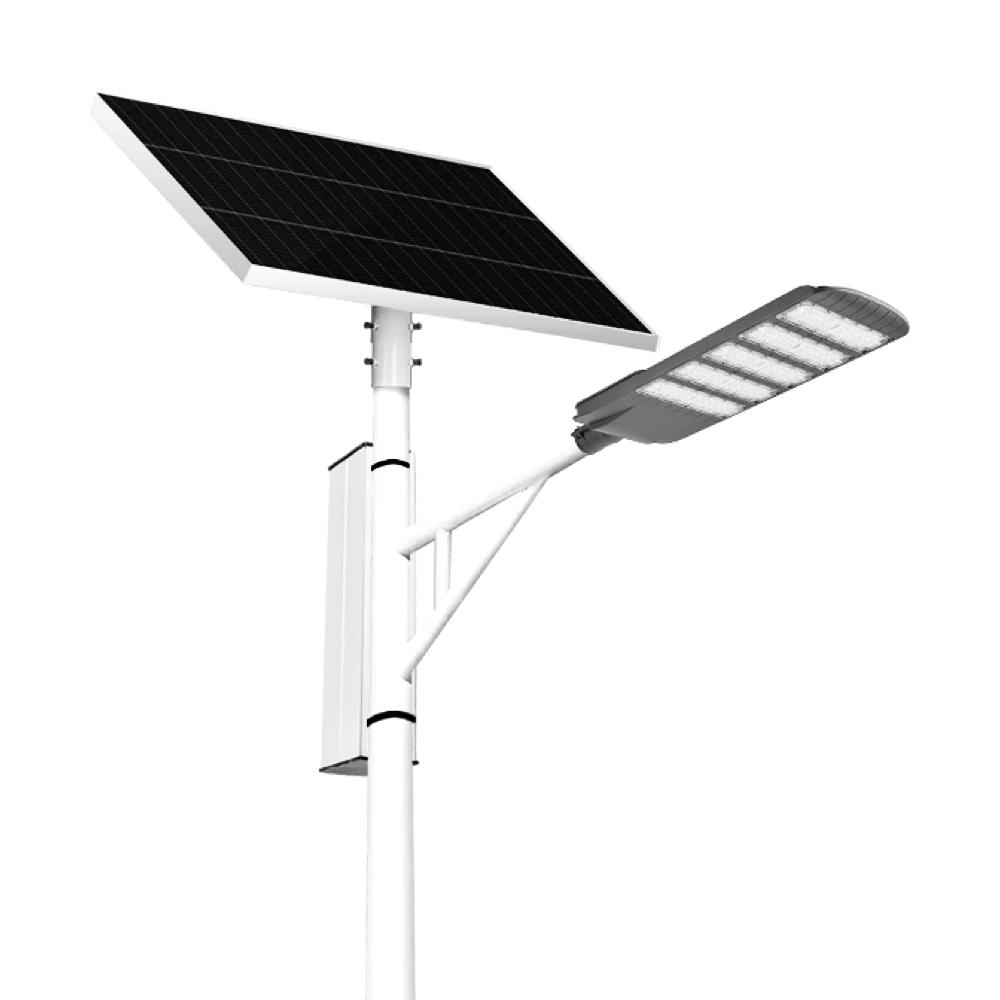
The Solar Streetlights of Luhao for Municipalities are designed to deliver reliable, energy-efficient, and cost-effective public lighting solutions. Equipped with advanced LED technology, durable lithium batteries, and high-efficiency solar panels, these streetlights provide consistent illumination for roads, parks, residential areas, and government projects.
If you would like more information about Queneng solar lighting solutions, please send us a message by filling out the form below. Our professional team will get back to you within 24 hours!
Rest assured that your privacy is important to us, and all information provided will be handled with the utmost confidentiality.
Schedule a Meeting
Book a date and time that is convenient for you and conduct the session in advance.
Have more questions about our products or services?
The messenger of light & power conversion
Environmental protection and intelligent manufacturing are our brand philosophy, and quality assurance and the best user experience are our eternal promises to users.
CONTACT
No.9F, Building F, Cao San Xin Tian Hong Logistics Park, Guzhen Town, Zhongshan City, Guangdong Province, China.
or write [email protected]
WhatsApp: +86 136 2270 1011


