













Navigating South Africa's Government Solar Light Design Proposal Guide: Key Insights for Success
Introduction: Powering South Africa with Sustainable Solar Lighting
South Africa stands at a critical juncture, facing persistent energy challenges while simultaneously embracing a future powered by renewable resources. As the nation strives for greater energy independence and widespread electrification, particularly in underserved communities, solar lighting emerges as a cornerstone solution. Government initiatives are increasingly prioritizing robust, reliable, and sustainable solar lighting infrastructure, creating a significant demand for well-crafted Government solar light design proposal guide for South Africa expertise. For companies and contractors aiming to contribute to this vital development, understanding the intricate requirements of government tenders is paramount. This guide by GuangDong Queneng Lighting Technology Co., Ltd. aims to illuminate the path to success, offering insights into effective solar lighting design and proposal strategies tailored for the South African context.
Understanding South Africa’s Pressing Need for Solar Lighting Solutions
The imperative for widespread solar lighting in South Africa is multifaceted. Frequent load shedding, a result of an overburdened national grid, highlights the urgent need for decentralized, resilient solar energy solutions. Beyond grid stability, solar lighting plays a transformative role in enhancing public safety and security in urban and rural areas, extending productive hours, and improving the quality of life for millions. Furthermore, the commitment to climate change mitigation and the drive for renewable energy projects South Africa positions solar lighting as an eco-friendly and economically viable choice. Governments, municipalities, and communities are actively seeking high-quality, durable, and energy-efficient South Africa solar lighting solutions that can withstand local conditions and deliver long-term value.
Key Elements of Government Solar Light Design Proposals in South Africa
A successful Government solar light design proposal guide for South Africa must demonstrate a comprehensive understanding of both technical specifications and local requirements. Government tenders often demand meticulous planning, detailed engineering, and a clear presentation of how proposed solutions address specific project goals. This includes everything from the initial site assessment and energy calculations to the selection of components, installation methodology, and ongoing maintenance plans. Adherence to national standards and a commitment to quality are not just beneficial, but often mandatory, positioning certified suppliers like Queneng as preferred partners for these critical solar street lighting projects.
Navigating South African Standards and Regulations
Compliance with relevant South African National Standards (SANS) is non-negotiable for government solar lighting projects. While specific standards can vary, key considerations often include SANS 10340 for street lighting design, ensuring adequate illumination levels and uniformity for different road classifications. For the luminaires themselves, SANS 60598-1 (Luminaires – General requirements and tests) is critical, covering safety and performance. Furthermore, SANS 1307 for solar photovoltaic (PV) modules and broader electrical installation standards are often applicable. Demonstrating compliance not only fulfills regulatory obligations but also assures the client of the proposed system's reliability and safety. Queneng's products are designed and manufactured to meet stringent international standards, providing a solid foundation for South Africa solar lighting regulations compliance.
Critical Design Considerations for Solar Street Lights in South Africa
Designing solar street lights for South Africa demands a nuanced approach, factoring in environmental conditions, performance expectations, and security concerns. The optimal design strikes a balance between efficiency, durability, and cost-effectiveness, ensuring long-term operational success.
Optimizing Solar Panel and Battery Sizing
South Africa boasts excellent solar irradiance, with an average of 4.5 to 6.5 kWh/m²/day, making it ideal for solar energy harvesting. However, proper sizing of solar panels is crucial to capture sufficient energy, even on cloudy days. Battery autonomy, typically requiring 3-5 days of backup for reliability, dictates the battery capacity. Modern LiFePO4 battery solar street light systems are preferred due to their extended lifespan (often 8-10 years), higher discharge rates, and improved safety compared to traditional lead-acid batteries. The integration of an MPPT solar charge controller is essential for maximizing energy harvest efficiency by tracking the maximum power point of the solar panel, especially during fluctuating weather conditions, ensuring optimal solar panel sizing South Africa projects.
Luminaire Performance and Distribution
The performance of the LED luminaire is central to a successful lighting scheme. Key metrics include lumens output, luminous efficacy (lumens per watt), and light distribution patterns (e.g., IESNA Type II or Type III for street lighting). A high LED solar street light efficiency ensures maximum light output with minimal power consumption, extending battery life. Achieving uniform illumination and minimizing glare are critical for public safety and comfort. Queneng specializes in advanced LED technology, providing efficient luminaires designed for optimal light distribution and extended performance, essential for effective lighting project design.
Robustness and Security Features
Given the challenging environmental and security considerations in some regions of South Africa, the physical robustness of solar lighting units is paramount. An IP66 solar street lights rating is a minimum requirement for dust and water ingress protection. Furthermore, anti-theft designs, such as tamper-proof bolts, internal battery compartments, and robust pole construction, are critical to protect assets. The structural integrity of the pole must also account for local wind loads and provide secure mounting for all components. Queneng’s products are engineered for exceptional durability and incorporate features to enhance system security, offering peace of mind for anti-theft solar lighting solutions.
The Role of a Trusted Solar Lighting Partner: GuangDong Queneng Lighting Technology Co., Ltd.
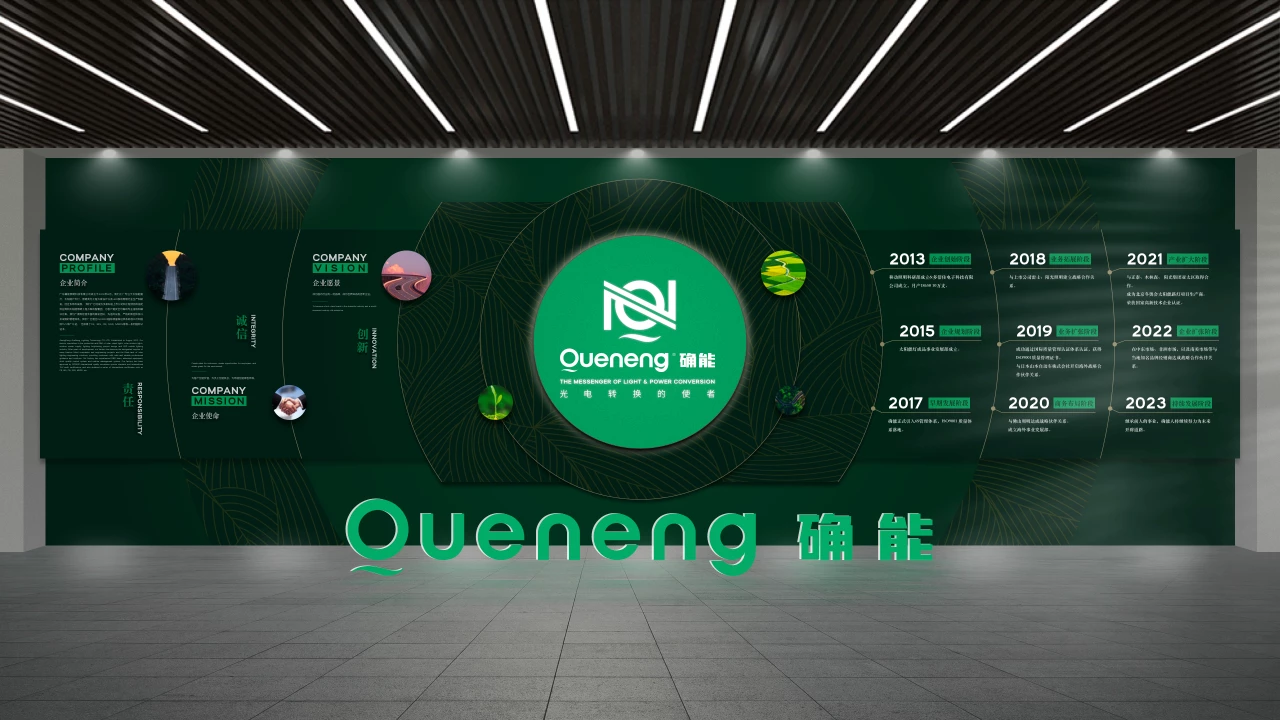
Choosing the right supplier is as crucial as the design itself. A reliable solar lighting supplier South Africa needs to offer more than just products; they must provide expertise, quality assurance, and comprehensive support. GuangDong Queneng Lighting Technology Co., Ltd. has been a leader in the solar lighting industry since 2013, renowned for its commitment to innovation and quality. As a designated supplier to many famous listed companies and engineering projects, Queneng operates as a solar lighting engineering solutions think tank, offering customers safe and reliable professional guidance. Our experienced R&D team, advanced equipment, and stringent quality control systems, certified by ISO 9001 and TÜV, ensure our products meet global standards, including CE, UL, BIS, CB, SGS, and MSDS. Partnering with Queneng means access to a wealth of knowledge and a portfolio of high-performance certified solar street light manufacturer products, from solar street lights to solar garden lights and solar photovoltaic panels.
Crafting a Winning Proposal: Beyond Technical Specs
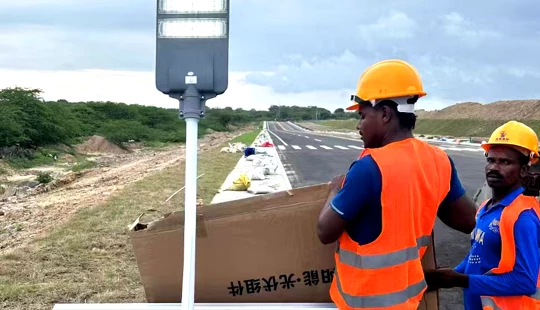
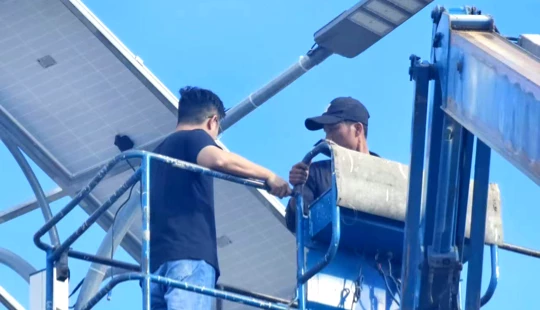
While technical specifications are fundamental, a truly winning proposal for a Government solar light design proposal guide for South Africa extends to operational aspects. This includes a clear plan for solar street light installation South Africa, outlining logistics, timelines, and safety protocols. Equally important is a comprehensive solar lighting maintenance contracts strategy, detailing routine inspections, cleaning, and component replacement schedules to ensure the longevity and sustained performance of the system. Proposers should also consider the total Life Cycle Costing (LCC), demonstrating the long-term economic benefits and return on investment for the government. Queneng provides robust after-sales support and can assist in developing these crucial post-installation plans, ensuring seamless project execution from concept to completion.
Conclusion: Lighting South Africa’s Future with Queneng
The journey to successfully secure and execute government solar lighting projects in South Africa requires a deep understanding of local needs, technical excellence, and unwavering commitment to quality and compliance. By meticulously following the principles outlined in a robust Government solar light design proposal guide for South Africa, and partnering with an experienced and certified manufacturer like GuangDong Queneng Lighting Technology Co., Ltd., you can navigate the complexities and contribute significantly to South Africa's sustainable energy landscape. Queneng’s expertise, combined with its range of high-quality solar lighting solutions and comprehensive support, makes it an ideal partner for achieving a brighter, more secure future for South Africa.
Frequently Asked Questions
What are the most common challenges for solar lighting projects in South Africa?Challenges include theft and vandalism, fluctuating weather conditions (requiring robust design), ensuring proper installation in diverse terrains, and navigating local content requirements and varying municipal regulations. Queneng addresses these with anti-theft designs, durable components, and expert project guidance.How long do solar street lights typically last?High-quality solar street lights, especially those utilizing LiFePO4 batteries and efficient LED technology from reputable manufacturers like Queneng, can last 5-8 years for batteries and 10-15 years for LED luminaires and solar panels, with proper maintenance.Are there financing options for government solar projects?While Queneng does not directly offer financing, government solar projects in South Africa can often leverage various local and international development funds, green bonds, or public-private partnership models. It's advisable for proposers to explore these avenues through financial institutions or government agencies.What certifications should I look for in a solar lighting supplier?Key certifications include ISO 9001 for quality management, CE and UL for product safety and performance, BIS (for Indian market relevance, indicating broad quality adherence), CB Scheme, SGS, and MSDS for battery safety. Queneng holds all these and more, demonstrating our commitment to global quality standards.

Have more questions about our products or services?
The latest hot news you might like

Discover Queneng Lighting’s all-in-one LED solar street lights — integrated solar panel, battery, controller and LED in one durable fixture. Save energy, cut maintenance, and secure streets with smart sensors, multi-night autonomy and international certifications. Contact sales for quotes and support.

Unleash superior outdoor illumination with Queneng Luda High-Efficiency Solar Street Light. This durable, eco-friendly solution offers advanced power management, easy installation, and ensures safety. Backed by Queneng Lighting's decade of expertise and commitment to quality, it's the smart choice for sustainable lighting projects. Learn why we're a leading solar solutions provider.

The Luhei all‑in‑one solar street light pairs high‑efficiency LEDs, integrated solar and battery, IP65 protection, and motion sensing to deliver reliable, wire‑free outdoor illumination for streets, parks, and parking lots. Backed by Queneng Lighting’s certifications and support.

FAQ
Sustainability
What is the wind resistance rating of Queneng solar street lights?
Our solar street lights are rigorously tested and can withstand wind speeds of up to 120 km/h. For areas with particularly strong winds, we offer customized solutions to enhance wind resistance.
Schools and Educational Institutions
Are solar lights adjustable for lighting angles or brightness?
Many of our solar lights feature adjustable heads, allowing you to change the lighting direction or angle. Some models also have brightness control, allowing you to adjust the light intensity.
Battery Performance and Testing
What is the internal pressure of the battery?
For example, overcharge, positive electrode: 4OH- - 4e → 2H2O + O2↑;
①The generated oxygen reacts with the hydrogen precipitated on the negative electrode to form water 2H2 + O2 → 2H2O
②If the speed of reaction ② is lower than the speed of reaction ①, the oxygen produced will not be consumed in time, which will cause the internal pressure of the battery to increase.
Municipal and Public Infrastructure
What happens if the battery runs out of charge?
Our solar streetlights use advanced battery management systems to optimize energy usage. Even during prolonged cloudy or rainy periods, the lights can function at reduced brightness to conserve energy.
Solar Street Light Luyi
Can Luyi solar street lights be integrated into smart city infrastructure?
Yes, Luyi solar street lights can be integrated into smart city infrastructure. With their advanced control systems, they can be connected to a central monitoring system for real-time performance tracking, remote control of lighting schedules, and energy management. This integration helps optimize energy use and allows for easy maintenance and monitoring of large-scale installations.
Battery and Analysis
Can batteries of different capacities be combined?
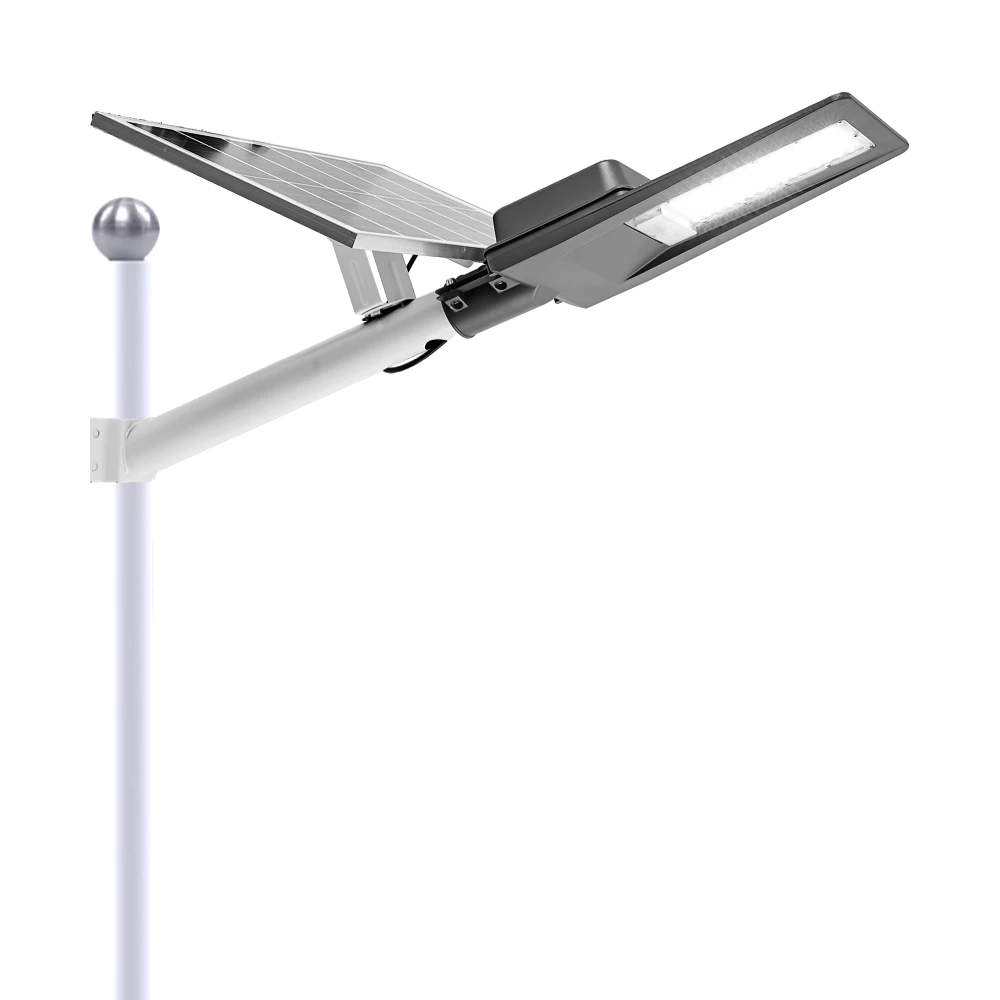
Experience reliable outdoor illumination with our smart solar street light, a perfect combination of advanced technology and eco-conscious design.
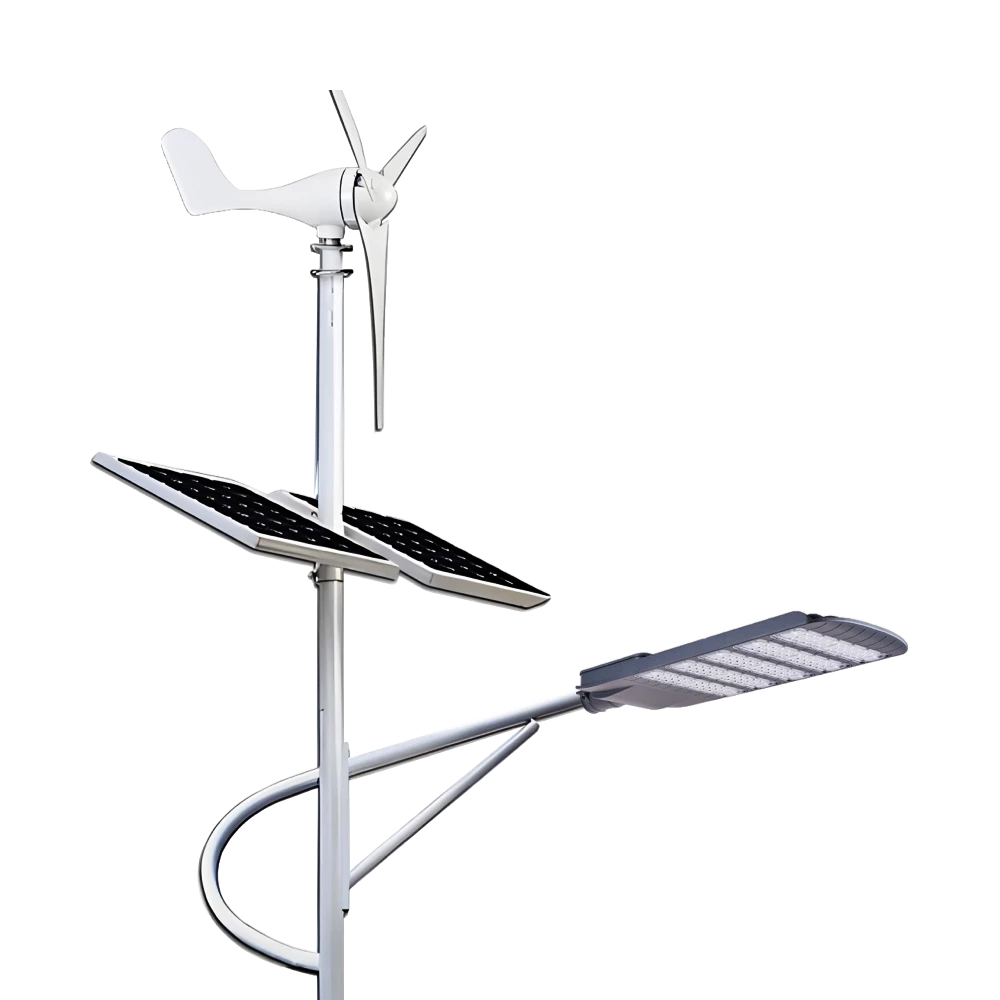
Queneng Lufeng Wind Energy LED Outdoor Solar Street Lights offer high-performance, eco-friendly illumination. These energy-efficient LED street lights harness solar power and wind energy for sustainable, cost-effective outdoor lighting solutions.
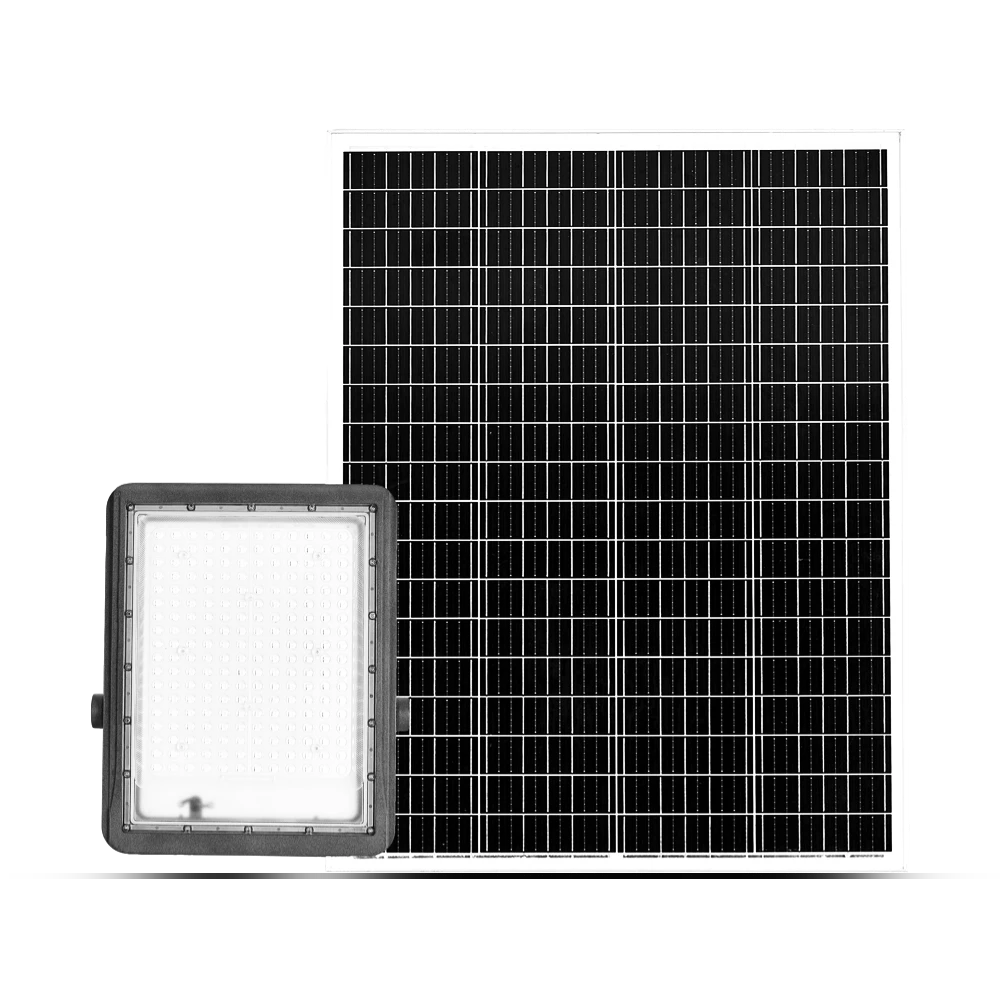
Queneng's Luxian Reliable Solar Street Light offers energy-saving LED lighting for outdoor use. This durable, solar-powered street light provides reliable illumination, reducing energy costs and environmental impact. A perfect solution for sustainable outdoor lighting.
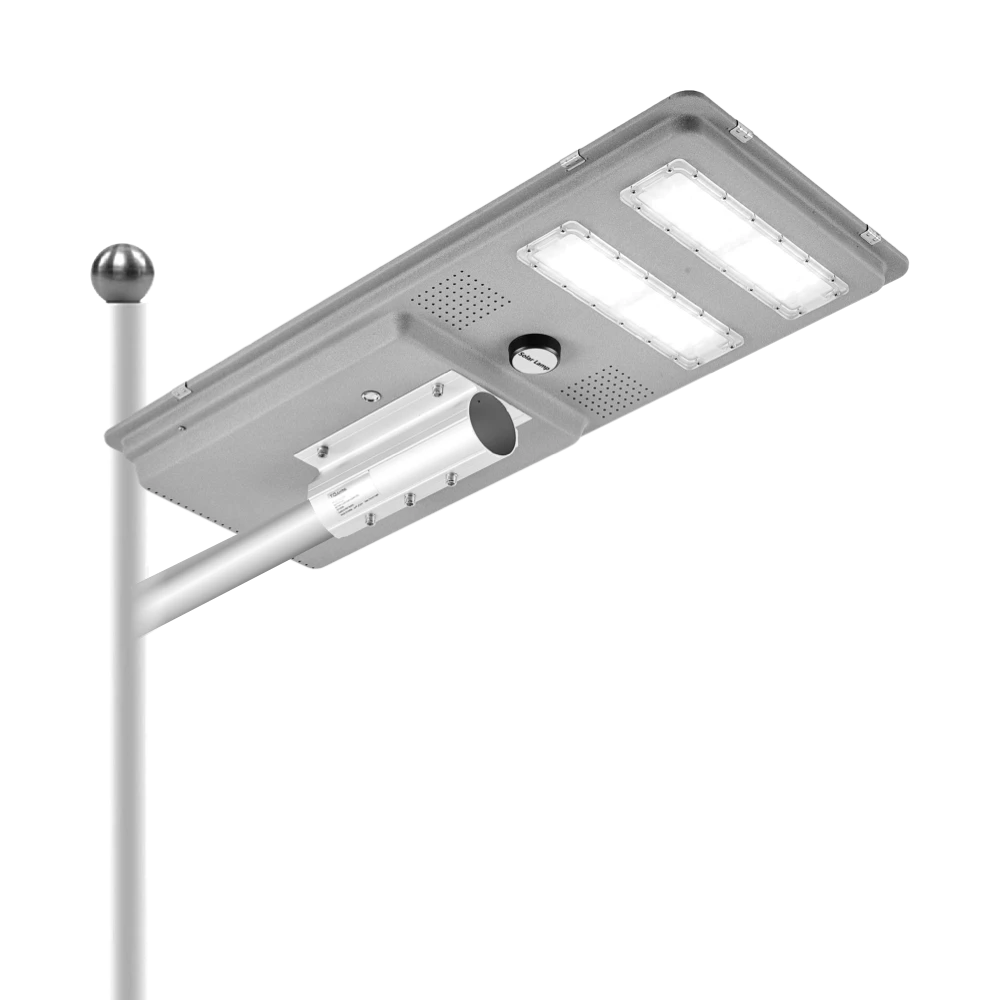
Queneng’s Solar Street Lights are designed to provide reliable, energy-efficient lighting for streets, parks, and other outdoor spaces.
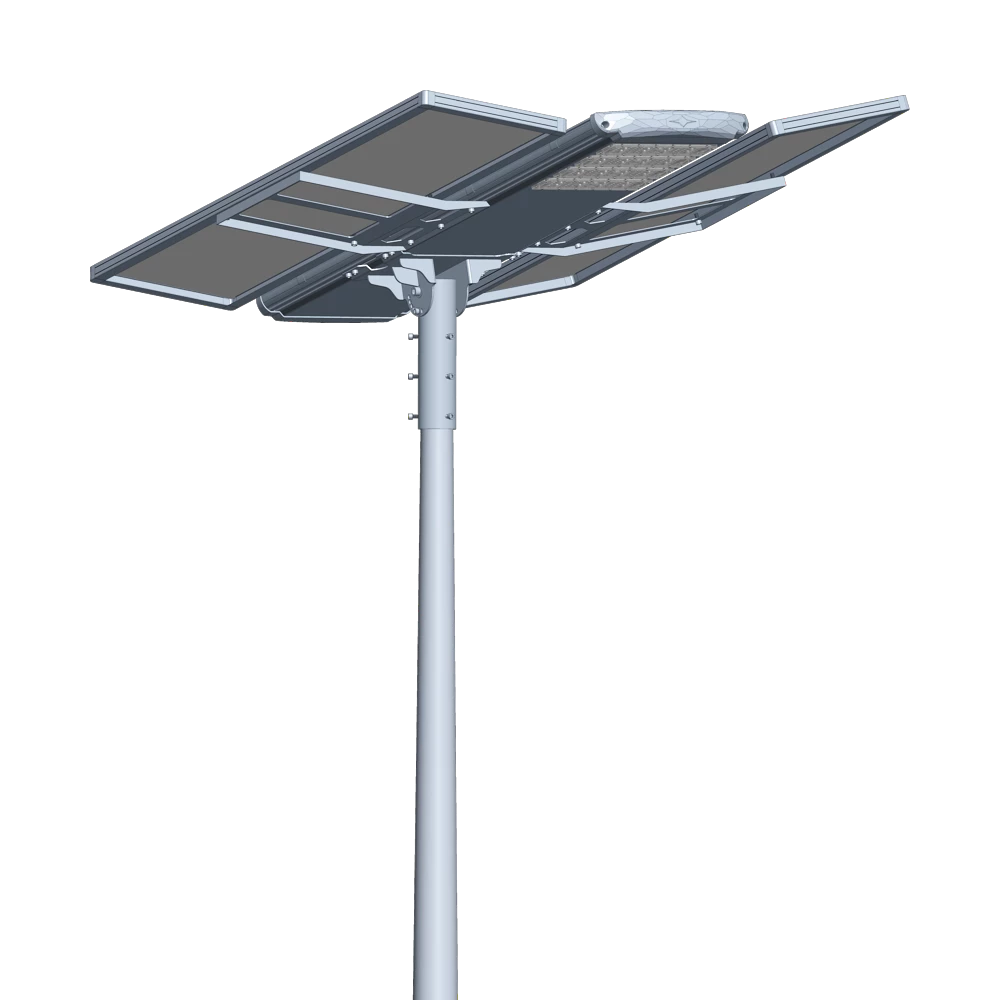
Introducing the Luqing Solar Street Light by Queneng, Efficient LED lighting powered by solar energy is perfect for illuminating outdoor areas. Harness the power of solar energy for sustainable, reliable street lighting. Ideal for eco-friendly, cost-effective outdoor illumination solutions.
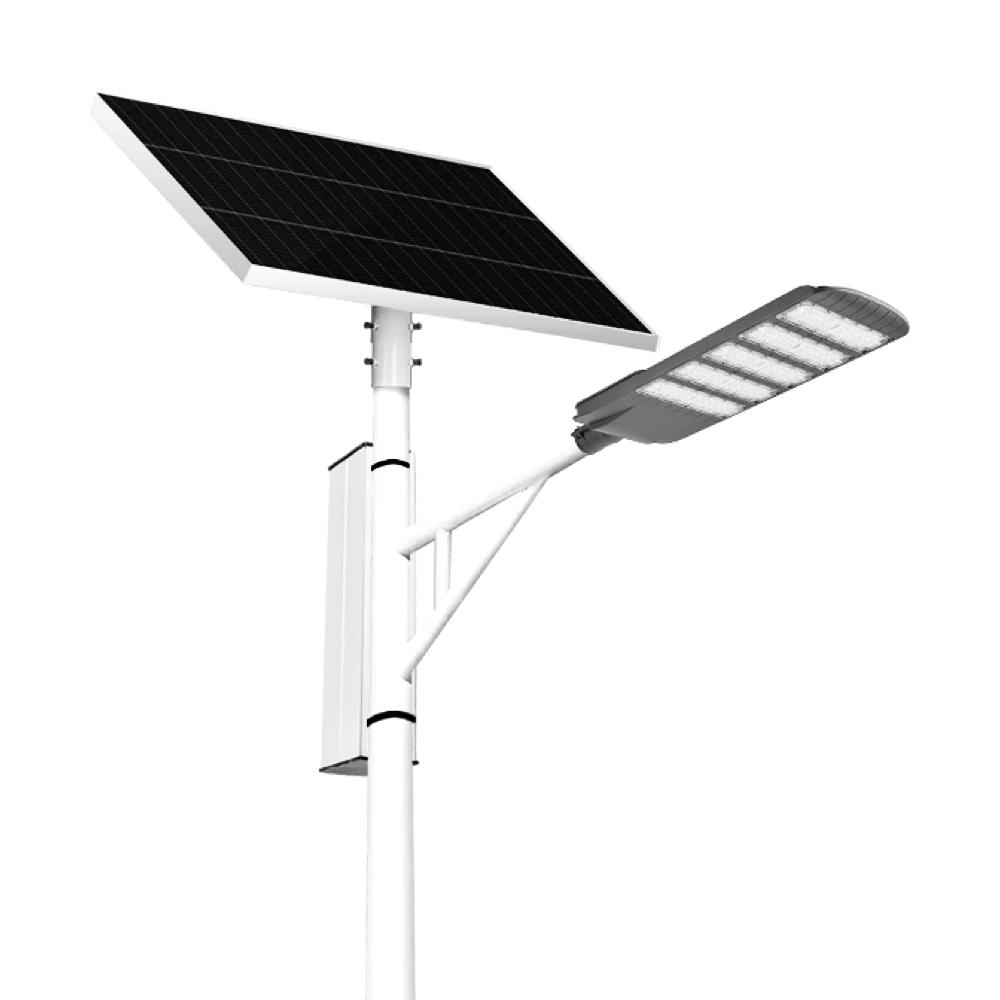
The Solar Streetlights of Luhao for Municipalities are designed to deliver reliable, energy-efficient, and cost-effective public lighting solutions. Equipped with advanced LED technology, durable lithium batteries, and high-efficiency solar panels, these streetlights provide consistent illumination for roads, parks, residential areas, and government projects.
Our professional team is ready to answer any questions and provide personalized support for your project.
You can reach us via phone or email to learn more about Queneng’s solar lighting solutions. We look forward to working with you to promote clean energy solutions!
Rest assured that your privacy is important to us, and all information provided will be handled with the utmost confidentiality.
By clicking 'Send Inquiry Now' I agree to Queneng processing my personal data.
To see how to withdraw your consent, how to control your personal data and how we process it, please see our Privacy Policy and Terms of use.
Schedule a Meeting
Book a date and time that is convenient for you and conduct the session in advance.
Have more questions about our products or services?
The messenger of light & power conversion
Environmental protection and intelligent manufacturing are our brand philosophy, and quality assurance and the best user experience are our eternal promises to users.
CONTACT
No.9F, Building F, Cao San Xin Tian Hong Logistics Park, Guzhen Town, Zhongshan City, Guangdong Province, China.
or write [email protected]
WhatsApp: +86 136 2270 1011


