













South Africa practical tutorial for sustainable solar projects | Insights by Quenenglighting
Navigating South Africa's Sustainable Solar Lighting Projects: A Professional's Guide
South Africa's energy landscape is rapidly evolving, driven by the need for reliable power and sustainable development. For businesses and professionals in the solar lighting industry, understanding the nuances of the local market is crucial for successful and sustainable projects. Whether you're upgrading an existing fleet or embarking on new installations, this guide offers expert insights into key considerations for re-purchasing solar lighting solutions.
1. How Can Businesses Optimize ROI for Sustainable Solar Lighting Projects in South Africa?
Optimizing Return on Investment (ROI) is paramount for any commercial venture. In South Africa, the value proposition for solar lighting is enhanced by escalating grid electricity tariffs and the strategic Section 12B tax incentive.
- Energy Cost Savings: Eskom's electricity tariffs have seen significant increases, with NERSA approving an average 12.72% increase for 2024/25. By shifting to solar, businesses eliminate reliance on grid power for lighting, leading to substantial operational cost reductions.
- Tax Incentives: The South African government’s Section 12B income tax allowance permits businesses to deduct 100% of the cost of renewable energy assets in the first year. This accelerated depreciation significantly reduces the net capital outlay, improving payback periods.
- High-Efficiency Components: Invest in advanced, high-efficiency components, including LED luminaires with superior lumens per watt, high-efficiency monocrystalline PV panels (>20% efficiency), and long-lasting LiFePO4 batteries. While initial costs might be higher, these components ensure maximum energy harvesting and minimal degradation, guaranteeing longer operational lifespans and lower lifetime costs.
- Accurate Sizing: Conduct thorough site assessments and energy audits to precisely size your solar lighting system. Over-sizing wastes capital, while under-sizing compromises performance. Aim for optimal autonomy (e.g., 2-3 nights) to ensure consistent lighting during periods of low solar irradiation.
- Warranty & Reliability: Prioritize suppliers offering robust warranties for all components (e.g., 25-year performance warranty for panels, 10-year warranty for LiFePO4 batteries and luminaires) to protect your investment and ensure long-term reliability. Typical commercial solar project payback periods in SA range from 3 to 7 years.
2. What Are the Key Considerations for Selecting Robust Solar Components for South Africa's Unique Environment?
South Africa presents a challenging environment for solar infrastructure, characterized by high solar irradiation, extreme temperatures, significant dust, and security concerns. Component selection must address these factors for sustained performance.
- Solar Panels: Choose high-efficiency monocrystalline panels that demonstrate excellent temperature coefficients to maintain performance in high ambient temperatures. Look for certifications indicating resistance to Potential Induced Degradation (PID). Reputable global brands are readily available in SA.
- Batteries: Lithium Iron Phosphate (LiFePO4) batteries are the gold standard. They offer superior cycle life (typically 3,000 to 6,000 cycles at 80% Depth of Discharge), higher energy density, faster charging, and better thermal stability than traditional lead-acid batteries. A robust Battery Management System (BMS) is essential for safety and longevity.
- Charge Controllers: MPPT (Maximum Power Point Tracking) charge controllers are critical. They can increase energy harvesting by 10-30% compared to PWM controllers, especially during fluctuating weather conditions, ensuring batteries charge optimally.
- LED Luminaires: Select fixtures with high Ingress Protection (IP) ratings (IP65 or IP66) to resist dust and water ingress. Opt for durable, corrosion-resistant housings (e.g., die-cast aluminum with powder coating) capable of withstanding harsh UV radiation and potential vandalism.
- Mounting Structures & Cabling: Use robust, anti-corrosive mounting structures designed to withstand high winds and provide adequate anti-theft measures. All cabling must be UV-resistant and properly concealed or protected.
3. How Can Businesses Navigate South Africa's Solar Regulations and Incentives for Commercial Lighting Projects?
While the South African government has eased regulations for renewable energy, understanding the regulatory landscape remains crucial for compliance and maximizing benefits.
- NERSA & Licensing: The National Energy Regulator of South Africa (NERSA) has largely deregulated generation for self-consumption up to 100MW, meaning projects of this scale are exempt from generation licenses. However, this primarily applies to grid-tied systems. For standalone solar lighting, generation licenses are typically not required.
- Local Municipal Bylaws & Permits: Regardless of NERSA's exemptions, all solar installations must comply with local municipal bylaws related to construction, zoning, electrical safety, and structural integrity. Engage with local authorities early to secure necessary building plan approvals and electrical Certificates of Compliance (CoCs).
- Section 12B Tax Incentive: Actively leverage the Section 12B tax allowance mentioned earlier. Consult with a financial or tax specialist to ensure your project is structured to fully benefit from this significant incentive.
- Environmental Impact Assessments (EIAs): While typically not required for small-scale solar lighting, larger projects or installations in sensitive environmental areas might still necessitate an EIA. Confirm requirements with relevant environmental authorities.
4. What are the Best Practices for Ensuring Long-term Reliability and Minimizing O&M Costs for Existing Solar Lighting Fleets?
Sustainable solar projects extend beyond installation; effective Operation and Maintenance (O&M) are vital for long-term performance and cost-effectiveness.
- Regular Panel Cleaning: Dust accumulation is a significant issue in many parts of South Africa, capable of reducing panel efficiency by 15-30%. Implement a scheduled cleaning regimen, especially during dry seasons, to maintain optimal energy harvesting.
- Proactive Monitoring Systems: Deploy remote monitoring solutions that track panel output, battery State of Charge (SoC), luminaire functionality, and charge controller performance. This allows for real-time fault detection, predictive maintenance, and optimized energy management.
- Battery Health Management: Regularly monitor battery health parameters, including temperature, voltage, and cycle count. Ensure the Battery Management System (BMS) is functioning correctly to prevent overcharging, deep discharge, and cell imbalance, which can severely shorten battery lifespan.
- Scheduled Inspections: Periodically inspect all system components—wiring, connections, mounting hardware, and luminaire housings—for signs of wear, corrosion, or damage. Address any issues promptly to prevent cascading failures.
- Physical Security: Implement robust physical security measures to deter theft and vandalism, a persistent challenge in some regions. This might include tamper-proof fasteners, elevated installations, or surveillance.
5. How to Design Solar Lighting Systems for Maximum Load Shedding Resilience and Energy Security in South Africa?
South Africa's unprecedented load shedding, with 2023 being the worst year on record averaging Stage 4.8, has highlighted the critical need for energy independence. Solar lighting, particularly off-grid systems, offers a direct solution.
- Oversized Battery Autonomy: Design the battery bank with sufficient capacity to provide several nights of autonomy (e.g., 2-3 nights, or even 4-5 for critical applications) without solar input. This ensures consistent lighting even during extended periods of cloudy weather or consecutive load shedding stages.
- Intelligent Energy Management: Utilize smart controllers with programmable dimming schedules or motion sensors. This allows for dynamic energy conservation, where lighting intensity can be reduced during off-peak hours or increased only when needed, extending battery life during load shedding events.
- Robust Off-Grid Design: For standalone solar lighting, ensure the system is entirely self-sufficient, with all components (panel, battery, charge controller, LED fixture) meticulously matched to meet the required load without any reliance on grid power. This provides 100% immunity to load shedding for the specific lighting infrastructure.
- Strategic Placement: Ensure panels are placed optimally to maximize solar exposure, free from shading. This maximizes daily energy harvest, crucial for replenishing batteries for nighttime operation.
Quenenglighting's Advantage: Your Partner in Sustainable Solar Lighting
At Quenenglighting, we understand the unique challenges and opportunities within South Africa's solar lighting sector. We specialize in providing reliable, high-performance solar lighting solutions engineered for demanding environments. Our products feature:
- Advanced LiFePO4 Battery Technology: Ensuring extended cycle life, high depth of discharge, and consistent power delivery, crucial for load shedding resilience and long-term ROI.
- High-Efficiency PV Panels & MPPT Controllers: Maximizing energy capture and system performance even in varying weather conditions.
- Durable, IP66-Rated LED Luminaires: Built to withstand South Africa's harsh weather, dust, and potential vandalism, offering unparalleled reliability and longevity.
- Integrated Smart Management Systems: Providing remote monitoring capabilities for proactive maintenance, optimized energy use, and enhanced security.
By focusing on uncompromising quality, proven durability, and smart technology, Quenenglighting empowers businesses to achieve truly sustainable, cost-effective, and load shedding-proof lighting solutions. Partner with us to illuminate your path to energy independence.

Have more questions about our products or services?
The latest hot news you might like

Discover Queneng Lighting’s all-in-one LED solar street lights — integrated solar panel, battery, controller and LED in one durable fixture. Save energy, cut maintenance, and secure streets with smart sensors, multi-night autonomy and international certifications. Contact sales for quotes and support.

Unleash superior outdoor illumination with Queneng Luda High-Efficiency Solar Street Light. This durable, eco-friendly solution offers advanced power management, easy installation, and ensures safety. Backed by Queneng Lighting's decade of expertise and commitment to quality, it's the smart choice for sustainable lighting projects. Learn why we're a leading solar solutions provider.

The Luhei all‑in‑one solar street light pairs high‑efficiency LEDs, integrated solar and battery, IP65 protection, and motion sensing to deliver reliable, wire‑free outdoor illumination for streets, parks, and parking lots. Backed by Queneng Lighting’s certifications and support.

FAQ
Battery and Analysis
Do batteries need to be fully charged for long-term storage?
What are the advantages of lithium-ion batteries?
2) High working voltage;
3) No memory effect;
4) Long cycle life;
5) No pollution;
6) Light weight;
7) Small self-discharge.
Battery fundamentals and basic terms
What is the residual discharge capacity of a battery?
Battery Performance and Testing
What is charging efficiency?
Distributors
What types of products do Queneng distributors offer?
Queneng offers a range of solar lighting solutions, including street lights, garden lights, floodlights, and customized lighting systems for residential, commercial, and infrastructure applications.
Commercial and Industrial Parks
Can your solar lights operate in extreme weather conditions?
Yes, our lights are designed to withstand harsh environments, including heavy rain, high winds, and extreme temperatures.
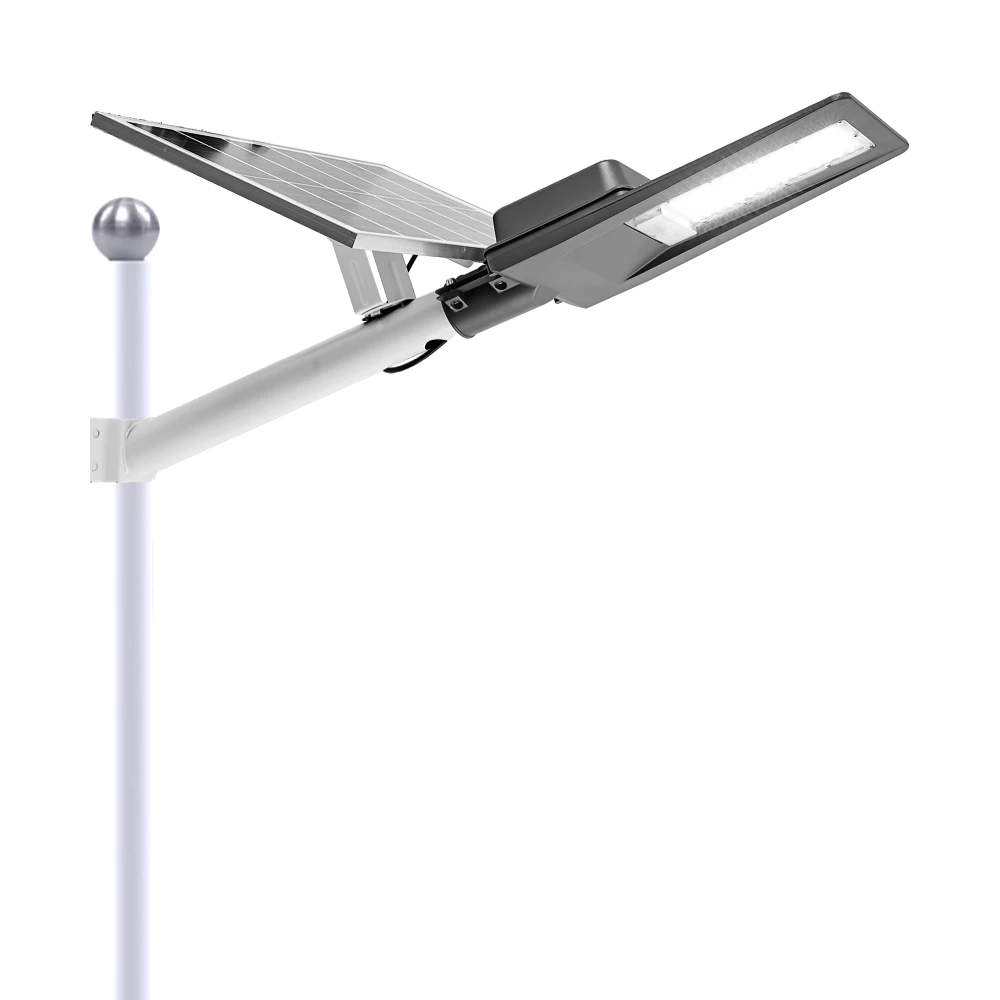
Experience reliable outdoor illumination with our smart solar street light, a perfect combination of advanced technology and eco-conscious design.
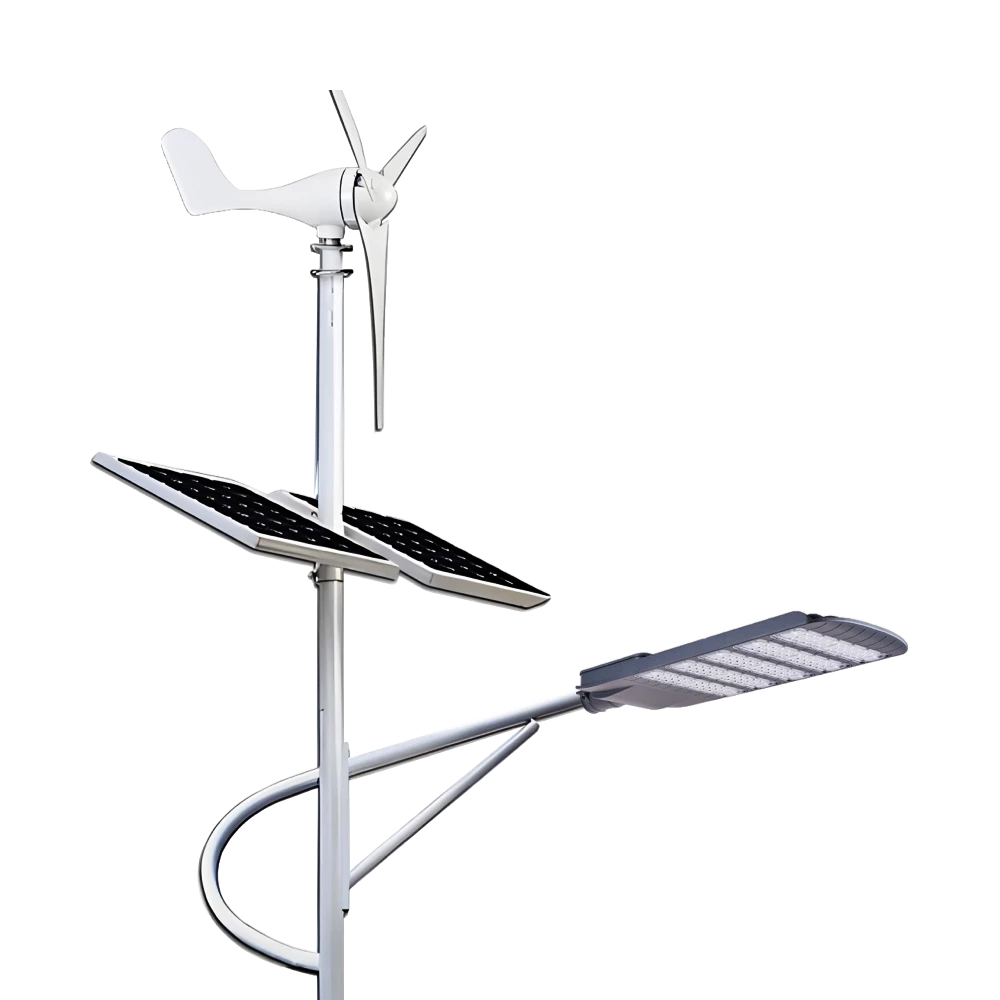
Queneng Lufeng Wind Energy LED Outdoor Solar Street Lights offer high-performance, eco-friendly illumination. These energy-efficient LED street lights harness solar power and wind energy for sustainable, cost-effective outdoor lighting solutions.
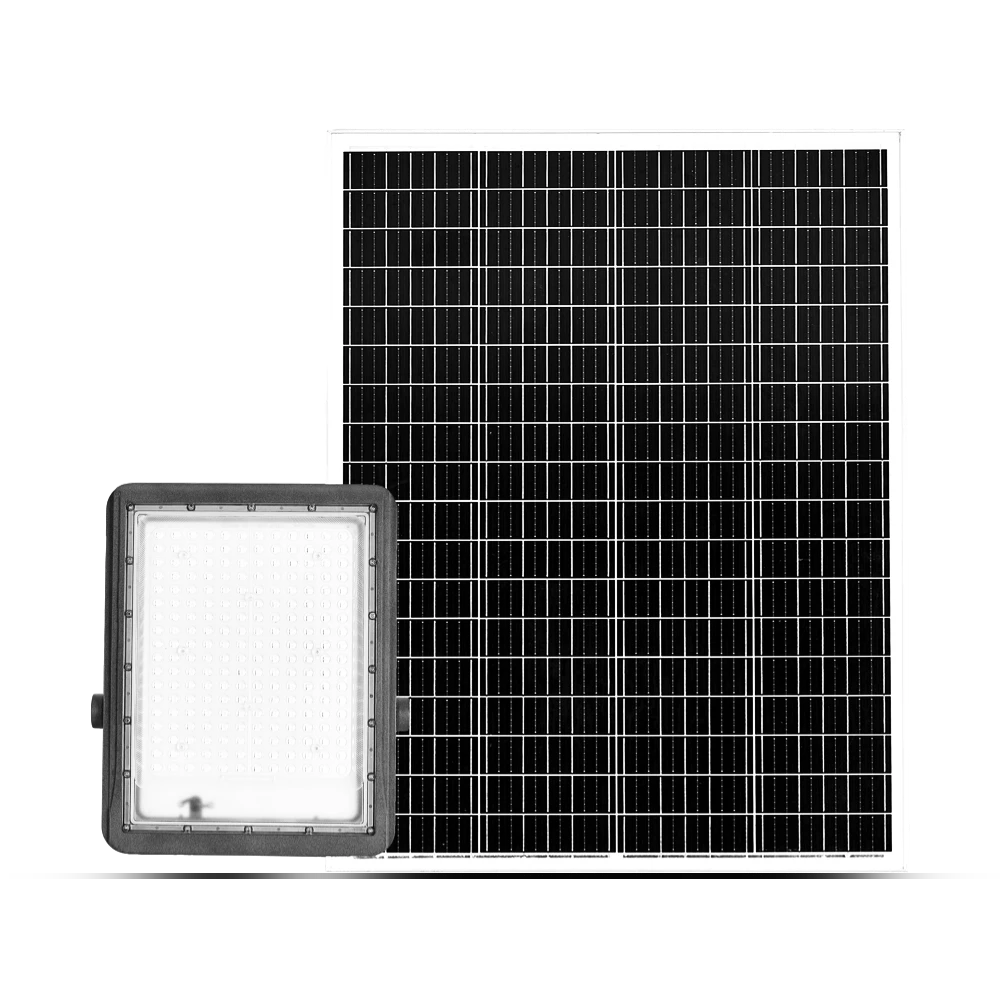
Queneng's Luxian Reliable Solar Street Light offers energy-saving LED lighting for outdoor use. This durable, solar-powered street light provides reliable illumination, reducing energy costs and environmental impact. A perfect solution for sustainable outdoor lighting.
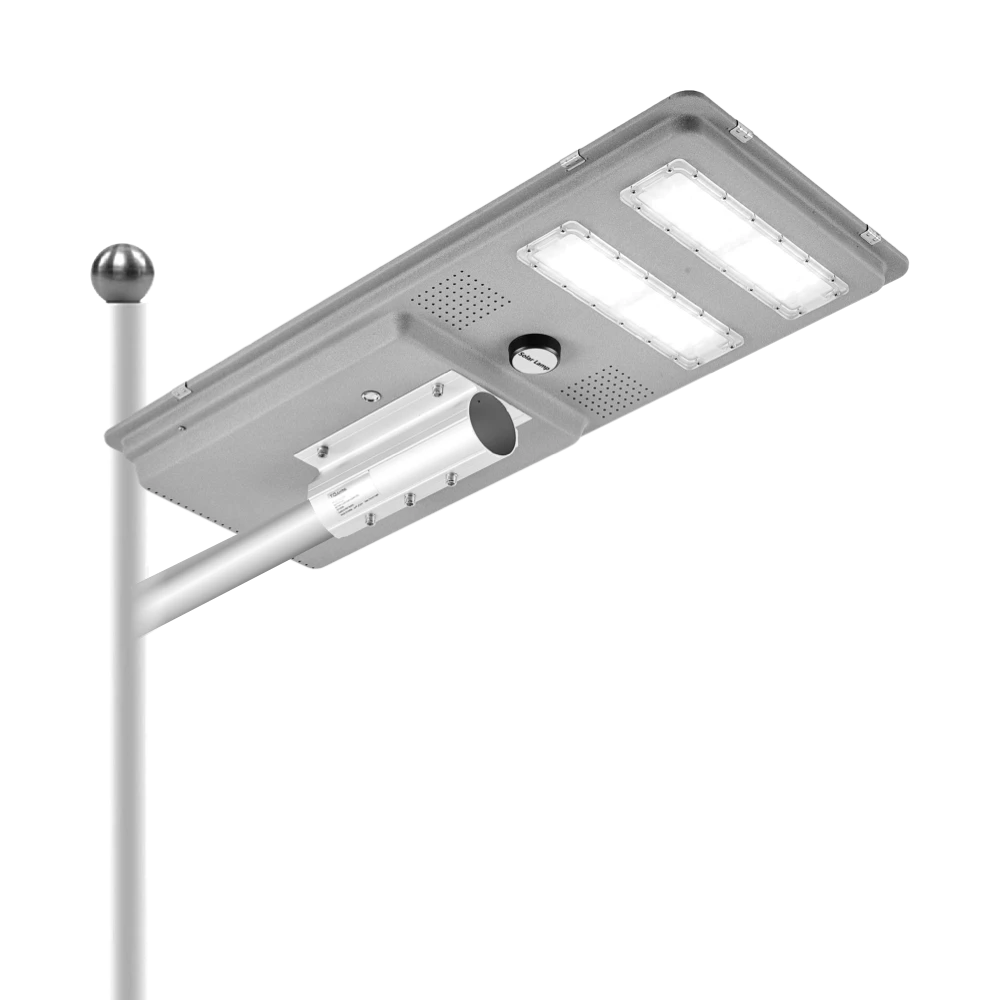
Queneng’s Solar Street Lights are designed to provide reliable, energy-efficient lighting for streets, parks, and other outdoor spaces.
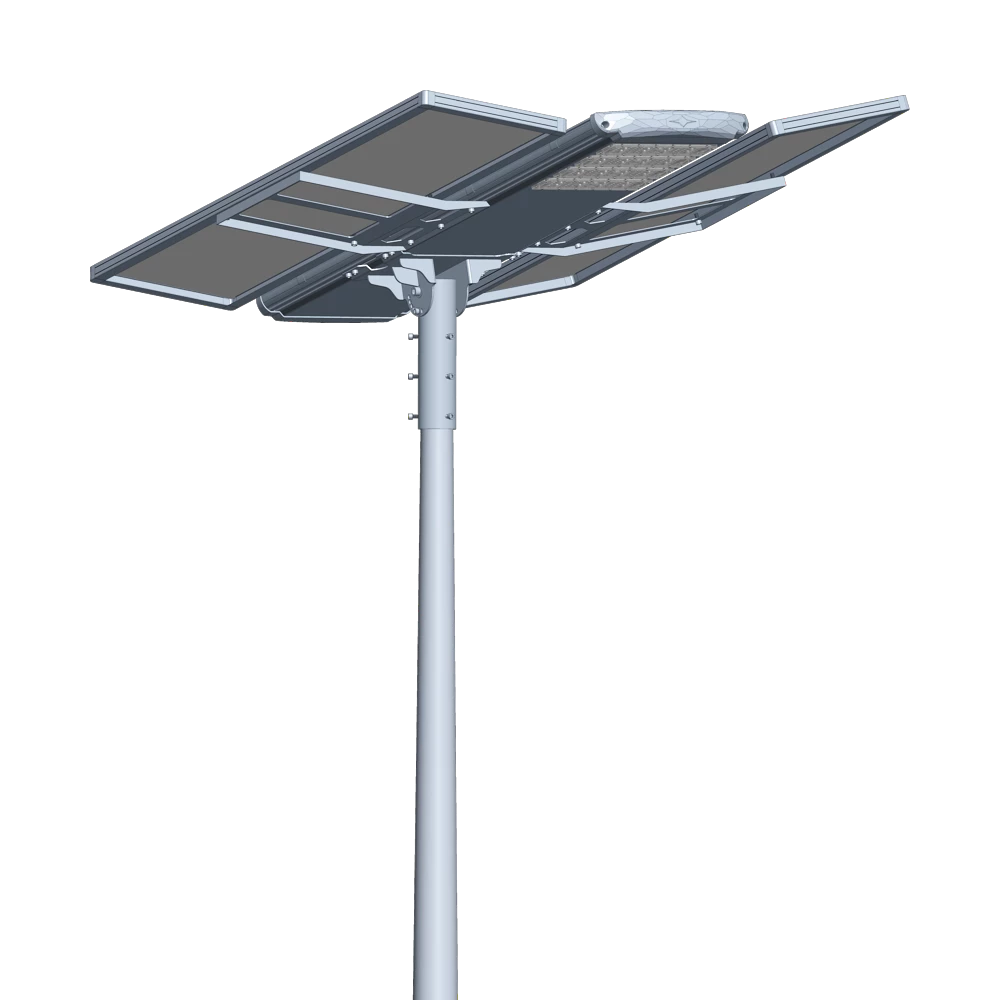
Introducing the Luqing Solar Street Light by Queneng, Efficient LED lighting powered by solar energy is perfect for illuminating outdoor areas. Harness the power of solar energy for sustainable, reliable street lighting. Ideal for eco-friendly, cost-effective outdoor illumination solutions.
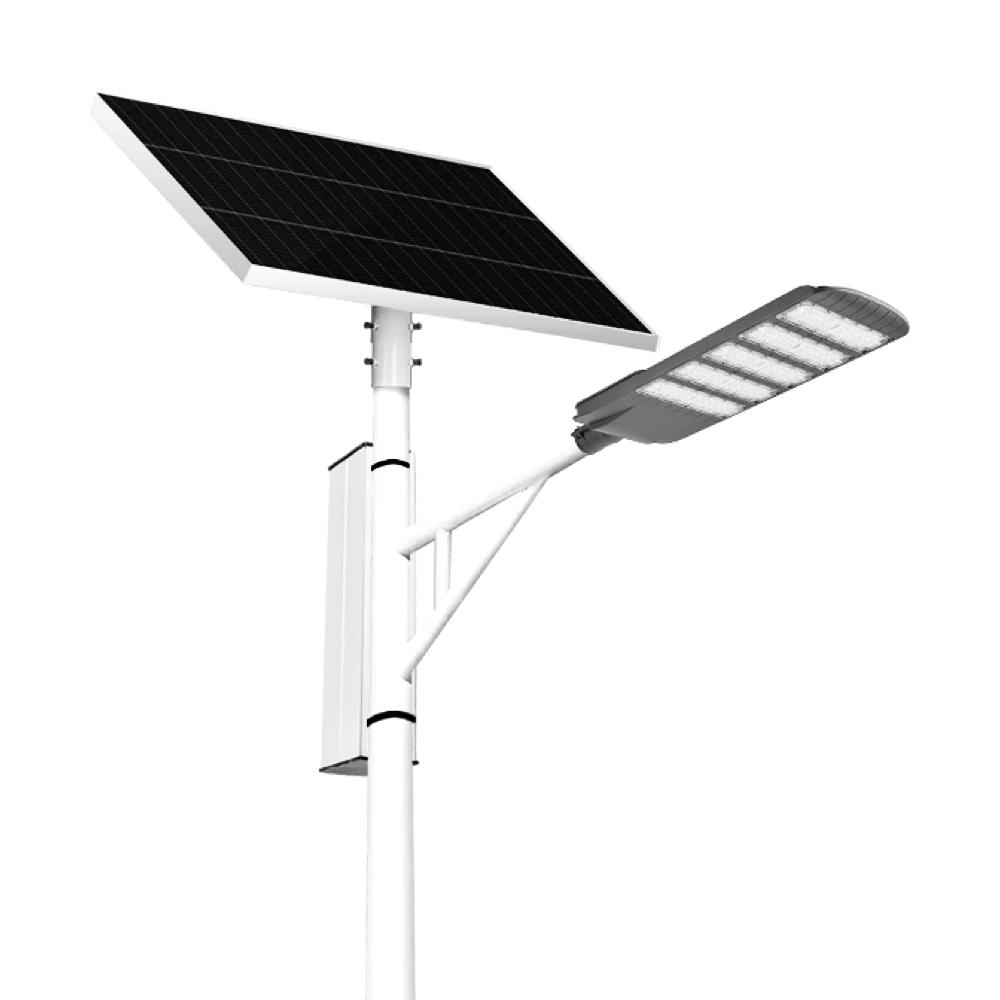
The Solar Streetlights of Luhao for Municipalities are designed to deliver reliable, energy-efficient, and cost-effective public lighting solutions. Equipped with advanced LED technology, durable lithium batteries, and high-efficiency solar panels, these streetlights provide consistent illumination for roads, parks, residential areas, and government projects.
If you would like more information about Queneng solar lighting solutions, please send us a message by filling out the form below. Our professional team will get back to you within 24 hours!
Rest assured that your privacy is important to us, and all information provided will be handled with the utmost confidentiality.
Schedule a Meeting
Book a date and time that is convenient for you and conduct the session in advance.
Have more questions about our products or services?
The messenger of light & power conversion
Environmental protection and intelligent manufacturing are our brand philosophy, and quality assurance and the best user experience are our eternal promises to users.
CONTACT
No.9F, Building F, Cao San Xin Tian Hong Logistics Park, Guzhen Town, Zhongshan City, Guangdong Province, China.
or write [email protected]
WhatsApp: +86 136 2270 1011


