














Specification breakdown of sustainable streetlights for cities in Dubai | Insights by Quenenglighting
Unpacking Sustainable Streetlight Specifications for Dubai's Smart Cities: A Procurement Guide
Dubai's relentless pursuit of becoming the smartest and most sustainable city globally places immense pressure on its urban infrastructure development. For procurement professionals in the solar lighting industry, understanding the nuanced specifications of sustainable streetlights is paramount, especially when navigating the unique challenges and opportunities presented by the Emirati landscape. Here, we address the top five questions procurement teams often ask when considering solar-powered streetlights for cities in Dubai.
1. How do Sustainable Streetlights Ensure Optimal Performance and Durability in Dubai's Extreme Climate?
Dubai's climate, characterized by scorching summer temperatures often exceeding 45°C (113°F) and intense solar radiation, presents a formidable challenge for electronic components. To ensure optimal performance and longevity, sustainable streetlights must be engineered with specific features:
- Advanced Solar Panel Technology: High-efficiency monocrystalline silicon solar panels are preferred due to their better performance in high temperatures and lower temperature coefficient (typically around -0.3% to -0.4% per °C above 25°C), meaning less power degradation in extreme heat compared to polycrystalline panels.
- Robust Battery Management: Lithium Iron Phosphate (LiFePO4) batteries are the industry standard, known for their superior thermal stability and longer cycle life (2,000-5,000 cycles at 80% DoD) compared to other lithium-ion chemistries. Critical is an advanced Battery Management System (BMS) that actively manages charging/discharging, provides over-temperature protection, and optimizes performance in ambient temperatures that can reach 60°C inside enclosures.
- Superior Thermal Management for LEDs: High-quality LED luminaires feature efficient heat sinks and passive cooling designs to dissipate heat generated by the LED chips, preventing premature lumen depreciation and extending lifespan well beyond 50,000 hours.
- IP66/IP67 Rated Enclosures: All components, especially the luminaire, battery compartment, and controller, must boast an Ingress Protection (IP) rating of IP66 or IP67 to withstand Dubai's dust storms, humidity, and occasional heavy rainfall.
- Corrosion-Resistant Materials: Marine-grade aluminum alloys for poles and fixture housings ensure resistance against corrosion, a critical factor given the coastal environment.
2. What is the True Cost-Effectiveness and ROI for Sustainable Streetlights in Dubai?
While the initial capital expenditure for sustainable streetlights can be higher than traditional grid-powered options, the long-term cost-effectiveness and Return on Investment (ROI) are compelling, especially in a market driven by energy efficiency like Dubai.
- Zero Electricity Bills: This is the most significant saving. With no reliance on the grid, operational electricity costs for lighting are eliminated. Dubai Electricity and Water Authority (DEWA) tariffs can be substantial, making this an immediate and quantifiable saving.
- Reduced Installation Costs: No trenching, cabling, or complex grid connections are required, leading to significantly lower civil works and installation expenses, especially in remote or newly developed areas.
- Lower Maintenance Costs: While batteries have a finite lifespan (5-10 years for LiFePO4) and require replacement, the overall maintenance for grid-independent systems can be lower. Remote monitoring systems can identify faults proactively, reducing the need for physical patrols.
- Alignment with DEWA's Targets: Dubai aims for a 30% reduction in energy demand by 2030. Investing in solar streetlights directly supports this national goal, potentially aligning with future incentives or regulatory advantages.
- Typical ROI: Depending on system specifications, location, and local energy tariffs, the ROI for sustainable streetlights in Dubai often ranges from 3 to 7 years. After this period, the system generates pure savings for its remaining lifespan (solar panels >20 years, LEDs >10 years).
3. How do Modern Sustainable Streetlights Integrate with Dubai's Smart City Initiatives?
Dubai's vision for a Smart City goes beyond energy efficiency, embracing connectivity, data, and intelligent management. Sustainable streetlights are crucial nodes in this network:
- IoT Connectivity: Modern systems are equipped with IoT (Internet of Things) modules that allow for remote monitoring and control. Communication protocols like LoRaWAN, NB-IoT, or even 4G/5G enable real-time data transmission.
- Adaptive Lighting & Dimming: Integrated motion sensors, light sensors, and programmable dimming schedules allow for adaptive lighting. This means lights can dim when no presence is detected, then brighten upon approach, optimizing energy use and reducing light pollution. This can reduce energy consumption by an additional 20-30%.
- Remote Management & Diagnostics: A central management platform allows operators to monitor the status of individual streetlights, adjust lighting schedules, detect faults (e.g., battery low, LED failure), and manage maintenance remotely, significantly improving operational efficiency.
- Multi-functional Smart Poles: Beyond just lighting, these poles can host additional smart city sensors for air quality monitoring, CCTV cameras, public Wi-Fi hotspots, EV charging points, and digital signage, transforming them into comprehensive urban service points.
- Data Analytics: The data collected on energy consumption, operational status, and environmental parameters can be analyzed to optimize performance, predict maintenance needs, and contribute to wider urban planning strategies.
4. What are the Quantifiable Environmental Impacts and Key Sustainability Metrics?
Sustainability is at the core of Dubai's future. Sustainable streetlights offer tangible environmental benefits:
- Carbon Footprint Reduction: By utilizing 100% renewable solar energy, these streetlights eliminate the greenhouse gas emissions associated with grid-powered electricity generation, contributing directly to Dubai's carbon reduction targets.
- Reduced Resource Consumption: Less trenching means less disruption to natural landscapes and reduced consumption of materials like copper cabling.
- Minimized Light Pollution: Designs with full cut-off optics direct light precisely where needed, preventing upward light spill. Specifying appropriate Correlated Color Temperature (CCT), typically between 3000K and 4000K, reduces blue light emissions that can negatively impact nocturnal wildlife and human sleep cycles.
- Sustainable Materials & Certifications: Look for products manufactured with recyclable components (e.g., aluminum) and free from hazardous substances (RoHS compliant). Essential certifications include IEC (for solar panels), CE, UL, and TUV, ensuring adherence to international quality and safety standards.
5. What are the Realistic Maintenance Requirements and Expected Lifespan of Components?
Understanding the maintenance cycle and component lifespan is crucial for long-term budget planning and operational efficiency:
- Solar Panels: Expected lifespan of 20-25 years, often with a performance warranty guaranteeing 80% output after 25 years. Routine maintenance primarily involves annual or bi-annual cleaning to remove dust and dirt buildup, which can reduce efficiency by 15-25% if neglected.
- LiFePO4 Batteries: Lifespan typically 5-10 years (or 2,000-5,000 charge/discharge cycles). Battery replacement is the most significant scheduled maintenance cost. Advanced BMS can extend life by preventing overcharge/discharge.
- LED Luminaires: High-quality LED chips and drivers are rated for 50,000 to 100,000 operating hours. This translates to 10-20 years of typical night-time operation, requiring minimal maintenance beyond occasional cleaning.
- Controller & Wiring: Generally robust, with a lifespan of 5-10 years. Failures are rare but can occur due to extreme electrical surges or physical damage.
- Poles & Fixtures: Designed for 20-30 years with appropriate corrosion protection. Occasional visual inspections for structural integrity and paint touch-ups are recommended.
- Proactive Maintenance: Remote monitoring systems are invaluable for predictive maintenance, alerting operators to potential issues (e.g., declining battery voltage, panel underperformance) before they lead to system failure, thus reducing reactive repair costs and downtime.
Conclusion: Partnering for Dubai's Sustainable Future
For cities in Dubai aiming to implement truly sustainable, smart street lighting solutions, a deep dive into these specifications is non-negotiable. It's about securing systems that perform reliably in challenging conditions, offer demonstrable financial savings, integrate seamlessly with future urban infrastructure, and uphold the highest environmental standards.
Quenenglighting's Advantage: As a leader in solar lighting, Quenenglighting offers robust, high-efficiency sustainable streetlight solutions specifically designed for extreme climates like Dubai. Our products feature advanced LiFePO4 battery technology with intelligent BMS, high-lumen output LEDs with superior thermal management, and smart city integration capabilities via various IoT protocols. With a focus on durability, long lifespan, and adherence to international certifications (CE, RoHS, IP66), Quenenglighting ensures reliable performance, maximum ROI, and a significant contribution to Dubai's ambitious smart and sustainable city goals. Our commitment to quality and innovation makes us an ideal partner for your urban lighting projects.

Have more questions about our products or services?
The latest hot news you might like

Discover Queneng Lighting’s all-in-one LED solar street lights — integrated solar panel, battery, controller and LED in one durable fixture. Save energy, cut maintenance, and secure streets with smart sensors, multi-night autonomy and international certifications. Contact sales for quotes and support.

Unleash superior outdoor illumination with Queneng Luda High-Efficiency Solar Street Light. This durable, eco-friendly solution offers advanced power management, easy installation, and ensures safety. Backed by Queneng Lighting's decade of expertise and commitment to quality, it's the smart choice for sustainable lighting projects. Learn why we're a leading solar solutions provider.

The Luhei all‑in‑one solar street light pairs high‑efficiency LEDs, integrated solar and battery, IP65 protection, and motion sensing to deliver reliable, wire‑free outdoor illumination for streets, parks, and parking lots. Backed by Queneng Lighting’s certifications and support.

FAQ
Solar Street Light Luqiu
How do the smart sensors in Luqiu solar street lights work?
Luqiu solar street lights are equipped with motion and ambient light sensors. The motion sensor detects movement and adjusts the brightness accordingly, while the ambient light sensor automatically turns the light on at dusk and off at dawn to optimize energy use.
Remote Areas Rural Development
Can the system operate in areas with limited sunlight?
Yes, advanced batteries store sufficient energy to function during cloudy days or extended low-sunlight periods.
Commercial and Industrial Parks
Can the lighting systems be upgraded in the future?
Yes, our modular designs allow for easy upgrades, such as adding smart features or higher capacity batteries.
Solar Street Light Luzhou
Can Luzhou solar street lights be used in remote locations?
Yes, Luzhou solar street lights are perfect for remote locations that do not have access to the electrical grid. Their solar-powered design allows them to operate independently, making them an ideal solution for rural roads, parks, and off-grid areas.
APMS system
What scenarios is the APMS system suitable for?
The APMS system is widely applicable in remote off-grid areas, extremely cold climates, and industrial sites with high energy stability requirements, such as mines and oil fields.
Tourist Attractions and Resorts
How long does it take to install solar lighting at a resort or tourist attraction?
The installation time for solar lighting systems is typically shorter than conventional electrical lighting. Depending on the size and complexity of the site, installation can usually be completed within a few days to a week.
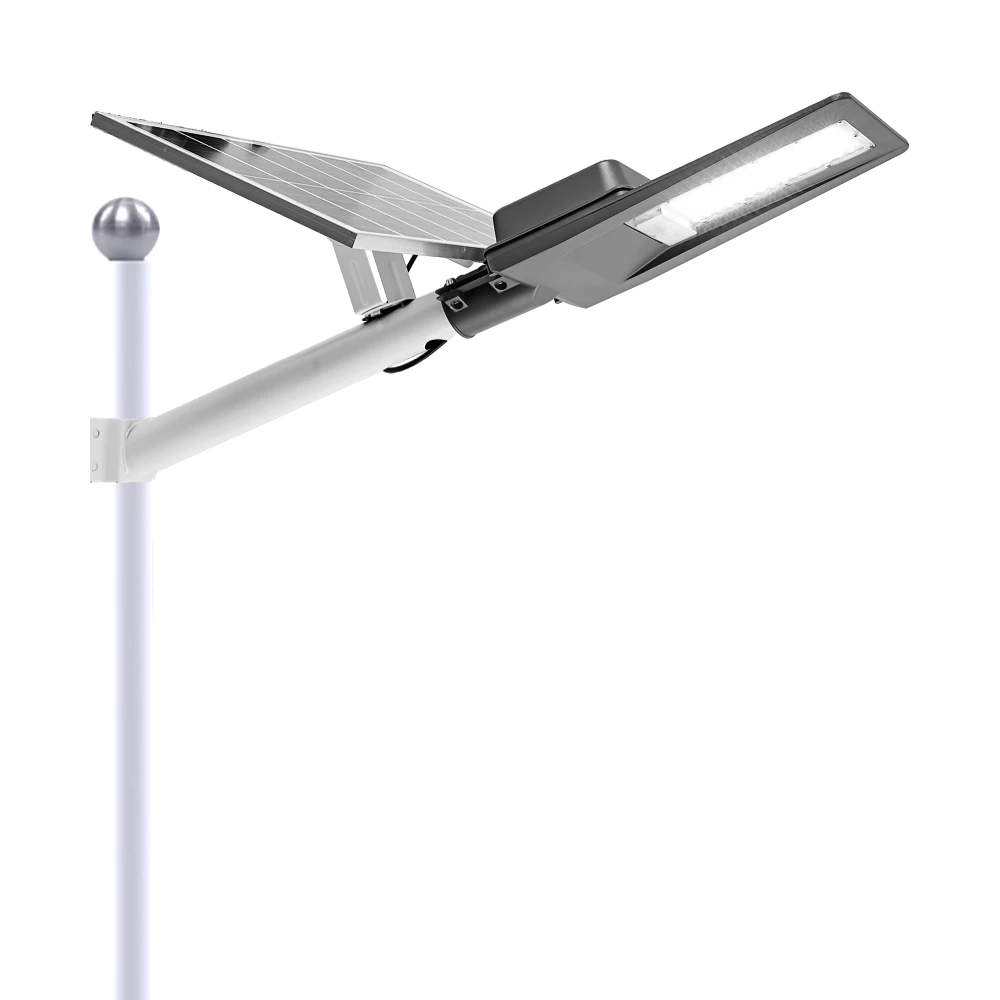
Experience reliable outdoor illumination with our smart solar street light, a perfect combination of advanced technology and eco-conscious design.
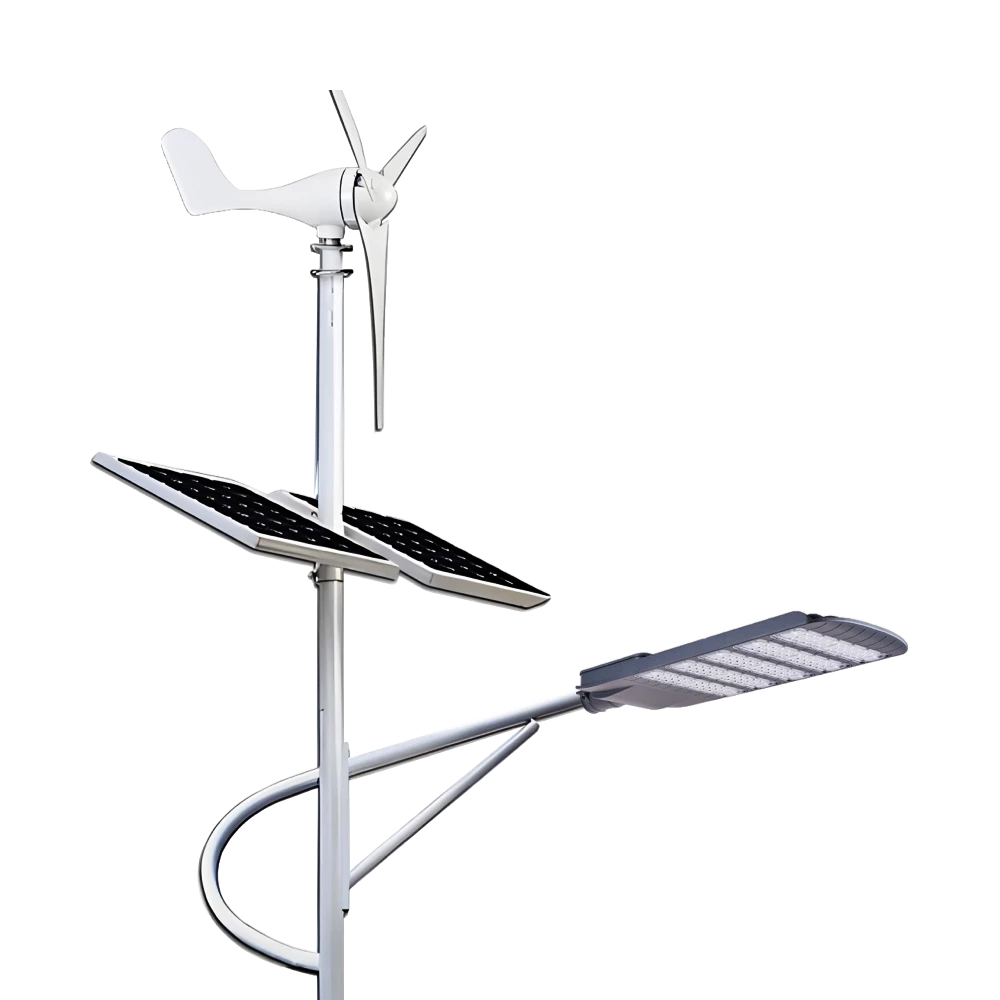
Queneng Lufeng Wind Energy LED Outdoor Solar Street Lights offer high-performance, eco-friendly illumination. These energy-efficient LED street lights harness solar power and wind energy for sustainable, cost-effective outdoor lighting solutions.
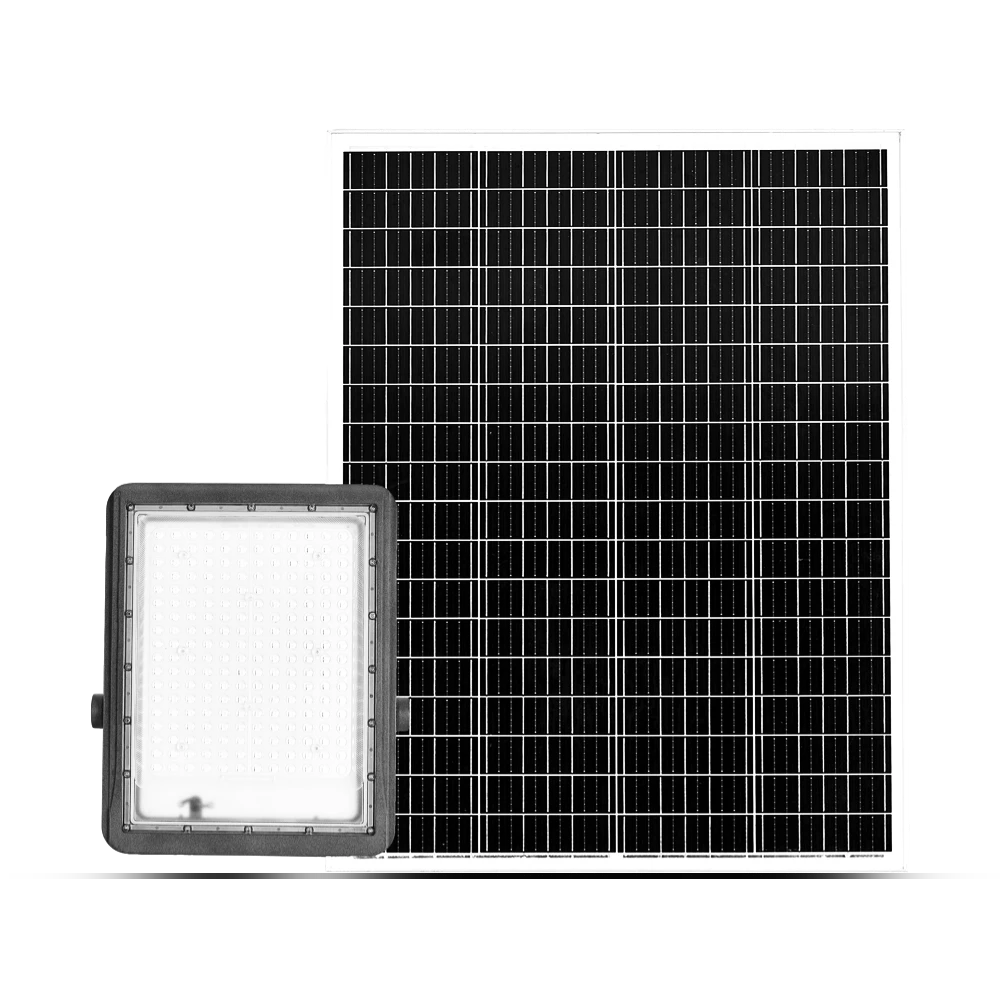
Queneng's Luxian Reliable Solar Street Light offers energy-saving LED lighting for outdoor use. This durable, solar-powered street light provides reliable illumination, reducing energy costs and environmental impact. A perfect solution for sustainable outdoor lighting.
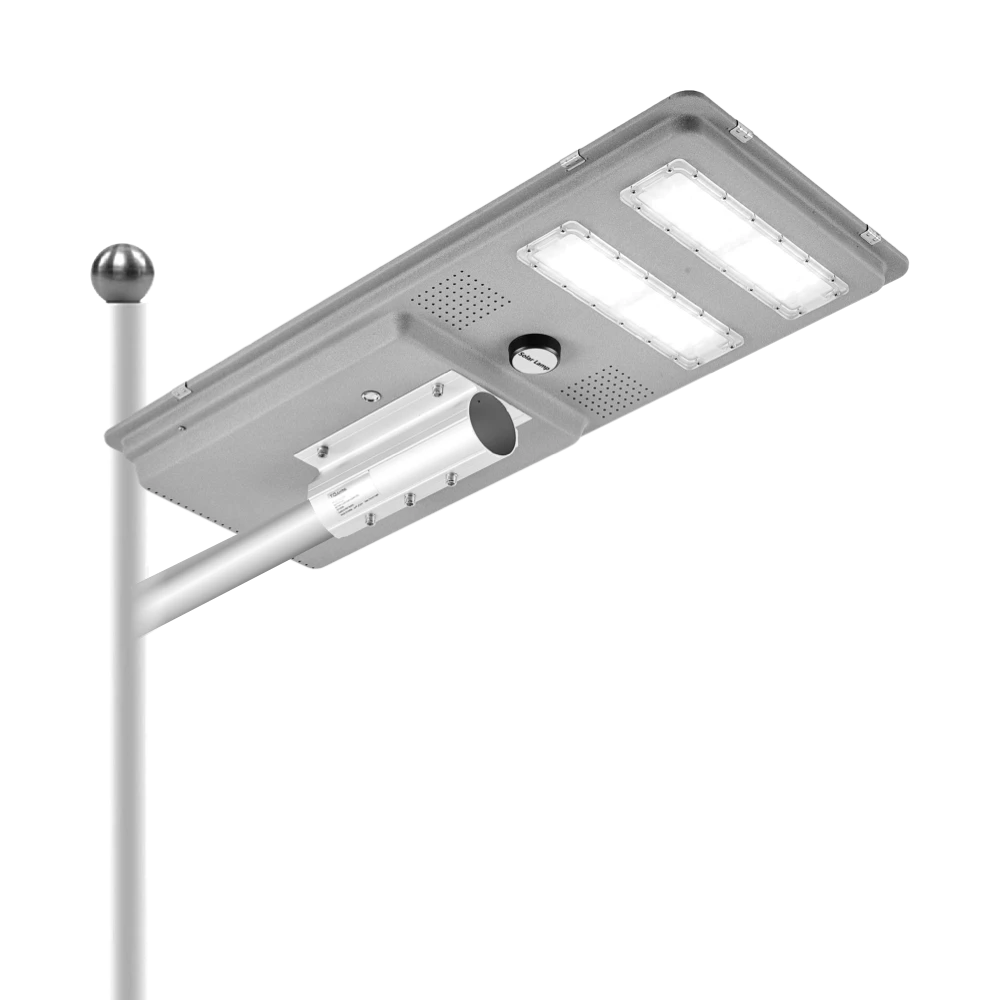
Queneng’s Solar Street Lights are designed to provide reliable, energy-efficient lighting for streets, parks, and other outdoor spaces.
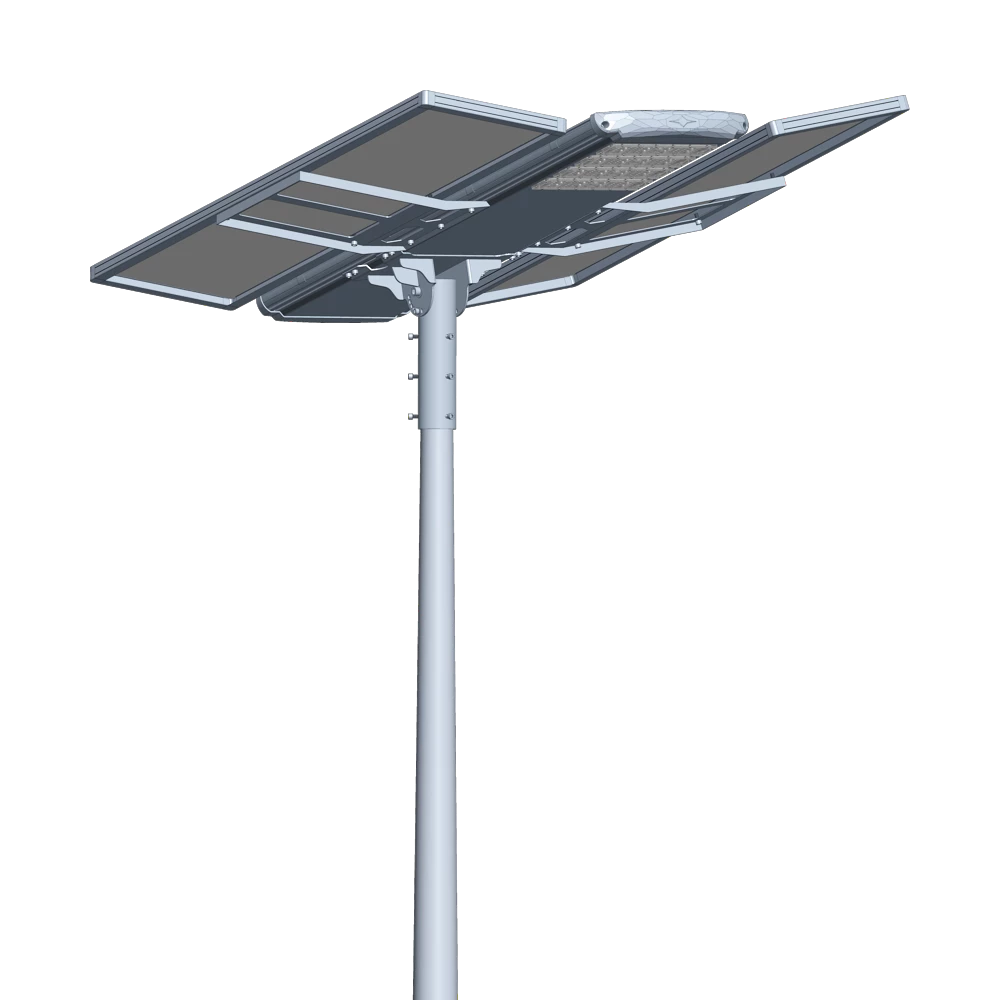
Introducing the Luqing Solar Street Light by Queneng, Efficient LED lighting powered by solar energy is perfect for illuminating outdoor areas. Harness the power of solar energy for sustainable, reliable street lighting. Ideal for eco-friendly, cost-effective outdoor illumination solutions.
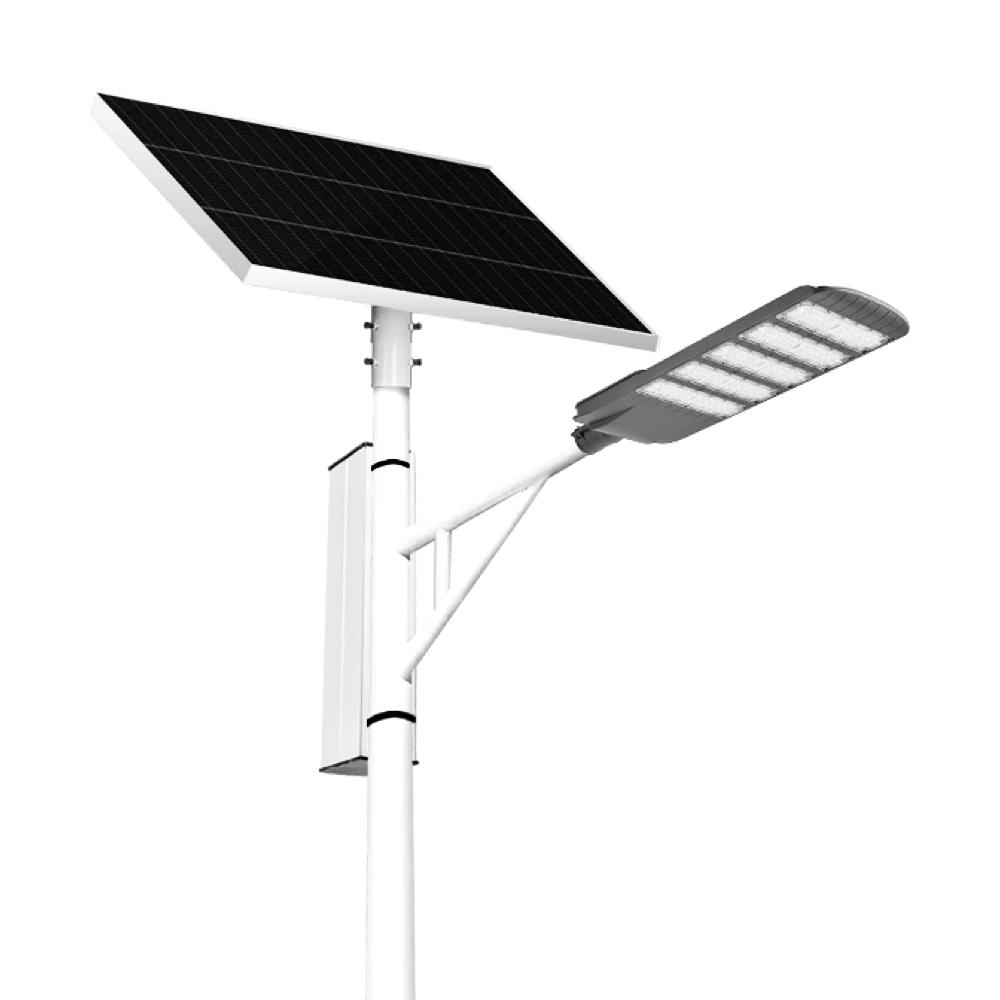
The Solar Streetlights of Luhao for Municipalities are designed to deliver reliable, energy-efficient, and cost-effective public lighting solutions. Equipped with advanced LED technology, durable lithium batteries, and high-efficiency solar panels, these streetlights provide consistent illumination for roads, parks, residential areas, and government projects.
If you would like more information about Queneng solar lighting solutions, please send us a message by filling out the form below. Our professional team will get back to you within 24 hours!
Rest assured that your privacy is important to us, and all information provided will be handled with the utmost confidentiality.
Schedule a Meeting
Book a date and time that is convenient for you and conduct the session in advance.
Have more questions about our products or services?
The messenger of light & power conversion
Environmental protection and intelligent manufacturing are our brand philosophy, and quality assurance and the best user experience are our eternal promises to users.
CONTACT
No.9F, Building F, Cao San Xin Tian Hong Logistics Park, Guzhen Town, Zhongshan City, Guangdong Province, China.
or write [email protected]
WhatsApp: +86 136 2270 1011


