














The Importance of Battery Management System (BMS) in Solar Street Lights
Discover why a Battery Management System (BMS) is crucial for solar street lights. Learn how BMS protects lithium batteries, extends lifespan, and ensures reliable performance for smart solar lighting.
As solar street lights become more widely adopted in both urban and rural settings, the importance of stable energy storage and intelligent management systems has grown significantly. One of the most essential components in a solar street light system is the Battery Management System (BMS). In this article, we explore the function of a BMS, its impact on solar lighting systems, and why investing in a high-quality BMS can greatly benefit your lighting solution.
What Is a Battery Management System (BMS)?
A Battery Management System is an intelligent circuit that monitors and controls rechargeable batteries, particularly lithium-ion or LiFePO4 types used in modern solar street lights. It performs several key functions:
- Monitors battery voltage and temperature
- Balances cells to ensure consistent charging and discharging
- Prevents overcharging and over-discharging
- Provides protection against short circuits and overheating
- Communicates real-time battery status to solar controllers or IoT systems
Why BMS Matters for Solar Street Lights
1. Battery Safety
Without a BMS, lithium batteries are prone to overcharging, thermal runaway, or deep discharge, which can damage the battery or even cause safety hazards. A BMS mitigates these risks by monitoring and controlling battery parameters in real-time.
2. Extended Battery Life
By ensuring balanced charging and optimized usage, BMS extends the battery lifespan to as much as 5–10 years, depending on usage and battery chemistry.
3. Adaptability in Harsh Weather
Solar street lights are often installed in extreme outdoor conditions. A BMS helps maintain battery performance in high heat, cold, and humid environments by adjusting internal parameters.
4. Intelligent Energy Management
Advanced BMSs support communication protocols such as RS485 or CAN, enabling remote monitoring, predictive maintenance, and intelligent dimming.
5. Efficient Charging & Discharging
By regulating voltage and current, the BMS optimizes charging and discharging, improving the energy efficiency of the street light.
BMS in LiFePO4 vs. Lithium-ion Batteries
| Feature | LiFePO4 Battery BMS | Lithium-ion Battery BMS |
|---|---|---|
| Voltage Range | 3.2V nominal per cell | 3.6–3.7V nominal per cell |
| Thermal Stability | High | Moderate |
| Life Cycles | 2000–5000 | 1000–2000 |
| Application Trend | Increasing | Still Common |
| Cost | Slightly Higher | Moderate |
Common BMS Features in Solar Street Lights
- Over-charge and over-discharge protection
- Temperature monitoring and safety cutoff
- Battery State of Charge (SOC) estimation
- Cell voltage balancing
- Short-circuit protection
- Communication interfaces (optional)
FAQ: Battery Management System in Solar Street Lights
php-template 复制 编辑Q1: Can solar street lights operate without a BMS?
A: Technically yes, but doing so greatly increases the risk of battery damage and system failure. A BMS is highly recommended for safety and reliability.
Q2: How do I know if my solar light has a BMS?
A: Most modern solar lights with lithium batteries include a BMS. Check the product manual or ask your supplier for confirmation.
Q3: Does BMS affect lighting output?
A: Indirectly, yes. A functioning BMS ensures that the battery supplies stable power to the LED light, maintaining consistent brightness.
Q4: Is BMS required for lead-acid batteries?
A: Not usually. Lead-acid systems use simpler controllers and don’t require advanced BMS features like cell balancing.
Q5: Can I replace or upgrade a BMS?
A: Yes, but compatibility is crucial. Always consult with your solar lighting provider or a professional technician.
About Us
GuangDong Queneng Lighting Technology Co., Ltd., founded in 2013, specializes in solar street lights, solar photovoltaic systems, and outdoor lighting solutions. With advanced R&D capabilities and ISO 9001/TÜV/CE/UL certifications, we are a trusted supplier for government and commercial projects worldwide. Our mission is to provide safe, reliable, and intelligent solar lighting systems.

Have more questions about our products or services?
The latest hot news you might like

Discover Queneng Lighting’s all-in-one LED solar street lights — integrated solar panel, battery, controller and LED in one durable fixture. Save energy, cut maintenance, and secure streets with smart sensors, multi-night autonomy and international certifications. Contact sales for quotes and support.

Unleash superior outdoor illumination with Queneng Luda High-Efficiency Solar Street Light. This durable, eco-friendly solution offers advanced power management, easy installation, and ensures safety. Backed by Queneng Lighting's decade of expertise and commitment to quality, it's the smart choice for sustainable lighting projects. Learn why we're a leading solar solutions provider.

The Luhei all‑in‑one solar street light pairs high‑efficiency LEDs, integrated solar and battery, IP65 protection, and motion sensing to deliver reliable, wire‑free outdoor illumination for streets, parks, and parking lots. Backed by Queneng Lighting’s certifications and support.

FAQ
Battery Performance and Testing
What is a penetration test?
Solar Street Light Luqing
What is the main advantage of using Luqing solar street lights over traditional street lights?
The main advantage of Luqing solar street lights is their sustainability. They use solar energy, eliminating the need for electricity from the grid, which reduces energy costs and environmental impact while providing reliable lighting.
Battery and Analysis
Can a rechargeable 1.2V portable battery be used instead of a 1.5V alkaline manganese battery?
who we are
How can I contact Queneng for inquiries or product support?
You can contact us through our website, where you can find contact forms, customer service phone numbers, and email addresses. Our support team is available to assist with any inquiries, product information, or technical support you may need.
Tourist Attractions and Resorts
Do solar lights require much maintenance?
Solar lights require minimal maintenance. Routine checks and occasional cleaning of the solar panels are enough to keep the system functioning efficiently. There are no wires or bulbs that need to be replaced frequently.
Commercial and Industrial Parks
What is the lifespan of your solar streetlights?
The average lifespan of our solar streetlights is 25 years for the panel and 5–8 years for the battery.
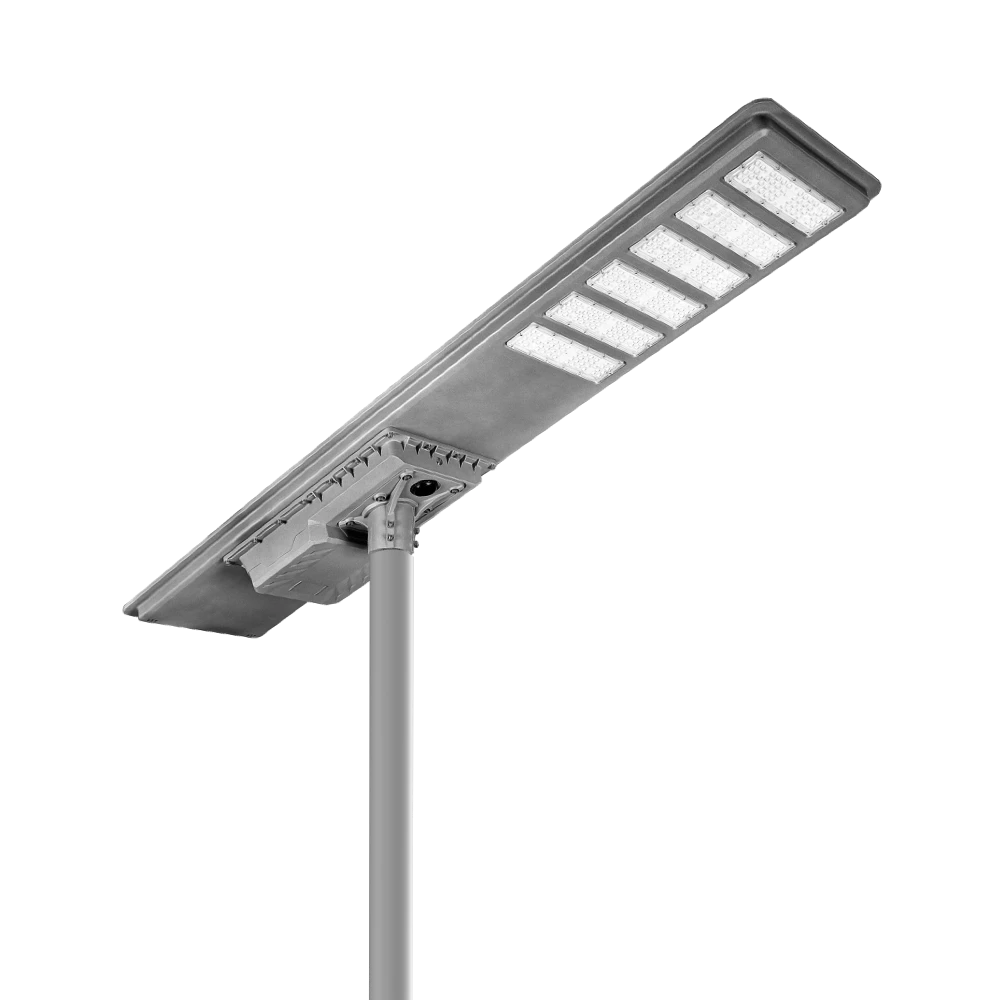
Queneng's Luqiu Innovative Solar Street Light offers energy-saving, durable outdoor lighting. This solar power street light provides a reliable and eco-friendly solution for illuminating your streets and pathways.
If you would like more information about Queneng solar lighting solutions, please send us a message by filling out the form below. Our professional team will get back to you within 24 hours!
Rest assured that your privacy is important to us, and all information provided will be handled with the utmost confidentiality.
Schedule a Meeting
Book a date and time that is convenient for you and conduct the session in advance.
Have more questions about our products or services?
The messenger of light & power conversion
Environmental protection and intelligent manufacturing are our brand philosophy, and quality assurance and the best user experience are our eternal promises to users.
CONTACT
No.9F, Building F, Cao San Xin Tian Hong Logistics Park, Guzhen Town, Zhongshan City, Guangdong Province, China.
or write [email protected]
WhatsApp: +86 136 2270 1011


