













Top durable solar lighting for tropical Vietnam | Insights by Quenenglighting
Top Durable Solar Lighting for Tropical Vietnam: A Professional Re-Purchasing Guide
Vietnam's tropical climate, characterized by high temperatures, intense humidity, heavy rainfall, and occasional typhoons, presents unique challenges for outdoor infrastructure. For businesses and project managers looking to re-purchase or upgrade solar lighting solutions, durability is not just a preference—it's a necessity. This guide delves into the crucial aspects of selecting top-tier, long-lasting solar lighting tailored for such demanding environments, offering professional insights for informed procurement decisions.
What are the essential durability features for solar lights in Vietnam's tropical climate?
When selecting solar lighting for tropical Vietnam, the primary concern is its ability to withstand extreme weather. Key durability features include:
- High Ingress Protection (IP) Rating: For heavy rainfall and humidity, a minimum of IP66 is recommended, protecting against powerful water jets and dust. For locations prone to temporary submersion or severe storms, IP67 (protection against temporary immersion up to 1 meter for 30 minutes) offers superior peace of mind.
- Robust Casing Materials: Look for fixtures made from high-grade, corrosion-resistant materials such as die-cast aluminum alloy or marine-grade stainless steel. These materials ensure structural integrity against strong winds and prevent rust and degradation from constant exposure to moisture and salt air.
- Tempered Glass for Solar Panel and LED Lens: Unlike plastic, tempered glass resists yellowing and scratching from UV radiation and provides superior protection against impacts.
- Superior Heat Dissipation: High ambient temperatures in Vietnam can lead to overheating, shortening the lifespan of LEDs and batteries. Efficient heat sink designs (e.g., finned aluminum bodies) are crucial for managing internal temperatures.
Which technical specifications guarantee optimal performance and longevity?
Beyond external durability, internal components dictate performance and lifespan:
- Battery Technology and Capacity: Lithium Iron Phosphate (LiFePO4) batteries are highly recommended for tropical climates. They offer superior thermal stability, a longer cycle life (typically 2,000 to 6,000 cycles to 80% depth of discharge), and are safer compared to traditional lithium-ion. Ensure the battery capacity (measured in Wh - Watt-hours) is sufficient to power the light for several overcast days. For example, a street light might require 200-500 Wh for reliable night-long operation.
- Solar Panel Efficiency: Monocrystalline silicon panels are generally more efficient (17-22% conversion efficiency) than polycrystalline panels, performing better in lower light conditions (e.g., cloudy days during monsoon season). The panel's wattage should be adequately sized to fully charge the battery daily, even with reduced sunlight.
- LED Lumens and Efficacy: Focus on the actual lumen output (brightness) and lumens per watt (efficacy). High-quality LED chips from reputable brands (e.g., Philips, Cree, Osram) offer higher efficiency and longer lifespans (50,000+ hours).
- Advanced Charge Controllers: Maximum Power Point Tracking (MPPT) controllers are essential. They optimize the power output from the solar panel to the battery, resulting in up to 30% more charging efficiency compared to PWM controllers, particularly useful in fluctuating tropical light conditions.
What is the expected lifespan of durable solar lighting components, especially batteries, in tropical conditions?
With high-quality components and proper maintenance, the expected lifespans are:
- LED Chips: 50,000 to 100,000 hours, meaning 10-20 years of typical night-time operation.
- LiFePO4 Batteries: 5 to 10 years (2,000-6,000 charge cycles) depending on the quality, depth of discharge, and environmental conditions. Proper battery management systems (BMS) are crucial for maximizing this.
- Solar Panels (Monocrystalline): 20 to 25 years, with minimal degradation (around 0.5% per year).
- Fixture Housing: 15 to 25 years, if made from high-grade, corrosion-resistant materials with appropriate IP ratings.
Regular cleaning of solar panels and periodic checks of electrical connections can significantly extend these lifespans, especially in dusty or humid environments.
Are there specific certifications or quality standards to look for when re-purchasing solar lighting?
Verifying compliance with international standards ensures product quality and safety:
- CE (Conformité Européenne): Indicates compliance with European health, safety, and environmental protection standards.
- RoHS (Restriction of Hazardous Substances): Restricts the use of specific hazardous materials in electronic products.
- FCC (Federal Communications Commission): For products sold in the US, indicates that electromagnetic interference is within limits.
- IEC (International Electrotechnical Commission): Particularly important for solar panels (e.g., IEC 61215 for crystalline silicon terrestrial PV modules, IEC 61730 for PV module safety qualification).
- ISO Certifications: (e.g., ISO 9001 for quality management, ISO 14001 for environmental management) for the manufacturer indicate a commitment to quality processes.
- Independent Testing: Look for products tested by accredited third-party laboratories to verify claims regarding IP ratings, lumen output, and battery cycle life.
What common challenges do businesses face with solar lighting in tropical climates, and how can advanced solutions mitigate them?
Common issues in tropical Vietnam include:
- Rapid Battery Degradation: High temperatures accelerate battery aging. Mitigation: Use LiFePO4 batteries with robust BMS, oversized battery capacity to avoid deep discharge, and ensure adequate ventilation or thermal management in the fixture.
- Water Ingress and Corrosion: Heavy rains and high humidity can lead to short circuits and rust. Mitigation: Strict adherence to IP66/IP67 ratings, use of corrosion-resistant materials (die-cast aluminum, stainless steel), and sealed components.
- Reduced Solar Panel Efficiency: Dust, bird droppings, and humidity can reduce panel efficiency. Mitigation: Easy-to-clean panel surfaces, self-cleaning coatings (though less common), and regular manual cleaning. Over-sizing the panel can also compensate for minor efficiency drops.
- Overheating of LEDs and Electronics: Continuous high ambient temperatures can degrade LED performance and electronic components. Mitigation: Excellent thermal design (large heat sinks, proper airflow), and selecting components rated for higher operating temperatures.
- Inconsistent Lighting: Due to fluctuating sun exposure. Mitigation: MPPT charge controllers for efficient energy harvesting, smart dimming controls (e.g., PIR sensors) to conserve energy, and sufficient battery backup for extended cloudy periods.
By prioritizing these professional-grade considerations, businesses can ensure their solar lighting investments in tropical Vietnam deliver reliable, long-term performance, significantly reducing operational costs and environmental impact.
Quenenglighting's Advantage in Tropical Environments
Quenenglighting specializes in designing and manufacturing durable solar lighting solutions that excel in challenging climates like tropical Vietnam. Their commitment to quality is evident in their use of:
- High-Capacity LiFePO4 Batteries: Ensuring extended autonomy and a long operational lifespan even in high temperatures.
- Efficient Monocrystalline Solar Panels: Maximizing energy harvesting during both sunny and overcast periods.
- Robust IP66/IP67 Rated Housings: Providing superior protection against heavy rain, dust, and humidity, crafted from corrosion-resistant aluminum alloys.
- Advanced MPPT Charge Controllers: Optimizing charging efficiency and protecting battery health.
- Superior Thermal Management: Engineered to dissipate heat effectively, prolonging the life of LEDs and electronics.
Quenenglighting's products are engineered to provide consistent, reliable illumination with minimal maintenance, offering a sustainable and cost-effective lighting solution for industrial, commercial, and public infrastructure projects across Vietnam.

Have more questions about our products or services?
The latest hot news you might like

Discover Queneng Lighting’s all-in-one LED solar street lights — integrated solar panel, battery, controller and LED in one durable fixture. Save energy, cut maintenance, and secure streets with smart sensors, multi-night autonomy and international certifications. Contact sales for quotes and support.

Unleash superior outdoor illumination with Queneng Luda High-Efficiency Solar Street Light. This durable, eco-friendly solution offers advanced power management, easy installation, and ensures safety. Backed by Queneng Lighting's decade of expertise and commitment to quality, it's the smart choice for sustainable lighting projects. Learn why we're a leading solar solutions provider.

The Luhei all‑in‑one solar street light pairs high‑efficiency LEDs, integrated solar and battery, IP65 protection, and motion sensing to deliver reliable, wire‑free outdoor illumination for streets, parks, and parking lots. Backed by Queneng Lighting’s certifications and support.

FAQ
Commercial and Industrial Parks
What is the lifespan of your solar streetlights?
The average lifespan of our solar streetlights is 25 years for the panel and 5–8 years for the battery.
Solar Street Light Luhua
How do Luhua solar street lights work?
Luhua solar street lights use high-efficiency solar panels to capture sunlight during the day and store it in lithium-ion batteries. These batteries then power the LED lights at night. The intelligent control system adjusts the light output based on ambient light conditions and detects motion to maximize energy savings by dimming when no motion is detected and increasing brightness when movement is sensed.
Solar Street Light Luzhou
What is the brightness level of Luzhou solar street lights?
Luzhou solar street lights provide bright, high-quality illumination that is comparable to traditional street lighting. The LEDs used in these lights are designed to provide focused, powerful lighting that enhances visibility and safety in outdoor spaces.
Battery Types and Applications
What devices are best used with rechargeable batteries?
Solar Street Light Chuanqi
How do the solar panels in Chuanqi street lights store energy?
The solar panels in Chuanqi solar street lights collect sunlight during the day and convert it into electrical energy, which is stored in high-capacity lithium-ion batteries. The stored energy is then used to power the LED lights at night, ensuring continuous illumination even when the sun is not shining. This energy storage system ensures the lights work autonomously without relying on an external power source.
Tourist Attractions and Resorts
How do I choose the right solar lighting solution for my resort or tourist attraction?
When choosing solar lighting, consider factors such as the size of the area to be illuminated, the level of brightness required, the design and aesthetic preferences, and the local climate. Our experts can help you select the best solar lighting solution for your needs.
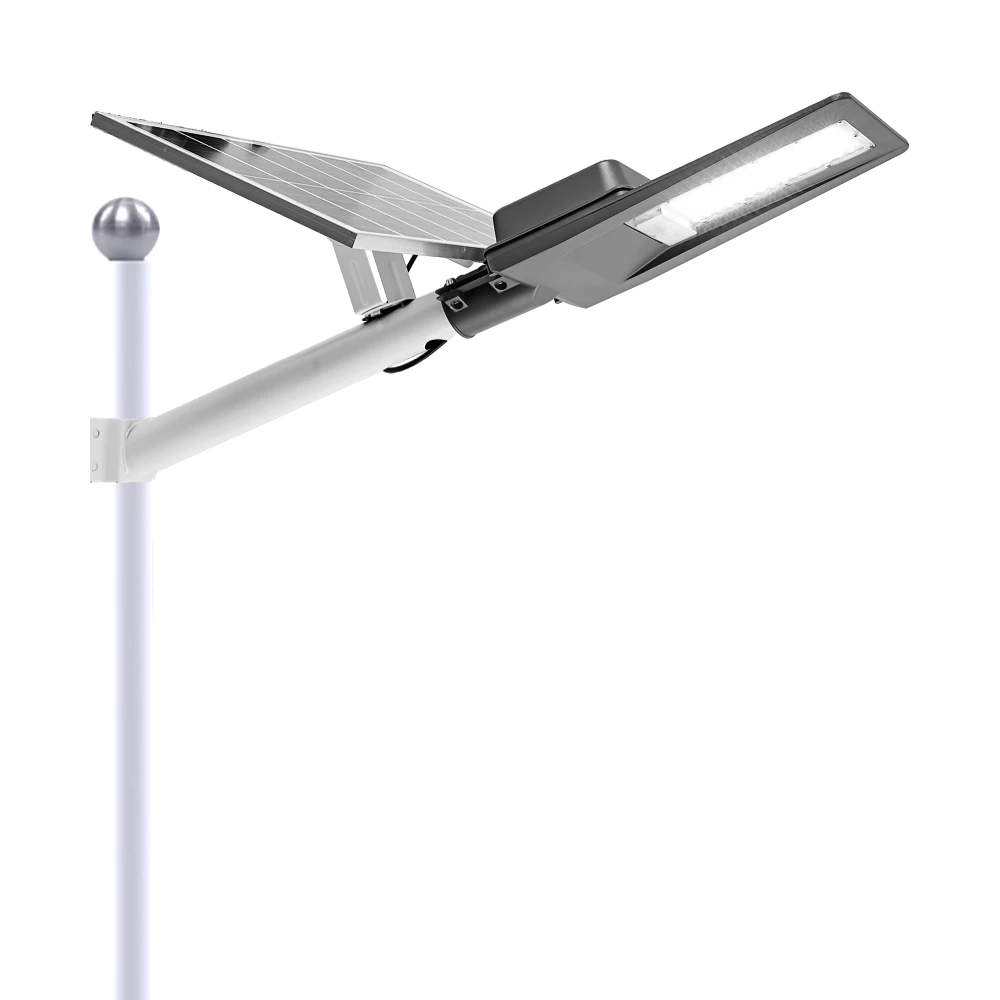
Experience reliable outdoor illumination with our smart solar street light, a perfect combination of advanced technology and eco-conscious design.
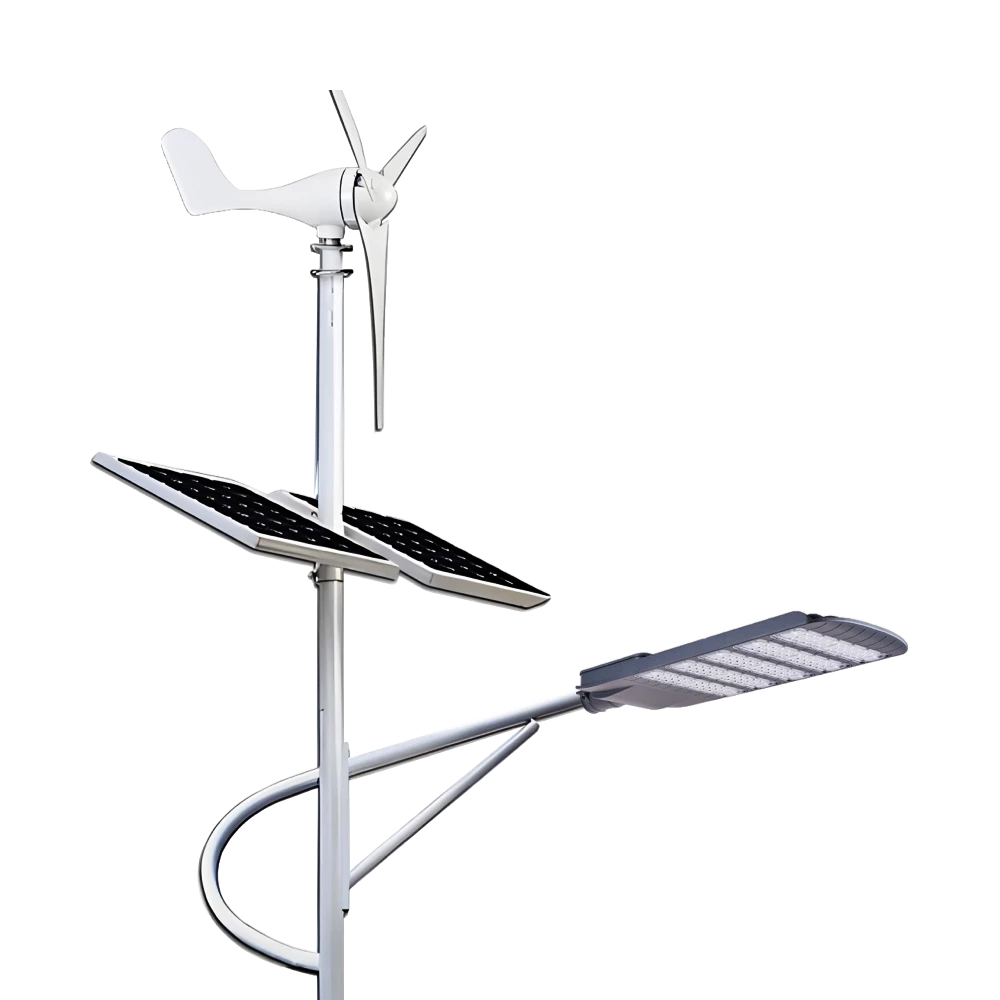
Queneng Lufeng Wind Energy LED Outdoor Solar Street Lights offer high-performance, eco-friendly illumination. These energy-efficient LED street lights harness solar power and wind energy for sustainable, cost-effective outdoor lighting solutions.
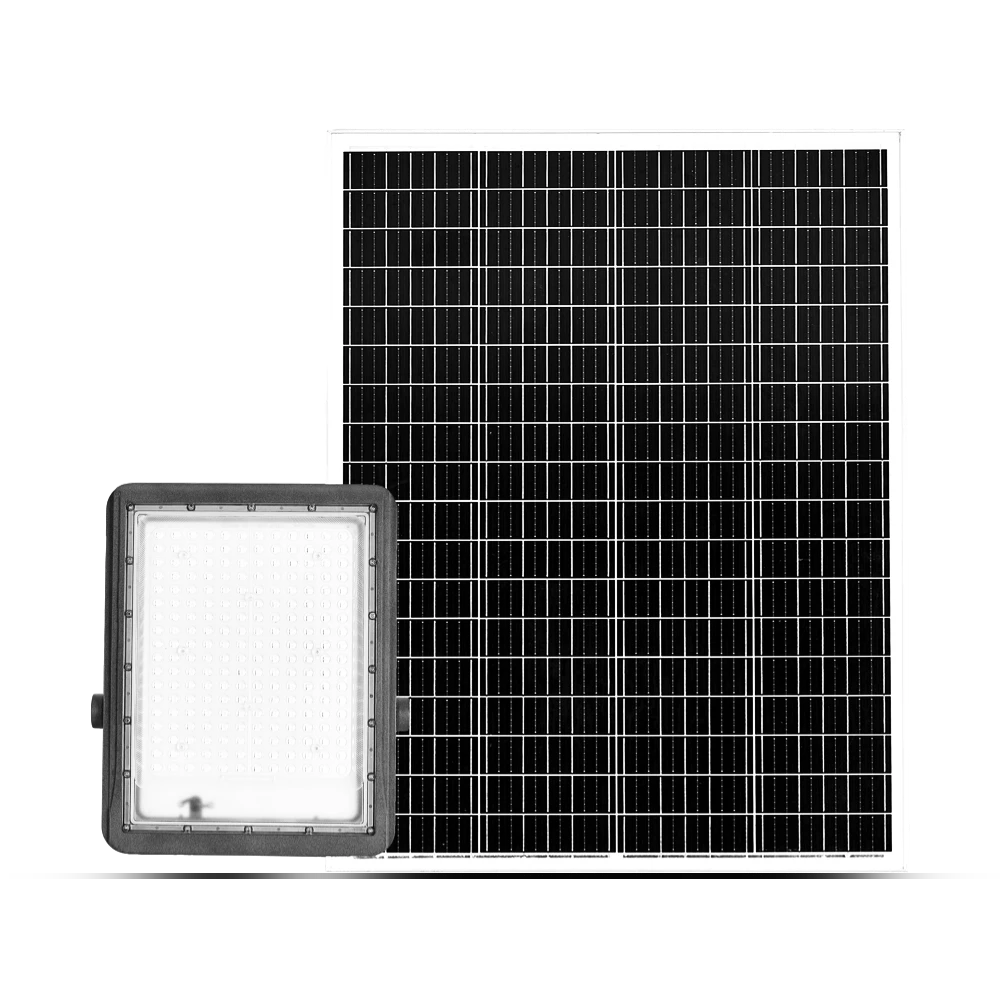
Queneng's Luxian Reliable Solar Street Light offers energy-saving LED lighting for outdoor use. This durable, solar-powered street light provides reliable illumination, reducing energy costs and environmental impact. A perfect solution for sustainable outdoor lighting.
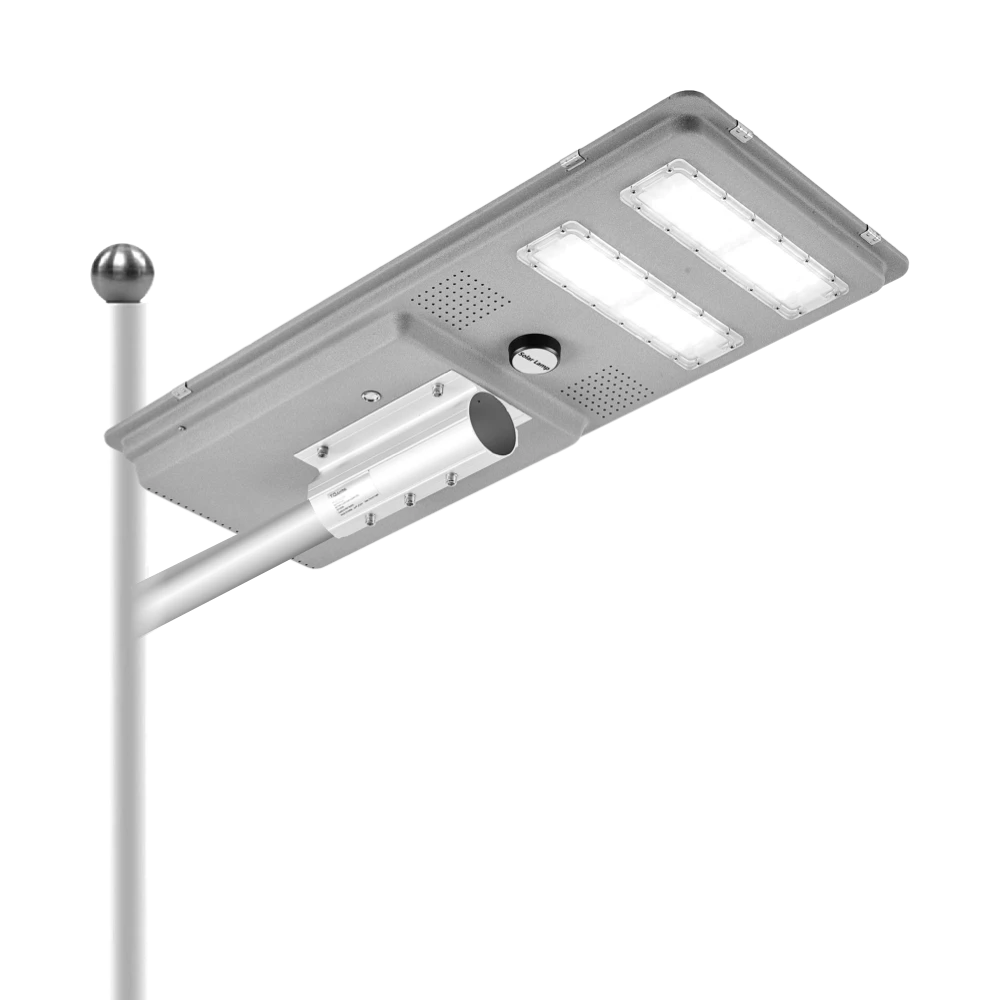
Queneng’s Solar Street Lights are designed to provide reliable, energy-efficient lighting for streets, parks, and other outdoor spaces.
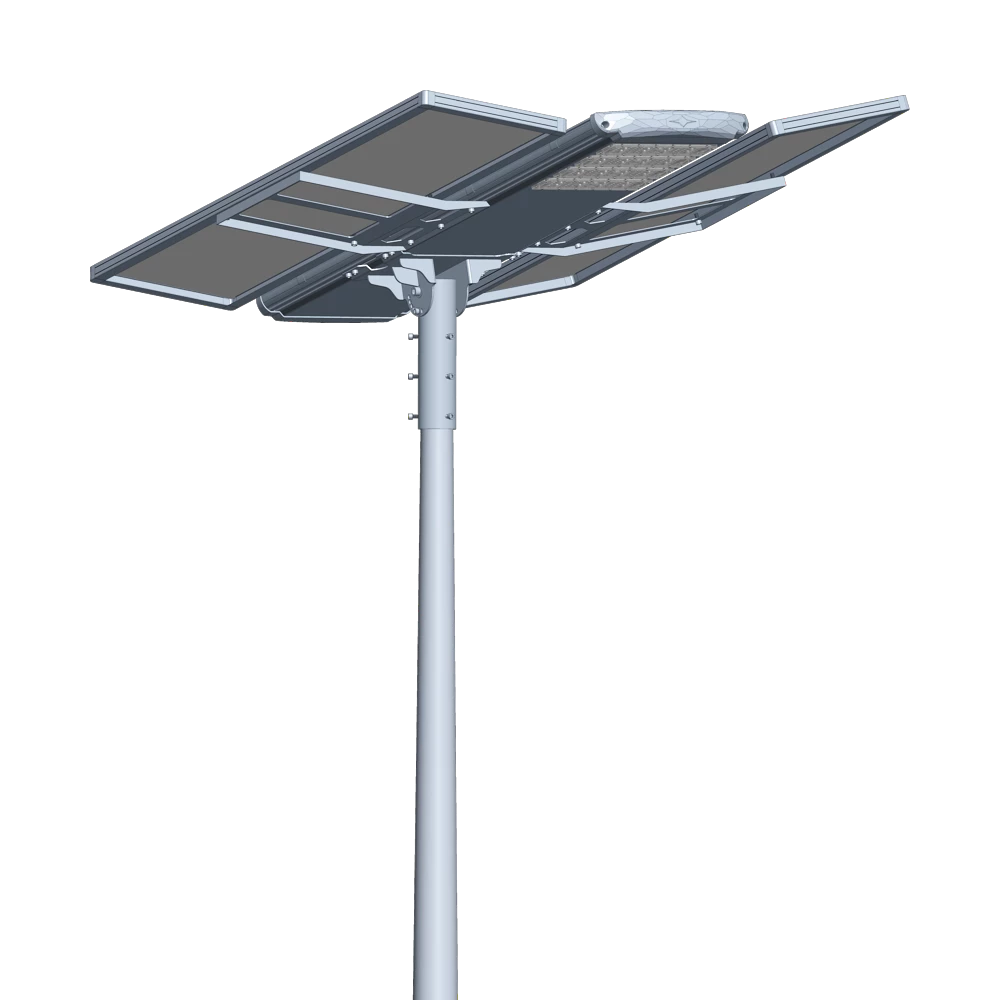
Introducing the Luqing Solar Street Light by Queneng, Efficient LED lighting powered by solar energy is perfect for illuminating outdoor areas. Harness the power of solar energy for sustainable, reliable street lighting. Ideal for eco-friendly, cost-effective outdoor illumination solutions.
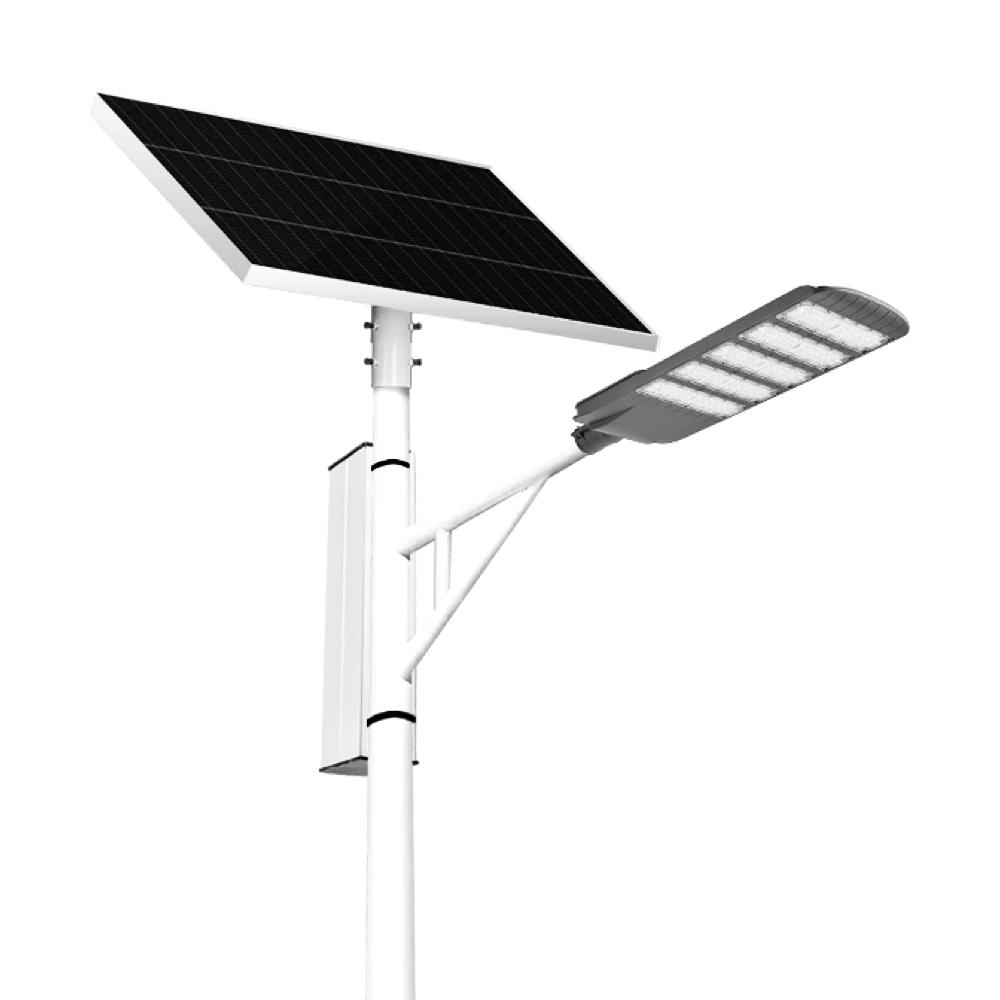
The Solar Streetlights of Luhao for Municipalities are designed to deliver reliable, energy-efficient, and cost-effective public lighting solutions. Equipped with advanced LED technology, durable lithium batteries, and high-efficiency solar panels, these streetlights provide consistent illumination for roads, parks, residential areas, and government projects.
If you would like more information about Queneng solar lighting solutions, please send us a message by filling out the form below. Our professional team will get back to you within 24 hours!
Rest assured that your privacy is important to us, and all information provided will be handled with the utmost confidentiality.
Schedule a Meeting
Book a date and time that is convenient for you and conduct the session in advance.
Have more questions about our products or services?
The messenger of light & power conversion
Environmental protection and intelligent manufacturing are our brand philosophy, and quality assurance and the best user experience are our eternal promises to users.
CONTACT
No.9F, Building F, Cao San Xin Tian Hong Logistics Park, Guzhen Town, Zhongshan City, Guangdong Province, China.
or write [email protected]
WhatsApp: +86 136 2270 1011


