













Top solar street lighting solutions in Nigeria | Insights by Quenenglighting
Top Solar Street Lighting Solutions in Nigeria: A Professional Procurement Guide
Nigeria, with its abundant sunshine and critical need for reliable illumination, presents a burgeoning market for solar street lighting. For businesses and public sector organizations looking to invest in these solutions, understanding the nuances of procurement is vital. This guide addresses the most pressing questions for professional buyers in the solar lighting industry, ensuring smart, sustainable investments.
What are the Essential Technical Specifications for Solar Street Lights in Nigeria's Climate?
Nigeria's equatorial climate, characterized by high temperatures, significant dust, and periods of intense rainfall, demands robust specifications. When procuring, prioritize the following:
- Battery Technology & Capacity: LiFePO4 (Lithium Iron Phosphate) batteries are paramount due to their superior cycle life (typically 2000-4000 cycles at 80% DoD) and better thermal stability compared to lead-acid. For Nigeria, where consistent grid power is often absent, target systems with 3-5 nights of autonomy to account for prolonged cloudy periods. A 60W LED luminaire might require a 60Ah-100Ah LiFePO4 battery at 12.8V (or equivalent in 25.6V).
- Solar Panel Efficiency & Size: Monocrystalline silicon solar panels are recommended for their higher efficiency (typically 18-22%), which allows for more power generation in a smaller footprint. Oversize panels by 20-30% to compensate for dust accumulation and intermittent cloud cover, ensuring sufficient charging even on less sunny days. For example, a 60W LED system might need a 120W-150W solar panel.
- LED Efficacy & Lumens: Opt for high-efficacy LEDs (Light Emitting Diodes) delivering over 150 lumens per watt (lm/W) to maximize brightness with minimal power consumption. Common street light wattages range from 30W to 120W, providing sufficient illumination for various applications.
- IP Rating: An Ingress Protection (IP) rating of IP65 or IP66 is crucial for dust and water resistance, protecting internal components from Nigeria's harsh environment.
- Charge Controller: MPPT (Maximum Power Point Tracking) charge controllers are significantly more efficient (15-30% more effective) than PWM controllers, optimizing power extraction from the solar panel, especially during fluctuating light conditions.
How Can I Ensure the Durability and Longevity of Solar Street Lighting Systems in Nigeria, Considering Environmental Factors and Security?
Durability is a key concern given Nigeria's climate and potential for vandalism. Focus on these aspects:
- Thermal Management: High ambient temperatures can degrade battery and LED lifespan. Ensure the system employs excellent heat dissipation mechanisms (e.g., robust aluminum alloy heat sinks for LEDs, well-ventilated enclosures for batteries) to maintain optimal operating temperatures.
- Material Quality: Poles should be made from hot-dip galvanized steel for corrosion resistance, able to withstand strong winds. Fixtures should be of high-grade aluminum alloy, robust enough to deter tampering.
- Anti-Theft Design: Integrated all-in-one designs reduce visible components, making theft harder. Consider specialized tamper-proof bolts, secure battery compartments, and robust mounting brackets. Some solutions even incorporate GPS tracking.
- Dust Resistance & Maintenance: While difficult to entirely prevent, good IP ratings help. For large projects, factor in periodic cleaning of solar panels (e.g., every 3-6 months) to maintain efficiency, as dust can reduce output by 10-25%.
- Wind Load Resistance: Ensure poles and fixtures are engineered to withstand Nigeria's wind speeds, especially during the rainy season and storms.
What are the Key Financial Considerations and ROI Aspects for Investing in Solar Street Lighting Projects in Nigeria?
Investing in solar street lighting offers significant long-term financial benefits despite a higher upfront cost compared to traditional grid-powered lights.
- Zero Electricity Bills: This is the most significant financial advantage. Given Nigeria's inconsistent grid power and rising electricity tariffs, the elimination of monthly utility bills leads to substantial savings over the system's lifespan (10-15+ years).
- Reduced Installation Costs: In remote areas or locations without existing grid infrastructure, solar street lights eliminate the need for trenching, cabling, and connecting to the grid, drastically reducing installation complexities and costs.
- Return on Investment (ROI): The payback period for solar street lights in Nigeria typically ranges from 2 to 5 years, depending on the current cost of grid electricity, diesel generator usage (if applicable), and the system's initial cost. After the payback period, the lighting provides free illumination, contributing directly to an organization's bottom line or public service budget.
- Carbon Credits & Green Initiatives: Investing in solar can align with corporate social responsibility (CSR) goals and potentially unlock opportunities for carbon credits or grants from international sustainability funds, further enhancing financial viability.
- Increased Property Value/Security: For businesses and communities, improved nighttime visibility and security can lead to increased economic activity and property value, offering indirect financial benefits.
What are the Latest Technological Advancements in Solar Street Lighting Relevant to the Nigerian Market?
The solar street lighting industry is constantly evolving, with innovations that boost efficiency, reliability, and functionality:
- Smart Control Systems (IoT Integration): Advanced systems now incorporate IoT (Internet of Things) capabilities, allowing for remote monitoring, fault detection, and intelligent dimming schedules via platforms like LoRaWAN or Zigbee. This enables adaptive lighting (e.g., dimming when no motion is detected, then brightening upon detection via PIR sensors), maximizing energy savings (up to 30-50%).
- Higher Efficiency Components: Continuous improvements in LED chip technology push efficacy beyond 180lm/W, while solar panel conversion rates are steadily climbing (e.g., perovskite cells showing promise beyond traditional silicon). This means more light for less power and faster charging.
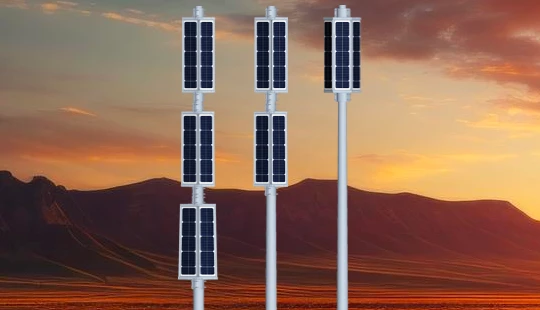
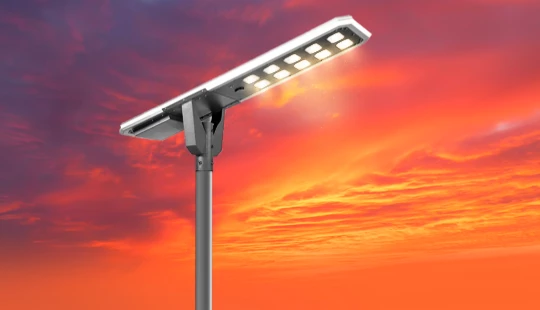
- Integrated Designs: All-in-one or integrated solar street lights combine the solar panel, battery, LED luminaire, and charge controller into a single compact unit. This simplifies installation, reduces component visibility (aiding anti-theft), and offers a sleek aesthetic.
- Advanced Battery Management Systems (BMS): Modern LiFePO4 batteries come with sophisticated BMS that protect against overcharging, over-discharging, overheating, and short circuits, significantly extending battery life and system safety.
- Self-Cleaning Features: While still emerging and often High Quality, some designs incorporate unique panel angles or coatings to minimize dust accumulation, reducing the need for manual cleaning.
How Do I Choose a Reliable Supplier and What After-Sales Support Should I Expect for Large-Scale Solar Street Lighting Procurement in Nigeria?
Selecting the right supplier is paramount for a successful and long-lasting solar street lighting project.
- Experience and Track Record: Choose suppliers with proven experience in large-scale projects, particularly in challenging environments similar to Nigeria. Request case studies, client testimonials, and references.
- Certifications and Quality Assurance: Verify international certifications such as ISO 9001 (Quality Management), CE, RoHS, and IEC, which indicate adherence to high manufacturing and safety standards.
- Comprehensive Warranty: A reputable supplier will offer a solid warranty: typically 5 years for LED luminaires and solar panels, and 3-5 years for LiFePO4 batteries. Understand the warranty terms, including coverage for parts and labor.
- Technical Support and Documentation: Ensure the supplier provides detailed technical specifications, installation guides, user manuals, and readily available technical support. For large projects, inquire about on-site training or supervision options for local installers.
- After-Sales Service and Spare Parts: Long-term success relies on accessible after-sales support. Confirm the availability of spare parts (especially batteries and controllers) and a clear process for troubleshooting and warranty claims. A local presence or a dedicated service partner in Nigeria is a significant advantage.
- Customization Capability: For specific project requirements (e.g., unique pole heights, specific lumen output, or smart city integration), a supplier capable of offering customized solutions is invaluable.
Quenenglighting: Your Partner for Superior Solar Street Lighting in Nigeria
Quenenglighting is committed to delivering cutting-edge, reliable, and sustainable solar street lighting solutions perfectly suited for Nigeria's unique demands. We leverage over a decade of industry expertise, integrating High Quality components such as high-efficiency monocrystalline solar panels, long-life LiFePO4 batteries with advanced BMS, and high-efficacy LED chips. Our systems feature robust IP66 designs, advanced MPPT controllers, and smart IoT capabilities for remote management and optimal energy efficiency. Quenenglighting products are engineered for maximum durability, offering enhanced anti-theft designs and excellent thermal management to ensure longevity in high-temperature environments. We stand by our products with comprehensive warranties and dedicated technical support, providing not just lights, but a brighter, safer, and more sustainable future for Nigeria. Partner with Quenenglighting for a truly intelligent and resilient solar lighting investment.

Have more questions about our products or services?
The latest hot news you might like

Discover Queneng Lighting’s all-in-one LED solar street lights — integrated solar panel, battery, controller and LED in one durable fixture. Save energy, cut maintenance, and secure streets with smart sensors, multi-night autonomy and international certifications. Contact sales for quotes and support.

Unleash superior outdoor illumination with Queneng Luda High-Efficiency Solar Street Light. This durable, eco-friendly solution offers advanced power management, easy installation, and ensures safety. Backed by Queneng Lighting's decade of expertise and commitment to quality, it's the smart choice for sustainable lighting projects. Learn why we're a leading solar solutions provider.

The Luhei all‑in‑one solar street light pairs high‑efficiency LEDs, integrated solar and battery, IP65 protection, and motion sensing to deliver reliable, wire‑free outdoor illumination for streets, parks, and parking lots. Backed by Queneng Lighting’s certifications and support.

FAQ
Solar Street Light Lulin
Are Lulin solar street lights weatherproof?
Yes, Lulin solar street lights are designed to be weather-resistant and can function in extreme weather conditions. They are fully protected against water, dust, and other environmental factors, ensuring reliable operation even during heavy rain, snow, or high winds.
Battery and Analysis
Can a rechargeable 1.2V portable battery be used instead of a 1.5V alkaline manganese battery?
Battery fundamentals and basic terms
What is battery internal resistance?
What are the main structural components of a lithium-ion battery?
Schools and Educational Institutions
Do solar lights work year-round, even during winter?
Yes, solar lights can work year-round, even in winter. However, in areas with heavy snow, it’s important to ensure the solar panels are clear of snow for optimal performance.
Solar Street Light Luzhou
Can Luzhou solar street lights be used in areas with limited sunlight?
Yes, Luzhou solar street lights are designed to function in areas with limited sunlight. Their high-efficiency solar panels and advanced battery storage systems ensure reliable performance, even in regions with less sunlight or during the winter months.
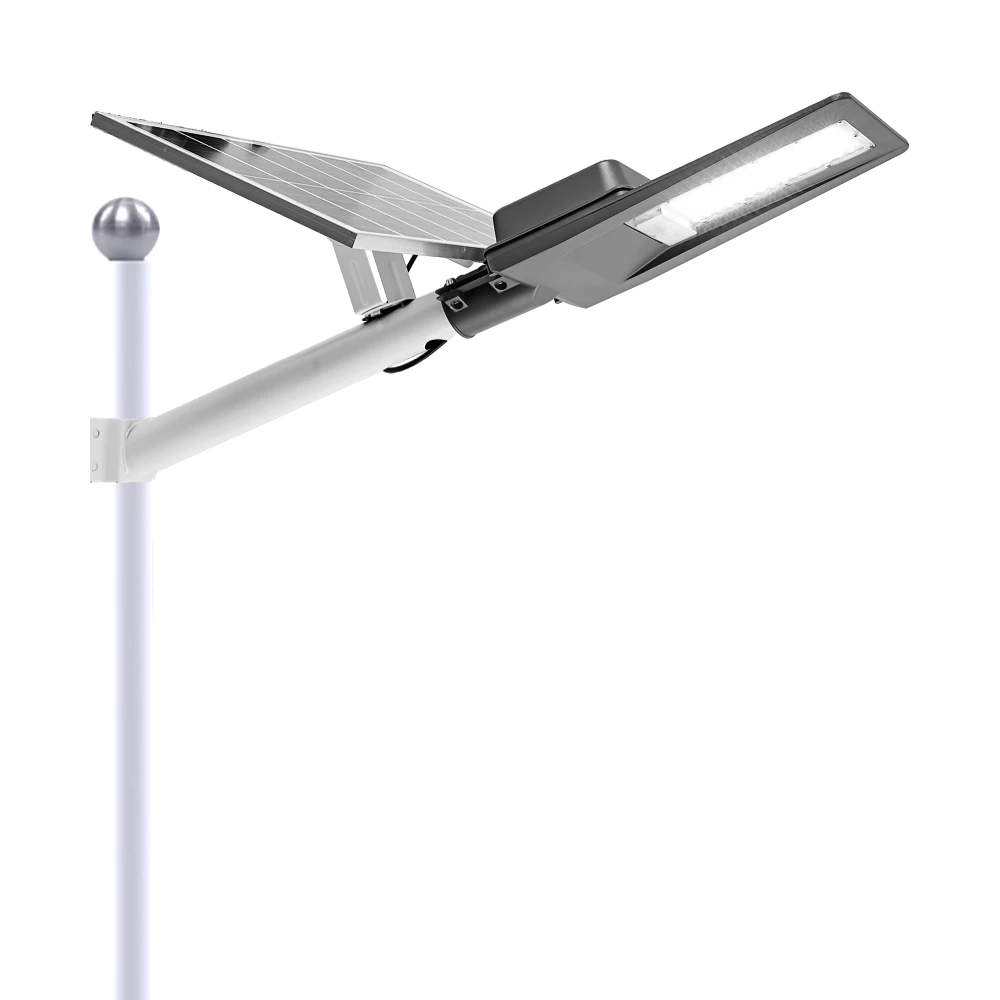
Experience reliable outdoor illumination with our smart solar street light, a perfect combination of advanced technology and eco-conscious design.
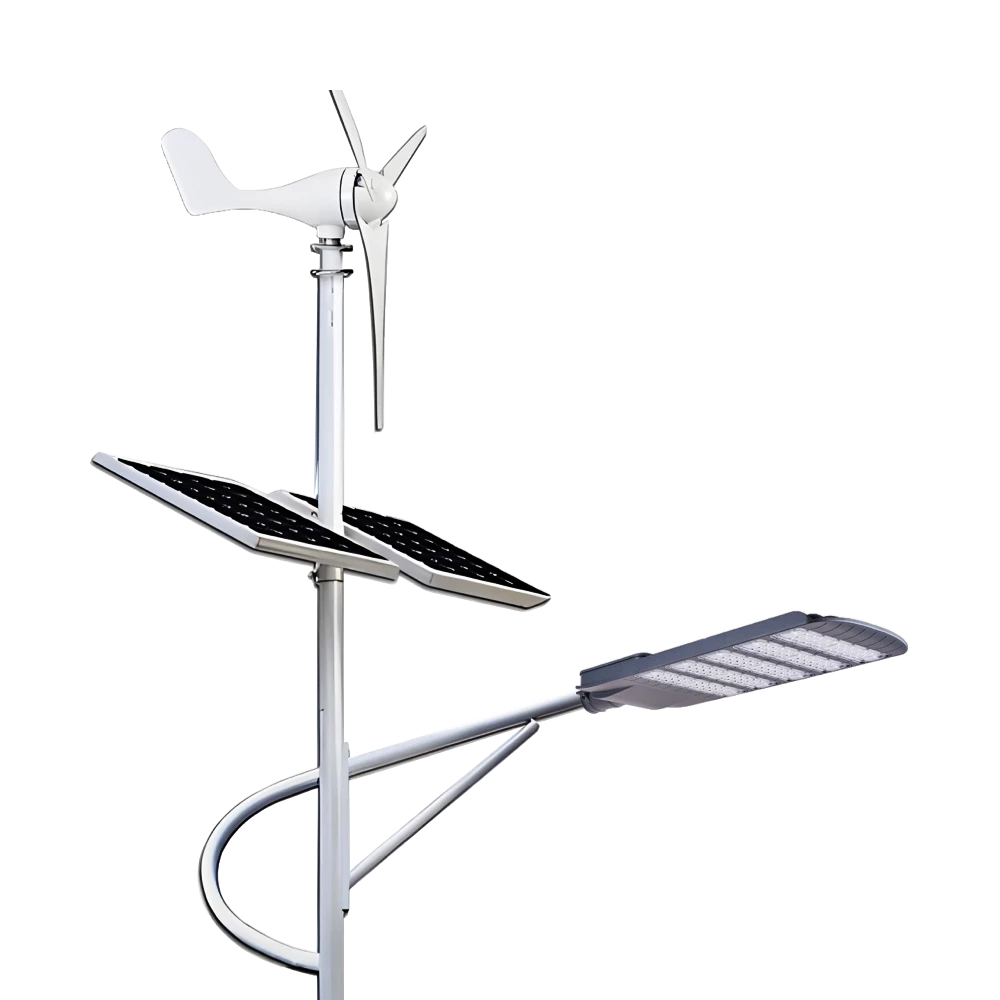
Queneng Lufeng Wind Energy LED Outdoor Solar Street Lights offer high-performance, eco-friendly illumination. These energy-efficient LED street lights harness solar power and wind energy for sustainable, cost-effective outdoor lighting solutions.
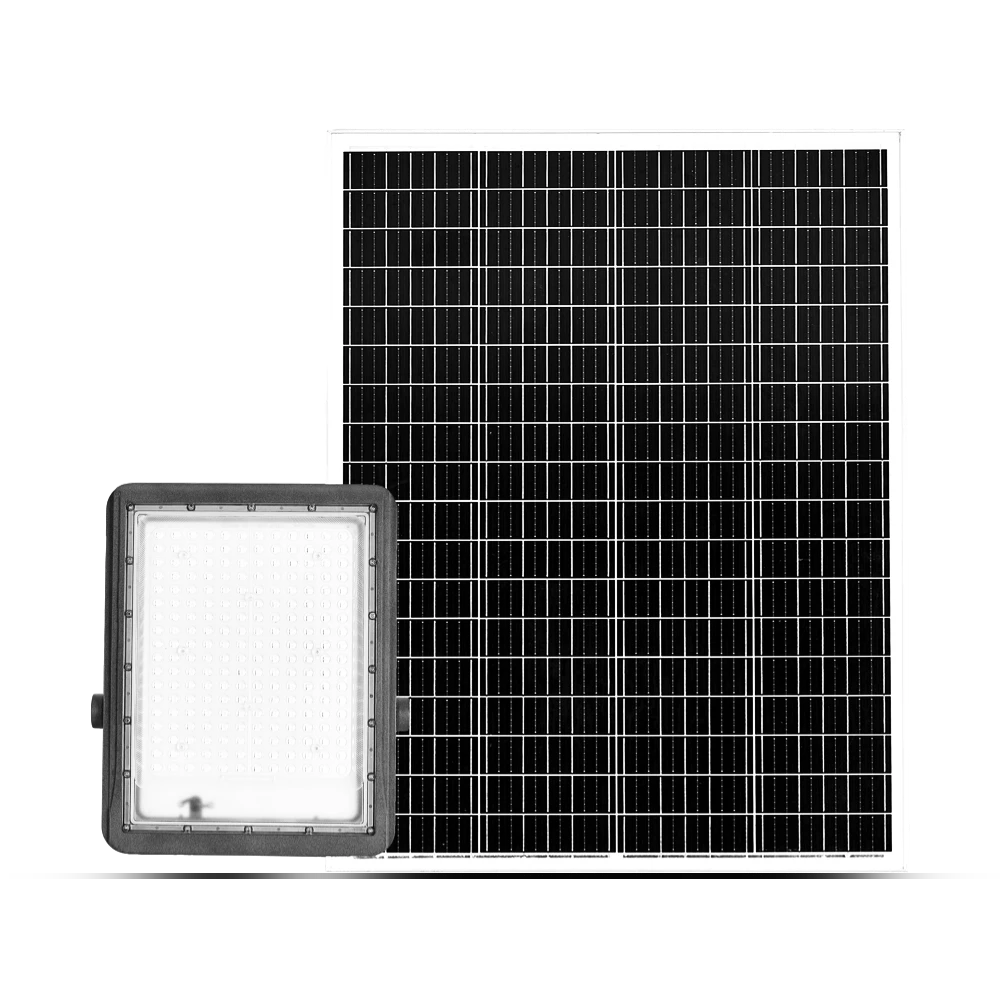
Queneng's Luxian Reliable Solar Street Light offers energy-saving LED lighting for outdoor use. This durable, solar-powered street light provides reliable illumination, reducing energy costs and environmental impact. A perfect solution for sustainable outdoor lighting.
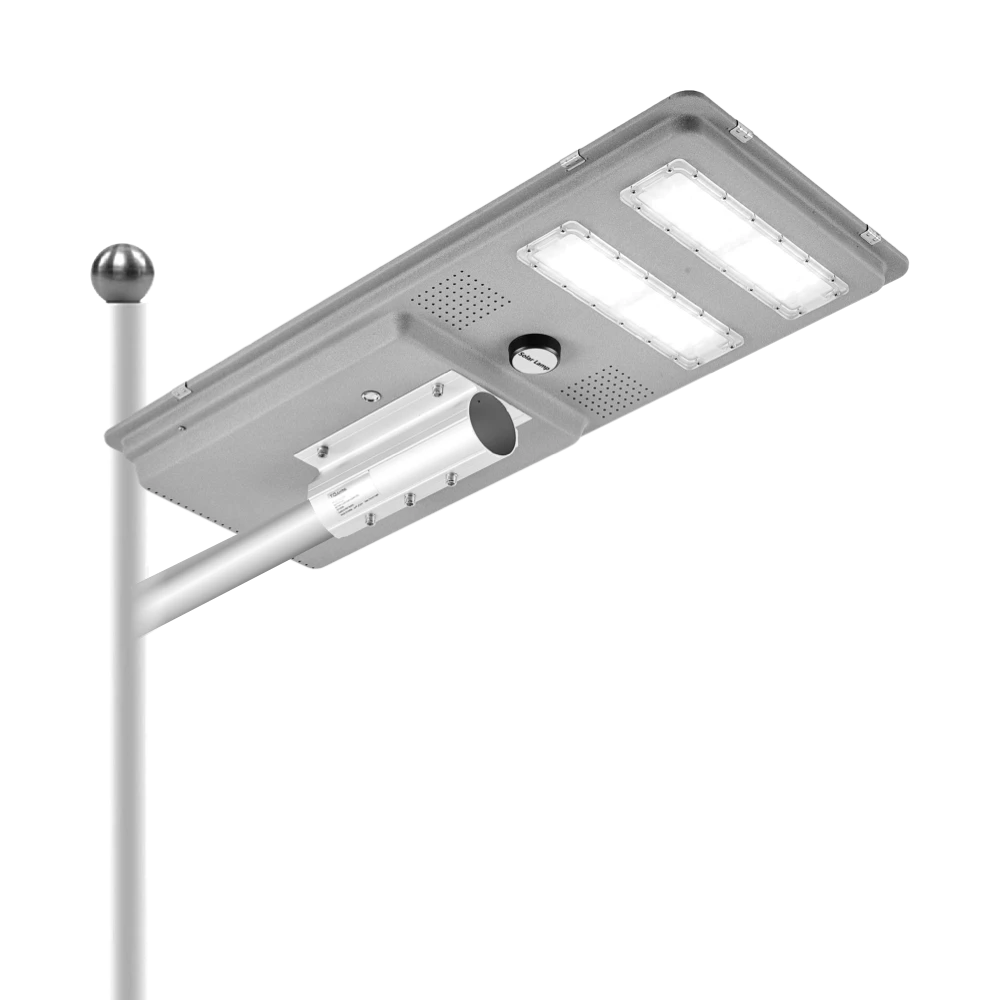
Queneng’s Solar Street Lights are designed to provide reliable, energy-efficient lighting for streets, parks, and other outdoor spaces.
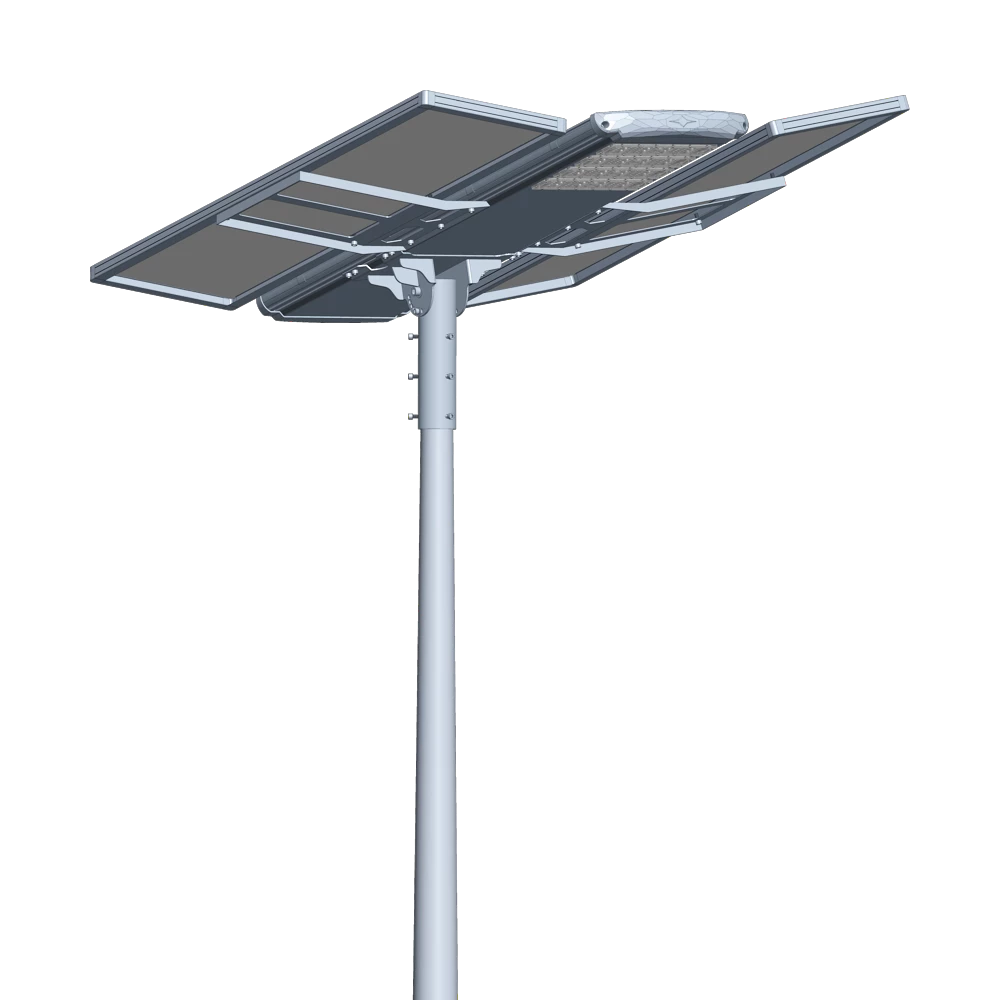
Introducing the Luqing Solar Street Light by Queneng, Efficient LED lighting powered by solar energy is perfect for illuminating outdoor areas. Harness the power of solar energy for sustainable, reliable street lighting. Ideal for eco-friendly, cost-effective outdoor illumination solutions.
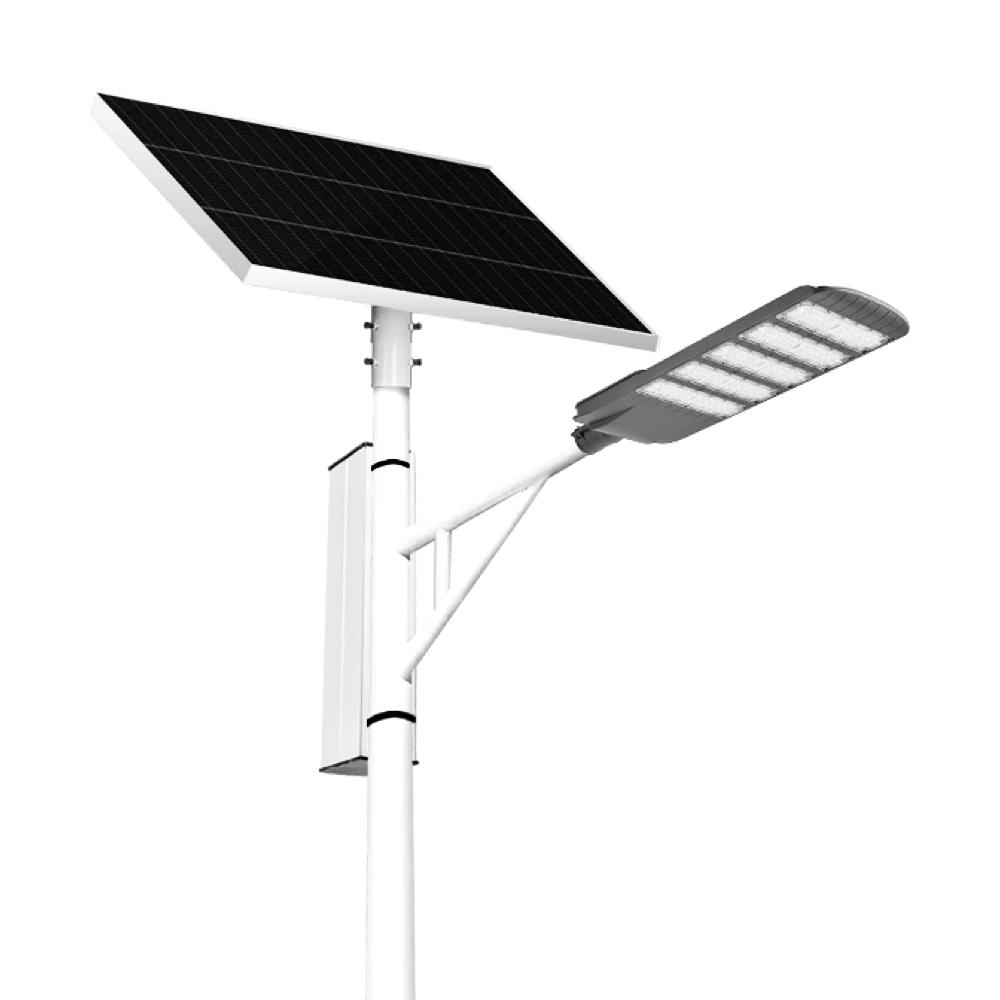
The Solar Streetlights of Luhao for Municipalities are designed to deliver reliable, energy-efficient, and cost-effective public lighting solutions. Equipped with advanced LED technology, durable lithium batteries, and high-efficiency solar panels, these streetlights provide consistent illumination for roads, parks, residential areas, and government projects.
If you would like more information about Queneng solar lighting solutions, please send us a message by filling out the form below. Our professional team will get back to you within 24 hours!
Rest assured that your privacy is important to us, and all information provided will be handled with the utmost confidentiality.
Schedule a Meeting
Book a date and time that is convenient for you and conduct the session in advance.
Have more questions about our products or services?
The messenger of light & power conversion
Environmental protection and intelligent manufacturing are our brand philosophy, and quality assurance and the best user experience are our eternal promises to users.
CONTACT
No.9F, Building F, Cao San Xin Tian Hong Logistics Park, Guzhen Town, Zhongshan City, Guangdong Province, China.
or write [email protected]
WhatsApp: +86 136 2270 1011


