














Review of remote monitoring features in Queneng municipal solutions in Vietnam | Insights by Quenenglighting
Review of Queneng's Remote Monitoring Features in Vietnam Municipal Solar Solutions
Vietnam's rapid urbanization and increasing focus on sustainable infrastructure have made solar-powered municipal lighting a cornerstone of modern city development. For procurement professionals looking to expand or upgrade existing solar lighting networks, the ability to remotely monitor and manage these assets is no longer a luxury but a fundamental requirement. Queneng, a prominent provider of solar lighting solutions, offers advanced remote monitoring features designed to meet these exact needs. This review delves into the capabilities and advantages, providing insights crucial for re-procurement decisions.
1. What Core Monitoring Capabilities Does Queneng's System Offer for Municipal Solar Streetlights?
Queneng's remote monitoring system provides a comprehensive suite of real-time data and control functions, essential for efficient management of large-scale solar lighting deployments. Leveraging communication protocols like GPRS, 4G, or LoRaWAN, the system offers:
- Real-time Status and Performance: Instantaneous reporting on the operational status of each streetlight (on/off, dimming level), battery voltage, charging current from solar panels, and LED power consumption. This allows for immediate identification of non-performing units.
- Fault Detection and Alarms: Automatic alerts for critical issues such as LED failures, battery abnormalities (overcharge/discharge), solar panel efficiency drops, or controller malfunctions. This proactive approach minimizes downtime.
- Energy Management & Data Logging: Historical data on energy production (solar panel output) and consumption (LEDs), allowing for detailed analysis of efficiency trends, energy savings, and performance benchmarks. Customizable reporting periods (daily, weekly, monthly) are standard.
- Intelligent Control & Dimming: Ability to remotely adjust lighting schedules, dimming profiles, and even individual light intensity based on environmental conditions, traffic flow, or specific municipal events. This optimizes energy use and extends component lifespan.
- GPS Location Mapping: Each streetlight's exact location is mapped on a digital interface, simplifying asset management, navigation for maintenance teams, and ensuring coverage in specific areas.
2. How Does Queneng's Remote Monitoring Translate into Tangible Cost Savings and Operational Efficiency?
The integration of remote monitoring capabilities directly impacts a municipality's bottom line and operational efficacy, a critical consideration during re-procurement:
- Reduced Operational & Maintenance (O&M) Costs: By enabling proactive maintenance and eliminating the need for routine physical inspections, remote monitoring can reduce O&M costs by an estimated 30-50%. Technicians are dispatched only when and where needed, significantly cutting labor, fuel, and vehicle expenses.
- Extended Product Lifespan: Optimized battery management (e.g., precise charge/discharge cycles based on real-time data) can extend battery life by 15-20%, while intelligent dimming reduces wear and tear on LEDs, leading to fewer replacements and lower Total Cost of Ownership (TCO).
- Enhanced Energy Optimization: By fine-tuning light output based on actual demand and environmental conditions, municipalities can ensure maximum energy efficiency, leading to further savings and reduced carbon footprint. For instance, dimming lights during off-peak hours can result in substantial daily power savings.
- Faster Response and Resolution: Automated fault alerts allow for immediate identification and often remote diagnosis of issues, drastically reducing the time from fault detection to resolution. This improves public safety and satisfaction.
- Improved Asset Management: Accurate inventory tracking, performance monitoring, and historical data provide a clear picture of asset health, facilitating more effective planning for future upgrades and replacements.
3. What Assurances Does Queneng Provide for Data Security and System Reliability in Long-Term Deployment?
For municipal infrastructure, data security and system reliability are paramount. Queneng's solutions are built with these pillars in mind:
- Secure Communication Protocols: Data transmission employs industry-standard encryption methods (e.g., AES-128 for LoRaWAN, secure VPN for 4G/GPRS) to protect against unauthorized access and tampering.
- Robust Cloud Platform: Data is stored and processed on secure, scalable cloud servers (often leveraging established providers like AWS or Alibaba Cloud), featuring redundant backups and disaster recovery protocols to ensure data integrity and availability.
- User Access Control: Multi-level user authentication and role-based access control ensure that only authorized personnel can view or modify system settings, maintaining operational security.
- High-Quality Hardware: Queneng utilizes industrial-grade components designed for harsh outdoor environments, with high IP ratings (e.g., IP67 for controllers) for water and dust resistance, ensuring consistent performance and longevity in Vietnam's climate.
- System Uptime and Redundancy: The monitoring platform is engineered for high availability, minimizing downtime. In cases of communication loss, the solar streetlights are programmed to operate autonomously based on pre-set schedules, ensuring continuous lighting.
4. How Does Queneng's Solution Ensure Seamless Integration and Scalability for Future Smart City Initiatives in Vietnam?
As Vietnam's cities embrace smart city concepts, the ability of municipal solutions to integrate and scale is crucial. Queneng's remote monitoring systems are designed with future-proofing in mind:
- Open APIs and Protocols: Queneng typically provides open Application Programming Interfaces (APIs), allowing seamless integration with broader municipal management platforms, smart city dashboards, or other IoT ecosystems. This enables data sharing and centralized control, contributing to a unified urban intelligence system.
- Modular and Scalable Architecture: The system is built on a modular architecture, allowing municipalities to start with smaller deployments and expand as needs grow, without requiring a complete overhaul of the existing infrastructure. This scalability is vital for long-term urban planning.
- Compatibility with Multiple Communication Technologies: Supporting various communication methods (LoRaWAN, 4G, GPRS) ensures adaptability to different urban densities and network availabilities, providing flexibility for future technological advancements.
- Data for Urban Planning: The wealth of data collected on energy consumption, environmental conditions, and operational patterns can be leveraged for better urban planning, energy policy formulation, and identifying areas for further infrastructure development.
- Potential for Sensor Integration: The robust communication backbone can potentially support additional sensors (e.g., air quality, traffic monitoring) integrated into the lighting poles, further enhancing the smart city ecosystem.
5. Why is Advanced Remote Monitoring a Non-Negotiable Factor for Re-Procurement Decisions in the Solar Lighting Industry?
For procurement professionals evaluating re-procurement or expansion, the long-term value offered by advanced remote monitoring is decisive:
- Proven Return on Investment (ROI): Previous deployments with remote monitoring will have demonstrated tangible cost savings in O&M and energy, providing a clear business case for continued investment. For example, a project initially costing $X,000 for 100 lights might show 35% savings in yearly operational costs with monitoring.
- Mitigation of Future Risks: Remote monitoring safeguards against unforeseen operational challenges, allows for proactive problem-solving, and ensures consistent public lighting service, critical for safety and community satisfaction.
- Supplier Confidence and Support: Choosing a supplier like Queneng, with a proven remote monitoring solution, assures comprehensive after-sales support, technical expertise, and a commitment to long-term partnership, vital for complex municipal projects.
- Future-Proofing Infrastructure: Investing in systems that are both robust today and adaptable for tomorrow's smart city demands ensures that current procurements remain relevant and valuable for decades to come, avoiding costly overhauls.
- Enhanced Accountability and Transparency: Detailed performance data offers clear accountability for the system's performance, facilitating easier audits and transparent reporting to stakeholders and citizens.
By prioritizing remote monitoring, municipalities in Vietnam can ensure their solar lighting infrastructure is not just sustainable but also intelligent, efficient, and ready for the future.
Quenenglighting's advantages lie in its commitment to integrating cutting-edge IoT technology into robust solar lighting solutions. Their systems offer comprehensive, real-time control and monitoring, significantly reducing operational costs and extending product lifespans. With a focus on data security, scalability, and seamless integration, Quenenglighting empowers municipalities with intelligent, future-proof infrastructure. Their proven track record and advanced features make them a reliable partner for Vietnam's smart city ambitions, ensuring efficient, sustainable, and dependable public lighting.

Have more questions about our products or services?
The latest hot news you might like

Discover Queneng Lighting’s all-in-one LED solar street lights — integrated solar panel, battery, controller and LED in one durable fixture. Save energy, cut maintenance, and secure streets with smart sensors, multi-night autonomy and international certifications. Contact sales for quotes and support.

Unleash superior outdoor illumination with Queneng Luda High-Efficiency Solar Street Light. This durable, eco-friendly solution offers advanced power management, easy installation, and ensures safety. Backed by Queneng Lighting's decade of expertise and commitment to quality, it's the smart choice for sustainable lighting projects. Learn why we're a leading solar solutions provider.

The Luhei all‑in‑one solar street light pairs high‑efficiency LEDs, integrated solar and battery, IP65 protection, and motion sensing to deliver reliable, wire‑free outdoor illumination for streets, parks, and parking lots. Backed by Queneng Lighting’s certifications and support.

FAQ
who we are
What products does Queneng offer?
We offer a wide range of solar energy products, including solar lighting fixtures (street lights, garden lights, etc.), high-performance solar photovoltaic panels, energy storage batteries, and custom solar systems for various applications. We also provide installation and after-sales support.
Tourist Attractions and Resorts
Can solar lighting systems withstand harsh weather conditions?
Yes, solar lighting systems are built to be durable and weather-resistant. They can withstand rain, snow, and extreme temperatures, making them ideal for year-round use in outdoor settings.
Battery fundamentals and basic terms
What are the common standards for batteries?
Batteries commonly used national standards: nickel-metal hydride batteries standard GB/T15100_1994, GB/T18288_2000; lithium-ion batteries standard GB/T10077_1998, YD/T998_1999, GB/T18287_2000.
In addition, the common standards for batteries also have the Japanese Industrial Standard JIS C standard on batteries.
IEC is the International Electrotechnical Commission (International Electrical Commission), is a world-wide standardization organization composed of national electrical commissions, which aims to promote the standardization of the world electrical and electronic fields.The IEC standard is the standard developed by the International Electrotechnical Commission.
Transportation and Highways
What is the expected lifespan of the solar lighting system?
The solar panels typically last over 25 years, while the LED lights have a lifespan of 50,000+ hours. Batteries usually require replacement after 5-7 years of use.
Solar Street Light Lufeng
Can Lufeng solar street lights be integrated with other smart systems?
Yes, Lufeng solar street lights can be integrated with smart systems for more advanced functionality. Some models can be connected to remote control units or smart city systems, allowing for real-time monitoring, remote management, and automated control of lighting schedules. This integration enhances efficiency and ease of use.
Schools and Educational Institutions
Can solar lights be used in cold climates?
Yes, our solar lights are designed to work in various weather conditions, including cold climates, with some models performing well at temperatures as low as -20°C.
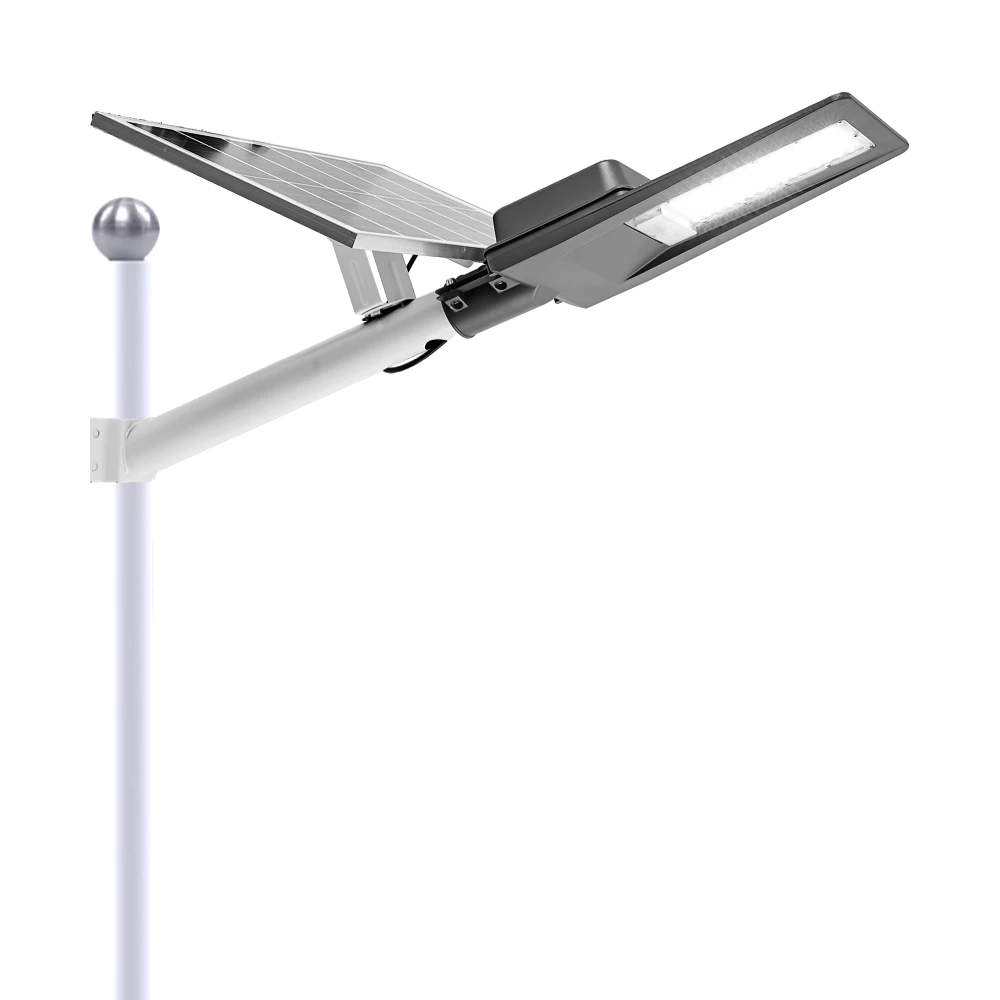
Experience reliable outdoor illumination with our smart solar street light, a perfect combination of advanced technology and eco-conscious design.
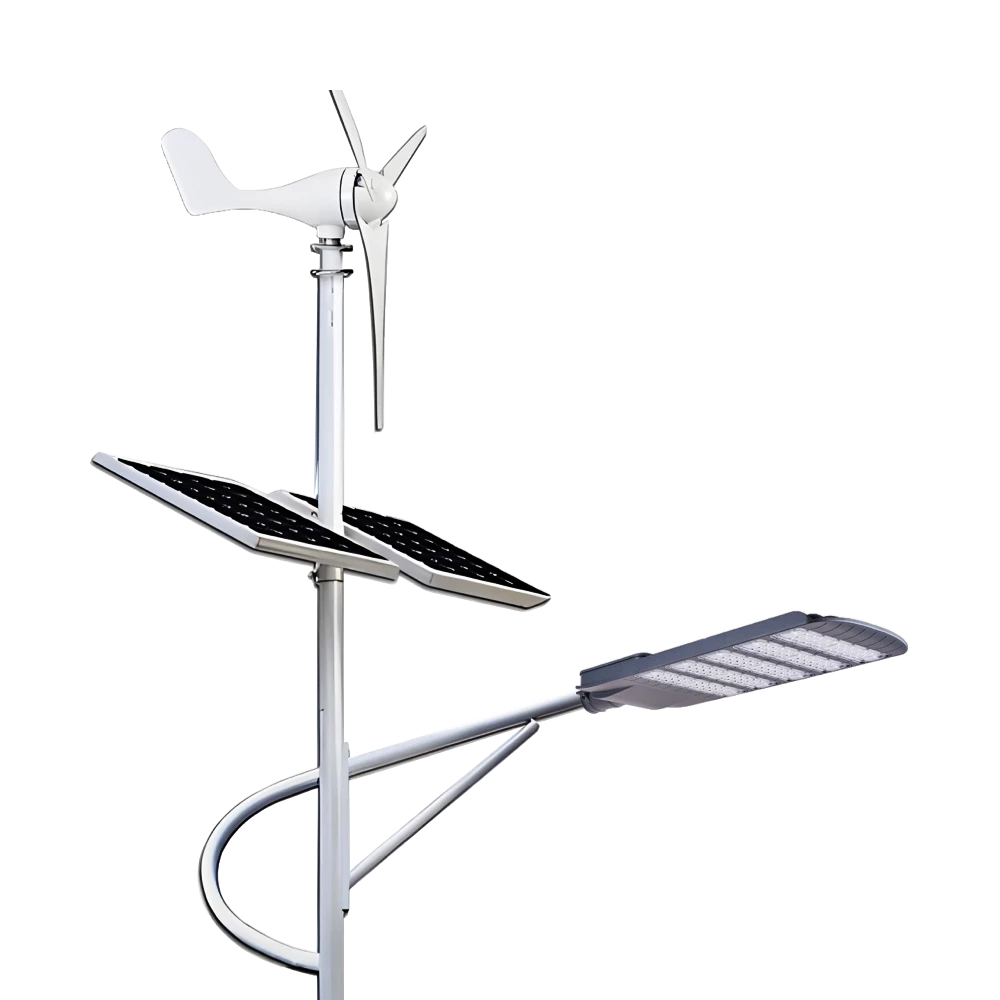
Queneng Lufeng Wind Energy LED Outdoor Solar Street Lights offer high-performance, eco-friendly illumination. These energy-efficient LED street lights harness solar power and wind energy for sustainable, cost-effective outdoor lighting solutions.
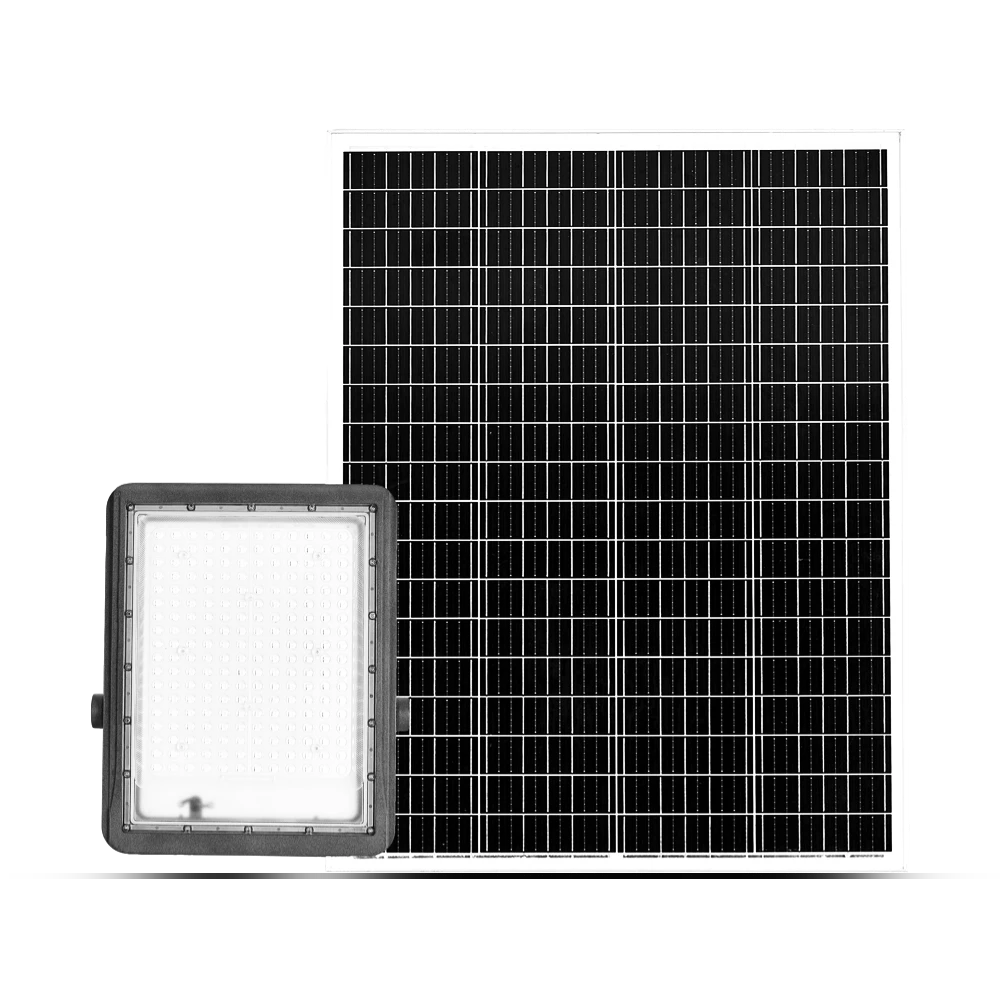
Queneng's Luxian Reliable Solar Street Light offers energy-saving LED lighting for outdoor use. This durable, solar-powered street light provides reliable illumination, reducing energy costs and environmental impact. A perfect solution for sustainable outdoor lighting.
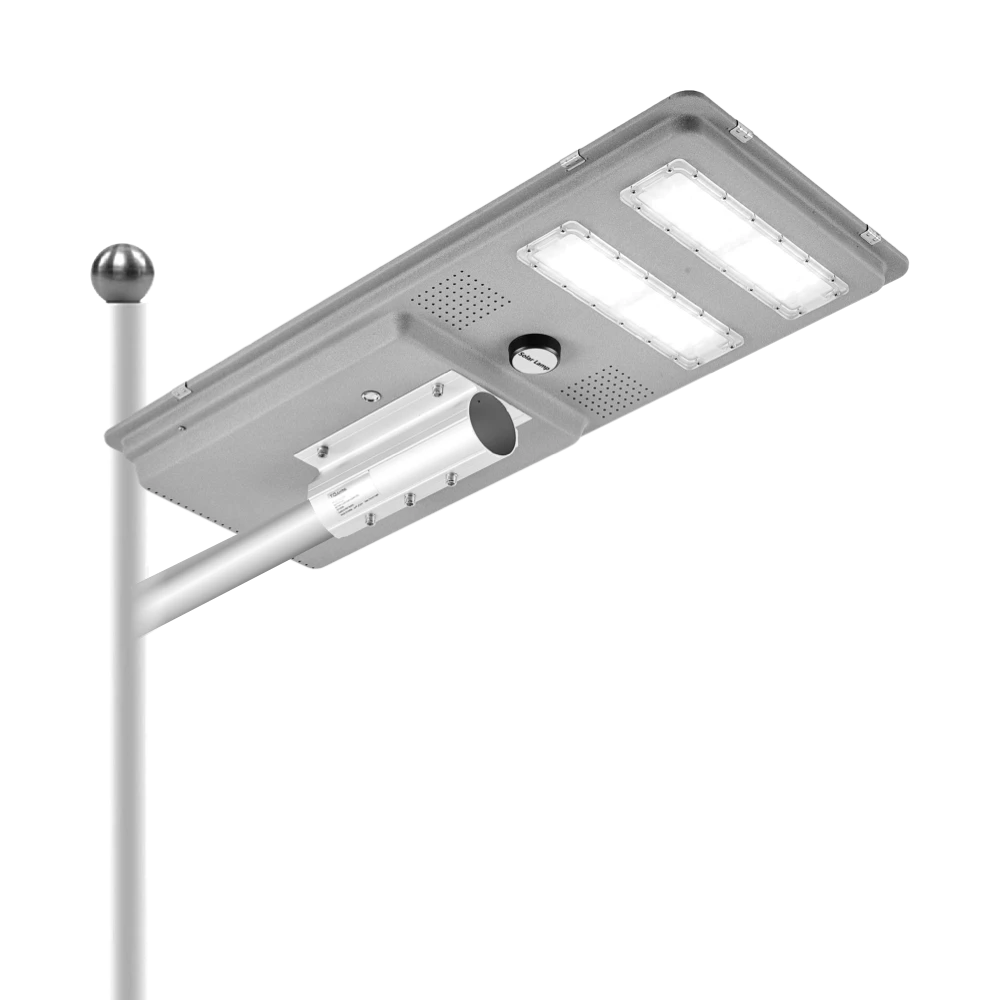
Queneng’s Solar Street Lights are designed to provide reliable, energy-efficient lighting for streets, parks, and other outdoor spaces.
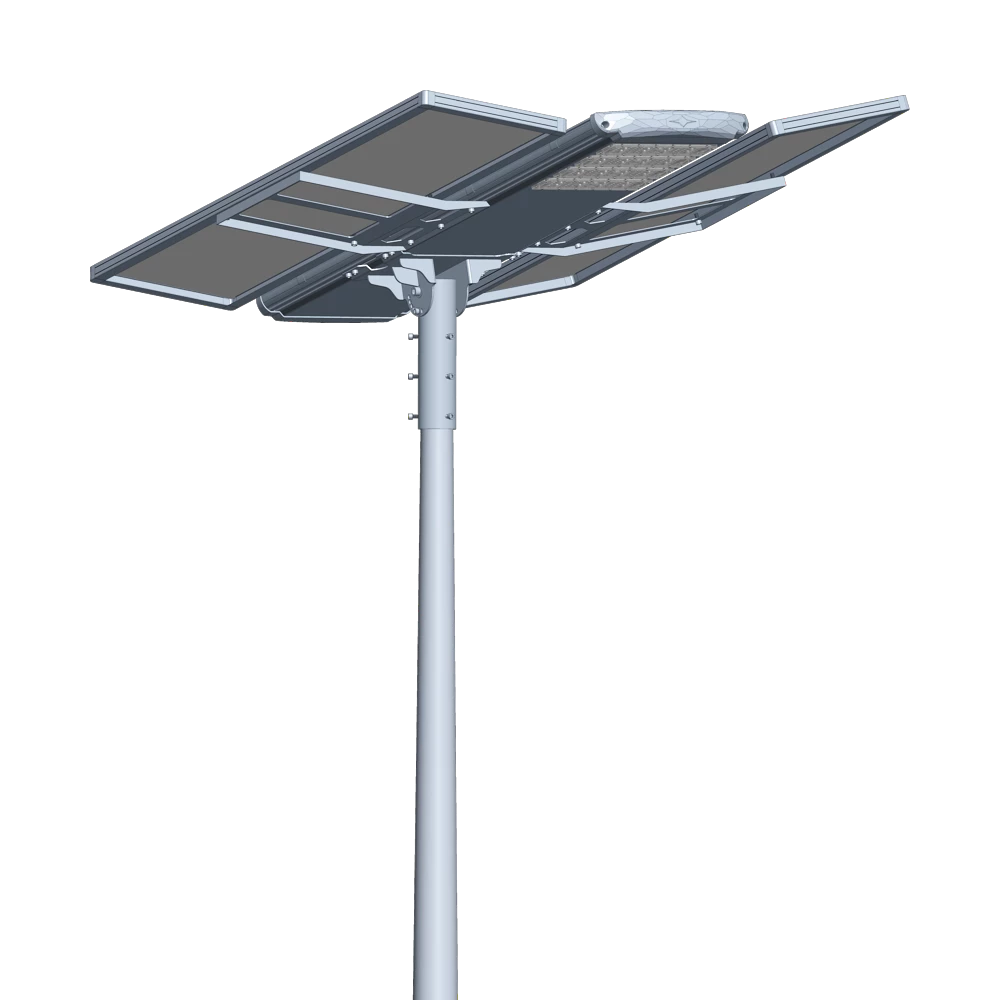
Introducing the Luqing Solar Street Light by Queneng, Efficient LED lighting powered by solar energy is perfect for illuminating outdoor areas. Harness the power of solar energy for sustainable, reliable street lighting. Ideal for eco-friendly, cost-effective outdoor illumination solutions.
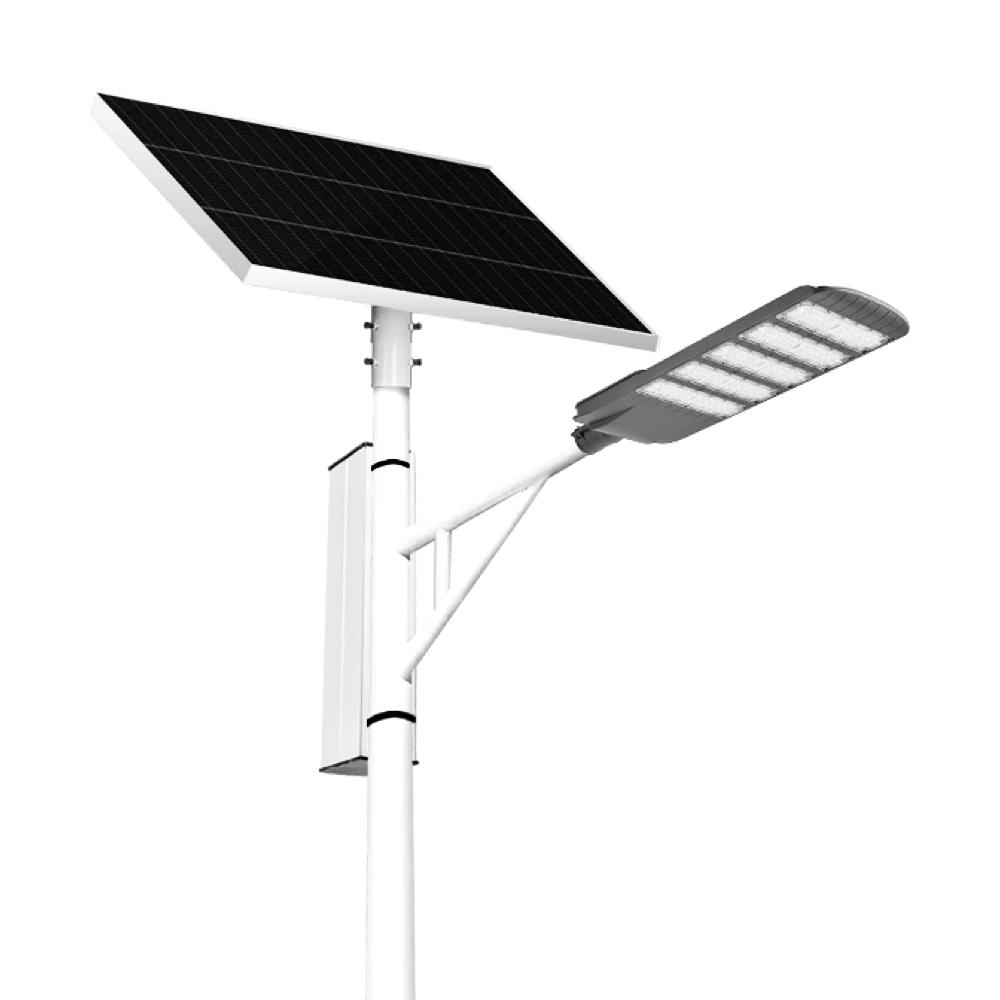
The Solar Streetlights of Luhao for Municipalities are designed to deliver reliable, energy-efficient, and cost-effective public lighting solutions. Equipped with advanced LED technology, durable lithium batteries, and high-efficiency solar panels, these streetlights provide consistent illumination for roads, parks, residential areas, and government projects.
If you would like more information about Queneng solar lighting solutions, please send us a message by filling out the form below. Our professional team will get back to you within 24 hours!
Rest assured that your privacy is important to us, and all information provided will be handled with the utmost confidentiality.
Schedule a Meeting
Book a date and time that is convenient for you and conduct the session in advance.
Have more questions about our products or services?
The messenger of light & power conversion
Environmental protection and intelligent manufacturing are our brand philosophy, and quality assurance and the best user experience are our eternal promises to users.
CONTACT
No.9F, Building F, Cao San Xin Tian Hong Logistics Park, Guzhen Town, Zhongshan City, Guangdong Province, China.
or write [email protected]
WhatsApp: +86 136 2270 1011


