














Distributor Network Expansion for Sustainable Urban Solar Projects | Insights by Quenenglighting
Navigating Distributor Network Expansion for Sustainable Urban Solar Projects
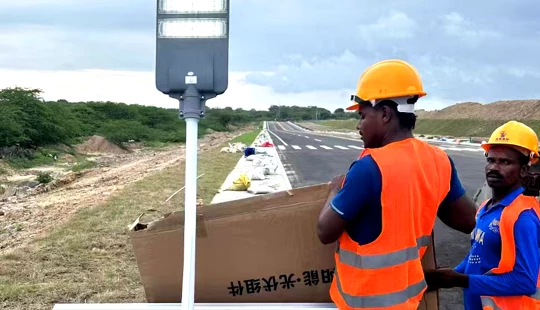
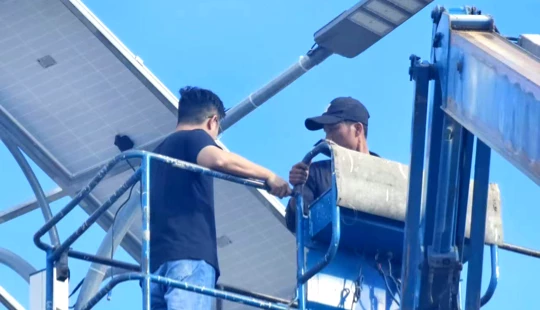
As cities worldwide increasingly commit to sustainability and smart infrastructure, urban solar projects, particularly solar lighting, are gaining unprecedented traction. Expanding a robust distributor network is not just about sales; it's about building a resilient ecosystem that ensures the successful deployment and maintenance of these critical installations. For procurement managers and urban planners, understanding the intricacies of this expansion and the underlying professional knowledge is paramount.
Why is a Localized Distributor Network Essential for Urban Solar Lighting Projects?
A localized distributor network is the backbone of efficient and sustainable urban solar lighting projects. Local distributors offer invaluable advantages: they possess an intimate understanding of regional regulations, climate conditions, and logistical challenges. This local expertise translates into faster project implementation, reduced shipping costs, and quicker response times for maintenance and technical support. For example, a local distributor can navigate specific permits or weather-proof installations according to local wind or snow loads, ensuring compliance and durability. Furthermore, they can manage local inventory, drastically cutting lead times and enabling more agile project adjustments. This proximity not only fosters trust but significantly lowers the total cost of ownership (TCO) by minimizing potential delays and operational hurdles.
What Key Technologies Are Driving Sustainable Urban Solar Lighting Solutions?
The urban solar lighting sector is experiencing rapid innovation. Key technological advancements critical for procurement include:
- Advanced Battery Storage: Lithium Iron Phosphate (LiFePO4) batteries are now the gold standard. They offer a longer lifespan (typically 2,000 to 4,000+ charge cycles), higher safety, and better performance in varying temperatures compared to traditional lead-acid batteries. This significantly impacts the system's longevity and reliability.
- High-Efficiency LED Luminaires: Modern solar lights utilize highly efficient LED chips (e.g., from manufacturers like Philips Lumileds or Cree) that deliver superior lumen output per watt, maximizing light intensity while minimizing power consumption. Lifespans often exceed 50,000 to 100,000 operating hours.
- Intelligent MPPT Charge Controllers: Maximum Power Point Tracking (MPPT) controllers optimize the power harvest from solar panels, increasing efficiency by up to 30% compared to older PWM controllers. They also provide crucial battery management, protecting against overcharge and deep discharge.
- Smart Controls and IoT Integration: The global smart street lighting market was valued at approximately USD 2.6 billion in 2022 and is projected to grow at a CAGR of 18-20% from 2023 to 2030 (Source: Various market research reports). This growth is fueled by features like remote monitoring, adaptive dimming, motion sensing, and integration with broader smart city platforms, allowing for real-time performance optimization and energy savings.
What Are the Critical Quality and Performance Standards for Urban Solar Lighting Procurement?
Ensuring the longevity and reliability of urban solar lighting requires strict adherence to quality and performance standards:
- IP Rating: Ingress Protection (IP) ratings are crucial. For outdoor urban environments, IP65 or IP66 is essential to protect against dust and water ingress, ensuring durability in harsh weather conditions.
- IK Rating: Impact Protection (IK) ratings measure resistance against mechanical impacts, vital for public urban installations susceptible to vandalism.
- Certifications: Look for internationally recognized certifications such as CE, RoHS, FCC, and UL, which demonstrate compliance with safety, environmental, and quality standards.
- Lumen Efficacy & Uniformity: High lumens per watt (lm/W) indicate energy efficiency. Equally important is light uniformity across the illuminated area to prevent dark spots and ensure public safety.
- Battery Autonomy: Specify the number of rainy/cloudy days the system can operate without solar input (typically 2-3 days). This guarantees reliable illumination even during prolonged overcast periods.
- Operating Temperature Range: Ensure the system components are rated for the extreme temperatures of the urban environment (e.g., -20°C to +60°C).
How Do Urban Solar Lighting Projects Contribute to Smart City Initiatives and Sustainability Goals?
Urban solar lighting plays a pivotal role in achieving smart city and sustainability objectives:
- Reduced Carbon Footprint: By utilizing renewable energy, solar lights significantly reduce reliance on fossil fuels. A single solar street light can offset approximately 0.5 to 1 ton of CO2 emissions annually, depending on grid energy mix and usage.
- Energy Independence & Cost Savings: They eliminate electricity bills for lighting, offering substantial long-term operational savings and reducing strain on the grid.
- Enhanced Public Safety: Consistent, reliable lighting improves visibility for pedestrians and drivers, contributing to lower crime rates and accident prevention.
- Data Collection & Integration: Smart solar lights can be equipped with sensors to collect data on air quality, traffic flow, and noise levels, feeding into broader smart city management platforms to inform urban planning decisions.
- Resilience: Solar lighting operates independently of the main power grid, providing critical illumination during power outages or emergencies, enhancing urban resilience.
What Long-Term ROI and TCO Considerations Are Crucial for Urban Solar Lighting Investments?
While the initial investment for solar lighting might be higher than traditional grid-tied systems, the long-term Return on Investment (ROI) and Total Cost of Ownership (TCO) are significantly more attractive:
- Elimination of Electricity Bills: This is the most direct and significant saving. Over the lifespan of the product, energy savings often far outweigh the initial cost.
- Reduced Installation Costs: No trenching or complex wiring to the grid saves considerable civil engineering and labor costs.
- Lower Maintenance: With high-quality components like LiFePO4 batteries and long-life LEDs, maintenance is minimal compared to conventional systems. Battery replacement, though infrequent, is the primary periodic cost.
- Government Incentives: Many cities and regions offer tax credits, rebates, or grants for renewable energy installations, further improving ROI. Typical payback periods for quality solar street lights can range from 3 to 5 years, with operational savings continuing for 15-20 years or more.
- Environmental & Social Benefits: Though harder to quantify in monetary terms, the reduced environmental impact and enhanced public safety contribute significantly to a city's 'social ROI'.
Addressing Common Challenges: How Can Strategic Supplier Partnerships Enhance Urban Solar Project Success?
Urban solar projects face unique challenges, including varying solar irradiance across locations, complex urban planning aesthetics, potential vandalism, and ensuring seamless integration with existing infrastructure. A strategic partnership with a reputable solar lighting supplier and their distributor network is vital for overcoming these:
- Customized Solutions: A strong supplier can offer tailored designs to meet specific lumen requirements, pole heights, aesthetic preferences, and challenging environmental conditions (e.g., high-wind areas).
- Technical Expertise & R&D: Partners with robust R&D capabilities can provide cutting-edge solutions and technical guidance on complex installations or emerging technologies.
- Quality Assurance: Suppliers committed to quality provide products that meet international standards, reducing failure rates and costly replacements.
- Logistical Support: Experienced suppliers can manage complex logistics, especially for large-scale projects, ensuring timely delivery and proper handling of equipment.
- Problem Solving: When issues arise, a dedicated supplier and local distributor can quickly diagnose problems and deploy solutions, minimizing downtime and project disruptions.
The Importance of Comprehensive Warranty and After-Sales Support in Solar Lighting Procurement.
A comprehensive warranty and robust after-sales support are non-negotiable aspects of procurement. For solar lighting, different components may have varying warranty periods:
- LED Fixture: Typically 5-10 years.
- Solar Panel: Often 10-25 years for power output.
- Battery: LiFePO4 batteries usually come with a 3-5 year warranty, but their actual lifespan extends beyond this.
- Controller: Generally 3-5 years.
Ensure the warranty terms are clear, cover both parts and labor, and that the supplier has a proven track record of honoring claims. After-sales support includes technical assistance, availability of spare parts, and troubleshooting guidance. A supplier with a global presence and a strong local distributor network ensures that support is readily accessible, minimizing operational interruptions and safeguarding your investment over its entire lifecycle.
Quenenglighting: Your Partner for Sustainable Urban Solar Projects
Quenenglighting stands at the forefront of sustainable urban solar lighting, offering unparalleled advantages for your projects. Our commitment to cutting-edge technology ensures that our products feature high-capacity LiFePO4 batteries, ultra-efficient LED chips, and intelligent MPPT controllers, guaranteeing optimal performance and longevity. We pride ourselves on robust R&D capabilities, allowing for customized solutions that precisely meet your project's unique requirements, from specific light distribution patterns to challenging environmental adaptations. Our products are rigorously tested and certified to international standards (e.g., IP66, CE, RoHS), assuring uncompromised quality and reliability. Furthermore, Quenenglighting offers comprehensive warranty packages and dedicated after-sales support through our expanding global distributor network, ensuring peace of mind and sustained operational excellence for your sustainable urban solar endeavors.

Have more questions about our products or services?
The latest hot news you might like

Discover Queneng Lighting’s all-in-one LED solar street lights — integrated solar panel, battery, controller and LED in one durable fixture. Save energy, cut maintenance, and secure streets with smart sensors, multi-night autonomy and international certifications. Contact sales for quotes and support.

Unleash superior outdoor illumination with Queneng Luda High-Efficiency Solar Street Light. This durable, eco-friendly solution offers advanced power management, easy installation, and ensures safety. Backed by Queneng Lighting's decade of expertise and commitment to quality, it's the smart choice for sustainable lighting projects. Learn why we're a leading solar solutions provider.

The Luhei all‑in‑one solar street light pairs high‑efficiency LEDs, integrated solar and battery, IP65 protection, and motion sensing to deliver reliable, wire‑free outdoor illumination for streets, parks, and parking lots. Backed by Queneng Lighting’s certifications and support.

FAQ
Battery Performance and Testing
What is an impact test?
who we are
What is Queneng?
Queneng is a high-tech enterprise founded in 2011, specializing in solar lighting solutions, batteries, solar photovoltaic panels, and complete solar energy systems. We provide a full range of services from R&D to production, sales, and after-sales support.
Distributors
What kind of marketing and sales support does Queneng provide?
We provide our distributors with a wide range of marketing materials, including brochures, product specs, digital content, and sales guides. Our team also offers training to help you effectively communicate the benefits of our solar lighting solutions.
Solar Street Light Luda
What makes Luda solar street lights high-efficiency and eco-friendly?
Luda solar street lights feature high-efficiency solar panels that maximize energy conversion even in low sunlight conditions, ensuring optimal performance throughout the day. The use of energy-efficient LED bulbs minimizes electricity consumption while delivering bright, reliable illumination. This combination of features reduces the overall carbon footprint and makes them an eco-friendly choice for outdoor lighting.
Solar Street Light Luhui
Can Luhui solar street lights be controlled remotely?
Certain models of Luhui solar street lights come with smart control features, allowing users to remotely monitor and adjust settings such as brightness levels and operational times via mobile apps or centralized systems.
Solar Street Light Luqiu
Can Luqiu solar street lights be used in remote or off-grid locations?
Yes, Luqiu solar street lights are ideal for remote or off-grid locations where access to electricity is limited or unavailable. They operate independently, relying solely on solar energy, making them a perfect solution for rural areas, pathways, and off-grid communities.
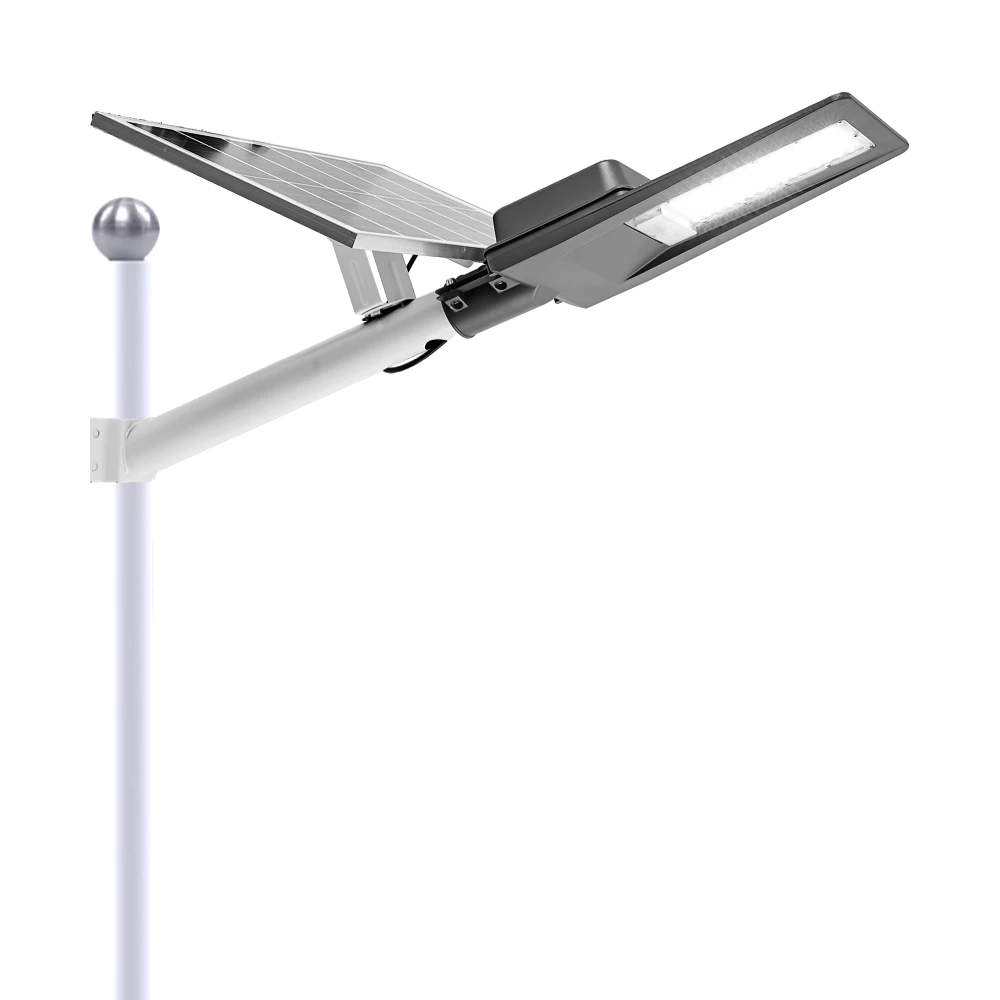
Experience reliable outdoor illumination with our smart solar street light, a perfect combination of advanced technology and eco-conscious design.
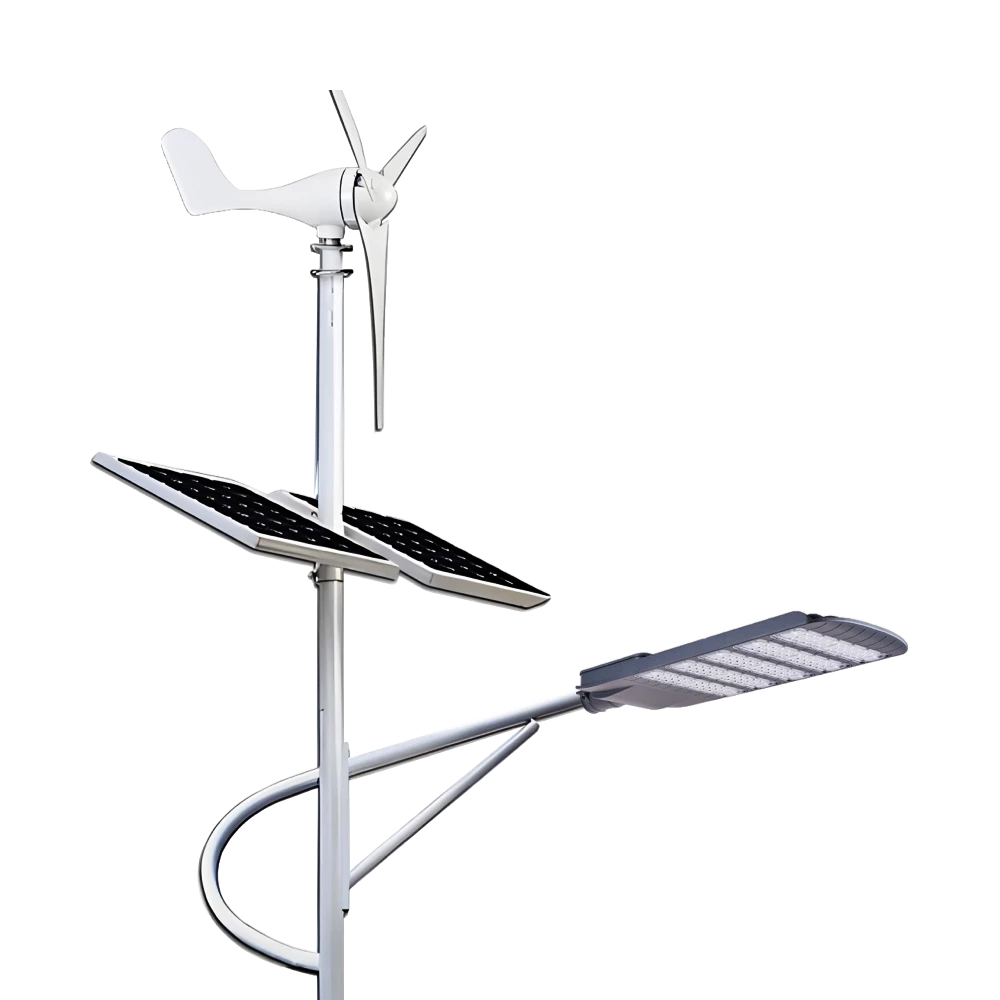
Queneng Lufeng Wind Energy LED Outdoor Solar Street Lights offer high-performance, eco-friendly illumination. These energy-efficient LED street lights harness solar power and wind energy for sustainable, cost-effective outdoor lighting solutions.
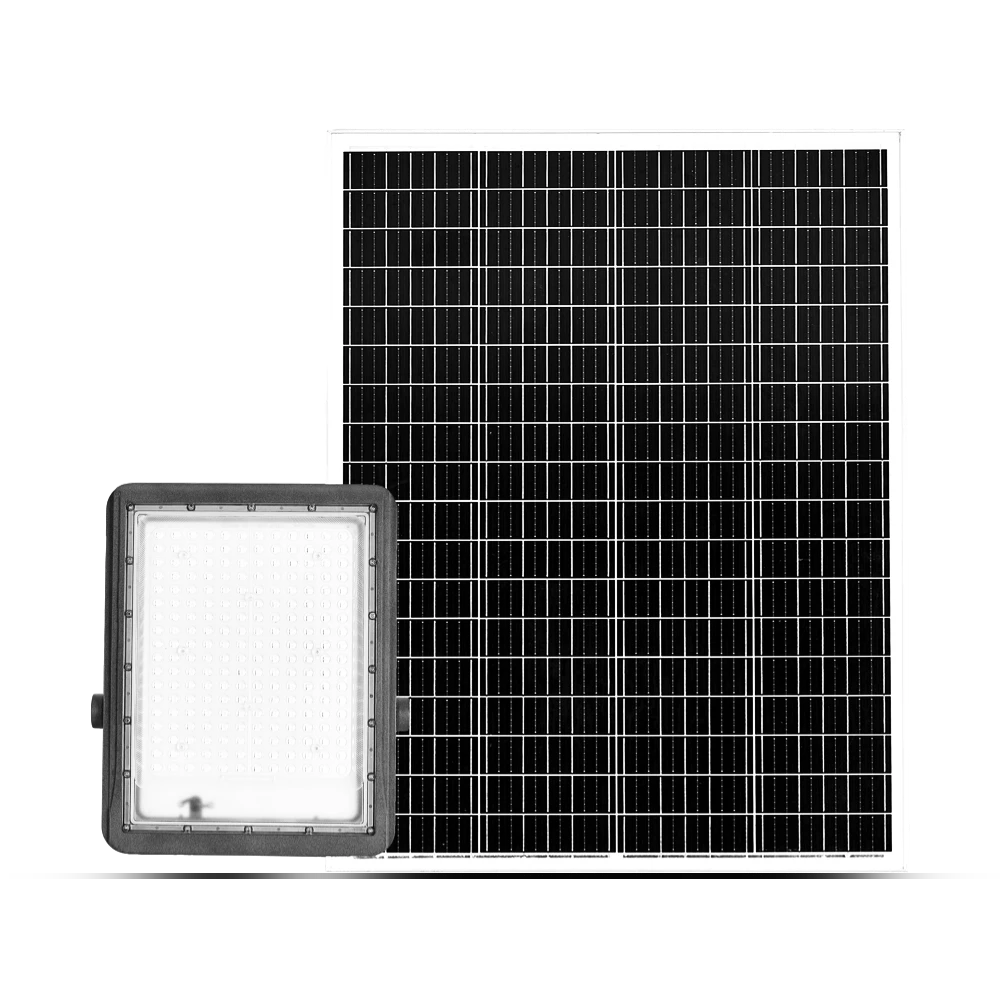
Queneng's Luxian Reliable Solar Street Light offers energy-saving LED lighting for outdoor use. This durable, solar-powered street light provides reliable illumination, reducing energy costs and environmental impact. A perfect solution for sustainable outdoor lighting.
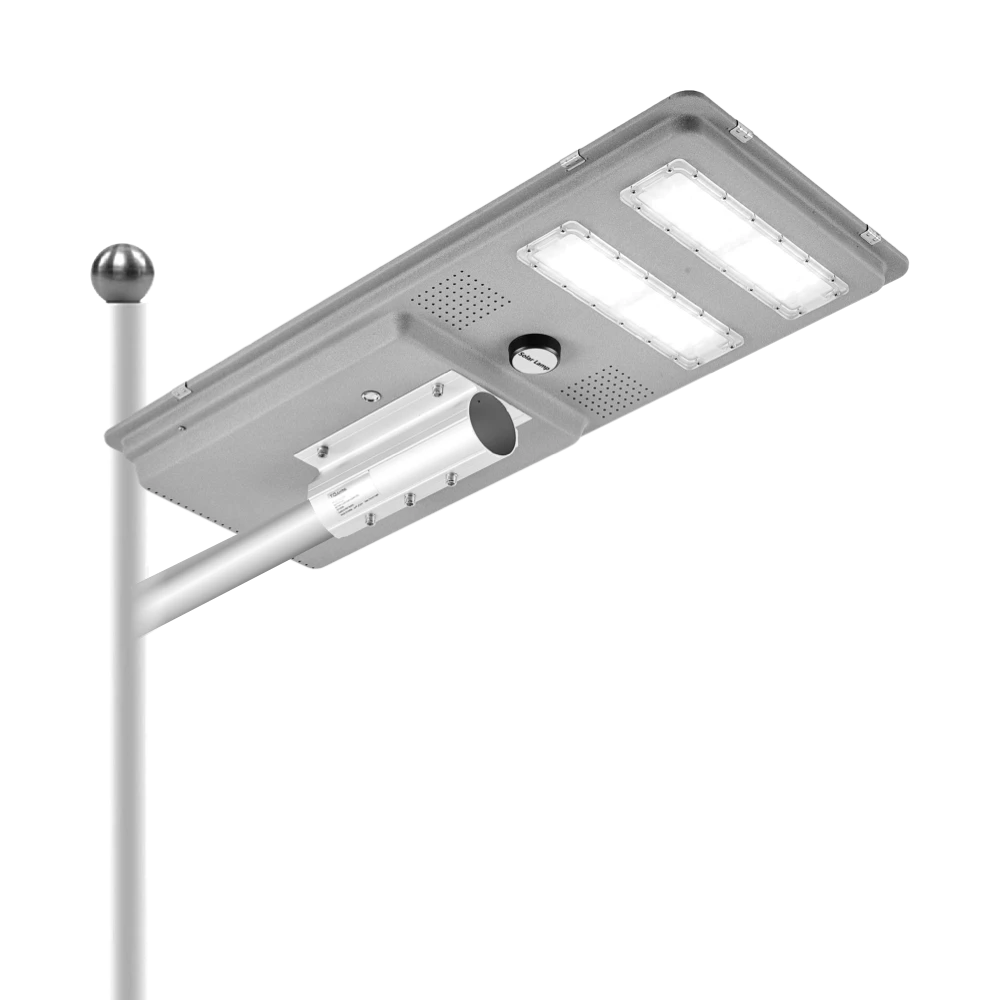
Queneng’s Solar Street Lights are designed to provide reliable, energy-efficient lighting for streets, parks, and other outdoor spaces.
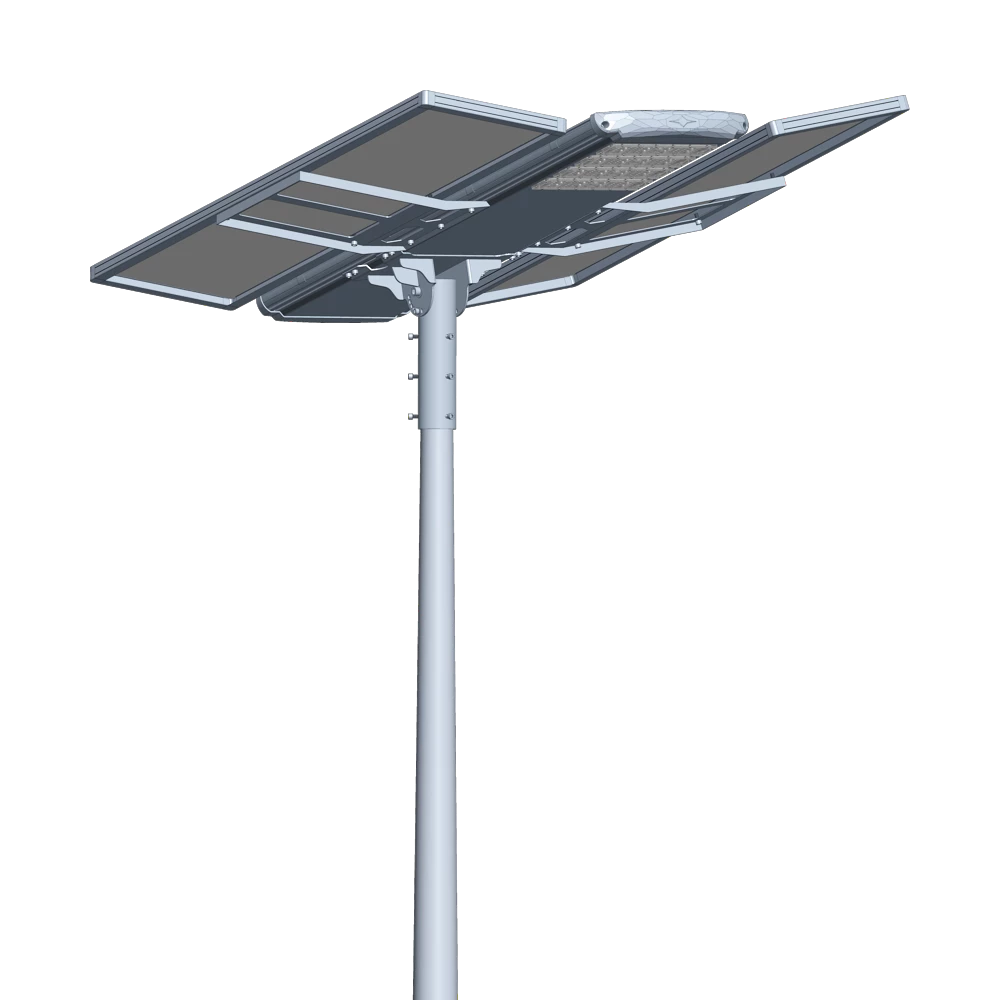
Introducing the Luqing Solar Street Light by Queneng, Efficient LED lighting powered by solar energy is perfect for illuminating outdoor areas. Harness the power of solar energy for sustainable, reliable street lighting. Ideal for eco-friendly, cost-effective outdoor illumination solutions.
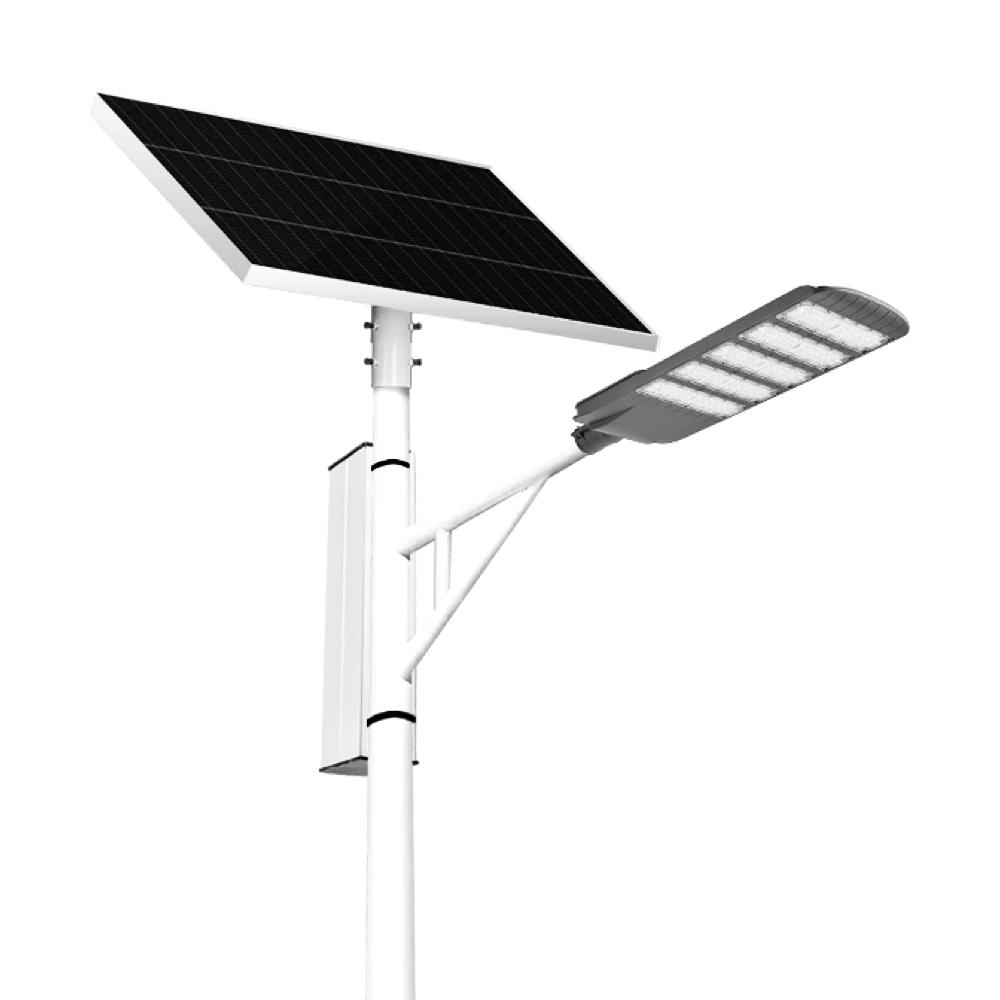
The Solar Streetlights of Luhao for Municipalities are designed to deliver reliable, energy-efficient, and cost-effective public lighting solutions. Equipped with advanced LED technology, durable lithium batteries, and high-efficiency solar panels, these streetlights provide consistent illumination for roads, parks, residential areas, and government projects.
If you would like more information about Queneng solar lighting solutions, please send us a message by filling out the form below. Our professional team will get back to you within 24 hours!
Rest assured that your privacy is important to us, and all information provided will be handled with the utmost confidentiality.
Schedule a Meeting
Book a date and time that is convenient for you and conduct the session in advance.
Have more questions about our products or services?
The messenger of light & power conversion
Environmental protection and intelligent manufacturing are our brand philosophy, and quality assurance and the best user experience are our eternal promises to users.
CONTACT
No.9F, Building F, Cao San Xin Tian Hong Logistics Park, Guzhen Town, Zhongshan City, Guangdong Province, China.
or write [email protected]
WhatsApp: +86 136 2270 1011


