













What Are the Disadvantages of Solar Street Lights?
Solar street lights are gaining popularity across urban, rural, and commercial landscapes for their energy-saving, eco-friendly benefits. However, like all technologies, solar-powered lighting systems also come with a set of limitations. Understanding these disadvantages is essential for making informed purchasing or engineering decisions.
1. 🌧️ Weather Dependency
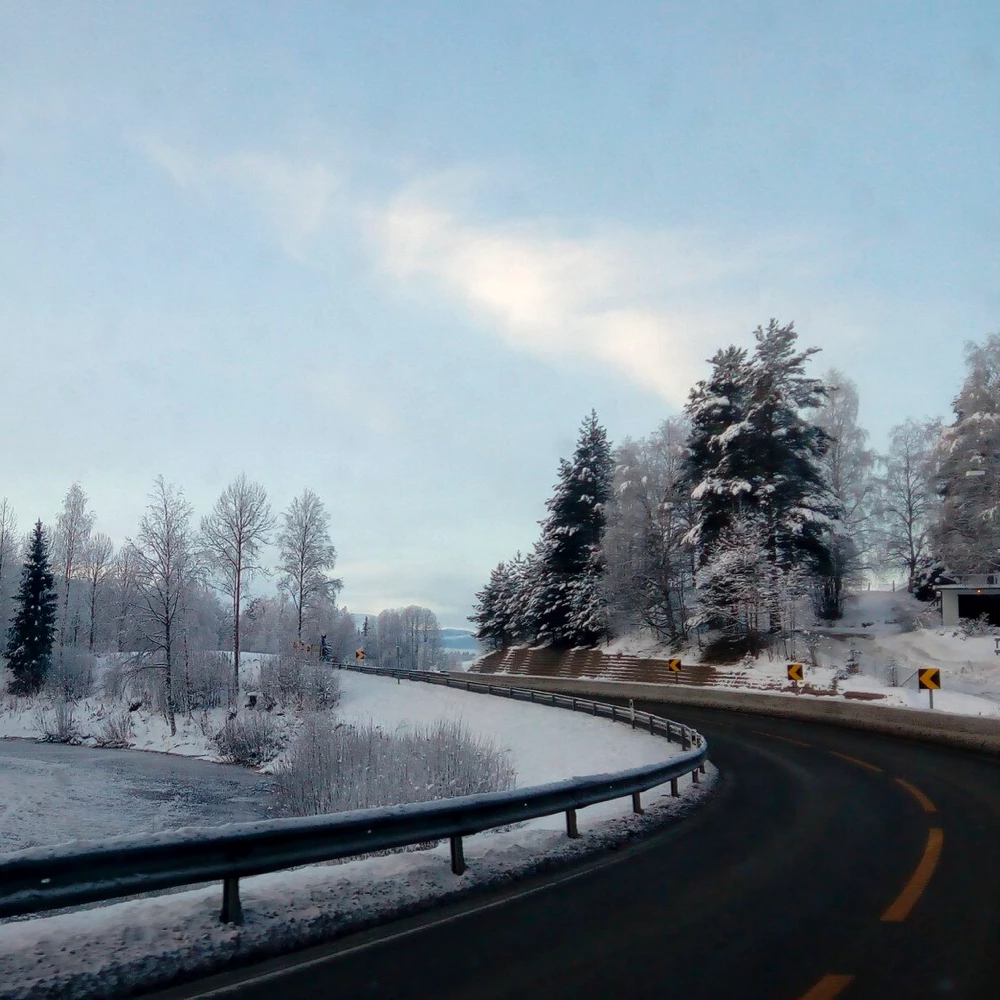
Solar street lights rely on sunlight to charge their batteries. In regions with frequent rain, snow, or extended cloudy periods, the energy storage may become insufficient to keep the lights on throughout the night.
-
Problem: Reduced charging efficiency
-
Impact: Dim lighting or complete shutdown in extreme conditions
2. 💸 Higher Initial Investment
Compared to traditional grid-powered street lights, the upfront cost of solar street lighting systems is generally higher.
-
Includes: Solar panel, lithium battery, LED fixture, controller, mounting pole
-
Why it matters: While they offer long-term savings, the initial investment can be a barrier for many municipalities or private projects
3. 🔋 Battery Limitations
Most solar street lights use lithium or lead-acid batteries, which have a limited lifespan.
-
Lifespan: 3–5 years depending on quality and usage
-
Replacement cost: Can be significant, especially for large installations
-
Environmental concern: Improper disposal of used batteries can lead to pollution
4. 🔧 Maintenance and Technical Knowledge
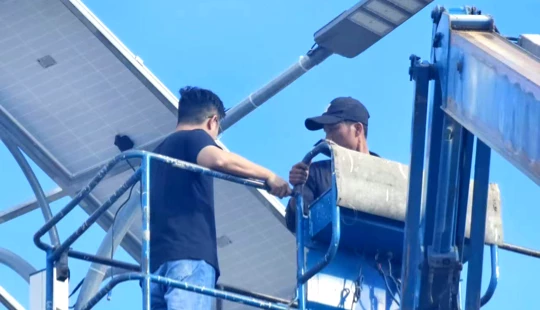
Although solar lights are marketed as low-maintenance, they still require:
-
Regular cleaning of panels for optimal charging
-
Battery inspection and replacement
-
Controller calibration
-
Troubleshooting LED faults or dimming issues
Not every region has technicians familiar with solar lighting systems, which could lead to delays and increased service costs.
5. 🌐 Limited Lighting Capacity
Solar street lights, especially low-wattage models, may not provide sufficient illumination for:
-
High-traffic highways
-
Urban roads with high brightness requirements
-
Industrial zones requiring continuous high-lumen output
If not properly designed, some systems may produce patchy or uneven light distribution.
6. 🛡️ Security and Vandalism Risks
Solar street lights are often installed in open or remote areas, making them vulnerable to:
-
Theft of solar panels or batteries
-
Vandalism of the lighting units
-
Tampering with controls or fixtures
Using anti-theft mounting brackets and secure pole designs can help mitigate these risks.
7. 🧊 Temperature Sensitivity
Extreme hot or cold temperatures can affect the performance and lifespan of both:
-
Batteries: May degrade faster in high temperatures
-
Controllers and LEDs: Could malfunction under freezing conditions
Selecting models with wide-temperature-range components is critical for extreme environments.
🙋♂️ Frequently Asked Questions (FAQ)
❓1. Are solar street lights reliable during the rainy season?
Answer:
Solar street lights may experience reduced charging efficiency during prolonged cloudy or rainy periods. However, high-quality systems with larger solar panels and high-capacity lithium batteries are designed to maintain performance for several days without sunlight. It’s essential to choose models with a reliable autonomy rating and intelligent energy-saving features.
❓2. How long do the batteries in solar street lights last?
Answer:
Battery lifespan typically ranges from 3 to 5 years, depending on the type (lithium vs. lead-acid), charging cycles, environmental conditions, and maintenance. Replacing the battery is a critical part of long-term system upkeep, so selecting models with accessible and standardized battery components is recommended.
❓3. What are the maintenance requirements of solar street lights?
Answer:
Maintenance includes:
-
Cleaning solar panels every few months
-
Inspecting and replacing batteries when necessary
-
Monitoring LED performance
-
Checking and updating the controller settings
Regular inspection ensures optimal performance and extends system lifespan.
❓4. Can solar street lights work in cold or very hot climates?
Answer:
Solar street lights can operate in extreme temperatures, but performance depends on the battery and electronic components used. Choose systems rated for wide operating temperature ranges (e.g., -20°C to 60°C) if you're installing in harsh environments. Industrial-grade materials and intelligent controllers also help reduce risk.
❓5. Is it easy to install and configure solar street lights?
Answer:
Yes, most all-in-one solar street lights are designed for easy installation, requiring no grid wiring. However, optimal installation requires proper orientation, angle adjustment, and height placement to ensure sufficient sun exposure and light coverage. Working with an experienced supplier like Queneng ensures smoother project implementation.
❓6. Are there risks of theft or vandalism with solar lights?
Answer:
Yes, in remote or unsecured areas, solar panels and batteries may be targets for theft or vandalism. Anti-theft mounting systems, tamper-resistant designs, and reinforced poles can help protect the system. Queneng also offers smart solar street light solutions with monitoring features.
❓7. Do solar street lights produce the same brightness as traditional street lights?
Answer:
Not always. While high-quality solar street lights can match or exceed the brightness of conventional lights, lower-end or underpowered models may provide insufficient illumination. Proper system design—including correct wattage, beam angle, and lumen output—is essential for achieving desired lighting levels.
✅ Conclusion: Weighing the Pros and Cons
While solar street lights offer long-term cost savings, eco-friendliness, and grid independence, it's important to evaluate their disadvantages based on your project's geographic location, lighting requirements, and maintenance capabilities. With proper planning, many of these drawbacks can be mitigated by choosing high-quality products and reliable manufacturers.

Have more questions about our products or services?
The latest hot news you might like

Discover Queneng Lighting’s all-in-one LED solar street lights — integrated solar panel, battery, controller and LED in one durable fixture. Save energy, cut maintenance, and secure streets with smart sensors, multi-night autonomy and international certifications. Contact sales for quotes and support.

Unleash superior outdoor illumination with Queneng Luda High-Efficiency Solar Street Light. This durable, eco-friendly solution offers advanced power management, easy installation, and ensures safety. Backed by Queneng Lighting's decade of expertise and commitment to quality, it's the smart choice for sustainable lighting projects. Learn why we're a leading solar solutions provider.

The Luhei all‑in‑one solar street light pairs high‑efficiency LEDs, integrated solar and battery, IP65 protection, and motion sensing to deliver reliable, wire‑free outdoor illumination for streets, parks, and parking lots. Backed by Queneng Lighting’s certifications and support.

FAQ
APMS system
What is the endurance time of the APMS system during rainy weather?
Optimized for rainy weather, the APMS system can maintain lighting endurance for several days under extended cloudy conditions, with specific duration depending on the environment and battery capacity.
How does the APMS system enable continuous lighting on prolonged rainy days?
Queneng's APMS is equipped with rainy-day endurance technology that ensures continuous lighting during extended cloudy periods, maintaining stable power in sun-deprived conditions and ideal for lighting in remote areas.
Tourist Attractions and Resorts
Can solar lights be used for both functional and decorative purposes?
Yes, solar lighting is versatile and can be used for both functional purposes, such as illuminating pathways and parking lots, and decorative purposes, such as enhancing garden features or architectural details.
Municipal and Public Infrastructure
How much maintenance do solar streetlights require?
Solar streetlights are low-maintenance. Routine checks on the solar panels and battery performance every 6-12 months are sufficient to ensure optimal operation.
Batteries and the environment
What is the main manifestation of the hazards of used batteries?
Solar Street Light Luhui
Do Luhui solar street lights have a battery backup for cloudy days?
Yes, each Luhui solar street light includes a rechargeable battery that stores solar energy during the day to power the light at night, ensuring continuous operation even on c
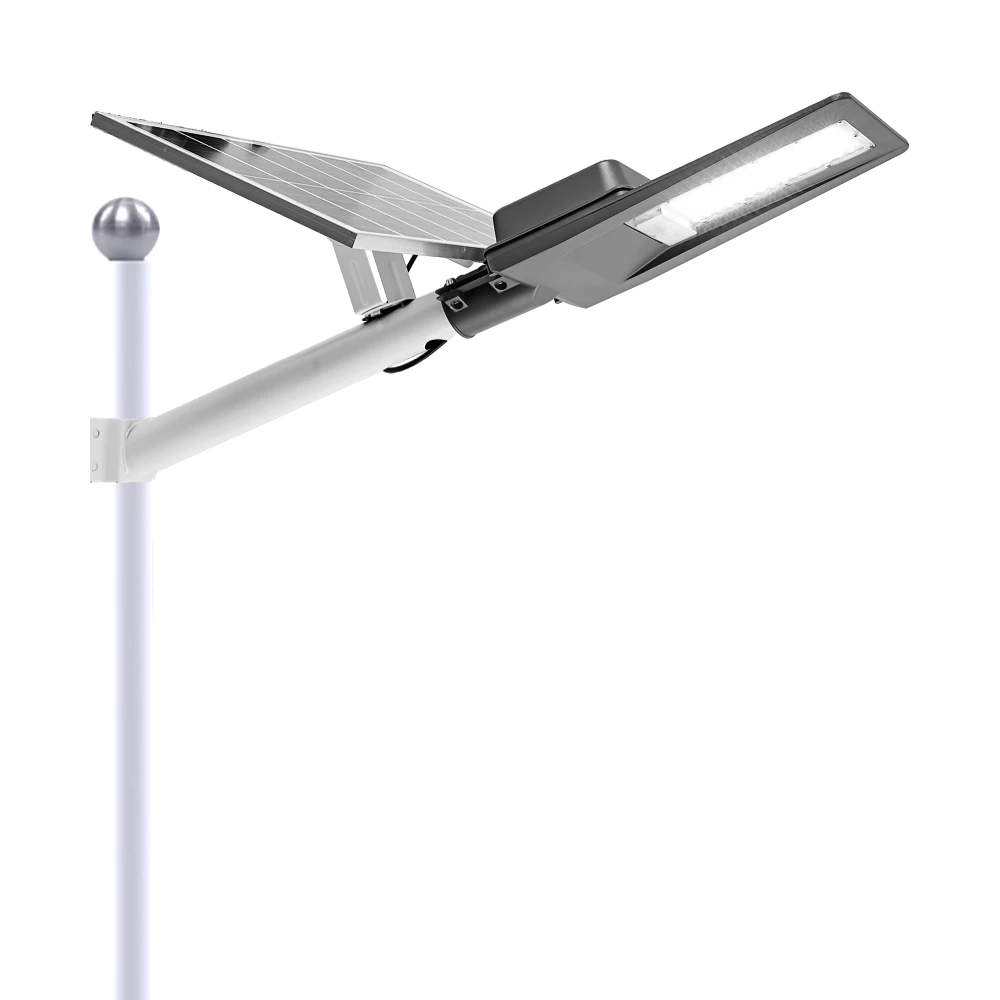
Experience reliable outdoor illumination with our smart solar street light, a perfect combination of advanced technology and eco-conscious design.
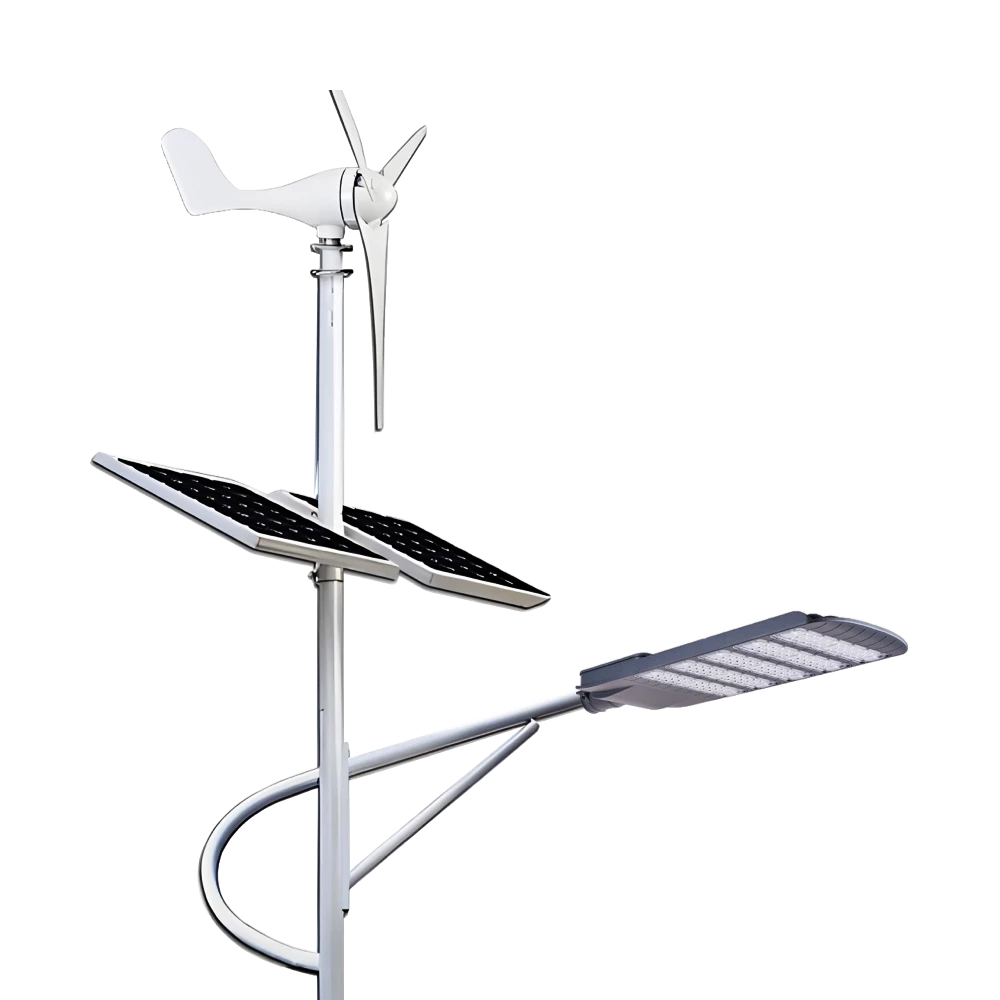
Queneng Lufeng Wind Energy LED Outdoor Solar Street Lights offer high-performance, eco-friendly illumination. These energy-efficient LED street lights harness solar power and wind energy for sustainable, cost-effective outdoor lighting solutions.
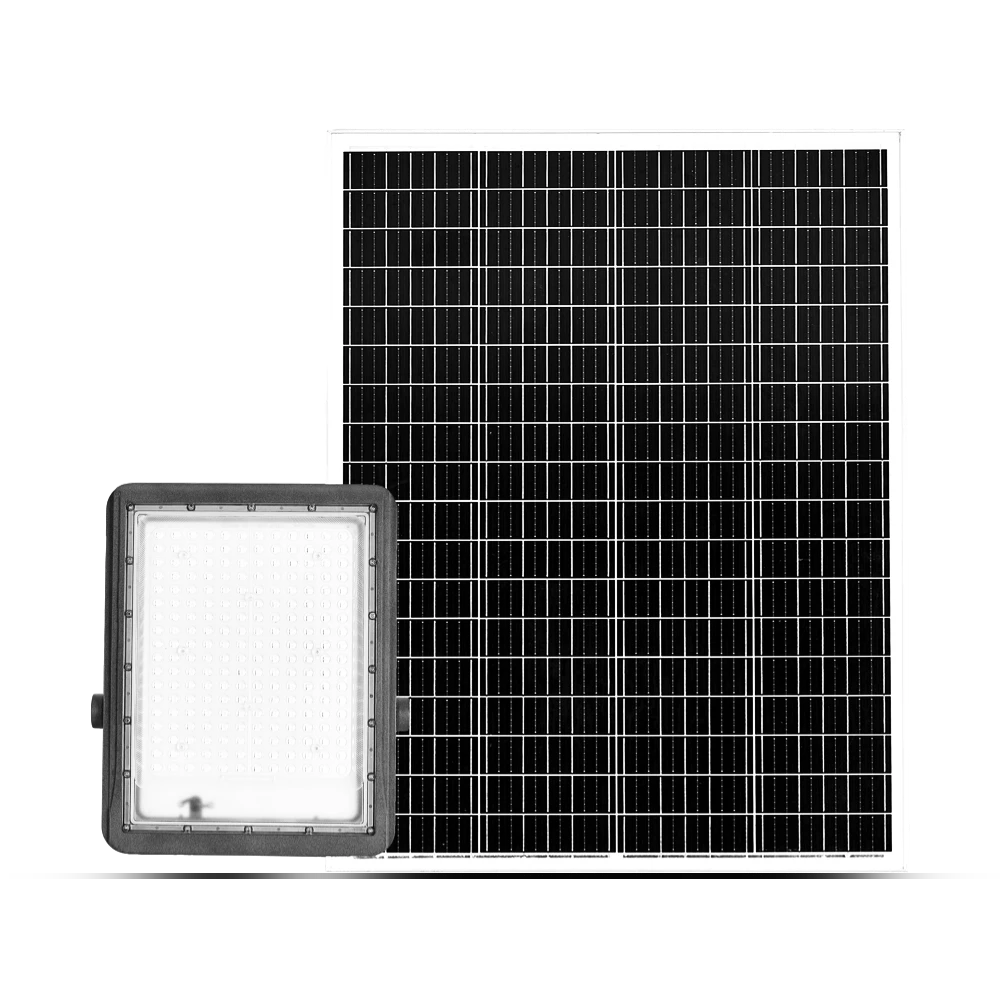
Queneng's Luxian Reliable Solar Street Light offers energy-saving LED lighting for outdoor use. This durable, solar-powered street light provides reliable illumination, reducing energy costs and environmental impact. A perfect solution for sustainable outdoor lighting.
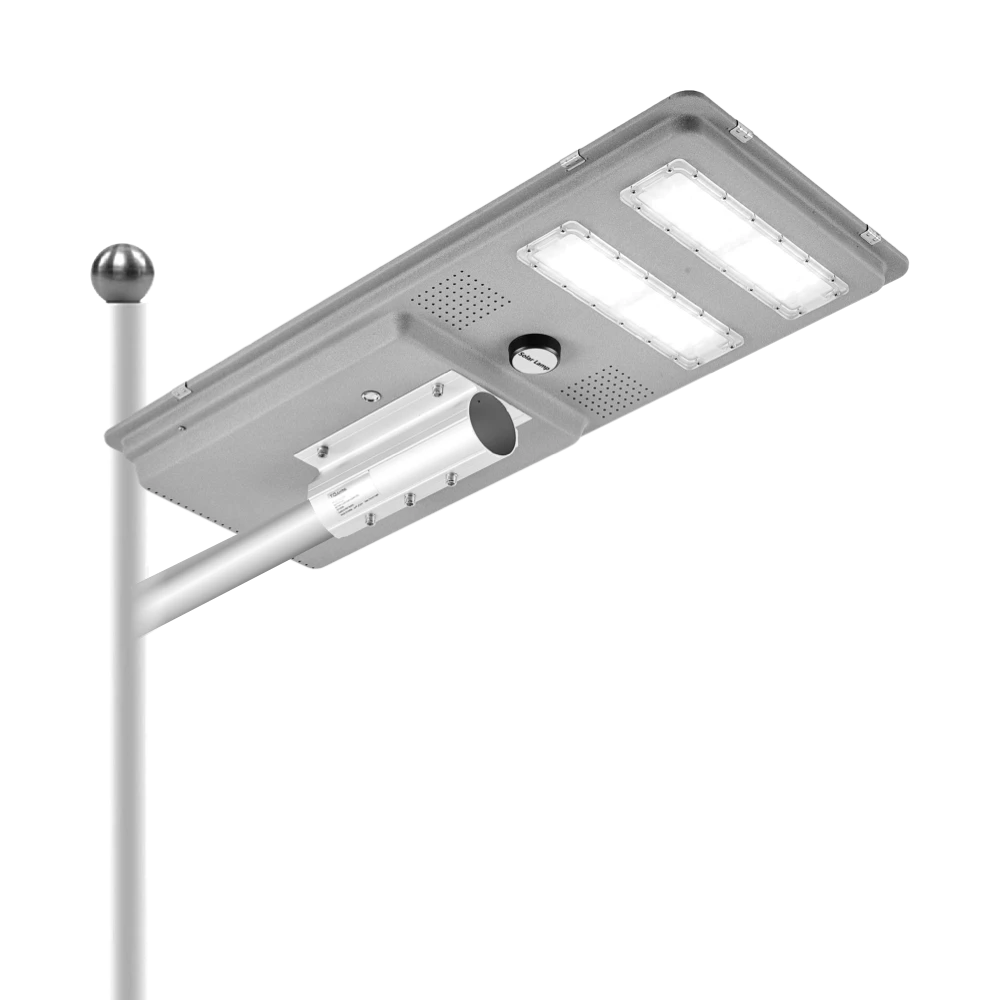
Queneng’s Solar Street Lights are designed to provide reliable, energy-efficient lighting for streets, parks, and other outdoor spaces.
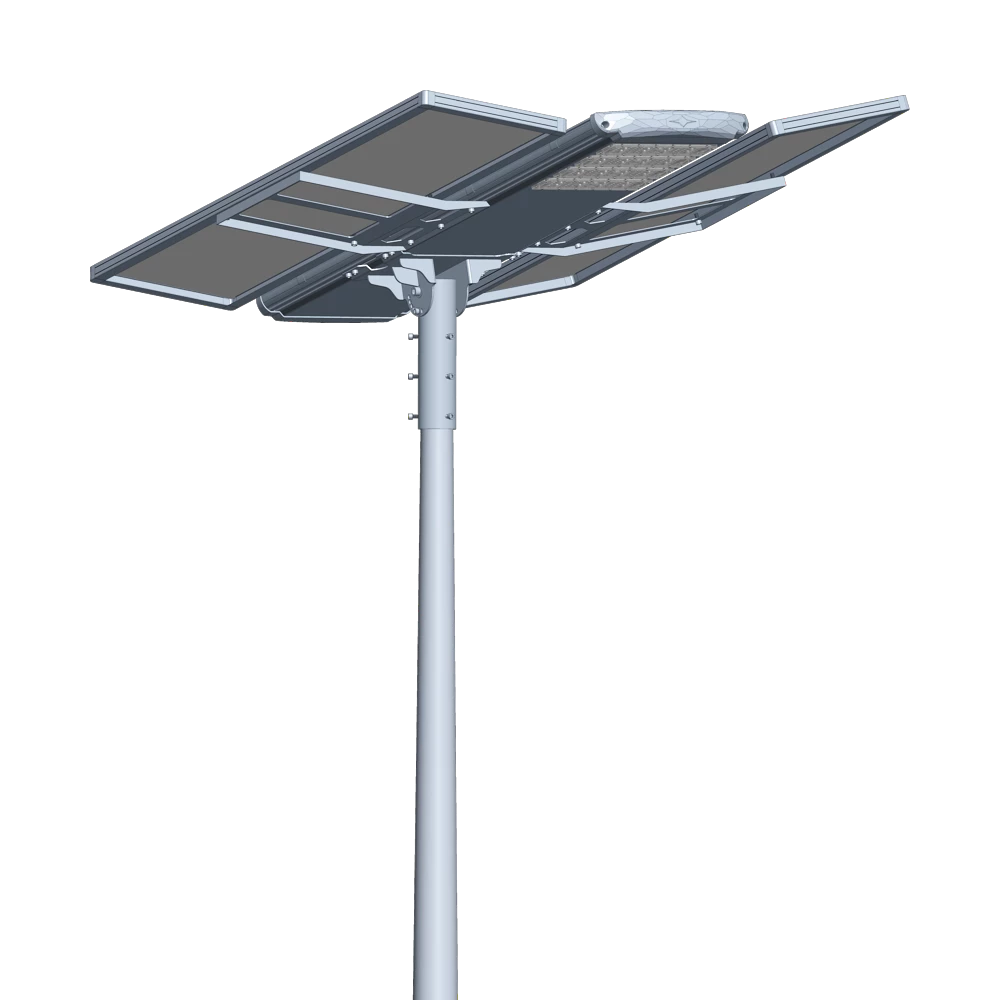
Introducing the Luqing Solar Street Light by Queneng, Efficient LED lighting powered by solar energy is perfect for illuminating outdoor areas. Harness the power of solar energy for sustainable, reliable street lighting. Ideal for eco-friendly, cost-effective outdoor illumination solutions.
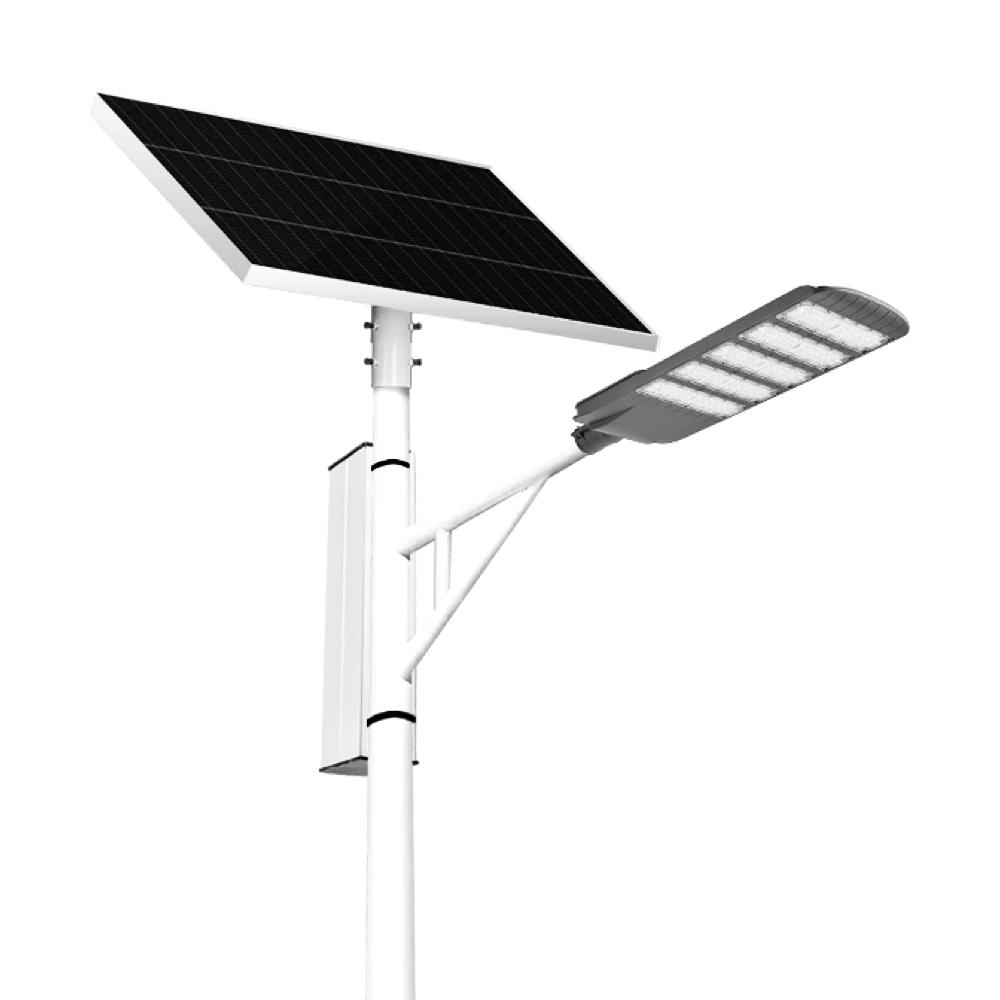
The Solar Streetlights of Luhao for Municipalities are designed to deliver reliable, energy-efficient, and cost-effective public lighting solutions. Equipped with advanced LED technology, durable lithium batteries, and high-efficiency solar panels, these streetlights provide consistent illumination for roads, parks, residential areas, and government projects.
If you would like more information about Queneng solar lighting solutions, please send us a message by filling out the form below. Our professional team will get back to you within 24 hours!
Rest assured that your privacy is important to us, and all information provided will be handled with the utmost confidentiality.
Schedule a Meeting
Book a date and time that is convenient for you and conduct the session in advance.
Have more questions about our products or services?
The messenger of light & power conversion
Environmental protection and intelligent manufacturing are our brand philosophy, and quality assurance and the best user experience are our eternal promises to users.
CONTACT
No.9F, Building F, Cao San Xin Tian Hong Logistics Park, Guzhen Town, Zhongshan City, Guangdong Province, China.
or write [email protected]
WhatsApp: +86 136 2270 1011


