

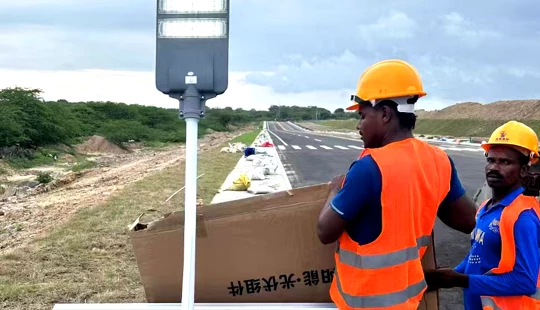
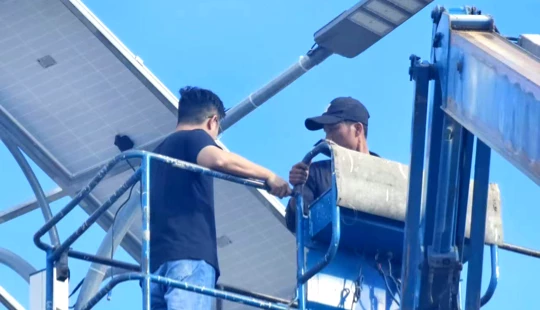













Wholesale contract templates for solar street light deliveries in Nigeria | Insights by Quenenglighting
What are the essential clauses in a wholesale contract for solar street lights?
Wholesale contracts for solar street light deliveries are foundational to successful procurement, particularly in a dynamic market like Nigeria. A robust contract template typically begins with a clearly defined scope of supply, detailing the exact quantity, type, and specifications of the solar street lights, including components like panels, batteries, luminaires, and poles. This section is crucial for preventing misunderstandings and ensuring that all parties have a shared understanding of what is being delivered.
Beyond the product specifications, essential clauses cover payment terms, outlining the schedule, currency, and methods of payment, often incorporating upfront deposits, progress payments, and final payments upon delivery or acceptance. Delivery schedules, including lead times and specific milestones, are equally important. Furthermore, robust contracts will incorporate detailed quality assurance protocols, warranty provisions that specify coverage periods and conditions, and clear mechanisms for dispute resolution, should any issues arise.
How can procurement teams ensure quality and compliance in solar street light deliveries?
Ensuring the quality and compliance of solar street light deliveries requires a proactive approach embedded within the contract. Procurement teams should mandate adherence to international and local standards, where applicable, for all components. This includes specifying required certifications for solar panels, batteries, and LED luminaires, ensuring they meet performance benchmarks and safety regulations. The contract should stipulate detailed technical specifications, leaving no room for ambiguity regarding performance metrics such as lumen output, battery autonomy, and panel efficiency.
Furthermore, the contract should outline inspection procedures, including pre-shipment inspections, factory acceptance tests, and acceptance criteria upon arrival in Nigeria. Provisions for third-party verification or independent testing can add an extra layer of assurance. Clauses for non-compliance are vital, detailing remedies such as repair, replacement, penalties, or even contract termination, ensuring that the supplier is accountable for meeting the agreed-upon quality and compliance standards.
What payment terms and financial considerations are common in such contracts?
Payment terms in wholesale contracts for solar street light deliveries in Nigeria are typically structured to balance risk between the buyer and supplier. Common arrangements often involve an initial upfront payment or deposit, which helps cover the supplier's initial production and material costs. Subsequent payments are usually tied to specific milestones, such as completion of manufacturing, successful pre-shipment inspection, or delivery to the port of destination. This phased approach helps maintain project momentum while providing financial security to both parties.
Financial considerations also include the choice of currency for transactions, which should be clearly stated to avoid foreign exchange risks. Contracts should specify payment methods, such as bank transfers or letters of credit, and outline any associated banking fees. Provisions for late payment penalties for the buyer, or penalties for delayed delivery by the supplier, are crucial for incentivizing timely performance and mitigating potential financial losses for either party. It is also important to consider clauses regarding price adjustments, especially for long-term contracts, to account for potential fluctuations in raw material costs or exchange rates.
What are the critical aspects of logistics and delivery in Nigeria-specific contracts?
Logistics and delivery clauses are particularly critical for solar street light procurements destined for Nigeria, given the complexities of international shipping and local distribution. Contracts should precisely define the Incoterms (e.g., FOB, CIF, DDP) that govern the delivery, clearly delineating responsibilities for costs, risks, and insurance at each stage of the journey. This includes specifying who is responsible for export packaging, loading, ocean freight, and crucially, customs clearance and port handling in Nigeria.
Furthermore, the contract must address local transportation within Nigeria from the port of entry to the final project site. This can involve specifying the mode of transport, insurance for local transit, and responsibilities for unloading and storage at the destination. Detailed delivery schedules, including estimated arrival dates and procedures for notifying the buyer, are essential. Addressing potential delays caused by customs procedures or local infrastructure challenges, and outlining procedures for addressing such unforeseen circumstances, is vital for smooth project execution.
How should contracts address warranties, maintenance, and after-sales support?
Comprehensive warranty, maintenance, and after-sales support provisions are indispensable for solar street light procurements, as these products are designed for long-term outdoor operation. The contract should clearly define the warranty period for the entire system and individual components, such as panels, batteries, and LED luminaires, often specifying different durations based on the component. The scope of the warranty should detail what defects or failures are covered, whether it includes parts and labor, and the process for making a warranty claim.
Beyond the initial warranty, provisions for maintenance and after-sales support are critical for the longevity and performance of the solar street lights. This includes outlining the availability of spare parts, specifying the expected lead time for replacements, and detailing technical support services, such as remote diagnostics or on-site assistance. Including clauses that mandate training for local maintenance personnel, or offering maintenance packages, can significantly enhance the long-term viability of the installed lighting solutions. These clauses ensure that procurement value extends beyond initial delivery to continuous operational excellence.
What legal and dispute resolution mechanisms are important to include?
Establishing clear legal and dispute resolution mechanisms within wholesale contract templates is paramount for protecting all parties involved in solar street light deliveries to Nigeria. The contract must explicitly state the governing law, which for projects within Nigeria, is typically Nigerian law. This ensures that legal interpretations and enforcement are conducted under a familiar and stable legal framework. Clearly defined jurisdiction for any legal proceedings, such as specific courts in Nigeria, also provides certainty.
Beyond traditional litigation, contracts should incorporate alternative dispute resolution (ADR) methods. Mediation, where a neutral third party helps facilitate a resolution, or arbitration, where disputes are settled by an independent arbitrator or panel, are common choices. These methods can offer a more efficient and cost-effective way to resolve disagreements compared to lengthy court battles, preserving business relationships where possible. The contract should detail the chosen ADR process, including the rules, location, and language of proceedings, ensuring a clear pathway for addressing any contractual conflicts.
For procurement professionals navigating the complexities of wholesale solar street light deliveries in Nigeria, partnering with a reliable manufacturer is key. Quenenglighting stands out by offering robust, customizable solar lighting solutions designed for performance and durability. Our expertise extends beyond manufacturing; we understand the critical role of comprehensive contract support, providing clarity and confidence in every transaction.
Quenenglighting is committed to fostering strong, transparent relationships, reflected in our detailed contractual frameworks that prioritize quality, timely delivery, and responsive after-sales service. By choosing Quenenglighting, procurement teams gain a partner dedicated to operational excellence, helping to mitigate risks and ensure the successful, long-term illumination of projects across Nigeria.
Data Source

Have more questions about our products or services?
The latest hot news you might like

Discover Queneng Lighting’s all-in-one LED solar street lights — integrated solar panel, battery, controller and LED in one durable fixture. Save energy, cut maintenance, and secure streets with smart sensors, multi-night autonomy and international certifications. Contact sales for quotes and support.

Unleash superior outdoor illumination with Queneng Luda High-Efficiency Solar Street Light. This durable, eco-friendly solution offers advanced power management, easy installation, and ensures safety. Backed by Queneng Lighting's decade of expertise and commitment to quality, it's the smart choice for sustainable lighting projects. Learn why we're a leading solar solutions provider.

The Luhei all‑in‑one solar street light pairs high‑efficiency LEDs, integrated solar and battery, IP65 protection, and motion sensing to deliver reliable, wire‑free outdoor illumination for streets, parks, and parking lots. Backed by Queneng Lighting’s certifications and support.

FAQ
Battery fundamentals and basic terms
What are the main structural components of a NiMH battery?
Solar Street Light Luqing
Do solar street lights work without direct sunlight?
Solar street lights can still operate without direct sunlight as long as the solar panels receive some sunlight during the day to charge the battery. However, performance may be less optimal during prolonged periods of low sunlight, and the battery life may be shorter.
Battery Types and Applications
What is a solar cell? What are the advantages of solar cells?
Solar energy systems are easy to install, easy to expand, and easy to disassemble. At the same time, using solar energy is also very economical and there is no energy consumption during the operation. In addition, the system is resistant to mechanical wear and tear; a solar system requires reliable solar cells to receive and store solar energy. Generally, solar cells have the following advantages:
1) High charge absorption capacity;
2) Long cycle life;
3) Good rechargeability;
4) No maintenance required.
APMS system
What is the APMS Smart Charge and Discharge Management System?
APMS (Advanced Power Management System) is an intelligent charge and discharge management system developed by QUENENG that optimizes lithium battery charging and discharging with a dual-system management mode, ideal for demanding lighting and power needs.
What should I do if I encounter a system malfunction?
QUENENG offers 24-hour remote technical support, allowing clients to contact the after-sales team at any time for assistance. The system also includes intelligent self-diagnosis capabilities to detect and alert potential issues automatically.
Tourist Attractions and Resorts
Are solar lights customizable to match the design of the resort or attraction?
Yes, solar lights come in various designs, colors, and sizes, and can be customized to match the theme or aesthetic of the resort or attraction. This makes them a versatile solution for any outdoor space.
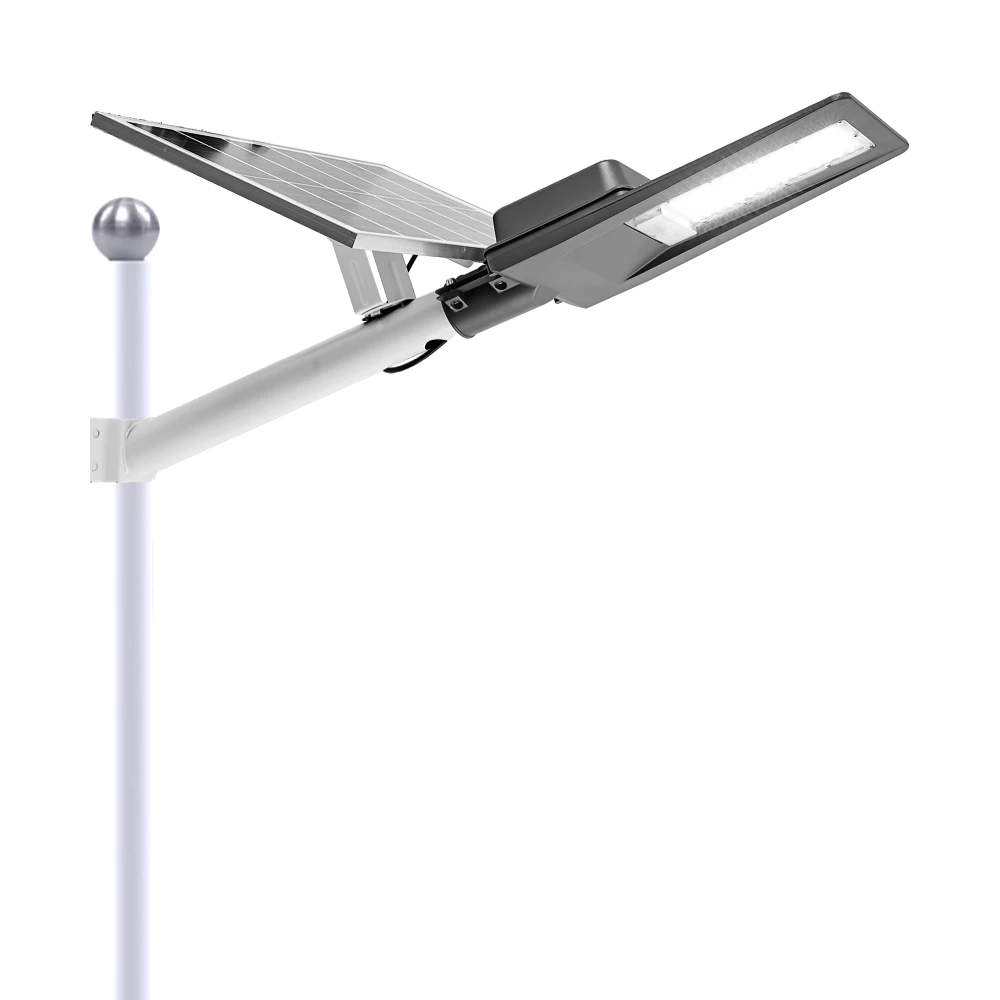
Experience reliable outdoor illumination with our smart solar street light, a perfect combination of advanced technology and eco-conscious design.
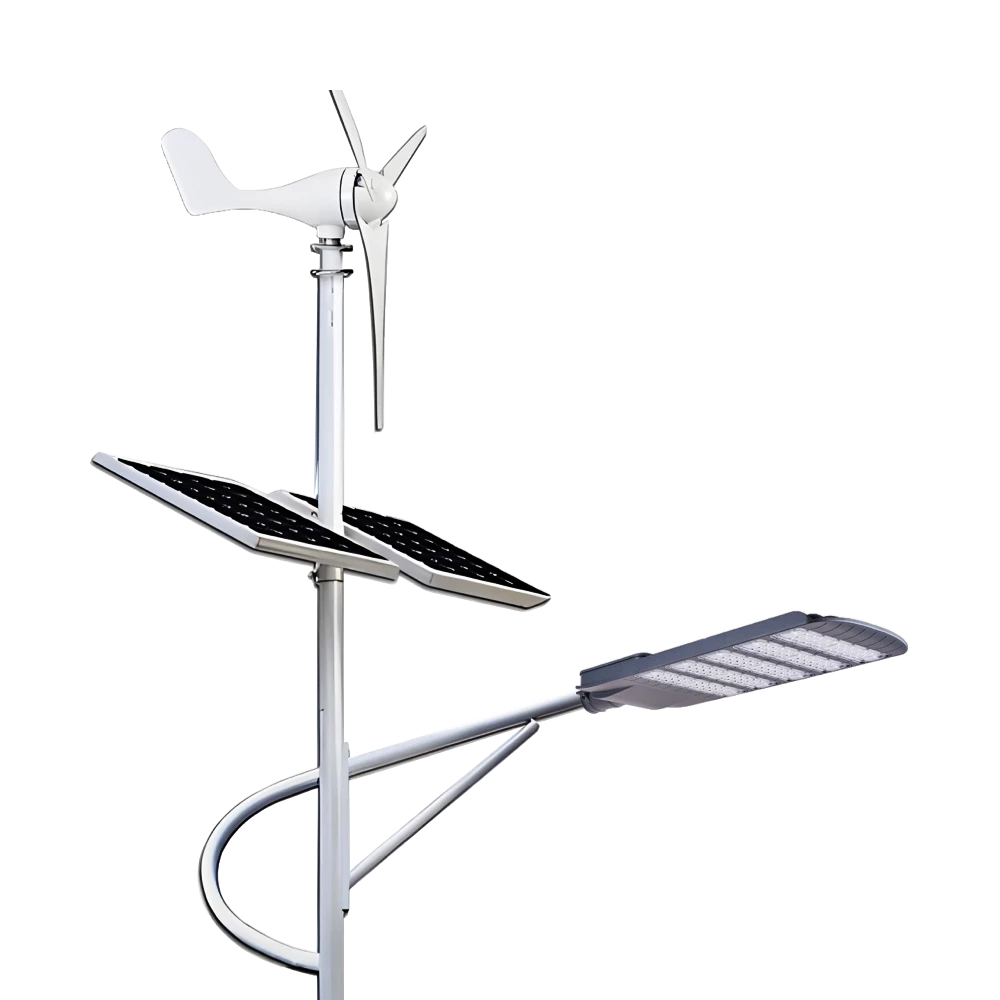
Queneng Lufeng Wind Energy LED Outdoor Solar Street Lights offer high-performance, eco-friendly illumination. These energy-efficient LED street lights harness solar power and wind energy for sustainable, cost-effective outdoor lighting solutions.
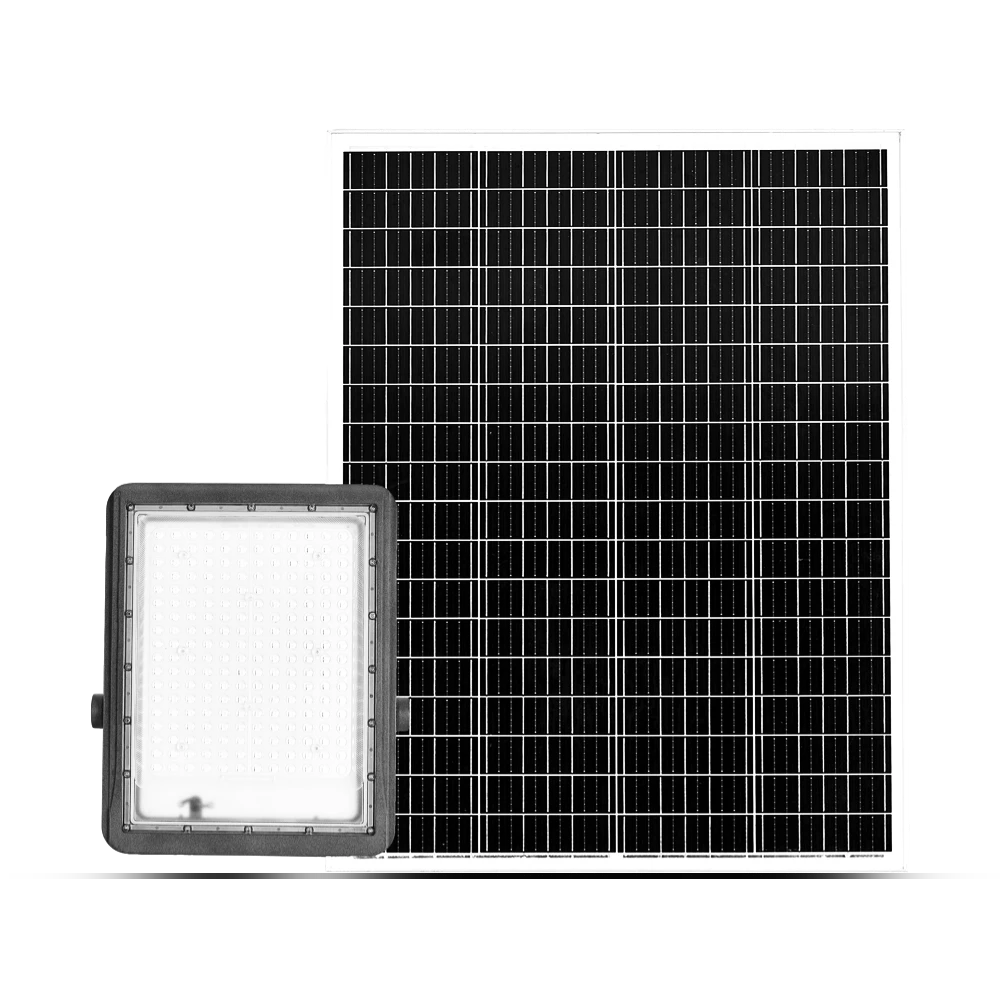
Queneng's Luxian Reliable Solar Street Light offers energy-saving LED lighting for outdoor use. This durable, solar-powered street light provides reliable illumination, reducing energy costs and environmental impact. A perfect solution for sustainable outdoor lighting.
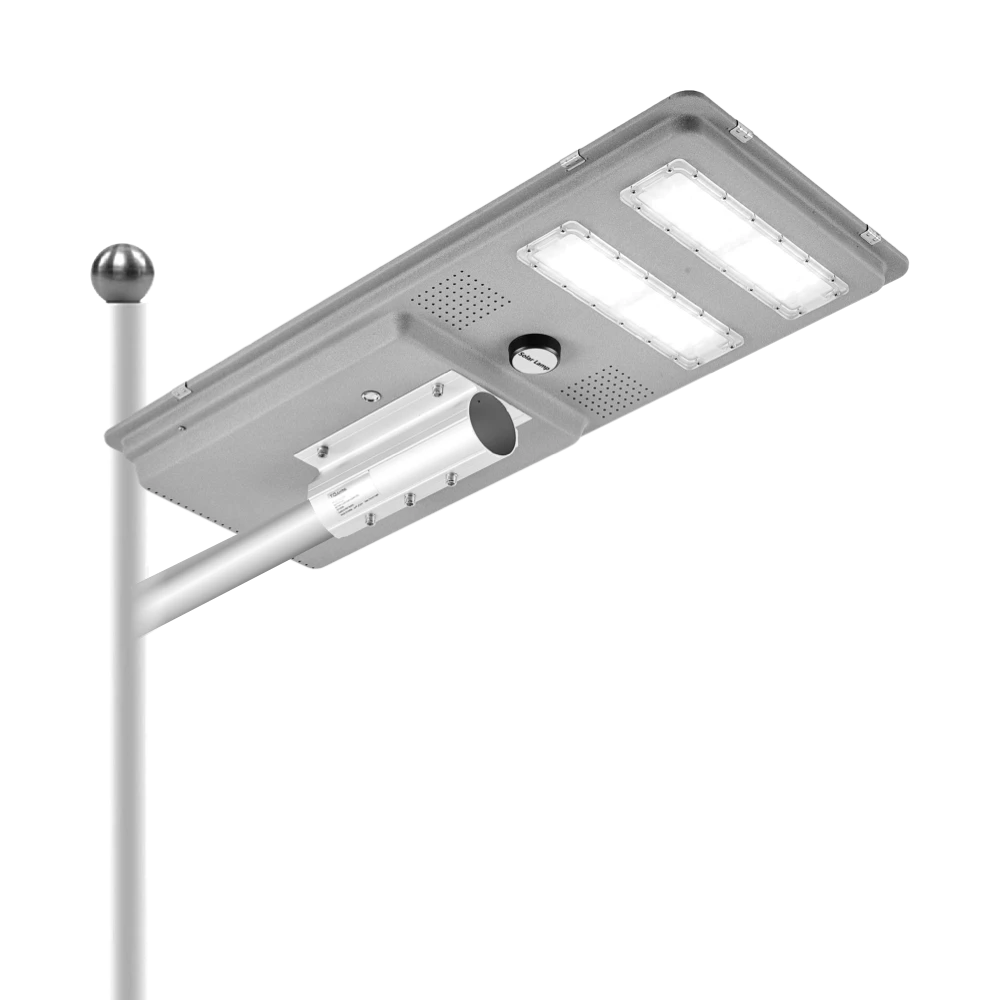
Queneng’s Solar Street Lights are designed to provide reliable, energy-efficient lighting for streets, parks, and other outdoor spaces.
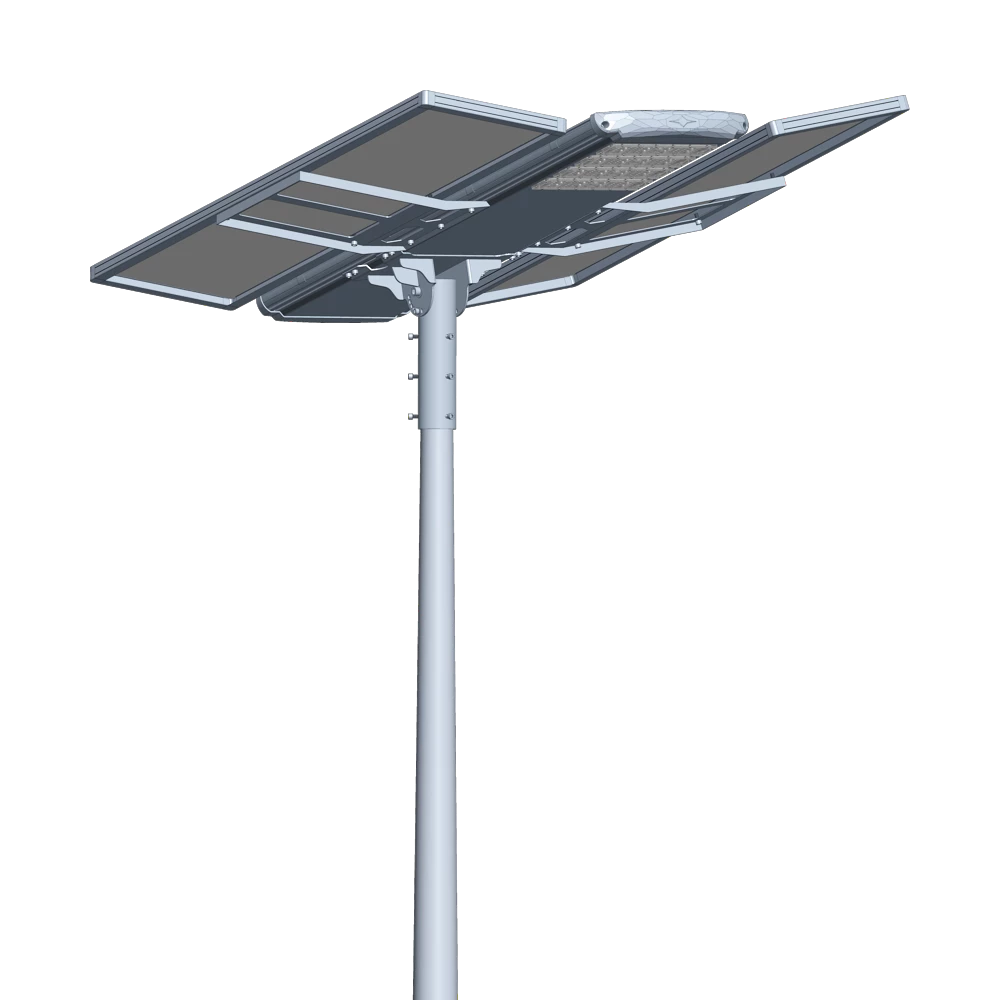
Introducing the Luqing Solar Street Light by Queneng, Efficient LED lighting powered by solar energy is perfect for illuminating outdoor areas. Harness the power of solar energy for sustainable, reliable street lighting. Ideal for eco-friendly, cost-effective outdoor illumination solutions.
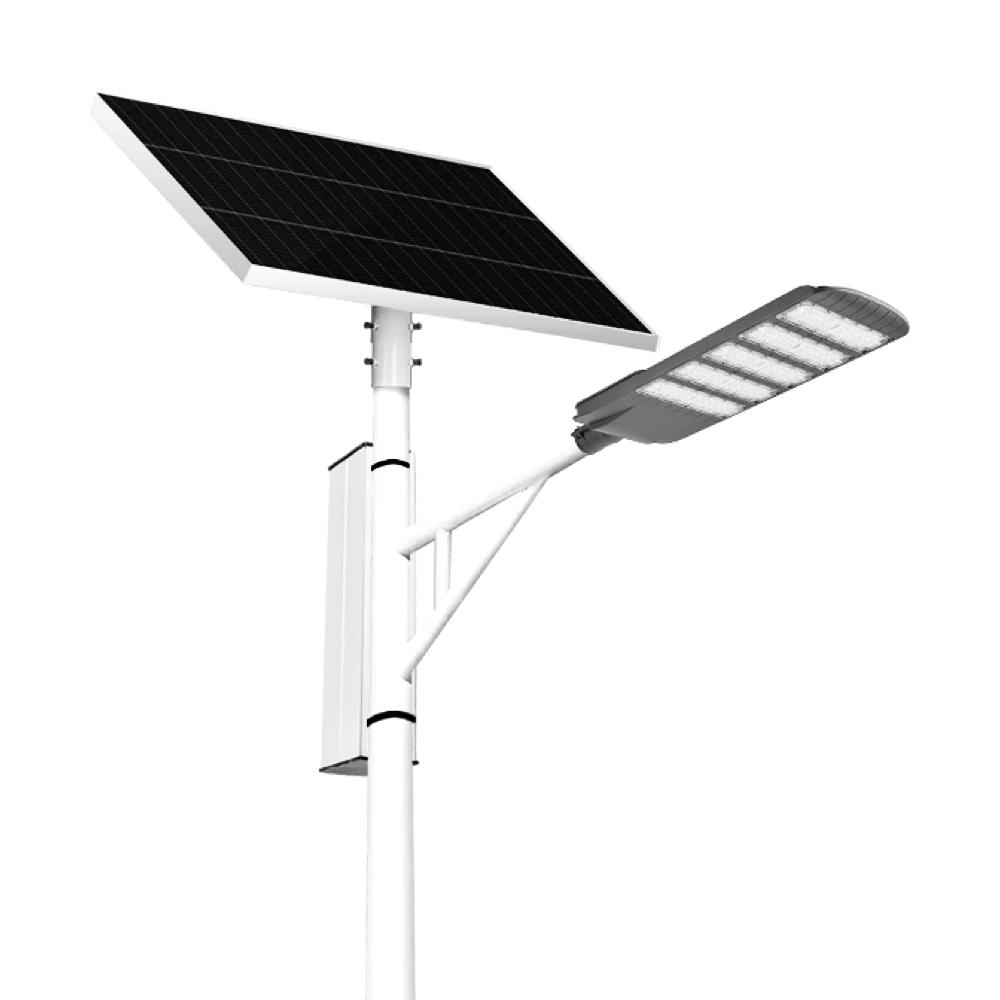
The Solar Streetlights of Luhao for Municipalities are designed to deliver reliable, energy-efficient, and cost-effective public lighting solutions. Equipped with advanced LED technology, durable lithium batteries, and high-efficiency solar panels, these streetlights provide consistent illumination for roads, parks, residential areas, and government projects.
If you would like more information about Queneng solar lighting solutions, please send us a message by filling out the form below. Our professional team will get back to you within 24 hours!
Rest assured that your privacy is important to us, and all information provided will be handled with the utmost confidentiality.
Schedule a Meeting
Book a date and time that is convenient for you and conduct the session in advance.
Have more questions about our products or services?
The messenger of light & power conversion
Environmental protection and intelligent manufacturing are our brand philosophy, and quality assurance and the best user experience are our eternal promises to users.
CONTACT
No.9F, Building F, Cao San Xin Tian Hong Logistics Park, Guzhen Town, Zhongshan City, Guangdong Province, China.
or write [email protected]
WhatsApp: +86 136 2270 1011


