














Wholesale After-sales Service Models in Solar Lighting Supply | Insights by Quenenglighting
Navigating Wholesale After-sales Service Models in Solar Lighting Supply
In the burgeoning solar lighting market, securing reliable, high-quality products is just one piece of the puzzle. For wholesale buyers—whether distributors, project developers, or contractors—the strength of a supplier's after-sales service model can be the defining factor for long-term project success, brand reputation, and operational efficiency. A well-structured after-sales program minimizes downtime, reduces unexpected costs, and ensures customer satisfaction. Let's explore the critical aspects of wholesale after-sales service in solar lighting supply.
What are the primary after-sales service models offered in wholesale solar lighting supply?
Wholesale solar lighting suppliers typically offer several key after-sales service models, often customized based on product type, project scale, and geographical location. The most common include:
- Return Merchandise Authorization (RMA): This is a standard process where the buyer returns defective units to the supplier for repair or replacement. It’s effective for smaller, shippable items and requires clear procedures for identification, shipping, and resolution.
- Dead on Arrival (DOA) Replacement: For products that are non-functional upon receipt, suppliers usually offer immediate replacement, minimizing initial project delays.
- Spare Parts Provision: Instead of returning entire units, suppliers often provide replacement components (e.g., batteries, LED modules, solar panels, controllers) for on-site repair by the buyer or end-user's technicians. This is highly efficient for larger installations where dismantling and shipping full units are impractical.
- Technical Support: This involves providing expert assistance via phone, email, online chat, or video conferencing to help diagnose issues, troubleshoot, and guide buyers through repairs or installations.
- On-site Support: While less common for general wholesale, major projects may include negotiated agreements for supplier-provided on-site technical assistance, especially for complex installations or critical issues.
What are typical warranty periods and coverage for wholesale solar lighting components?
Warranty periods are a crucial indicator of product quality and supplier confidence. In wholesale solar lighting, warranties typically vary by component:
- Complete System/Fixture: Most reputable manufacturers offer a 3-5 year warranty on the entire solar lighting fixture (e.g., solar street lights, solar garden lights). This covers manufacturing defects in materials and workmanship.
- Solar Panels: While often integrated, the solar panel itself may have a longer performance warranty, sometimes up to 10-25 years for power output (e.g., 90% power output after 10 years, 80% after 25 years), reflecting their inherent durability.
- Batteries: As a critical component subject to degradation, batteries (lithium-ion, LiFePO4) typically carry a 2-3 year warranty, though high-quality LiFePO4 batteries may extend to 5 years, often with specified cycle life guarantees.
- LED Modules/Drivers: These often have warranties ranging from 3-5 years, ensuring light output and operational stability.
- Controllers: Charge controllers usually come with a 2-3 year warranty.
It's vital to scrutinize warranty terms for clarity on what specific failures are covered, the process for claiming, and any exclusions (e.g., damage from improper installation, natural disasters).
How do suppliers handle common product failures and defects (e.g., DOA, RMA)?
Effective handling of product failures is central to good after-sales service. For Dead on Arrival (DOA) units, suppliers should have a streamlined process for immediate replacement, often shipping new units before the defective ones are returned to minimize project delays. For other defects requiring RMA, the process typically involves:
- Issue Reporting: Buyer submits a detailed report, often with photos/videos.
- Initial Troubleshooting: Technical support attempts to resolve the issue remotely.
- RMA Issuance: If remote resolution isn't possible, an RMA number is issued.
- Return & Evaluation: Defective unit is shipped back for inspection.
- Resolution: Repair, replacement, or credit is provided based on warranty terms and evaluation.
The speed and transparency of this process significantly impact buyer satisfaction. Reputable suppliers prioritize quick turnaround times and clear communication.
What role does technical support and spare parts availability play in after-sales service?
Technical support is the backbone of efficient after-sales service. It enables buyers to quickly diagnose problems, receive guidance on installation, and perform basic repairs without needing to return products. Comprehensive support includes:
- Multi-channel communication: Phone, email, online portals.
- Knowledge base: FAQs, manuals, troubleshooting guides.
- Skilled technicians: Capable of understanding complex solar systems.
Spare parts availability is equally critical, especially for large-scale projects or when products are out of warranty. A supplier with readily available spare parts (batteries, LED drivers, controllers) enables buyers to perform cost-effective on-site repairs, extending product lifespan and reducing the Total Cost of Ownership (TCO). This is particularly important for components with shorter warranties or higher wear rates.
How does remote monitoring enhance after-sales service for solar lighting?
The integration of smart technology and IoT has revolutionized solar lighting after-sales. Remote monitoring systems allow for real-time tracking of solar lighting performance, including battery status, charging efficiency, light output, and fault detection. This offers significant advantages:
- Proactive Maintenance: Identify potential issues (e.g., low battery voltage, panel degradation) before they lead to complete failure.
- Faster Troubleshooting: Technicians can diagnose problems remotely, often resolving them without a site visit or preparing for a visit with the correct parts.
- Optimized Performance: Monitor energy consumption and generation to ensure optimal operation and detect inefficiencies.
- Reduced Downtime: Address issues quickly, leading to minimal service interruptions.
- Data-driven insights: Collect data to improve future product designs and maintenance schedules.
Many advanced solar street lights now come with integrated remote monitoring capabilities, providing an invaluable tool for both suppliers and buyers.
What are the key factors to consider when evaluating a wholesale supplier's after-sales service?
When selecting a wholesale solar lighting supplier, evaluate their after-sales service based on these critical factors:
- Clarity of Warranty: Are the terms explicit, easy to understand, and comprehensive?
- Response Time & Resolution Efficiency: How quickly do they respond to inquiries and resolve issues? What's their typical RMA turnaround time?
- Availability of Spare Parts: Do they stock essential components for post-warranty repairs?
- Technical Support Quality: Are their support staff knowledgeable, accessible, and fluent in your language?
- Documentation & Training: Do they provide clear manuals, troubleshooting guides, and perhaps training for your team?
- Reputation & Track Record: What do existing customers say about their after-sales service?
- Logistics & Shipping: How efficient are their processes for sending replacement parts or receiving returned units?
- Integration of Technology: Do they offer remote monitoring or other smart features to aid service?
How does robust after-sales service impact the Total Cost of Ownership (TCO) for solar lighting projects?
Robust after-sales service significantly reduces the Total Cost of Ownership (TCO) for solar lighting projects by addressing potential costs beyond the initial purchase price. A strong service framework leads to:
- Reduced Maintenance Costs: Timely technical support and readily available spare parts minimize the need for expensive third-party repairs or complete unit replacements.
- Lower Operational Downtime: Quick resolution of issues means lights are operational faster, avoiding potential revenue loss or public safety concerns.
- Extended Product Lifespan: Effective maintenance and repair capabilities maximize the utility of the initial investment.
- Minimized Replacement Costs: A good warranty and efficient RMA process protect against premature product failure costs.
- Enhanced Brand Reputation: For distributors and project owners, reliable performance of installed lights directly translates to client satisfaction and repeat business.
Investing in a supplier with superior after-sales service is, in essence, investing in the longevity, reliability, and cost-effectiveness of your solar lighting projects.
Quenenglighting's Advantage in Wholesale After-sales Service
At Quenenglighting, we understand that our commitment to your success extends far beyond the point of sale. We pride ourselves on offering comprehensive wholesale after-sales service models designed to provide peace of mind and ensure the long-term performance of your solar lighting investments. Our advantages include:
- High-Quality, Reliable Products: Our solar lighting solutions are built with High Quality components (e.g., high-efficiency solar panels, durable LiFePO4 batteries, advanced LED chips) ensuring fewer issues and longer lifespans, backed by industry-leading warranties (typically 3-5 years on complete systems, with extended warranties for key components).
- Streamlined RMA and DOA Processes: We guarantee efficient handling of any product issues, with clear communication and swift resolution to minimize your project downtime.
- Readily Available Spare Parts: We maintain a robust inventory of essential spare parts, enabling quick on-site repairs and extending the life of your installations even beyond warranty periods.
- Expert Technical Support: Our dedicated team of knowledgeable technicians provides prompt, professional support for troubleshooting, installation guidance, and technical inquiries.
- Smart Monitoring Compatibility: Many of our advanced solar lighting products are compatible with remote monitoring systems, offering you proactive maintenance capabilities and performance optimization.
- Dedicated Account Management: Wholesale clients benefit from personalized service, ensuring all after-sales needs are addressed efficiently and effectively.
Partnering with Quenenglighting means choosing a supplier who stands by its products and its customers, ensuring your solar lighting projects shine brightly for years to come.

Have more questions about our products or services?
The latest hot news you might like

Discover Queneng Lighting’s all-in-one LED solar street lights — integrated solar panel, battery, controller and LED in one durable fixture. Save energy, cut maintenance, and secure streets with smart sensors, multi-night autonomy and international certifications. Contact sales for quotes and support.

Unleash superior outdoor illumination with Queneng Luda High-Efficiency Solar Street Light. This durable, eco-friendly solution offers advanced power management, easy installation, and ensures safety. Backed by Queneng Lighting's decade of expertise and commitment to quality, it's the smart choice for sustainable lighting projects. Learn why we're a leading solar solutions provider.

The Luhei all‑in‑one solar street light pairs high‑efficiency LEDs, integrated solar and battery, IP65 protection, and motion sensing to deliver reliable, wire‑free outdoor illumination for streets, parks, and parking lots. Backed by Queneng Lighting’s certifications and support.

FAQ
OEM&ODM
Can I get free samples before placing an order?
Free samples are available for serious OEM/ODM inquiries. Shipping charges may apply.
APMS system
How does the APMS system enable continuous lighting on prolonged rainy days?
Queneng's APMS is equipped with rainy-day endurance technology that ensures continuous lighting during extended cloudy periods, maintaining stable power in sun-deprived conditions and ideal for lighting in remote areas.
Municipal and Public Infrastructure
Can the lights be customized for specific municipal projects?
Yes, we offer tailored solutions to meet the unique requirements of different projects, including variations in design, brightness, height, and operation modes.
How long do solar streetlights last?
Our solar streetlights typically last for 5-10 years with minimal maintenance.
Distributors
Can I get exclusive distribution rights in my region?
-
Exclusive distribution rights are available in select regions based on market conditions and your business capabilities. Please contact us to discuss opportunities for exclusive distribution in your area.
-
Battery and Analysis
What are the advantages of lithium polymer batteries? What are the advantages?
2) Can be made into a thin battery: with a capacity of 3.6V and 400mAh, its thickness can be as thin as 0.5mm;
3) Batteries can be designed in various shapes;
4) The battery can be bent and deformed: the polymer battery can be bent up to about 900 degrees;
5) Can be made into a single high-voltage battery: a battery with liquid electrolyte can only produce a high-voltage polymer battery by connecting several batteries in series;
6) Since it is liquid-free, it can be combined into multiple layers within a single chip to achieve high voltage;
7) The capacity will be twice that of a lithium-ion battery of the same size.
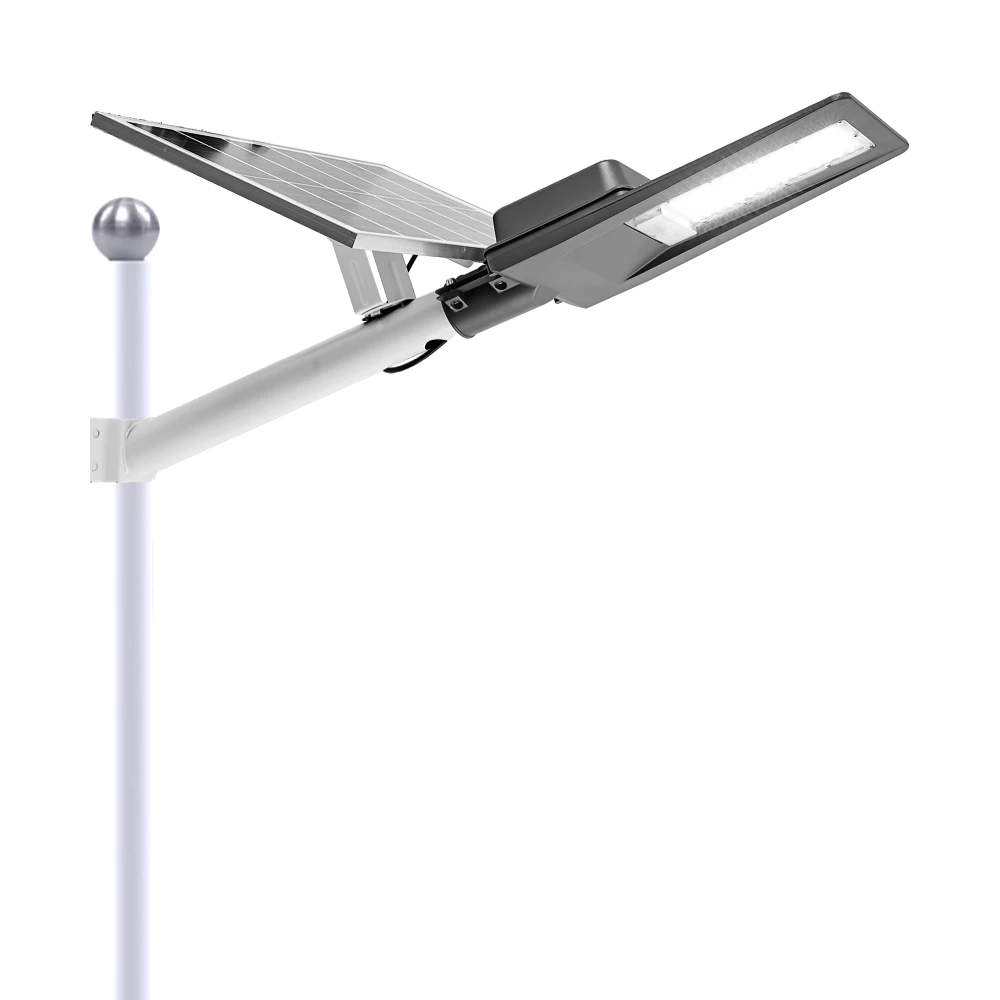
Experience reliable outdoor illumination with our smart solar street light, a perfect combination of advanced technology and eco-conscious design.
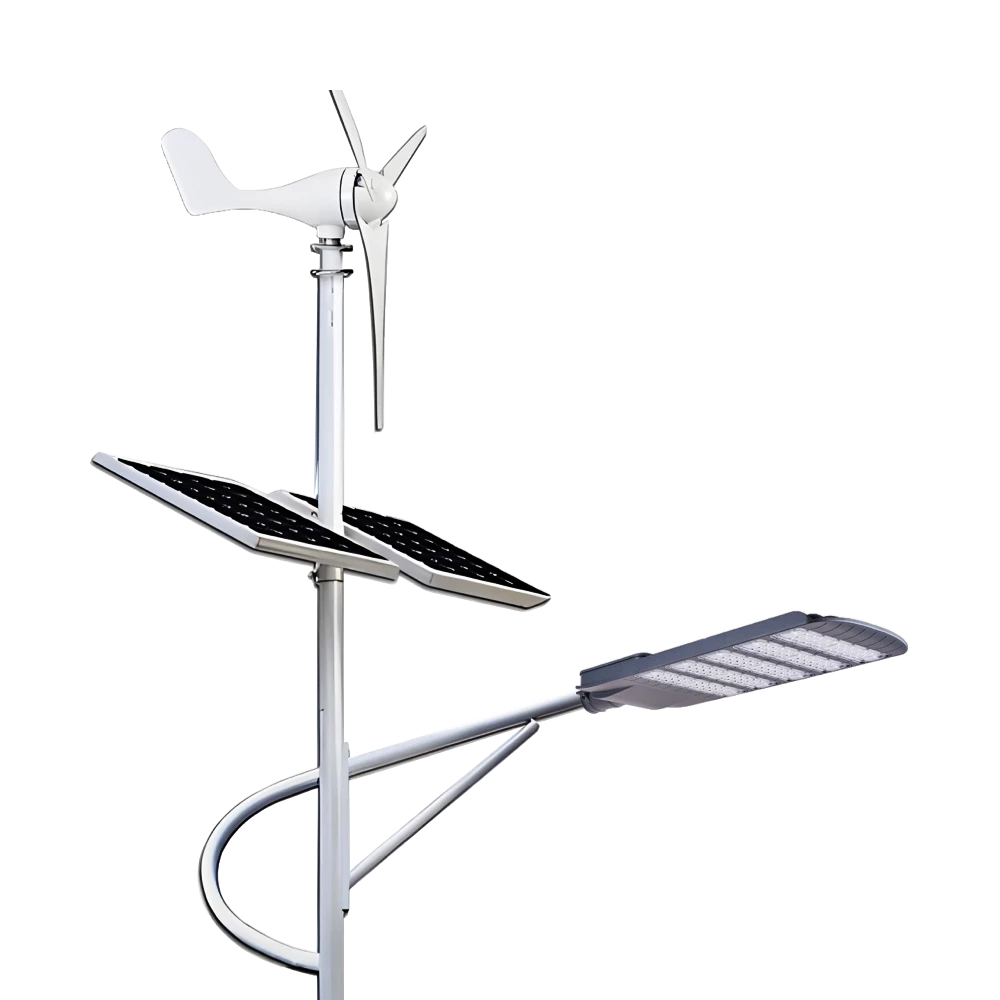
Queneng Lufeng Wind Energy LED Outdoor Solar Street Lights offer high-performance, eco-friendly illumination. These energy-efficient LED street lights harness solar power and wind energy for sustainable, cost-effective outdoor lighting solutions.
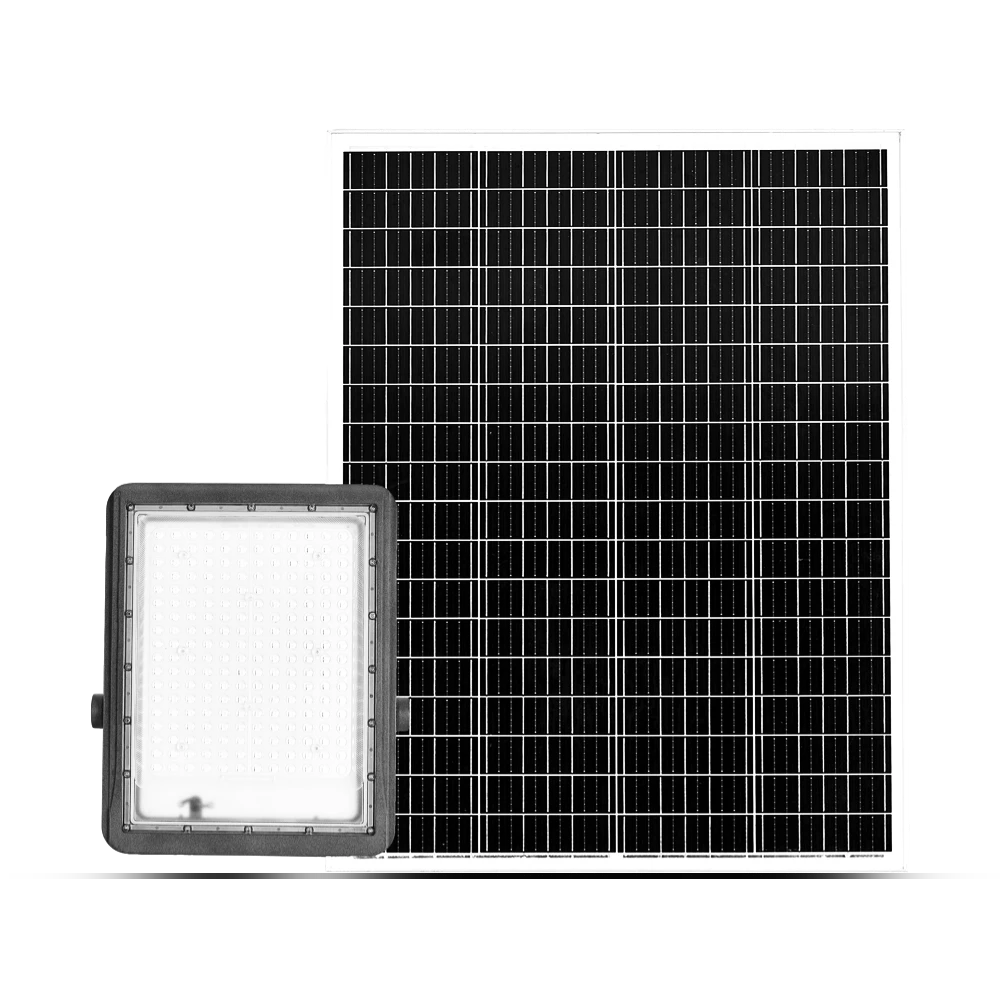
Queneng's Luxian Reliable Solar Street Light offers energy-saving LED lighting for outdoor use. This durable, solar-powered street light provides reliable illumination, reducing energy costs and environmental impact. A perfect solution for sustainable outdoor lighting.
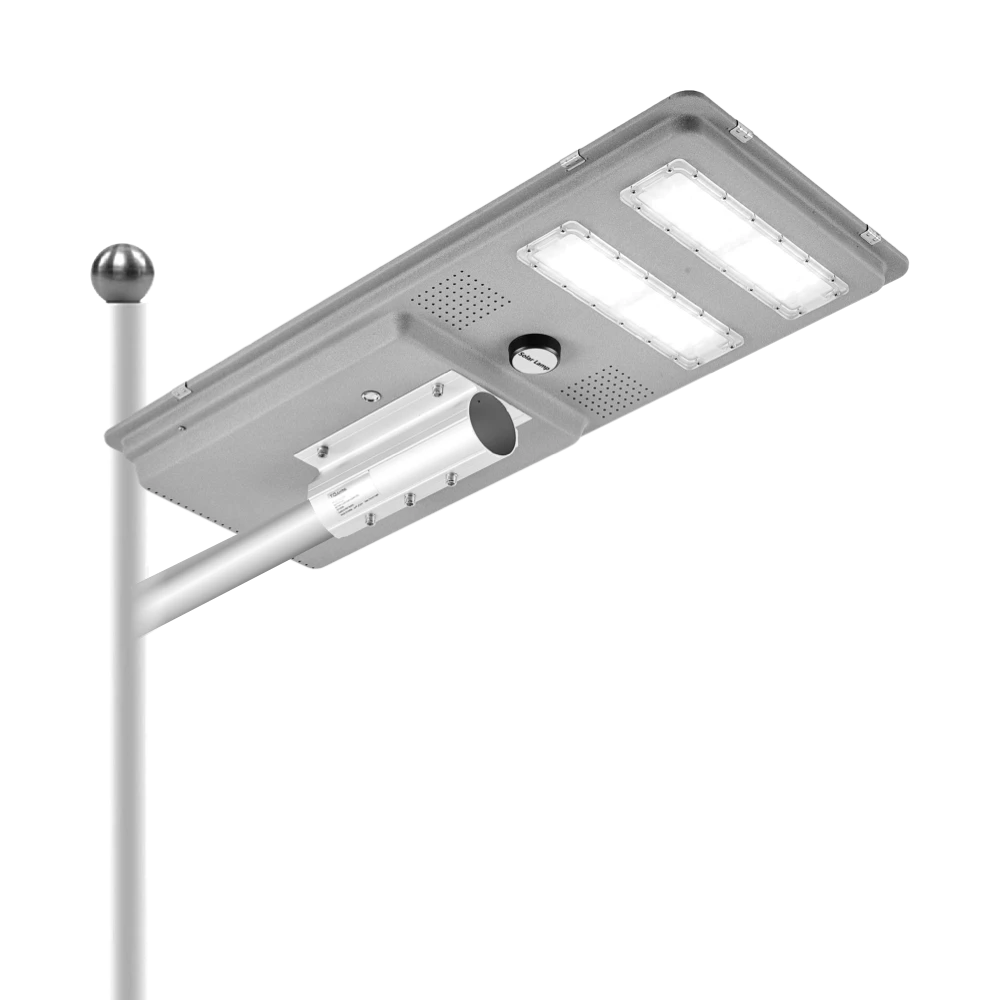
Queneng’s Solar Street Lights are designed to provide reliable, energy-efficient lighting for streets, parks, and other outdoor spaces.
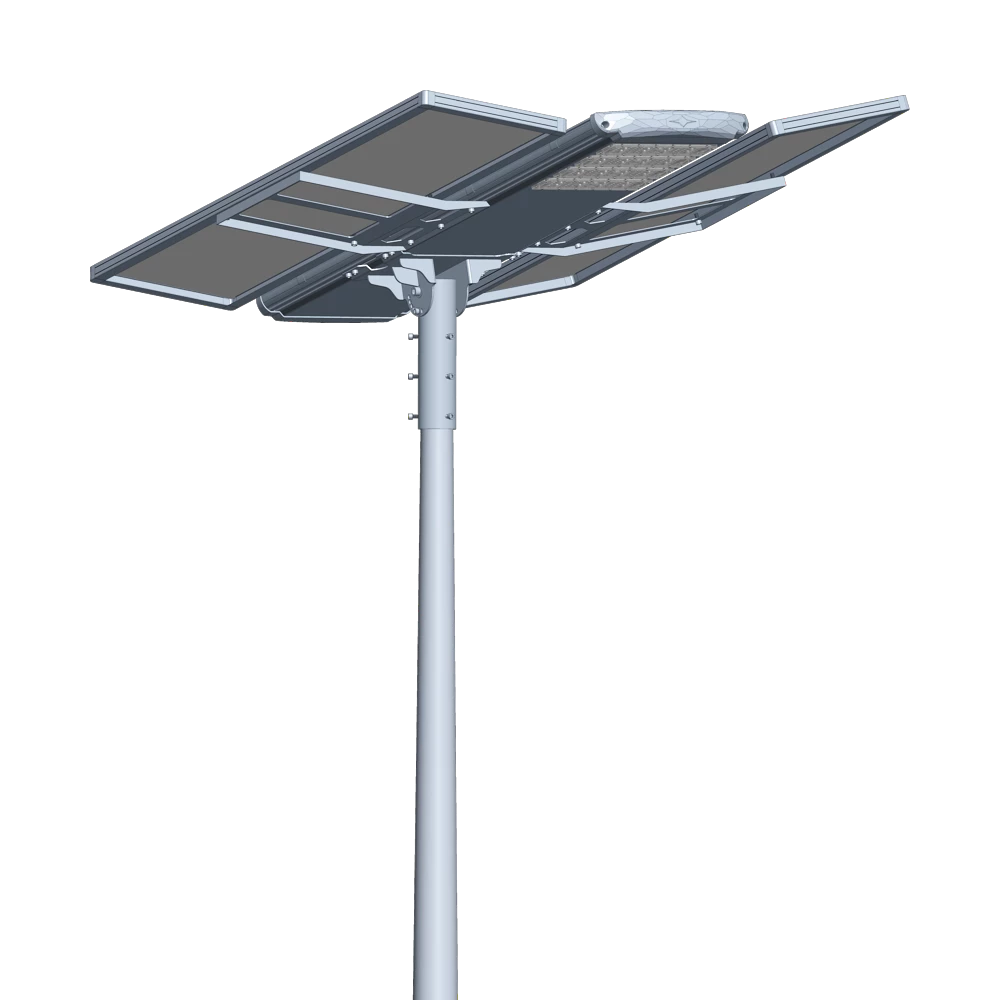
Introducing the Luqing Solar Street Light by Queneng, Efficient LED lighting powered by solar energy is perfect for illuminating outdoor areas. Harness the power of solar energy for sustainable, reliable street lighting. Ideal for eco-friendly, cost-effective outdoor illumination solutions.
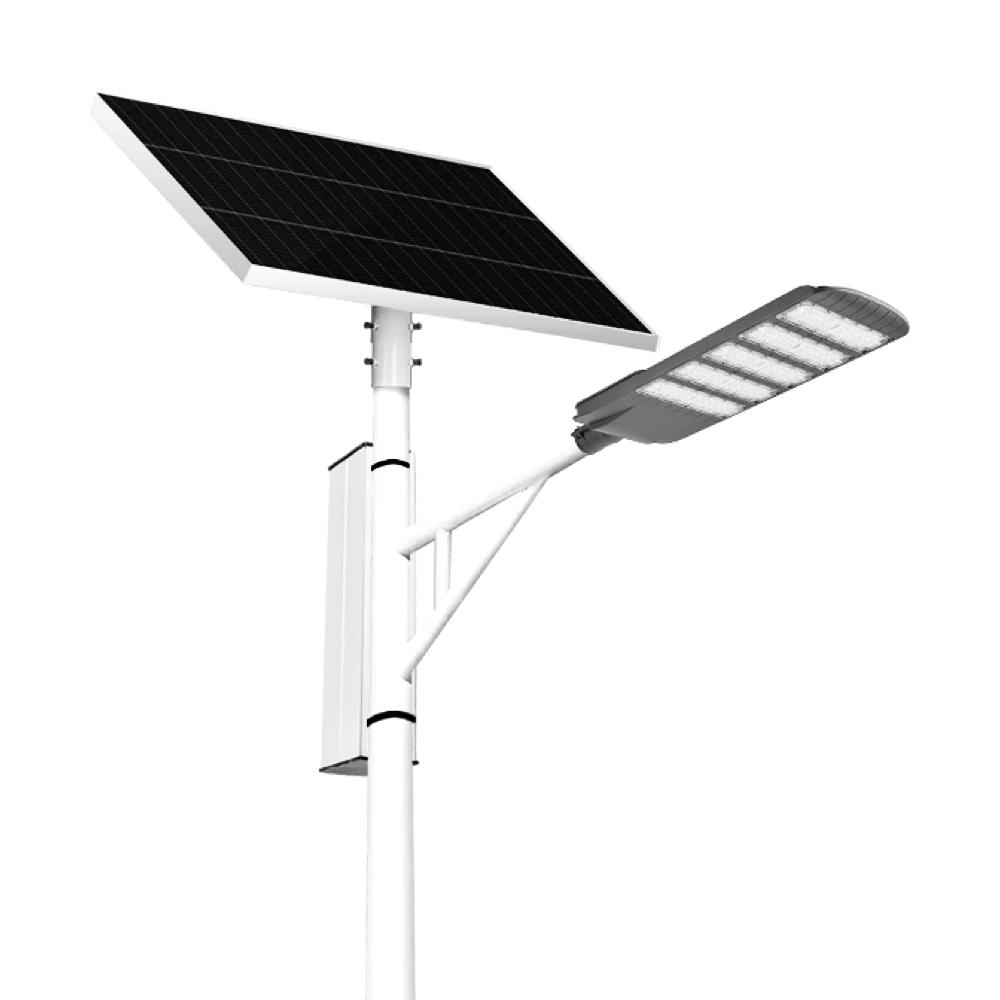
The Solar Streetlights of Luhao for Municipalities are designed to deliver reliable, energy-efficient, and cost-effective public lighting solutions. Equipped with advanced LED technology, durable lithium batteries, and high-efficiency solar panels, these streetlights provide consistent illumination for roads, parks, residential areas, and government projects.
If you would like more information about Queneng solar lighting solutions, please send us a message by filling out the form below. Our professional team will get back to you within 24 hours!
Rest assured that your privacy is important to us, and all information provided will be handled with the utmost confidentiality.
Schedule a Meeting
Book a date and time that is convenient for you and conduct the session in advance.
Have more questions about our products or services?
The messenger of light & power conversion
Environmental protection and intelligent manufacturing are our brand philosophy, and quality assurance and the best user experience are our eternal promises to users.
CONTACT
No.9F, Building F, Cao San Xin Tian Hong Logistics Park, Guzhen Town, Zhongshan City, Guangdong Province, China.
or write [email protected]
WhatsApp: +86 136 2270 1011


