














Wholesale Business Models for Solar Lighting in Developing Countries | Insights by Quenenglighting
Wholesale Business Models for Solar Lighting in Developing Countries: A Buyer's Guide
The demand for solar lighting in developing countries is rapidly expanding, driven by vast populations lacking access to reliable grid electricity. For wholesalers and distributors, understanding the nuances of this market, from effective business models to logistical challenges and quality assurance, is paramount to success. This guide provides essential insights for navigating the lucrative yet complex landscape of off-grid solar lighting procurement.
What is the current market size and projected growth for solar lighting in developing countries, and where are the key opportunities?
The off-grid solar market, particularly for lighting solutions, presents immense opportunities. According to GOGLA (Global Off-Grid Solar Association) and industry reports, cumulative sales of off-grid solar products surpassed 200 million units globally by the end of 2023, reaching over one billion people with improved energy access. The market is projected to continue its robust growth, driven by falling technology costs, innovative financing, and supportive government policies. Key growth regions include Sub-Saharan Africa and South Asia, where electricity access rates remain low, and a significant portion of the population relies on harmful and expensive fossil fuel-based lighting like kerosene lamps. Specific opportunities lie in rural electrification, emergency lighting, and providing foundational energy for small businesses and households.
What are the most prevalent and successful wholesale business models for distributing solar lighting in these markets?
Several effective wholesale business models cater to the unique needs of developing countries:
- Direct-to-Distributor (B2B): This traditional model involves manufacturers selling directly to local distributors, retailers, and entrepreneurs. These local partners then handle last-mile distribution and sales to end-users, leveraging their market knowledge and existing networks.
- Pay-As-You-Go (PAYG) Partnerships: While PAYG is often a retail model, wholesalers play a crucial role by supplying PAYG operators. PAYG systems allow customers to pay for solar lighting products in small, affordable installments, typically via mobile money. This model significantly lowers the upfront cost barrier, making solar lighting accessible to low-income households. Wholesalers supplying PAYG operators need to consider bulk pricing, credit terms, and robust product integration.
- Microfinance Institution (MFI) Partnerships: Wholesalers can partner with MFIs to integrate solar lighting products into their loan portfolios. MFIs offer small loans to individuals or groups, enabling them to purchase solar systems, thus combining financial inclusion with energy access.
- Business-to-Government/NGO (B2G): This involves supplying solar lighting solutions to government agencies, international development organizations, or NGOs for large-scale rural electrification projects, humanitarian aid, or public infrastructure (e.g., solar streetlights). This often involves tenders and adherence to specific project requirements.
How can wholesalers and their distributors address the affordability gap for end-users, and what financing mechanisms are available?
Affordability is a major barrier in developing markets. Wholesalers can address this by:
- Enabling PAYG Solutions: By supplying products compatible with PAYG technology and offering flexible bulk pricing to PAYG operators, wholesalers empower end-users to pay in manageable increments. Mobile money penetration, which is over 60% in some African markets, is a key enabler for this model.
- Volume-Based Discounts: Offering attractive discounts for larger orders can help distributors reduce their per-unit cost, which can then be passed on to consumers.
- Partnerships with MFIs: Facilitating access to micro-loans through MFI partnerships.
- Local Currency Transactions: Where feasible, enabling transactions in local currencies can mitigate foreign exchange risks for local distributors.
- Flexible Credit Terms: For established and creditworthy distributors, offering reasonable credit terms can help manage cash flow and inventory.
What are the critical considerations for optimizing the supply chain and overcoming logistical hurdles in remote or underserved areas?
Effective supply chain management is crucial for success. Key considerations include:
- Robust Logistics Planning: Partnering with experienced logistics providers familiar with local infrastructure and customs regulations in target markets.
- Local Warehousing and Distribution Hubs: Establishing regional warehouses or distribution hubs can significantly reduce transit times, lower shipping costs, and enable faster response to local demand fluctuations.
- Last-Mile Delivery Solutions: Developing strong networks of local agents, retailers, or utilizing innovative methods like local transport (e.g., motorbikes, bicycles) for efficient distribution in remote areas.
- Inventory Management: Implementing efficient inventory tracking and forecasting systems to avoid stockouts or overstocking, especially given long lead times and potentially unpredictable local conditions.
- Customs and Import Regulations: Thoroughly understanding and navigating complex import duties, taxes, and product certifications to ensure smooth and timely customs clearance. Some countries offer tax incentives for renewable energy products.
What quality standards and certifications should buyers prioritize to ensure reliable and long-lasting solar lighting products?
Prioritizing quality is non-negotiable for market success and consumer trust. Buyers should look for products that meet:
- VeraSol (formerly Lighting Global) Quality Standards: These are the most recognized and rigorous standards specifically designed for off-grid solar products. They test for performance (light output, battery autonomy, charging time), durability (drop tests, water ingress), and consumer protection (clear labeling, warranty). Products certified by VeraSol assure a minimum level of quality and performance, critical for remote users who have limited access to repair. Approximately 20-30% of off-grid solar products sold globally meet these stringent standards, highlighting the importance of careful selection.
- IEC (International Electrotechnical Commission) Standards: Relevant for broader electrical safety and performance, often complementing VeraSol standards.
- CE and RoHS Certifications: These indicate compliance with European safety, health, and environmental protection standards, and are often a good general indicator of product quality.
- Manufacturer's Warranty: A comprehensive warranty (e.g., 2-5 years for key components like batteries and solar panels) is essential for customer confidence and after-sales support.
Inferior quality products lead to rapid failure, customer dissatisfaction, and ly, harm the reputation of the entire solar lighting industry in these regions.
How crucial is after-sales service, and what models are effective for providing support in developing markets?
After-sales service is critically important for building trust, ensuring customer loyalty, and extending product longevity in markets where users may not have easy access to technical support. Effective models include:
- Local Service Centers & Trained Technicians: Establishing a network of trained local technicians capable of performing basic repairs, maintenance, and diagnostics.
- Clear Warranty Programs: Developing transparent, accessible warranty policies that are easy for customers to understand and utilize.
- User Education: Providing clear instructions and training on proper product usage, basic maintenance, and troubleshooting common issues.
- Remote Monitoring & Support (for PAYG Systems): Many advanced PAYG systems include remote diagnostics capabilities, allowing operators to monitor system health and provide troubleshooting advice without requiring a physical visit.
- Spare Parts Availability: Ensuring a reliable supply chain for critical spare parts (e.g., batteries, bulbs) is essential to enable repairs and extend product life.
Why Choose Quenenglighting for Your Wholesale Solar Lighting Needs?
At Quenenglighting, we understand the unique demands of the developing world market. We are committed to empowering our partners with high-quality, reliable, and affordable solar lighting solutions. Our advantages include:
- VeraSol Certified Products: Many of our products meet stringent VeraSol (formerly Lighting Global) quality standards, ensuring performance and durability even in challenging environments, building trust with end-users.
- Competitive Wholesale Pricing: We offer attractive pricing models tailored for bulk purchases, maximizing your profitability while keeping solutions affordable for end-users.
- Robust Product Range: From portable solar lanterns to comprehensive home lighting systems and solar streetlights, our diverse portfolio caters to various needs and budgets across different market segments.
- Customization & OEM/ODM Services: We provide flexible OEM/ODM options to meet specific market requirements, branding needs, and regulatory compliances.
- Reliable Global Logistics: With extensive experience in international shipping, we ensure efficient and timely delivery to your markets, navigating customs and logistics complexities with expertise.
- Dedicated After-Sales Support: We stand by our products with comprehensive warranties and technical support, helping our partners maintain customer satisfaction and build long-term relationships.
- Commitment to Sustainability: Our solutions are designed for longevity and energy efficiency, reducing electronic waste and contributing to a greener, more sustainable future for developing communities.

Have more questions about our products or services?
The latest hot news you might like

Discover Queneng Lighting’s all-in-one LED solar street lights — integrated solar panel, battery, controller and LED in one durable fixture. Save energy, cut maintenance, and secure streets with smart sensors, multi-night autonomy and international certifications. Contact sales for quotes and support.

Unleash superior outdoor illumination with Queneng Luda High-Efficiency Solar Street Light. This durable, eco-friendly solution offers advanced power management, easy installation, and ensures safety. Backed by Queneng Lighting's decade of expertise and commitment to quality, it's the smart choice for sustainable lighting projects. Learn why we're a leading solar solutions provider.

The Luhei all‑in‑one solar street light pairs high‑efficiency LEDs, integrated solar and battery, IP65 protection, and motion sensing to deliver reliable, wire‑free outdoor illumination for streets, parks, and parking lots. Backed by Queneng Lighting’s certifications and support.

FAQ
Solar Street Light Lufei
Can I adjust the brightness of the solar street light?
Some models of Queneng’s solar street lights come with adjustable brightness settings, allowing you to customize the light output based on your needs. Additionally, some models feature motion sensors that increase brightness when movement is detected.
Battery and Analysis
What are the possible reasons why the battery or battery pack cannot be charged?
2) The battery pack is connected incorrectly, and the internal electronic components and protection circuits are abnormal;
3) The charging equipment is faulty and there is no output current;
4) External factors cause charging efficiency to be too low (such as extremely low or high temperature).
Transportation and Highways
Can the lights be relocated if the road layout changes?
Yes, solar lights are highly flexible and can be easily relocated without the need for re-wiring.
Sustainability
If the light or battery fails, can it be replaced individually?
Yes. Queneng’s solar street lights are designed with a modular structure, so components such as photovoltaic panels, batteries, lights, and controllers can be replaced individually, making maintenance convenient and cost-effective.
Solar Street Light Lufeng
Are Lufeng solar street lights compatible with different outdoor environments?
Yes, Lufeng solar street lights are highly versatile and can be used in a variety of outdoor environments. They are perfect for urban streets, residential areas, rural roads, parks, and recreational spaces. Their durable design ensures they can function reliably in diverse weather conditions and geographical locations.
Solar Street Light Luzhou
What are the benefits of using Luzhou solar street lights over traditional street lights?
Luzhou solar street lights are more energy-efficient, cost-effective, and environmentally friendly compared to traditional street lights. They use solar energy, which reduces electricity bills, and require minimal maintenance. They are also independent of the grid, providing lighting in areas without electricity infrastructure.
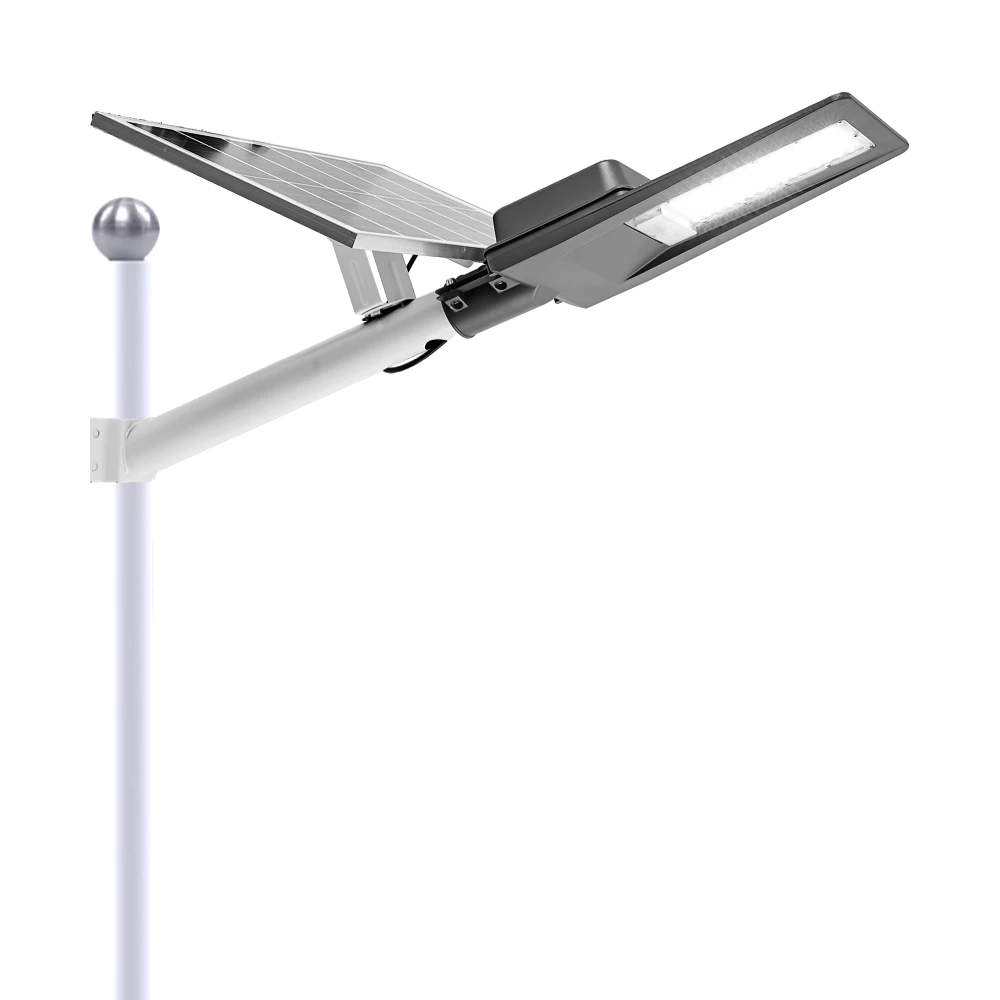
Experience reliable outdoor illumination with our smart solar street light, a perfect combination of advanced technology and eco-conscious design.
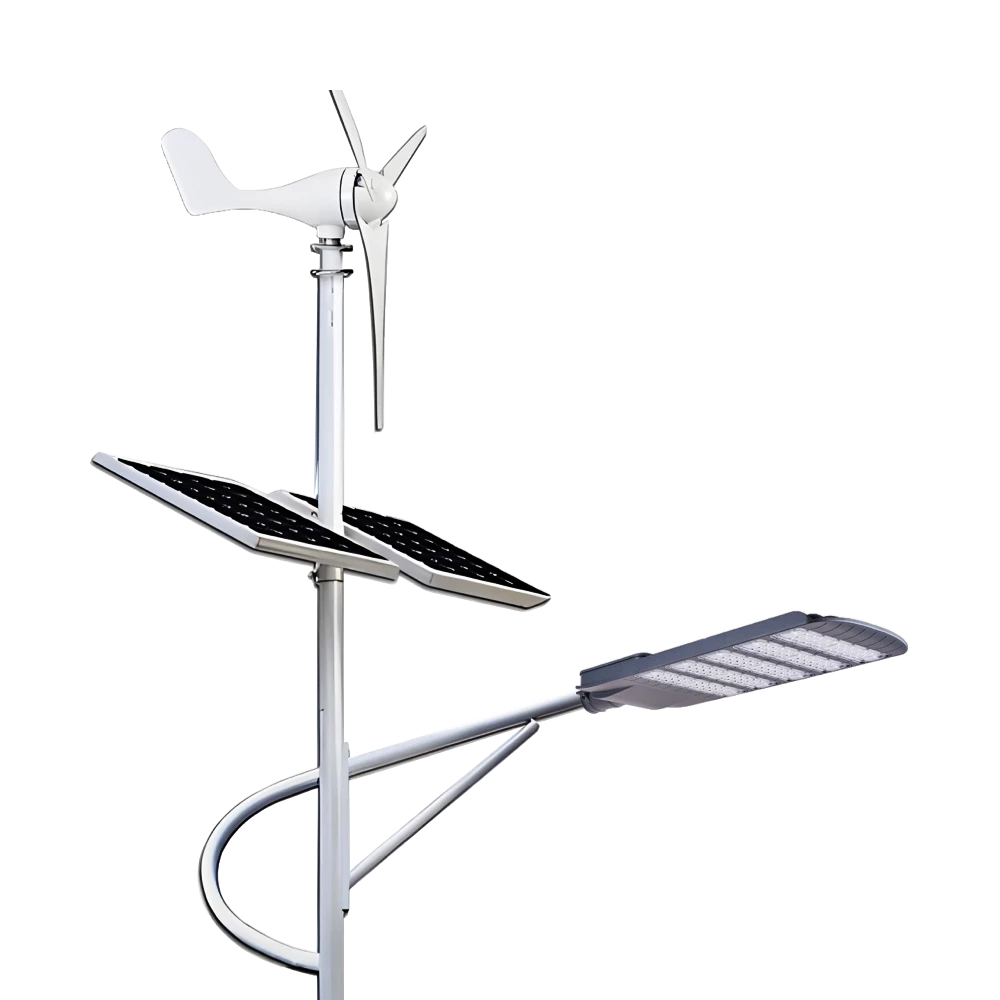
Queneng Lufeng Wind Energy LED Outdoor Solar Street Lights offer high-performance, eco-friendly illumination. These energy-efficient LED street lights harness solar power and wind energy for sustainable, cost-effective outdoor lighting solutions.
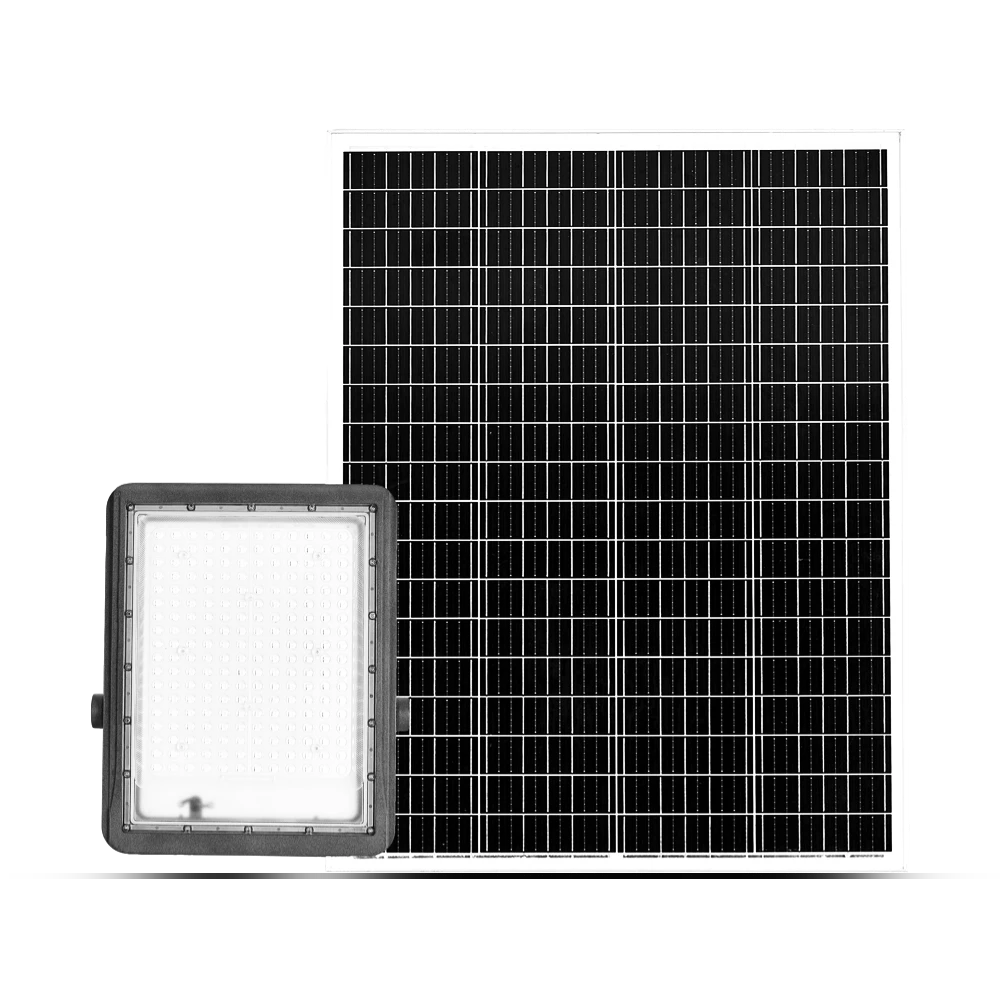
Queneng's Luxian Reliable Solar Street Light offers energy-saving LED lighting for outdoor use. This durable, solar-powered street light provides reliable illumination, reducing energy costs and environmental impact. A perfect solution for sustainable outdoor lighting.
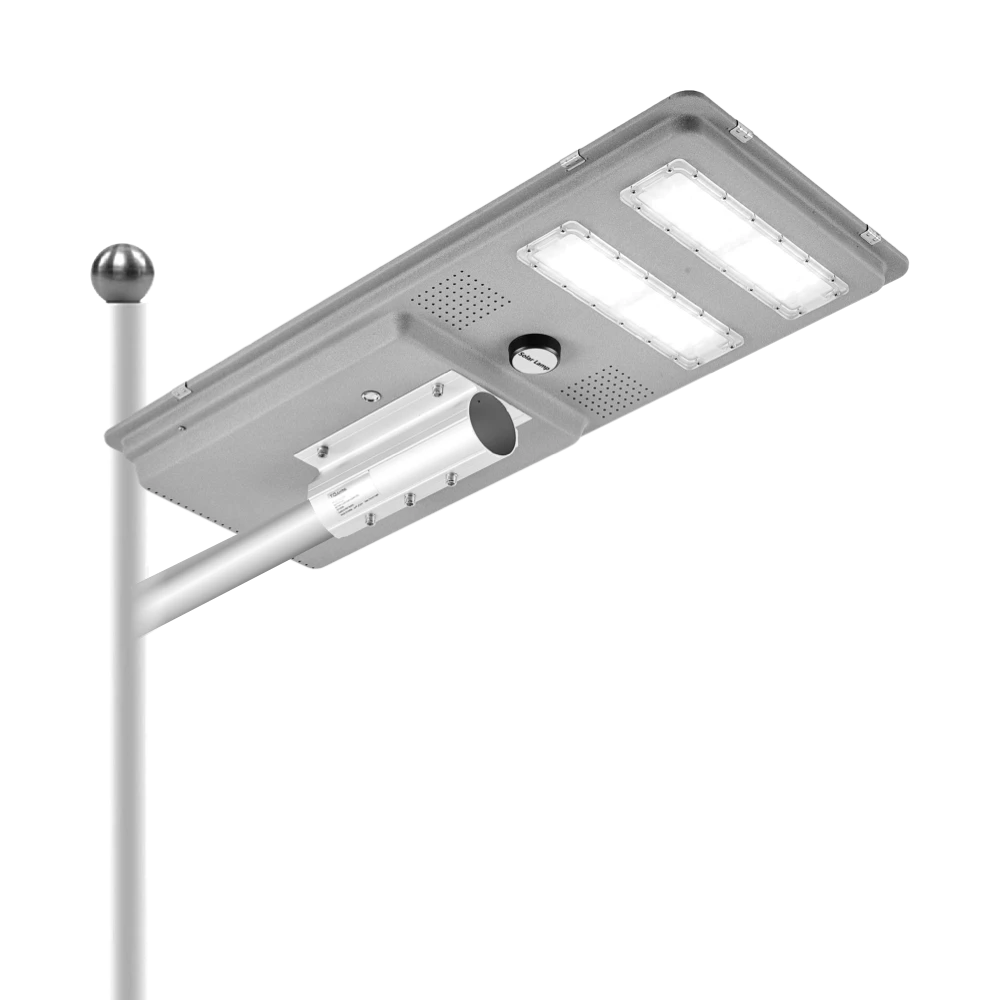
Queneng’s Solar Street Lights are designed to provide reliable, energy-efficient lighting for streets, parks, and other outdoor spaces.
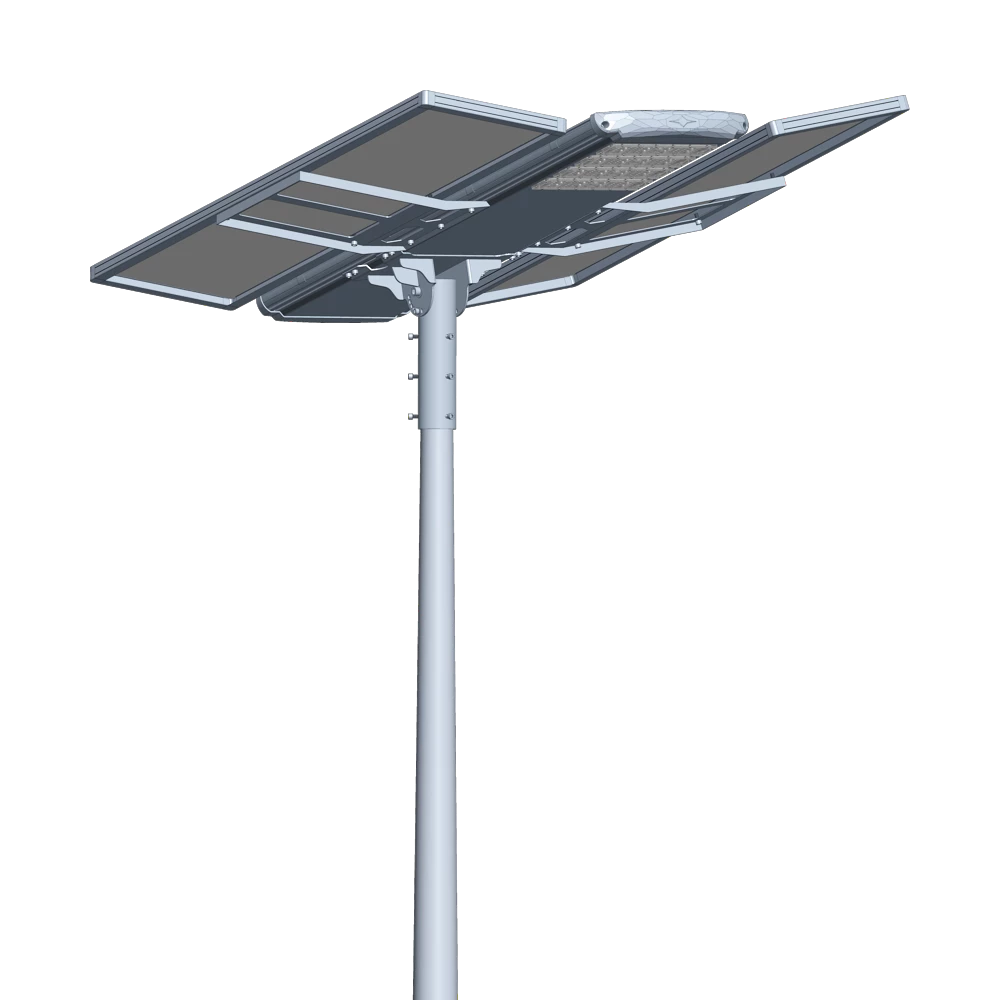
Introducing the Luqing Solar Street Light by Queneng, Efficient LED lighting powered by solar energy is perfect for illuminating outdoor areas. Harness the power of solar energy for sustainable, reliable street lighting. Ideal for eco-friendly, cost-effective outdoor illumination solutions.
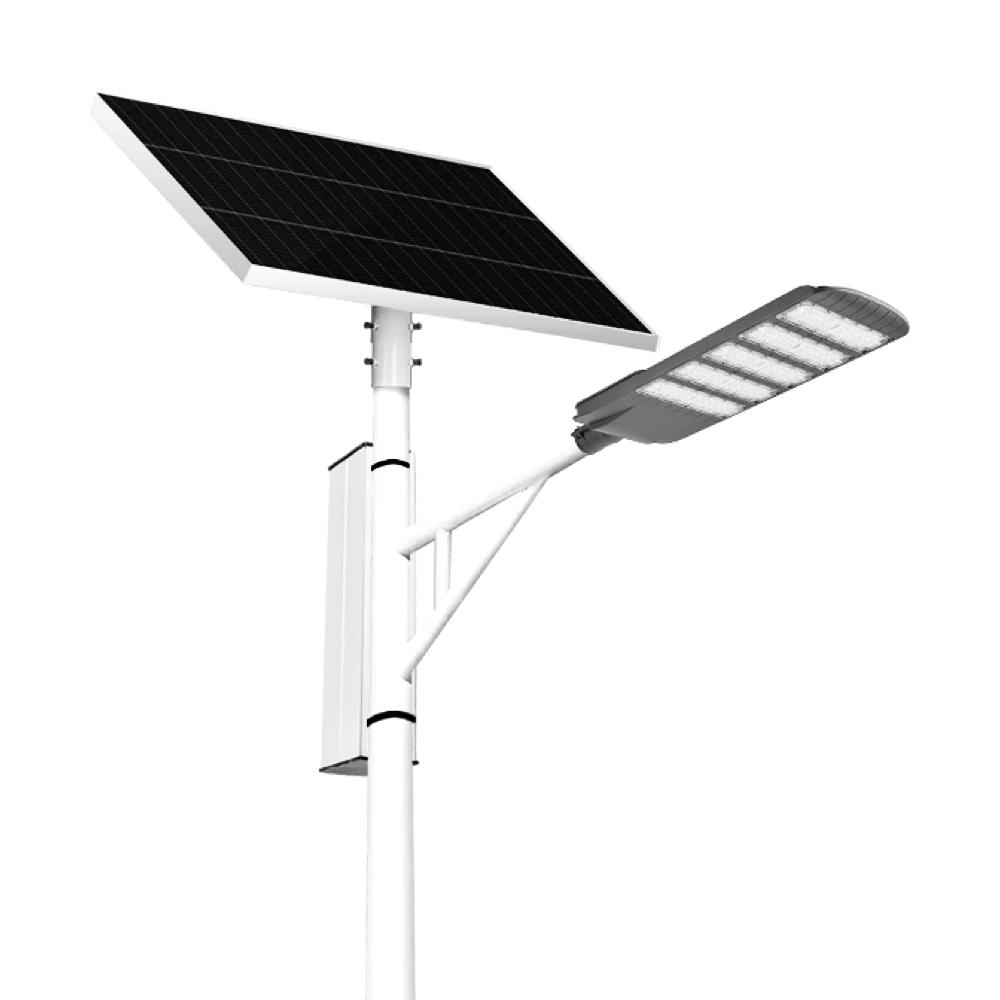
The Solar Streetlights of Luhao for Municipalities are designed to deliver reliable, energy-efficient, and cost-effective public lighting solutions. Equipped with advanced LED technology, durable lithium batteries, and high-efficiency solar panels, these streetlights provide consistent illumination for roads, parks, residential areas, and government projects.
If you would like more information about Queneng solar lighting solutions, please send us a message by filling out the form below. Our professional team will get back to you within 24 hours!
Rest assured that your privacy is important to us, and all information provided will be handled with the utmost confidentiality.
Schedule a Meeting
Book a date and time that is convenient for you and conduct the session in advance.
Have more questions about our products or services?
The messenger of light & power conversion
Environmental protection and intelligent manufacturing are our brand philosophy, and quality assurance and the best user experience are our eternal promises to users.
CONTACT
No.9F, Building F, Cao San Xin Tian Hong Logistics Park, Guzhen Town, Zhongshan City, Guangdong Province, China.
or write [email protected]
WhatsApp: +86 136 2270 1011


