













Wholesale Customer Support Guide for Solar Street Light Buyers | Insights by Quenenglighting
A Comprehensive Wholesale Customer Support Guide for Solar Street Light Buyers
The global solar street lighting market is experiencing robust growth, projected to reach significant figures with a compound annual growth rate (CAGR) of over 15% in the coming years (sources like Grand View Research indicate market size exceeding $7 billion by 2030). This expansion highlights the increasing adoption of sustainable and cost-effective lighting solutions. For wholesale buyers, navigating this dynamic market requires a clear understanding of product specifications, quality assurance, and reliable supplier support. This guide addresses your most critical questions to facilitate informed purchasing decisions.
How do I choose the right solar street light model and specifications for my project?
Selecting the optimal solar street light involves considering several key factors:
- Application Area: Whether it's for main roads, residential streets, parks, parking lots, or industrial zones, each demands different illumination levels.
- Required Illumination (Lux): Determine the average lux level needed on the ground. For instance, main roads might require 15-25 lux, while pathways might need 5-10 lux.
- Pole Height: This directly influences light distribution and required lumen output. Taller poles (e.g., 8-12 meters) need higher lumen output (e.g., 8,000-15,000 lumens) for broader coverage.
- Local Solar Irradiance: Assess the average peak sun hours (PSH) in your project location to size the solar panel and battery correctly.
- Hours of Autonomy: How many nights of backup power are required without sunlight? Typically 2-3 nights (36-72 hours) for reliability.
Key Specifications to Prioritize: Look beyond just wattage. Focus on Lumen Output (the true brightness), Battery Capacity (in Ah or Wh) for autonomy, Solar Panel Power (Wp) for efficient charging, and appropriate IP Rating (e.g., IP65/IP66 for dust and water resistance).
What are the key quality indicators and certifications to look for in wholesale solar street lights?
Ensuring product quality is paramount for long-term project success. Focus on:
- Component Quality:
- Solar Panels: High-efficiency Monocrystalline panels (typically >20-22% efficiency) are preferred for optimal energy harvesting.
- Batteries: Lithium Iron Phosphate (LiFePO4) batteries are industry standard due to their long cycle life, thermal stability, and deep discharge capabilities.
- LED Chips: Reputable brands like Philips, Cree, or Osram, offering high efficacy (e.g., 150-180 lumens per watt) and consistent light output.
- Charge Controller: MPPT (Maximum Power Point Tracking) controllers are crucial for maximizing solar panel efficiency and extending battery life.
- Certifications & Standards:
- CE & RoHS: Essential for products sold in the European market, indicating compliance with health, safety, and environmental protection standards.
- FCC: Required for electronic products sold in the United States.
- ISO 9001: Certifies the manufacturer's quality management system.
- IP Rating: IP65 or IP66 for robust protection against dust and water ingress in outdoor environments.
- IK Rating: IK08 or IK10 indicates resistance to mechanical impact.
Always request relevant certification documents and factory audit reports.
What kind of warranty and after-sales support can I expect for bulk purchases?
A strong warranty and reliable after-sales support are non-negotiable for wholesale buyers:
- Warranty Period: Typically 3-5 years for the entire fixture. High-quality solar panels often come with a 20-25 year performance warranty, while LiFePO4 batteries might have a 5-8 year warranty.
- Coverage: The warranty should cover defects in materials and workmanship under normal use conditions. Understand what voids the warranty (e.g., improper installation, unauthorized modifications).
- Technical Support: Look for suppliers offering a dedicated technical support team, remote troubleshooting, and detailed installation/maintenance guides.
- Spare Parts Availability: Ensure long-term availability of critical components like batteries, LEDs, and controllers for future replacements.
- Warranty Claim Process: A clear, streamlined process for reporting issues and receiving replacements or repairs.
Can your solar street lights be customized to meet specific project requirements?
Many wholesale projects require tailored solutions. A reliable supplier should offer:
- Branding & Aesthetics: Custom logo placement, specific pole designs, or color finishes to match project branding.
- Performance Adjustments: Fine-tuning lumen output, battery autonomy, or solar panel wattage to meet unique energy requirements.
- Light Distribution: Offering different optical lenses (e.g., Type II, Type III, Type IV) to achieve specific light patterns for various road widths and applications.
- Integrated Smart Features: Ability to integrate with IoT platforms, CCTV cameras, WiFi hotspots, or environmental sensors for smart city applications.
- Color Temperature: Providing options for different CCTs (Correlated Color Temperatures) such as 3000K (warm white), 4000K (neutral white), or 5000K/6000K (cool white).
- Project Design Assistance: Offering services like photometric analysis, lighting design layouts, and energy consumption simulations to optimize solutions.
What are the typical lifespan expectations for solar street light components (battery, LED, panel)?
Understanding component lifespans is crucial for calculating total cost of ownership (TCO) and ROI:
- LiFePO4 Battery: Expect 2,000 to 4,000+ charge cycles at 80% depth of discharge (DoD), translating to 5-8 years of reliable operation, with some high-quality cells lasting up to 10 years.
- LED Chips: High-quality LED chips boast an impressive lifespan of 50,000 to 100,000 operating hours. This typically means 10-20 years of nighttime use before significant lumen depreciation.
- Solar Panel: Monocrystalline solar panels come with a performance warranty of 20-25 years, guaranteeing a certain percentage of their initial power output (e.g., 80% after 25 years) due to gradual degradation (around 0.5% per year after the first year).
- Controller & Housing: These components are generally designed to last the full lifespan of the system, often 10-15 years, given proper installation and maintenance.
What are the best practices for installation and maintenance to ensure optimal performance?
While solar street lights are known for low maintenance, proper installation and minimal upkeep are vital:
- Installation:
- Correct Orientation: Ensure the solar panel faces the equator (south in the Northern Hemisphere, north in the Southern Hemisphere) at the optimal tilt angle for maximum sun exposure.
- Avoid Shading: Position lights away from trees, buildings, or other structures that could cast shadows on the solar panel, even for a short period.
- Secure Mounting: Use appropriate pole height, foundation, and secure mounting hardware to withstand local wind loads.
- Wiring: Ensure all electrical connections are secure and waterproof, following provided wiring diagrams.
- Maintenance:
- Panel Cleaning: Periodically clean the solar panel surface (e.g., every 6-12 months) to remove dust, dirt, bird droppings, or snow, which can reduce efficiency.
- Visual Inspection: Annually inspect the fixture for any physical damage, loose connections, or signs of wear.
- Battery Monitoring (if applicable): Some advanced systems allow remote monitoring of battery health. For most, the integrated design requires no direct battery maintenance or replacement for many years.
What are the payment terms, MOQ, and shipping logistics for international wholesale orders?
Commercial aspects are crucial for smooth transactions:
- Minimum Order Quantity (MOQ): MOQs vary widely depending on the manufacturer and product line. For standard solar street lights, MOQs might range from 10 to 50 units. Customized orders may have different MOQs.
- Payment Terms: The most common international payment term is T/T (Telegraphic Transfer), typically involving a 30% deposit upfront to commence production, with the remaining 70% balance due before shipment. For larger orders, L/C (Letter of Credit) might be an option.
- Shipping Logistics:
- Incoterms: Common terms include FOB (Free On Board), CIF (Cost, Insurance, and Freight), and DDP (Delivered Duty Paid). Understand which Incoterm applies to clarify responsibilities and costs.
- Freight Type: Sea freight is the most cost-effective option for bulk orders, while air freight is available for urgent or smaller shipments.
- Packaging: Ensure robust, professional packaging (e.g., wooden crates or heavy-duty cartons with foam inserts) to prevent damage during transit.
- Delivery Time: Production time typically ranges from 15-30 days, followed by sea freight transit which can take 20-45 days depending on the destination.
Why Choose Quenenglighting for Your Wholesale Solar Street Light Needs?
Quenenglighting is committed to being your trusted partner in solar street lighting. We stand out through:
- High Quality Quality: Utilizing only high-efficiency Monocrystalline solar panels, long-life LiFePO4 batteries, and top-tier LED chips with MPPT controllers.
- Certifications & Compliance: Our products are CE, RoHS, FCC, and ISO 9001 certified, ensuring global market readiness and quality assurance. Our fixtures boast robust IP66 and IK08/IK10 ratings.
- Extensive Customization: We offer comprehensive customization options, from light distribution and color temperature to smart integration and branding, tailored to your unique project demands.
- Dedicated Support: Benefit from our expert technical support, clear warranty policies, readily available spare parts, and a streamlined after-sales service process for all bulk purchases.
- Competitive Pricing: We offer attractive wholesale pricing models without compromising on quality, ensuring excellent value for your investment.
- Global Logistics Expertise: With years of experience in international shipping, we ensure efficient, secure, and timely delivery of your orders worldwide.
- Long-term Partnership: We aim to build lasting relationships, supporting your projects from initial consultation to post-installation, helping you achieve sustainable and brilliant lighting solutions.

Have more questions about our products or services?
The latest hot news you might like

Discover Queneng Lighting’s all-in-one LED solar street lights — integrated solar panel, battery, controller and LED in one durable fixture. Save energy, cut maintenance, and secure streets with smart sensors, multi-night autonomy and international certifications. Contact sales for quotes and support.

Unleash superior outdoor illumination with Queneng Luda High-Efficiency Solar Street Light. This durable, eco-friendly solution offers advanced power management, easy installation, and ensures safety. Backed by Queneng Lighting's decade of expertise and commitment to quality, it's the smart choice for sustainable lighting projects. Learn why we're a leading solar solutions provider.

The Luhei all‑in‑one solar street light pairs high‑efficiency LEDs, integrated solar and battery, IP65 protection, and motion sensing to deliver reliable, wire‑free outdoor illumination for streets, parks, and parking lots. Backed by Queneng Lighting’s certifications and support.

FAQ
Solar Street Light Luqing
Are Luqing solar street lights suitable for large areas like parking lots or highways?
Yes, Luqing solar street lights are suitable for a variety of outdoor environments, including parking lots, highways, and large public spaces. They offer sufficient brightness and coverage for these areas without the need for grid-based power.
Commercial and Industrial Parks
How are the lights installed in industrial parks?
Our solar lights are designed for easy installation without complex wiring, making deployment quick and cost-effective.
Can your solar lights operate in extreme weather conditions?
Yes, our lights are designed to withstand harsh environments, including heavy rain, high winds, and extreme temperatures.
Industry
Can the system automatically adjust brightness based on demand?
Absolutely. Our intelligent control system supports automatic brightness adjustment based on foot traffic or preset time schedules, helping conserve energy and enhancing safety.
Solar Street Light Lufeng
How are Lufeng solar street lights designed for durability?
Lufeng solar street lights are built with high-quality, weather-resistant materials that can withstand harsh outdoor conditions. They are designed to endure extreme temperatures, heavy rainfall, and strong winds. The lights are also corrosion-resistant, ensuring long-term performance even in challenging environments.
Public Gardens and Landscape Lighting
Can solar lights be customized for specific landscaping needs?
Yes, we offer customizable solar lighting solutions to meet the unique needs of different landscaping projects. From adjusting the brightness to selecting the appropriate lighting style and design, we can tailor our products to fit your vision.
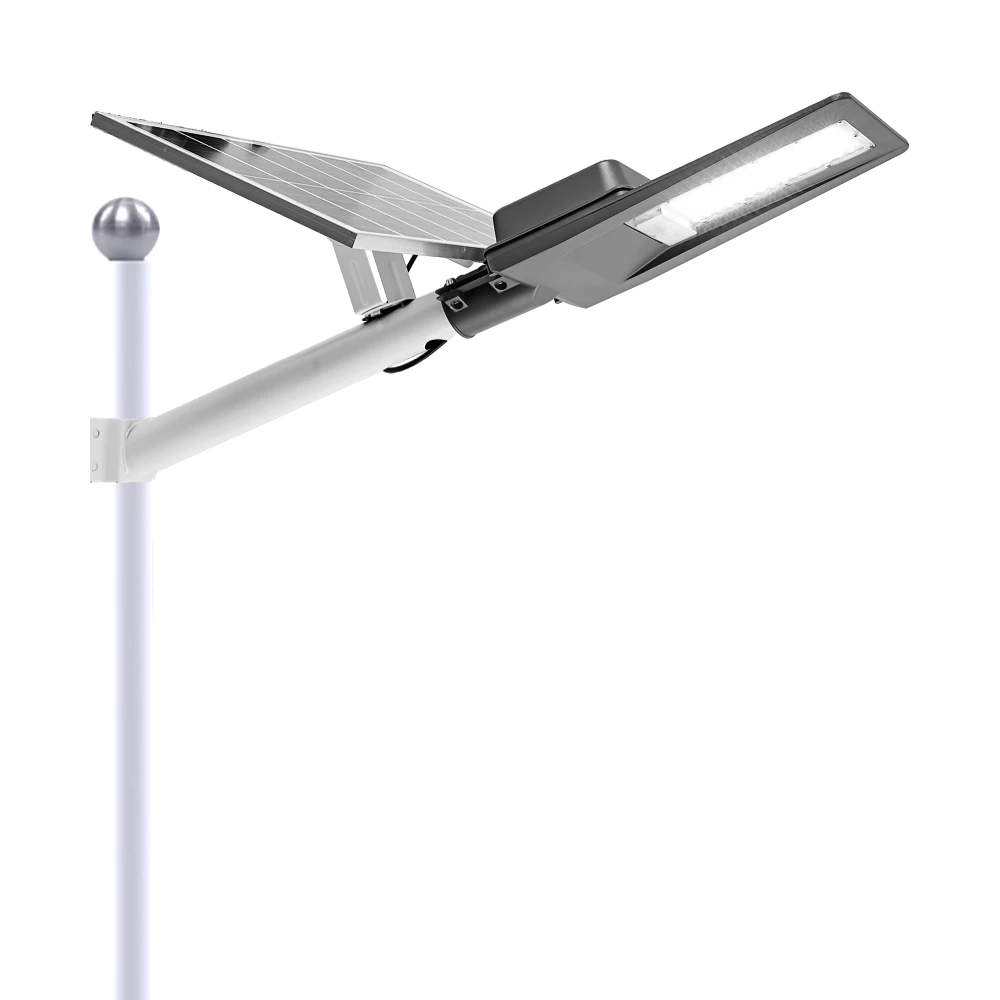
Experience reliable outdoor illumination with our smart solar street light, a perfect combination of advanced technology and eco-conscious design.
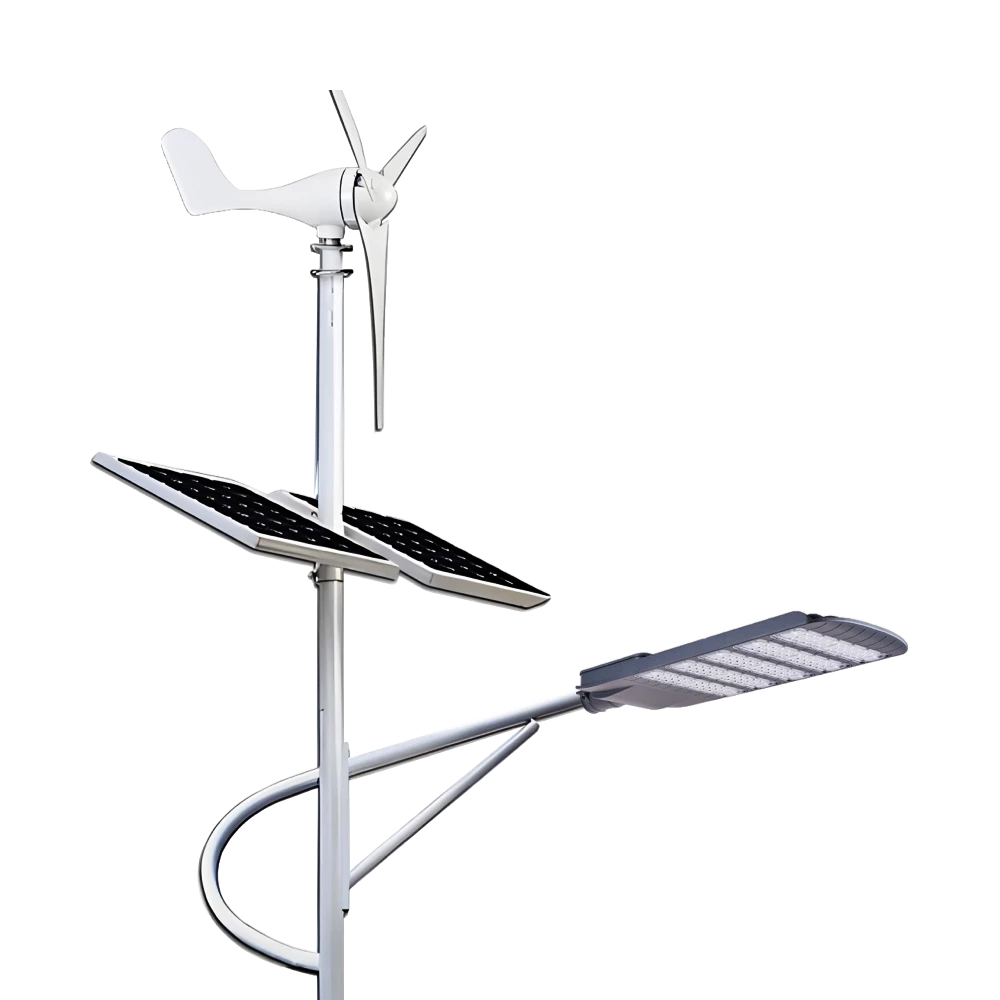
Queneng Lufeng Wind Energy LED Outdoor Solar Street Lights offer high-performance, eco-friendly illumination. These energy-efficient LED street lights harness solar power and wind energy for sustainable, cost-effective outdoor lighting solutions.
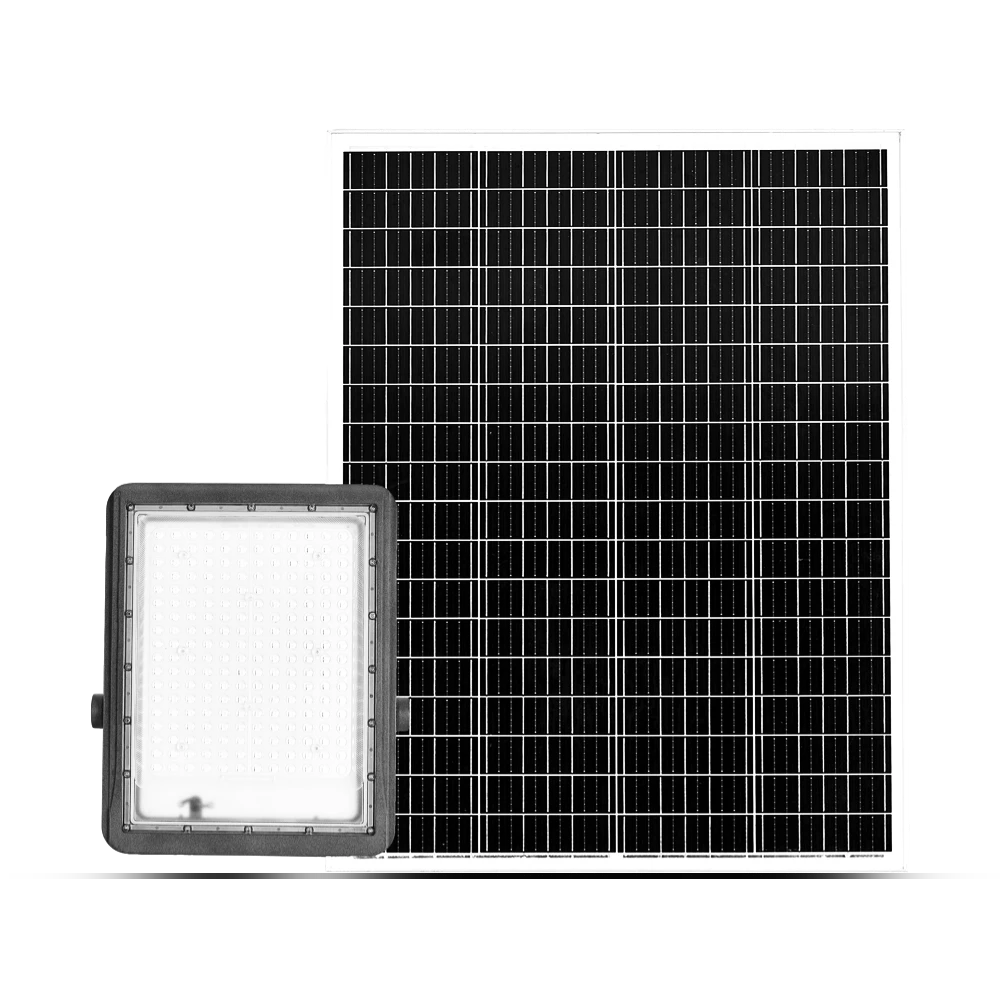
Queneng's Luxian Reliable Solar Street Light offers energy-saving LED lighting for outdoor use. This durable, solar-powered street light provides reliable illumination, reducing energy costs and environmental impact. A perfect solution for sustainable outdoor lighting.
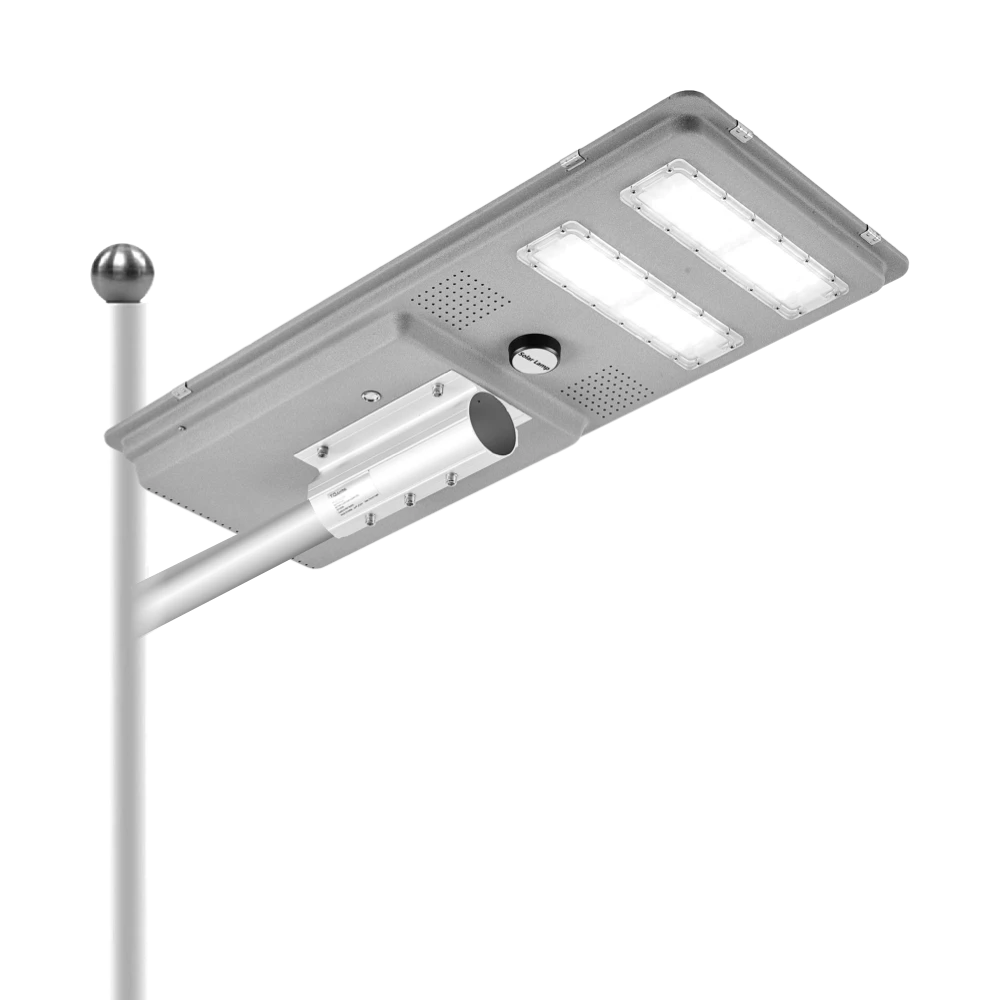
Queneng’s Solar Street Lights are designed to provide reliable, energy-efficient lighting for streets, parks, and other outdoor spaces.
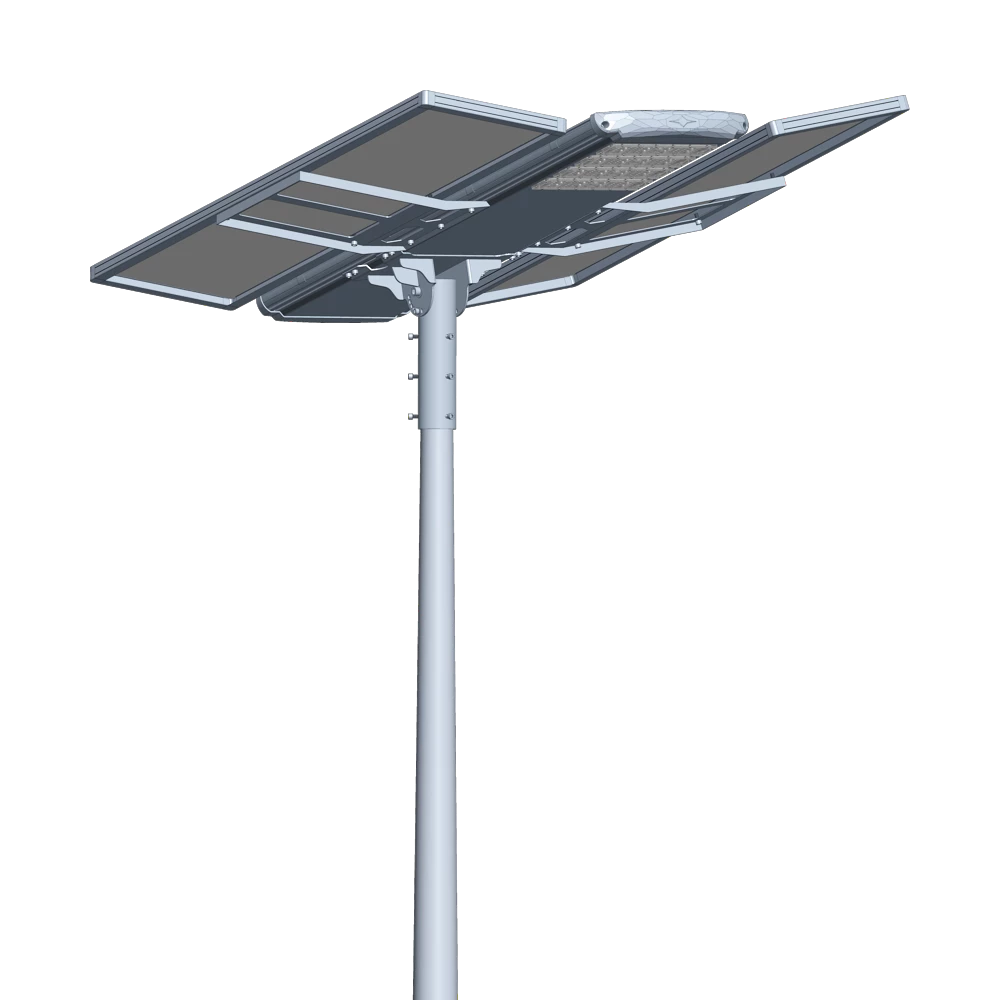
Introducing the Luqing Solar Street Light by Queneng, Efficient LED lighting powered by solar energy is perfect for illuminating outdoor areas. Harness the power of solar energy for sustainable, reliable street lighting. Ideal for eco-friendly, cost-effective outdoor illumination solutions.
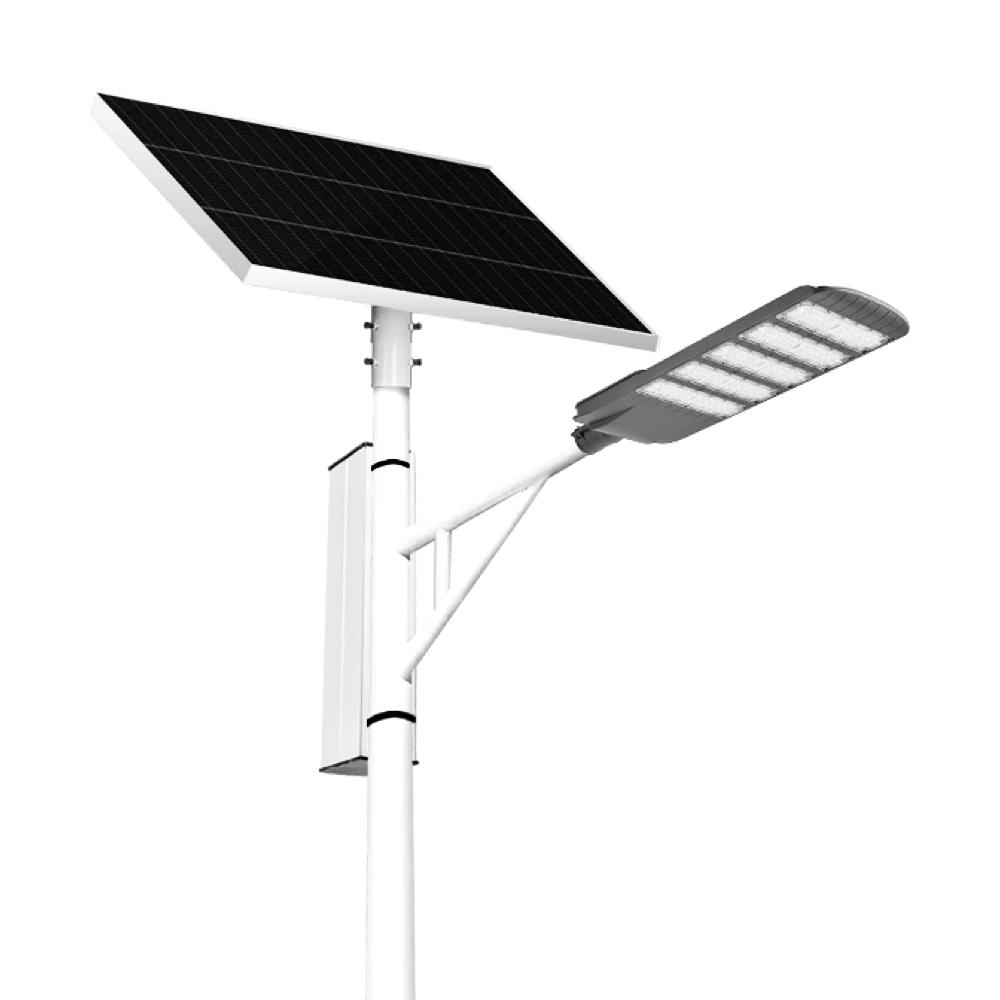
The Solar Streetlights of Luhao for Municipalities are designed to deliver reliable, energy-efficient, and cost-effective public lighting solutions. Equipped with advanced LED technology, durable lithium batteries, and high-efficiency solar panels, these streetlights provide consistent illumination for roads, parks, residential areas, and government projects.
If you would like more information about Queneng solar lighting solutions, please send us a message by filling out the form below. Our professional team will get back to you within 24 hours!
Rest assured that your privacy is important to us, and all information provided will be handled with the utmost confidentiality.
Schedule a Meeting
Book a date and time that is convenient for you and conduct the session in advance.
Have more questions about our products or services?
The messenger of light & power conversion
Environmental protection and intelligent manufacturing are our brand philosophy, and quality assurance and the best user experience are our eternal promises to users.
CONTACT
No.9F, Building F, Cao San Xin Tian Hong Logistics Park, Guzhen Town, Zhongshan City, Guangdong Province, China.
or write [email protected]
WhatsApp: +86 136 2270 1011


