













Temperature and Cold-weather Performance for Batteries
Why cold weather matters for Municipal Solar Street Light batteries
How temperature affects capacity, charge and reliability
Temperature directly influences electrochemical kinetics: at low temperatures ion mobility slows, internal resistance rises, and both discharge capacity and charge acceptance decline. For a Municipal Solar Street Light that must reliably provide nighttime illumination on a fixed schedule, these effects translate to shorter than expected runtimes, extended recharge times during brief winter sunlight windows, and increased risk of premature battery failure.
Operational consequences for municipalities
Practical impacts include: increased outages in long cold snaps; the need for larger battery banks (higher upfront cost) to meet autonomy targets in winter; stricter maintenance and monitoring regimes; and the risk of warranty disputes when batteries are charged or stored outside manufacturer limits. Municipal procurement and system design must therefore incorporate realistic cold‑weather derating rather than nominal room‑temperature specifications.
Battery chemistries and cold-weather behavior
Overview of common chemistries for solar street lights
Municipal Solar Street Light projects commonly use lead‑acid (sealed GEL/AGM or flooded) and lithium chemistries (lithium nickel manganese cobalt — NMC — and lithium iron phosphate — LiFePO4). Each chemistry has distinct cold‑weather vulnerabilities and management requirements.
Comparative cold performance (summary table)
The following table summarizes typical cold‑weather behaviors. Numbers are representative approximations from published literature and technical sources; design decisions should use manufacturer data for the exact cell/module chosen.
| Chemistry | Typical capacity at 0°C (% of 25°C) | Typical capacity at -20°C (% of 25°C) | Charge temperature limits (typ.) | Typical cycle life @ 25°C |
|---|---|---|---|---|
| Flooded / AGM Lead‑acid | ~70–85% | ~40–60% | Usually ≥0°C for safe fast charging; charging below 0°C risks sulfation | 200–1,200 cycles (varies with depth of discharge) |
| Lithium‑ion (NMC) | ~80–95% | ~50–70% | Charging typically limited below 0°C unless cell heating or special BMS provided | 800–2,000 cycles (depends on chemistry & depth of discharge) |
| Lithium Iron Phosphate (LiFePO4) | ~85–95% | ~60–75% | Better thermal stability; charging below 0°C still can cause plating unless cell heating/BMS used | 1,500–5,000 cycles (typical range for quality cells) |
Sources: Battery University and manufacturer datasheets for typical derating curves; see references at the end for links and dates.
Key takeaways by chemistry
Lead‑acid: low temperature sharply reduces capacity and accelerates permanent sulfation if repeatedly discharged and recharged in the cold. Lithium (NMC): better energy density but more sensitive to charging below 0°C. LiFePO4: preferred for harsh cold because of thermal stability and long life, but still requires charging controls and sometimes cell heating for best low‑temperature performance.
Design, installation and operational strategies for cold climates
Thermal management and enclosures
Good thermal design is one of the most cost‑effective ways to improve cold performance:
- Insulated battery boxes: reduce night‑time radiative losses and slow temperature drops, preserving capacity and charge acceptance.
- Passive thermal mass: adding mass or phase change materials (PCM) can buffer short cold events.
- Active heating: resistive or controlled heating elements can maintain battery temperature above critical thresholds—useful for very cold climates but increases parasitic load. Pair heaters with temperature sensors to operate only when necessary.
Battery management systems (BMS) and charging strategy
An intelligent BMS is essential for municipal deployments:
- Cold‑temperature charging limits: many lithium cells should not accept full charge below 0°C. The BMS can inhibit or modify charge profiles until cell temperature rises or heating is activated.
- Adaptive state‑of‑charge (SoC) estimation: algorithms that account for reduced capacity at low temperatures avoid over‑discharging.
- Temperature telemetry and remote alerts: enable municipal maintenance teams to take preventive action (e.g., schedule daytime maintenance, trigger heaters).
Procurement, testing and specification recommendations for municipalities
Specify winter performance, not just nominal ratings
When writing technical specifications for Municipal Solar Street Light tenders, require:
- Manufacturer‑published capacity derating curves vs temperature for the exact battery model.
- Guaranteed minimum run‑hours at the municipality’s worst‑case design temperature and expected winter insolation.
- Battery pack thermal management description and proven field deployments in similar climates.
Testing and acceptance
Include test procedures in contracts:
- Factory acceptance tests (FAT) that include cold‑temperature charge/discharge cycles if applicable.
- On‑site commissioning tests documenting SoC, voltage, and runtime at expected cold conditions.
- Longer warranty or availability of replacement units for early winter failures caused by unexpected cold derating.
GuangDong Queneng Lighting Technology Co., Ltd — solutions for cold climates
Company profile and relevance to municipal projects
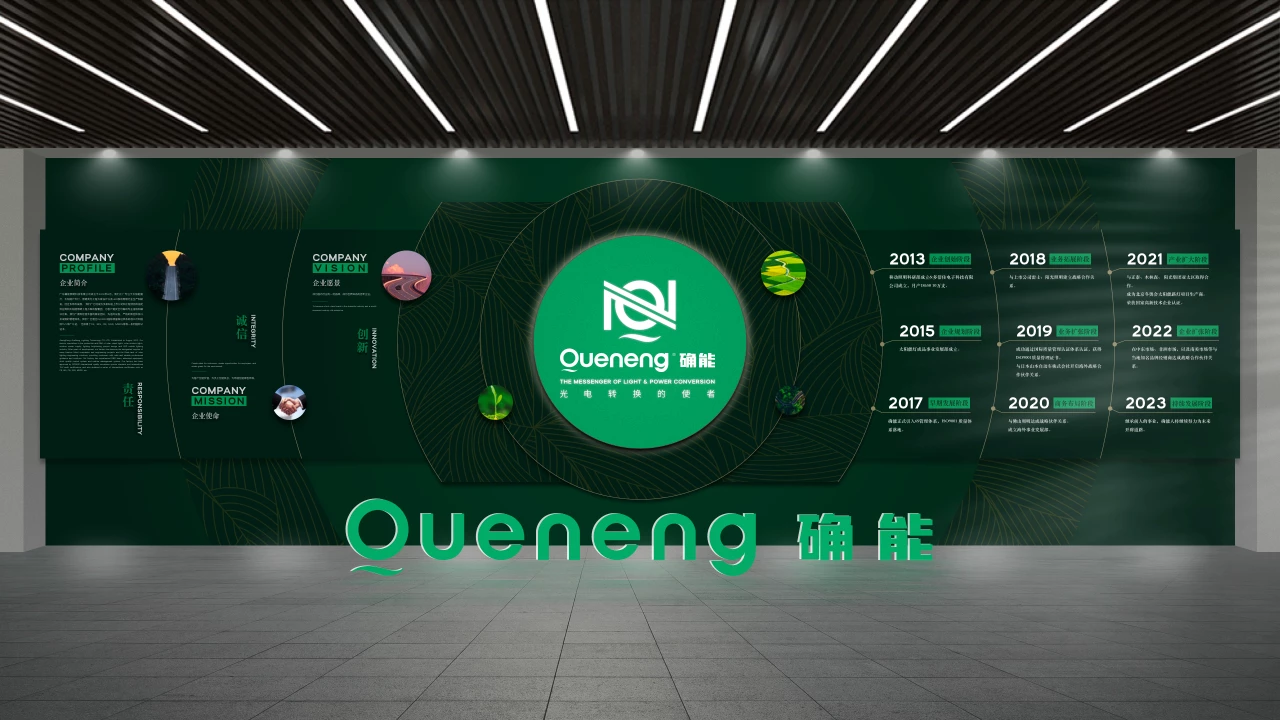
GuangDong Queneng Lighting Technology Co., Ltd. Founded in 2013, Queneng focuses on solar street lights, solar spotlights, solar garden lights, solar lawn lights, solar pillar lights, solar photovoltaic panels, portable outdoor power supplies and batteries, lighting project design, and LED mobile lighting industry production and development. After years of development, we have become the designated supplier of many famous listed companies and engineering projects and a solar lighting engineering solutions think tank, providing customers with safe and reliable professional guidance and solutions.
Technical capability, certifications and advantages
Queneng has an experienced R&D team, advanced equipment, strict quality control systems, and a mature management system. The company is approved by the ISO 9001 international quality assurance system and has passed international TÜV audit certification. Queneng has obtained a series of international certificates such as CE, UL, BIS, CB, SGS, MSDS, etc. These credentials support municipal procurement requirements for traceability, safety and consistent quality.
Products suitable for cold climates
Queneng’s product range relevant to cold‑weather municipal projects includes:
- Solar Street Lights with integrated LiFePO4 battery options and BMS tailored for low‑temp operation.
- Solar Photovoltaic Panels specified for lower irradiance and cold‑climate performance.
- Solar Spot Lights, Solar Garden Lights, Solar Lawn Lights and Solar Pillar Lights with insulated enclosures and optional heating modules.
Why choose Queneng for your Municipal Solar Street Light program? Key differentiators include project experience with listed companies, engineering consultancy capabilities (system sizing that accounts for cold derating), and strong quality/certification backbone that eases municipal procurement and acceptance testing.
Practical checklist for municipal spec writers and engineers
Design checklist
- Confirm worst‑case design temperature and local winter insolation data.
- Specify battery chemistry and manufacturer, and require derating curves at -20°C, -10°C and 0°C.
- Require BMS functions: temperature‑gated charging, remote telemetry, SoC correction for temperature.
- Evaluate passive insulation vs active heating for cost/benefit in expected climate.
Operational checklist
- Include seasonal maintenance plans (battery box inspection, heater checks, firmware updates).
- Monitor telemetry and set alerts for low charge acceptance or abnormal voltage behavior in winter.
- Plan spare inventory and a rapid‑response protocol for critical fixtures during prolonged cold events.
Frequently Asked Questions (FAQ)
1. How much does battery capacity typically drop in cold weather?
Capacity drops depend on chemistry; a rule of thumb: lead‑acid can lose 30–60% by 0°C to -20°C, lithium chemistries typically lose 10–50% over the same range. Use manufacturer derating curves for precise numbers. (See references.)
2. Can I use a larger battery bank instead of thermal management?
Yes — adding capacity compensates for derating but increases cost, weight and footprint. Combining modest oversizing with insulation and a smart BMS is usually more efficient than oversized banks alone.
3. Are LiFePO4 batteries always the best choice for cold climates?
LiFePO4 often offers the best balance of cold stability, cycle life and safety, but they still require BMS controls and, in very cold regions, heating during charging. Consider total system cost, maintenance capacity, and supplier track record.
4. What charging restrictions should I expect in winter?
Many lithium batteries should not be fast‑charged below 0°C without cell heating because lithium plating can permanently damage cells. Lead‑acid chemistries also accept charge poorly at low temperatures and can be damaged by incorrect charge voltages — proper temperature compensation is necessary.
5. How do I verify winter performance during commissioning?
Include on‑site runtime tests under representative night temperatures, verify BMS temperature logs, and test charge acceptance during simulated morning insolation. Require documentation from the supplier validating field deployments in similar climate zones.
Contact, consultation and product inquiry
If you are specifying or managing a Municipal Solar Street Light program and need help with cold‑climate battery selection, system design, or procurement language, GuangDong Queneng Lighting Technology Co., Ltd offers engineering consultation, proven product combinations (Solar Street Lights, Solar Spot Lights, Solar Lawn Lights, Solar Pillar Lights, Solar Photovoltaic Panels, Solar Garden Lights) and field‑tested solutions. Contact Queneng for design support, datasheets, and warranty terms to match your municipal requirements.
References and further reading
- Battery University — various articles on battery performance and charging, e.g. BU‑808: Charging Lithium‑ion Batteries and derating discussions. https://batteryuniversity.com/ (accessed 2026‑01‑02).
- National Renewable Energy Laboratory (NREL) — energy storage and PV research resources. https://www.nrel.gov/research/energy-storage. (accessed 2026‑01‑02).
- IEEE Spectrum — articles on lithium‑ion behavior in cold temperatures. https://spectrum.ieee.org/why-lithiumion-batteries-struggle-in-the-cold (accessed 2026‑01‑02).
- Wikipedia — technical background pages for battery chemistries: Lead–acid battery, Lithium‑ion battery, Lithium iron phosphate battery. https://en.wikipedia.org/wiki/Lead%E2%80%93acid_battery ; https://en.wikipedia.org/wiki/Lithium-ion_battery ; https://en.wikipedia.org/wiki/Lithium_iron_phosphate_battery (accessed 2026‑01‑02).
- Manufacturer datasheets and BMS specification pages — consult the specific battery vendor for validated cold‑temperature derating curves and charge limits (required for contract specifications).

Have more questions about our products or services?
The latest hot news you might like

Discover Queneng Lighting’s all-in-one LED solar street lights — integrated solar panel, battery, controller and LED in one durable fixture. Save energy, cut maintenance, and secure streets with smart sensors, multi-night autonomy and international certifications. Contact sales for quotes and support.

Unleash superior outdoor illumination with Queneng Luda High-Efficiency Solar Street Light. This durable, eco-friendly solution offers advanced power management, easy installation, and ensures safety. Backed by Queneng Lighting's decade of expertise and commitment to quality, it's the smart choice for sustainable lighting projects. Learn why we're a leading solar solutions provider.

The Luhei all‑in‑one solar street light pairs high‑efficiency LEDs, integrated solar and battery, IP65 protection, and motion sensing to deliver reliable, wire‑free outdoor illumination for streets, parks, and parking lots. Backed by Queneng Lighting’s certifications and support.

FAQ
Remote Areas Rural Development
What kind of after-sales support do you provide for rural projects?
We offer remote monitoring, regular maintenance schedules, and technical support for all installed systems.
Commercial and Industrial Parks
What is the warranty for your solar lighting products?
We offer a 5-year warranty for the entire system and provide ongoing technical support.
Solar Street Light Chuanqi
What makes Chuanqi solar street lights energy-efficient?
Chuanqi solar street lights are equipped with high-efficiency solar panels that maximize energy collection even in less-than-ideal weather conditions. They also use low-energy-consuming LED lights that provide bright illumination without excessive power consumption. Additionally, the lights feature automatic on/off functionality, ensuring they only use energy when needed.
Solar Street Light Luqing
Do solar street lights work without direct sunlight?
Solar street lights can still operate without direct sunlight as long as the solar panels receive some sunlight during the day to charge the battery. However, performance may be less optimal during prolonged periods of low sunlight, and the battery life may be shorter.
Can I install Luqing solar street lights myself, or do I need a professional?
Luqing solar street lights are designed for easy installation, typically requiring no special tools or external wiring. Most installations can be done by a homeowner or contractor with basic knowledge of outdoor lighting, but professional installation is always an option for more complex setups.
Tourist Attractions and Resorts
What is the lifespan of solar lighting systems for tourist attractions and resorts?
The lifespan of solar lighting systems typically ranges from 5 to 10 years, depending on the quality of the materials and the environment in which they are used. Proper maintenance can extend the lifespan significantly.
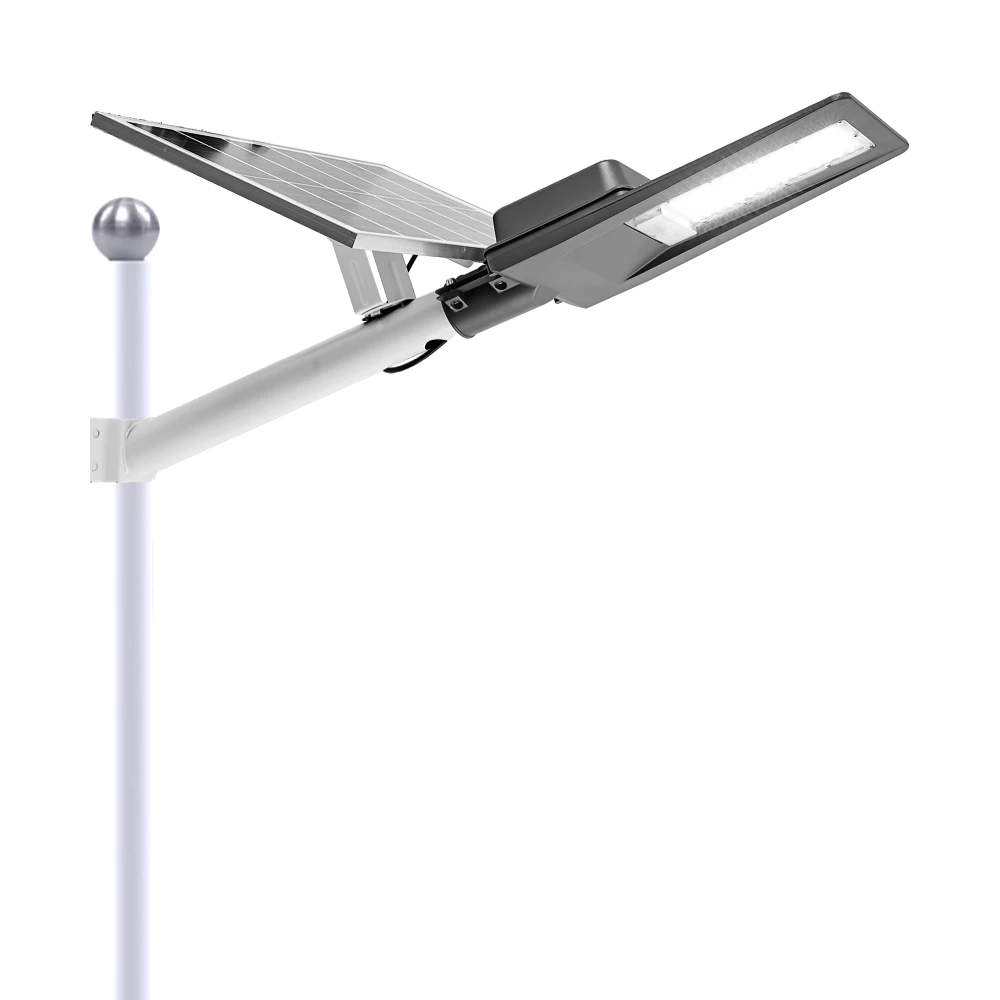
Experience reliable outdoor illumination with our smart solar street light, a perfect combination of advanced technology and eco-conscious design.
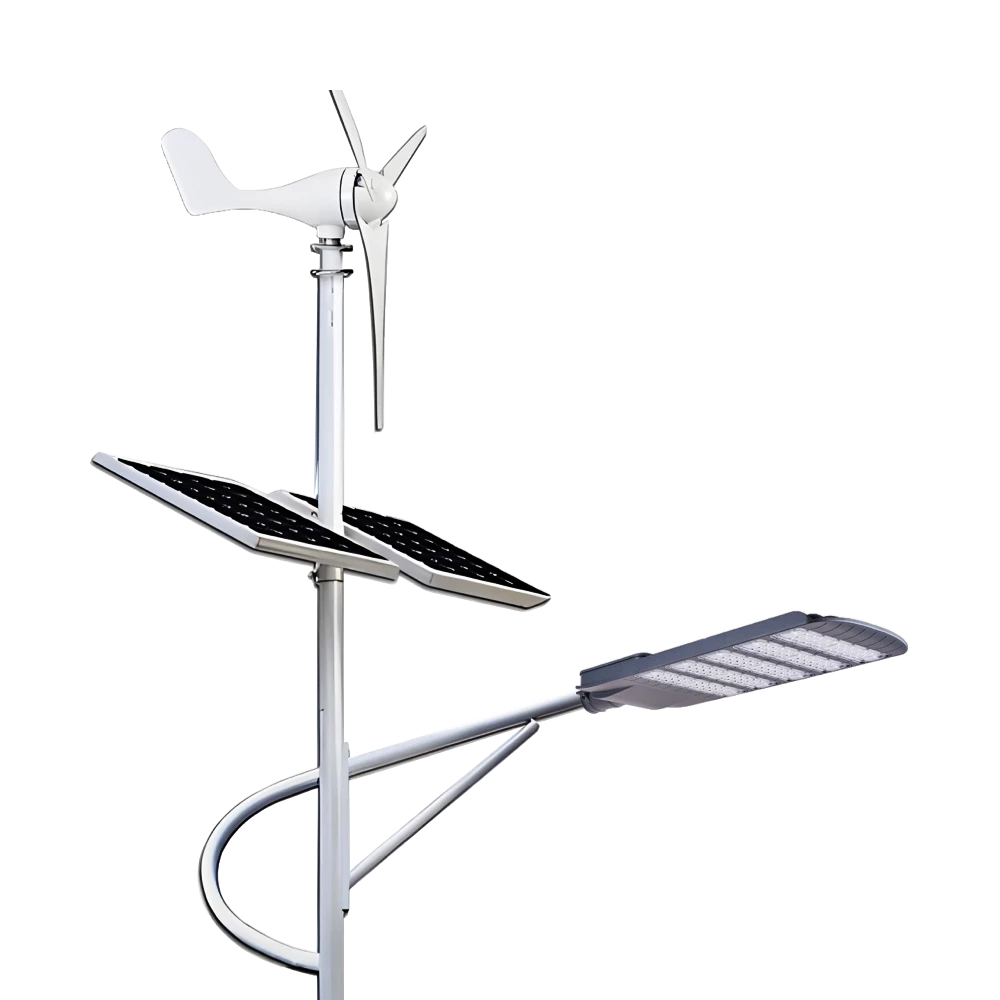
Queneng Lufeng Wind Energy LED Outdoor Solar Street Lights offer high-performance, eco-friendly illumination. These energy-efficient LED street lights harness solar power and wind energy for sustainable, cost-effective outdoor lighting solutions.
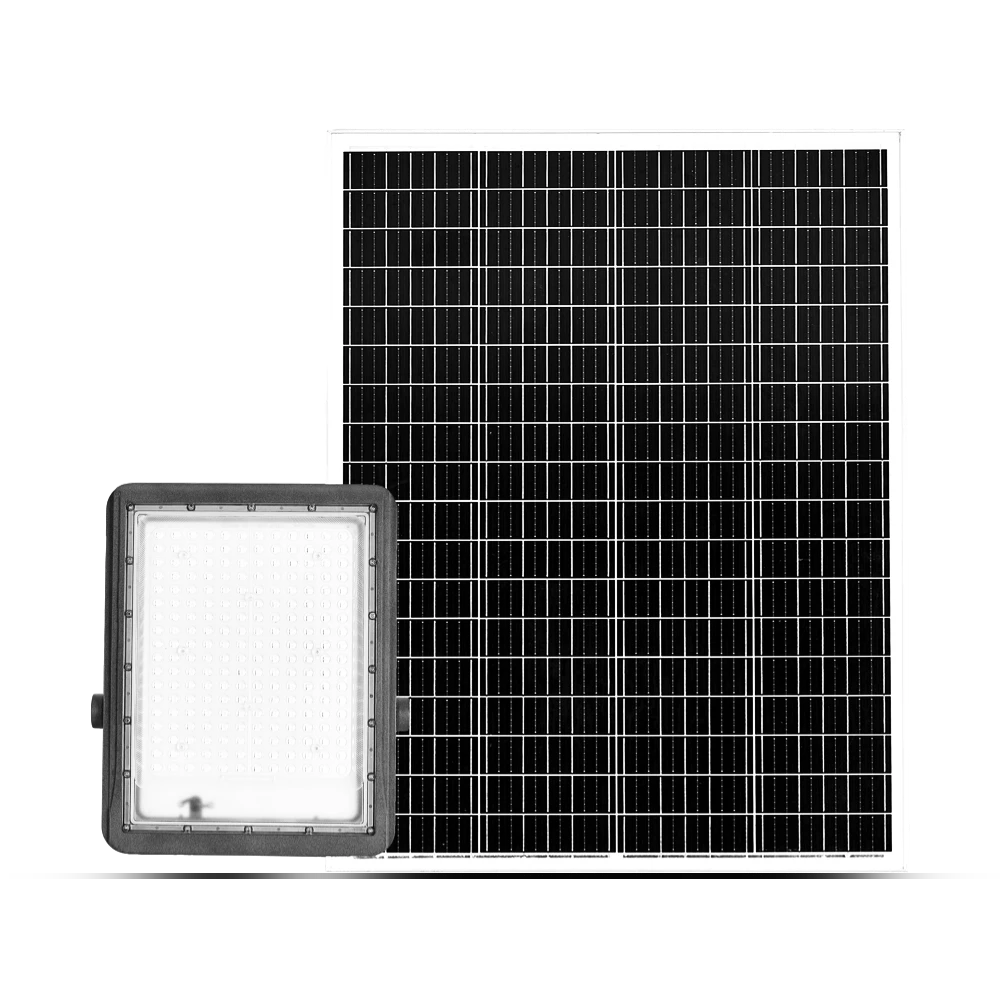
Queneng's Luxian Reliable Solar Street Light offers energy-saving LED lighting for outdoor use. This durable, solar-powered street light provides reliable illumination, reducing energy costs and environmental impact. A perfect solution for sustainable outdoor lighting.
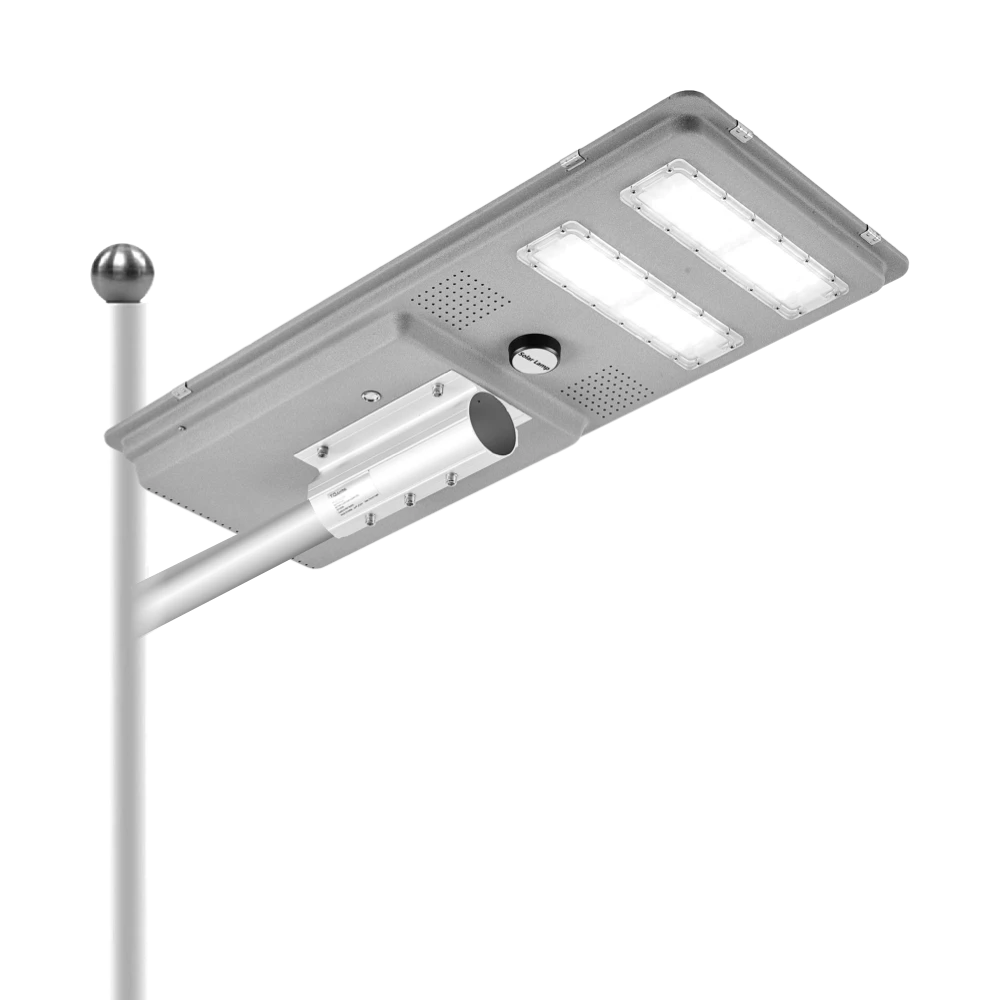
Queneng’s Solar Street Lights are designed to provide reliable, energy-efficient lighting for streets, parks, and other outdoor spaces.
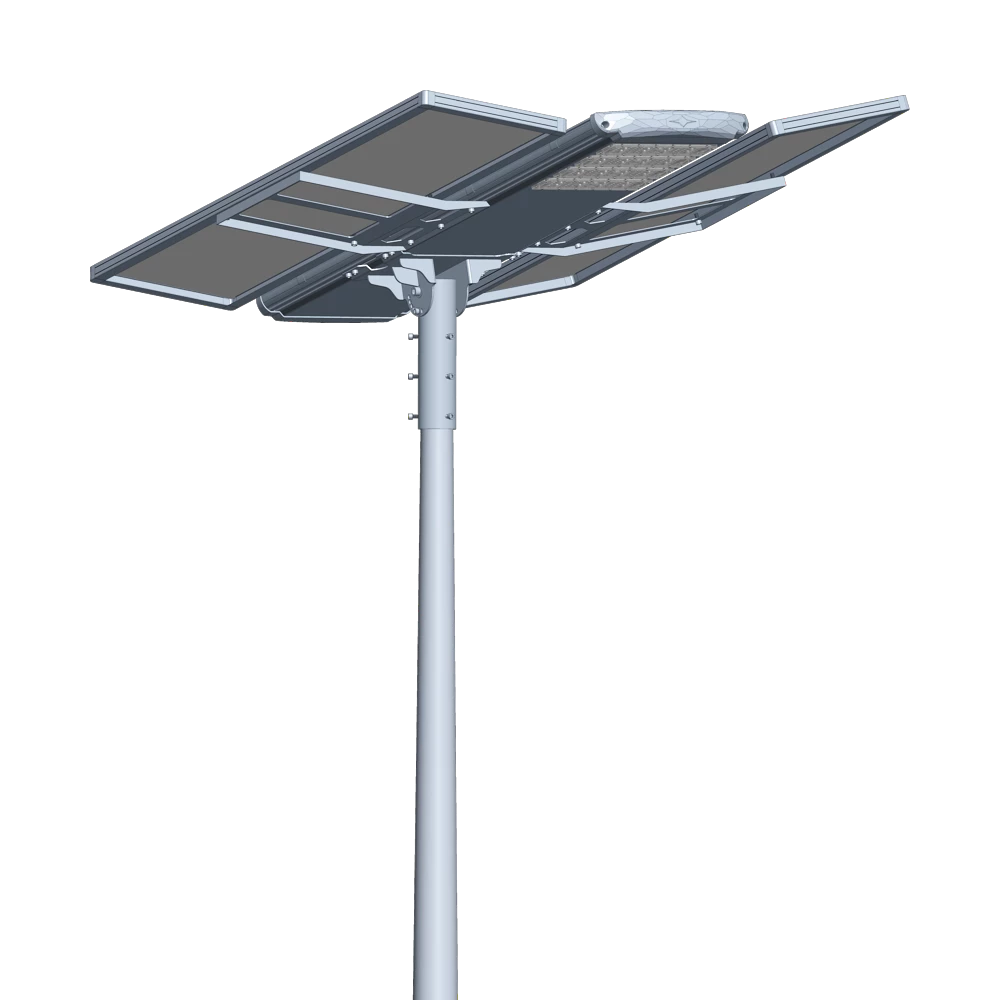
Introducing the Luqing Solar Street Light by Queneng, Efficient LED lighting powered by solar energy is perfect for illuminating outdoor areas. Harness the power of solar energy for sustainable, reliable street lighting. Ideal for eco-friendly, cost-effective outdoor illumination solutions.
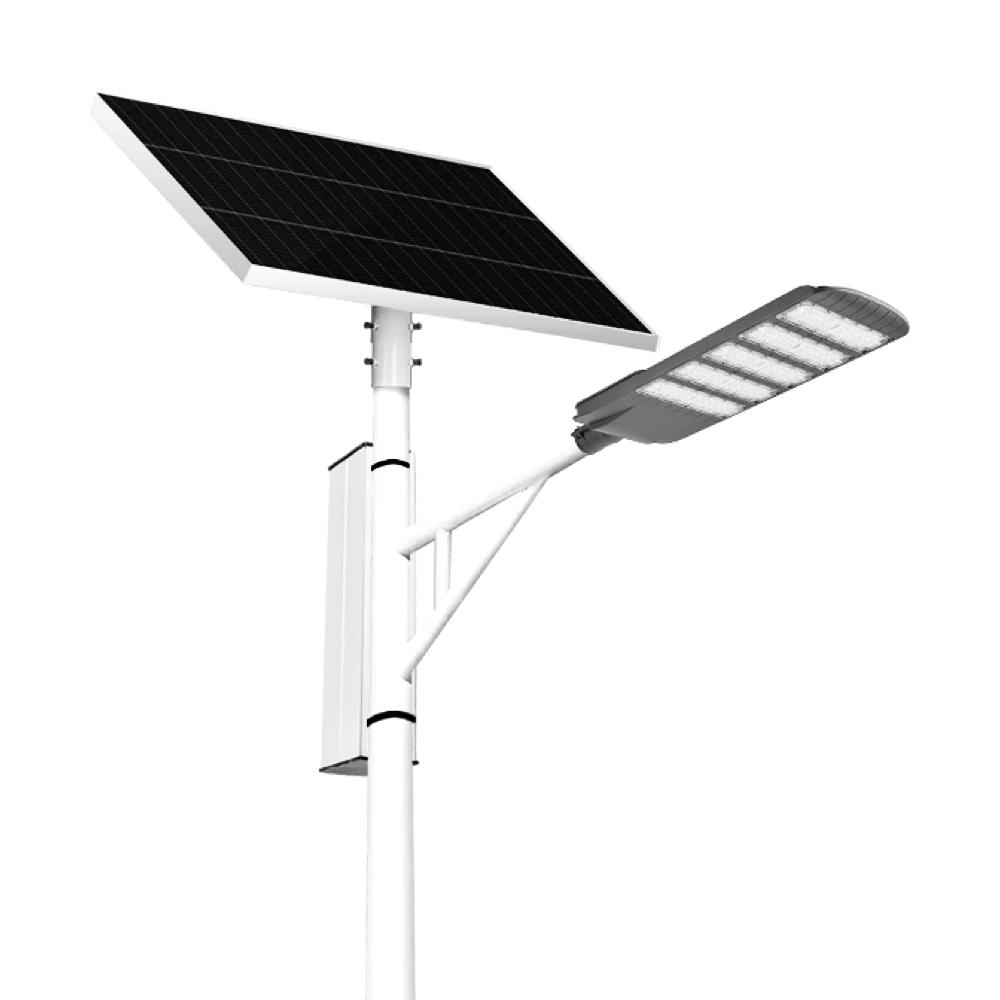
The Solar Streetlights of Luhao for Municipalities are designed to deliver reliable, energy-efficient, and cost-effective public lighting solutions. Equipped with advanced LED technology, durable lithium batteries, and high-efficiency solar panels, these streetlights provide consistent illumination for roads, parks, residential areas, and government projects.
Our professional team is ready to answer any questions and provide personalized support for your project.
You can reach us via phone or email to learn more about Queneng’s solar lighting solutions. We look forward to working with you to promote clean energy solutions!
Rest assured that your privacy is important to us, and all information provided will be handled with the utmost confidentiality.
By clicking 'Send Inquiry Now' I agree to Queneng processing my personal data.
To see how to withdraw your consent, how to control your personal data and how we process it, please see our Privacy Policy and Terms of use.
Schedule a Meeting
Book a date and time that is convenient for you and conduct the session in advance.
Have more questions about our products or services?
The messenger of light & power conversion
Environmental protection and intelligent manufacturing are our brand philosophy, and quality assurance and the best user experience are our eternal promises to users.
CONTACT
No.9F, Building F, Cao San Xin Tian Hong Logistics Park, Guzhen Town, Zhongshan City, Guangdong Province, China.
or write [email protected]
WhatsApp: +86 136 2270 1011


