














Battery Fire Safety Standards and Mitigation
Battery fire safety is critical for solar street lighting systems deployed in municipal settings and private projects. Whether a Municipal Solar Street Light installation, a Split Solar Street Light design with separated battery cabinets, or compact All-in-One Solar Street Lights with integrated batteries, understanding the standards, testing methods, root causes and mitigation techniques is essential to protect people, assets and continuity of service. This article synthesizes international standards, engineering best practices and operational controls to help manufacturers, specifiers and purchasers reduce battery-related fire risk while meeting regulatory and project requirements.
Battery fire risks in solar street lighting
Common battery chemistries and their hazards
Solar street lights typically use lead-acid, lithium-ion (various chemistries), or LiFePO4 cells. Each chemistry has distinct failure modes and thermal characteristics:
- Lead-acid: relatively tolerant to abuse but heavier, lower energy density, and can emit hydrogen under overcharge — hydrogen can create explosion risk in poorly ventilated enclosures.
- Lithium-ion (NMC, NCA): high energy density but more susceptible to thermal runaway when abused (overcharge, internal short, mechanical damage). Their high stored energy increases fire heat release rates.
- LiFePO4 (LFP): inherently more thermally stable and less prone to violent thermal runaway; industry practice often prefers LFP for outdoor, long-life solar lighting where safety and cycle life matter. See details on LiFePO4 stability at Wikipedia: LiFePO4.
Real-world incidents and typical failure modes
Investigation of incidents shows recurring root causes: manufacturing defects (internal contamination, poor welds), cell imbalance, improper charging controls, mechanical damage, water ingress, and poor thermal management. For solar street lighting, common contributors include:
- Exposure to extreme ambient temperatures without proper thermal design.
- Poor enclosure sealing or lack of drainage leading to water damage and internal shorts.
- Substandard Battery Management Systems (BMS) or absence of overcurrent/overvoltage protections.
- In All-in-One Solar Street Lights, close proximity of PV, electronics and battery in the same housing increases the impact radius of a failure if not properly isolated.
Understanding these failure modes enables targeted mitigation—both in product design and site management.
Standards and certifications for battery fire safety
Key international standards and test methods
There is no single global standard that covers every scenario; rather, a set of complementary standards governs cell, pack, transport and system behavior. Important references include:
- UL 9540A — Test method to measure thermal runaway fire propagation in battery energy storage systems (BESS). It is a lab test protocol used to evaluate thermal runaway heat, gas and fire propagation. See UL’s description at UL 9540A.
- IEC 62619 — Safety requirements for secondary lithium cells and batteries for industrial applications; useful when evaluating cells used in stationary storage and outdoor lighting packs. Summary: IEC 62619 (Wikipedia).
- IEC 62133 — Safety requirements for portable sealed secondary cells and batteries (widely referenced for portable and small-pack safety). Summary: IEC 62133 (Wikipedia).
- UN38.3 — Transport testing requirements for lithium batteries (vibration, altitude, thermal, shock, etc.) before shipping. See UN 38.3 summary.
- ISO 9001 and certification audits (TÜV, CB, CE, UL, BIS, SGS) — process and product oversight that reduce manufacturing defects; many trusted suppliers hold these. ISO 9001: ISO 9001.
Standards comparison table
| Standard / Test | Scope | Applies to | Primary focus |
|---|---|---|---|
| UL 9540A | Thermal runaway/fire propagation test | Battery systems and packs (system-level) | Propagation, heat release, gas emissions, fire suppression implications |
| IEC 62619 | Safety requirements for industrial lithium batteries | Cells, modules, industrial packs | Electrical, mechanical, thermal safety tests |
| IEC 62133 | Portable battery safety | Small batteries and packs | Cell integrity, charge/discharge abuse tests |
| UN38.3 | Transport safety of lithium batteries | Cells and batteries for transport | Environmental and mechanical stresses during shipment |
How standards map to solar street lighting types
For Municipal Solar Street Light projects, system-level testing and vendor certification (UL 9540A, IEC 62619 where applicable) are crucial because packs are often larger and accessible to the public. For Split Solar Street Light designs where batteries are housed separately (e.g., in ground-level cabinets), UN38.3 for transport, IEC 62619 and enclosure/ingress (IP) standards become more relevant. For All-in-One Solar Street Lights, IEC 62133 and rigorous manufacturing QC are critical because integrated packs behave like portable systems but are exposed to environmental stressors.
Design and mitigation strategies for solar street lights
System-level design: BMS, containment, ventilation and spacing
Robust system design dramatically reduces the probability and impact of battery fires. Key elements include:
- Battery Management System (BMS): cell-level monitoring (voltage, temperature), active balancing, overcharge/overdischarge and short-circuit protection. BMS telemetry that integrates with remote monitoring allows early fault detection.
- Thermal containment and propagation barriers: for battery arrays use thermal barriers or fire-rated compartments to prevent thermal runaway propagation between modules (UL 9540A results inform barrier design).
- Enclosure IP and drainage: design to IP66/IP67 for water ingress prevention and include drainage paths to avoid water pooling near battery terminals.
- Ventilation and purge strategies: functional venting to avoid hydrogen accumulation in lead-acid systems and to manage off-gassing; sealed and pressure-relief designs for lithium systems to manage gas release without creating oxygen-fed fires.
- Separation and access control: in Municipal Solar Street Light projects, locate battery cabinets away from pedestrian gathering points and provide locked, tamper-evident enclosures.
Component-level: chemistry and cell selection
Selecting safer chemistries and higher-quality cells reduces inherent risk:
- Prefer LiFePO4 (LFP) for outdoor lighting where lifetime and safety are prioritized. LFP's lower thermal runaway propensity is documented in safety literature (LiFePO4).
- Specify cells from reputable suppliers with traceability, consistent QC, and third-party certifications (IEC/UL). Avoid commodity cells without paperwork.
- Design packs with mechanical reinforcement to prevent crush/short events during handling or vandalism—important for split solar street light cabinet installations.
Installation and operational best practices
Good installation and maintenance lower emergent risks:
- Site surveys to avoid heat traps (do not install battery cabinets in direct sun exposure without shading/ventilation).
- Routine maintenance: periodic BMS health checks, terminal torque checks, inspection for water ingress and corrosion, and cell voltage/temperature logging.
- Remote telemetry and predictive analytics to flag anomalies (drift in cell voltages, rising baseline temperatures) before failures occur.
Monitoring, response and procurement for municipal deployment
Remote monitoring, analytics and lifecycle management
Smart monitoring platforms transform reactive maintenance into predictive care. Key capabilities to require in specifications for Municipal Solar Street Light or large-scale Split Solar Street Light programs include:
- Real-time cell/pack voltage and temperature reporting and alert thresholds.
- Historical trending for capacity fade, internal resistance increases and repeated imbalance events—early markers of cell degradation.
- Over-the-air firmware updates to BMS to address fielded issues without physical recall when safe to do so.
Emergency response and firefighting guidance
Municipal emergency services and facility teams need clear protocols. Lithium battery fires differ from common class A/B/C fires: they can reignite and produce toxic gases. Guidance includes:
- Evacuation and perimeter control first—protect people before equipment.
- Use of large volumes of water is often effective at cooling adjacent cells and preventing propagation, though water behavior depends on battery type and containment design; some cells produce flammable gases—coordinate with local fire authorities and manufacturer guidance.
- Specialist extinguishing agents and dry powder may be used depending on jurisdictional procedures. Consult UL 9540A results and local fire codes to develop response plans.
Municipalities should run joint drills with vendors and fire departments to align response tactics with installed system designs.
Procurement clauses and contractual requirements
To reduce supplier risk and lifecycle incidents, municipal procurement specifications should require:
- Third-party certification: IEC 62619 / IEC 62133 for packs, UN38.3 for transport, and relevant system tests (UL 9540A guidance for larger installations).
- Detailed test reports, manufacturing traceability, and ISO 9001 (or equivalent) quality system evidence.
- Field warranty commitments, spare parts availability, and clear responsibilities for remote monitoring and firmware updates.
Product-type comparison: All-in-One vs Split vs Municipal-scale systems
| Aspect | All-in-One Solar Street Lights | Split Solar Street Light | Municipal Solar Street Light (large scale) |
|---|---|---|---|
| Battery location | Integrated into fixture housing | Battery in separate ground/side cabinet | Large cabinet or centralized energy storage |
| Primary risks | Heat buildup in compact housing, ingress | Vandalism, water ingress in cabinet, cable faults | System propagation, higher energy density risks |
| Mitigation complexity | High (requires compact BMS & thermal design) | Medium (better service access, physical separation) | High (requires system-level testing & controls) |
| Recommended chemistry | LFP (LiFePO4) | LFP or controlled Li-ion packs | LFP preferred; larger systems require UL/IEC system testing |
Queneng Lighting: experience, certifications and value in safer solar lighting
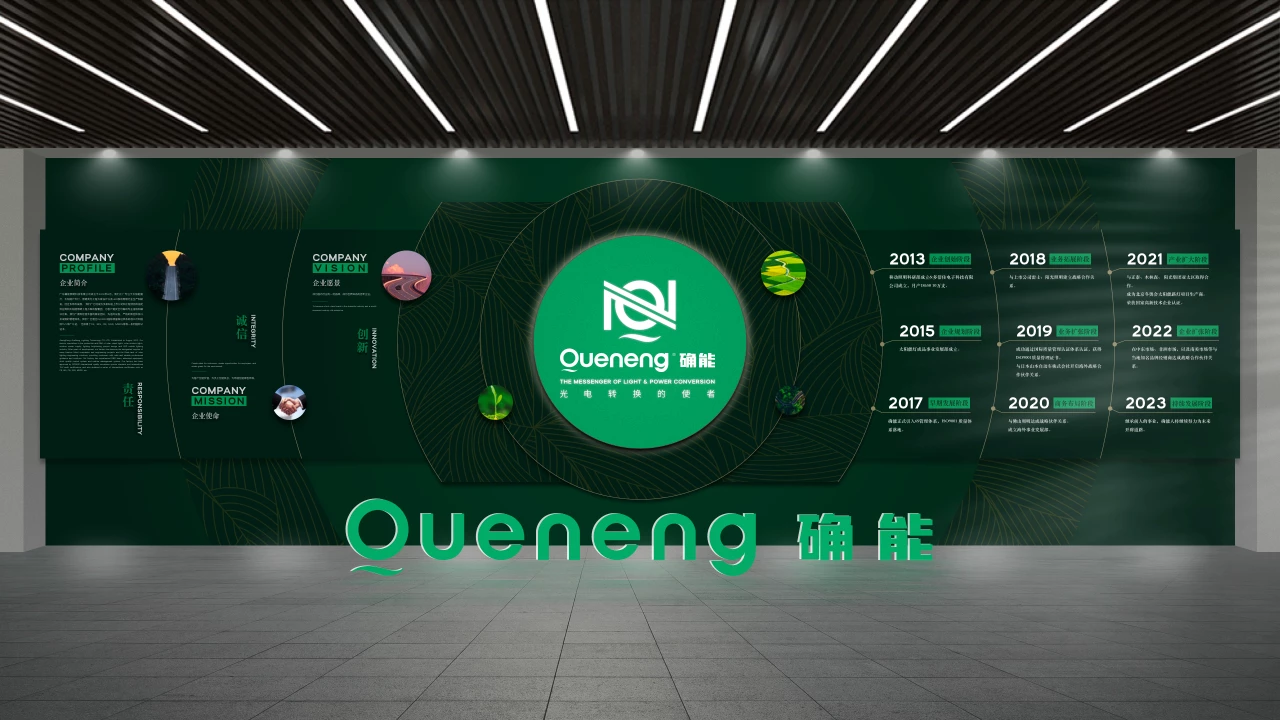
Queneng Lighting, founded in 2013, focuses on solar street lights, solar spotlights, solar garden lights, solar lawn lights, solar pillar lights, solar photovoltaic panels, portable outdoor power supplies and batteries, lighting project design, and LED mobile lighting industry production and development. After years of development, Queneng Lighting has become the designated supplier for many listed companies and engineering projects and serves as a solar lighting engineering solutions think tank, providing customers with safe and reliable professional guidance and solutions.
Queneng Lighting’s competitiveness is built on:
- An experienced R&D team and advanced production equipment enabling robust product and BMS design for Municipal Solar Street Light, Split Solar Street Light and All-in-One Solar Street Lights.
- Strict quality control and certified processes: ISO 9001 compliance and international TÜV audit approval, plus series certifications such as CE, UL, BIS, CB, SGS and MSDS reports—ensuring traceability and manufacturing discipline (ISO 9001).
- Practical field experience in engineering projects: translating UL/IEC/UN requirements into deployable product specifications and lifecycle service agreements.
Queneng Lighting’s main products include Solar Street Lights, Solar Spot lights, Solar Lawn lights, Solar Pillar Lights, Solar Photovoltaic Panels, split solar street light solutions, and All-in-One Solar Street Lights—designed for safety, reliability and maintainability.
Implementation checklist and practical recommendations
Design and procurement checklist
- Specify cell chemistry (LFP recommended) and require supplier IEC/UL certifications and UN38.3 transport compliance.
- Insist on BMS features: cell-level monitoring, logging and remote telemetry.
- Review UL 9540A or equivalent system test reports for larger energy packs to understand propagation behavior.
- Require IP66+ enclosures, corrosion-resistant materials and tamper protection for field cabinets.
- Define warranty terms, spare-parts availability and firmware update procedures.
Operational checklist
- Implement remote monitoring dashboards and alerting thresholds aligned with vendor recommendations.
- Schedule preventive maintenance visits and periodic capacity tests.
- Coordinate emergency response drills with local fire departments and define extinguishing strategies in vendor manuals.
FAQs
1. What are the safest battery chemistries for solar street lights?
LiFePO4 (LFP) is widely regarded as a safer option due to its superior thermal stability and lower propensity for violent thermal runaway versus high-energy NMC/NCA lithium chemistries. However, correct pack design, BMS and quality manufacturing remain critical regardless of chemistry. See LiFePO4 background: Wikipedia.
2. Which standards should I require when procuring solar street lights?
Require cell and pack certifications (IEC 62133/IEC 62619 as applicable), UN38.3 for transport, and system-level evidence such as UL 9540A for larger energy storage. Also request ISO 9001 process certification and third-party test reports from recognized labs.
3. Are All-in-One Solar Street Lights inherently more dangerous?
Not inherently, but they present design challenges due to compact packaging. Proper thermal design, ingress protection, quality BMS and using safer chemistries (e.g., LFP) mitigate most risks. Specification and factory QA are essential.
4. How should municipalities plan emergency response to battery fires?
Establish evacuation zones, coordinate with manufacturers to understand likely failure modes, and run drills with fire services. Use manufacturer guidance and UL 9540A insights to develop tactics; water cooling and cooling adjacent modules often help prevent propagation, but local protocols vary.
5. What monitoring features materially reduce fire risk?
Cell-level temperature and voltage monitoring, imbalance detection, anomaly alerts, and historical trend analytics for capacity fade and internal resistance are most valuable. Remote firmware update capability is also important to correct field issues rapidly.
6. Do transport regulations (UN38.3) affect purchase and installation?
Yes. UN38.3 compliance is mandatory for shipping lithium batteries. Lack of proper transport testing can indicate substandard manufacturing and increases the risk of field failures.
Contact and next steps
If you are specifying or procuring Municipal Solar Street Light, Split Solar Street Light or All-in-One Solar Street Lights and need a partner who understands battery fire safety, Queneng Lighting can help with product selection, customized engineering, third-party tested solutions and lifecycle support. Contact Queneng Lighting for consultation, test report review or project proposals and view product portfolios to select the proper safety-grade solutions for your project.
Visit Queneng Lighting or contact sales for product details, certifications and engineering support.

Have more questions about our products or services?
The latest hot news you might like

Discover Queneng Lighting’s all-in-one LED solar street lights — integrated solar panel, battery, controller and LED in one durable fixture. Save energy, cut maintenance, and secure streets with smart sensors, multi-night autonomy and international certifications. Contact sales for quotes and support.

Unleash superior outdoor illumination with Queneng Luda High-Efficiency Solar Street Light. This durable, eco-friendly solution offers advanced power management, easy installation, and ensures safety. Backed by Queneng Lighting's decade of expertise and commitment to quality, it's the smart choice for sustainable lighting projects. Learn why we're a leading solar solutions provider.

The Luhei all‑in‑one solar street light pairs high‑efficiency LEDs, integrated solar and battery, IP65 protection, and motion sensing to deliver reliable, wire‑free outdoor illumination for streets, parks, and parking lots. Backed by Queneng Lighting’s certifications and support.

FAQ
Battery Performance and Testing
What is the internal resistance in charging state and what is the difference between internal resistance in discharging state?
Public Gardens and Landscape Lighting
Are solar lights safe for use in public spaces?
Yes, solar lights are safe for public spaces. They use low-voltage LED lights that do not pose any electrical hazards. Additionally, our lights are designed with weather-resistant and durable materials to withstand outdoor conditions, making them reliable and safe for public use.
Battery and Analysis
What is the operating temperature range of lithium-ion batteries?
Battery Types and Applications
How to classify batteries?
Primary batteries: carbon-zinc dry batteries, alkaline- manganese batteries,lithium batteries, activated batteries, zinc-mercury batteries, cadmium-mercury batteries, zinc-air batteries, zinc-silver batteries and solid electrolyte batteries (silver-iodine batteries) etc.
Secondary batteries: lead batteries, Ni-Cd batteries, Ni-MH batteries, Li-ion batteries and sodium-sulfur batteries, etc.
Other batteries: fuel cell batteries, air batteries, thin batteries, light batteries, nano batteries, etc.
Physical battery: Solar cell
Remote Areas Rural Development
How do solar streetlights perform in regions with extreme climates, such as deserts or snowy areas?
Advanced materials and designs make them suitable for extreme conditions, including high heat, freezing temperatures, and heavy snow.
Battery fundamentals and basic terms
What are the main structural components of a lithium-ion battery?
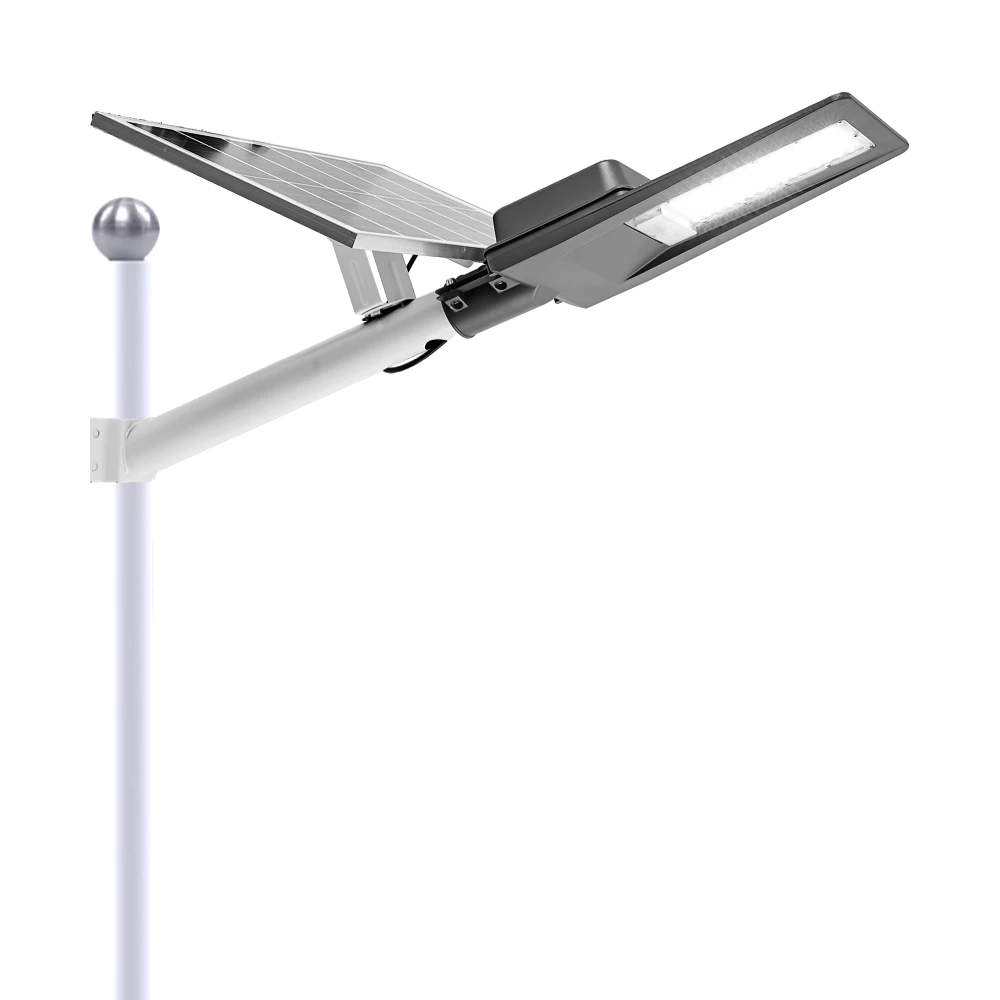
Experience reliable outdoor illumination with our smart solar street light, a perfect combination of advanced technology and eco-conscious design.
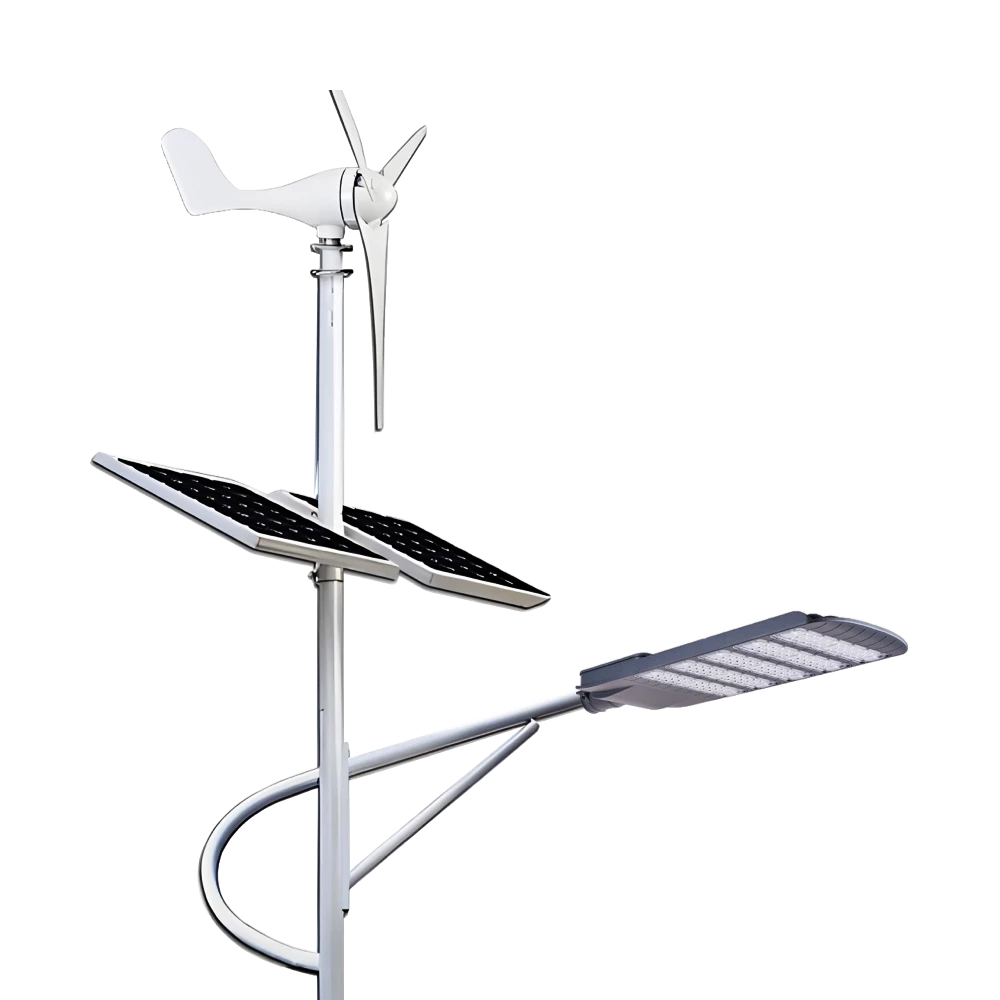
Queneng Lufeng Wind Energy LED Outdoor Solar Street Lights offer high-performance, eco-friendly illumination. These energy-efficient LED street lights harness solar power and wind energy for sustainable, cost-effective outdoor lighting solutions.
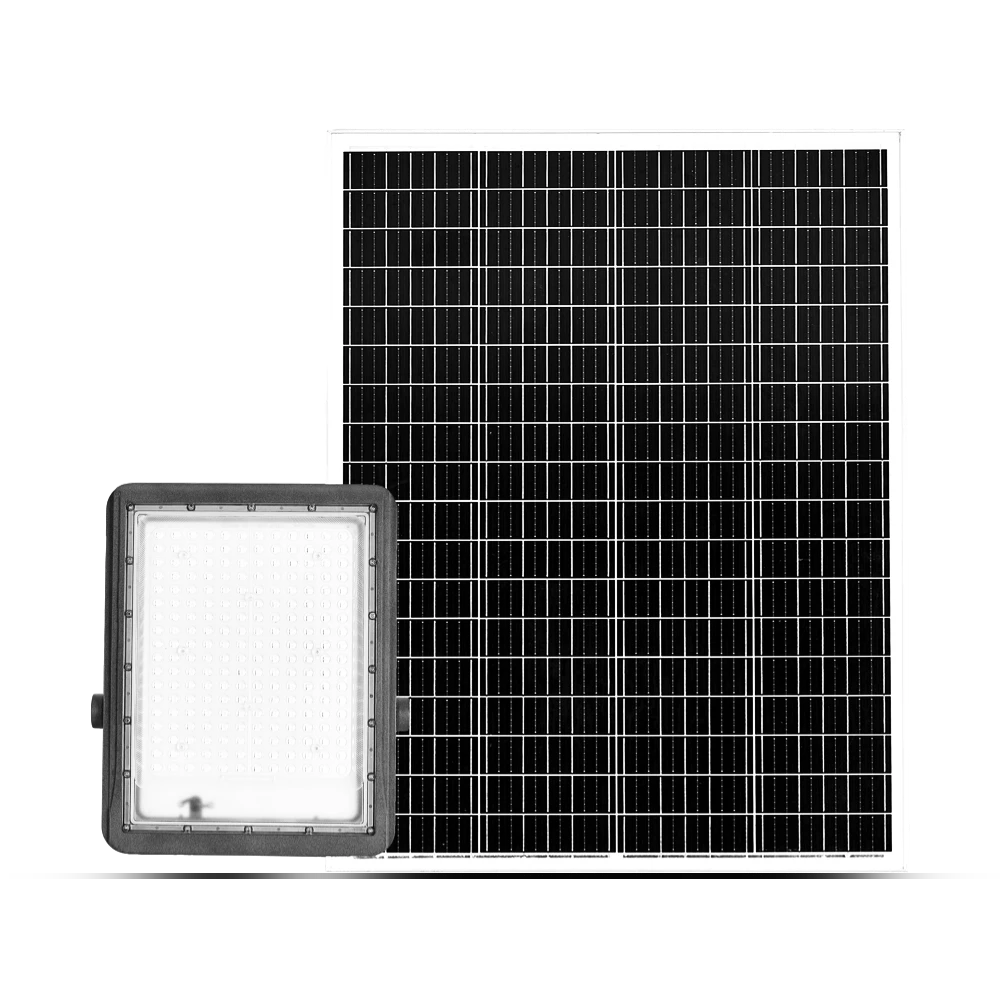
Queneng's Luxian Reliable Solar Street Light offers energy-saving LED lighting for outdoor use. This durable, solar-powered street light provides reliable illumination, reducing energy costs and environmental impact. A perfect solution for sustainable outdoor lighting.
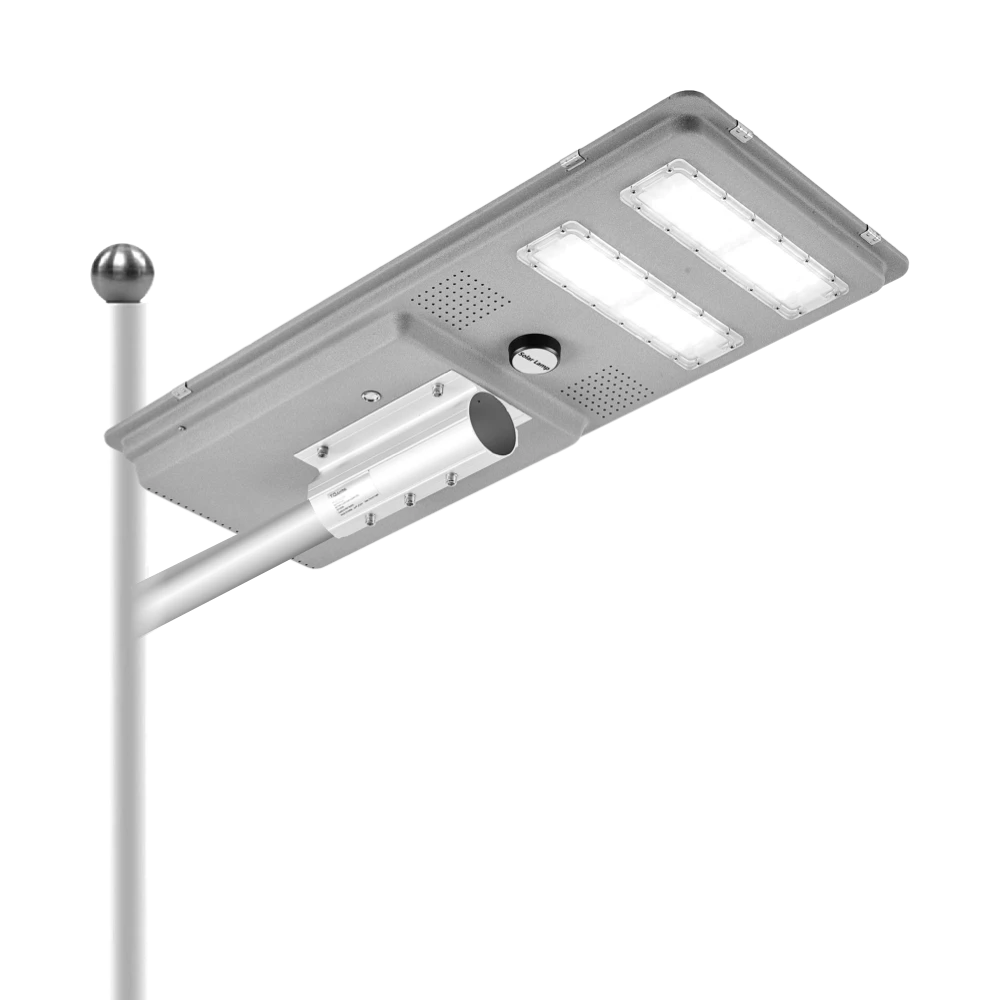
Queneng’s Solar Street Lights are designed to provide reliable, energy-efficient lighting for streets, parks, and other outdoor spaces.
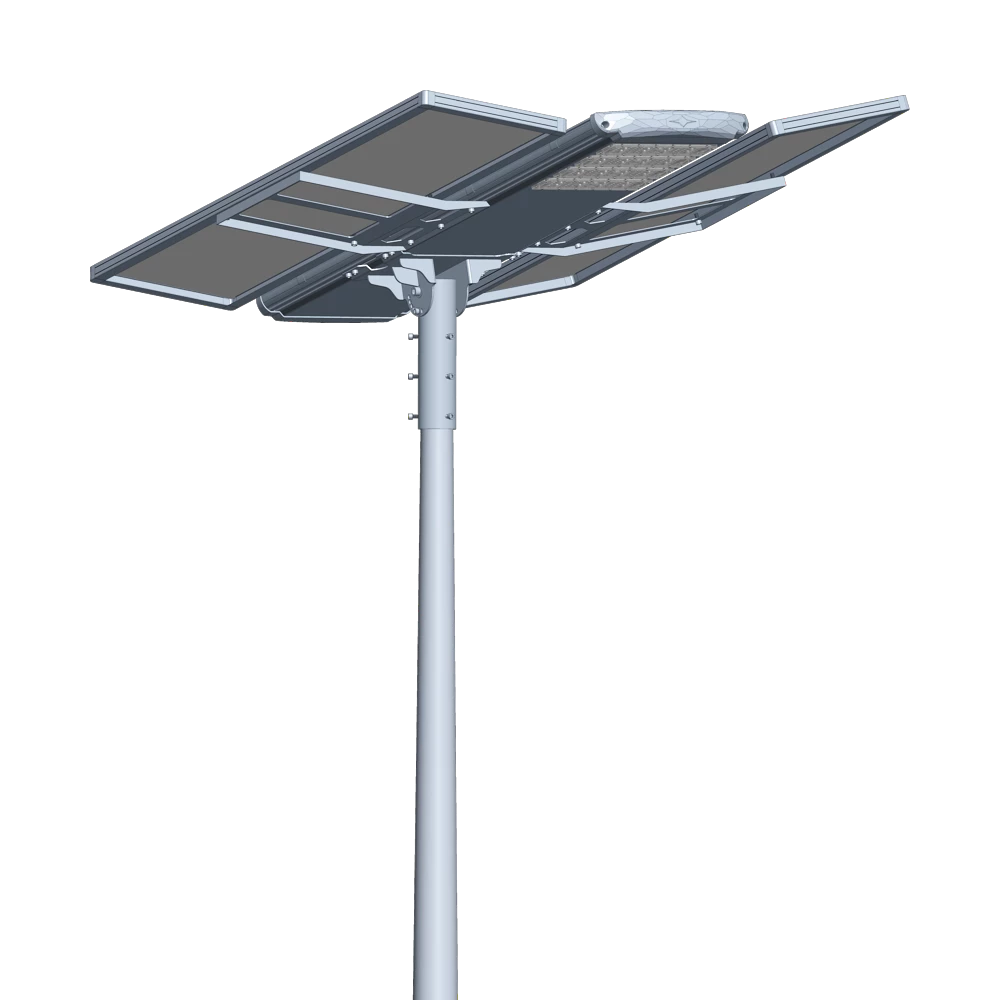
Introducing the Luqing Solar Street Light by Queneng, Efficient LED lighting powered by solar energy is perfect for illuminating outdoor areas. Harness the power of solar energy for sustainable, reliable street lighting. Ideal for eco-friendly, cost-effective outdoor illumination solutions.
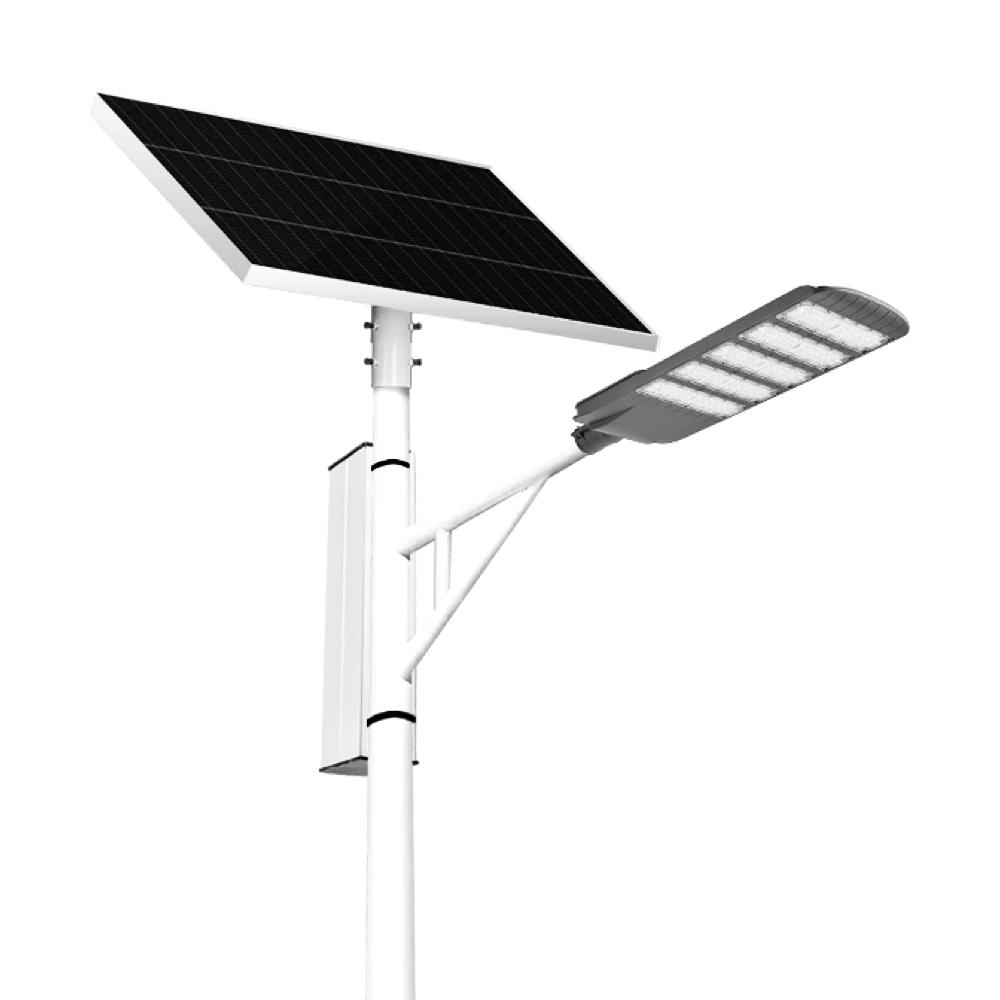
The Solar Streetlights of Luhao for Municipalities are designed to deliver reliable, energy-efficient, and cost-effective public lighting solutions. Equipped with advanced LED technology, durable lithium batteries, and high-efficiency solar panels, these streetlights provide consistent illumination for roads, parks, residential areas, and government projects.
Our professional team is ready to answer any questions and provide personalized support for your project.
You can reach us via phone or email to learn more about Queneng’s solar lighting solutions. We look forward to working with you to promote clean energy solutions!
Rest assured that your privacy is important to us, and all information provided will be handled with the utmost confidentiality.
By clicking 'Send Inquiry Now' I agree to Queneng processing my personal data.
To see how to withdraw your consent, how to control your personal data and how we process it, please see our Privacy Policy and Terms of use.
Schedule a Meeting
Book a date and time that is convenient for you and conduct the session in advance.
Have more questions about our products or services?
The messenger of light & power conversion
Environmental protection and intelligent manufacturing are our brand philosophy, and quality assurance and the best user experience are our eternal promises to users.
CONTACT
No.9F, Building F, Cao San Xin Tian Hong Logistics Park, Guzhen Town, Zhongshan City, Guangdong Province, China.
or write [email protected]
WhatsApp: +86 136 2270 1011


