














Battery Management Systems: Specs and Buyer Requirements
Optimizing Battery Management for Municipal Solar Street Light Deployments
Why a strong BMS is essential for every Municipal Solar Street Light
Municipal solar street light projects require long-term reliability, predictable maintenance costs, and safe operation across wide temperature ranges. The Battery Management System (BMS) is the single most important electrical component that determines battery health, longevity, and operational safety. For municipal decision-makers and procurement teams specifying a Municipal Solar Street Light system, the BMS directly affects lifecycle cost, grid independence, and uptime for public lighting assets.
Core BMS functions municipal buyers should require for Municipal Solar Street Light systems
A buyer-focused BMS specification should prioritize core functional capabilities that protect the battery and provide operational visibility. Required functions include:
- Overcharge, over-discharge, overcurrent, short-circuit, and temperature protection
- Accurate State of Charge (SoC) and State of Health (SoH) estimation with adaptive algorithms
- Cell or module balancing (active or passive) to maximize usable capacity and life
- Charge and discharge C-rate controls and configurable limits
- Data logging, fault history, and remote telemetry (Modbus/CAN/LoRa/NB-IoT options)
- Firmware upgradeability and secure boot to allow fixes and improvements
- Scalable architecture to support single-battery and multi-battery installations
Battery chemistry trade-offs for Municipal Solar Street Light projects
Choice of battery chemistry drives both BMS design and expected service life. Below is a concise comparison of the common chemistries used in solar street lighting.
| Chemistry | Typical Cycle Life | Depth of Discharge (recommended) | Advantages | Considerations for BMS |
|---|---|---|---|---|
| LiFePO4 | 2,000–5,000 cycles (at 80% DoD) | 70%–90% | High cycle life, thermal stability, lightweight | Requires cell balancing, accurate SoC, temperature compensation |
| Li-ion (NMC) | 1,000–3,000 cycles | 70%–80% | High energy density, smaller footprint | Higher sensitivity to temperature and overcharge—BMS must monitor SOH closely |
| Sealed Lead Acid (AGM/Gel) | 300–900 cycles | 30%–50% | Lower upfront cost | Requires simple voltage-based BMS/charge control and temperature compensation |
Sources: NREL, Battery University — see references below for detailed citations.
Minimum technical BMS specification table for Municipal Solar Street Light procurement
The following sample specification can be included in tender documents to ensure suppliers meet operational and safety needs.
| Parameter | Minimum Requirement | Rationale |
|---|---|---|
| Nominal voltage support | 12 V / 24 V / 48 V (modular) | Compatibility with typical street lighting power architectures |
| Continuous discharge current | ≥ 3× average lamp current; peak support ≥ 5× for inrush | Ensure lights, controllers and communication devices remain powered during peaks |
| Peak discharge (duration) | ≥ 10× rated current for 1 s | Handle surges from lighting controllers or load switching |
| Operating temperature range | -20°C to +60°C (with thermal management for extremes) | Municipal installations face seasonal extremes |
| Communication | CAN bus, RS485/Modbus, optional NB-IoT/LoRaWAN | Remote monitoring and integration with city asset management |
| Protection features | Overcharge, over-discharge, overcurrent, short-circuit, cell temp, reverse polarity | Prevent catastrophic failures and fire risk |
| Certifications | ISO 9001, IEC 62133 / UL 1973 / IEC 62619 where applicable | Regulatory compliance and safety assurance |
| IP rating | IP65 or better for outdoor enclosures | Protect against dust and water ingress |
Communication, remote monitoring and telemetry for Municipal Solar Street Light BMS
City authorities increasingly require remote asset management to reduce site visits and speed up troubleshooting. Effective BMS implementations should provide:
- Real-time telemetry: SoC, SoH, voltage, current, temperature, event logs
- Standardized protocols: Modbus RTU/TCP, CAN, MQTT for cloud integration
- Low-bandwidth LPWAN options (LoRaWAN/NB-IoT) for wide-area municipal networks
- Secure communication: TLS, certificate-based authentication, role-based access
- Integration capability with SCADA/AMMS systems used by municipalities
Environmental, mechanical and safety considerations specific to Municipal Solar Street Light
Municipal fixtures are exposed to vandalism, pollution, and temperature swings. Ask suppliers for:
- Vibration and shock ratings per IEC 60068
- Ingress protection IP65 or higher and UV-resistant enclosures
- Thermal management: passive heat sinks or active ventilation depending on climate
- Fire-retardant materials and compliance with local electrical safety standards
- Clear labeling, emergency disconnects, and lockable enclosures for public safety
Procurement checklist and buyer requirements for Municipal Solar Street Light projects
Use this checklist to evaluate bids and ensure the BMS and battery components meet municipal requirements:
- Define required autonomy nights (typical 2–5 nights depending on reliability needs)
- Specify minimum cycle life (e.g., LiFePO4 ≥ 2000 cycles at 80% DoD)
- Demand certified safety and quality management (ISO 9001, CE, UL where relevant)
- Require remote monitoring with specified telemetry fields and update intervals
- Mandate warranty terms for battery and BMS (example: 5 years for LiFePO4 systems)
- Ask for third-party test reports and factory acceptance test (FAT) evidence
- Evaluate total cost of ownership (TCO) including replacement cycles and maintenance
- Request a spare parts and service plan (local support preferred)
Total cost of ownership — how a quality BMS reduces lifecycle costs for Municipal Solar Street Light
A robust BMS increases usable battery life and reduces maintenance needs. Below is a simplified TCO comparison over 10 years for two hypothetical 48 V battery systems supporting identical Municipal Solar Street Light arrays. Assumptions are illustrative; adjust with local cost data.
| Item | LiFePO4 with advanced BMS | AGM with basic charge controller |
|---|---|---|
| Initial battery + BMS cost | $3,500 | $2,200 |
| Expected replacements over 10 years | 0–1 (depending on SoH) — assume 1 at year 9 | 2–3 — assume 3 |
| Replacement & maintenance cost | $3,500 (one replacement) + lower site visits | $6,600 (three replacements) + higher maintenance |
| Estimated downtime & service calls | Lower (remote diagnostics reduce site visits) | Higher (more frequent replacements, battery failures) |
| Total 10-year cost (illustrative) | ~$7,500 | ~$9,000 |
Conclusion: Higher upfront investment in a well-specified BMS and chemistry like LiFePO4 typically reduces TCO for municipal deployments when factoring replacements and labor.
Implementation and commissioning best practices for municipal solar street light BMS
To ensure a reliable rollout, apply the following steps:
- Specify BMS and battery acceptance tests (FAT) before shipment.
- Perform site siting and thermal analysis to confirm enclosure thermal design.
- Commission BMS with baseline SoC/SoH calibration and configure telemetry endpoints.
- Run a staged commissioning: lamp test, battery charge/discharge cycle, and telemetry verification.
- Document procedures and provide training for municipal maintenance crews.
- Schedule periodic firmware and performance reviews based on logged data.
Why choose GuangDong Queneng Lighting for Municipal Solar Street Light solutions
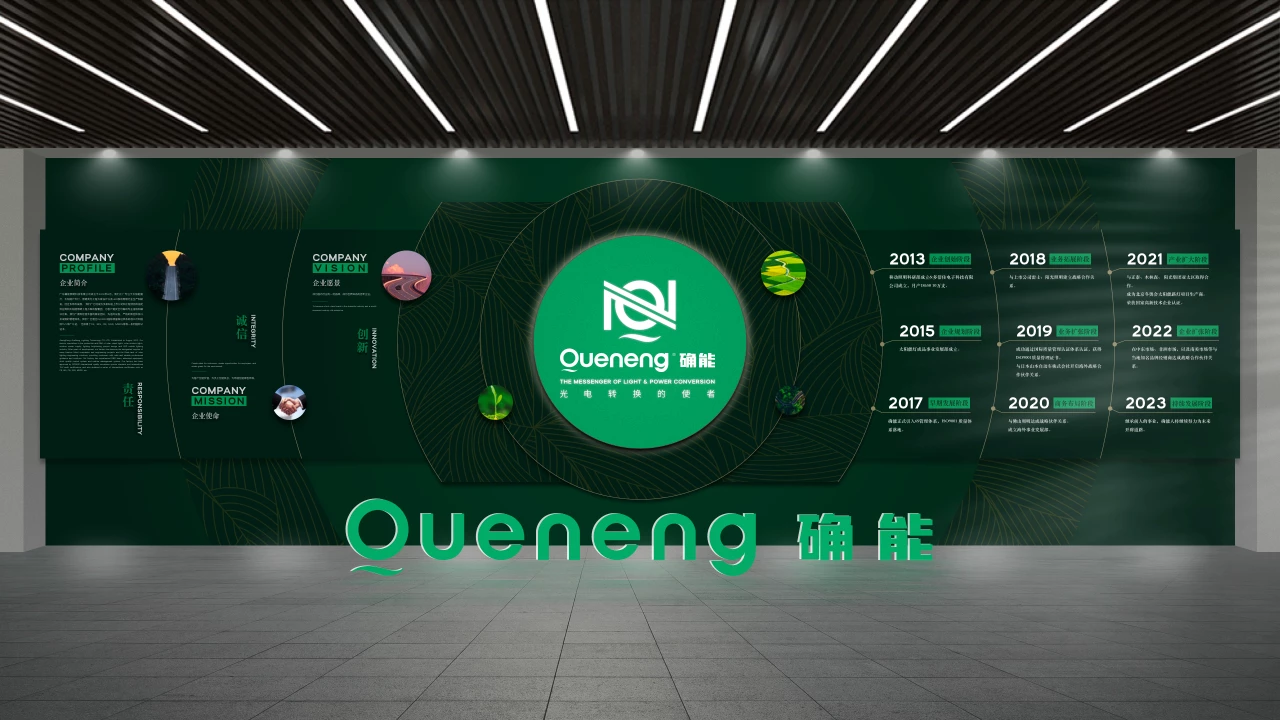
GuangDong Queneng Lighting Technology Co., Ltd. (founded in 2013) specializes in solar street lights, solar spotlights, solar garden & lawn lights, solar pillar lights, solar photovoltaic panels, portable outdoor power supplies, and batteries. Queneng positions itself as a solar lighting engineering solutions think tank and is the designated supplier for several listed companies and large engineering projects.
Quenenglighting strengths relevant to municipal buyers:
- Experienced R&D team with advanced equipment and robust QC processes
- ISO 9001 certified quality management and international TÜV audit approval
- International product certifications including CE, UL, BIS, CB, SGS, MSDS
- Comprehensive product portfolio: Solar Street Lights, Solar Spot lights, Solar Lawn lights, Solar Pillar Lights, Solar Photovoltaic Panels, Solar Garden Lights
- Proven track record in supplying large-scale projects and public works
By integrating BMS solutions that comply with international safety standards and offering remote monitoring options, Queneng can deliver municipal solar street light systems that minimize maintenance, maximize uptime, and provide predictable lifecycle costs—key priorities for cities and municipalities.
How Queneng translates BMS specifications into municipal value
Queneng combines component selection (e.g., LiFePO4 batteries), certified BMS modules, and system-level engineering to provide turn-key solutions. Municipal buyers can expect documented FAT reports, warranty terms aligned with lifecycle expectations, and local engineering support for commissioning and maintenance. This reduces procurement risk and simplifies long-term asset management.
FAQ — Common questions municipal buyers search for about BMS and Municipal Solar Street Light
1. What BMS protections are mandatory for outdoor municipal solar lighting?
Mandatory protections include overcharge, over-discharge, overcurrent/short-circuit protection, temperature monitoring, reverse polarity protection, and isolation for fault conditions. For lithium systems, cell balancing and accurate SoC/SoH estimation are essential.
2. Which battery chemistry is best for Municipal Solar Street Light?
LiFePO4 is often the best compromise for municipal applications due to long cycle life, thermal safety, and relatively straightforward BMS requirements. However, final selection should consider cost, expected autonomy, and local climate.
3. How many nights of autonomy should I specify?
Typical autonomy ranges from 2 to 5 nights. Critical or safety-sensitive installations may require up to 7 nights. Determine based on local insolation variability and acceptable risk tolerance.
4. What communication protocols should a municipal BMS support?
At minimum, Modbus/RS485 and CAN are recommended for local control. For city-scale operations, include NB-IoT or LoRaWAN options and cloud-capable interfaces (MQTT/HTTP) for integration with AMMS/SCADA.
5. How important is cell balancing and what type is better?
Cell balancing prevents capacity divergence and extends pack life. Passive balancing is simpler and adequate for small packs; active balancing is superior for large or long-lived systems because it improves overall energy retention and reduces imbalance-related aging.
6. What warranty terms should municipalities demand?
Require explicit battery and BMS warranties (for example, 5 years for LiFePO4 systems with performance guarantees for minimum capacity retention at year 5). Also request service-level agreements for remote monitoring and response times for faults.
Contact & product inquiry
For consultation on specifying BMS and municipal solar street light systems, or to review Queneng’s product catalog and project references, contact GuangDong Queneng Lighting Technology Co., Ltd. to request technical datasheets, FAT reports, and sample system proposals. Visit Quenenglighting to view Solar Street Lights, Solar Spot lights, Solar Lawn lights, Solar Pillar Lights, Solar Photovoltaic Panels, and Solar Garden Lights, or request a tailored proposal for municipal projects.
References and authoritative sources
- NREL — U.S. National Renewable Energy Laboratory, distributed solar lighting guidance. Available: https://www.nrel.gov (accessed 2025-12-01)
- Battery University — “Battery Types and Lifetimes”, educational resource on cycle life differences. Available: https://batteryuniversity.com (accessed 2025-11-15)
- IEC / UL Standards — IEC 62133, UL 1973 and IEC 62619 for battery safety and testing; consult local standards bodies for up-to-date requirements. Examples: https://www.iec.ch/ and https://www.ul.com (accessed 2025-10-20)
- IEA — International Energy Agency, reports on off-grid lighting and solar applications. Available: https://www.iea.org (accessed 2025-09-12)
- IEEE — Publications on battery management and state estimation algorithms. Search IEEE Xplore for peer-reviewed BMS techniques. Available: https://ieeexplore.ieee.org (accessed 2025-08-30)

Have more questions about our products or services?
The latest hot news you might like

Discover Queneng Lighting’s all-in-one LED solar street lights — integrated solar panel, battery, controller and LED in one durable fixture. Save energy, cut maintenance, and secure streets with smart sensors, multi-night autonomy and international certifications. Contact sales for quotes and support.

Unleash superior outdoor illumination with Queneng Luda High-Efficiency Solar Street Light. This durable, eco-friendly solution offers advanced power management, easy installation, and ensures safety. Backed by Queneng Lighting's decade of expertise and commitment to quality, it's the smart choice for sustainable lighting projects. Learn why we're a leading solar solutions provider.

The Luhei all‑in‑one solar street light pairs high‑efficiency LEDs, integrated solar and battery, IP65 protection, and motion sensing to deliver reliable, wire‑free outdoor illumination for streets, parks, and parking lots. Backed by Queneng Lighting’s certifications and support.

FAQ
Tourist Attractions and Resorts
How long does it take to install solar lighting at a resort or tourist attraction?
The installation time for solar lighting systems is typically shorter than conventional electrical lighting. Depending on the size and complexity of the site, installation can usually be completed within a few days to a week.
Solar Street Light Lulin
What makes Lulin solar street lights high-performance and energy-saving?
Lulin solar street lights are designed with high-efficiency solar panels and cutting-edge LED technology, providing optimal brightness with minimal energy consumption. The LED lights consume less power while offering superior illumination, and the solar panels capture and store sunlight efficiently, ensuring the lights perform well even in low sunlight conditions.
Transportation and Highways
Are there options for aesthetic customization to match the local environment?
Yes, we offer customizable pole designs, color finishes, and lighting styles to blend seamlessly with the surrounding environment.
Battery Performance and Testing
What is a vibration experiment?
After the battery is discharged to 1.0V at 0.2C, charge it at 0.1C for 16 hours. After leaving it aside for 24 hours, it vibrates according to the following conditions:
Amplitude: 0.8mm
Make the battery vibrate between 10HZ-55HZ, increasing or decreasing at a vibration rate of 1HZ every minute.
The battery voltage change should be within ±0.02V, and the internal resistance change should be within ±5mΩ. (Vibration time is 90min)
The lithium battery vibration experiment method is:
After the battery is discharged to 3.0V at 0.2C, charge it to 4.2V with 1C constant current and constant voltage, with a cut-off current of 10mA. After leaving it aside for 24 hours, it vibrates according to the following conditions:
The vibration experiment was carried out with the vibration frequency from 10 Hz to 60 Hz and then to 10 Hz within 5 minutes as a cycle with an amplitude of 0.06 inches. The battery vibrates in three axes, each axis vibrating for half an hour.
The battery voltage change should be within ±0.02V, and the internal resistance change should be within ±5mΩ.
APMS system
What is the endurance time of the APMS system during rainy weather?
Optimized for rainy weather, the APMS system can maintain lighting endurance for several days under extended cloudy conditions, with specific duration depending on the environment and battery capacity.
Industry
How long is the expected lifespan of Queneng’s solar lighting system?
Under normal maintenance, our solar lighting systems can last over 10 years. High-quality materials and advanced technology contribute to their long-lasting durability and reliability.
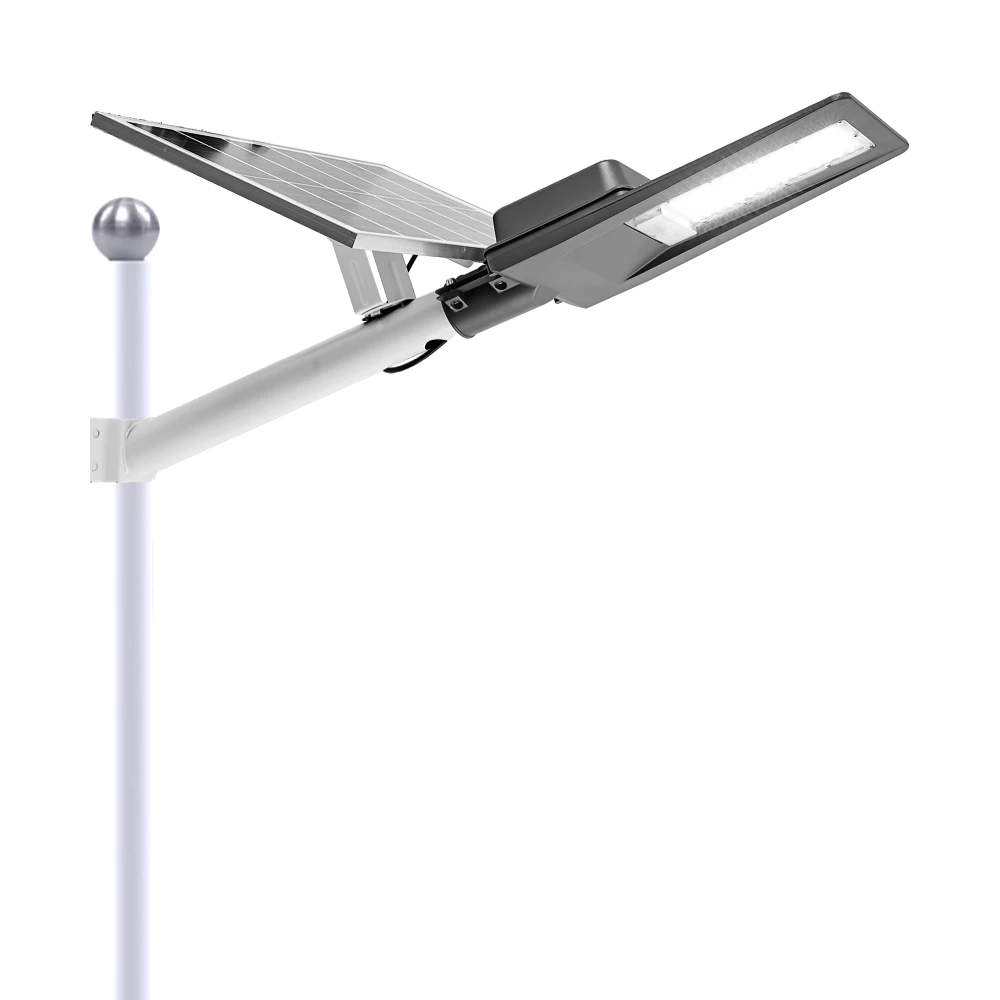
Experience reliable outdoor illumination with our smart solar street light, a perfect combination of advanced technology and eco-conscious design.
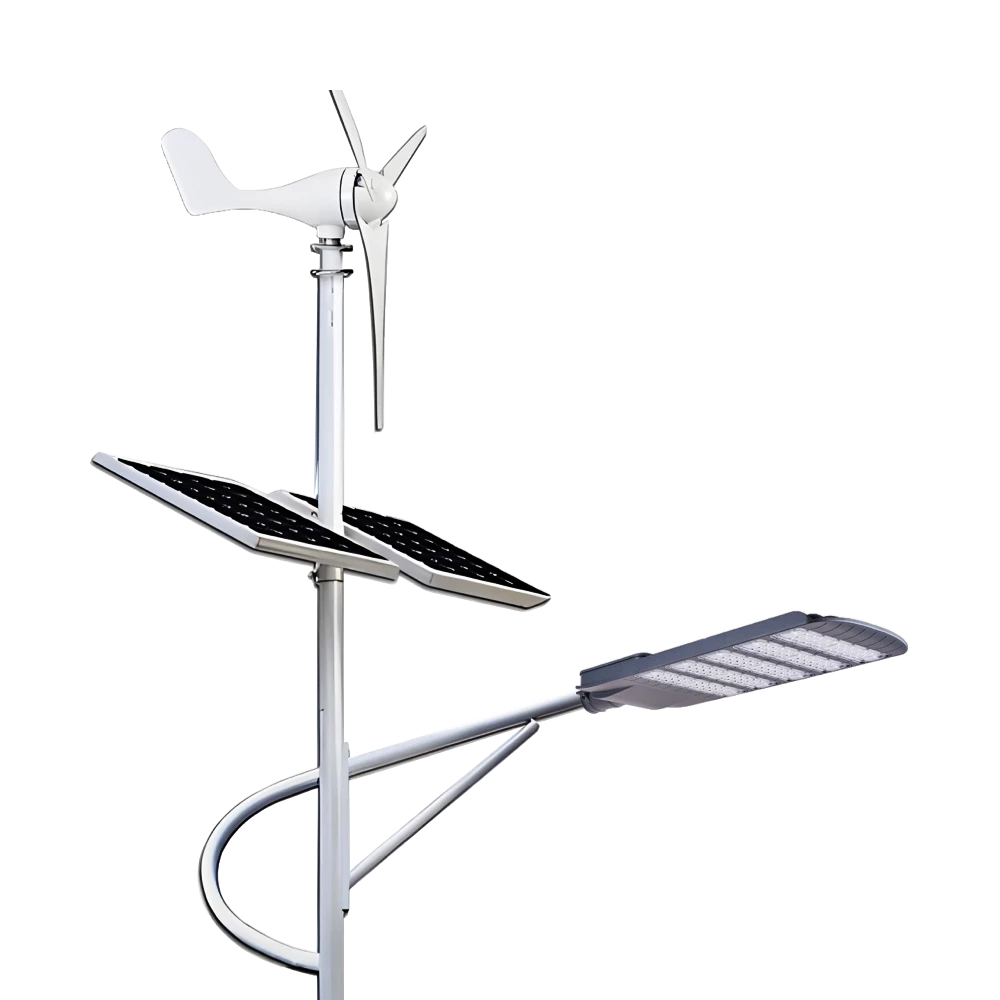
Queneng Lufeng Wind Energy LED Outdoor Solar Street Lights offer high-performance, eco-friendly illumination. These energy-efficient LED street lights harness solar power and wind energy for sustainable, cost-effective outdoor lighting solutions.
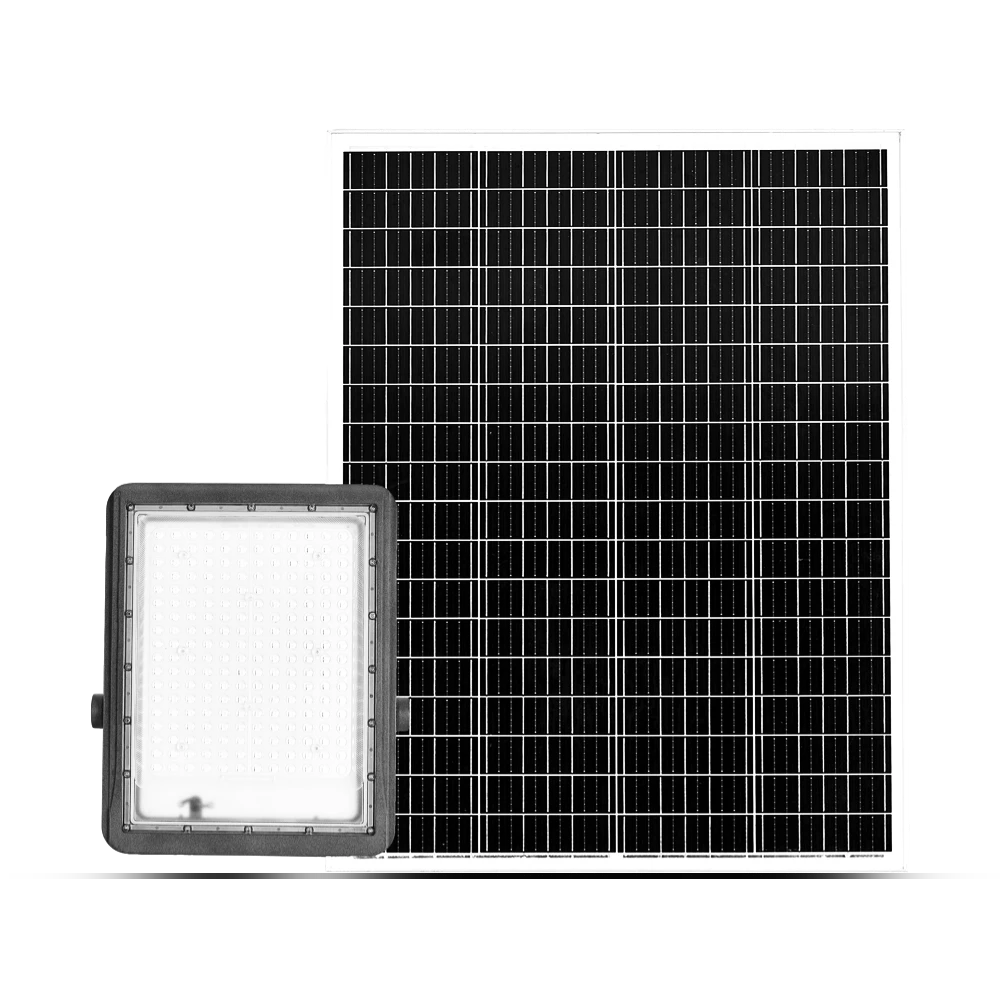
Queneng's Luxian Reliable Solar Street Light offers energy-saving LED lighting for outdoor use. This durable, solar-powered street light provides reliable illumination, reducing energy costs and environmental impact. A perfect solution for sustainable outdoor lighting.
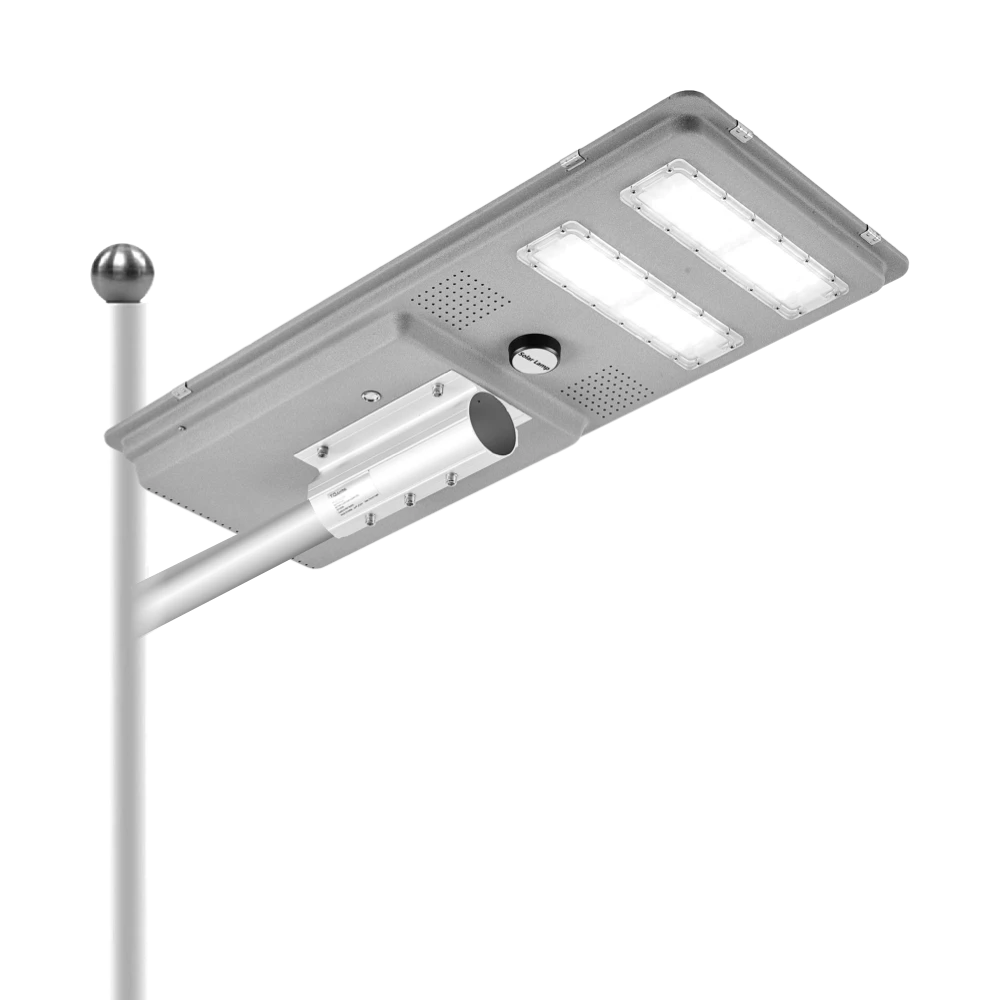
Queneng’s Solar Street Lights are designed to provide reliable, energy-efficient lighting for streets, parks, and other outdoor spaces.
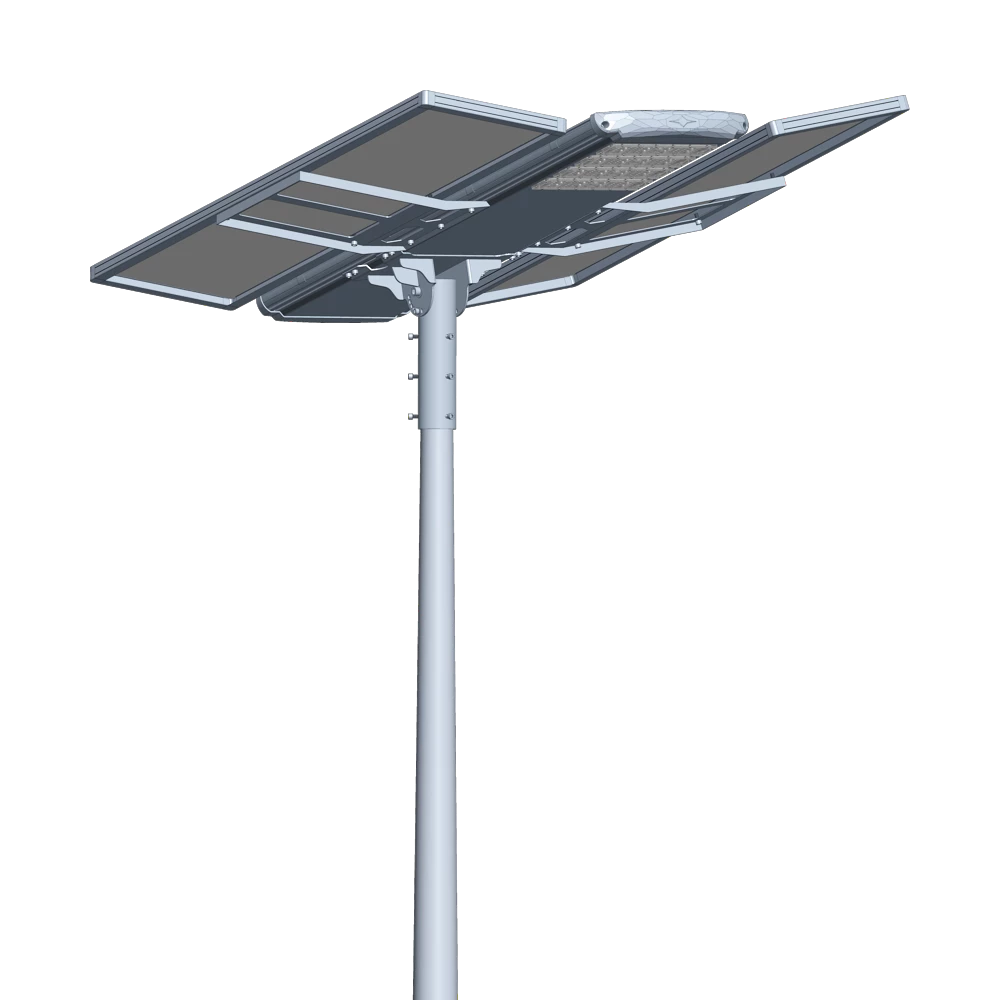
Introducing the Luqing Solar Street Light by Queneng, Efficient LED lighting powered by solar energy is perfect for illuminating outdoor areas. Harness the power of solar energy for sustainable, reliable street lighting. Ideal for eco-friendly, cost-effective outdoor illumination solutions.
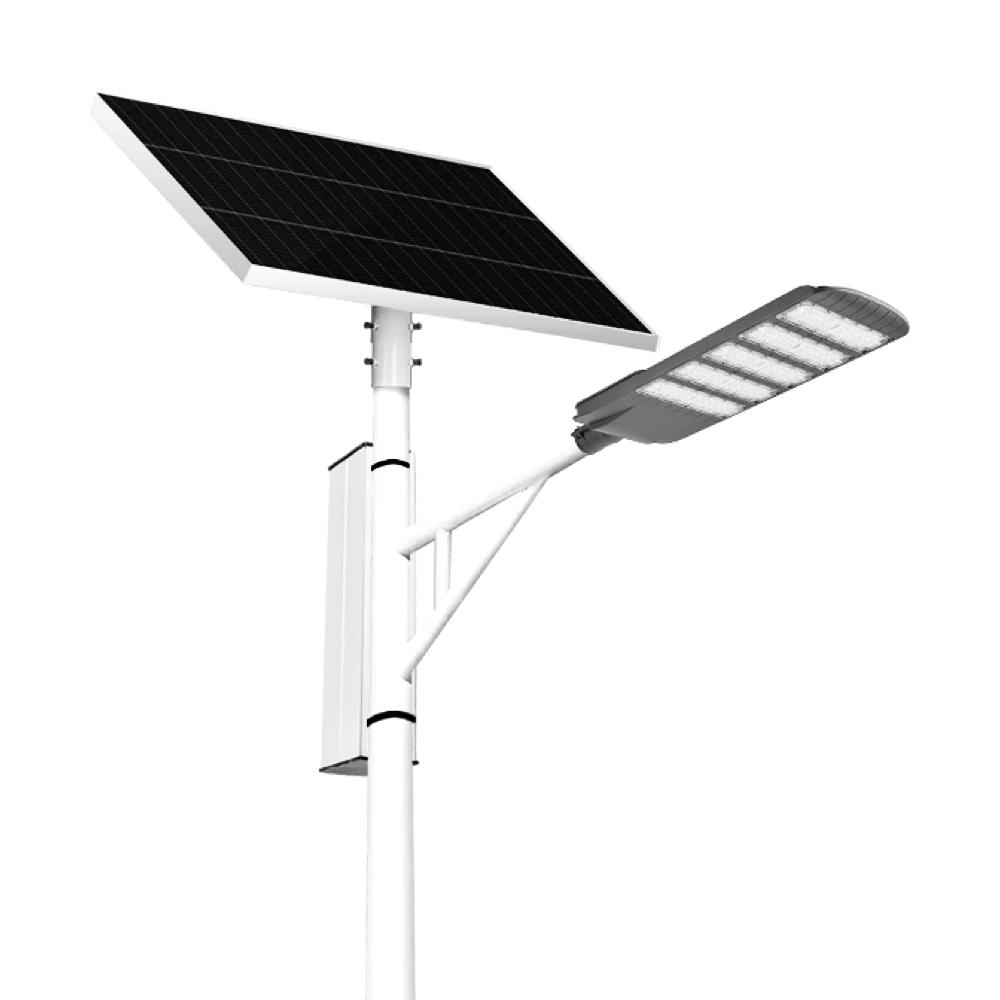
The Solar Streetlights of Luhao for Municipalities are designed to deliver reliable, energy-efficient, and cost-effective public lighting solutions. Equipped with advanced LED technology, durable lithium batteries, and high-efficiency solar panels, these streetlights provide consistent illumination for roads, parks, residential areas, and government projects.
Our professional team is ready to answer any questions and provide personalized support for your project.
You can reach us via phone or email to learn more about Queneng’s solar lighting solutions. We look forward to working with you to promote clean energy solutions!
Rest assured that your privacy is important to us, and all information provided will be handled with the utmost confidentiality.
By clicking 'Send Inquiry Now' I agree to Queneng processing my personal data.
To see how to withdraw your consent, how to control your personal data and how we process it, please see our Privacy Policy and Terms of use.
Schedule a Meeting
Book a date and time that is convenient for you and conduct the session in advance.
Have more questions about our products or services?
The messenger of light & power conversion
Environmental protection and intelligent manufacturing are our brand philosophy, and quality assurance and the best user experience are our eternal promises to users.
CONTACT
No.9F, Building F, Cao San Xin Tian Hong Logistics Park, Guzhen Town, Zhongshan City, Guangdong Province, China.
or write [email protected]
WhatsApp: +86 136 2270 1011


