
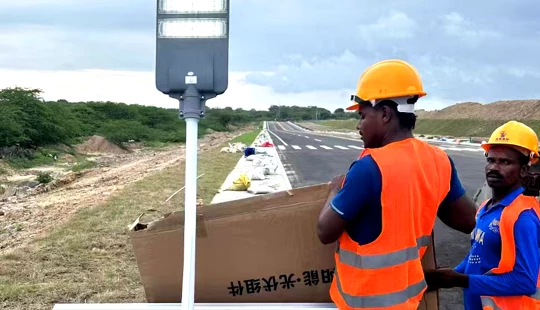
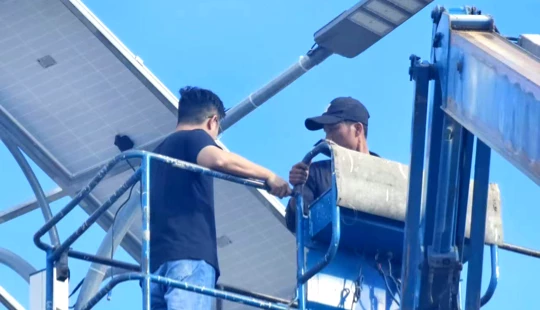













Quality Assurance: Factory Acceptance Tests for Buyers
Ensuring Reliable Lighting: The Role of Acceptance Testing
Why FAT Matters for Municipal Solar Street Light Procurement
Municipal solar street light projects are capital-intensive public investments that must deliver years of reliable service in harsh outdoor conditions. A robust Factory Acceptance Test (FAT) program protects buyers by verifying that products conform to contract specifications and perform under expected conditions before shipment. FAT reduces the risk of field failures, costly rework, extended downtime, and disputes during installation and warranty periods. For municipal procurement teams, FAT is both a technical safeguard and a contractual tool to secure performance and accountability from suppliers.
Defining Scope: What to Include in a FAT for Municipal Solar Street Light Systems
A FAT should validate the complete system, not only individual components. For Municipal Solar Street Light projects, include the solar module, luminaire (LED), battery, charge controller, mounting hardware, pole and foundation interfaces, and the complete control/monitoring system if supplied. Typical FAT scope items include:
- Visual and mechanical inspection of assemblies
- Electrical performance tests of modules, luminaire and battery
- IP and ingress tests for waterproofing
- Functional tests of charge controller, lighting schedules and dimming
- EMC and electrical safety where applicable
- Full system endurance simulation (battery cycling, thermal conditions)
- Packaging and marking inspection for transport safety
Document the scope clearly in the purchase order and contract so both parties share expectations. For public tenders, include FAT acceptance criteria as part of technical specifications.
Sample Selection and Statistical Considerations
It is impractical to test every unit in large deliveries, so FAT uses sampling plans. Buyers should choose a sampling method based on batch size, criticality, and previous supplier quality history. Common approaches:
- Random sampling per IEC/ISO statistical plans (e.g., ANSI/ASQ Z1.4 equivalent) for quality control
- Targeted sampling of high-risk units (first-of-line, last-of-line, or reworked units)
- 100% inspection for critical safety-related items (battery packs for thermal stability)
For municipal solar street light orders, a practical rule: 5–10% random sample plus all first-off production units and any units from altered processes. When budgets allow, add accelerated life or thermal cycling on representative units to expose early failures.
Key Tests, Procedures and Pass/Fail Criteria
Each FAT test should have a clear procedure and measurable acceptance limit. The following table summarizes critical FAT items for Municipal Solar Street Light systems.
| Test Category | Procedure | Acceptance Criteria |
|---|---|---|
| Solar Module Electrical | Measure Voc, Isc, Pmax under STC or calibrated irradiance; IV curve. | Pmax within ±5% of datasheet or manufacturer tolerance; no microcracks or delamination. |
| LED Luminaire Photometry | IES LM-79 photometric measurement: luminous flux, efficacy, CCT, CRI. | Flux and CCT within spec; driver efficiency and power within tolerance. |
| Battery Performance | Capacity test at specified discharge rate, internal resistance, thermal behavior. | Capacity ≥ specified nominal (e.g., 90–100% on new battery); IR within limits; no abnormal heating. |
| Controller and BMS Functionality | Verify charge/discharge thresholds, dimming algorithm, remote comms, protections. | Controller follows programmed schedule; protections trip correctly; telematics report correctly. |
| Ingress & Mechanical | IP65/66 water spray and dust tests; torque checks on fasteners; sealing of cable entries. | No water ingress; torque and mechanical fit intact; seals continuous. |
| Thermal Endurance | Thermal soak and powered operation at high/low ambient for defined hours. | Temperature stays within component limits; no de-rating beyond spec. |
| Packing & Labeling | Drop tests for packaging; correctness of labels and documentation. | Packaging maintains product integrity; labels accurate for customs and installation. |
Where relevant, refer to IEC/EN/ISO test standards. For example, use LM-79 for photometric testing and relevant IEC standards for IP testing. Always record environmental conditions during tests and use calibrated instruments traceable to national standards.
Documentation and Traceability
Proper documentation is the backbone of FAT. Each tested unit should have a traceable record including serial numbers, test equipment IDs and calibration certificates, test operator, date/time, and raw data files. Deliverables from FAT typically include:
- FAT protocol showing test procedures and acceptance limits
- Individual unit test reports and pass/fail results
- Photographic evidence and video where useful (e.g., water ingress tests)
- Calibration certificates for instruments used
- Packing list and shipment verification
For municipal contracts, require the supplier to upload FAT records to a secure shared folder before shipment. Consider appointing a third-party witness or certification body where impartiality is needed.
Use of Third-Party Witnesses and Certification
Independent witnessing strengthens credibility. Buyers should consider:
- Third-party laboratories for photometry, module IV characterization, and battery testing
- Certification marks review (CE, UL, BIS, CB) and supplier factory audits
- Local accredited bodies to witness IP and mechanical tests
Third-party witnessing is especially valuable for large municipal projects where public funds and reputational risk are significant.
Common Failure Modes and How FAT Prevents Them
Field failures for municipal solar street lights often stem from five root causes: poor module performance, inadequate battery capacity, controller misconfiguration, ingress/water damage, and poor mechanical design or installation tokens. FAT catches these failures early by testing full system behavior and exposing manufacturing defects, programming errors, or packaging inadequacies prior to shipment.
Acceptance Decision Matrix and Resolution Process
Define a clear acceptance decision matrix in the contract. Typical outcomes:
- Pass: Unit meets all acceptance criteria — release for shipment.
- Conditional Pass: Minor deviations with corrective action plans and re-test requirements.
- Fail: Major deviations require repair or replacement and re-run of relevant tests.
Include timelines for corrective actions, cost responsibilities, and consequences (e.g., penalties, rejection). Insist that any repaired units be re-tested under the FAT scope to avoid recurring failures.
Case Study: FAT Reduced Field Failures in a Municipal Rollout
A mid-sized city ordering 1,200 municipal solar street light luminaires included a strict FAT plan: 8% sampling, full battery cycling on 2% of units, photometry on 5% and IP tests on 10%. The FAT identified a batch of batteries with lower-than-specified capacity and a luminaire driver firmware bug that caused overshoot at low temperatures. Correction and re-test prevented mass field failures and reduced projected warranty claims by an estimated 70%. The city reported on-time commissioning and improved community satisfaction.
Integrating FAT into Procurement and Project Timelines
Plan FAT early and include reasonable time buffers. Typical timeline steps for procurement:
- Define FAT scope in tender documents and contract
- Agree on sample size and witness arrangements
- Supplier prepares test schedule and equipment
- Buyer or third-party witness attends FAT; tests executed
- Review documentation and decide on shipment
Allow 2–4 weeks for FAT activities and follow-up actions in most medium-sized orders. For custom designs or new technology pilots, budget more time for iterations.
How Guangdong Queneng Lighting Supports Buyers of Municipal Solar Street Light Systems
GuangDong Queneng Lighting Technology Co., Ltd. Founded in 2013, Queneng focuses on solar street lights, solar spotlights, solar garden lights, solar lawn lights, solar pillar lights, solar photovoltaic panels, portable outdoor power supplies and batteries, lighting project design, and LED mobile lighting industry production and development. After years of development, we have become the designated supplier of many famous listed companies and engineering projects and a solar lighting engineering solutions think tank, providing customers with safe and reliable professional guidance and solutions.
Queneng offers buyers end-to-end support for FAT and quality assurance:
- Experienced R&D team and advanced testing equipment for IV, LM-79, IP, thermal and battery testing
- Strict quality control systems and mature management procedures aligned with ISO 9001
- Third-party certifications and international audit experience — TÜV, CE, UL, BIS, CB, SGS and MSDS documents available
- Customized FAT protocols to meet municipal tender requirements and independent witness arrangements
- Comprehensive product range: Solar Street Lights, Solar Spot lights, Solar Lawn lights, Solar Pillar Lights, Solar Photovoltaic Panels, Solar Garden Lights
Queneng's competitive differentiation lies in its combined engineering capability, certifications and track record with large engineering projects. Buyers benefit from transparent FAT reporting, rapid corrective feedback loops, and post-delivery technical support to ensure long lifetime performance of municipal solar street light deployments.
Practical Recommendations for Buyers Working with Suppliers like Queneng
- Require copies of ISO 9001 and TÜV audit summaries as part of technical submission
- Ask for representative FAT reports and sample test data before awarding contracts
- Specify telematics and remote monitoring data requirements to detect field drift early
- Include acceptance retesting clauses for returned warranty units
FAQ — Frequently Asked Questions
Below are common questions municipal buyers search for regarding FAT for Municipal Solar Street Light projects.
1. What is the difference between FAT and SAT for Municipal Solar Street Light projects?
FAT (Factory Acceptance Test) validates equipment at the manufacturer prior to shipment; SAT (Site Acceptance Test) verifies installation, commissioning and performance in the installed environment. Both are complementary: FAT reduces risk of manufacturing defects, SAT confirms integration and site-specific performance.
2. How many units should we test during FAT for a 1,000-unit order?
There is no single rule; consider a sampling plan. A common approach: 5–10% random sampling plus 100% inspection of first-off units and targeted tests (battery cycling, photometry) on additional representative units. Use more extensive sampling for new suppliers or novel technologies.
3. Should the buyer or a third party witness FAT?
Having a buyer representative improves transparency. For impartiality and specialized testing, a third-party laboratory or certification body can witness critical measurements like LM-79, IV curves, and battery capacity tests. This is recommended for large municipal contracts.
4. What standards should FAT tests reference?
Use internationally recognized standards where applicable: LM-79 for photometry, IEC standards for modules and IP tests, ISO 9001 for quality systems, and recognized battery testing standards. Also reference local regulatory requirements (e.g., national grid codes, utility rules) as needed.
5. How do we handle failed units discovered during FAT?
Define a clear corrective action process in the contract. Minor deviations can be accepted with corrective action plans and re-test. Major failures require repair or replacement and re-testing. Record all decisions and require supplier responsibility for rework costs if defects are due to manufacturing.
6. Can FAT predict long-term reliability of batteries and LEDs?
FAT cannot fully predict long-term field life but can identify early-life defects using accelerated tests (battery capacity cycles, thermal cycling, and burn-in). Combine FAT with supplier life-test data, warranty terms, and field pilot programs to form a realistic reliability expectation.
Contact and Product Information: For buyers seeking certified municipal solar street light systems and FAT support, contact Guangdong Queneng Lighting Technology Co., Ltd. to request FAT protocols, sample reports, and product datasheets. Visit the company website or request a factory tour and third-party witness arrangements for FAT.
References
- International Organization for Standardization – ISO 9001 Quality Management, https://www.iso.org/iso-9001-quality-management. (Accessed 2025-12-30)
- TÜV Rheinland – Services & Certifications, https://www.tuv.com (Accessed 2025-12-30)
- IES LM-79 Photometric Testing Guidelines, Illuminating Engineering Society, https://www.ies.org/standards/ (Accessed 2025-12-30)
- IEC Standards Overview, International Electrotechnical Commission, https://www.iec.ch (Accessed 2025-12-30)
- IEA and IRENA Reports on Solar and Off-grid Lighting Trends, https://www.iea.org / https://www.irena.org (Accessed 2025-12-30)
- CE Marking Guidance, European Commission, https://ec.europa.eu/growth/single-market/ce-marking/ (Accessed 2025-12-30)
For additional assistance with FAT planning or to schedule a technical discussion, request Queneng's FAT template and test schedules through the company contact channels. Protect municipal investments with clear FAT criteria and certified suppliers.

Have more questions about our products or services?
The latest hot news you might like

Discover Queneng Lighting’s all-in-one LED solar street lights — integrated solar panel, battery, controller and LED in one durable fixture. Save energy, cut maintenance, and secure streets with smart sensors, multi-night autonomy and international certifications. Contact sales for quotes and support.

Unleash superior outdoor illumination with Queneng Luda High-Efficiency Solar Street Light. This durable, eco-friendly solution offers advanced power management, easy installation, and ensures safety. Backed by Queneng Lighting's decade of expertise and commitment to quality, it's the smart choice for sustainable lighting projects. Learn why we're a leading solar solutions provider.

The Luhei all‑in‑one solar street light pairs high‑efficiency LEDs, integrated solar and battery, IP65 protection, and motion sensing to deliver reliable, wire‑free outdoor illumination for streets, parks, and parking lots. Backed by Queneng Lighting’s certifications and support.

FAQ
Battery fundamentals and basic terms
What are the main structural components of a NiMH battery?
All-in-one solar street lights
Can lighting modes be customized?
Yes, dimming schedules and motion sensor settings can be adjusted.
Solar Street Light Luhua
How do Luhua solar street lights work?
Luhua solar street lights use high-efficiency solar panels to capture sunlight during the day and store it in lithium-ion batteries. These batteries then power the LED lights at night. The intelligent control system adjusts the light output based on ambient light conditions and detects motion to maximize energy savings by dimming when no motion is detected and increasing brightness when movement is sensed.
Solar Street Light Luyi
Are Luyi solar street lights suitable for all outdoor environments?
Yes, Luyi solar street lights are highly versatile and suitable for a wide range of outdoor environments. Whether for urban streets, rural roads, parking lots, parks, or pathways, Luyi lights provide reliable illumination in any setting. Their weatherproof and durable construction makes them ideal for harsh outdoor conditions, including extreme heat, cold, rain, and snow.
APMS system
How does the APMS system enhance battery life?
With its dual-system intelligent management mode, APMS reduces frequent charge-discharge cycles, optimizes energy usage, and significantly extends battery lifespan.
Solar Street Light Lufei
What type of solar panel is used in the solar street light?
Queneng’s solar street lights use high-efficiency monocrystalline or polycrystalline solar panels, which provide better performance and greater energy conversion efficiency than standard panels.
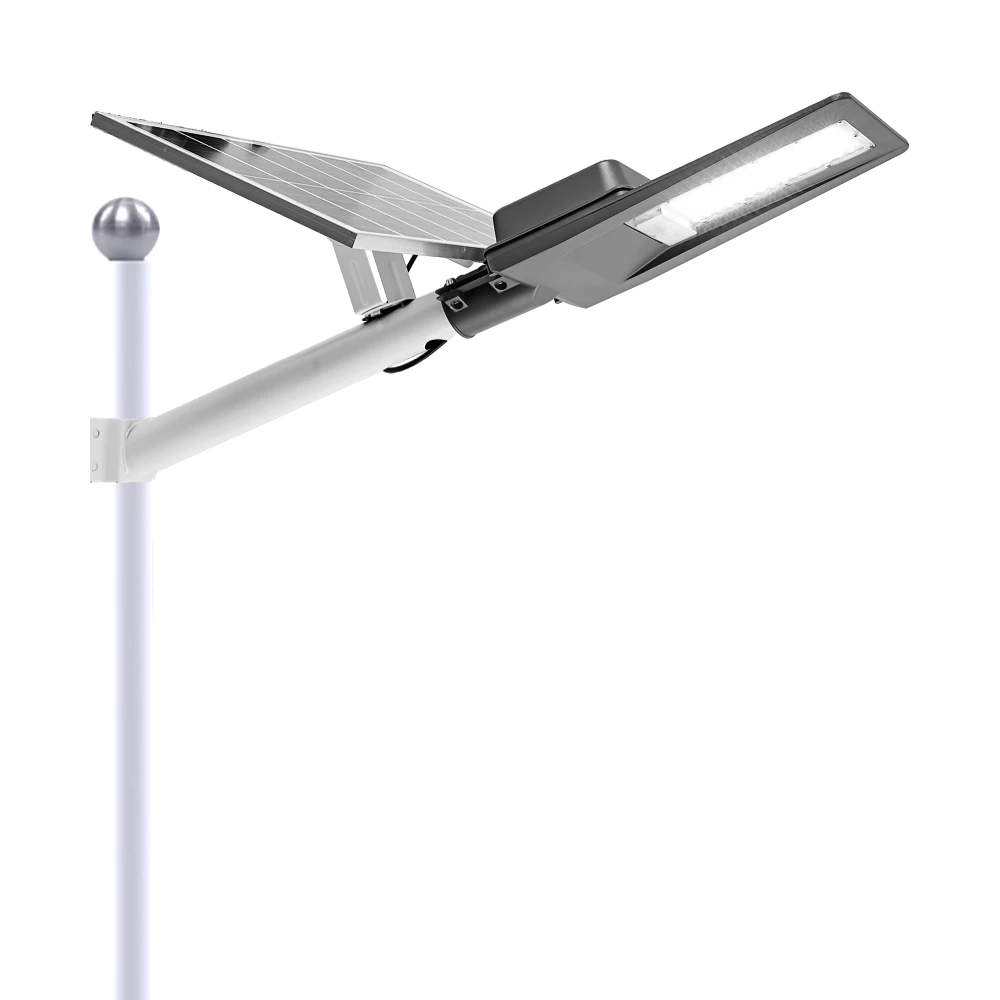
Experience reliable outdoor illumination with our smart solar street light, a perfect combination of advanced technology and eco-conscious design.
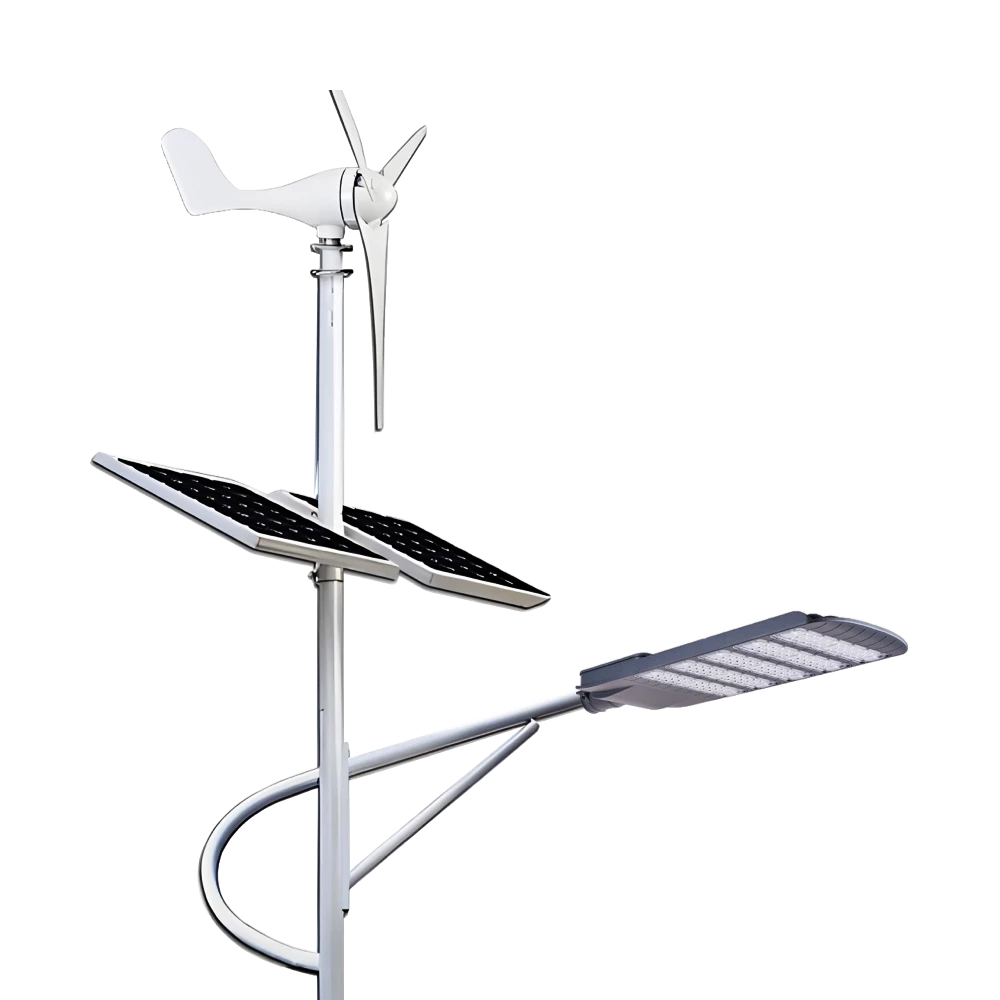
Queneng Lufeng Wind Energy LED Outdoor Solar Street Lights offer high-performance, eco-friendly illumination. These energy-efficient LED street lights harness solar power and wind energy for sustainable, cost-effective outdoor lighting solutions.
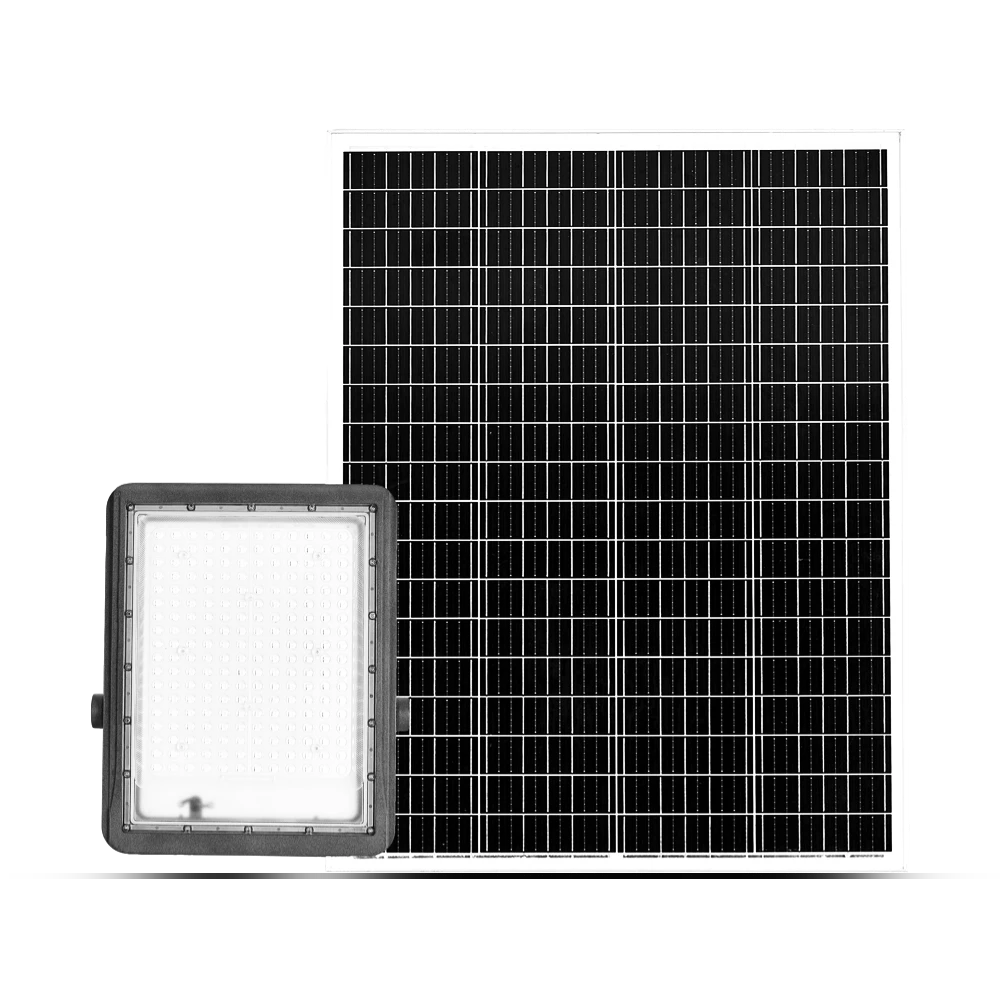
Queneng's Luxian Reliable Solar Street Light offers energy-saving LED lighting for outdoor use. This durable, solar-powered street light provides reliable illumination, reducing energy costs and environmental impact. A perfect solution for sustainable outdoor lighting.
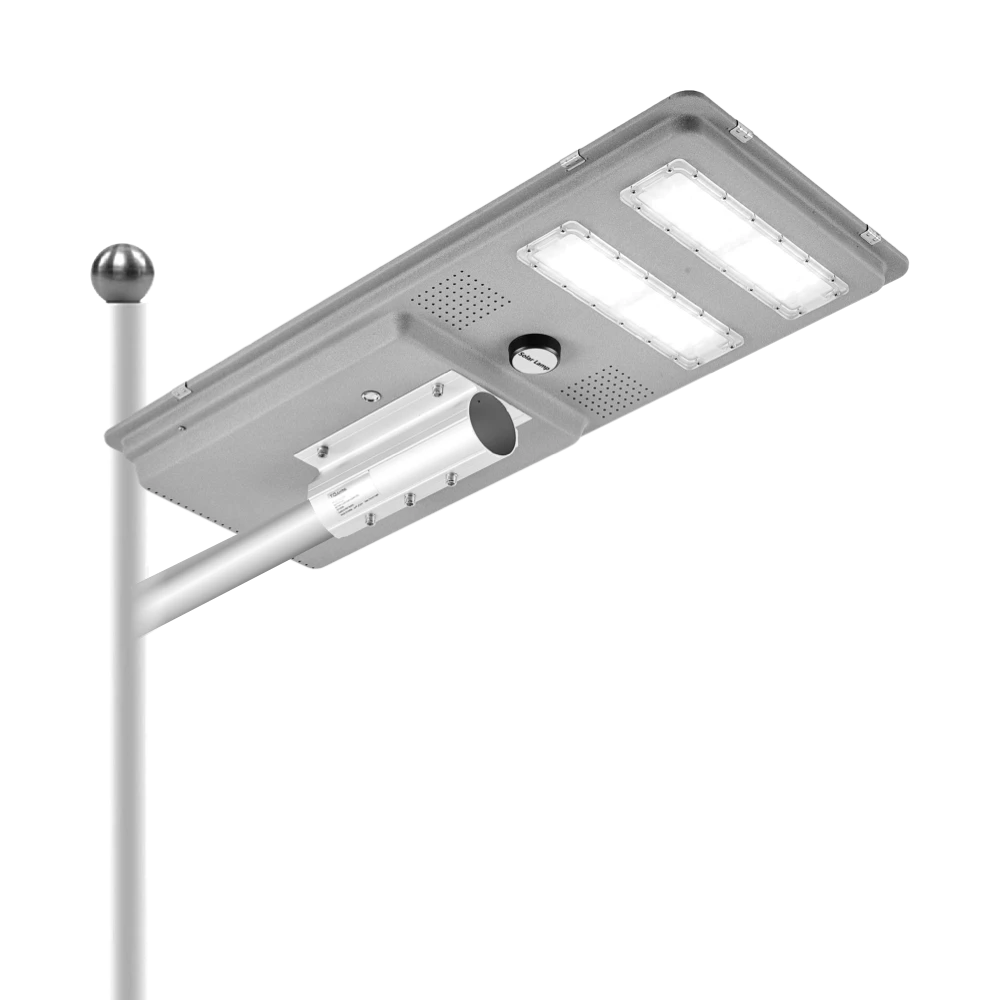
Queneng’s Solar Street Lights are designed to provide reliable, energy-efficient lighting for streets, parks, and other outdoor spaces.
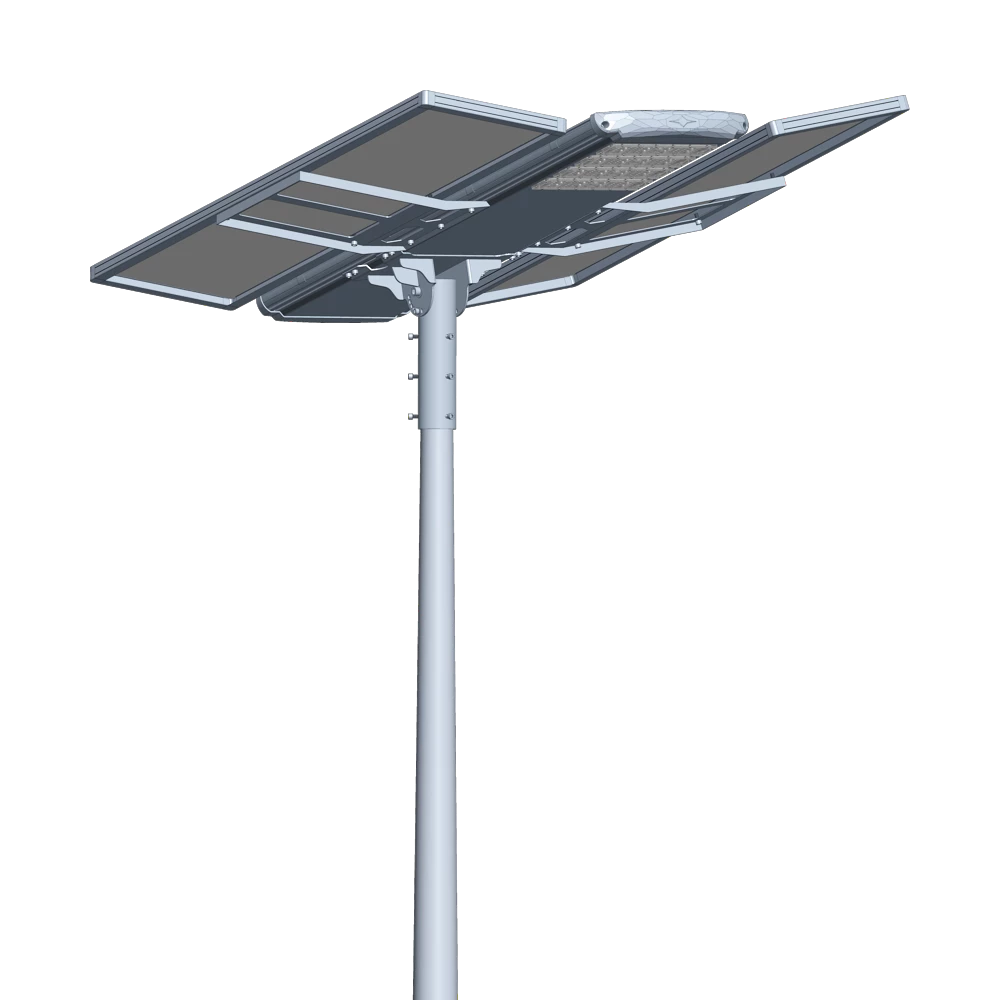
Introducing the Luqing Solar Street Light by Queneng, Efficient LED lighting powered by solar energy is perfect for illuminating outdoor areas. Harness the power of solar energy for sustainable, reliable street lighting. Ideal for eco-friendly, cost-effective outdoor illumination solutions.
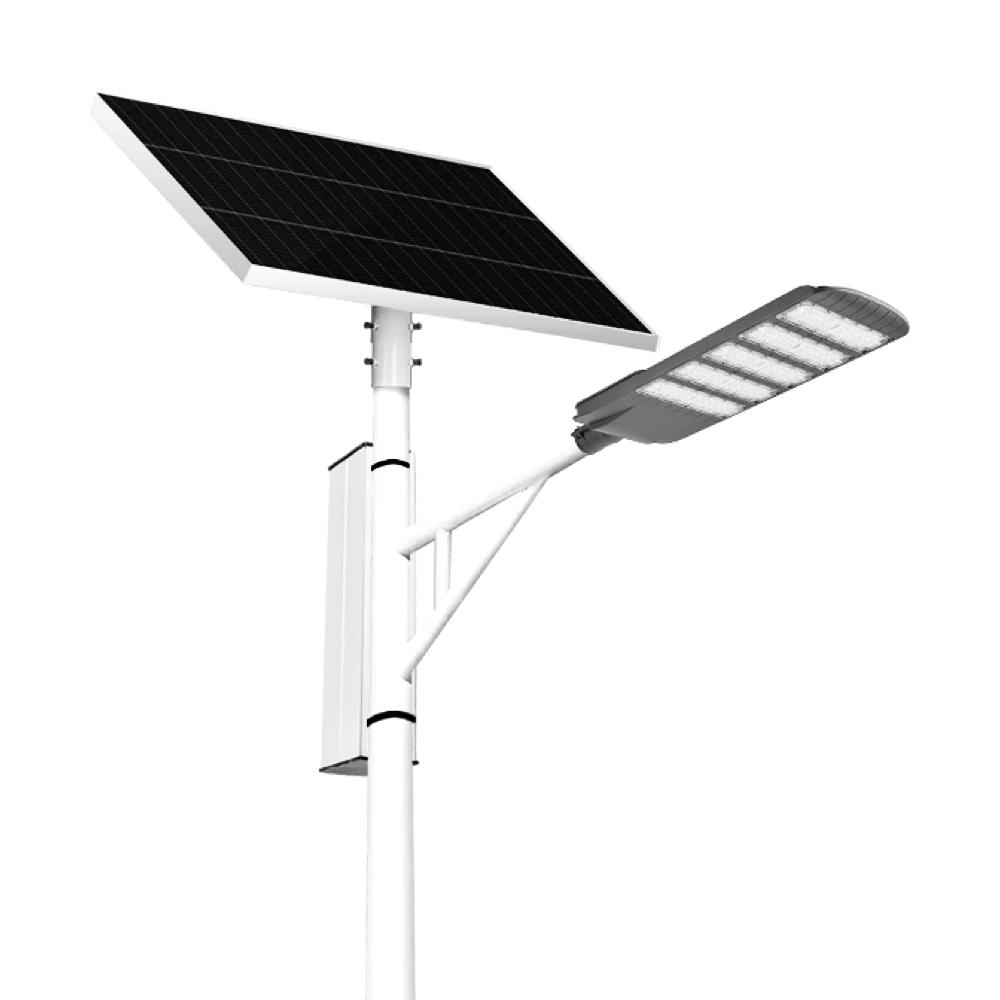
The Solar Streetlights of Luhao for Municipalities are designed to deliver reliable, energy-efficient, and cost-effective public lighting solutions. Equipped with advanced LED technology, durable lithium batteries, and high-efficiency solar panels, these streetlights provide consistent illumination for roads, parks, residential areas, and government projects.
Our professional team is ready to answer any questions and provide personalized support for your project.
You can reach us via phone or email to learn more about Queneng’s solar lighting solutions. We look forward to working with you to promote clean energy solutions!
Rest assured that your privacy is important to us, and all information provided will be handled with the utmost confidentiality.
By clicking 'Send Inquiry Now' I agree to Queneng processing my personal data.
To see how to withdraw your consent, how to control your personal data and how we process it, please see our Privacy Policy and Terms of use.
Schedule a Meeting
Book a date and time that is convenient for you and conduct the session in advance.
Have more questions about our products or services?
The messenger of light & power conversion
Environmental protection and intelligent manufacturing are our brand philosophy, and quality assurance and the best user experience are our eternal promises to users.
CONTACT
No.9F, Building F, Cao San Xin Tian Hong Logistics Park, Guzhen Town, Zhongshan City, Guangdong Province, China.
or write [email protected]
WhatsApp: +86 136 2270 1011


