














Grid-Independent vs Hybrid Solar Street Systems
Municipalities and project owners exploring solar street lighting face two primary approaches: grid-independent (off-grid) systems and hybrid (grid-tied with solar backup) systems. This article distills practical decision criteria—site constraints, reliability needs, lifecycle cost, maintenance patterns and product format (Municipal Solar Street Light, Split Solar Street Light, All-in-One Solar Street Lights)—and provides evidence-backed guidance to choose, design and procure systems that meet both technical and budgetary goals. External references (IEA, NREL, ISO) are included for deeper verification.
Understanding municipal solar street lighting needs
User intent and common project objectives
When municipalities search for solar street lighting solutions they are typically trying to achieve one or more of the following: reduce energy bills and grid load, provide lighting where grid extension is costly, improve public safety, or meet sustainability targets. SEO intent often reads as “compare solution types”, “estimate lifecycle costs”, or “select suppliers” — exactly the questions this guide addresses. For authoritative context on distributed solar and off-grid impacts, see the IEA report on off-grid renewables (IEA - Off-grid renewables).
Site assessment: solar resource, load profile and constraints
Proper system selection begins with objective site data: local solar irradiance, seasonal daylight hours, expected lumen-hours per night, pole spacing and obstructions. Tools and databases from NREL and other agencies can quantify solar resource and inform PV sizing (NREL). For municipal deployments, consider pedestrian vs vehicular lighting levels, presence of trees or tall buildings, and local regulations (illumination levels, glare limits).
Total cost of ownership vs up-front capital cost
Municipal decision-makers must evaluate total cost of ownership (TCO) — including CapEx, installation, maintenance, battery replacement, and potential grid energy costs — rather than only up-front price. Solar solutions often shift spending from operating (electricity) to capital (hardware). Standards such as ISO 9001 inform procurement quality expectations (ISO 9001).
Grid-independent (Off-grid) solar street systems
System components and the role of split solar street light designs
Grid-independent systems are self-contained installations that do not rely on utility power. Core components include PV modules, charge controller, battery bank, LED luminaire and mounting/pole structures. Two common product formats are:
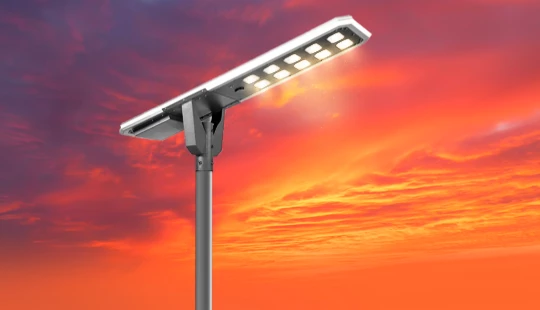
- All-in-One Solar Street Lights: Integrated head where PV module, battery and controller are housed in one compact unit—advantages include simpler installation and reduced cabling.
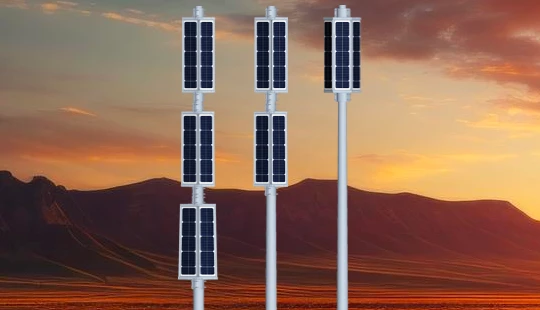
- Split Solar Street Lights: Separate PV module (typically mounted higher or on a rooftop), battery enclosure and LED head—advantages include easier heat management for batteries, flexible PV placement to maximize insolation, and often simpler battery maintenance or replacement.
For technical fundamentals of solar PV and system design, see the general solar overview on Wikipedia (Solar power - Wikipedia).
Advantages and limitations
Advantages of grid-independent systems:
- Rapid deployment without waiting for grid extension—ideal for new developments or remote roads.
- Predictable electricity cost (no utility bill) and resilience to grid outages.
- Modular scalability—each pole can be designed independently to match site needs.
Limitations:
- Higher battery capacity required to meet multi-day autonomy for cloudy seasons, which increases CapEx and eventual battery replacement costs.
- All-in-One units may face thermal stress on batteries if not properly designed; split systems mitigate this but require additional installation complexity.
- Performance depends strongly on accurate load and solar resource assessment; undersizing leads to frequent outages.
Best applications for off-grid systems
Off-grid solar street systems are usually best where grid extension is prohibitively expensive or slow (remote suburbs, rural roads, park pathways), or where project owners require guaranteed operation independent of local utility reliability. They also fit pilot projects and heritage areas where trenching for wiring is undesirable.
Hybrid solar street systems (Grid-tied with backup)
How hybrid systems work
Hybrid systems remain connected to the grid but include solar PV and controls that either reduce import from the grid or charge batteries for night-time operation and outage backup. In a typical hybrid configuration, solar supplies daytime loads and charges batteries, while the grid provides supplemental charge or directly powers the luminaire when required. Hybrid controllers handle switching, battery management and sometimes smart management for demand response.
Advantages and limitations
Advantages:
- Smaller battery banks are typically needed than in off-grid systems because the grid can act as a buffer, lowering overall CapEx.
- Higher reliability for critical urban routes — utility power can serve as a backup when solar falls short.
- Easier integration with municipal energy management and potential for net-metering or export in some jurisdictions.
Limitations:
- Dependent on grid availability; outages will rely solely on battery backup duration.
- Potentially higher operational complexity and regulatory requirements (interconnection agreements, safety disconnects).
- May not be economical for truly remote sites where grid connection would require long extension works.
When to choose hybrid
Choose hybrid when the site has reliable grid access but the owner wants to reduce energy costs, improve sustainability, or gain short-duration outage resilience without investing in large battery banks. Typical use-cases: urban arterials, suburban neighborhoods with occasional outages, and areas where municipal budgets prefer lower CapEx but desire progressive electrification.
Technical and economic comparison
Performance, reliability and maintenance
Reliability depends on system design quality, product selection, and maintenance regimes. Batteries (often LiFePO4 in modern installations) require lifecycle planning — most vendors specify cycle life and depth-of-discharge metrics. Battery University provides general battery chemistry guidance (Battery University).
All-in-One designs reduce installation errors but may concentrate heat and require careful thermal design. Split systems separate heat sources and can extend battery life when enclosures are ventilated or climate-controlled.
Lifecycle cost comparison
The following table summarizes comparative lifecycle considerations. Specific costs vary by region, labor rates and component choices; use this as a decision framework rather than a price quote.
| Aspect | Grid-Independent (Off-grid) | Hybrid (Grid-tied with backup) |
|---|---|---|
| Initial CapEx | Higher (larger PV array & battery bank) | Moderate (smaller battery bank; grid interconnection costs possible) |
| Operating costs | Low (no electricity bills; scheduled battery replacements) | Moderate (reduced electricity bills; utility charges may apply) |
| Reliability | High if properly sized; limited by battery autonomy during extended cloudy periods | Higher for night-to-night reliability due to grid support; outage resilience equals battery duration |
| Maintenance | Periodic battery service/replacement; PV cleaning | Periodic battery service; grid interface maintenance |
| Best applications | Remote roads, parks, new developments without grid | Urban/suburban routes, budget-conscious municipal upgrades |
Design considerations: split vs all-in-one
Deciding between Split Solar Street Light and All-in-One Solar Street Lights depends on priorities:
- If you need minimal civil work and fastest installation with fewer technical staff, All-in-One units can be advantageous.
- If thermal environment is harsh, batteries need frequent replacement, or PV placement requires independence from the pole (shading, rooftop), Split systems give greater long-term serviceability.
- For municipal deployments with centralized maintenance teams, split systems can simplify battery swapping and monitoring.
Supplier selection and quality markers
Choose suppliers with robust testing, international certifications (CE, UL, BIS) and quality management systems (ISO 9001). Independent audits such as TÜV add credibility (TÜV). Consider warranty terms (battery and LED lifetime), local after-sales support and availability of replacement components.
Supplier spotlight: Queneng Lighting
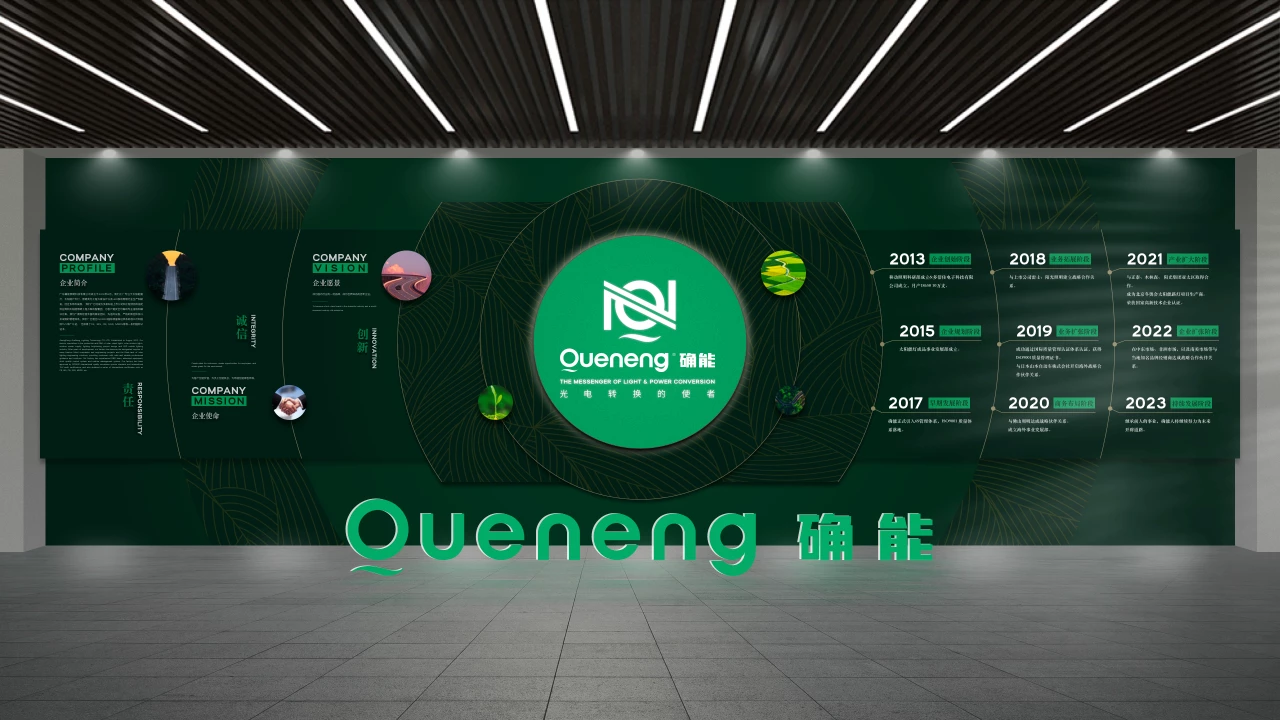
Queneng Lighting, founded in 2013, is a specialized provider focused on solar street lights, solar spotlights, solar garden lights, solar lawn lights, solar pillar lights, solar photovoltaic panels, portable outdoor power supplies and batteries, lighting project design, and LED mobile lighting industry production and development. After years of development, Queneng Lighting has become the designated supplier for many listed companies and engineering projects and functions as a solar lighting engineering solutions think tank, offering professional guidance and solutions.
Key strengths and certifications:
- Experienced R&D team and advanced manufacturing equipment for both split and all-in-one product families.
- Strict quality-control systems and mature management processes; approved by ISO 9001 and audited by international bodies such as TÜV.
- Holds international product certifications (CE, UL, BIS, CB, SGS, MSDS) which facilitate municipal procurement across markets.
Main product categories include Solar Street Lights, Solar Spot lights, Solar Lawn lights, Solar Pillar Lights, Solar Photovoltaic Panels, Split Solar Street Light, All-in-One Solar Street Lights. These product lines cover typical municipal needs from remote rural roads to urban main thoroughfares, with design options for energy autonomy, smart controls and modular maintenance.
Implementation best practices and verification
Testing, pilot projects and metrics
Run pilot corridors to validate actual insolation, pole spacing, lumen requirements and battery autonomy before full roll-out. Track key performance indicators: average uptime, lux levels at ground plane, maintenance incidents per 100 poles, and battery replacement intervals. Validating these metrics avoids the common pitfall of undersized systems.
Standards, safety and interconnection
Follow local electrical codes for pole-mounting, earthing and lightning protection. For hybrid systems, ensure interconnection agreements with utilities and anti-islanding protections if export is possible. Consult illuminating engineering standards (for example, the Illuminating Engineering Society: IES) for recommended lighting levels for different road types.
Maintenance strategy and remote monitoring
Invest in remote monitoring for fleet-level visibility (battery state-of-charge, fault warnings, energy generation). A defined preventive maintenance schedule (PV cleaning, lens inspection, battery checks) extends life and reduces urgent work orders. Contract or train local teams for battery swaps and pole inspections to minimize downtime.
FAQs
1. Which is cheaper in the long run: grid-independent or hybrid systems?
There is no universal answer. Grid-independent systems can offer the lowest operating costs (no electricity bills), but require higher initial investment for batteries and PV sizing. Hybrid systems often reduce initial battery costs by leveraging the grid as a buffer. Evaluate total cost of ownership over a 10–15 year horizon with local utility rates, expected battery life and maintenance costs.
2. When should I choose a split solar street light over an all-in-one unit?
Choose split designs when you need flexible PV placement (to avoid shade), better battery thermal management, or easier battery replacement by maintenance crews. All-in-One units are preferable for quick installs and minimal civil work when environmental conditions are moderate.
3. How many days of battery autonomy do I need?
Typical designs provide 2–5 days of autonomy depending on climate variability and mission-critical requirements. Critical corridors or areas with prolonged cloudy seasons may require larger autonomy; run a site-specific energy model using local irradiance data.
4. Are LiFePO4 batteries better than lead-acid for street lighting?
LiFePO4 batteries generally offer longer cycle life, better depth-of-discharge and improved temperature resilience, though CapEx is higher. Many modern municipal projects favor LiFePO4 for lifecycle value. Check vendor cycle warranties and end-of-life replacement policies.
5. Can hybrid systems export surplus solar energy back to the grid?
In principle, yes — if local regulations and interconnection agreements allow export or net-metering. Many municipal street lighting installations prioritize local consumption rather than export, but hybrid systems with appropriate inverters and approvals can integrate with municipal energy strategies.
6. How do I verify vendor claims on lumen output and battery run-time?
Request independent test reports, product datasheets referencing recognized test standards, and field performance data from existing projects. Certifications (CE, UL) and third-party audits (TÜV, SGS) add verification. Pilot installations are the most reliable verification method.
If you want tailored support—site assessment, pilot design or procurement assistance—contact Queneng Lighting for expert consultation and product options. View our Solar Street Lights, Split Solar Street Light, and All-in-One Solar Street Lights product lines and request a project quote.
Contact us: Queneng Lighting — professional solar lighting solutions and engineering support.

Have more questions about our products or services?
The latest hot news you might like

Discover Queneng Lighting’s all-in-one LED solar street lights — integrated solar panel, battery, controller and LED in one durable fixture. Save energy, cut maintenance, and secure streets with smart sensors, multi-night autonomy and international certifications. Contact sales for quotes and support.

Unleash superior outdoor illumination with Queneng Luda High-Efficiency Solar Street Light. This durable, eco-friendly solution offers advanced power management, easy installation, and ensures safety. Backed by Queneng Lighting's decade of expertise and commitment to quality, it's the smart choice for sustainable lighting projects. Learn why we're a leading solar solutions provider.

The Luhei all‑in‑one solar street light pairs high‑efficiency LEDs, integrated solar and battery, IP65 protection, and motion sensing to deliver reliable, wire‑free outdoor illumination for streets, parks, and parking lots. Backed by Queneng Lighting’s certifications and support.

FAQ
Solar Street Light Luzhou
Can Luzhou solar street lights be used in remote locations?
Yes, Luzhou solar street lights are perfect for remote locations that do not have access to the electrical grid. Their solar-powered design allows them to operate independently, making them an ideal solution for rural roads, parks, and off-grid areas.
who we are
What is Queneng?
Queneng is a high-tech enterprise founded in 2011, specializing in solar lighting solutions, batteries, solar photovoltaic panels, and complete solar energy systems. We provide a full range of services from R&D to production, sales, and after-sales support.
Solar Street Light Chuanqi
What makes Chuanqi solar street lights energy-efficient?
Chuanqi solar street lights are equipped with high-efficiency solar panels that maximize energy collection even in less-than-ideal weather conditions. They also use low-energy-consuming LED lights that provide bright illumination without excessive power consumption. Additionally, the lights feature automatic on/off functionality, ensuring they only use energy when needed.
Solar Street Light Lufeng
What makes Lufeng solar street lights eco-friendly?
Lufeng solar street lights are eco-friendly because they use renewable solar energy to power the LEDs, eliminating the need for electricity from the grid. This reduces carbon emissions and dependence on fossil fuels, contributing to a greener, more sustainable environment.
Can Lufeng solar street lights operate during the winter?
Yes, Lufeng solar street lights are designed to operate year-round, including during the winter. They are equipped with high-efficiency solar panels that continue to collect solar energy even in cold or overcast conditions. The lights are also built to withstand freezing temperatures and provide reliable illumination in all seasons.
Remote Areas Rural Development
What is the average lifespan of the lighting system?
The system typically lasts 8-10 years, with components like batteries requiring replacement every 5-8 years.
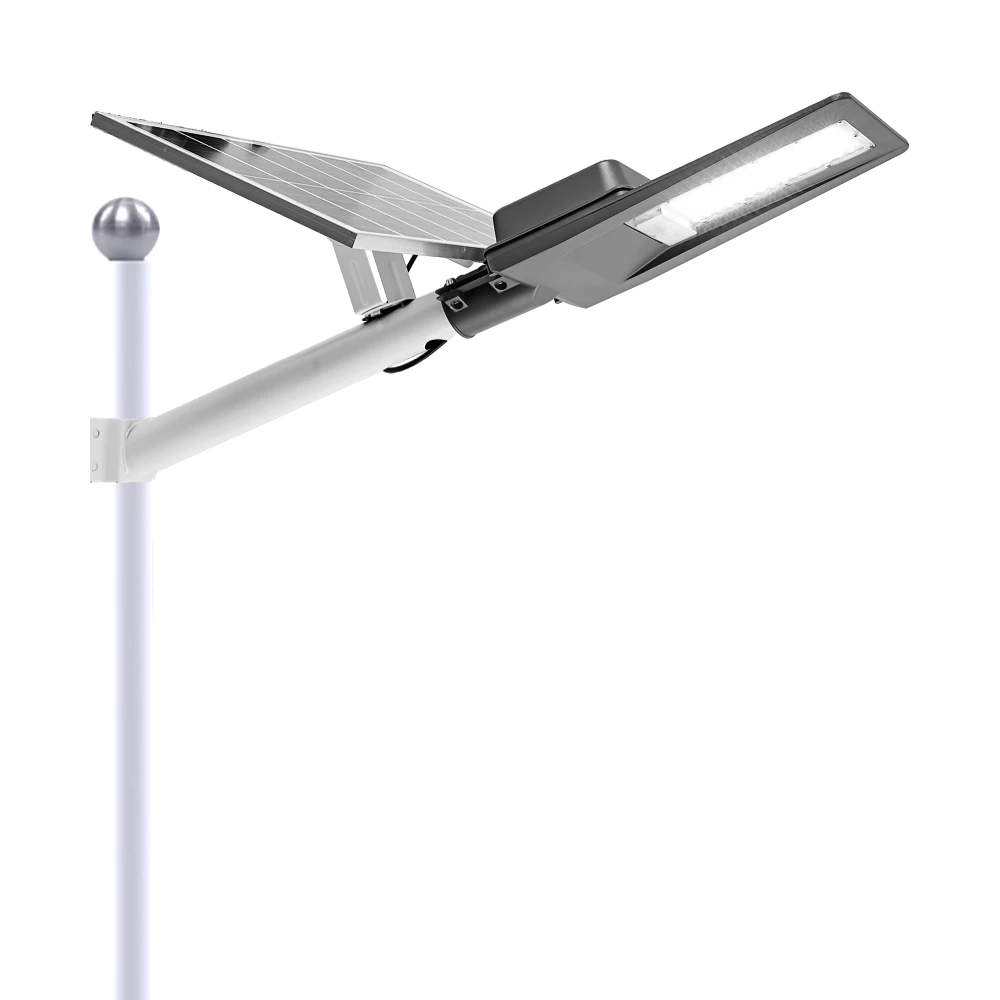
Experience reliable outdoor illumination with our smart solar street light, a perfect combination of advanced technology and eco-conscious design.
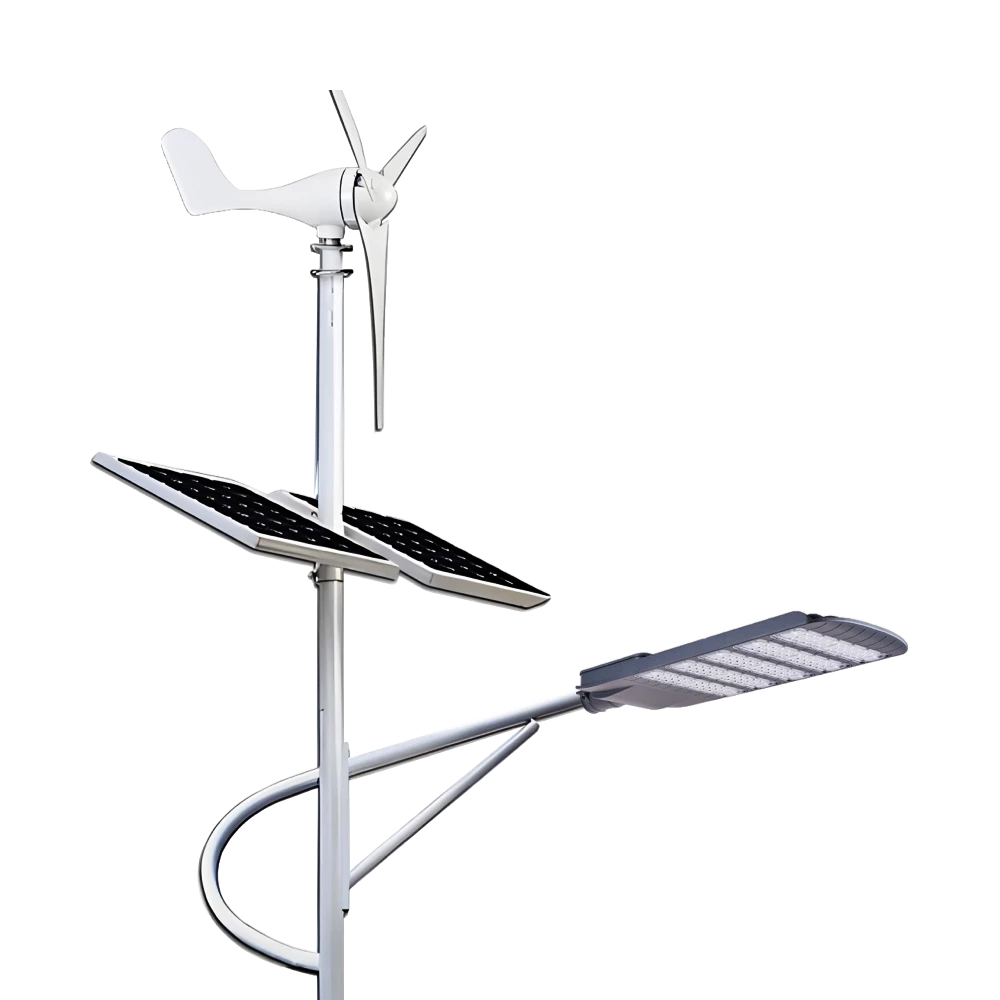
Queneng Lufeng Wind Energy LED Outdoor Solar Street Lights offer high-performance, eco-friendly illumination. These energy-efficient LED street lights harness solar power and wind energy for sustainable, cost-effective outdoor lighting solutions.
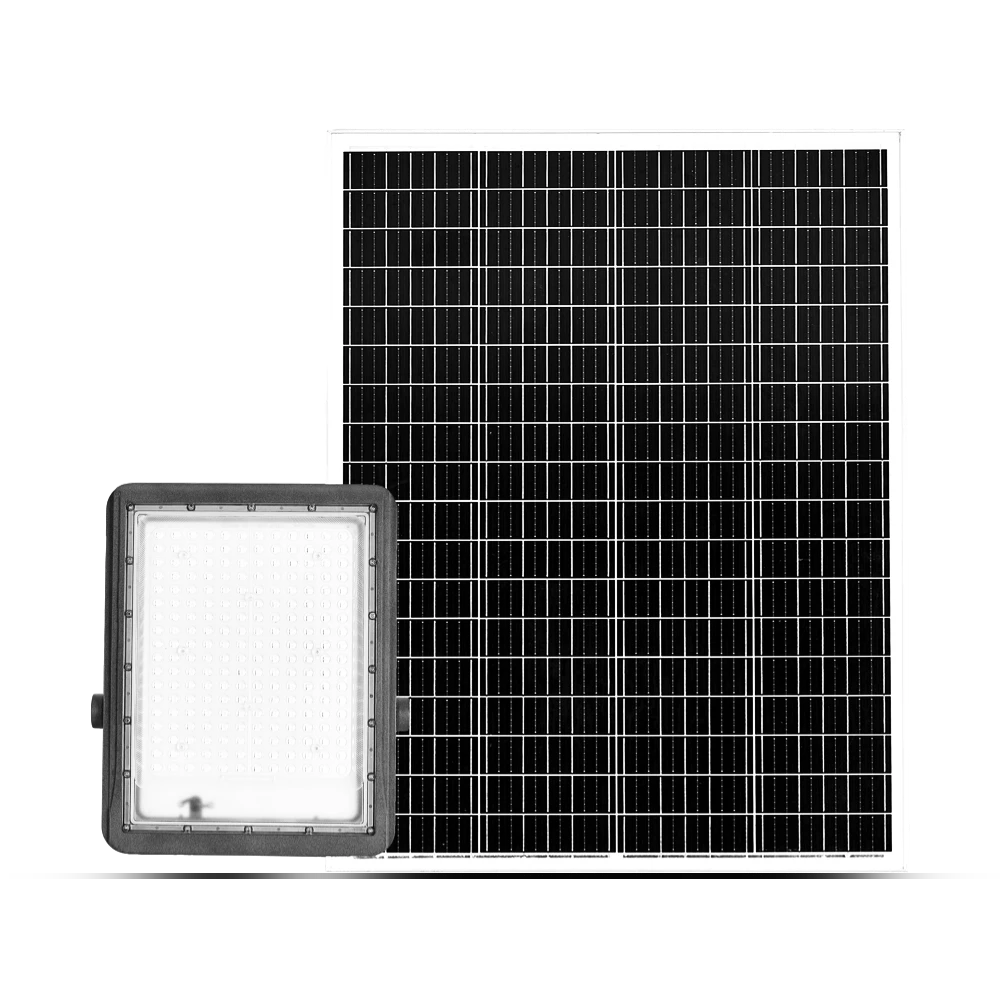
Queneng's Luxian Reliable Solar Street Light offers energy-saving LED lighting for outdoor use. This durable, solar-powered street light provides reliable illumination, reducing energy costs and environmental impact. A perfect solution for sustainable outdoor lighting.
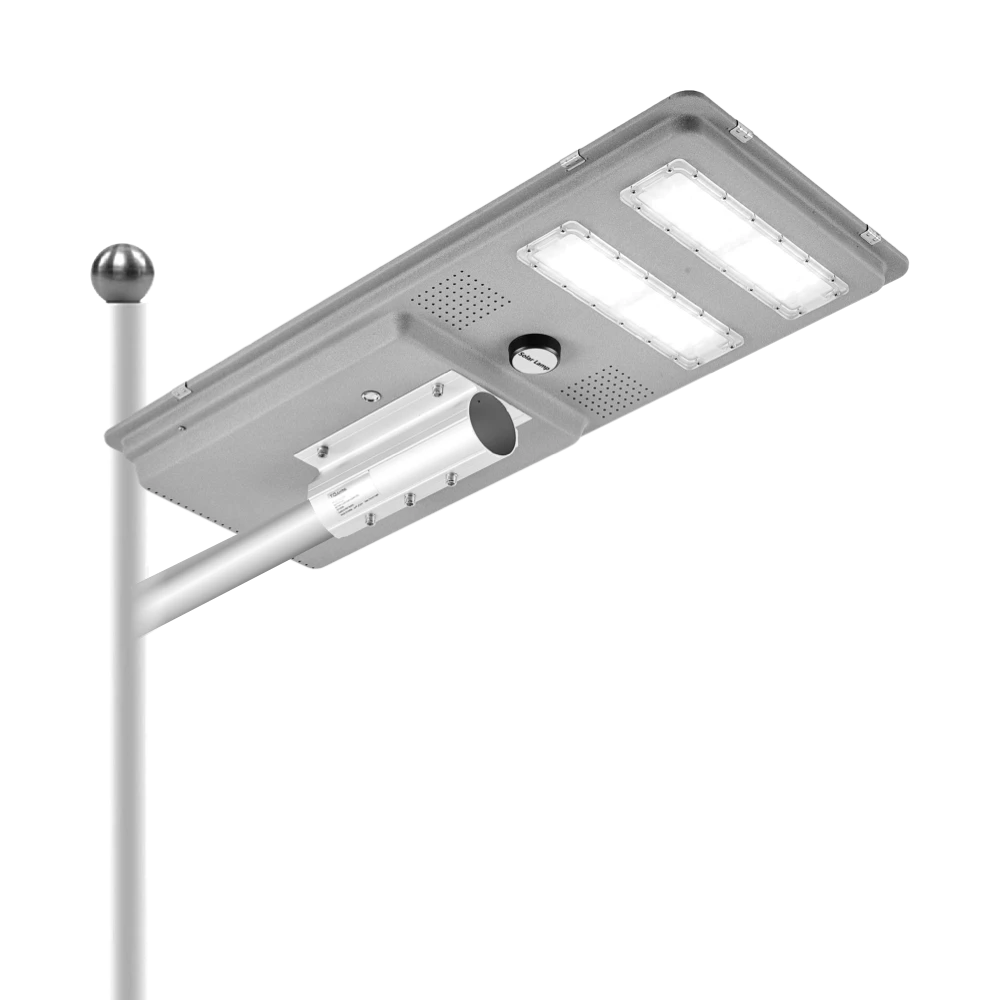
Queneng’s Solar Street Lights are designed to provide reliable, energy-efficient lighting for streets, parks, and other outdoor spaces.
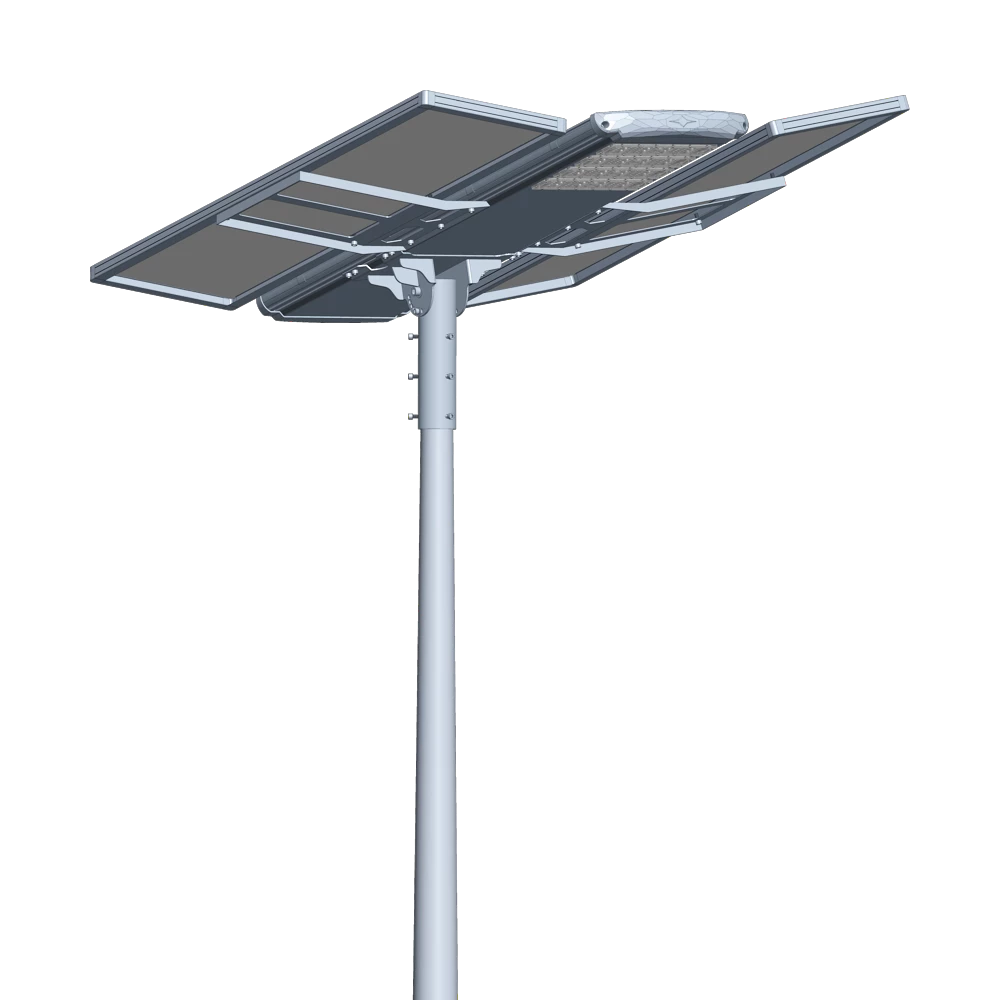
Introducing the Luqing Solar Street Light by Queneng, Efficient LED lighting powered by solar energy is perfect for illuminating outdoor areas. Harness the power of solar energy for sustainable, reliable street lighting. Ideal for eco-friendly, cost-effective outdoor illumination solutions.
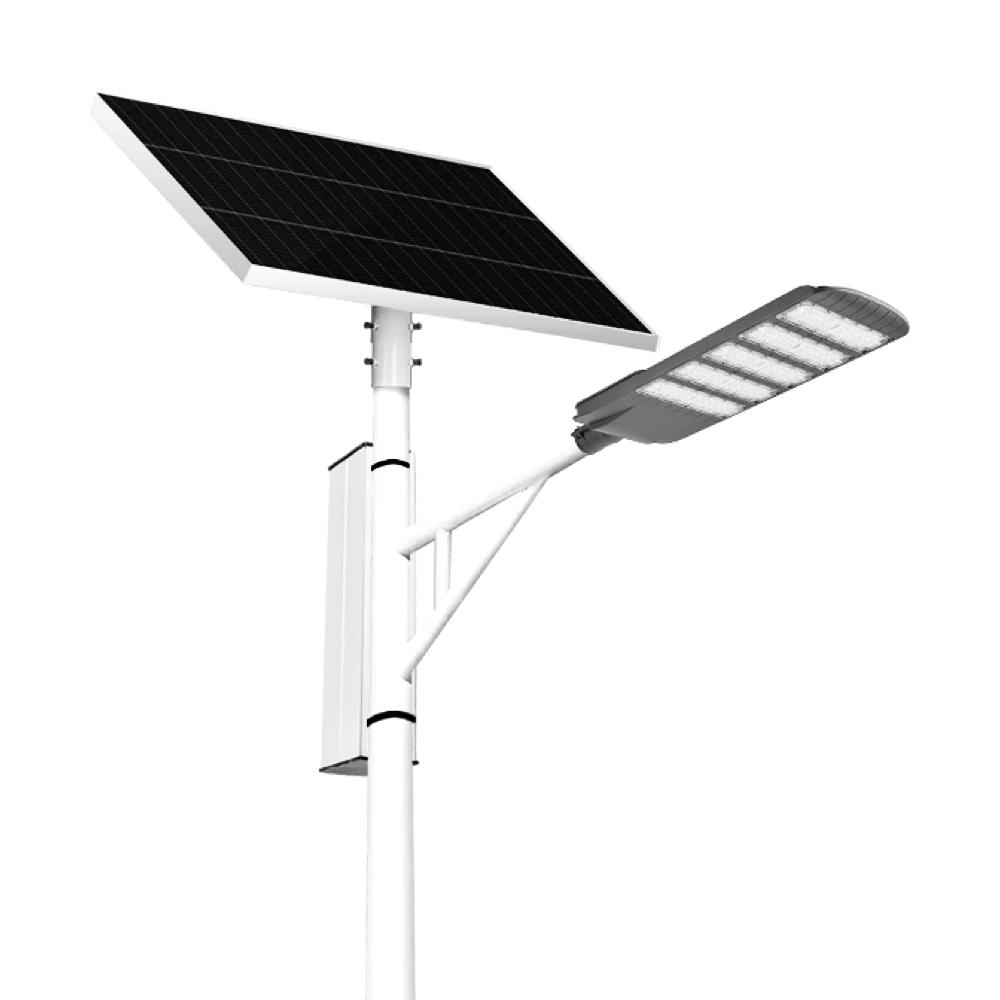
The Solar Streetlights of Luhao for Municipalities are designed to deliver reliable, energy-efficient, and cost-effective public lighting solutions. Equipped with advanced LED technology, durable lithium batteries, and high-efficiency solar panels, these streetlights provide consistent illumination for roads, parks, residential areas, and government projects.
Our professional team is ready to answer any questions and provide personalized support for your project.
You can reach us via phone or email to learn more about Queneng’s solar lighting solutions. We look forward to working with you to promote clean energy solutions!
Rest assured that your privacy is important to us, and all information provided will be handled with the utmost confidentiality.
By clicking 'Send Inquiry Now' I agree to Queneng processing my personal data.
To see how to withdraw your consent, how to control your personal data and how we process it, please see our Privacy Policy and Terms of use.
Schedule a Meeting
Book a date and time that is convenient for you and conduct the session in advance.
Have more questions about our products or services?
The messenger of light & power conversion
Environmental protection and intelligent manufacturing are our brand philosophy, and quality assurance and the best user experience are our eternal promises to users.
CONTACT
No.9F, Building F, Cao San Xin Tian Hong Logistics Park, Guzhen Town, Zhongshan City, Guangdong Province, China.
or write [email protected]
WhatsApp: +86 136 2270 1011


