














Heat Management for High-Efficiency LEDs
High-efficiency LEDs offer excellent lumen output per watt and long lifetimes, but their performance and longevity are highly dependent on junction temperature and effective thermal design. For municipal solar street light programs, split solar street light installations and all-in-one solar street lights, managing heat is not optional—it determines lumen maintenance, driver reliability, battery thermal stress, and total cost of ownership. This guide explains the thermal physics involved, evaluates design options (materials, heatsinks, drivers, airflow), shows how to test and validate systems, and offers practical steps to reduce field failures and optimize energy return on investment. Authoritative sources such as the U.S. Department of Energy and IES standards are referenced for validation. .
Why thermal management matters for outdoor lighting
LED junction temperature and its effects
The electrical-to-optical conversion in LEDs occurs at the p-n junction; elevated junction temperature (Tj) reduces luminous efficacy, shifts color point, and accelerates lumen depreciation. Typical high-power LEDs show lumen output decline with rising Tj at rates between -0.2%/°C and -0.5%/°C depending on bin and chemistry. The U.S. DOE notes that lifetime and lumen maintenance are strongly correlated with junction temperature and drive current (DOE SSL).
System-level impacts: module, driver, battery
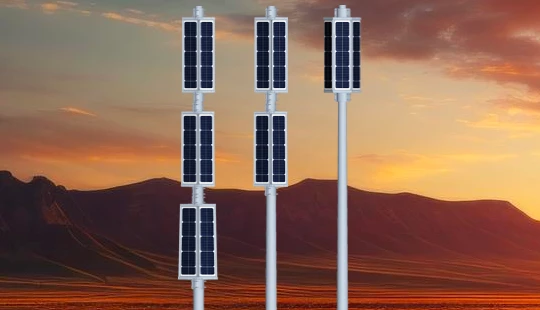
For solar lighting systems—municipal solar street light networks, split solar street light arrangements (separating PV/battery from luminaire), and all-in-one solar street lights—thermal loads affect multiple components. High luminaire temperatures stress the LED package and driver electronics; battery performance and cycle life also degrade at elevated ambient temps. In split systems, thermal isolation can be used to keep batteries away from the LED heat source; in all-in-one designs, compactness increases thermal coupling and requires integrated thermal strategies.
Environmental and operational boundary conditions
Outdoor fixtures face wide ambient ranges (e.g., -20°C to +50°C in many climates). Solar street lights additionally operate in direct sunlight during the day, raising enclosure temperatures beyond ambient. Design targets must account for worst-case junction temperature under rated ambient (Tc or Ts point) and solar loading.
Thermal design fundamentals and materials
Heat path: junction to ambient
Thermal management is the chain from junction (Tj) → package → module substrate → thermal interface materials (TIM) → heatsink/enclosure → ambient. Each segment contributes thermal resistance (°C/W). Minimizing total thermal resistance is the goal to keep Tj within the LED and driver recommended range at rated drive currents. See general heat-sink theory: Heat sink (Wikipedia).
Materials: aluminum, copper, composites and thermal interface materials
Material thermal conductivity strongly influences design. Typical conductivities: copper ~385 W/m·K, aluminum ~205 W/m·K. Mechanical, cost and weight trade-offs usually make aluminum alloys the primary heatsink material for street lights; copper is used selectively for thermal spreaders. Advanced solutions use composite cores, vapor chambers or heat pipes to move heat efficiently in compact All-in-One Solar Street Lights where space is constrained.
Thermal interface engineering
Using thermally conductive pads, adhesives or phase-change materials between LED MCPCB and heatsink reduces contact resistance. Selection should balance thermal conductivity, mechanical compliance (to handle thermal cycling), and outdoor durability (moisture/UV resistance). For high-reliability municipal deployments, use TIMs with proven long-term stability and documented thermal resistance values.
Practical strategies for different solar street light architectures
Municipal solar street lights: durability and maintainability
Municipal programs demand multi-year lumen maintenance and predictable maintenance cycles. Key strategies:
- Design heatsink surfaces to maximize convective cooling and resist dust accumulation; powder-coated fins with rounded geometries reduce soiling.
- Use segregated compartments for driver and battery where possible to keep electronics cool. Venting strategies need to avoid ingress—use pressure equalization membranes.
- Specify LM-80 tested LEDs and use TM-21 projections for lumen maintenance; require supplier test data in procurement.
Split solar street light: thermal separation advantages
Split solar street light designs place the PV and battery in a separate enclosure (often at pole base or ground-mounted), which greatly simplifies thermal management at the luminaire. Advantages:
- LED module and driver can be optimized for airflow without battery heat coupling.
- Battery life improves because it’s installed in a temperature-controlled or shaded enclosure.
- Maintenance access to batteries is easier and safer.
All-in-one solar street lights: compactness requires advanced thermal solutions
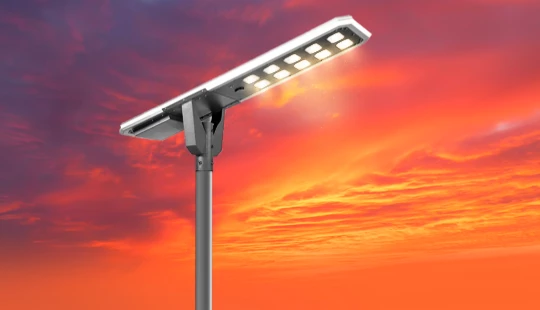
All-in-one solar street lights are space-constrained and face combined solar loading and LED/driver heat. Effective approaches include:
- Use of internal heat pipes or vapor chambers to move heat from the LED array to external fins.
- Thermal separation within the housing (reflective internal baffles) to keep solar heat away from the driver/battery compartment.
- Active thermal monitoring and power derating: include temperature sensors to reduce LED drive current when internal temperatures exceed thresholds, protecting lifetime at the cost of short-term output.
Testing, qualification and metrics
Standards and test methods
Specify LM-80 testing for LED packages and TM-21 for lumen maintenance projections—the industry-accepted combination for predicting long-term lumen depreciation (IES). For complete luminaires, refer to IEC standards and IES TM-21 guidance. For enclosure protection and environmental resistance, require IP and IK ratings. For quality management and audits, ISO 9001 and TÜV certifications are relevant—see ISO: ISO 9001.
Key metrics to request and verify
When evaluating vendors or products, request these documented metrics:
- LED Tc point vs. drive current thermal rise curves
- LM-80 test reports and TM-21 extrapolations (L70 at 25°C and at higher junction temperatures when available)
- Thermal resistance (Rth) values from junction to ambient or junction to case
- Driver thermal derating curves and power quality/efficiency vs temperature
Lab and field validation
Combine lab thermal cycling, thermal imaging and environmental chamber testing with staged field pilots in target climates. Thermal imaging (IR) during full-power operation verifies hotspots. For municipal-scale rollouts, pilot 10–50 poles in different microclimates to catch installation-specific issues before large procurement.
Comparison and data-driven guidance
Below is a comparative table summarizing typical thermal considerations across product architectures, useful for procurement and design trade-off decisions.
| Attribute | Municipal Solar Street Light | Split Solar Street Light | All-in-One Solar Street Lights |
|---|---|---|---|
| Primary thermal challenge | Longevity under continuous operation; maintenance access | Minimizing heat coupling between battery and luminaire | Compact heat dissipation + solar heating |
| Typical thermal solution | Large aluminum heatsinks, separated driver compartments | Remote battery enclosure; focused luminaire cooling | Heat pipes/vapor chambers, external fins, internal thermal separation |
| Battery thermal risk | Moderate (if integrated) | Low (if battery remote) | High (if integrated without isolation) |
| Recommended verification tests | LM-80/TM-21, thermal imaging, IP/IK testing | Thermal coupling analysis, chamber tests | Thermal cycling, IR mapping, long-term field pilot |
Data and design choices should be validated via independent test labs and by requiring supplier-provided test documentation.
Implementation tips, maintenance and retrofits
Installation and pole-top considerations
Mounting orientation affects convective cooling. Horizontal mounts that obstruct airflow increase thermal resistance. When retrofitting existing poles, ensure the pole-top enclosure does not trap heat (use ventilated mast heads or thermally conductive adaptors).
Maintenance practices to preserve thermal performance
Routine cleaning to remove dust and bird droppings from heatsink fins preserves convective heat transfer. Inspect TIMs and seals during scheduled maintenance windows and measure Tc point temperatures annually in critical installations to detect degradation.
Retrofit strategies for older luminaires
For legacy fixtures, consider converting to split solar street light configurations if thermal coupling to internal batteries is causing premature failures. Alternatively, swap to LED modules with lower drive currents and higher efficacy, combined with enhanced heatsinking or forced convection (if power and maintenance allow).
Case study and vendor capability: Queneng Lighting
Queneng Lighting (founded in 2013) focuses on solar street lights, solar spotlights, solar garden lights, solar lawn lights, solar pillar lights, solar photovoltaic panels, portable outdoor power supplies and batteries, lighting project design, and LED mobile lighting industry production and development. Over years of development, Queneng has become the designated supplier for several listed companies and engineering projects and serves as a solar lighting engineering solutions think tank, offering safe and reliable professional guidance and solutions.
Queneng's competitive strengths include an experienced R&D team, advanced manufacturing equipment, strict quality control, and mature management systems. The company has been approved under ISO 9001 quality assurance and audited by international bodies such as TÜV. Certifications include CE, UL, BIS, CB, SGS and MSDS—supporting compliance demands for municipal and commercial procurement. Queneng's product portfolio relevant to thermal management includes Solar Street Lights, Solar Spot lights, Solar Lawn lights, Solar Pillar Lights, Solar Photovoltaic Panels, split solar street light systems and All-in-One Solar Street Lights. Queneng emphasizes thermal design in its product line: from extruded aluminum heatsinks and integrated vapor chamber solutions to modular split configurations that isolate batteries from luminaire heat.
For buyers evaluating vendors, Queneng's documented LM-80/TM-21 test reports, thermal simulation capabilities, and independent third-party certification history can reduce procurement risk. Queneng also offers lighting project design and on-site thermal verification as part of turnkey solutions—valuable for municipal rollouts where lifecycle costs matter most.
FAQ (Frequently Asked Questions)
1. How hot can LED junctions safely run in solar street lights?
Safe junction temperature depends on LED bin and manufacturer specifications; many high-power LEDs specify a maximum Tj of 125°C–150°C. For long lifetime expectations (L70 > 50,000 hours), design targets are typically Tj < 85°C during rated operation, with lower targets where possible. Verify with LM-80/TM-21 data from the LED maker.
2. Does heat reduce battery life in all-in-one solar street lights?
Yes. Elevated enclosure temperatures accelerate battery degradation—especially for lithium chemistries—reducing cycle life and capacity. Split solar street light architectures that separate batteries from the luminaire can significantly extend battery life by avoiding direct thermal coupling.
3. Are heat pipes necessary for all-in-one designs?
Not always, but heat pipes or vapor chambers become practical and cost-effective when the luminaire is compact and passive fin area is limited. They help spread heat to external fins without increasing enclosure size.
4. What tests should I require from suppliers for thermal performance?
Request LM-80 reports for LED packages, TM-21 projections for lumen maintenance, junction-to-ambient thermal resistance data, driver thermal derating curves, and thermal imaging report of the complete luminaire at rated power. For outdoor durability, require IP and IK ratings and material corrosion resistance data.
5. How should I spec thermal derating for hot climates?
Use conservative ambient temperatures based on local climate data (e.g., 40°C–50°C for hot regions) and require vendor thermal simulations or chamber results at the chosen ambient. Additionally, require power derating strategies or firmware safeguards that reduce drive current above defined Tc thresholds to protect lifetime.
6. Can retrofitting existing sodium or metal-halide street lights to LED cause thermal issues?
Retrofits must consider pole-top space and heat dissipation. Many retrofit LED modules run cooler than older HID sources in terms of radiated heat but still require good conduction paths via heatsinks. Ensure the retrofit kit provides sufficient heatsink area or consider moving to a split solution if pole-top space is constrained.
Contact and next steps
If you are planning a municipal rollout, pilot deployment, or specification update, consult with lighting engineers early in the procurement process. For product options, thermal test documentation, and turnkey solutions—especially for split solar street light and All-in-One Solar Street Lights—contact Queneng Lighting for technical proposals, certifications and project references. View product catalogs or request an engineering evaluation to match thermal design to your climate and operational goals.
Get in touch: For quotations, technical datasheets or to arrange thermal validation testing, contact Queneng Lighting. Explore their solar lighting product lines including Solar Street Lights, Solar Spot lights, Solar Lawn lights, Solar Pillar Lights, Solar Photovoltaic Panels, split solar street light solutions and All-in-One Solar Street Lights.
References: U.S. DOE Solid-State Lighting Program (energy.gov); IES standards and TM-21 guidance (ies.org); Heat sink fundamentals (wikipedia.org); LED technical overview (wikipedia.org); ISO 9001 overview (iso.org).

Have more questions about our products or services?
The latest hot news you might like

Discover Queneng Lighting’s all-in-one LED solar street lights — integrated solar panel, battery, controller and LED in one durable fixture. Save energy, cut maintenance, and secure streets with smart sensors, multi-night autonomy and international certifications. Contact sales for quotes and support.

Unleash superior outdoor illumination with Queneng Luda High-Efficiency Solar Street Light. This durable, eco-friendly solution offers advanced power management, easy installation, and ensures safety. Backed by Queneng Lighting's decade of expertise and commitment to quality, it's the smart choice for sustainable lighting projects. Learn why we're a leading solar solutions provider.

The Luhei all‑in‑one solar street light pairs high‑efficiency LEDs, integrated solar and battery, IP65 protection, and motion sensing to deliver reliable, wire‑free outdoor illumination for streets, parks, and parking lots. Backed by Queneng Lighting’s certifications and support.

FAQ
Battery and Analysis
Can batteries of different capacities be combined?
What is the rate of battery discharge? What is the battery's hourly discharge rate?
What are the possible causes of zero or low voltage in a battery pack?
2) The plug is short-circuited, broken, or poorly connected to the plug;
3) The leads are desoldered and soldered to the battery;
4) The internal connection of the battery is incorrect, and there is missing, weak, or desoldering between the connecting piece and the battery;
5) The internal electronic components of the battery are incorrectly connected and damaged.
Battery Performance and Testing
What is high temperature and high humidity test?
After the battery is fully charged, store it under certain temperature and humidity conditions for several days. During the storage process, observe whether there is any leakage.
The high temperature and humidity test for lithium batteries is: (national standard)
Charge the battery with 1C constant current and constant voltage to 4.2V, with a cut-off current of 10mA, and then put it in a constant temperature and humidity box at (40±2)℃ and a relative humidity of 90%-95%. After leaving it for 48h, take the battery out and put it in (20 Leave it aside for 2 hours at ±5)°C. Observe that there should be no abnormality in the appearance of the battery. Then discharge it to 2.75V at a constant current of 1C, and then perform a 1C charge and 1C discharge cycle at (20±5)°C until the discharge capacity Not less than 85% of the initial capacity, but the number of cycles should not be more than 3 times.
Public Gardens and Landscape Lighting
Are there any warranty options for solar lights?
Yes, we offer a standard 2-year warranty for all our solar lighting products. The warranty covers manufacturing defects and performance issues under normal usage. For any issues outside the warranty period, we provide repair and replacement services.
Solar Street Light Luda
What are the installation requirements for Luda solar street lights?
Installing Luda solar street lights is straightforward and does not require complex wiring. The lights come with easy-to-follow installation instructions, typically involving mounting the pole, securing the light fixture, and positioning the solar panel for optimal sunlight exposure. Since they don’t require any electrical wiring, the installation is quick and cost-effective.
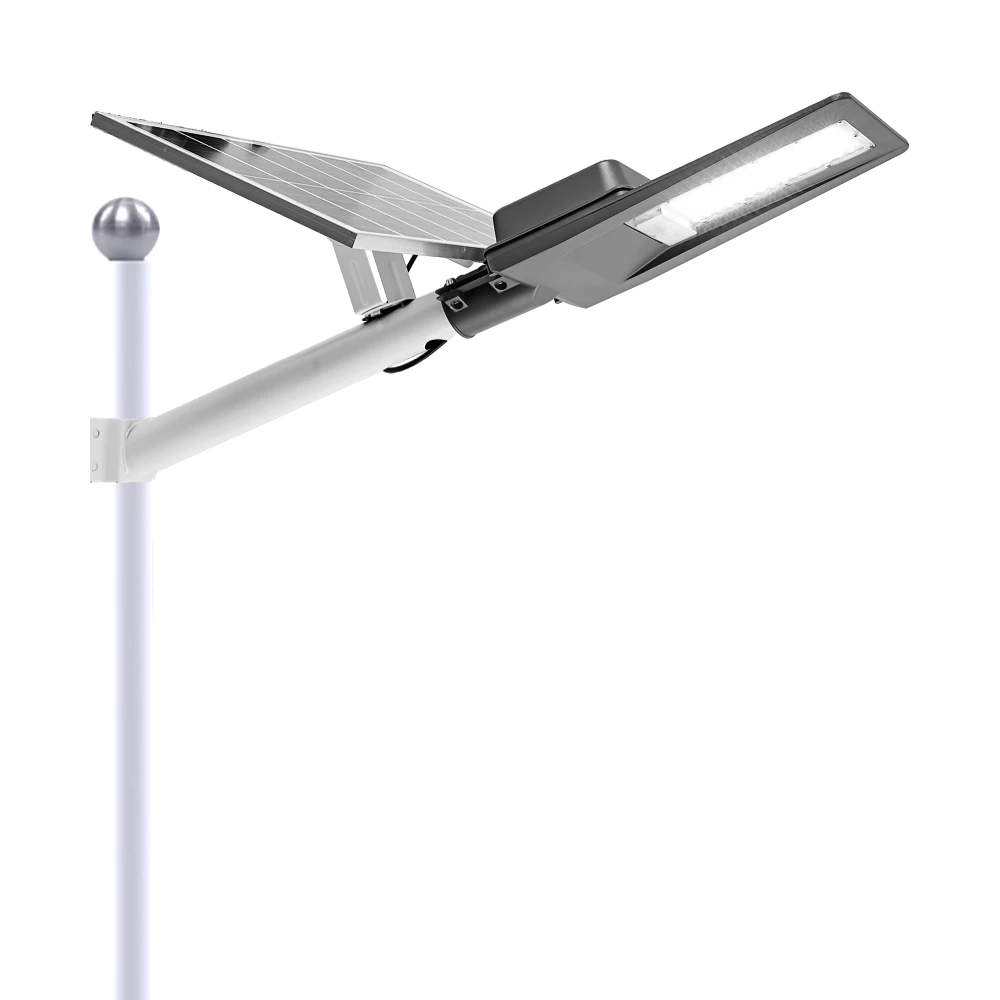
Experience reliable outdoor illumination with our smart solar street light, a perfect combination of advanced technology and eco-conscious design.
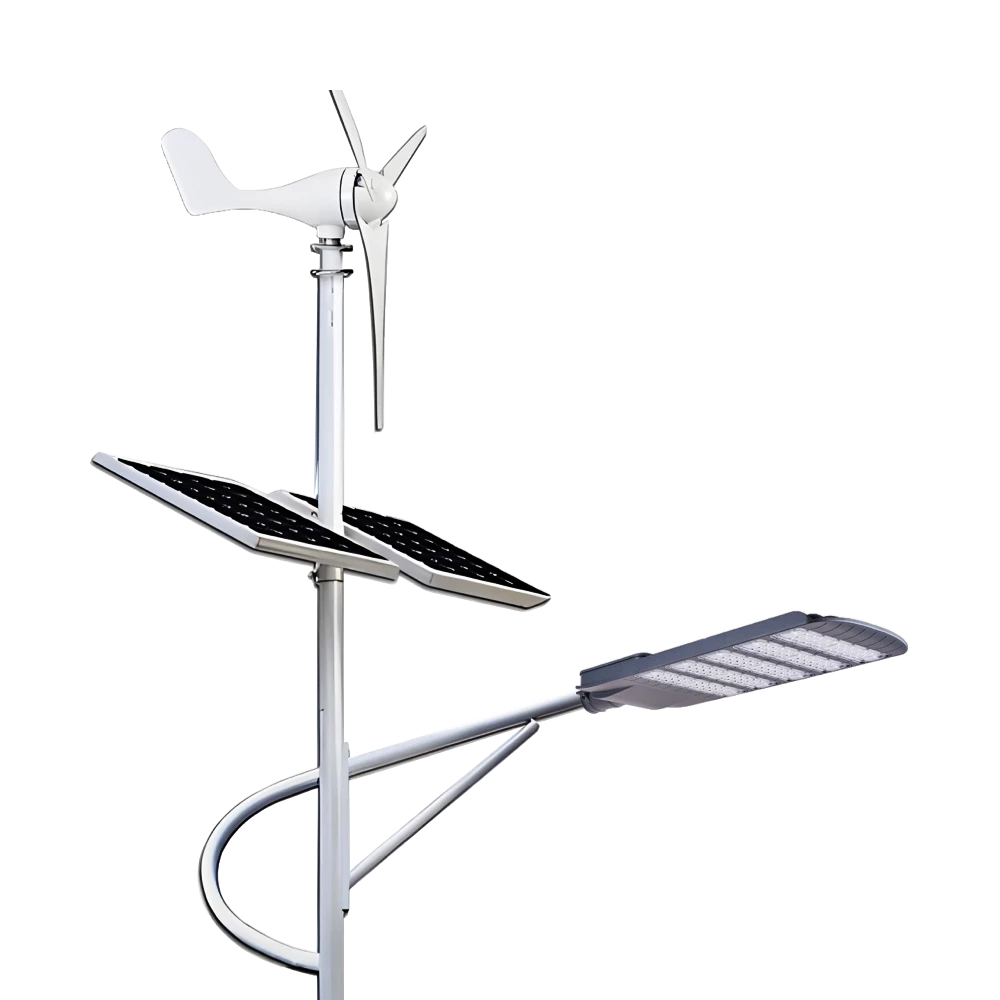
Queneng Lufeng Wind Energy LED Outdoor Solar Street Lights offer high-performance, eco-friendly illumination. These energy-efficient LED street lights harness solar power and wind energy for sustainable, cost-effective outdoor lighting solutions.
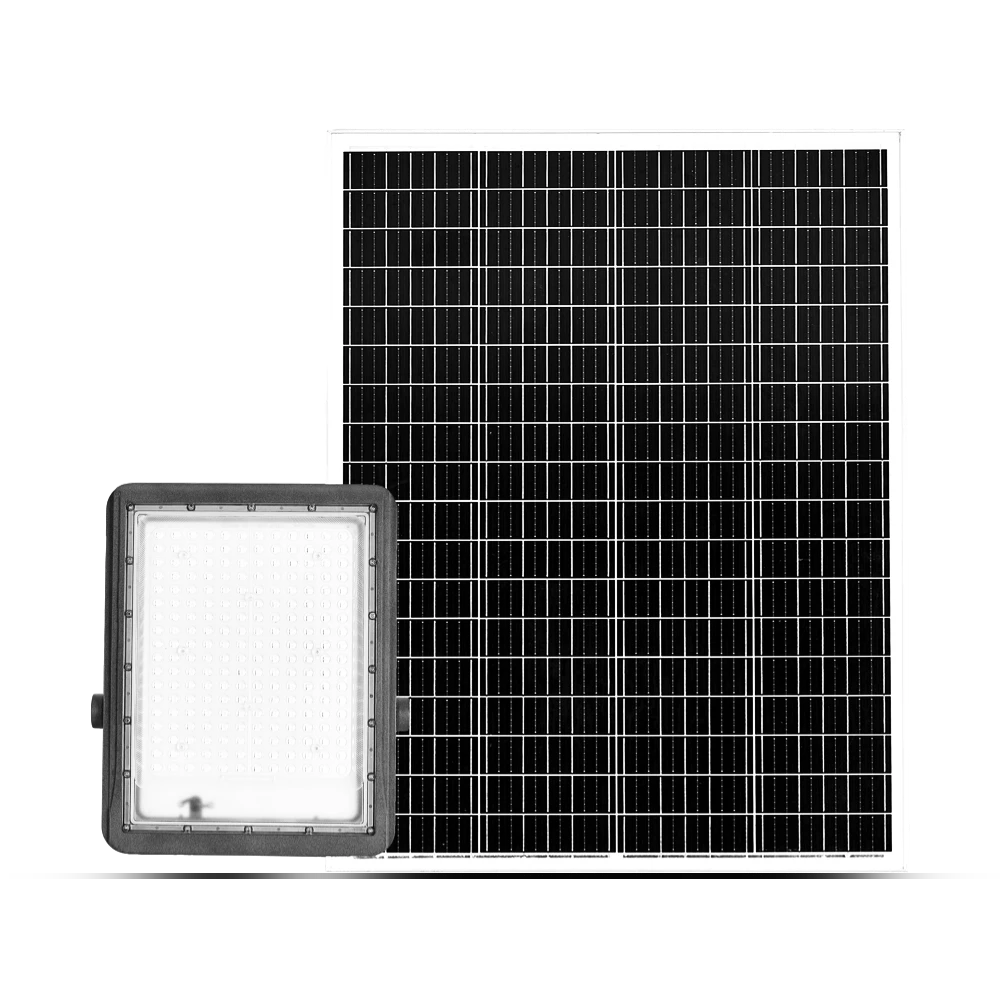
Queneng's Luxian Reliable Solar Street Light offers energy-saving LED lighting for outdoor use. This durable, solar-powered street light provides reliable illumination, reducing energy costs and environmental impact. A perfect solution for sustainable outdoor lighting.
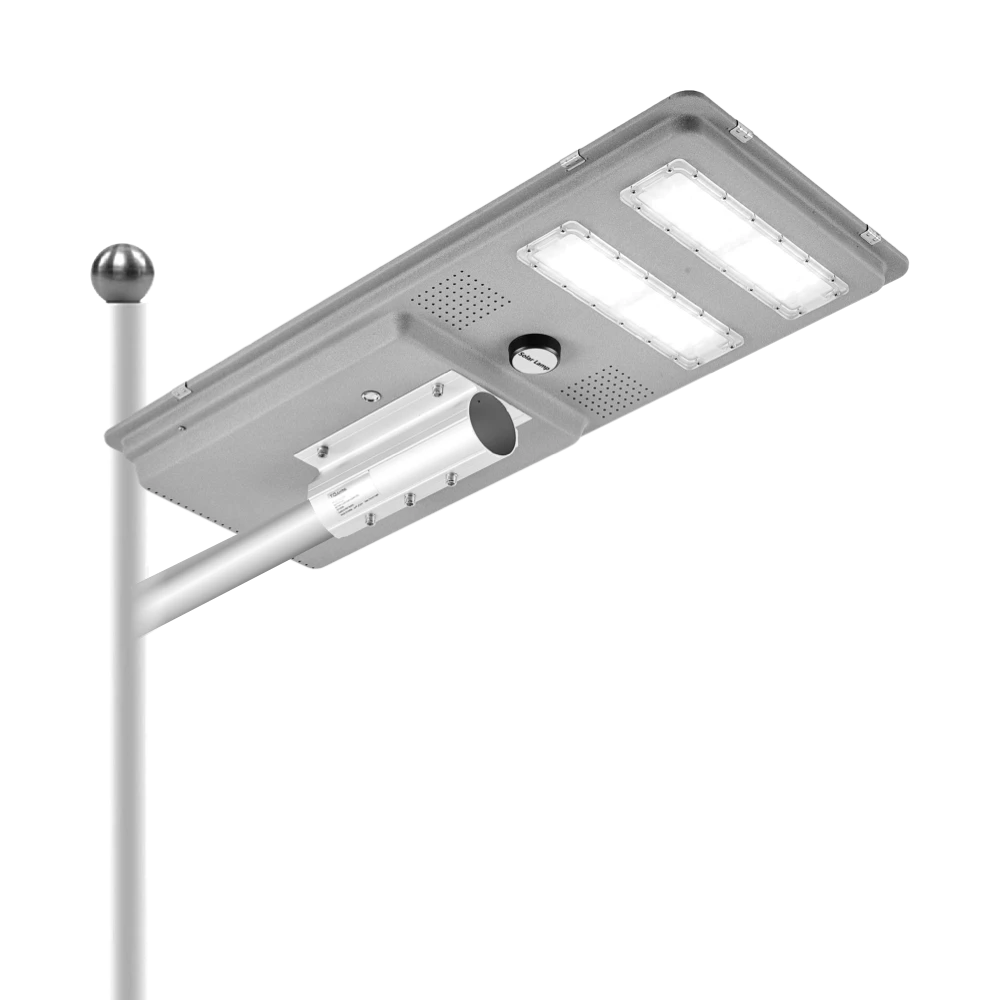
Queneng’s Solar Street Lights are designed to provide reliable, energy-efficient lighting for streets, parks, and other outdoor spaces.
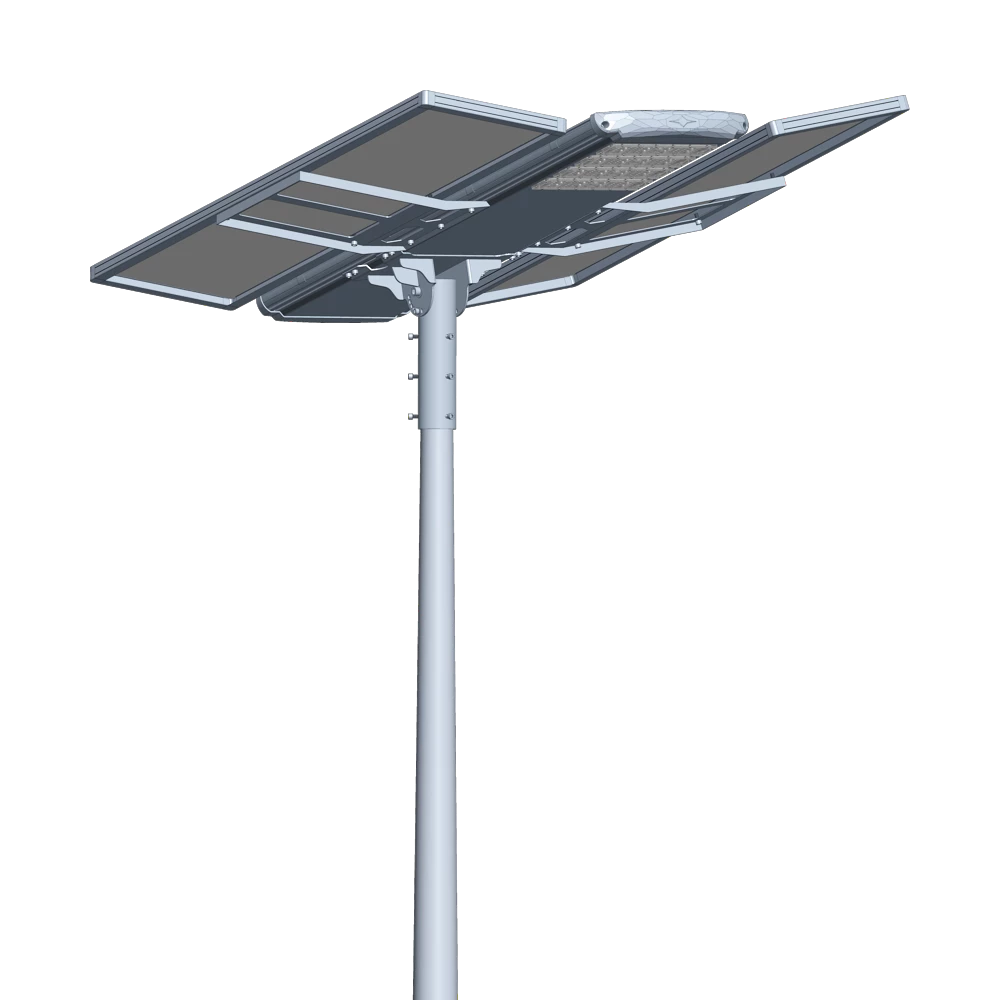
Introducing the Luqing Solar Street Light by Queneng, Efficient LED lighting powered by solar energy is perfect for illuminating outdoor areas. Harness the power of solar energy for sustainable, reliable street lighting. Ideal for eco-friendly, cost-effective outdoor illumination solutions.
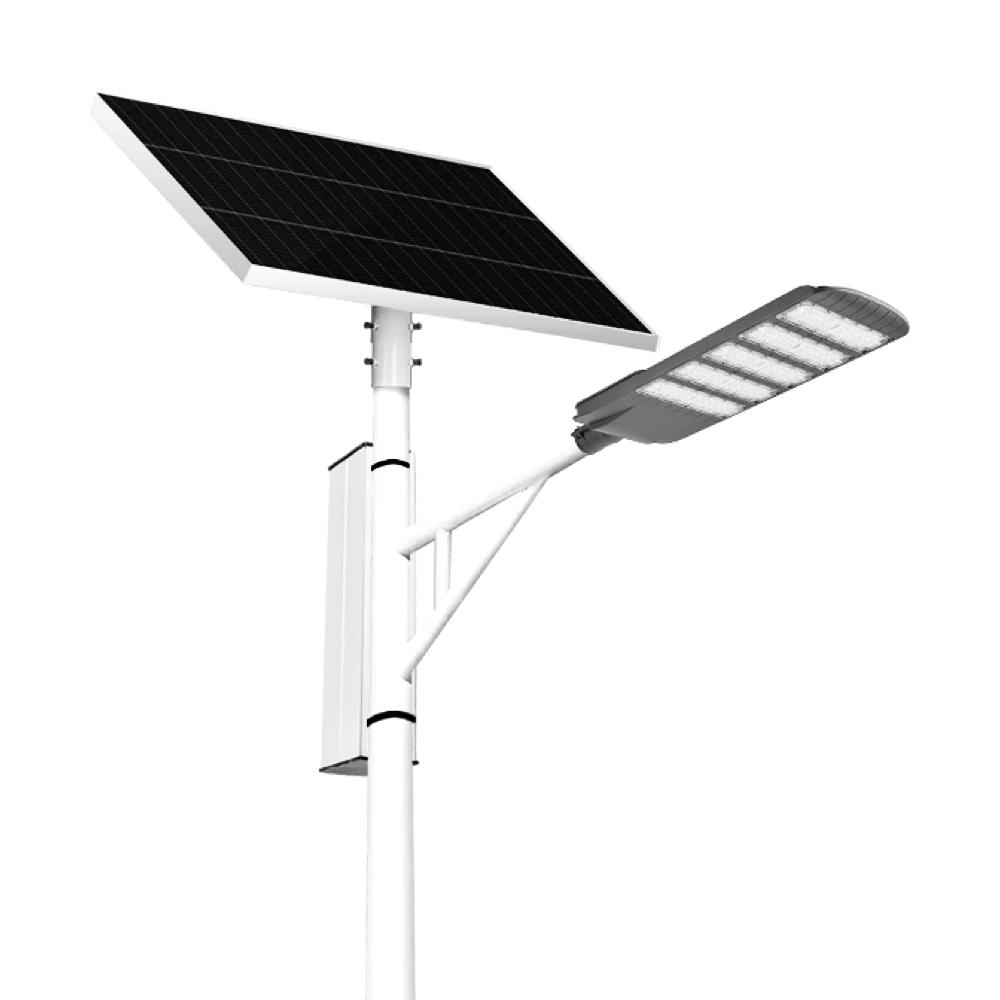
The Solar Streetlights of Luhao for Municipalities are designed to deliver reliable, energy-efficient, and cost-effective public lighting solutions. Equipped with advanced LED technology, durable lithium batteries, and high-efficiency solar panels, these streetlights provide consistent illumination for roads, parks, residential areas, and government projects.
Our professional team is ready to answer any questions and provide personalized support for your project.
You can reach us via phone or email to learn more about Queneng’s solar lighting solutions. We look forward to working with you to promote clean energy solutions!
Rest assured that your privacy is important to us, and all information provided will be handled with the utmost confidentiality.
By clicking 'Send Inquiry Now' I agree to Queneng processing my personal data.
To see how to withdraw your consent, how to control your personal data and how we process it, please see our Privacy Policy and Terms of use.
Schedule a Meeting
Book a date and time that is convenient for you and conduct the session in advance.
Have more questions about our products or services?
The messenger of light & power conversion
Environmental protection and intelligent manufacturing are our brand philosophy, and quality assurance and the best user experience are our eternal promises to users.
CONTACT
No.9F, Building F, Cao San Xin Tian Hong Logistics Park, Guzhen Town, Zhongshan City, Guangdong Province, China.
or write [email protected]
WhatsApp: +86 136 2270 1011


