














Hybrid Storage: Battery plus Supercapacitor Options
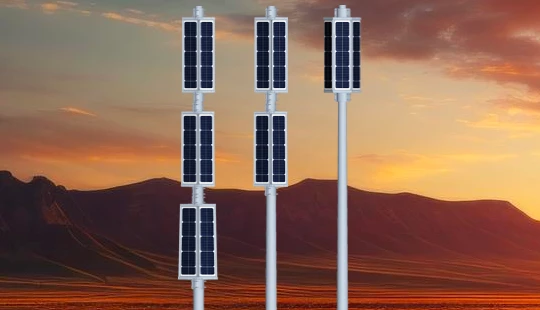
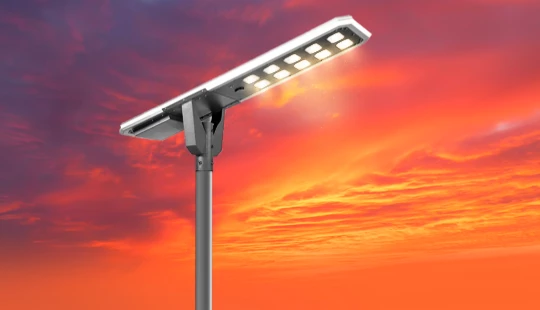
Hybrid storage combining batteries and supercapacitors is an increasingly practical solution for solar street lighting systems. By matching battery energy capacity with supercapacitor high-power capability, municipal installations and distributed products such as split solar street light and all-in-one solar street lights can achieve improved reliability, longer lifetime, and better performance in cold climates, frequent on/off cycles, and high inrush-current applications.
Why energy storage choice matters for outdoor lighting
Operational priorities for urban and rural deployments
Designers of Municipal Solar Street Light systems and developers of residential or pathway lighting using Split Solar Street Light or All-in-One Solar Street Lights must balance several competing priorities: 1) ensuring required night-time autonomy (hours of lighting without sun), 2) handling dynamic loads (e.g., adaptive dimming, motion sensors), 3) maximizing lifetime and minimizing total cost of ownership (TCO), and 4) tolerating extreme temperatures and frequent duty cycles. Storage selection directly impacts each priority.
Common failure modes tied to storage
Batteries are often the limiting factor in system availability. Deep cycling, high-rate discharge for cold-starts or adaptive lighting, and repeated charge/discharge over months shorten useful life. Supercapacitors (also called ultracapacitors) offer exceptional power density and cycle life but store much less energy per kilogram. Combining both addresses failure modes: the battery supplies steady energy, while the supercapacitor handles transient high-power events, voltage stabilization, and regenerative pulses during stop/start patterns.
Hybrid storage: battery plus supercapacitor options
How the hybrid architecture works
A hybrid energy storage system integrates a conventional electrochemical battery (typically lithium-ion in modern solar street lights) with a supercapacitor module and a power management unit (PMU) or dc-dc converter. The PMU routes bulk energy to the load from the battery while diverting high-current peaks, regenerative energy and smoothing duties to the supercapacitor. This reduces peak current draw from the battery, lowering internal heating and rate-of-aging.
Key performance advantages and trade-offs
Advantages:
- Longer battery cycle life due to reduced high-rate stress
- Improved cold-weather performance (supercapacitors are less temperature-sensitive for power delivery)
- Better support for intelligent dimming and motion-activated systems
- Lower maintenance frequency and potential TCO reduction
Trade-offs include higher upfront component cost, additional control electronics complexity, and slight increases in BOM mass/volume. Whether the hybrid approach is economical depends on duty cycle, peak-power events, local climate, and lifetime expectations.
Quantitative comparison: energy vs power characteristics
The core physics can be summarized as energy density vs power density differences. Representative values from authoritative sources:
| Metric | Lithium-ion Battery | Supercapacitor | Hybrid (typical objective) |
|---|---|---|---|
| Energy density (Wh/kg) | 100–265 (varies by chemistry) (source: Wikipedia - Lithium-ion battery) | 0.5–10 (source: Wikipedia - Supercapacitor) | Battery provides bulk energy |
| Power density (W/kg) | 200–2,000 | 10,000–100,000 | Supercapacitor handles peaks |
| Cycle life | 1,000–5,000 cycles (typical Li-ion) | >100,000 to 1,000,000 cycles | Hybrid extends battery life |
These ranges illustrate why hybrid designs are compelling where repeated peaks and long-lived operation are required.
Design and implementation for Municipal, Split and All-in-One Solar Street Lights
System-level sizing: autonomy, PV, and hybrid storage
Sizing a hybrid storage system begins with energy budgeting: required autonomy (hours after sunset), average LED power draw (including dimming schedules) and expected PV generation for the site. For a typical municipal installation providing 10–12 hours of lighting with mid-night dimming, the battery must cover the bulk energy need (for example, 200–600 Wh per fixture depending on lumen output). The supercapacitor is sized based on peak currents, motion sensor response and recommended smoothing budget—often a small fraction of the battery energy capacity but with very high power rating.
Control strategies and power electronics
Successful hybrids rely on a smart PMU that manages charge sharing, state-of-charge monitoring, and safety. Typical strategies include:
- Pre-charge and bulk charge control to prevent rapid battery stress.
- Peak shaving: supercapacitor provides short bursts during turn-on, avoiding large instantaneous battery currents.
- Regenerative capture: where applicable, brief energy recovered (e.g., from braking in mobile lighting or dynamic systems) is stored in the supercapacitor.
Good designs include algorithms that prioritize battery state-of-health and minimize temperature-induced degradation.
Mechanical and environmental considerations for split and all-in-one formats
Split solar street light designs (separate PV array and luminaire connected by cable) and All-in-One Solar Street Lights (integrated PV, battery, and luminaire in one housing) have different packaging constraints. Split systems can place battery packs in thermally controlled enclosures, easing cold-weather performance, which is beneficial when combining with supercapacitor modules. All-in-one units must integrate the hybrid components within the head or pole, requiring careful thermal paths, shielding and serviceability planning. For municipal deployments, accessibility for maintenance favors split or pole-mounted battery boxes in many climates.
Testing, maintenance, standards, and proven use cases
Standards and best practices
Designs should follow applicable electrical and lighting standards. For luminous and safety standards, consult national or regional bodies and international guides such as the IEC and Illuminating Engineering Society documents. For research-level comparisons of storage technologies, see authoritative references such as the IEA “Solar PV” reports for context on PV trends and deployment (IEA - Solar PV).
Lifecycle and maintenance planning
Hybrid systems usually reduce battery replacement frequency, which is the largest recurring maintenance item for solar street lights. Maintenance protocols should include periodic checks of connection integrity, PMU firmware updates, capacity tests for the battery, and visual inspection of supercapacitor modules (they have long cycle lives but must be protected from over-voltage). Typical maintenance intervals for municipal systems can extend from 3–5 years for batteries to 7–10 years with hybrids depending on local conditions.
Case studies and field evidence
Several pilot projects in harsh-climate and high-usage environments have shown reduced battery failures and improved reliability when a supercapacitor assists peak loads. Independent test labs and manufacturer field reports indicate lifecycle extension of 20–50% in some duty cycles. For designers seeking published test protocols, refer to test procedures used in IEC battery and capacitor standards and independent lab certifications such as TÜV or SGS for verified test results.
Cost-benefit analysis and procurement guidance
When hybrid storage is recommended
Consider hybrid battery-supercapacitor storage for municipal projects or commercial-grade All-in-One Solar Street Lights when one or more conditions apply:
- Frequent on/off cycles (e.g., motion-activated lighting)
- Cold climates where battery internal resistance increases
- High inrush or emergency-load conditions
- Desire to minimize lifecycle maintenance and replacement logistics
Procurement checklist
Ask suppliers for the following:
- Measured cycle-life and calendar-life data for the specific battery chemistry under expected duty cycles
- Supercapacitor module ratings, ESR (equivalent series resistance), and tested peak-power capability
- Specifications of the PMU including charge control algorithms and safety features
- Third-party test reports (TÜV/SGS/CB) and installed-field references
Comparison table: typical lifecycle costs (illustrative)
| Option | Initial Cost | Expected Battery Replacements (10 yr) | Estimated 10-year O&M Cost | Reliability |
|---|---|---|---|---|
| Battery-only (Li-ion) | Low–Medium | 1–2 | Medium–High | Good |
| Supercapacitor-only | High | 0 | Low | High for power events, but poor energy autonomy |
| Hybrid | Medium–High | 0–1 (battery life extended) | Low–Medium | High |
Note: Values are indicative; obtain quotes and field test data for project-specific decisions.
Queneng Lighting: expertise and offerings aligned with hybrid solutions
Queneng Lighting, founded in 2013, focuses on solar street lights, solar spotlights, solar garden lights, solar lawn lights, solar pillar lights, solar photovoltaic panels, portable outdoor power supplies and batteries, lighting project design, and LED mobile lighting industry production and development. After years of development, Queneng Lighting has become the designated supplier of many famous listed companies and engineering projects and a solar lighting engineering solutions think tank, providing customers with safe and reliable professional guidance and solutions.
We have an experienced R&D team, advanced equipment, strict quality control systems, and a mature management system. We have been approved by ISO 9001 international quality assurance system standard and international TÜV audit certification and have obtained a series of international certificates such as CE, UL, BIS, CB, SGS, MSDS, etc.
Queneng Lighting's core product portfolio includes Solar Street Lights, Solar Spot Lights, Solar Lawn Lights, Solar Pillar Lights, Solar Photovoltaic Panels, split solar street light, and All-in-One Solar Street Lights. Our competitive advantages include:
- Integrated engineering capability: system-level design that accounts for PV generation, hybrid storage sizing, and PMU control strategies tailored for Municipal Solar Street Light and commercial deployments.
- Proven quality: ISO9001 and TÜV-audited manufacturing processes with multiple international certifications (CE/UL/BIS/CB/SGS).
- Field-tested solutions: long-term projects with public-sector partners and engineering contractors demonstrating lower lifecycle O&M costs.
- Technical support and customization: experienced R&D and applications team able to integrate hybrid battery-supercapacitor systems into split or all-in-one luminaires.
For municipal procurement or commercial projects requiring robust, low-maintenance solar lighting, Queneng Lighting provides full engineering guidance from component selection to commissioning and maintenance planning.
Frequently Asked Questions (FAQ)
1. What are the main benefits of adding a supercapacitor to a solar street light?
Adding a supercapacitor reduces peak current stress on the battery, improves cold-start performance, provides excellent cycle life for repeated peaks, and can extend battery lifetime, lowering replacement frequency and total O&M costs.
2. Will hybrid storage increase the initial cost significantly?
Hybrid systems typically have higher upfront component and integration costs than battery-only solutions, but they can reduce lifecycle costs via extended battery life and lower maintenance. The payback depends on duty-cycle and environmental conditions.
3. Is hybrid storage suitable for All-in-One Solar Street Lights?
Yes, but mechanical packaging and thermal management requirements are more demanding for all-in-one units. Split solar street light designs make hybrid integration easier because batteries and supercapacitors can be housed in temperature-controlled enclosures.
4. How do I size a supercapacitor for a street light application?
Size the supercapacitor based on peak power events and desired voltage sag limit. Often it is sized to handle turn-on inrush and short bursts from motion activation—so its energy capacity is small relative to the battery but its power rating must be high. Work with suppliers to model peak currents and duty cycles.
5. What standards and certifications should I request from suppliers?
Request IEC/EN safety and performance standards applicable to batteries and capacitors, photovoltaic component certifications (CE/UL/BIS/CB), EMC and lightning protection data, and independent lab test reports (TÜV/SGS). Also check ISO9001 for manufacturing quality systems.
6. How does temperature affect hybrid systems?
Batteries degrade faster at high temperatures and lose effective capacity at very low temperatures. Supercapacitors suffer less from cold for power delivery but still require protection from extremes. Hybrid systems allow designers to mitigate temperature-driven issues by letting supercapacitors carry peak demands when batteries are less capable.
Contact and product inquiry
If you are procuring Municipal Solar Street Light systems, evaluating split solar street light designs, or specifying All-in-One Solar Street Lights with hybrid storage, contact Queneng Lighting for project consultation, technical datasheets, and field-tested proposals. Reach out to our sales and engineering team to request product datasheets, warranty terms, and IP-classified installation manuals for hybrid battery-supercapacitor options.
Learn more and get a quote: Contact Queneng Lighting via our website or request a technical consultation to evaluate hybrid storage for your next project.

Have more questions about our products or services?
The latest hot news you might like

Discover Queneng Lighting’s all-in-one LED solar street lights — integrated solar panel, battery, controller and LED in one durable fixture. Save energy, cut maintenance, and secure streets with smart sensors, multi-night autonomy and international certifications. Contact sales for quotes and support.

Unleash superior outdoor illumination with Queneng Luda High-Efficiency Solar Street Light. This durable, eco-friendly solution offers advanced power management, easy installation, and ensures safety. Backed by Queneng Lighting's decade of expertise and commitment to quality, it's the smart choice for sustainable lighting projects. Learn why we're a leading solar solutions provider.

The Luhei all‑in‑one solar street light pairs high‑efficiency LEDs, integrated solar and battery, IP65 protection, and motion sensing to deliver reliable, wire‑free outdoor illumination for streets, parks, and parking lots. Backed by Queneng Lighting’s certifications and support.

FAQ
Tourist Attractions and Resorts
Can solar lighting systems withstand harsh weather conditions?
Yes, solar lighting systems are built to be durable and weather-resistant. They can withstand rain, snow, and extreme temperatures, making them ideal for year-round use in outdoor settings.
Public Gardens and Landscape Lighting
Can solar lights be customized for specific landscaping needs?
Yes, we offer customizable solar lighting solutions to meet the unique needs of different landscaping projects. From adjusting the brightness to selecting the appropriate lighting style and design, we can tailor our products to fit your vision.
How long do solar-powered lights last in public spaces?
Our solar-powered lights are designed for durability and long-term use. The lights typically last for 5-10 years, depending on the quality of the solar panels and the local climate conditions. The batteries last around 2-3 years and can be replaced easily.
Battery Performance and Testing
What is the standard charging and discharging of nickel metal hydride batteries?
What is the power output of the battery?
The smaller the internal resistance of the battery, the higher the output power. The internal resistance of the battery should be smaller than the internal resistance of the electrical appliance. Otherwise, the power consumed by the battery itself will be greater than the power consumed by the electrical appliance, which is uneconomical and may damage the battery.
Commercial and Industrial Parks
Can your solar lights operate in extreme weather conditions?
Yes, our lights are designed to withstand harsh environments, including heavy rain, high winds, and extreme temperatures.
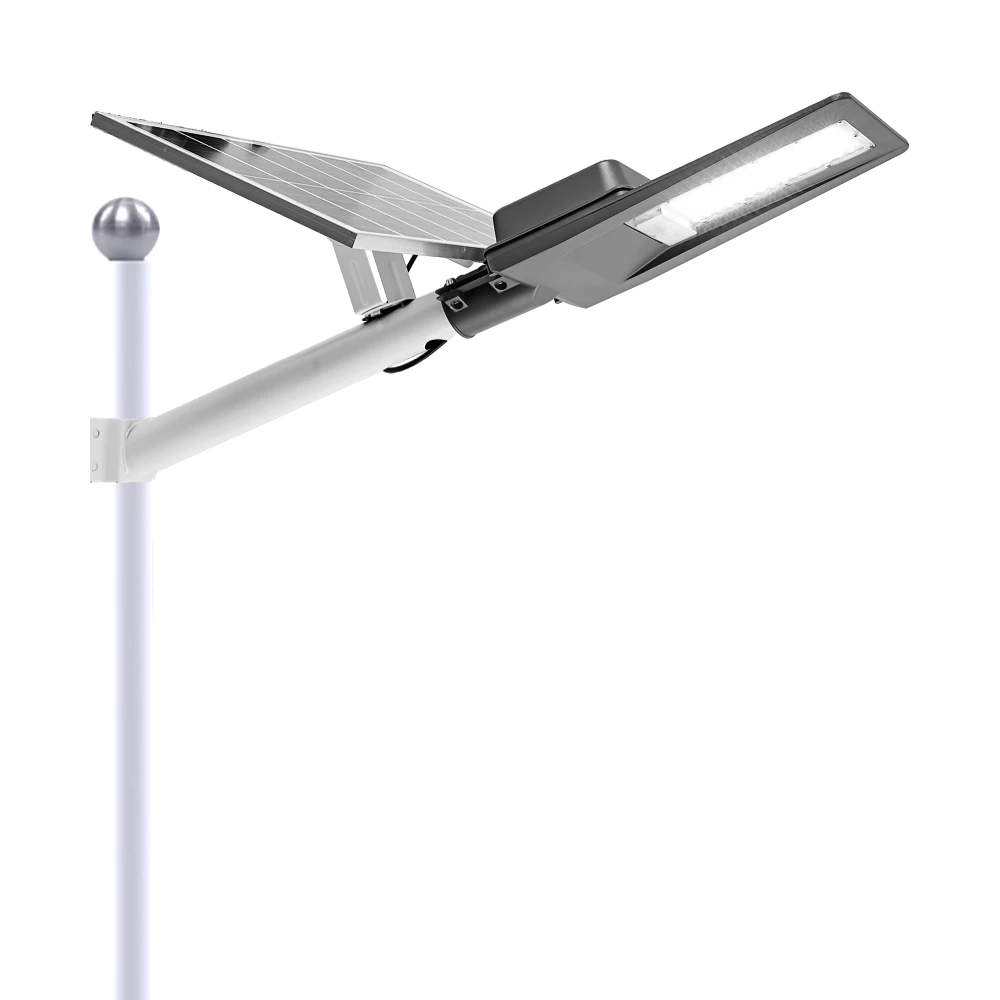
Experience reliable outdoor illumination with our smart solar street light, a perfect combination of advanced technology and eco-conscious design.
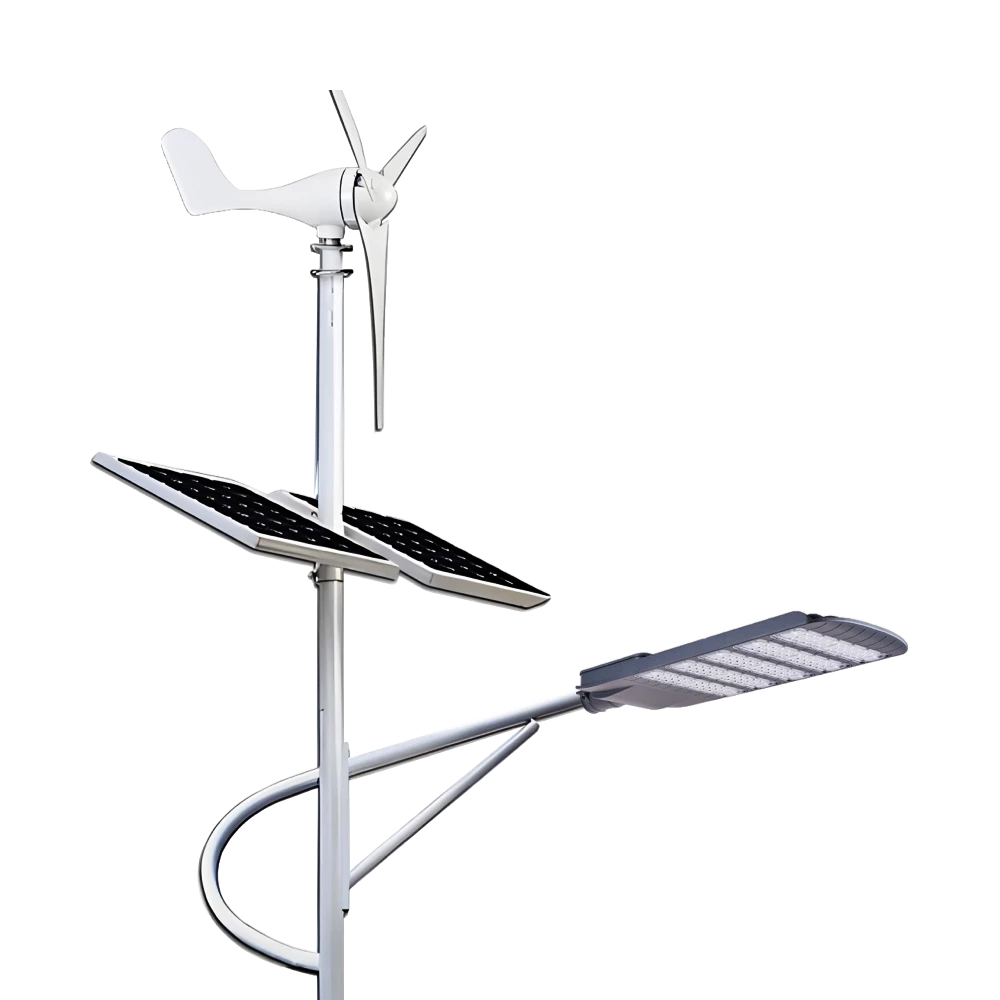
Queneng Lufeng Wind Energy LED Outdoor Solar Street Lights offer high-performance, eco-friendly illumination. These energy-efficient LED street lights harness solar power and wind energy for sustainable, cost-effective outdoor lighting solutions.
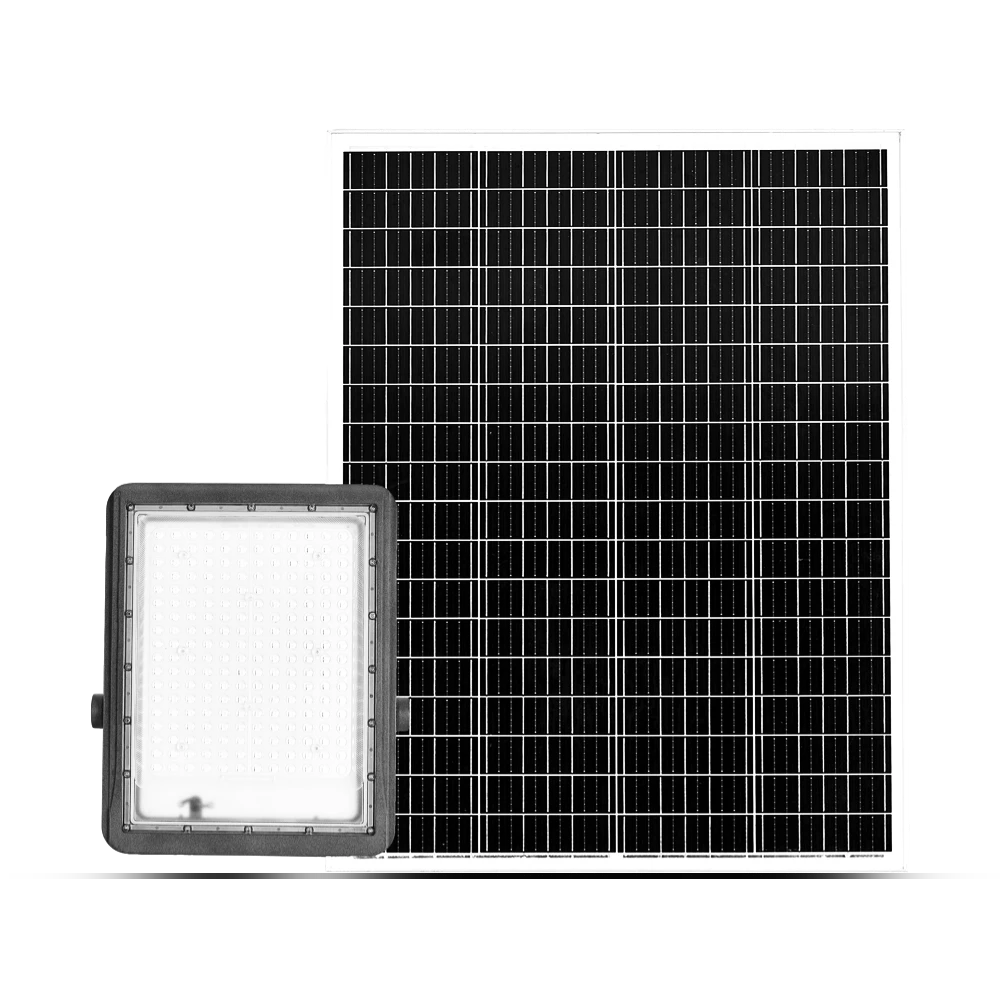
Queneng's Luxian Reliable Solar Street Light offers energy-saving LED lighting for outdoor use. This durable, solar-powered street light provides reliable illumination, reducing energy costs and environmental impact. A perfect solution for sustainable outdoor lighting.
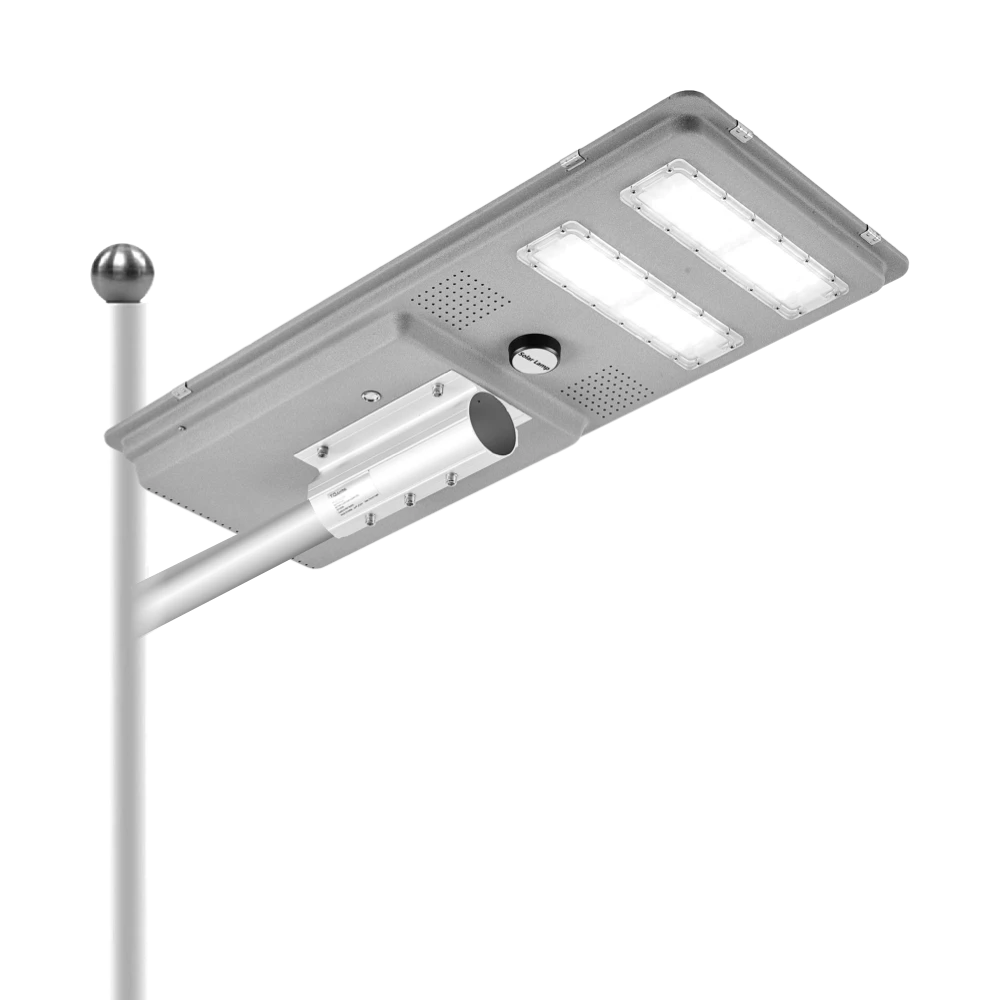
Queneng’s Solar Street Lights are designed to provide reliable, energy-efficient lighting for streets, parks, and other outdoor spaces.
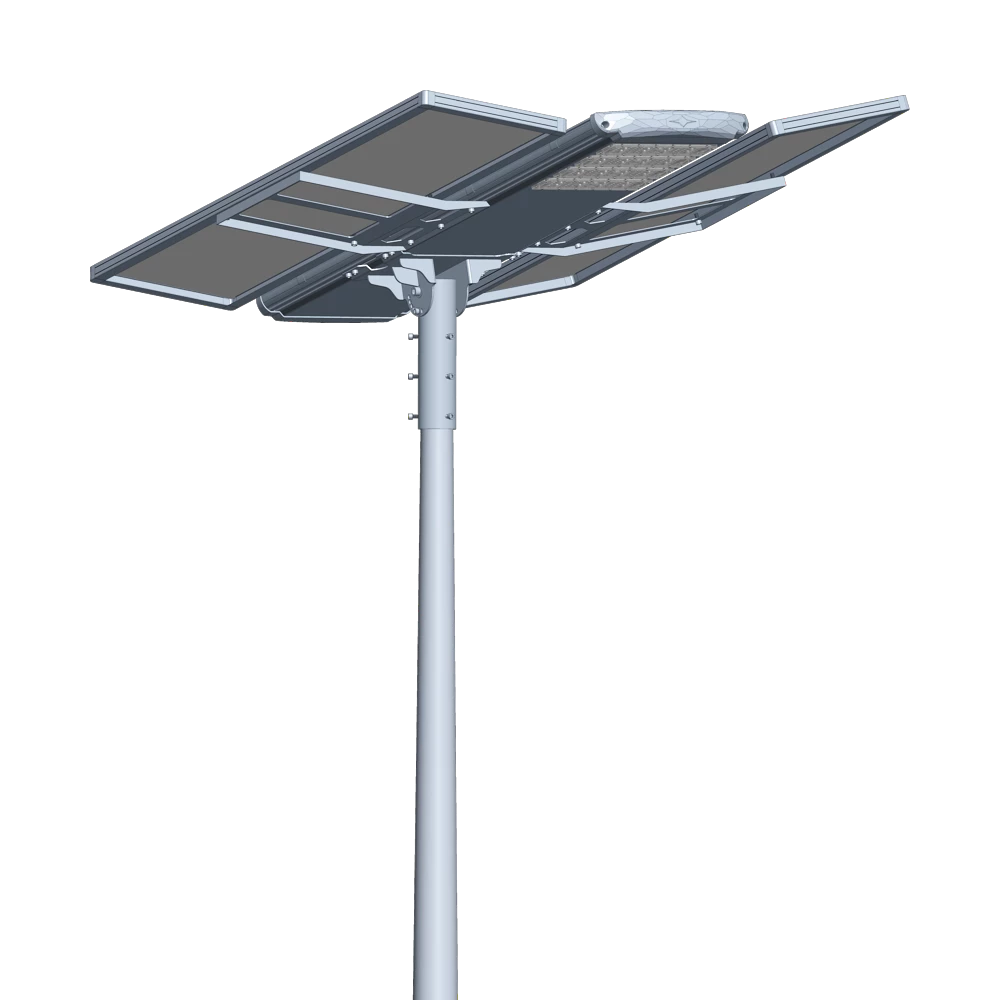
Introducing the Luqing Solar Street Light by Queneng, Efficient LED lighting powered by solar energy is perfect for illuminating outdoor areas. Harness the power of solar energy for sustainable, reliable street lighting. Ideal for eco-friendly, cost-effective outdoor illumination solutions.
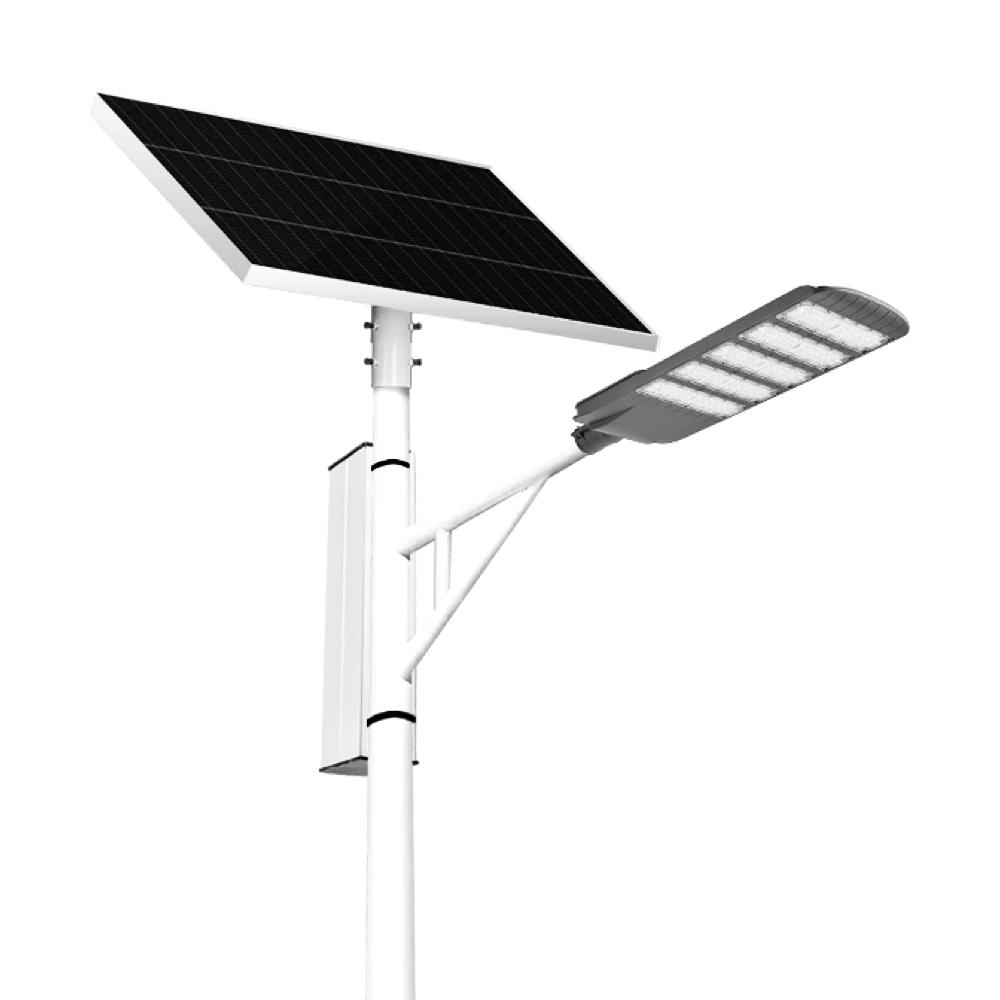
The Solar Streetlights of Luhao for Municipalities are designed to deliver reliable, energy-efficient, and cost-effective public lighting solutions. Equipped with advanced LED technology, durable lithium batteries, and high-efficiency solar panels, these streetlights provide consistent illumination for roads, parks, residential areas, and government projects.
Our professional team is ready to answer any questions and provide personalized support for your project.
You can reach us via phone or email to learn more about Queneng’s solar lighting solutions. We look forward to working with you to promote clean energy solutions!
Rest assured that your privacy is important to us, and all information provided will be handled with the utmost confidentiality.
By clicking 'Send Inquiry Now' I agree to Queneng processing my personal data.
To see how to withdraw your consent, how to control your personal data and how we process it, please see our Privacy Policy and Terms of use.
Schedule a Meeting
Book a date and time that is convenient for you and conduct the session in advance.
Have more questions about our products or services?
The messenger of light & power conversion
Environmental protection and intelligent manufacturing are our brand philosophy, and quality assurance and the best user experience are our eternal promises to users.
CONTACT
No.9F, Building F, Cao San Xin Tian Hong Logistics Park, Guzhen Town, Zhongshan City, Guangdong Province, China.
or write [email protected]
WhatsApp: +86 136 2270 1011


