














KPIs to Monitor for Solar Street Light Projects
Effective monitoring of municipal solar street light projects requires a clear KPI framework that balances technical performance, financial metrics, and operational resilience. Whether deploying split solar street light systems with separate panels and batteries or compact All-in-One Solar Street Lights, stakeholders must track measurable indicators such as energy production, system uptime, battery health, lumen output and uniformity, lifecycle cost, and maintenance frequency. This article explains the most meaningful KPIs, how to measure them, practical thresholds, and how to use data to improve reliability and total cost of ownership. Authoritative references and a comparison between system types are provided to support decision-making.
Why KPI Monitoring Matters for Solar Street Lighting
Linking KPIs to municipal objectives
Municipal solar street light projects are typically evaluated against objectives such as public safety, energy independence, budget predictability, and sustainability targets. KPIs translate those high-level goals into measurable quantities. For example, ensuring an average system uptime > 98% supports safety and service level agreements (SLAs) with residents, while tracking Levelized Cost of Lighting (LCOL) helps financial planning and procurement.
Regulatory compliance and public accountability
Municipal contracts often require verifiable performance reporting. Tracking standardized KPIs and attaching sensor-logged evidence helps meet reporting obligations and provides transparency to citizens and auditors. For standards and quality frameworks see ISO 9001 documentation (ISO) https://www.iso.org/iso-9001-quality-management. and guidance from lighting industry bodies such as the Illuminating Engineering Society (IES) https://www.ies.org/.
Core Technical KPIs and How to Measure Them
1. Energy Generation and Net Energy Yield
Definition: Daily or monthly kWh generated by the PV array per luminaire.
Why it matters: Confirms the solar resource sizing and panel performance relative to predicted output.
How to measure: Use inverter/MPPT logs or an energy meter. Normalize by panel STC wattage to compute specific yield (kWh/kWp/day).
Target/benchmark: For many locations, specific yields of 3–5 kWh/kWp/day are realistic; check local solar irradiance data (see NREL).
2. System Uptime and Availability
Definition: Percentage of time the luminaire provides required light levels during scheduled operating hours.
Why it matters: Direct proxy for public safety and service quality.
How to measure: Collect on/off and light-output telemetry; calculate uptime = (operational hours / scheduled hours) × 100%.
Recommended KPI: Aim for ≥98% uptime in urban and major roads; for remote areas a lower target (95%) may be acceptable depending on SLAs.
3. Battery State-of-Health (SoH) and Autonomy Days
Definition: SoH indicates remaining capacity compared to nameplate; autonomy days = number of nights the system can run without charging.
Why it matters: Batteries are the primary lifecycle cost driver; SoH forecasting reduces unexpected failures.
How to measure: Track depth-of-discharge (DoD), cycle counts, and capacity tests. Use BMS telemetry to estimate % SoH and days of autonomy under current load.
Benchmarks: LiFePO4 batteries often offer 2000–5000 cycles at 80% depth; lithium-ion chemistries differ (see Lithium-ion battery – Wikipedia).
Performance & Quality KPIs
4. Delivered Illuminance and Uniformity
Definition: Average lux at the road surface and the uniformity ratio (min/avg or min/max) across the lit area.
Why it matters: Determines visual comfort, safety, and compliance with lighting standards.
How to measure: Conduct photometric surveys or use built-in lux sensors if available. Compare results against standards (road class requirements in IES or local codes).
Typical targets: For residential streets, average horizontal illuminance might range 5–20 lux with uniformity (min/avg) > 0.3; main roads require higher levels per local regulations.
5. Color Rendering and Correlated Color Temperature (CCT)
Definition: CRI/RA value and CCT of the LED source.
Why it matters: Impacts perception of color and object recognition, which affects safety and acceptance.
How to measure: Use initial product specs and occasional spectroradiometer checks in the field.
Recommendation: Use CRI ≥70 for general street lighting; 3000–4000K CCT is common. Lower CCT (warmer light) often reduces glare and ecological impacts.
Financial and Operational KPIs
6. Levelized Cost of Lighting (LCOL) and Payback Period
Definition: LCOL = (Total life-cycle cost) / (Total delivered lumen-hours or kWh), or simplified as cost per installed luminaire over lifetime. Payback period = time to recover initial capital via O&M and energy savings compared to baseline (grid or diesel).
How to calculate: Include CAPEX (units, installation), OPEX (maintenance, battery replacement), and salvage/residual value. Use conservative assumptions for component life and degradation. For general solar PV lifecycle trends see IRENA/IEA reports on cost trends IEA and IRENA.
7. Maintenance Frequency and Mean Time Between Failures (MTBF)
Definition: Number of maintenance interventions per year and average duration between failures.
Why it matters: Drives O&M budgets and planning for spare parts/staffing.
How to measure: Use a CMMS (computerized maintenance management system) to log faults, repair time, and cause codes. Calculate MTBF as total operational hours divided by number of failures.
Target: Mature systems should target MTBFs that yield fewer than 0.1 corrective visits per luminaire per year for urban projects; remote areas often accept higher rates but should plan accordingly.
8. Theft/Vandalism Incidence Rate
Definition: Number of theft or vandalism incidents per 100 luminaires per year.
Why it matters: High rates radically increase lifecycle cost and reduce community benefits.
How to measure: Use incident logs from maintenance teams and police reports. Design mitigation (tamper-proof enclosures, GPS tracking for battery modules) into procurement if incidence is high.
Comparing Split vs All-in-One Systems: KPI Implications
Different architectures influence which KPIs are most critical and how they are measured. Below is a practical comparison table summarizing typical ranges and KPI sensitivities for Municipal Solar Street Light deployments using split solar street light systems versus All-in-One Solar Street Lights.
| Characteristic / KPI | Split Solar Street Light | All-in-One Solar Street Lights | Municipal Large-Scale Considerations |
|---|---|---|---|
| Typical PV Wattage | 50–400 W (separate array) | 20–150 W (integrated module) | Design per road class and autonomy; larger PV for high autonomy |
| Battery Type | Centralized or pole-mounted LiFePO4/AGM | Integrated LiFePO4 or Li-ion | Standardize battery chemistry to simplify maintenance |
| Ease of Service | High (components accessible separately) | Moderate (compact units may need full-unit swap) | Spare-part strategy depends on modularity |
| Initial CAPEX | Variable — typically higher for complex central systems | Lower per-unit for low-power solutions | Bulk procurement and lifecycle costing important |
| Typical MTBF | Can be higher if installation quality is inconsistent | Often lower due to integrated components (replace whole unit) | Quality assurance and standardized testing reduce failure rates |
| Data Telemetry | Easy to centralize via separate controller | Depends on integrated communications module | Municipal smart-city programs favor units with remote monitoring |
Sources and technical guidance: general PV system design references and product datasheets; for background on solar street light concepts see Solar street light - Wikipedia.
Data Analytics and Thresholds — Turning KPIs into Action
Implementing telemetry and alerts
Install controllers or IoT nodes that report energy, lumens, battery metrics, and event logs. Define alert thresholds such as: battery SoC < 20% for two consecutive nights, energy yield < 70% of expected for 7 days, or illuminance < 80% of target for >1 night. These automated alerts enable preventive maintenance and better SLA compliance.
Benchmarking and seasonal adjustments
Normalize KPIs to account for seasonal irradiance variation. Use historical data or local PV generation models to set dynamic thresholds (e.g., expected monthly specific yield). For PV performance benchmarking consult regional irradiance resources like NREL or local meteorological data (NREL).
Quality Assurance, Standards and Verifiable Reporting
Testing protocols and certificates
Require factory tests (IES LM-79/LM-80 photometric reports for LEDs), battery cycle test reports, and IP/IK ratings. Certifications such as CE, UL, BIS, CB, SGS, MSDS and third-party audits (e.g., TÜV) add verifiability for municipalities. Queneng Lighting is ISO 9001 certified and TÜV audited—see company profile below for details.
Third-party verification and lifecycle audits
Periodically commission independent performance audits to validate on-paper KPIs. Audits should sample energy yield, illuminance, battery capacity, and physical condition to verify compliance with SLAs and procurement warranties.
Operationalizing KPIs: Workflow and Responsibilities
Roles: municipality, EPC, maintenance provider
Define responsibilities upfront. Municipalities typically define performance targets and funding; EPCs (engineering, procurement and construction) ensure correct installation and initial commissioning; maintenance providers handle routine inspections and repairs. Specify KPI reporting cadence (monthly, quarterly) and escalation procedures.
Procurement clauses tied to KPIs
Include acceptance tests (e.g., 30-day energy yield verification), performance bonds, and clear penalties or remedies for under-performance. Contracts should also cover data ownership and access for independent verification.
Queneng Lighting: Capabilities and How We Support KPI-Driven Projects
Queneng Lighting, founded in 2013, focuses on solar street lights, solar spotlights, solar garden lights, solar lawn lights, solar pillar lights, solar photovoltaic panels, portable outdoor power supplies and batteries, lighting project design, and LED mobile lighting industry production and development. After years of development, the company has become the designated supplier for many well-known listed companies and engineering projects and serves as a solar lighting engineering solutions think tank, providing customers with reliable professional guidance and solutions.
Queneng Lighting's competitive strengths include an experienced R&D team, advanced equipment, strict quality control systems, and a mature management system. The company is approved by the ISO 9001 international quality assurance system standard and has passed international TÜV audit certification. It has also obtained international certificates such as CE, UL, BIS, CB, SGS, and MSDS. Queneng offers a full product range including Solar Street Lights, Solar Spot lights, Solar Lawn lights, Solar Pillar Lights, Solar Photovoltaic Panels, split solar street light systems, and All-in-One Solar Street Lights.
How Queneng helps KPI-driven projects:
- System design and simulation to size PV, battery and luminaire to meet uptime and autonomy KPIs.
- Provision of telemetry-ready controllers and integration with municipal asset management systems for real-time KPI tracking.
- Quality assurance with factory testing reports and international certifications to support procurement due diligence.
- Maintenance training, spare-part kits, and replacement strategies (modular for split systems; unit-swap for All-in-One) to optimize MTBF and reduce O&M costs.
Frequently Asked Questions (FAQ)
1. Which KPIs are most important for municipal solar street light projects?
Prioritize system uptime/availability, battery state-of-health and autonomy, delivered illuminance and uniformity, energy generation (kWh and specific yield), and lifecycle cost metrics such as LCOL and payback period. These KPIs collectively ensure safety, reliability, and cost-effectiveness.
2. How often should KPIs be reported and audited?
Operational KPIs (uptime, battery SoC, alerts) should be monitored daily or in real time with automated systems. Monthly reporting is common for energy yield and maintenance stats; quarterly or annual third-party audits validate lifecycle compliance and warranty conditions.
3. Are All-in-One Solar Street Lights easier to manage than split systems?
All-in-One units simplify installation and reduce initial complexity, but they can be less modular for repairs (often requiring whole-unit replacement). Split systems allow individual component servicing (panel, battery, luminaire), which can simplify long-term maintenance in large municipal fleets. Choice depends on local maintenance capacity and theft/vandalism risk.
4. How do I set realistic thresholds for energy yield and battery autonomy?
Use local irradiance data (e.g., NREL) to model expected kWh/kWp. Account for panel degradation (~0.5%/yr typical) and battery cycle life from manufacturer datasheets. Set conservative thresholds (e.g., 70–80% of predicted yield) and adjust seasonally.
5. What data infrastructure is required to support KPI tracking?
At minimum: remote controllers or IoT nodes for each luminaire reporting energy, SoC, on/off events, and diagnostics; a central server or cloud platform for aggregation and dashboards; and a CMMS for dispatching maintenance. Open APIs ease integration with municipal asset management systems.
6. How can municipalities reduce theft and vandalism impacts on KPIs?
Design measures such as tamper-proof enclosures, pole height and orientation, GPS-enabled battery modules, and community engagement can reduce incidents. Procurement should include theft-deterrent design and insurance/maintenance clauses to mitigate financial risks.
Contact & Next Steps
If you are planning a municipal solar street light deployment and want KPI-driven design, monitoring, or procurement support, Queneng Lighting offers technical consultations, product samples, and project-level proposals. Contact Queneng Lighting to discuss system sizing, telemetry integration, and pilot projects, or view our product portfolio for Solar Street Lights, split solar street light systems, and All-in-One Solar Street Lights. For evidence-based system design, ask for PV yield modeling, battery SoH test reports, and factory photometric data.
References and further reading: Solar street light overview (Wikipedia), Lithium-ion battery background (Wikipedia), NREL resources (NREL), ISO 9001 information (ISO), IES guidance (IES).

Have more questions about our products or services?
The latest hot news you might like

Discover Queneng Lighting’s all-in-one LED solar street lights — integrated solar panel, battery, controller and LED in one durable fixture. Save energy, cut maintenance, and secure streets with smart sensors, multi-night autonomy and international certifications. Contact sales for quotes and support.

Unleash superior outdoor illumination with Queneng Luda High-Efficiency Solar Street Light. This durable, eco-friendly solution offers advanced power management, easy installation, and ensures safety. Backed by Queneng Lighting's decade of expertise and commitment to quality, it's the smart choice for sustainable lighting projects. Learn why we're a leading solar solutions provider.

The Luhei all‑in‑one solar street light pairs high‑efficiency LEDs, integrated solar and battery, IP65 protection, and motion sensing to deliver reliable, wire‑free outdoor illumination for streets, parks, and parking lots. Backed by Queneng Lighting’s certifications and support.

FAQ
Battery fundamentals and basic terms
What is battery internal resistance?
Battery and Analysis
What is a portable battery?
The portable battery family includes primary batteries and rechargeable batteries (secondary batteries). Button batteries belong to a special group of them
Remote Areas Rural Development
What kind of after-sales support do you provide for rural projects?
We offer remote monitoring, regular maintenance schedules, and technical support for all installed systems.
Solar Street Light Chuanqi
Are Chuanqi solar street lights suitable for both residential and commercial use?
Yes, Chuanqi solar street lights are suitable for a wide range of applications, including both residential and commercial use. Whether it's illuminating streets, pathways, parks, or parking lots, Chuanqi lights provide dependable outdoor lighting. Their ease of installation and low operational costs make them ideal for both private homes and large-scale commercial projects.
Solar Street Light Luyan
How do Luyan solar street lights reduce environmental impact?
Luyan solar street lights are an eco-friendly lighting solution because they use solar power, a renewable energy source, to generate electricity. By relying on solar energy, they eliminate the need for grid electricity, helping to reduce carbon emissions and decrease the overall carbon footprint. Additionally, the energy-efficient LED lights consume less power, ensuring that the system uses minimal energy while providing bright, reliable illumination.
Schools and Educational Institutions
Do the solar lights come with a timer or automatic on/off function?
Yes, many of our solar lighting systems come with built-in timers or automatic sensors, allowing them to turn on at dusk and off at dawn, or based on a set schedule.
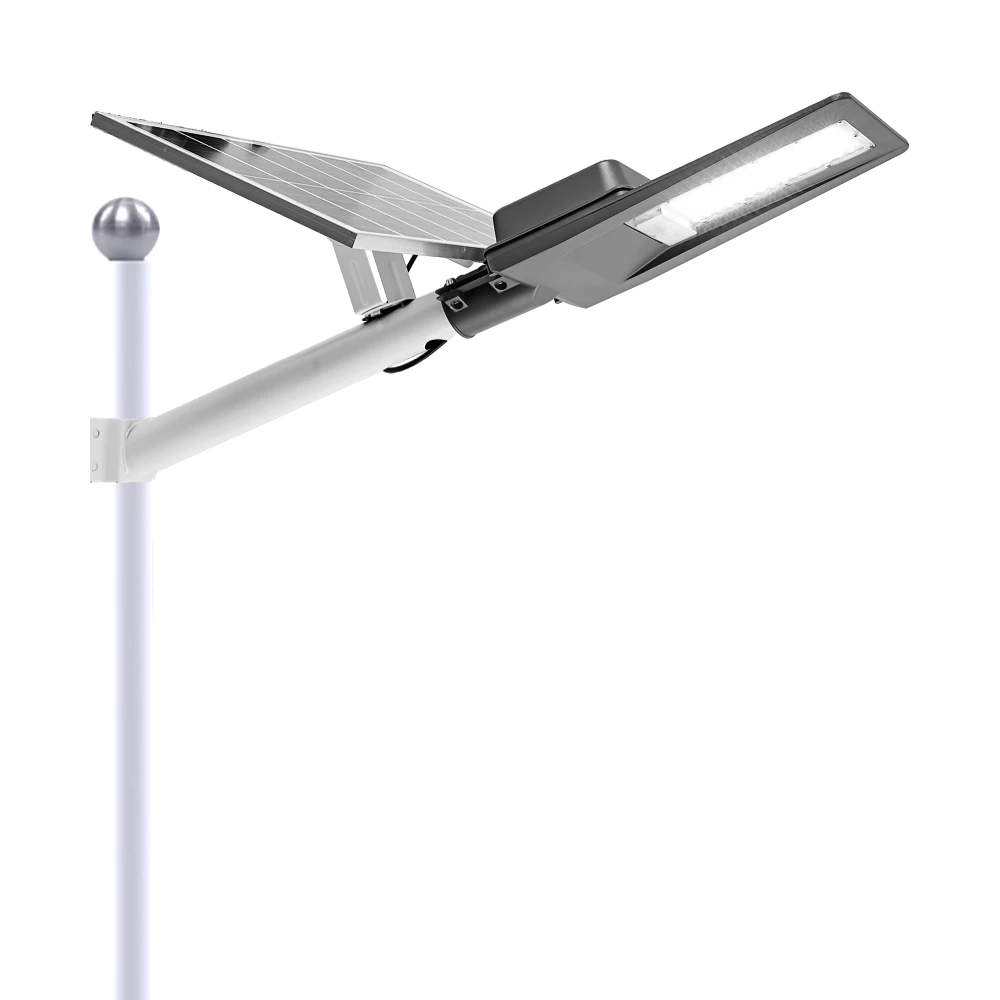
Experience reliable outdoor illumination with our smart solar street light, a perfect combination of advanced technology and eco-conscious design.
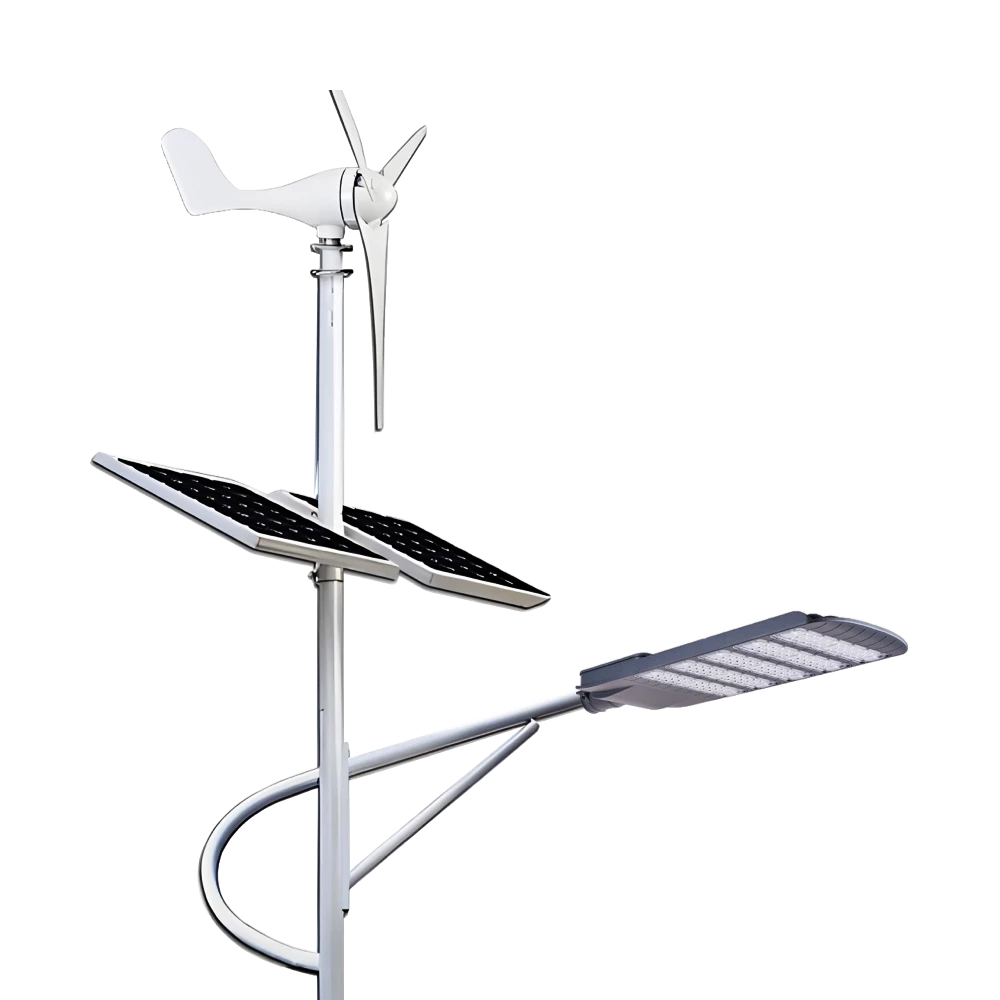
Queneng Lufeng Wind Energy LED Outdoor Solar Street Lights offer high-performance, eco-friendly illumination. These energy-efficient LED street lights harness solar power and wind energy for sustainable, cost-effective outdoor lighting solutions.
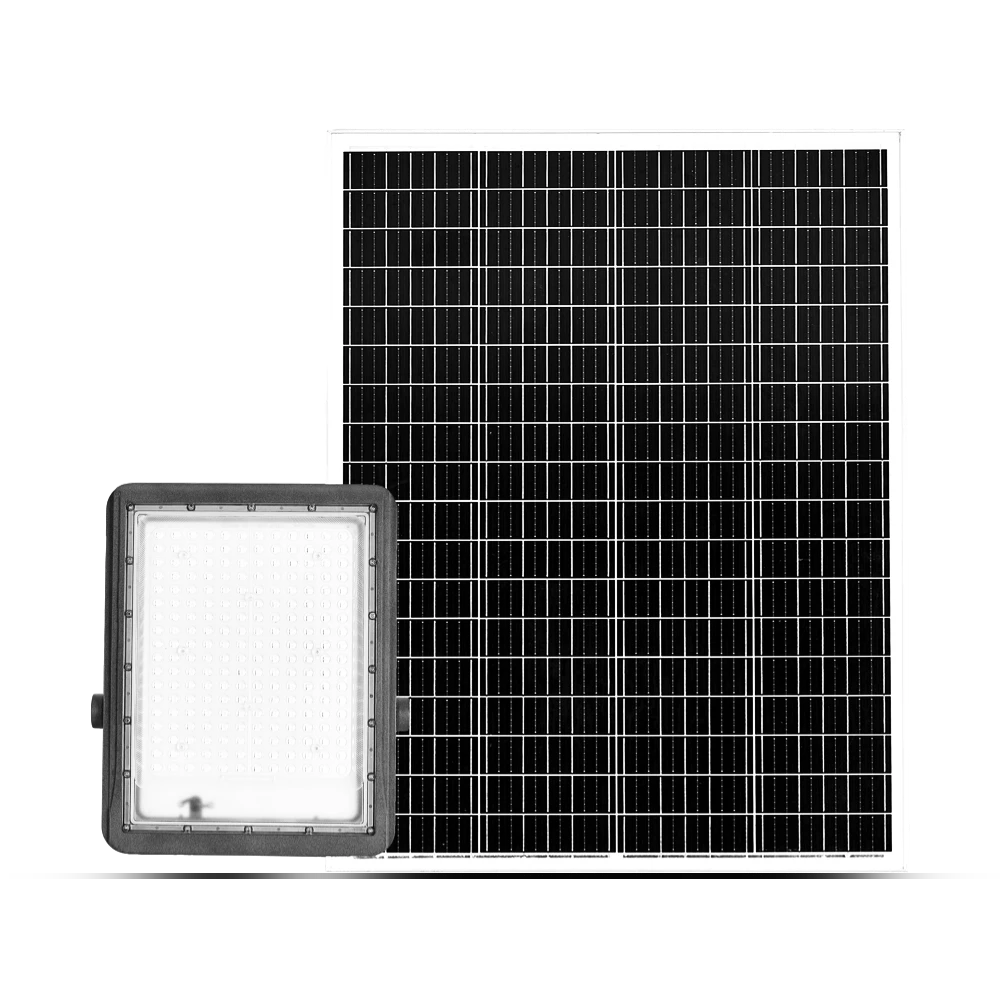
Queneng's Luxian Reliable Solar Street Light offers energy-saving LED lighting for outdoor use. This durable, solar-powered street light provides reliable illumination, reducing energy costs and environmental impact. A perfect solution for sustainable outdoor lighting.
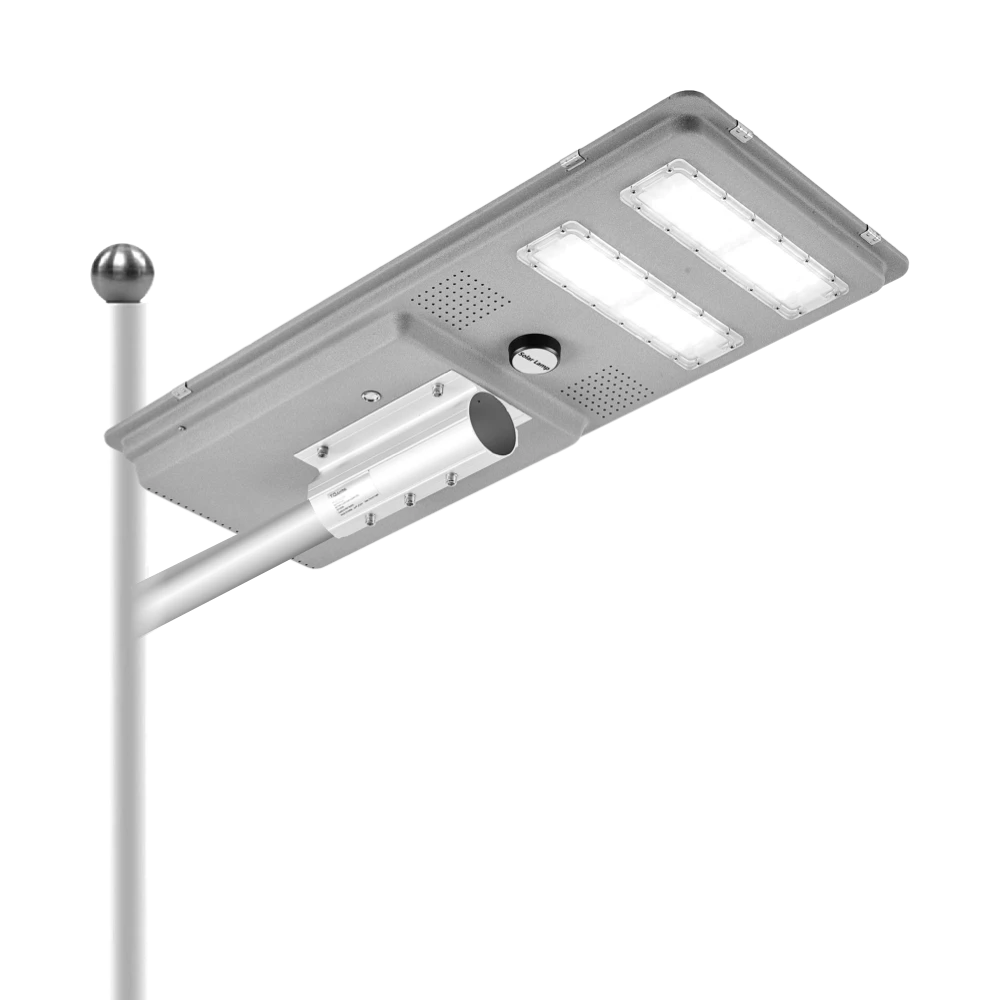
Queneng’s Solar Street Lights are designed to provide reliable, energy-efficient lighting for streets, parks, and other outdoor spaces.
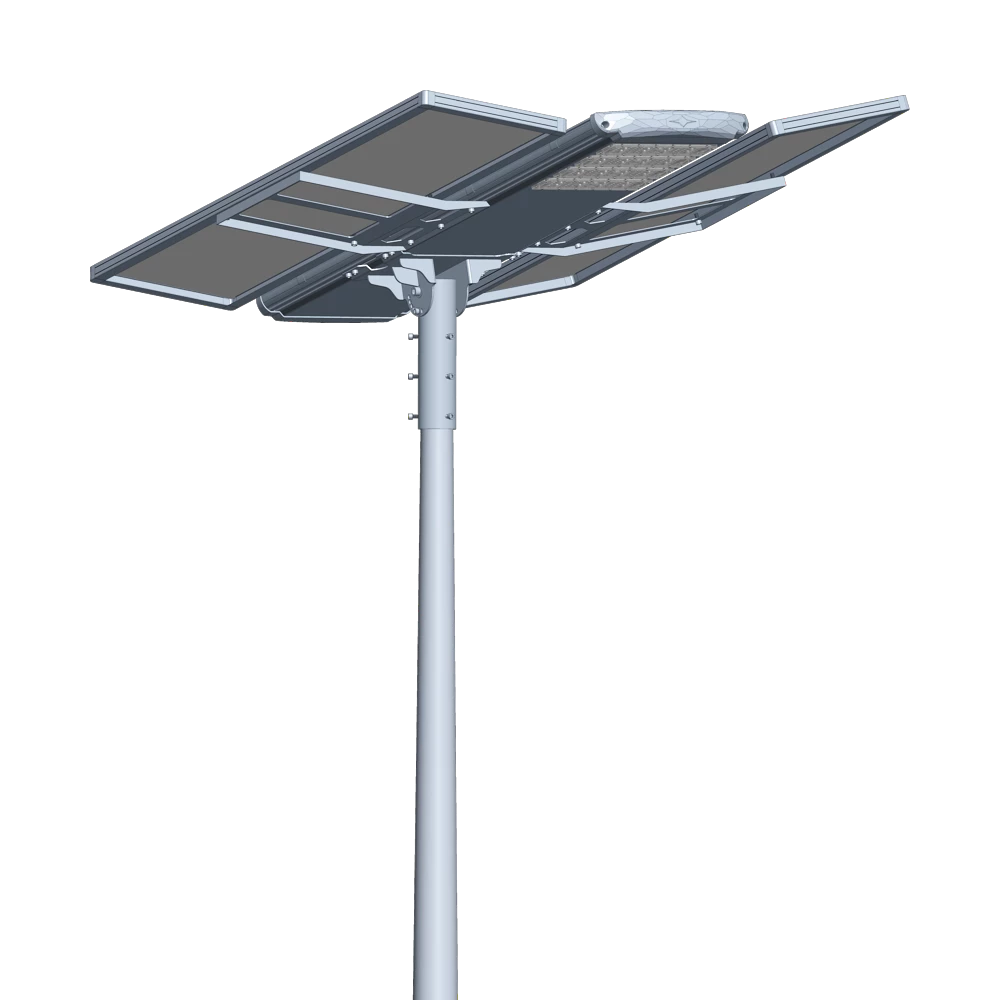
Introducing the Luqing Solar Street Light by Queneng, Efficient LED lighting powered by solar energy is perfect for illuminating outdoor areas. Harness the power of solar energy for sustainable, reliable street lighting. Ideal for eco-friendly, cost-effective outdoor illumination solutions.
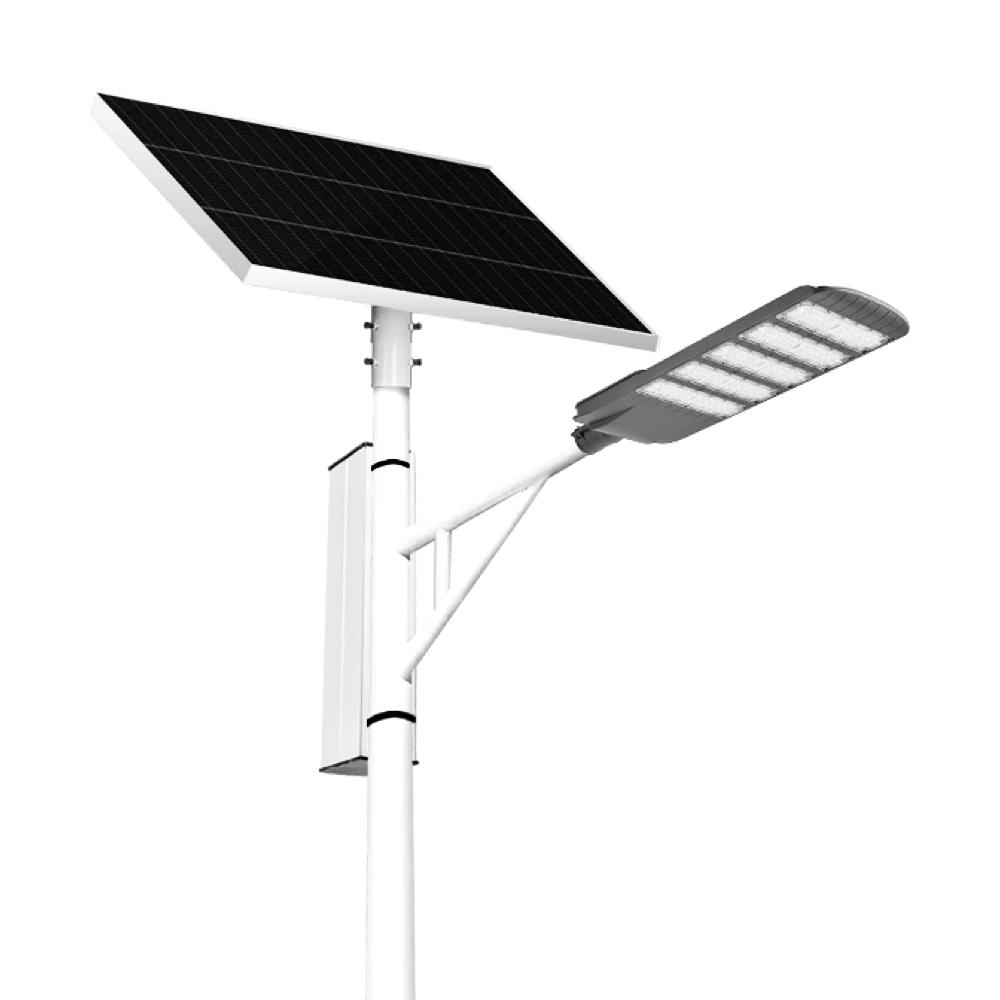
The Solar Streetlights of Luhao for Municipalities are designed to deliver reliable, energy-efficient, and cost-effective public lighting solutions. Equipped with advanced LED technology, durable lithium batteries, and high-efficiency solar panels, these streetlights provide consistent illumination for roads, parks, residential areas, and government projects.
Our professional team is ready to answer any questions and provide personalized support for your project.
You can reach us via phone or email to learn more about Queneng’s solar lighting solutions. We look forward to working with you to promote clean energy solutions!
Rest assured that your privacy is important to us, and all information provided will be handled with the utmost confidentiality.
By clicking 'Send Inquiry Now' I agree to Queneng processing my personal data.
To see how to withdraw your consent, how to control your personal data and how we process it, please see our Privacy Policy and Terms of use.
Schedule a Meeting
Book a date and time that is convenient for you and conduct the session in advance.
Have more questions about our products or services?
The messenger of light & power conversion
Environmental protection and intelligent manufacturing are our brand philosophy, and quality assurance and the best user experience are our eternal promises to users.
CONTACT
No.9F, Building F, Cao San Xin Tian Hong Logistics Park, Guzhen Town, Zhongshan City, Guangdong Province, China.
or write [email protected]
WhatsApp: +86 136 2270 1011


