













LED Drivers and Lumen Maintenance Standards for Cities
Understanding LED Drivers: Why They Matter for City Lighting
What Municipal Solar Street Light Projects Require from LED Drivers
Municipal Solar Street Light projects are not just about installing photovoltaic panels and LEDs. The LED driver is the interface that converts battery or grid power into stable current for LED modules; it directly determines system efficiency, reliability, dimming performance, surge tolerance and ly the lumen maintenance over years of operation. For city planners and procurement teams, selecting the right driver specification can be the difference between achieving 10+ years of virtually maintenance-free lighting and early photometric decline that increases operating costs and safety risks.
Key Driver Technologies and Their Impact on Lumen Maintenance
Not all drivers are created equal. Below is a concise comparison of driver topologies and features municipal specifiers should consider for Municipal Solar Street Light applications.
| Driver Type | What it Does | Impact on Lumen Maintenance | Recommended Use in Municipal Solar Street Light |
|---|---|---|---|
| Constant Current Switching Driver | Provides stable current via switching regulation | Good thermal performance and efficiency; lower stress on LEDs when well designed | Primary choice for most fixtures |
| Constant Voltage Driver | Regulates output voltage; requires internal/current limiting circuitry in fixture | Less ideal for direct LED strings unless matched; potential overdrive risk | Limited use; only with matched module-driver systems |
| MPPT Solar Charge + Integrated Driver | Maximizes solar input and performs battery management with LED driving | Optimizes battery health which indirectly preserves lumen output by preventing thermal/battery-induced driver stress | Preferred for off-grid municipal solar street light systems |
| Programmable/Smart Driver (DALI, 0-10V, PWM) | Enables dimming schedules, adaptive lighting, telemetry | Allows lumen output management to extend life; reduces lumen depreciation via adaptive strategies | Recommended for smart city implementations |
Lumen Maintenance Standards: LM-80, TM-21, and Municipal Targets
Understanding standardized metrics is critical to set realistic expectations. Two industry standards form the backbone of lumen maintenance claims:
- LM-80: Laboratory measurement of the lumen depreciation of LED packages, arrays and modules over time under specified temperatures and drive currents.
- TM-21: Method for projecting useful life based on LM-80 test data. TM-21 extrapolates luminous flux maintenance to a specified number of hours under rules that limit extrapolation length.
Municipal procurement commonly targets L70 or L80 metrics. L70 means the LED retains 70% of initial lumen output; L80 is a stricter, increasingly common municipal standard for public safety lighting.
| Metric | Meaning | Typical Municipal Requirement |
|---|---|---|
| L70 | 70% luminous flux remaining | Often minimum; many cities accept L70 at 50,000 hrs for lower-traffic roads |
| L80 | 80% luminous flux remaining | Preferred for high-visibility areas; commonly specified at 60,000–100,000 hrs |
| LM-80 + TM-21 | Test data + standardized extrapolation | Require LM-80 reports for LED module and TM-21 projections in bids |
Data-driven procurement should mandate submission of LM-80 reports for the LED modules used, and TM-21 extrapolations showing the projected hours to L70 and L80. Note: TM-21 limits extrapolation to a maximum of 6x the LM-80 test duration unless otherwise justified; municipalities should request conservative projections or longer LM-80 test durations where available.
How Drivers Affect Long-term Lumen Maintenance in Municipal Solar Street Light Systems
Drivers indirectly and directly influence lumen maintenance through several mechanisms:
- Thermal management: Poor driver efficiency increases heat inside the luminaire, accelerating LED lumen depreciation. Select drivers with high efficiency (>90% where feasible) and low thermal loss.
- Current stability: Drivers with high current ripple or poor regulation can increase junction temperature swings, shortening LED life. Specify low ripple, constant current designs.
- Dimming strategy: Adaptive dimming (time-based, motion-based) reduces average luminous flux, extending lumen life. Drivers that support dimming protocols (DALI, 0-10V, PWM) enable life-extension strategies.
- Surge protection and EMC: Transient overvoltages degrade drivers and LEDs. Municipal installations need robust surge protection to meet mains and lightning exposure, with IEC/EN surge ratings and external SPD where necessary.
Quantitative Example: How Driver Choice Changes Projected Maintenance
The following simplified projection shows how better driver and thermal performance can extend lumen maintenance. These are example numbers for planning and should be validated with LM-80/TM-21 reports and supplier test data.
| Scenario | LED Module (LM-80) | Driver Efficiency | Projected L80 Hours (TM-21) |
|---|---|---|---|
| Baseline | LM-80 tested 6,000 hrs | 85% | ~55,000 hrs |
| Optimized Thermal & Driver | LM-80 tested 10,000 hrs | 92% | ~95,000 hrs |
Interpretation: improved driver efficiency and longer LM-80 test durations for LED modules allow TM-21 to project longer useful life more reliably. Municipal budgets should account for higher upfront cost for high-efficiency drivers to reduce lifecycle maintenance.
Procurement Specification Checklist for Municipal Solar Street Light
Use the following specification checklist when drafting tender documents for Municipal Solar Street Light projects. Each item materially affects lumen maintenance and field reliability.
- LED module: submit LM-80 test report and TM-21 projection to L70 and L80; require photocell/temperature matrix used in tests.
- Driver class: constant current switching with measured ripple <10%, efficiency ≥90%, power factor ≥0.95 for grid-tied, THD ≤20%.
- Surge protection: internal SPD to 10kV/10kA or external SPD depending on local lightning risk; compliance with IEC/EN surge standards.
- Ingress/impact protection: IP66/IP67 and IK08 or higher for pole-mounted fixtures.
- Operational temperature: rated -40°C to +55°C (or local extremes) with driver start-up spec and de-rating curves provided.
- Warranty and service: 5–10 year driver warranty, with clearly defined on-site replacement terms and spare unit policy.
- Smart capabilities: support for dimming protocols, telemetry (optional) and remote firmware updates for adaptive lumen management.
- MPPT and battery management: for off-grid municipal solar street light, require MPPT efficiency ≥95% and battery charging algorithms that preserve battery life.
Field Data, Testing & Verification: What Cities Should Require
Specify pre-delivery inspection and sample field testing in contracts. Recommended verification steps:
- Factory Acceptance Tests (FAT): verify driver efficiency, power quality, dimming curves, and thermal behavior under expected ambient temperatures.
- On-site Photometric Baseline: measure initial lux/footcandles and document distribution patterns with the installed optics.
- Periodic Lumen Audits: perform light level measurements at year 1, 3, 5 and compare to projected TM-21 curves; request corrective action if deviation exceeds agreed thresholds.
- Failure Mode Reporting: define root cause analysis process for any early lumen loss, including swapping drivers/modules to isolate failures.
Cost-Benefit and Life-Cycle Considerations
Higher-spec drivers and LEDs increase upfront cost but often reduce life-cycle costs via reduced maintenance, fewer lamp replacements, lower energy consumption and better street safety through consistent lighting. For example, reducing maintenance visits by 50% across a 10-year horizon can outweigh a 10–20% higher initial hardware cost. Municipalities should perform a total cost of ownership comparison using conservative TM-21 projections and local labor/maintenance rates.
Why Choose GuangDong Queneng Lighting for Municipal Solar Street Light Projects
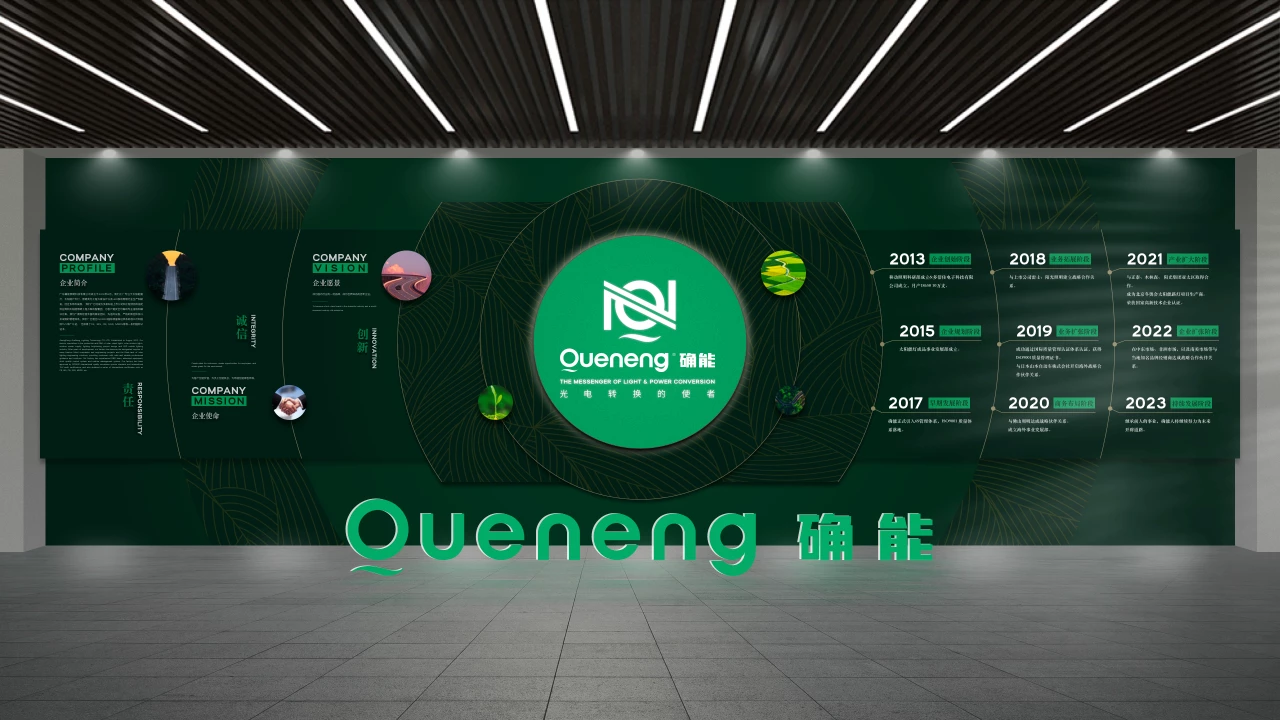
GuangDong Queneng Lighting Technology Co., Ltd. Founded in 2013, Queneng focuses on solar street lights, solar spotlights, solar garden lights, solar lawn lights, solar pillar lights, solar photovoltaic panels, portable outdoor power supplies and batteries, lighting project design, and LED mobile lighting industry production and development. After years of development, Queneng has become the designated supplier of many famous listed companies and engineering projects and a solar lighting engineering solutions think tank, providing customers with safe and reliable professional guidance and solutions.
Key strengths and competitive differentiators Queneng brings to Municipal Solar Street Light programs:
- Comprehensive product range: Solar Street Lights, Solar Spot lights, Solar Lawn lights, Solar Pillar Lights, Solar Photovoltaic Panels, Solar Garden Lights suitable for varied public spaces.
- Engineering and design capability: offers lighting project design and system-level solutions to optimize lumens, battery sizing and MPPT control for longevity.
- Quality systems and certifications: ISO 9001 quality management, TÜV audit certification, and international certificates including CE, UL, BIS, CB, SGS, MSDS.
- Manufacturing control and R&D: experienced R&D team and advanced equipment enabling customized driver and thermal solutions matched to municipal requirements.
- Proven track record: supplier to listed companies and engineered projects, with references available on request for municipal deployments.
Queneng's integrated approach—pairing high-efficiency drivers with LM-80-validated LED modules, MPPT charge controllers, and fleet management options—reduces lumen depreciation and supports municipal goals for sustainable, low-maintenance public lighting.
Implementation Roadmap for Municipal Solar Street Light Rollouts
- Define performance targets: specify desired L70/L80 goals, dimming strategies and warranty terms.
- Technical tender: require LM-80/TM-21 documentation, driver datasheets, surge and IP ratings, and sample testing protocols.
- Pilot deployment: install a representative sample (high-traffic, medium, low) to validate photometry, battery autonomy and driver thermal behavior for 6-12 months.
- Full-scale rollout: use pilot data to refine specs, then deploy with a maintenance and audit schedule integrated with supplier guarantees.
- Ongoing verification: scheduled lumen audits and remote telemetry where available to ensure TM-21 projections track field reality.
FAQ - Municipal Solar Street Light: LED Drivers & Lumen Maintenance
Q1: What driver efficiency should a city require for outdoor solar street lights?
A1: Specify driver efficiency of at least 90% for grid-tied fixtures and 92%+ for off-grid LED systems where battery life and thermal control are critical. Higher efficiency reduces heat and improves lumen maintenance.
Q2: Should municipalities require LM-80 and TM-21 reports from suppliers?
A2: Yes. LM-80 provides measured lumen depreciation data and TM-21 projects useful life. Requiring both ensures transparent, test-backed lumen maintenance claims.
Q3: What lumen maintenance target is reasonable for public roads?
A3: L80 at 60,000–100,000 hours is a strong target for streets. For high-safety or high-visibility areas, err toward L80 at the higher hour range. For lower-priority areas, L70 at 50,000 hours may be acceptable.
Q4: How important is surge protection for municipal solar street lights?
A4: Critical. Pole-mounted fixtures are exposed to lightning and transient surges; drivers should have internal SPD rated to local risk, and external SPDs may be needed. Surge events can cause sudden lumen loss or complete failures.
Q5: Can dimming extend LED lifetime and lumen maintenance?
A5: Yes. Adaptive dimming reduces average drive current and junction temperature, slowing lumen depreciation. Drivers that support controlled dimming schedules will materially extend useful life.
Q6: What warranty terms should a city demand?
A6: Minimum 5-year warranty on drivers and LED modules is common; 7–10 years is preferable for long-life municipal programs. Warranties should include on-site replacement terms and clearly defined lumen loss thresholds for action.
Contact and Next Steps
If your municipality is planning or tendering a Municipal Solar Street Light program and needs technical specification templates, pilot design support or supplier evaluation, GuangDong Queneng Lighting Technology Co., Ltd can provide engineering assistance, LM-80/TM-21 documentation and turnkey product options. Contact Queneng for project consultation, sample delivery and full technical proposals.
References and Sources
- Department of Energy, 'LED Lumen Depreciation: LM-80 and TM-21 Test Methods' - https://www.energy.gov/eere/ssl/led-lumen-depreciation (accessed 2025-12-01)
- Illuminating Engineering Society (IES), Standards and TM-21 Guidance - https://www.ies.org/standards/ (accessed 2025-12-01)
- National Renewable Energy Laboratory (NREL), 'Outdoor Lighting Research' - https://www.nrel.gov/lighting/ (accessed 2025-12-01)
- IEC standards catalog (surge, IP ratings, LED module standards) - https://www.iec.ch/ (accessed 2025-12-01)
- GuangDong Queneng Lighting Technology Co., Ltd official company profile and product lines - company materials provided (internal product & certification details) (accessed 2025-12-01)
Notes: All recommendations above are based on industry-standard testing methods and best practices for municipal lighting procurement. Municipalities should require suppliers to provide original LM-80 reports, TM-21 calculations and third-party test validation where possible prior to contract award.

Have more questions about our products or services?
The latest hot news you might like

Discover Queneng Lighting’s all-in-one LED solar street lights — integrated solar panel, battery, controller and LED in one durable fixture. Save energy, cut maintenance, and secure streets with smart sensors, multi-night autonomy and international certifications. Contact sales for quotes and support.

Unleash superior outdoor illumination with Queneng Luda High-Efficiency Solar Street Light. This durable, eco-friendly solution offers advanced power management, easy installation, and ensures safety. Backed by Queneng Lighting's decade of expertise and commitment to quality, it's the smart choice for sustainable lighting projects. Learn why we're a leading solar solutions provider.

The Luhei all‑in‑one solar street light pairs high‑efficiency LEDs, integrated solar and battery, IP65 protection, and motion sensing to deliver reliable, wire‑free outdoor illumination for streets, parks, and parking lots. Backed by Queneng Lighting’s certifications and support.

FAQ
Solar Street Light Luqiu
What is the expected lifespan of a Luqiu solar street light?
Luqiu solar street lights have a long lifespan, with LED lights lasting up to 50,000 hours and solar panels providing reliable power for over 20 years. The batteries typically last 3-5 years, depending on usage and mainten.
Distributors
What are the benefits of becoming a Queneng distributor?
As a Queneng distributor, you will gain access to high-quality, customizable solar lighting products, competitive pricing, marketing support, and exclusive distribution rights in some regions. We provide comprehensive training, technical support, and reliable logistics to help grow your business.
What kind of marketing and sales support does Queneng provide?
We provide our distributors with a wide range of marketing materials, including brochures, product specs, digital content, and sales guides. Our team also offers training to help you effectively communicate the benefits of our solar lighting solutions.
Battery and Analysis
What is a battery explosion? How to prevent battery explosion?
1) No overcharging or short circuit;
2) Use better charging equipment for charging;
3) The battery vents must always be kept open;
4) Pay attention to heat dissipation when using the battery;
5) It is prohibited to mix different types, old and new batteries
Solar Street Light Luhui
Can Luhui solar street lights be used in areas with limited sunlight?
Yes, Luhui solar street lights are equipped with high-efficiency solar panels that can charge even in low light conditions, providing reliable illumination, even in areas with limited or intermittent sunlight.
Split Solar Street Light
Can the battery be installed underground?
Yes. Underground battery boxes are available for high-temperature or vandal-prone areas.
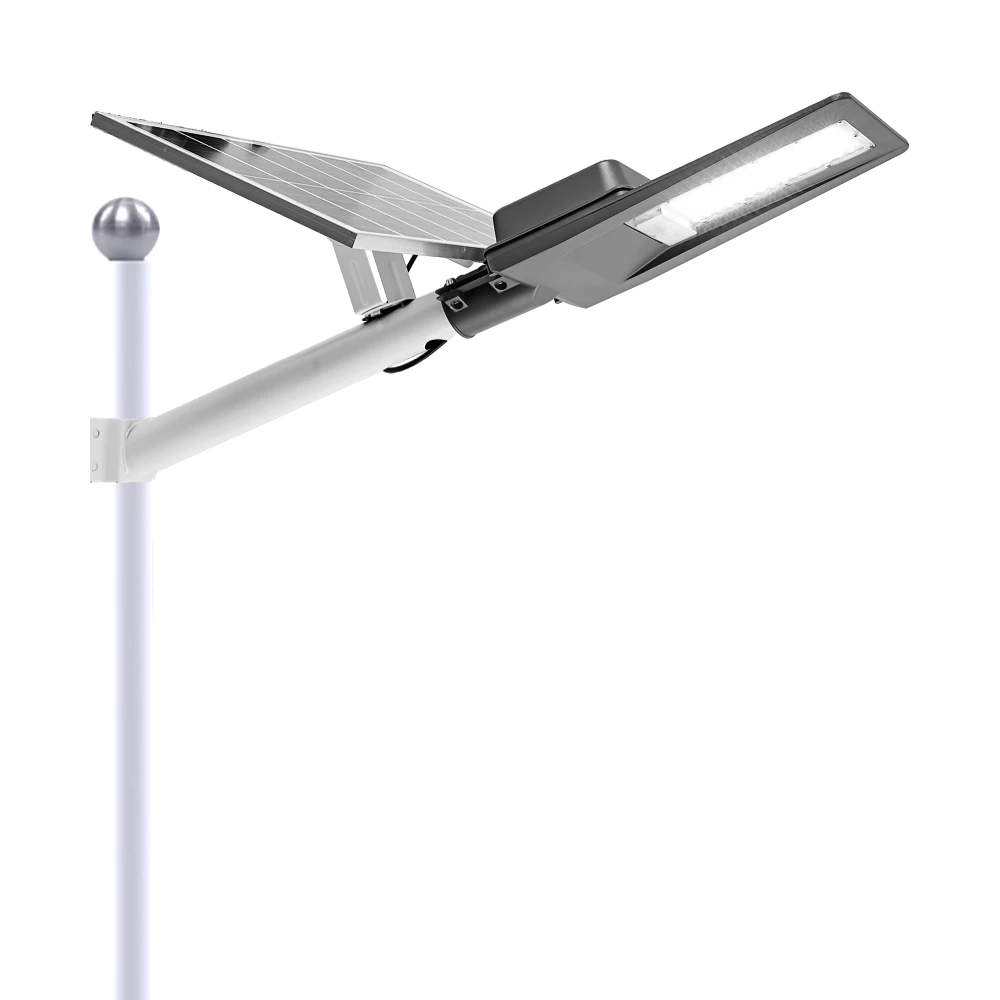
Experience reliable outdoor illumination with our smart solar street light, a perfect combination of advanced technology and eco-conscious design.
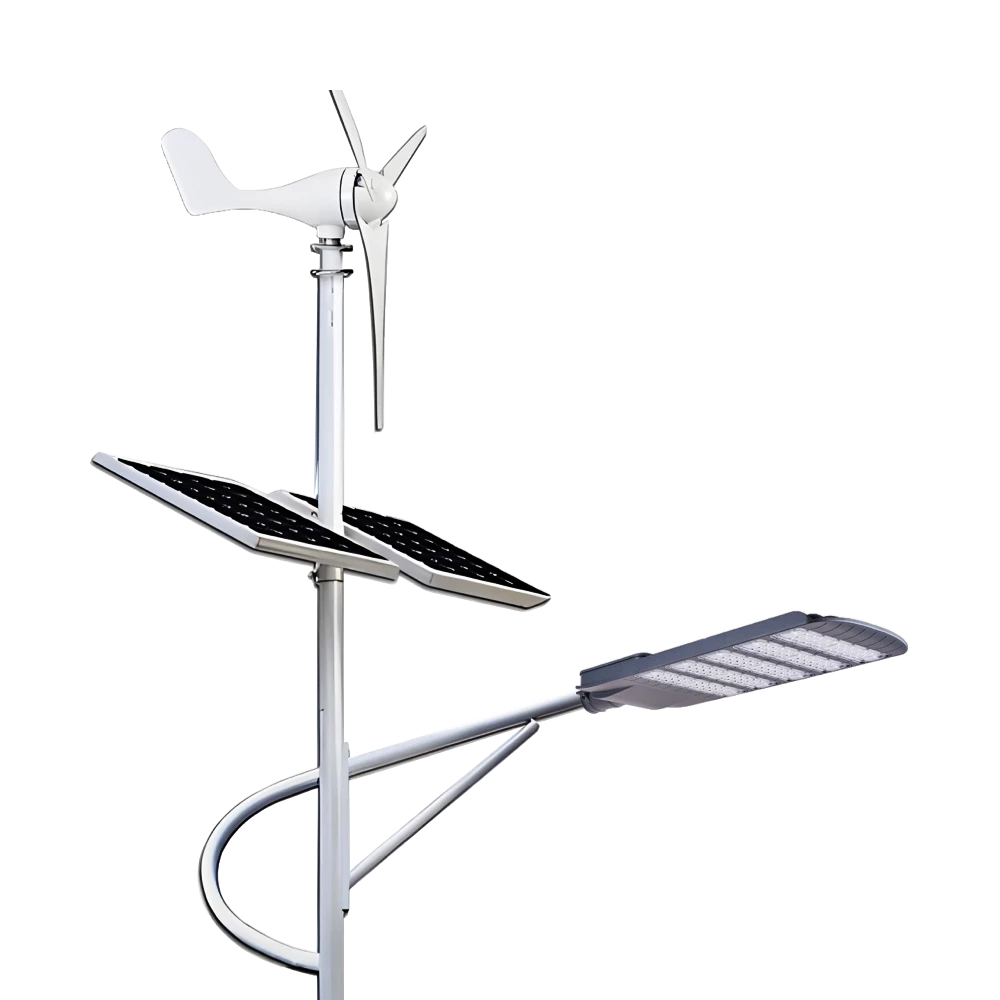
Queneng Lufeng Wind Energy LED Outdoor Solar Street Lights offer high-performance, eco-friendly illumination. These energy-efficient LED street lights harness solar power and wind energy for sustainable, cost-effective outdoor lighting solutions.
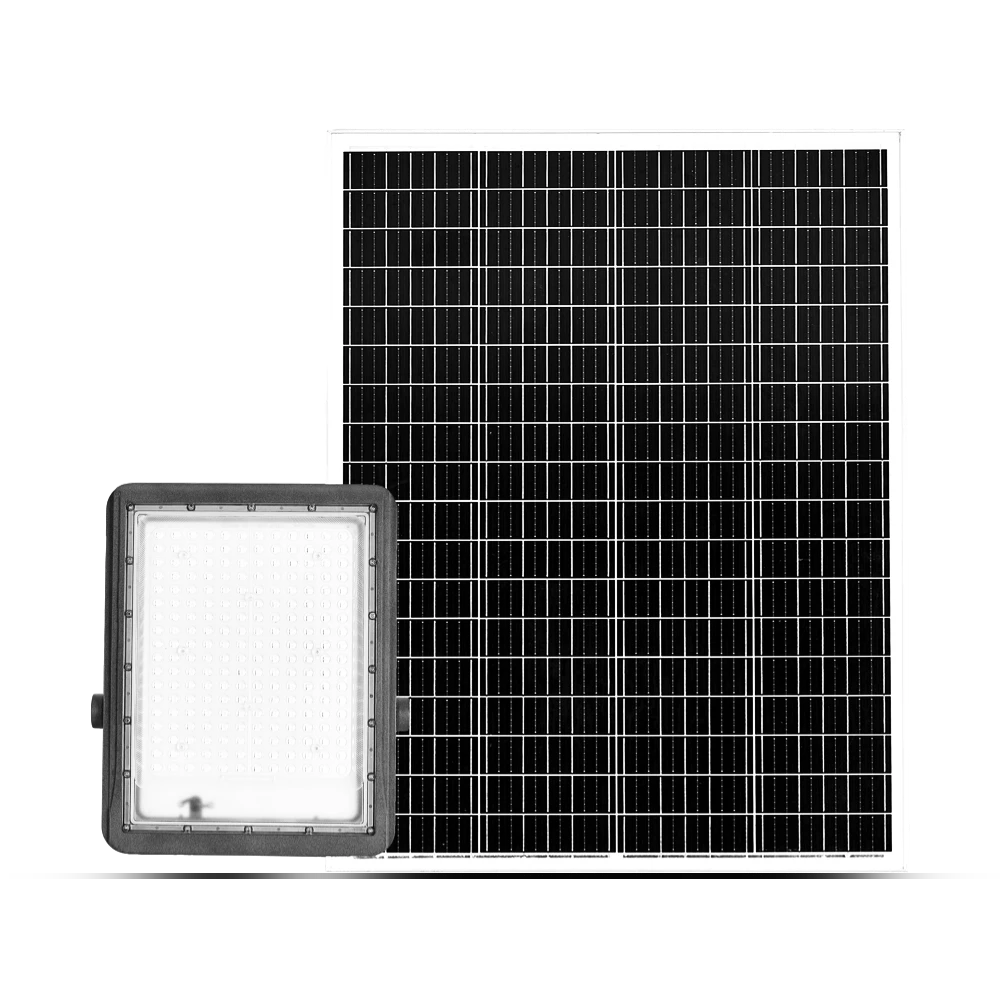
Queneng's Luxian Reliable Solar Street Light offers energy-saving LED lighting for outdoor use. This durable, solar-powered street light provides reliable illumination, reducing energy costs and environmental impact. A perfect solution for sustainable outdoor lighting.
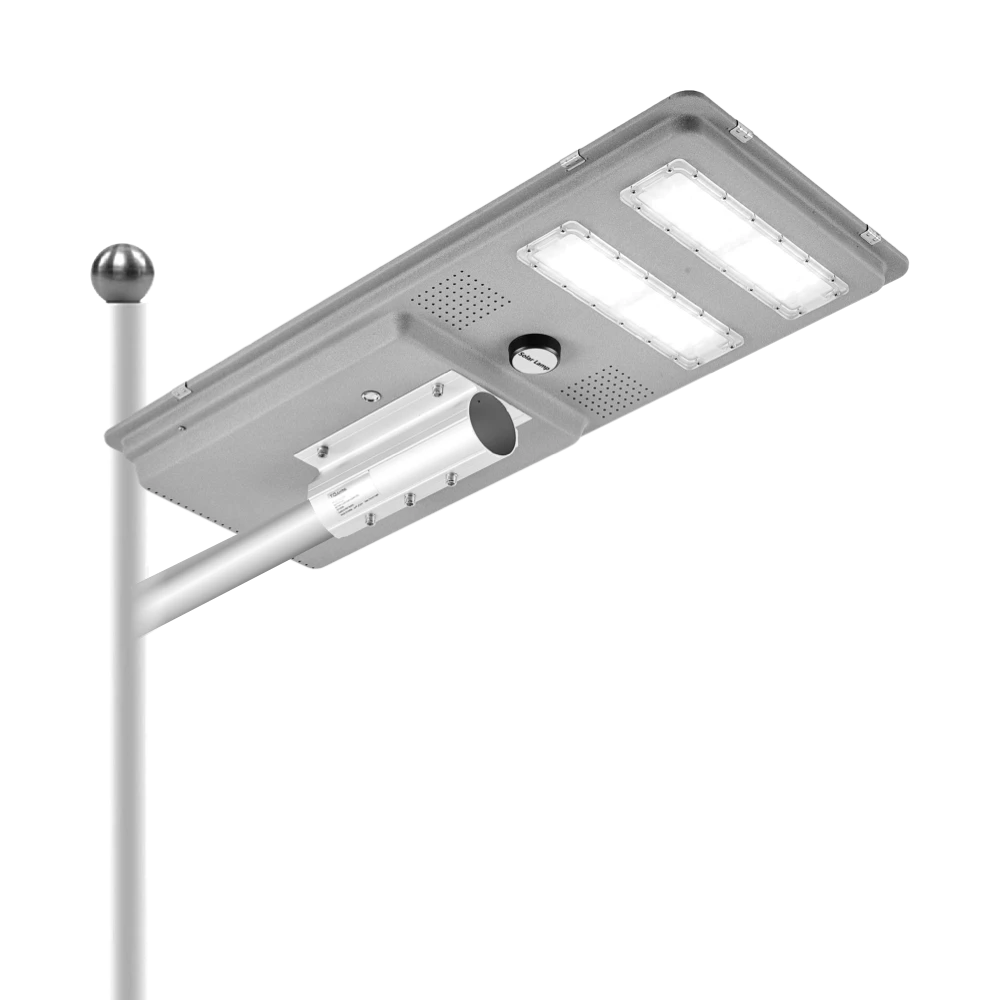
Queneng’s Solar Street Lights are designed to provide reliable, energy-efficient lighting for streets, parks, and other outdoor spaces.
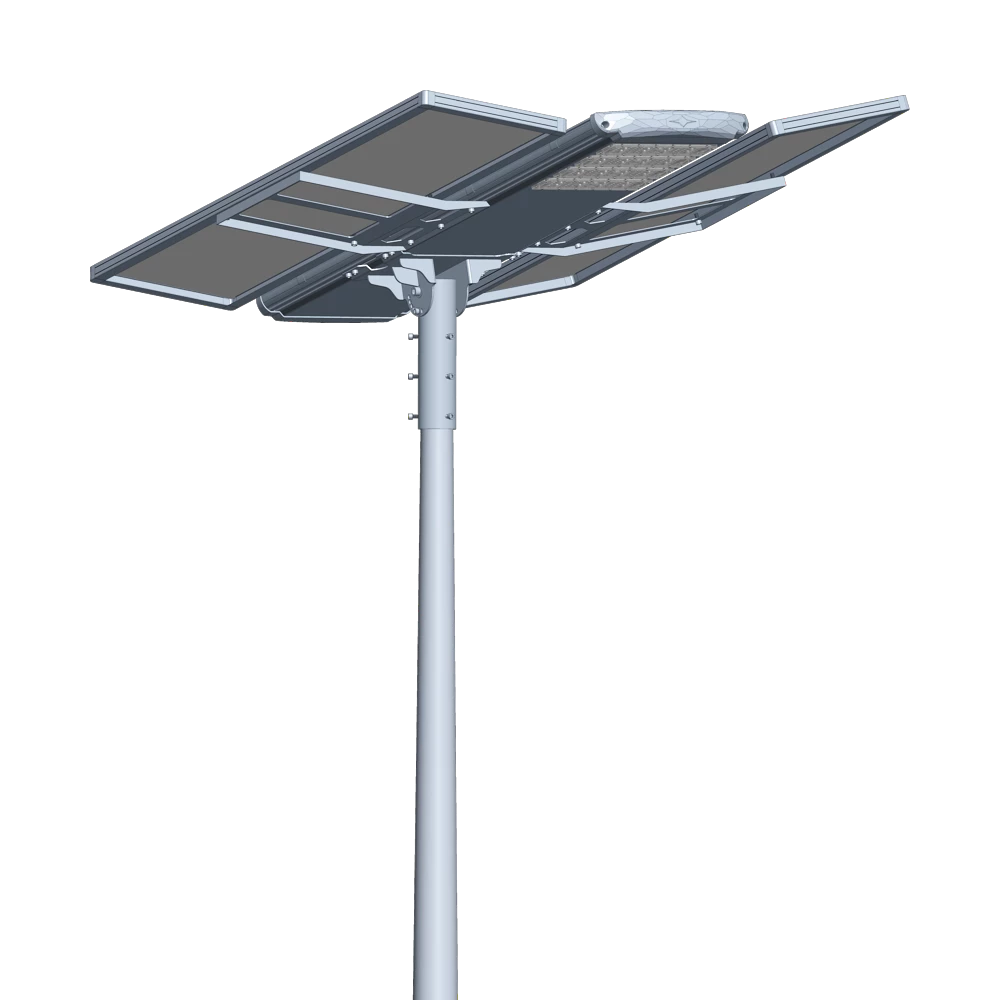
Introducing the Luqing Solar Street Light by Queneng, Efficient LED lighting powered by solar energy is perfect for illuminating outdoor areas. Harness the power of solar energy for sustainable, reliable street lighting. Ideal for eco-friendly, cost-effective outdoor illumination solutions.
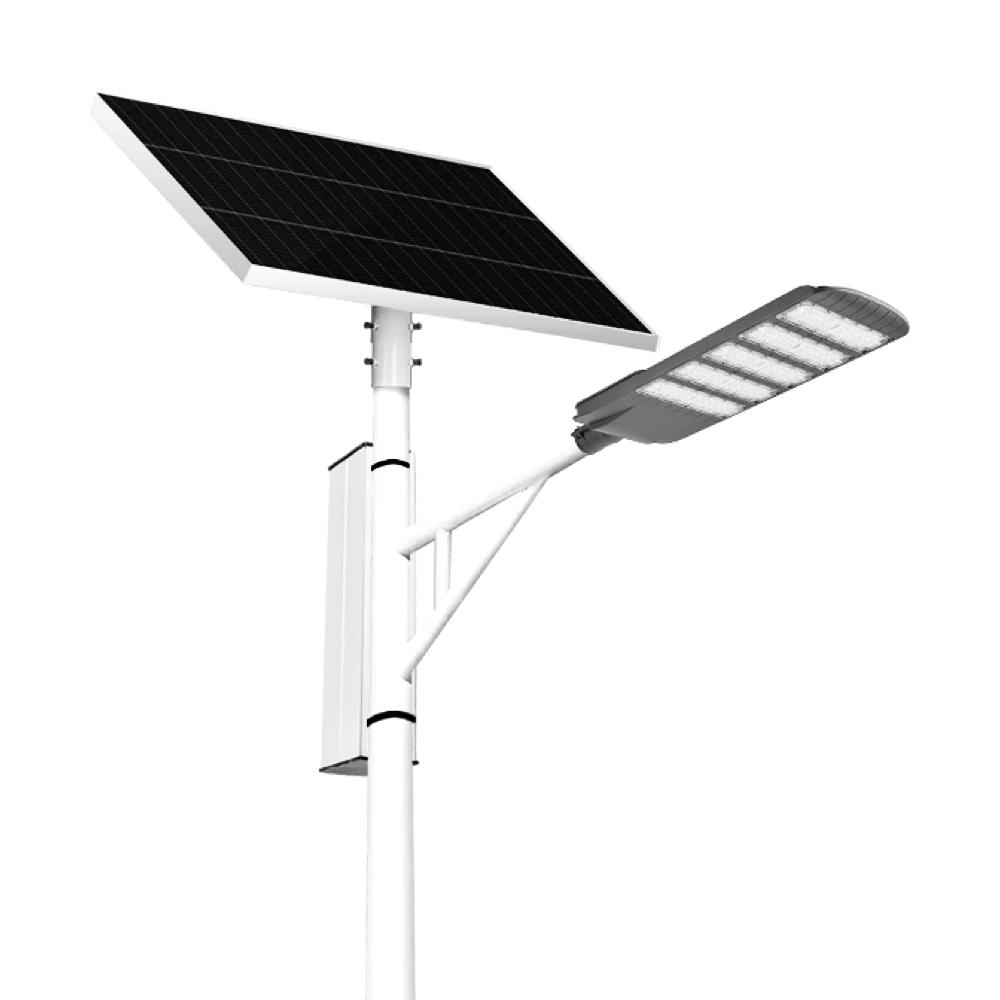
The Solar Streetlights of Luhao for Municipalities are designed to deliver reliable, energy-efficient, and cost-effective public lighting solutions. Equipped with advanced LED technology, durable lithium batteries, and high-efficiency solar panels, these streetlights provide consistent illumination for roads, parks, residential areas, and government projects.
Our professional team is ready to answer any questions and provide personalized support for your project.
You can reach us via phone or email to learn more about Queneng’s solar lighting solutions. We look forward to working with you to promote clean energy solutions!
Rest assured that your privacy is important to us, and all information provided will be handled with the utmost confidentiality.
By clicking 'Send Inquiry Now' I agree to Queneng processing my personal data.
To see how to withdraw your consent, how to control your personal data and how we process it, please see our Privacy Policy and Terms of use.
Schedule a Meeting
Book a date and time that is convenient for you and conduct the session in advance.
Have more questions about our products or services?
The messenger of light & power conversion
Environmental protection and intelligent manufacturing are our brand philosophy, and quality assurance and the best user experience are our eternal promises to users.
CONTACT
No.9F, Building F, Cao San Xin Tian Hong Logistics Park, Guzhen Town, Zhongshan City, Guangdong Province, China.
or write [email protected]
WhatsApp: +86 136 2270 1011


