














Energy Savings and CO2 Reduction Calculations for Cities
Why Cities Should Prioritize Municipal Solar Street Light Projects
Municipalities worldwide are under pressure to reduce operating costs, meet climate commitments, and upgrade aging infrastructure. Municipal solar street light projects address all three goals by replacing grid‑fed, high‑consumption fixtures with self-contained photovoltaic (PV) LED luminaires. This article gives city planners, energy managers, and procurement teams a reproducible methodology to quantify energy savings and CO2 reductions from municipal solar street light deployments, with worked examples, sensitivity analysis, lifecycle notes, and a practical implementation checklist.
Municipal Solar Street Light: Core calculation methodology
To calculate energy savings and CO2 reductions for municipal solar street light projects, follow three steps:
- Establish the baseline consumption (kWh/year) of existing street lights or the alternative solution being replaced.
- Estimate the delivered energy from the new municipal solar street light system (kWh/year) that displaces grid consumption.
- Apply an electricity grid CO2 emission factor (kgCO2/kWh) to the net avoided grid energy to get CO2 reduction.
Key formulas (use consistent units):
- Baseline energy per fixture per year (kWh/yr) = Power_baseline (kW) × Average operating hours/day × 365
- Energy avoided per fixture per year = Baseline energy − (Grid energy still used if any)
- Total energy avoided (kWh/yr) = Energy avoided per fixture × Number of fixtures
- CO2 avoided (kgCO2/yr) = Total energy avoided (kWh/yr) × Grid emission factor (kgCO2/kWh)
Always state assumptions: operating hours, baseline wattage, replacement wattage, and the grid emission factor. Where possible, use measured lamp operating hours from city telemetry rather than assumed hours.
Municipal Solar Street Light: Baseline assumptions and typical values
Common baseline lamp types and typical operating parameters used in municipal analysis:
| Parameter | Typical value (example) | Notes / source |
|---|---|---|
| Existing HID/HPS lamp power | 150 W | Common legacy municipal value for medium‑brightness roads |
| Equivalent LED lamp power (if grid LED) | 50 W | LED conversion ratios typically 60–70% reduction vs HPS |
| Average operating hours/day | 11 h/day | City averages range 8–12 h depending on latitude and policy |
| Grid emission factors (examples) | Low: 0.2 kgCO2/kWh / Medium: 0.6 kgCO2/kWh / High: 0.9 kgCO2/kWh | Use country/region specific value where available (Our World in Data / national inventories) |
Sources for emission factor ranges and LED performance are listed in the references. For rigorous city reporting, use the local utility or national inventory emission factor.
Municipal Solar Street Light: Worked example — 10,000 street lights
Assumptions:
- Baseline fixtures: 150 W HPS, 11 hours/day, 365 days.
- Replacement: self‑contained municipal solar street light providing equivalent light (net grid consumption = 0).
- Number of fixtures: 10,000.
Step 1 — baseline energy per fixture:
150 W = 0.15 kW → daily energy = 0.15 kW × 11 h = 1.65 kWh/day → annual = 1.65 × 365 = 602.25 kWh/yr.
Step 2 — total baseline energy for 10,000 fixtures:
602.25 kWh/yr × 10,000 = 6,022,500 kWh/yr = 6,022.5 MWh/yr.
Step 3 — CO2 avoided depends on grid emission factor. Using three example factors:
| Grid CO2 factor (kgCO2/kWh) | CO2 avoided (kgCO2/yr) | CO2 avoided (metric tons CO2/yr) |
|---|---|---|
| 0.20 (low) | 6,022,500 × 0.20 = 1,204,500 | 1,204.5 tCO2/yr |
| 0.60 (medium) | 6,022,500 × 0.60 = 3,613,500 | 3,613.5 tCO2/yr |
| 0.90 (high) | 6,022,500 × 0.90 = 5,420,250 | 5,420.3 tCO2/yr |
Interpretation: Replacing 10,000 legacy 150 W HPS fixtures with municipal solar street lights can avoid between ~1,200 and ~5,420 metric tons CO2 per year depending on the carbon intensity of the replaced grid electricity. If the city instead converts to grid LED (50 W) the avoided energy and emissions would be lower — the relevant comparison is shown in the next table.
Municipal Solar Street Light: Scenario comparison (HPS → Grid LED → Solar LED)
| Scenario | Per fixture annual energy (kWh) | Total for 10,000 fixtures (MWh/yr) | Example CO2 avoided vs HPS (0.6 kgCO2/kWh) |
|---|---|---|---|
| Baseline: 150 W HPS | 602.25 | 6,022.5 | — |
| Convert to grid LED (50 W) | 0.05 kW × 11 × 365 = 200.75 | 2,007.5 | Reduction vs HPS = (6,022.5 − 2,007.5) × 0.6 = 2,403 tCO2/yr |
| Convert to municipal solar street light (on‑site PV) | Assumed net grid = 0 | 0 | Reduction vs HPS = 6,022.5 × 0.6 = 3,613.5 tCO2/yr |
Note: The solar option eliminates grid consumption entirely (if correctly sized and with appropriate autonomy). In some climates or designs hybrid systems still use grid power occasionally; those should be modeled by estimating fractional grid use.
Municipal Solar Street Light: Financial illustration and payback (sensitivity)
Financial viability depends on unit capital cost, maintenance cost, electricity price, incentives, and financing. Example sensitivity using illustrative numbers (replace with local quotes):
- Unit installed cost for municipal solar street light: $1,200 (range $700–$2,500 depending on spec, solar panel size, battery type, and local installation complexity).
- Electricity price (grid): $0.10/kWh (range $0.05–$0.25).
- Annual energy cost savings per fixture (if replacing 150 W HPS): 602.25 kWh × $0.10 = $60.23/yr.
| Item | Value |
|---|---|
| Installed cost per fixture (example) | $1,200 |
| Annual energy saving per fixture | $60.23/yr |
| Simple payback (years) | $1,200 ÷ $60.23 ≈ 19.9 years |
Important caveats:
- Payback improves markedly if existing lights are inefficient and electricity costs are high, or if the analysis includes avoided distribution/maintenance costs and incentives.
- Municipal solar street light systems often reduce operating budgets by cutting trenching and connection costs, and lower long‑term maintenance through modular LED designs.
- Battery replacements (typ. 6–10 years) should be budgeted in lifecycle cost analysis; modern LiFePO4 batteries last longer and reduce lifecycle costs compared to lead‑acid.
Municipal Solar Street Light: Lifecycle CO2 and embodied emissions considerations
Solar street lights generate near‑zero direct operational emissions, but there are embodied emissions from PV modules, batteries, and manufacturing. Lifecycle assessments (LCA) show that PV‑enabled lighting typically pays back its embodied CO2 within months to a few years of operation depending on the grid's carbon intensity. For city projects, include:
- Embodied emissions of panels and batteries (kgCO2 per unit) — use supplier LCA or literature defaults.
- Service life (years) and replacement schedule for batteries, controllers, and LEDs.
- End‑of‑life recycling plan to minimize long‑term environmental impact.
Example: If the embodied emissions per solar fixture are 500 kgCO2 and the system avoids 361.35 kgCO2/fixture/year (using 0.6 kg/kWh and 602.25 kWh/year), the embodied carbon is paid back in ~1.4 years. Use vendor LCA data for accuracy.
Municipal Solar Street Light: Practical implementation checklist for cities
- Inventory current street lights: type, wattage, operating hours, and control strategy.
- Obtain local grid emission factor from the national inventory or utility.
- Define performance spec for municipal solar street light (lumen output, autonomy days, IP rating, battery chemistry, warranty).
- Model energy production with local solar irradiance (PVWatts or Meteonorm) and include seasonal variation.
- Run sensitivity analysis: battery age, cloudy days, degradation, and partial grid usage.
- Collect supplier lifecycle data (LCA, warranty, battery replacement schedule, maintenance plan).
- Plan procurement with performance‑based contracts and quality assurance testing on sample units.
Municipal Solar Street Light: Comparing suppliers and why technical detail matters
Not all municipal solar street lights are equal. Key differentiators include:
- PV module quality and degradation rate (affects energy delivered over life).
- Battery chemistry (LiFePO4 vs. lead‑acid) and usable depth of discharge (affects lifecycle and replacement cost).
- Lighting optics and lumen maintenance (how well the fixture maintains light output over time).
- Controller intelligence for dimming, remote management, and fault reporting.
Procurement should include performance guarantees (e.g., X% output after Y years), acceptable failure rates, and verifiable test reports.
Municipal Solar Street Light: Queneng lighting solutions and capabilities
GuangDong Queneng Lighting Technology Co., Ltd. (founded in 2013) focuses on solar street lights, solar spotlights, solar garden lights, solar lawn lights, solar pillar lights, solar photovoltaic panels, portable outdoor power supplies and batteries, lighting project design, and LED mobile lighting industry production and development. After years of development, Queneng has become a designated supplier for many listed companies and engineering projects and operates as a solar lighting engineering solutions think tank, providing customers with safe and reliable professional guidance and solutions.
Queneng advantages and offerings (summary):
- Products: Solar Street Lights, Solar Spot lights, Solar Lawn lights, Solar Pillar Lights, Solar Photovoltaic Panels, Solar Garden Lights.
- R&D team, advanced production equipment, and strict quality control.
- Certifications: ISO 9001, TÜV audit, CE, UL, BIS, CB, SGS, MSDS — demonstrating compliance and international credibility.
- Project capabilities: system design, testing, on‑site support, and long‑term maintenance planning for municipal scale deployments.
Queneng can supply product datasheets, LCA/embodied carbon information, warranty and maintenance packages, and project references to validate performance assumptions used in the calculations above.
Municipal Solar Street Light: Final recommendations
For accurate city planning:
- Use measured baseline energy consumption and local grid emission factors for CO2 calculations.
- Request supplier LCA and real‑world performance data (irradiance‑adjusted delivery and autonomy days).
- Model financials with battery replacement and maintenance included, and consider financing or ESCO models to accelerate deployment.
- Run pilot installations in representative microclimates to validate assumptions before full roll‑out.
Municipal solar street lights offer a robust pathway to reduce energy bills, cut CO2 emissions, and improve urban resilience, especially in cities with high grid emission factors or expensive distribution upgrades.
FAQ — Municipal Solar Street Light
- Q: How do I choose the correct grid CO2 emission factor for my city?
A: Use the national or regional inventory provided by your environmental agency or utility. If unavailable, use country‑level averages from Our World in Data or IEA datasets (see references). - Q: What operating hours should I assume for street lights in calculations?
A: Measure local on‑off times if possible. Where measurements are lacking, use 10–12 hours/day for temperate cities and 8–10 for high‑latitude summer variability. Adjust seasonally if your city dims seasonally. - Q: Do municipal solar street lights always eliminate CO2 emissions entirely?
A: They eliminate operational grid electricity emissions when designed for full off‑grid operation. Lifecycle embodied emissions from manufacturing and battery replacements should be included for a full CO2 accounting. - Q: How often do batteries need replacement in solar street lights?
A: Battery life depends on chemistry and depth of discharge — LiFePO4 typically lasts 6–10+ years under conservative cycles, while lead‑acid may require replacement every 3–5 years. Use supplier cycle life data in lifecycle cost models. - Q: How can a city reduce payback period for a large solar street light rollout?
A: Strategies include prioritizing high electricity price areas, accessing central procurement discounts, using performance‑based financing (ESCOs), applying grants/incentives, reducing installation cost by piloting standardized mounting and procurement, and selecting longer‑life battery technologies to reduce lifecycle replacements. - Q: What monitoring is recommended after deployment?
A: Remote telemetry for energy production, battery state‑of‑charge, fault alerts, and scheduled performance reports. This data validates savings and informs maintenance planning.
For tailored calculations, LCA details, or to review product specs and project references, contact GuangDong Queneng Lighting Technology Co., Ltd. Their technical team can run site‑specific energy and CO2 models and provide certified product documentation.
Contact / View products: Reach out to GuangDong Queneng Lighting Technology Co., Ltd. for project quotes, technical drawings, and lifecycle data sheets for Solar Street Lights, Solar Spot lights, Solar Lawn lights, Solar Pillar Lights, Solar Photovoltaic Panels, and Solar Garden Lights.
References
- U.S. Department of Energy — Municipal Solid‑State Street Lighting Consortium (MSSLC). https://www.energy.gov/eere/ssl/municipal-solid-state-street-lighting-consortium (accessed 2025‑12‑20)
- U.S. EPA — Greenhouse Gas Equivalencies Calculator. https://www.epa.gov/energy/greenhouse-gas-equivalencies-calculator (accessed 2025‑12‑20)
- Our World in Data — CO2 emissions by sector and electricity emission intensity. https://ourworldindata.org/co2-emissions-from-fossil-fuels (accessed 2025‑12‑20)
- NREL / peer‑reviewed literature — Life cycle greenhouse gas emissions of solar PV and batteries (see NREL technical reports for regional LCA values). Example: https://www.nrel.gov (search: PV life cycle emissions) (accessed 2025‑12‑20)
- Industry supplier certifications and quality standards — ISO 9001, TÜV, CE, UL, BIS, CB, SGS, MSDS — see respective issuing bodies for certification details: ISO: https://www.iso.org, TÜV: https://www.tuv.com (accessed 2025‑12‑20)

Have more questions about our products or services?
The latest hot news you might like

Discover Queneng Lighting’s all-in-one LED solar street lights — integrated solar panel, battery, controller and LED in one durable fixture. Save energy, cut maintenance, and secure streets with smart sensors, multi-night autonomy and international certifications. Contact sales for quotes and support.

Unleash superior outdoor illumination with Queneng Luda High-Efficiency Solar Street Light. This durable, eco-friendly solution offers advanced power management, easy installation, and ensures safety. Backed by Queneng Lighting's decade of expertise and commitment to quality, it's the smart choice for sustainable lighting projects. Learn why we're a leading solar solutions provider.

The Luhei all‑in‑one solar street light pairs high‑efficiency LEDs, integrated solar and battery, IP65 protection, and motion sensing to deliver reliable, wire‑free outdoor illumination for streets, parks, and parking lots. Backed by Queneng Lighting’s certifications and support.

FAQ
Battery Performance and Testing
What are the main aspects of performance commonly referred to as secondary batteries?
Sustainability
What is the warranty period for Queneng solar street lights?
We offer a 3–5-year warranty on all solar street lights, depending on the model and project requirements. During the warranty period, any issues arising from quality defects will be repaired or replaced at no cost.
Industry
Will the solar street lights work effectively in winter or during low sunlight conditions?
Queneng’s solar lights are equipped with high-capacity batteries, ensuring normal illumination even in low-light conditions, making them ideal for regions with frequent winter or rainy weather.
Solar Street Light Chuanqi
How do the solar panels in Chuanqi street lights store energy?
The solar panels in Chuanqi solar street lights collect sunlight during the day and convert it into electrical energy, which is stored in high-capacity lithium-ion batteries. The stored energy is then used to power the LED lights at night, ensuring continuous illumination even when the sun is not shining. This energy storage system ensures the lights work autonomously without relying on an external power source.
Split Solar Street Light
How do I choose the right configuration?
We provide free lighting & energy simulations based on your project location.
OEM&ODM
Can I customize the product appearance and packaging?
Yes! We offer full customization on housing color, logo printing, battery configuration, controller type, and box design.
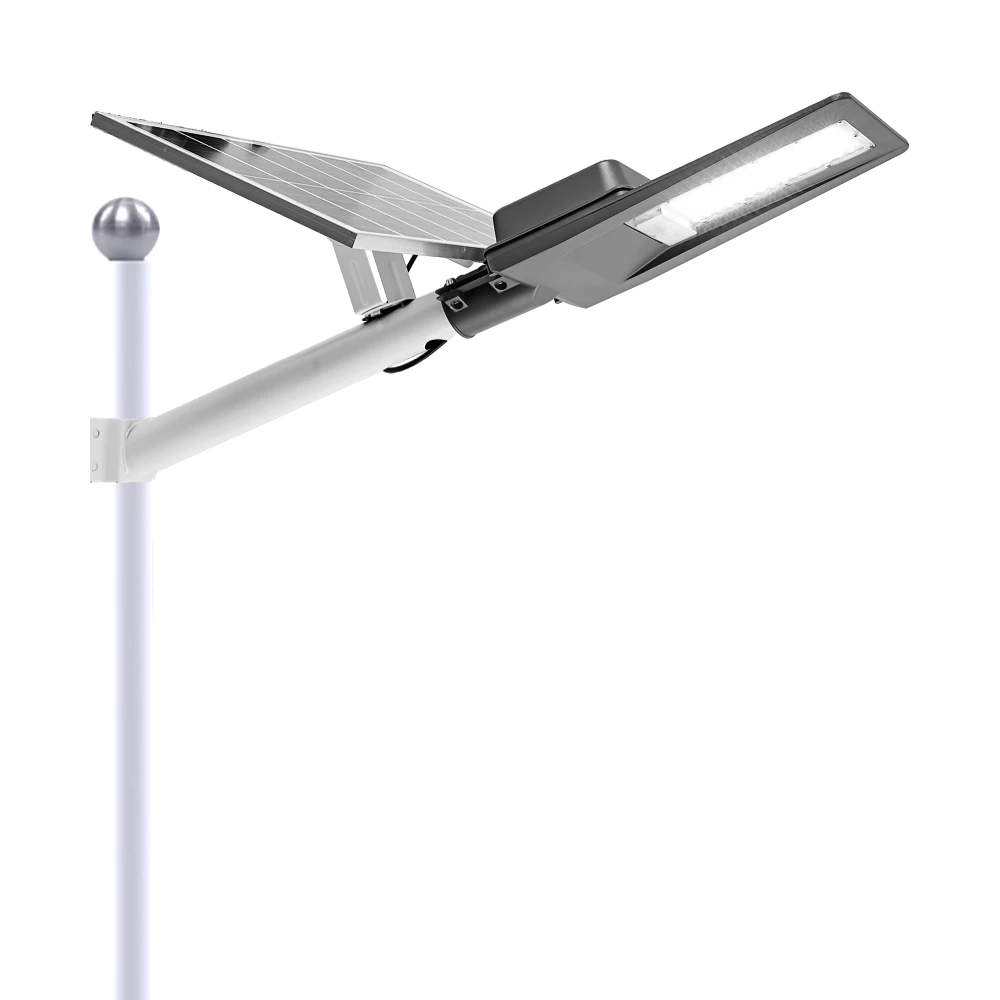
Experience reliable outdoor illumination with our smart solar street light, a perfect combination of advanced technology and eco-conscious design.
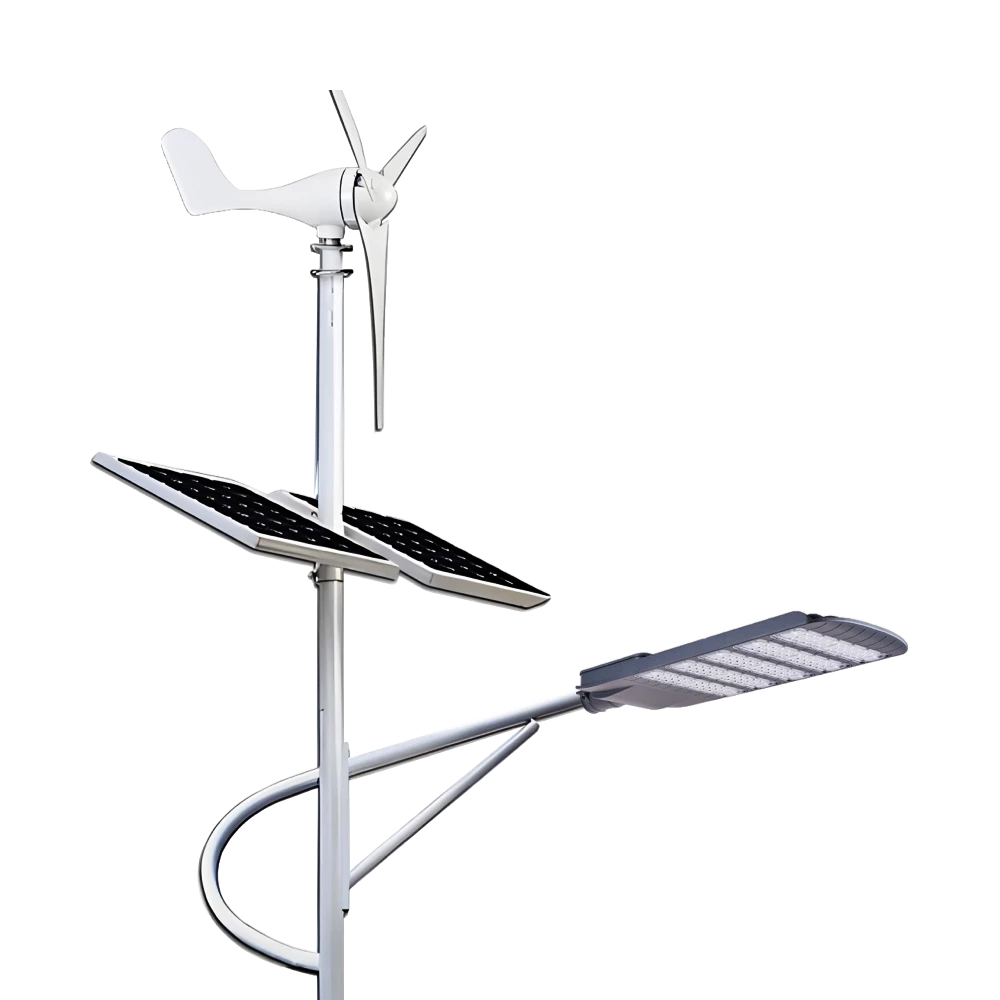
Queneng Lufeng Wind Energy LED Outdoor Solar Street Lights offer high-performance, eco-friendly illumination. These energy-efficient LED street lights harness solar power and wind energy for sustainable, cost-effective outdoor lighting solutions.
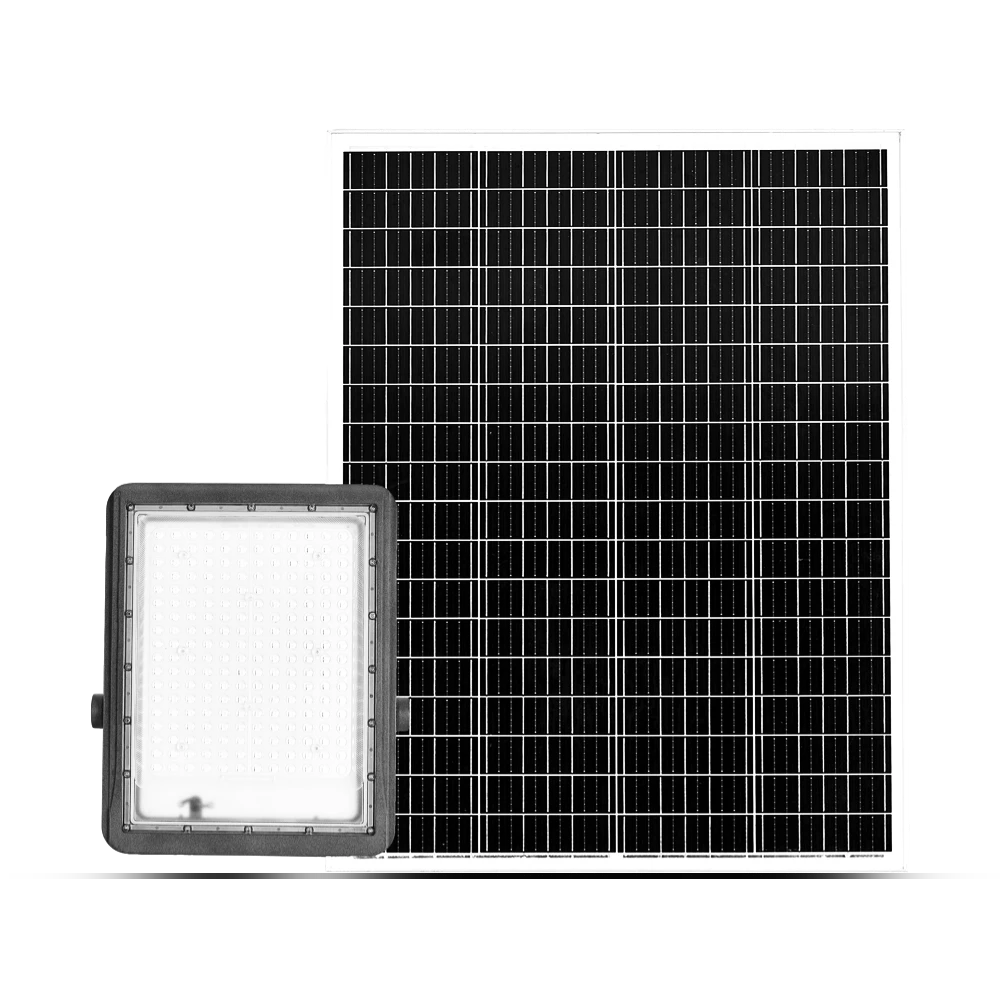
Queneng's Luxian Reliable Solar Street Light offers energy-saving LED lighting for outdoor use. This durable, solar-powered street light provides reliable illumination, reducing energy costs and environmental impact. A perfect solution for sustainable outdoor lighting.
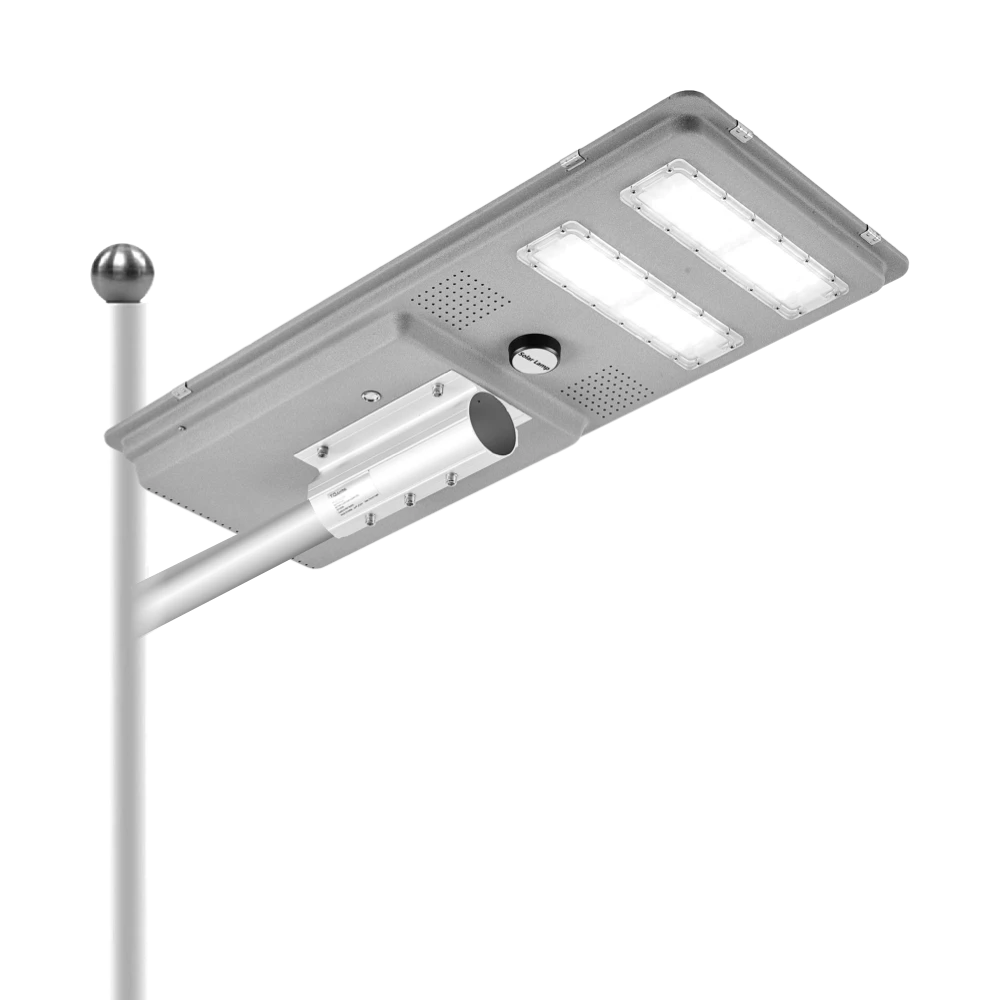
Queneng’s Solar Street Lights are designed to provide reliable, energy-efficient lighting for streets, parks, and other outdoor spaces.
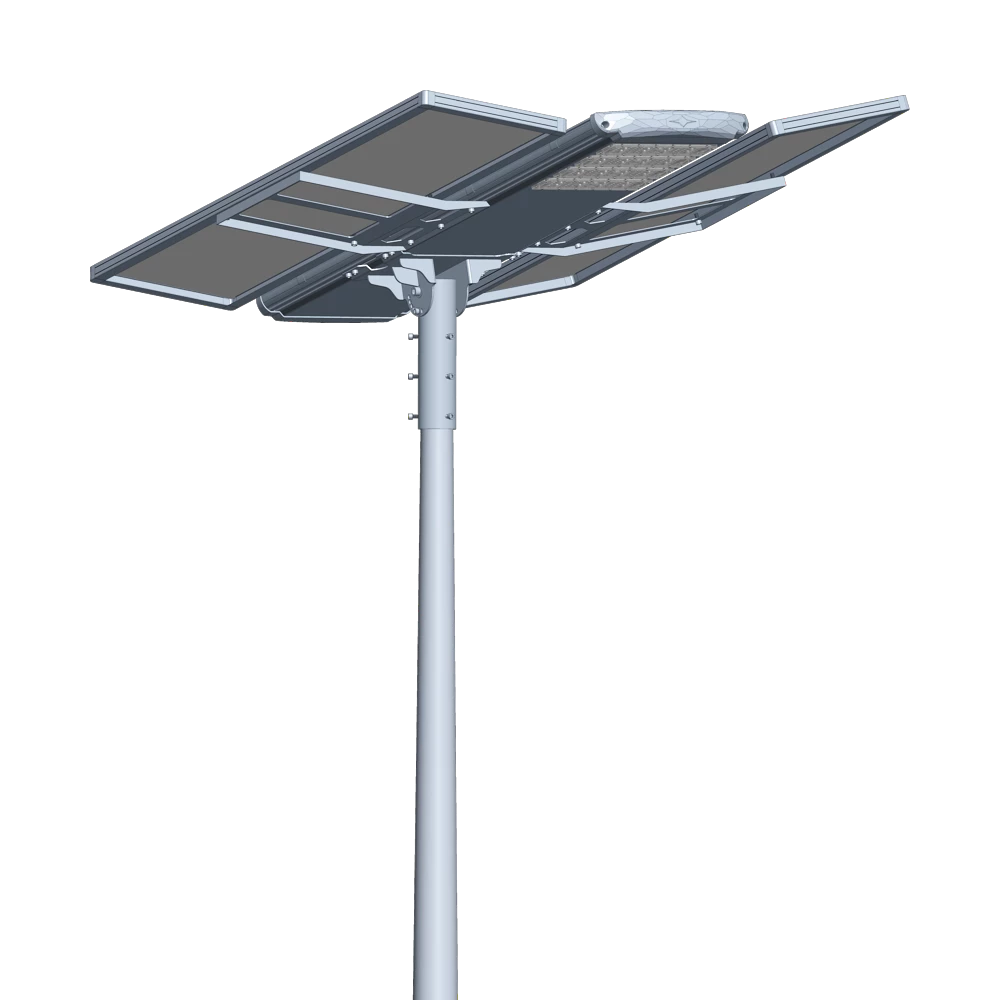
Introducing the Luqing Solar Street Light by Queneng, Efficient LED lighting powered by solar energy is perfect for illuminating outdoor areas. Harness the power of solar energy for sustainable, reliable street lighting. Ideal for eco-friendly, cost-effective outdoor illumination solutions.
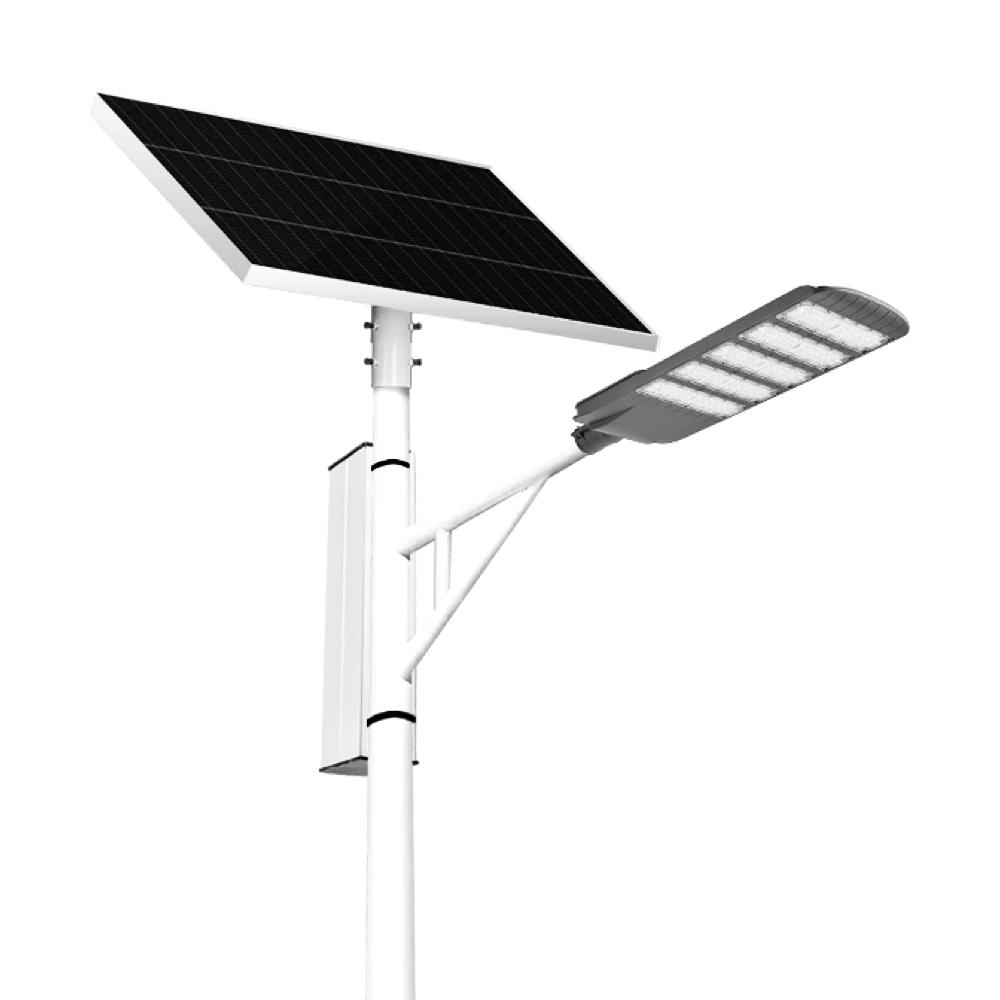
The Solar Streetlights of Luhao for Municipalities are designed to deliver reliable, energy-efficient, and cost-effective public lighting solutions. Equipped with advanced LED technology, durable lithium batteries, and high-efficiency solar panels, these streetlights provide consistent illumination for roads, parks, residential areas, and government projects.
Our professional team is ready to answer any questions and provide personalized support for your project.
You can reach us via phone or email to learn more about Queneng’s solar lighting solutions. We look forward to working with you to promote clean energy solutions!
Rest assured that your privacy is important to us, and all information provided will be handled with the utmost confidentiality.
By clicking 'Send Inquiry Now' I agree to Queneng processing my personal data.
To see how to withdraw your consent, how to control your personal data and how we process it, please see our Privacy Policy and Terms of use.
Schedule a Meeting
Book a date and time that is convenient for you and conduct the session in advance.
Have more questions about our products or services?
The messenger of light & power conversion
Environmental protection and intelligent manufacturing are our brand philosophy, and quality assurance and the best user experience are our eternal promises to users.
CONTACT
No.9F, Building F, Cao San Xin Tian Hong Logistics Park, Guzhen Town, Zhongshan City, Guangdong Province, China.
or write [email protected]
WhatsApp: +86 136 2270 1011


