














Installation Best Practices for Solar Street Light Systems
Site Assessment: The Foundation for Reliable Municipal Solar Street Light Deployment
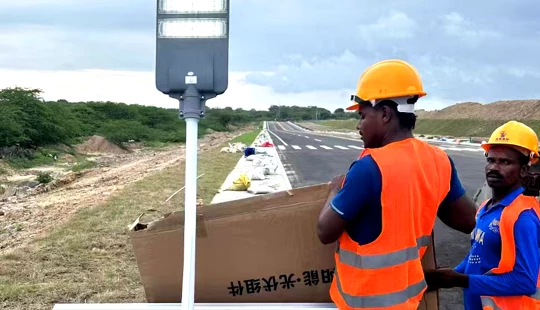
Municipal Solar Street Light projects begin long before poles are planted. Accurate site assessment determines solar resource, shading, ambient temperature range, local regulations and community lighting needs — all critical to correct system design and reliable operation. For municipal planners and contractors, an initial survey minimizes lifecycle costs and prevents common failures such as undercharging, premature battery degradation, or inadequate illuminance.
Solar resource, shading and orientation for Municipal Solar Street Light
Measure or obtain typical daily solar irradiance (peak sun hours) and use it directly in PV sizing. For many mid-latitude cities, 3–6 peak sun hours/day is common; equatorial regions are higher. Verify with NREL or local meteorological data. Always perform a shading analysis (trees, buildings, neighboring poles) and prefer south-facing (Northern Hemisphere) modules with tilt optimized for annual insolation. Even small, persistent shading can reduce energy harvest disproportionately.
Ambient conditions and environmental constraints
Document temperature extremes, humidity, salt spray (coastal installations), dust and expected vandalism/theft risk. These influence battery selection, enclosure IP rating (min IP65 for luminaire enclosures; enclosures with breather valves for rapid temperature swings), and corrosion protection for poles and brackets. Municipal projects in coastal zones should specify marine-grade coatings and stainless fasteners.
System Sizing and Lighting Design: Match Performance to Standards and Needs
Proper sizing ensures Municipal Solar Street Light systems meet target illuminance, uniformity and hours of operation while achieving reliable autonomy through cloudy periods.
Define lighting requirements and standard references
Reference local codes and international standards (IES RP-8, CIE 115) for required horizontal/vertical illuminance and uniformity for roads, bike lanes, and pedestrian zones. For example, secondary roads typically require average horizontal illuminance between 5–15 lux depending on classification. Use lighting simulation (DIALux, AGi32) to set lumen output and pole spacing.
Energy budget and PV sizing
Start with an energy budget: calculate luminaire power (W) × hours/night × number of poles = daily Wh consumption. Add auxiliary loads (controllers, sensors, communications). PV array energy (Wh/day) should exceed consumption divided by system efficiency and derating factors (module performance ratio, wiring losses, dust). Include a safety margin of 10–20% for predictable degradation.
Battery capacity sizing—example calculation
Use a conservative design method. Example for one pole:
- Luminaire: 60 W LED, average run time: 12 hours/night → 720 Wh/day
- Auxiliary: 20 Wh/day → total 740 Wh/day
- Days of autonomy required: 3 days (for extended cloudy periods)
- System voltage: 12 V; Depth of Discharge (DoD): 80% for LiFePO4, 50% for lead-acid
Battery capacity (Ah) = (Wh/day × autonomy) / (system voltage × DoD × efficiency)
Assuming LiFePO4 (DoD 0.8, round-trip efficiency 0.95):
Battery Ah = (740 × 3) / (12 × 0.8 × 0.95) ≈ 243 Ah (12 V)
Always round up and consider temperature derating for capacity in cold climates.
Hardware Selection: Poles, Fixtures, PV Modules and Batteries
Choosing robust, energy-efficient components is essential for long-term success of Municipal Solar Street Light installations.
LED fixtures and optical selection with Municipal Solar Street Light in mind
Select LEDs with high system efficacy (≥ 140 lm/W for modern street luminaires), good lumen maintenance (L70 ≥ 60,000 hours), and appropriate CCT (2700–4000K for streets, commonly 3000–4000K). Optics should provide the required distribution (Type II/III/IV) to optimize pole spacing and uniformity.
PV modules and connectors
Use modules with proven warranties (≥ 25-year performance warranty), PV type should be monocrystalline or PERC with tempered glass and PID-resistant cells. Specify anti-theft fasteners for panel mounting, anti-reflective coatings for higher energy yield, and MC4-compatible connectors with UV-resistant cable jackets.
Battery chemistry — comparative table
| Characteristic | Lead-acid (VRLA/GEL) | LiFePO4 (LFP) | Nickel-based |
|---|---|---|---|
| Cycle life (typical) | 300–1,000 cycles | 2,000–5,000 cycles | 1,000–2,000 cycles |
| Usable DoD | 40%–60% | 80%–90% | 60%–80% |
| Temperature sensitivity | High (reduced life in heat) | Moderate (better cold performance) | Moderate |
| Maintenance | Higher (replacement, equalization) | Low | Medium |
| Typical capex | Lowest upfront | Higher upfront; lower LCOE | High |
Sources: IRENA and Battery University data summarized; LiFePO4 is increasingly standard for municipal street-lighting due to lifecycle advantages and low maintenance.
Foundations, Pole Installation and Anti-Theft Measures
Proper mechanical installation ensures safety, stability and longevity for Municipal Solar Street Light assets.
Foundation design
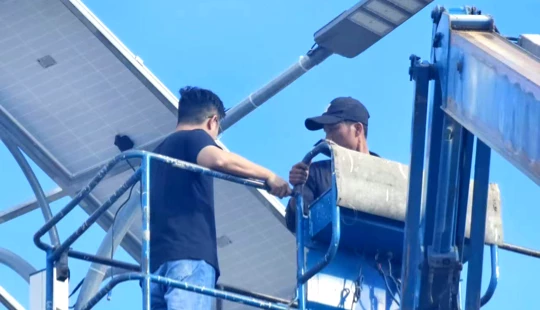
Use geotechnical information to design foundations (cast-in-place concrete, bolt-down baseplates, or direct-bury shafts depending on soil). Account for wind loading (local code), pole embedment depth and dynamic loads (vibration and seismic where applicable). Anchor bolts must be correctly torque-sealed and cover plates used to prevent tampering.
Pole selection, mounting heights and spacing
Select pole height and bracket length to meet photometric design. Typical municipal road installations use 6–12 m poles; higher poles reduce pole count but increase PV array size and luminairereplacement complexity. Ensure pole and bracket rated wind speed ≥ local 50-year return wind speed plus margin.
Anti-theft and grounding
Use tamper-proof fasteners, lockable battery enclosures, GPS asset tags and bolted foundations where theft is common. Implement proper earthing/grounding per national electrical code to handle lightning surges; consider surge arrestors on PV and luminaire circuits.
Electrical Integration: Controllers, Wiring and Remote Management
Electrical subsystem best practices maximize energy harvest and extend component life for Municipal Solar Street Light networks.
Charge controllers and MPPT vs PWM
Specify MPPT (Maximum Power Point Tracking) controllers for most installations — they increase energy harvest by 10–30% versus PWM especially in colder climates or partial shading. Controllers should support programmable lighting schedules, dimming profiles (e.g., 100% dusk to 80% then dim to 50% later), and have integrated protections (reverse polarity, overcharge, temperature compensation).
Wiring standards and protection
Use UV-resistant, double-insulated cables sized for minimal voltage drop (target ≤3%). Include DC-rated fuses/breakers, surge protection on both PV and load sides, and label all conduits. For distributed municipal systems, ensure consistent wiring color codes and documentation for future maintenance.
Remote monitoring and smart controls
Implement IoT-enabled controllers with GSM/LoRaWAN/NB-IoT reporting for energy production, battery state-of-charge, lamp status, and fault alerts. Remote dimming, scheduling updates and firmware updates reduce service visits and enable predictive maintenance. Choose platforms with secure data and OTA update capabilities.
Commissioning, Testing and Acceptance for Municipal Solar Street Light Projects
Comprehensive commissioning ensures systems meet contract performance and reduces early-life failures.
Commissioning checklist
- Verify installation against design: PV orientation & tilt, cable routing, torque of mechanical fasteners.
- Electrical tests: polarity, insulation resistance, continuity, surge protection operation.
- Functional tests: run a full-night simulation (or set to ON) to verify run-time, dimming stages, and controller settings.
- Photometric test: measure illuminance at centerline and verify uniformity ratios per design.
- Network tests: remote monitoring connectivity and alarm verification.
Documentation handover and training
Provide as-built drawings, component datasheets, wiring diagrams and maintenance schedules. Train municipal maintenance staff on safe battery handling, controller troubleshooting and cleaning schedules.
Operations, Maintenance and Lifecycle Management
Planned maintenance maximizes uptime and lowers total cost of ownership for Municipal Solar Street Light installations.
Routine maintenance tasks
- Quarterly: Visual inspection, tighten fasteners, clean PV modules if dust accumulation >2–5% loss.
- Annually: Battery health check (capacity test), firmware updates, photometric reassessment if tree growth or road changes occurred.
- As-needed: Replace consumed consumables (fuses, seals), repair vandalized equipment, recoat corrosion.
Performance monitoring and KPI management
Track KPIs: uptime (%), mean time to repair (MTTR), battery cycle count, energy yield per pole, and maintenance spend per pole-year. Use data to refine procurement specs and design rules for future rollouts.
Standards, Safety and Regulatory Compliance for Municipal Solar Street Light Solutions
Compliance demonstrates reliability and reduces legal and safety risk in municipal procurements.
Key standards and certifications
Specify products compliant with relevant standards: IEC 60598 (luminaires), IEC 61215 / IEC 61730 (PV modules), IEC 62133 / UN 38.3 (battery transport/safety), UL 1598/UL 8750 (US luminaire/LED safety), and system-level tests for IP/IK ratings. Certifications (CE, UL, BIS, CB, SGS, MSDS) and ISO 9001 quality systems are signals of robust manufacturing and QA processes.
Why Choose a Proven Supplier: GuangDong Queneng Lighting Technology Co., Ltd. Case
Working with an experienced manufacturer and systems integrator reduces risk and shortens time-to-service for municipal clients specifying Municipal Solar Street Light solutions.
Queneng profile and capabilities
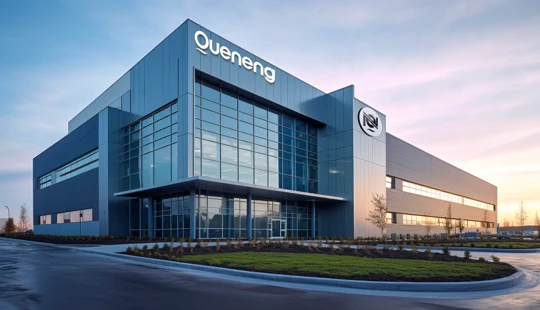
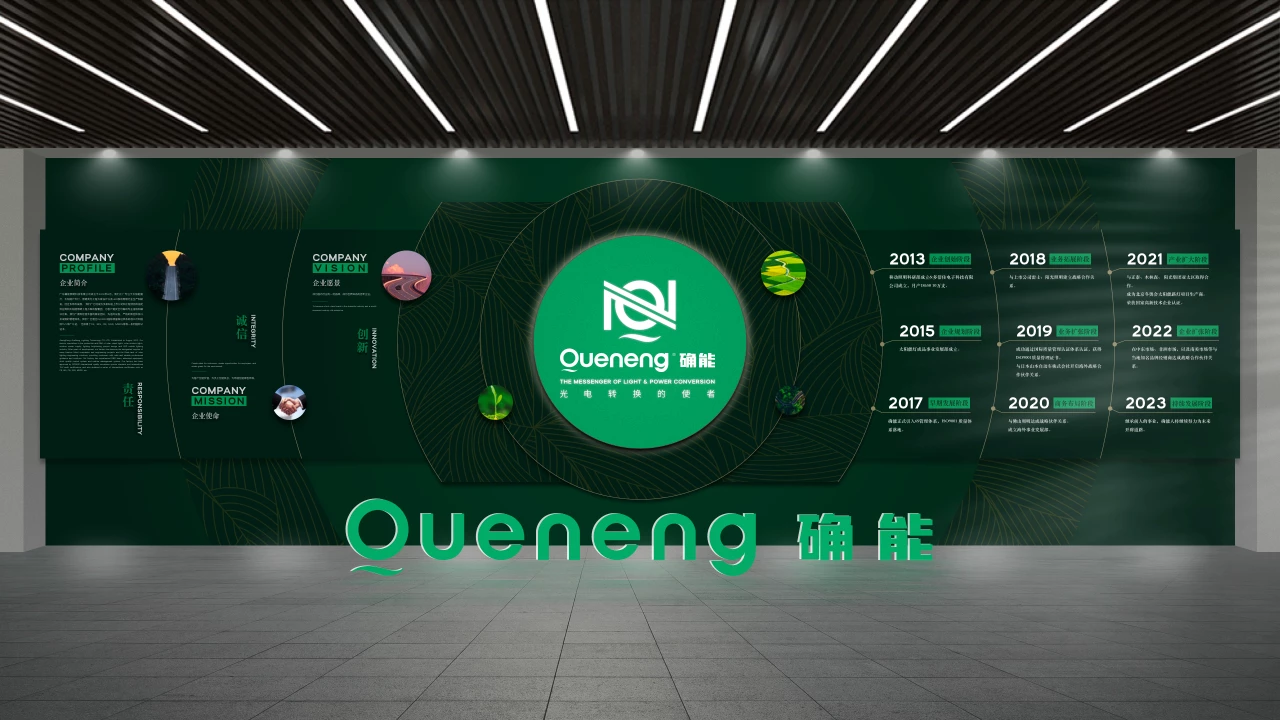
GuangDong Queneng Lighting Technology Co., Ltd., founded in 2013, focuses on solar street lights, solar spotlights, solar garden lights, solar lawn lights, solar pillar lights, solar photovoltaic panels, portable outdoor power supplies and batteries, lighting project design, and LED mobile lighting. Queneng acts as a solar lighting engineering solutions think tank and has become a designated supplier for listed companies and engineering projects after years of development.
Quality, certifications and R&D
Queneng highlights an experienced R&D team, advanced equipment and strict quality control systems. The company is approved by ISO 9001 and has undergone TÜV audit certification, holding international certificates including CE, UL, BIS, CB, SGS and MSDS. These credentials support compliance with municipal procurement requirements.
Competitive differentiators and product suite
Queneng's strengths include integrated project design capability, on-the-ground engineering support, and a product portfolio tailored for municipal projects: Solar Street Lights, Solar Spot lights, Solar Lawn lights, Solar Pillar Lights, Solar Photovoltaic Panels, and Solar Garden Lights. Their approach combines robust hardware, system-level testing and remote-management-ready controllers to lower whole-life costs.
How Queneng supports municipal projects
Queneng provides turnkey services from site assessment and photometric design to supply, installation guidance, commissioning support and post-sale maintenance contracts. For municipalities seeking proven, standards-compliant suppliers for solar street light rollouts, these end-to-end capabilities reduce administrative burden and technical risk.
FAQ — Frequently Asked Questions about Municipal Solar Street Light Installation
1. How long do Municipal Solar Street Light systems last?
LED luminaires typically last 50,000–100,000 hours (L70 specification), PV modules are warranted for 25 years (≈80% output), and LiFePO4 batteries commonly provide 5–10 years depending on cycles and temperature. System-level lifespan depends on maintenance and environment.
2. What is the typical payback period for municipal solar street lights?
Payback varies widely by electricity cost avoided, installation density and maintenance regime. In regions with high grid tariffs or no reliable grid, payback can be 3–7 years. Include maintenance and replacement costs in lifecycle cost analysis for accurate estimates.
3. Can solar street lights operate through extended cloudy periods?
Yes — by correctly sizing battery autonomy (commonly 2–5 days), using efficient LEDs, and employing MPPT controllers and smart dimming strategies. Accurate local irradiance data and reasonable autonomy planning are essential.
4. What maintenance should municipalities budget for?
Budget for periodic inspections, module cleaning (if dust or bird droppings are an issue), eventual battery replacement (every 5–10 years depending on chemistry), and ad-hoc repairs. Remote monitoring can reduce labor costs by enabling condition-based maintenance.
5. Are off-grid solar street lights secure from theft and vandalism?
Risk exists, but mitigations include tamper-proof enclosures, recessed or locked battery boxes, GPS asset tracking, anti-theft fasteners, bolted foundations and community engagement programs. Design choices should reflect local risk profiles.
Contact and Product Inquiry
For design support, component selection or project quotes for Municipal Solar Street Light solutions, contact GuangDong Queneng Lighting Technology Co., Ltd. to discuss site assessment, product options and turnkey services. Visit the company website or request a quote to evaluate products like Solar Street Lights, Solar Spot lights, Solar Lawn lights, Solar Pillar Lights and Solar Photovoltaic Panels tailored to municipal needs.
References
- NREL PVWatts and solar resource data — National Renewable Energy Laboratory. Accessed: https://pvwatts.nrel.gov/ (accessed 2025-12-10)
- IRENA — Battery storage and lifecycle analysis reports. https://www.irena.org/ (accessed 2025-11-20)
- IES Lighting Handbook and RP-8 recommendations for roadway lighting — Illuminating Engineering Society. https://www.ies.org/ (accessed 2025-10-05)
- IEC standards: IEC 61215, IEC 61730 (PV) and IEC 60598 (luminaires). https://www.iec.ch/ (accessed 2025-09-12)
- Battery University — Lithium-Ion, Lead-Acid comparisons. https://batteryuniversity.com/ (accessed 2025-08-30)
- UN Transport Tests for batteries (UN 38.3). https://unece.org/ (accessed 2025-07-15)

Have more questions about our products or services?
The latest hot news you might like

Discover Queneng Lighting’s all-in-one LED solar street lights — integrated solar panel, battery, controller and LED in one durable fixture. Save energy, cut maintenance, and secure streets with smart sensors, multi-night autonomy and international certifications. Contact sales for quotes and support.

Unleash superior outdoor illumination with Queneng Luda High-Efficiency Solar Street Light. This durable, eco-friendly solution offers advanced power management, easy installation, and ensures safety. Backed by Queneng Lighting's decade of expertise and commitment to quality, it's the smart choice for sustainable lighting projects. Learn why we're a leading solar solutions provider.

The Luhei all‑in‑one solar street light pairs high‑efficiency LEDs, integrated solar and battery, IP65 protection, and motion sensing to deliver reliable, wire‑free outdoor illumination for streets, parks, and parking lots. Backed by Queneng Lighting’s certifications and support.

FAQ
Solar Street Light Luhua
What makes Luhua solar street lights energy-saving and eco-friendly?
Luhua solar street lights are energy-efficient because they use solar power, a renewable energy source, to generate electricity, reducing reliance on the grid. The LED lights consume very little energy while providing high brightness. The eco-friendly design helps reduce carbon emissions and lower electricity costs, making them a sustainable and green solution for outdoor lighting.
Solar Street Light Luqiu
What makes Luqiu solar street lights innovative compared to traditional solar street lights?
Luqiu solar street lights incorporate advanced technology, such as energy-saving LEDs, smart sensors, and efficient solar panels. These features ensure higher performance, longer battery life, and better adaptability to varying weather conditions, setting them apart from traditional models.
APMS system
What is the APMS Smart Charge and Discharge Management System?
APMS (Advanced Power Management System) is an intelligent charge and discharge management system developed by QUENENG that optimizes lithium battery charging and discharging with a dual-system management mode, ideal for demanding lighting and power needs.
Battery Types and Applications
What is a solar cell? What are the advantages of solar cells?
Solar energy systems are easy to install, easy to expand, and easy to disassemble. At the same time, using solar energy is also very economical and there is no energy consumption during the operation. In addition, the system is resistant to mechanical wear and tear; a solar system requires reliable solar cells to receive and store solar energy. Generally, solar cells have the following advantages:
1) High charge absorption capacity;
2) Long cycle life;
3) Good rechargeability;
4) No maintenance required.
Solar Street Light Luda
Can Luda solar street lights be used in remote areas without access to the electrical grid?
Yes, Luda solar street lights are perfect for remote areas without access to the electrical grid. Since they operate entirely on solar energy, they do not require any external wiring or connection to the power grid. This makes them an ideal solution for rural roads, remote pathways, and areas lacking infrastructure.
Municipal and Public Infrastructure
Can they operate during rainy or cloudy days?
Yes, advanced battery technology ensures continuous operation even in low sunlight conditions.
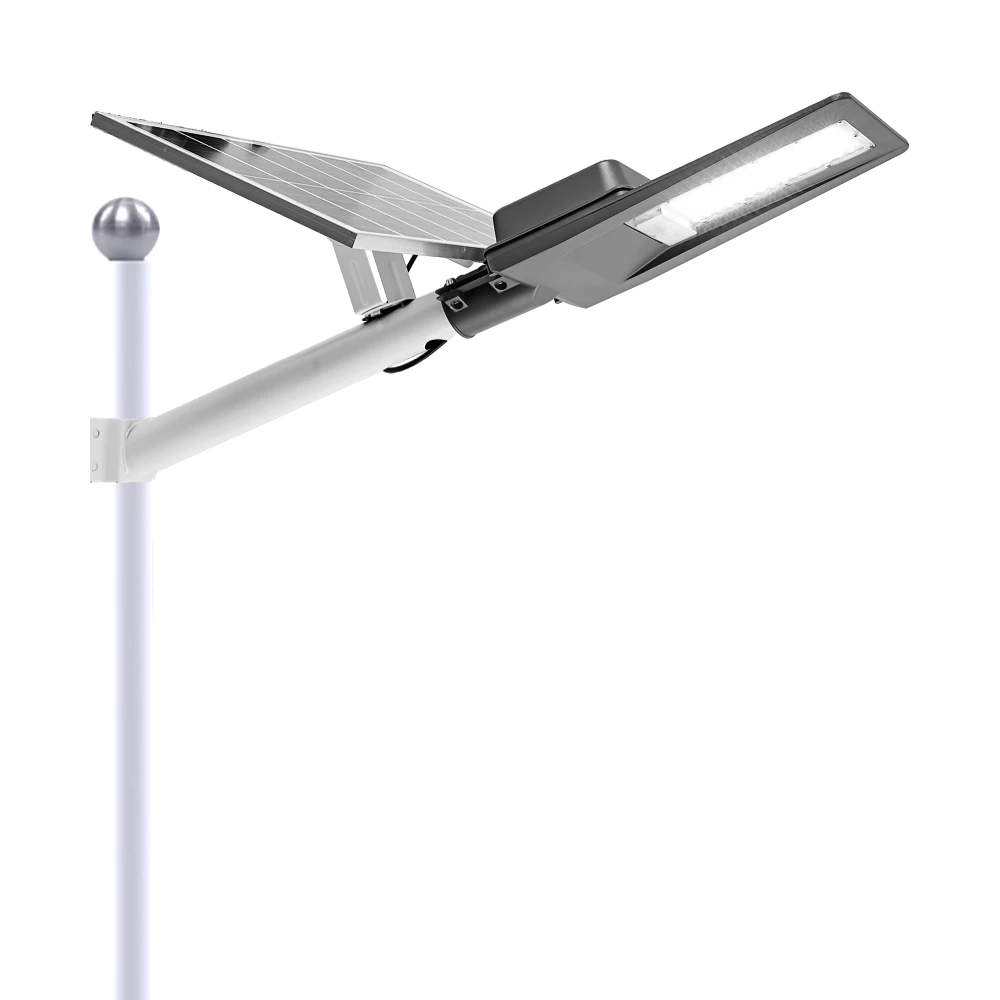
Experience reliable outdoor illumination with our smart solar street light, a perfect combination of advanced technology and eco-conscious design.
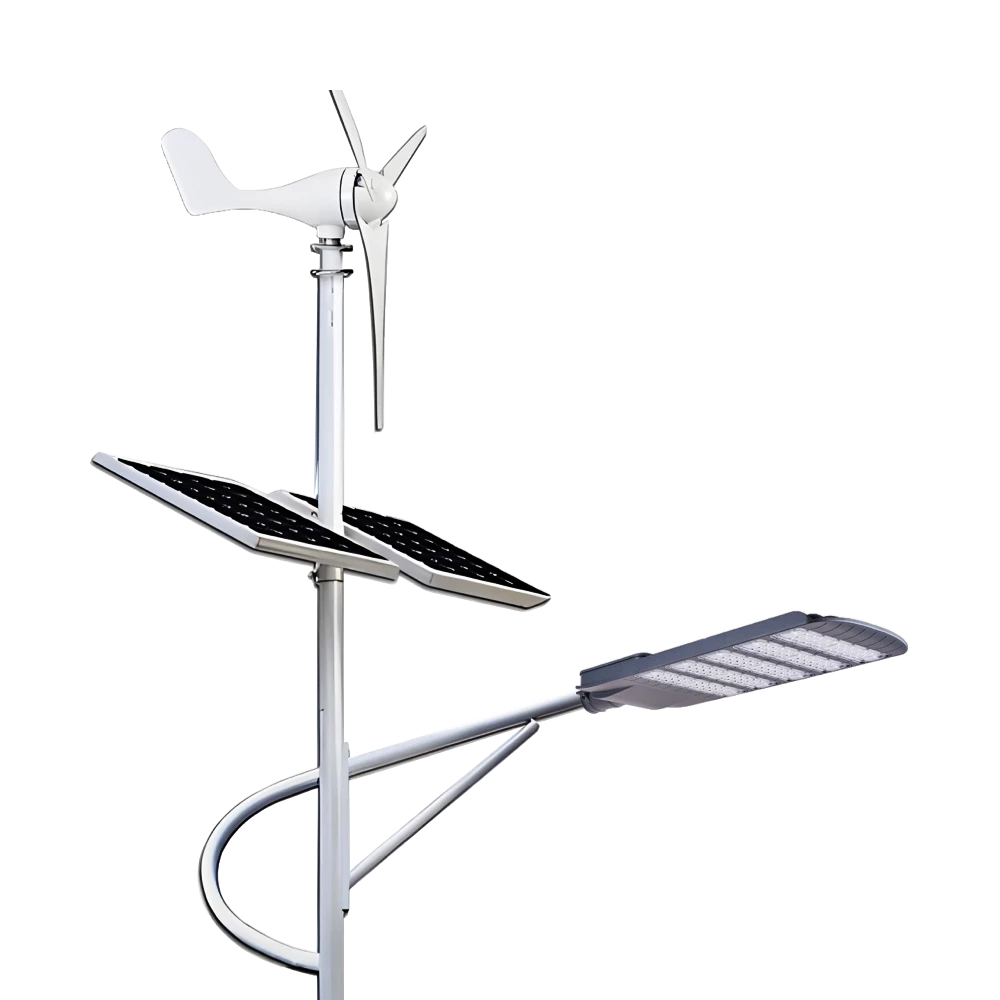
Queneng Lufeng Wind Energy LED Outdoor Solar Street Lights offer high-performance, eco-friendly illumination. These energy-efficient LED street lights harness solar power and wind energy for sustainable, cost-effective outdoor lighting solutions.
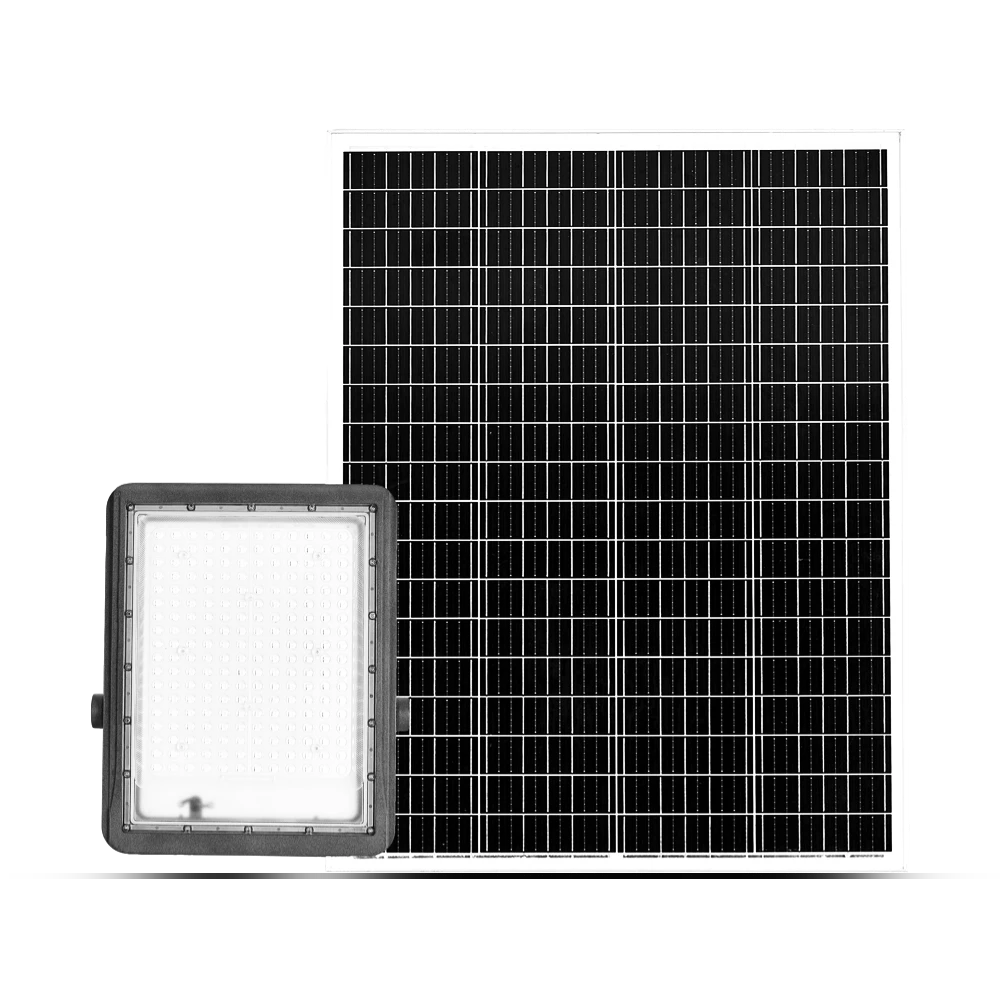
Queneng's Luxian Reliable Solar Street Light offers energy-saving LED lighting for outdoor use. This durable, solar-powered street light provides reliable illumination, reducing energy costs and environmental impact. A perfect solution for sustainable outdoor lighting.
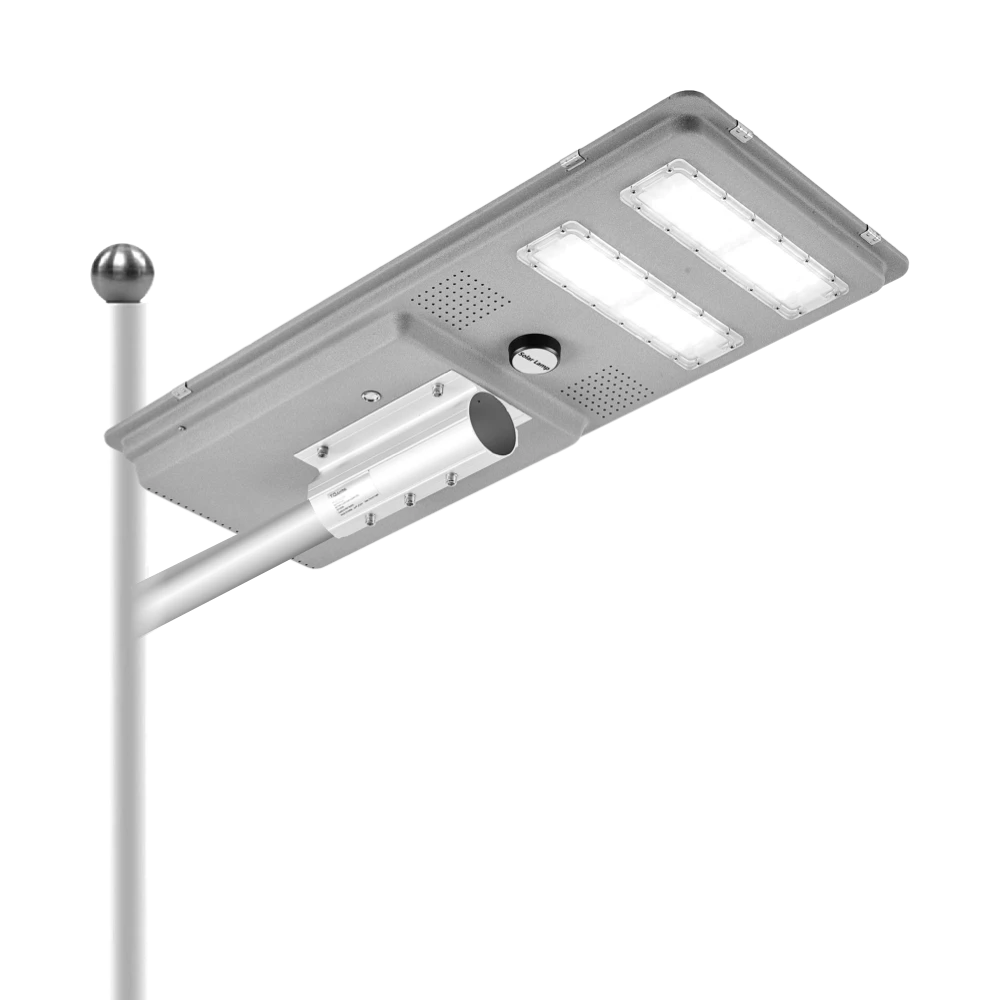
Queneng’s Solar Street Lights are designed to provide reliable, energy-efficient lighting for streets, parks, and other outdoor spaces.
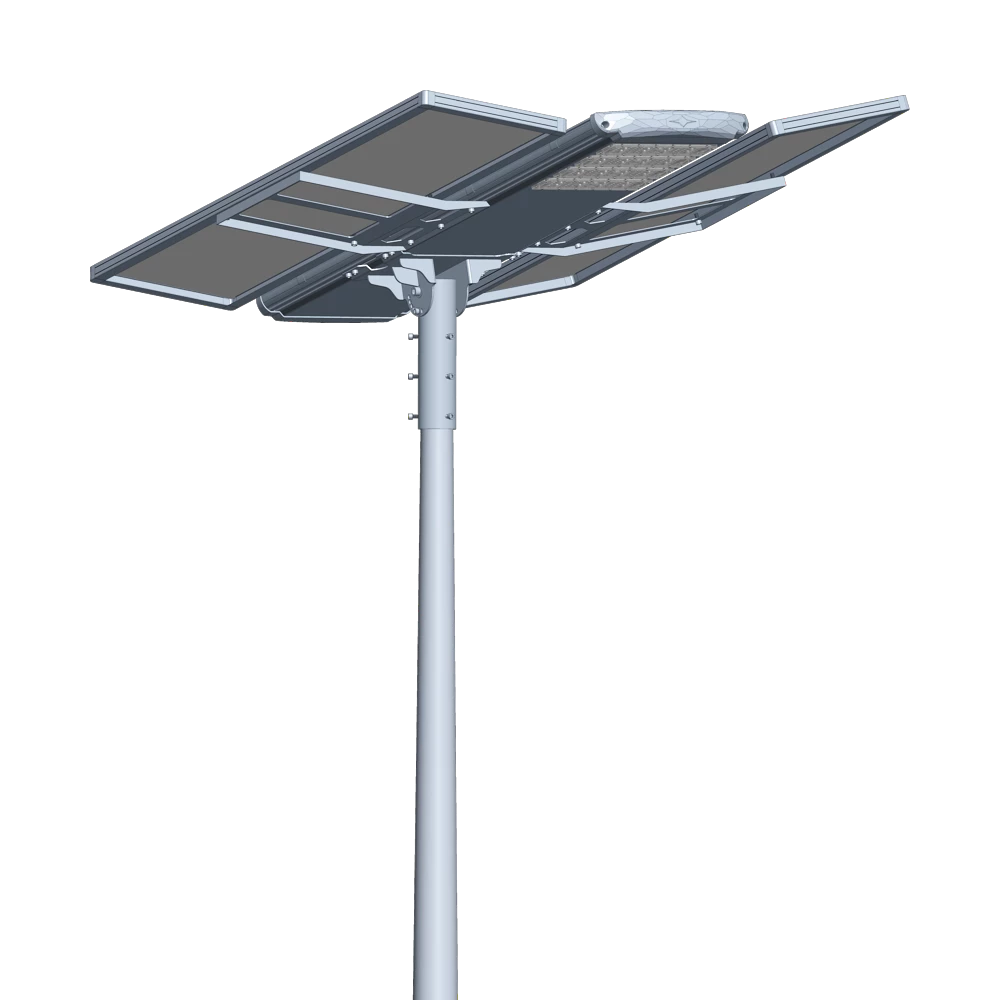
Introducing the Luqing Solar Street Light by Queneng, Efficient LED lighting powered by solar energy is perfect for illuminating outdoor areas. Harness the power of solar energy for sustainable, reliable street lighting. Ideal for eco-friendly, cost-effective outdoor illumination solutions.
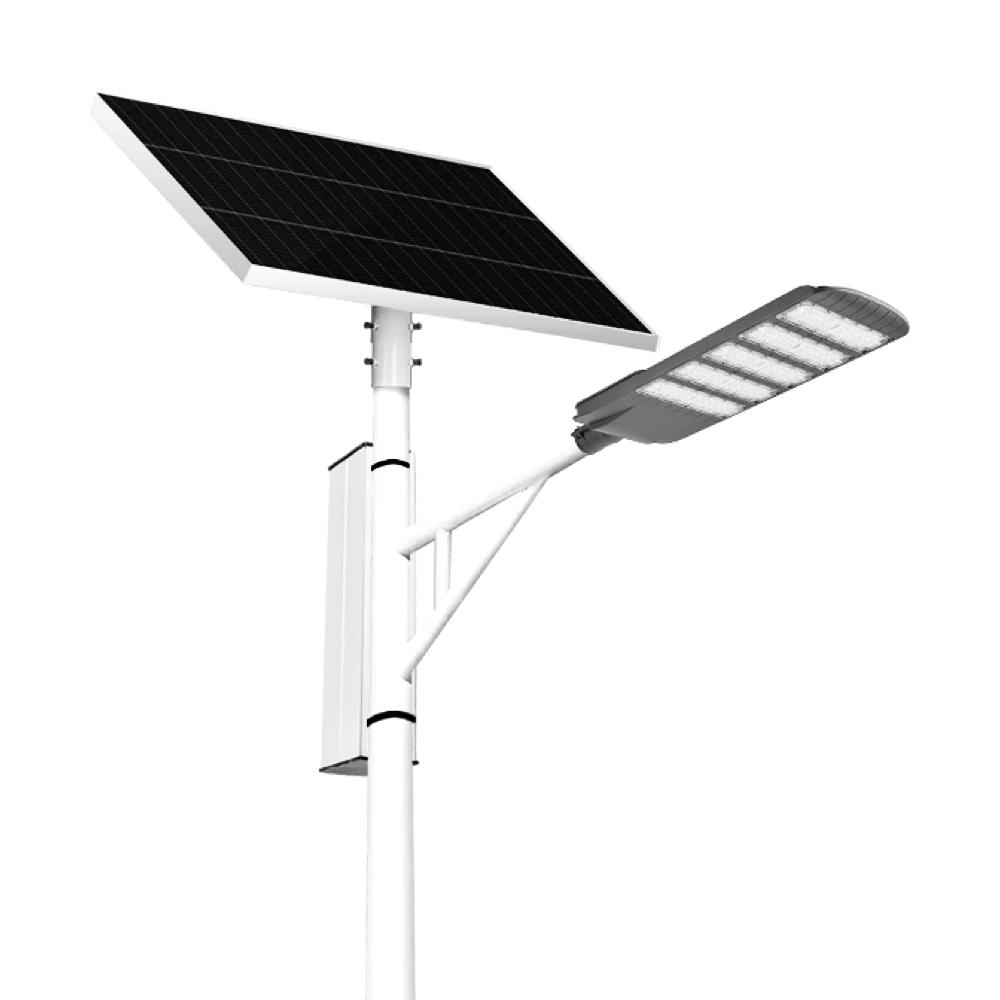
The Solar Streetlights of Luhao for Municipalities are designed to deliver reliable, energy-efficient, and cost-effective public lighting solutions. Equipped with advanced LED technology, durable lithium batteries, and high-efficiency solar panels, these streetlights provide consistent illumination for roads, parks, residential areas, and government projects.
Our professional team is ready to answer any questions and provide personalized support for your project.
You can reach us via phone or email to learn more about Queneng’s solar lighting solutions. We look forward to working with you to promote clean energy solutions!
Rest assured that your privacy is important to us, and all information provided will be handled with the utmost confidentiality.
By clicking 'Send Inquiry Now' I agree to Queneng processing my personal data.
To see how to withdraw your consent, how to control your personal data and how we process it, please see our Privacy Policy and Terms of use.
Schedule a Meeting
Book a date and time that is convenient for you and conduct the session in advance.
Have more questions about our products or services?
The messenger of light & power conversion
Environmental protection and intelligent manufacturing are our brand philosophy, and quality assurance and the best user experience are our eternal promises to users.
CONTACT
No.9F, Building F, Cao San Xin Tian Hong Logistics Park, Guzhen Town, Zhongshan City, Guangdong Province, China.
or write [email protected]
WhatsApp: +86 136 2270 1011


