

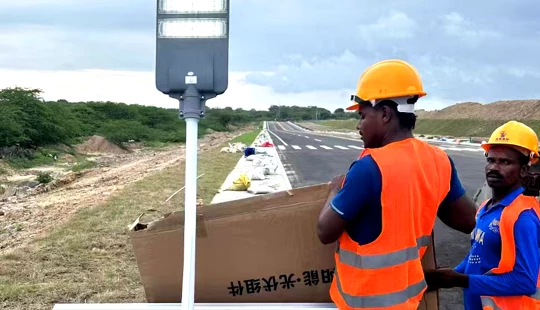
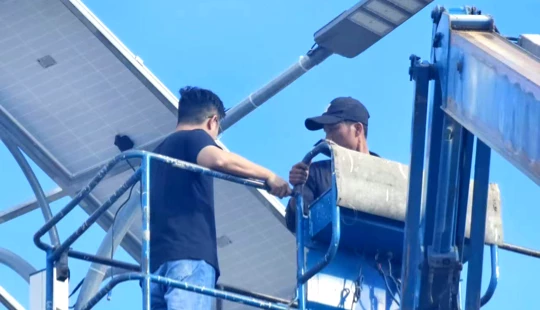













Installation tutorial for Manufacturer of Solar Street Lights technicians
Practical Guide for Field Technicians
This comprehensive tutorial is written for site technicians and installation teams working for manufacturers and contractors of Municipal Solar Street Light projects. It covers pre-installation surveys, mechanical and electrical installation steps, commissioning checks, routine maintenance, and troubleshooting—backed by industry best practices and verifiable references. Practical checklists and a battery comparison table are included to help teams reduce on-site errors, accelerate commissioning, and ensure reliable municipal lighting performance.
Pre-installation Site Survey for Municipal Solar Street Light projects
Before any hardware is delivered or poles are set, perform a structured site survey that feeds into a final Bill of Materials and installation plan. Key items to document:
- Latitude/longitude and elevation (affects solar irradiance and PV sizing).
- Pole locations, recommended pole heights, pole spacing and orientation based on road width and required illuminance (lux) levels.
- Obstructions (trees, buildings) that may cause shading during critical hours.
- Local wind speed (basic design wind speed for foundation calculations), soil type and borehole data for foundation design.
- Nearby infrastructure for potential earthing and lightning protection integration.
- Security concerns or risk of vandalism/theft to define mounting height and anti-tamper fixtures.
Document illumination targets using standards appropriate to the application (for example, local municipal street lighting standards or CIE guidance). For a Municipal Solar Street Light installation, aim to meet required average lux and uniformity ratios. Use a light planning tool or simple calculations to confirm pole spacing and lumen output before procurement.
Component Inspection and Tools Checklist for Municipal Solar Street Light technicians
On delivery, inspect every major component against packing lists and datasheets. Typical items include solar PV panel(s), LED luminaire, pole and brackets, battery pack, controller (MPPT), cable sets, fuses and surge protection, mounting clamps, and foundation anchors.
Tools and consumables checklist (minimum):
- Torque wrench (for panel clamps and pole bolts)
- Insulation resistance tester (megger)
- Multimeter and clamp meter
- Crimping tools and heat-shrink
- Lux meter (for night commissioning)
- Personal protective equipment: gloves, helmet, harnesses for working at height
- Concrete vibrator and measuring tools for foundations
Check product labels and certificates—confirm IP ratings for luminaire and controller, and verify battery type and voltage. Record serial numbers and take photos for quality traceability.
Pole and Foundation Installation for Municipal Solar Street Light
Correct foundation design and pole installation determine the lifespan and safety of a Municipal Solar Street Light. Follow these steps:
- Use soil data and local wind speed to calculate foundation depth and reinforcement. Typical shallow-pad foundations for light poles may be 600–1000 mm deep with rebar cage; high-wind or tall poles require deeper and reinforced designs.
- Set anchor bolts in a template at correct dimensions and allow the concrete to cure fully per specifications (usually 7 days minimum; design-dependent up to 28 days).
- Fit pole baseplate and torque anchor nuts to specified values. Check verticality with a plumb line or total station.
- Assemble brackets and crossarms on the ground if possible to minimize time working at height.
For Municipal Solar Street Light systems in high-wind areas, consider poles with higher moment capacity and bolted flanges rather than welded bases when possible. Always follow manufacturer torque and torque sequence to avoid stress concentrations.
Solar Panel Mounting and Orientation for Municipal Solar Street Light
Solar panels are the energy source—mounting and orientation directly affect energy yield. Best practices:
- Tilt angle: set approximate tilt equal to site latitude for year-round performance; adjust for seasonal priorities if required.
- Azimuth: orient panels to true south (Northern Hemisphere) or true north (Southern Hemisphere). Compensate for local obstructions.
- Ensure secure clamps and even pressure on the panel frame—follow manufacturer clamp spacing and torque values to avoid bending or micro-cracks.
- Provide a small air gap behind the panel for cooling; panel temperature affects output (cooler panels produce more power).
- Use corrosion-resistant fasteners and apply anti-seize where recommended for coastal or corrosive environments.
After mounting, perform an open-circuit voltage (Voc) and short-circuit current (Isc) check under sun to confirm that panel output matches manufacturer datasheet within tolerance.
Luminaire, Photocell, Controller and Battery Wiring for Municipal Solar Street Light
Wiring must be both functionally correct and safe. Follow these wiring guidelines for each Municipal Solar Street Light unit:
- Isolate batteries before making connections. Verify correct polarity before first connection.
- Use appropriately sized DC cables; calculate voltage drop for longest runs. Keep DC cable runs as short as practical between PV, controller and battery.
- Install DC fuses/breakers on positive conductors close to the battery. Add a surge protection device (SPD) between PV and controller and between battery/controller and luminaire as required by local regulation.
- Connect the luminaire through the controller output; do not bypass the controller—this prevents battery over-discharge and enables dimming profiles and dusk/dawn switching.
- For systems with photocell and motion sensor: wire sensors to controller input or DALI/1–10V interface per controller documentation. Test sensor behavior in daylight and at night.
- Ensure proper earthing for metal poles and surge diversion where lightning risk is high.
Program the controller before final commissioning: set battery chemistry (LiFePO4, GEL, AGM), charge/discharge voltages, low-voltage disconnect levels, dusk/dawn timings, dimming schedules, and motion-boost behaviors. Use controller logs to confirm charge cycles and energy balance during first week of operation.
Commissioning, Night Testing and Remote Monitoring for Municipal Solar Street Light
Commissioning validates that the Municipal Solar Street Light meets specified performance. Steps:
- Initial daytime checks: verify PV Voc/Isc, controller charging current (mppt reading), battery voltage and state-of-charge (SoC), and luminaire connections.
- Night testing: verify light-on at dusk, measure lux at predefined points (center/edge), compare with design values and uniformity. Adjust aim if required.
- Record initial energy audit: daily charge energy vs consumption. Expect the first few nights to show higher battery SoC as panels tune and dust settles.
- Activate and verify remote monitoring where available—confirm telemetry (voltage, current, temperature, GPS) uploads to cloud portal for fleet management.
Document commissioning with photographs, test meter printouts, and controller logs. This documentation is essential for warranty claims and project handover to the municipality.
Maintenance and Troubleshooting for Municipal Solar Street Light systems
Planned maintenance preserves performance. Typical schedule:
- Monthly (first 3 months): visual check of mounting hardware, PV soiling, and controller error logs.
- Quarterly: clean PV panels in dusty areas, inspect cable glands, check battery enclosure ventilation and temperature, verify firmware updates for controllers.
- Annually: measure insulation resistance, perform battery capacity test if indicated, inspect pole and foundation for corrosion/cracking.
Common faults and quick diagnostics:
- Low night output: check battery SoC, controller logs for low-voltage disconnects, panel soiling or shading.
- No charging during day: measure PV Voc/Isc; check PV fuse and SPD; verify MPPT current reading on controller.
- Controller errors: record error codes and consult vendor manual—many modern controllers allow remote firmware updates and fault resets.
Battery Type Comparison for Municipal Solar Street Light installations
Choosing the right battery affects lifecycle costs and reliability. The table below compares commonly used battery types for Municipal Solar Street Light deployments.
| Characteristic | LiFePO4 (Lithium Iron Phosphate) | Sealed Lead Acid (SLA/AGM/GEL) |
|---|---|---|
| Typical cycle life (cycles to 80% DoD) | 2000–5000 cycles | 200–800 cycles |
| Depth of Discharge (recommended) | Up to 80–90% | 30–50% |
| Energy density | High (lower weight and volume) | Low (heavier, larger) |
| Operating temperature range | Better at higher cycles; requires BMS for low temp | Performance drops significantly in cold |
| Maintenance | Low (managed by BMS) | Low to moderate (ventilation for flooded types) |
| Typical use-case recommendation | Municipal Solar Street Light — preferred for long-life projects | Budget projects or short-life deployments |
Sources referenced in the table support LiFePO4's significantly higher cycle life and better energy density; project teams should balance upfront cost versus total cost of ownership (TCO).
Safety, Standards and Quality Control for Municipal Solar Street Light installations
Comply with relevant standards to ensure safety and long-term performance. Standards and test regimes commonly referenced include:
- IP rating for enclosures (IEC 60529) to verify ingress protection against dust and water.
- LED performance and lumen maintenance testing (LM-80 / TM-21 by IES) to predict useful life.
- Battery and electrical safety standards as applicable locally (UN transport rules, IEC/UL battery safety standards).
- Quality management systems such as ISO 9001 for manufacturing oversight.
Perform acceptance testing on a representative sample of units—check PV output vs datasheet, controller firmware revision, luminaire luminous flux, and battery capacity where practical.
GuangDong Queneng Lighting Technology Co., Ltd. — Manufacturer and Solution Provider for Municipal Solar Street Light projects
GuangDong Queneng Lighting Technology Co., Ltd. Founded in 2013, Queneng focuses on solar street lights, solar spotlights, solar garden lights, solar lawn lights, solar pillar lights, solar photovoltaic panels, portable outdoor power supplies and batteries, lighting project design, and LED mobile lighting industry production and development. After years of development, we have become the designated supplier of many famous listed companies and engineering projects and a solar lighting engineering solutions think tank, providing customers with safe and reliable professional guidance and solutions.
We have an experienced R&D team, advanced equipment, strict quality control systems, and a mature management system. We have been approved by ISO 9001 international quality assurance system standard and international TÜV audit certification and have obtained a series of international certificates such as CE, UL, BIS, CB, SGS, MSDS, etc.
Why choose Queneng for Municipal Solar Street Light projects
Key competitive strengths and differentiators:
- Product breadth: Queneng provides full-system products—Solar Street Lights, Solar Spot lights, Solar Lawn lights, Solar Pillar Lights, Solar Photovoltaic Panels, Solar Garden Lights—enabling single-vendor responsibility for performance and warranty.
- Engineering support: in-house lighting project design and a think-tank approach allow custom dimming schedules, site-specific PV/battery sizing, and telemetry integration for municipal fleets.
- Quality and certification: ISO 9001, TÜV audits and multiple international product certifications reduce procurement risk for public projects.
- After-sales and logistics: established supply to listed companies and large engineering projects indicates capability to meet schedule and scale.
For municipal procurement teams, working with a supplier that combines product certification, system-level engineering, and local project experience reduces commissioning time and lifecycle risk.
Installation Handover and Documentation for Municipal Solar Street Light (with Queneng solutions)
Upon completion, hand over a packet including: as-built drawings, commissioning logs, controller settings, warranty certificates, spare parts list, and recommended maintenance schedule. Queneng typically supplies electronic logs and can enable remote monitoring to reduce site visits and speed fault diagnosis.
FAQ — Municipal Solar Street Light Installation (Common Questions)
- Q: How do I size the battery for a Municipal Solar Street Light?
A: Battery sizing starts with night-time energy consumption (luminaire wattage × hours of operation) plus reserve days for autonomy (typically 2–5 days depending on climate). Account for depth-of-discharge and battery efficiency. Always cross-check with PV generation estimates for the worst month. Use manufacturer battery capacity at the target discharge rate and adjust for temperature derating.
- Q: What tilt and orientation should I use for solar panels on street lights?
A: As a rule of thumb, set tilt approximately equal to site latitude and orient to true south (Northern Hemisphere) or true north (Southern Hemisphere). Adjust tilt for seasonal optimization if needed and avoid shading during morning/evening peak production hours.
- Q: How often should I clean PV panels on Municipal Solar Street Light installations?
A: Cleaning frequency depends on local soiling rates. In dusty or agricultural areas monthly cleaning early in the project helps stabilize energy yield. In cleaner environments, quarterly or twice-yearly cleaning may suffice. Measure PV output before and after cleaning initially to establish a baseline.
- Q: Which battery type gives the lowest lifetime cost for municipal projects?
A: Although LiFePO4 has a higher upfront cost, its longer cycle life and greater usable depth-of-discharge usually yield a lower total cost of ownership for multi-year municipal projects compared with lead-acid variants.
- Q: What are the top commissioning checks for Municipal Solar Street Light?
A: Verify PV Voc/Isc, controller operating current, battery voltage and SoC, luminaire output at dusk (lux measurements), correct operation of dusk/dawn and motion sensors, and review controller logs for charging patterns during the first week.
- Q: Can I retrofit existing street lighting to solar?
A: Yes—feasible in many cases. Retrofitting requires load assessment, pole and foundation evaluation, and assessment of available solar access. Retrofitted luminaire heads should meet current efficiency and photometric standards for municipal use.
For additional questions or to request product documentation, installation drawings, or remote monitoring demo access, contact our technical sales team below.
Contact & Product Inquiry
If you are planning a municipal lighting project or need tailored installation support, contact GuangDong Queneng Lighting Technology Co., Ltd. for detailed proposals, product samples, and on-site technical assistance. For quick inquiries: [email protected] or visit our product pages to see Solar Street Lights, Solar Spot lights, Solar Lawn lights, Solar Pillar Lights, Solar Photovoltaic Panels, Solar Garden Lights and integrated solutions.
References
- IEC — International Electrotechnical Commission (IP Codes and standards). https://www.iec.ch/ (accessed 2025-12-06)
- IES — LM-80 / TM-21 guidance on LED lumen maintenance. https://www.ies.org/standards/ (accessed 2025-12-06)
- ISO — ISO 9001 Quality Management. https://www.iso.org/iso-9001-quality-management. (accessed 2025-12-06)
- NREL — PVWatts and PV performance design guidance (National Renewable Energy Laboratory). https://www.nrel.gov/docs/fy12osti/52833.pdf (accessed 2025-12-06)
- Battery University — Practical guidance on battery technologies and cycle life. https://batteryuniversity.com/ (accessed 2025-12-06)

Have more questions about our products or services?
The latest hot news you might like

Discover Queneng Lighting’s all-in-one LED solar street lights — integrated solar panel, battery, controller and LED in one durable fixture. Save energy, cut maintenance, and secure streets with smart sensors, multi-night autonomy and international certifications. Contact sales for quotes and support.

Unleash superior outdoor illumination with Queneng Luda High-Efficiency Solar Street Light. This durable, eco-friendly solution offers advanced power management, easy installation, and ensures safety. Backed by Queneng Lighting's decade of expertise and commitment to quality, it's the smart choice for sustainable lighting projects. Learn why we're a leading solar solutions provider.

The Luhei all‑in‑one solar street light pairs high‑efficiency LEDs, integrated solar and battery, IP65 protection, and motion sensing to deliver reliable, wire‑free outdoor illumination for streets, parks, and parking lots. Backed by Queneng Lighting’s certifications and support.

FAQ
Solar Street Light Luxian
What makes Luxian solar street lights more cost-effective than traditional street lights?
Luxian solar street lights are cost-effective because they require no external electrical connections, reducing installation costs. Their operation is entirely solar-powered, which eliminates ongoing electricity bills. The long lifespan of the LED bulbs and solar panels, combined with minimal maintenance needs, further reduces the total cost of ownership.
who we are
How can I contact Queneng for inquiries or product support?
You can contact us through our website, where you can find contact forms, customer service phone numbers, and email addresses. Our support team is available to assist with any inquiries, product information, or technical support you may need.
Battery Performance and Testing
What is a 24-hour self-discharge test?
What is the internal pressure of the battery?
For example, overcharge, positive electrode: 4OH- - 4e → 2H2O + O2↑;
①The generated oxygen reacts with the hydrogen precipitated on the negative electrode to form water 2H2 + O2 → 2H2O
②If the speed of reaction ② is lower than the speed of reaction ①, the oxygen produced will not be consumed in time, which will cause the internal pressure of the battery to increase.
Battery Types and Applications
What devices are best used with rechargeable batteries?
What is a fuel cell? How to classify?
The most common classification method is according to the type of electrolyte. Based on this, fuel cells can be divided into alkaline fuel cells, which generally use potassium hydroxide as the electrolyte; phosphoric acid fuel cells, which use concentrated phosphoric acid as the electrolyte; proton exchange membrane fuel cells, which use concentrated phosphoric acid as the electrolyte. A fully fluorinated or partially fluorinated sulfonic acid proton exchange membrane is used as the electrolyte; a molten carbonate fuel cell uses molten lithium-potassium carbonate or lithium-sodium carbonate as an electrolyte; a solid oxide fuel cell, Solid oxides are used as oxygen ion conductors, such as yttria-stabilized zirconium oxide films as electrolytes. Batteries are sometimes classified according to battery temperature and are divided into low-temperature fuel cells (operating temperature below 100°C), including alkaline fuel cells and proton exchange membrane fuel cells; medium-temperature fuel cells (operating temperature between 100-300°C), including Bacon-type alkaline fuel cells and phosphoric acid-type fuel cells; high-temperature fuel cells (operating temperature between 600-1000°C), including molten carbonate fuel cells and solid oxide fuel cells.
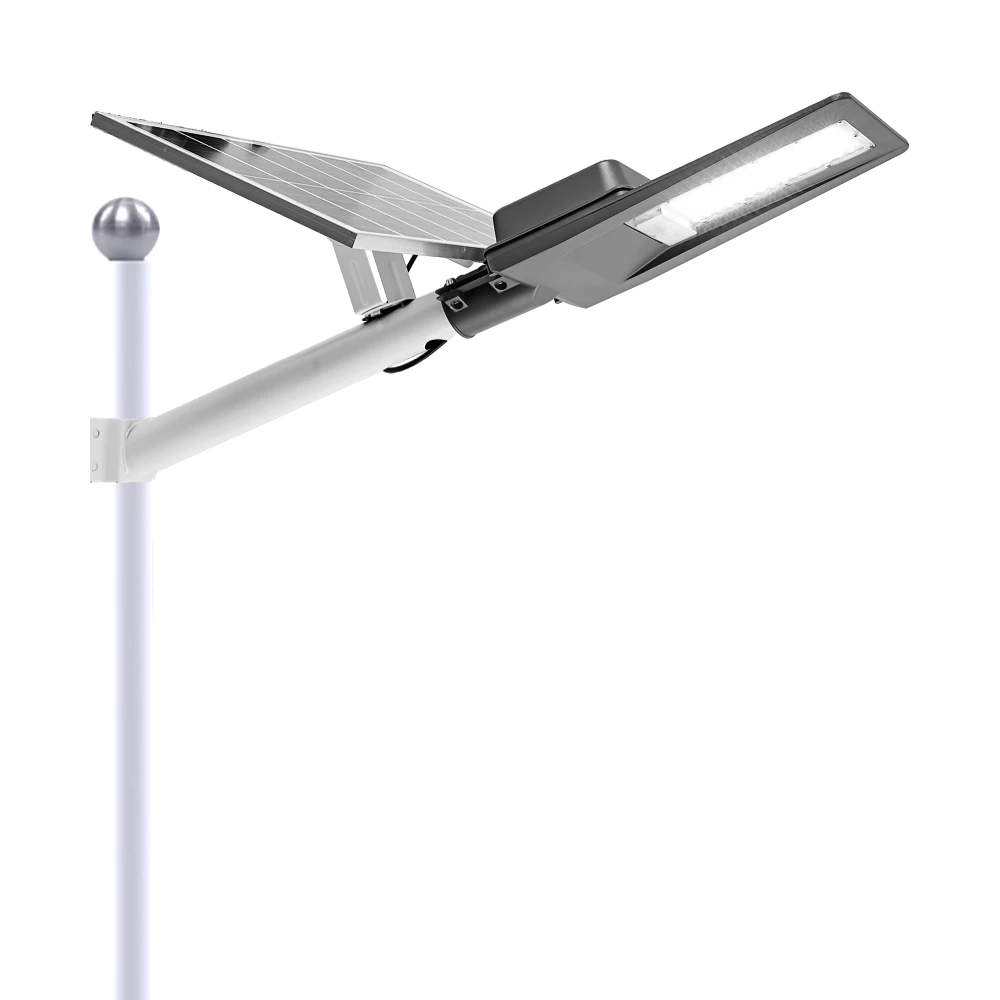
Experience reliable outdoor illumination with our smart solar street light, a perfect combination of advanced technology and eco-conscious design.
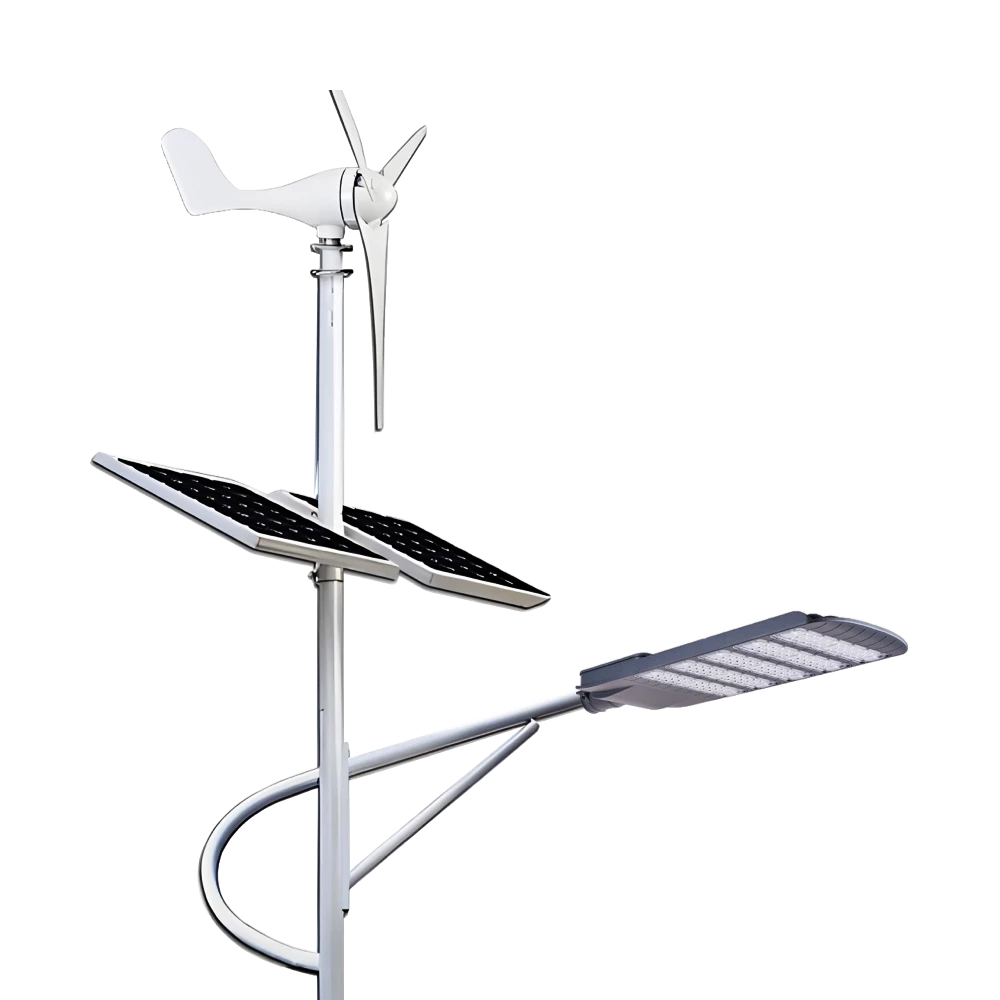
Queneng Lufeng Wind Energy LED Outdoor Solar Street Lights offer high-performance, eco-friendly illumination. These energy-efficient LED street lights harness solar power and wind energy for sustainable, cost-effective outdoor lighting solutions.
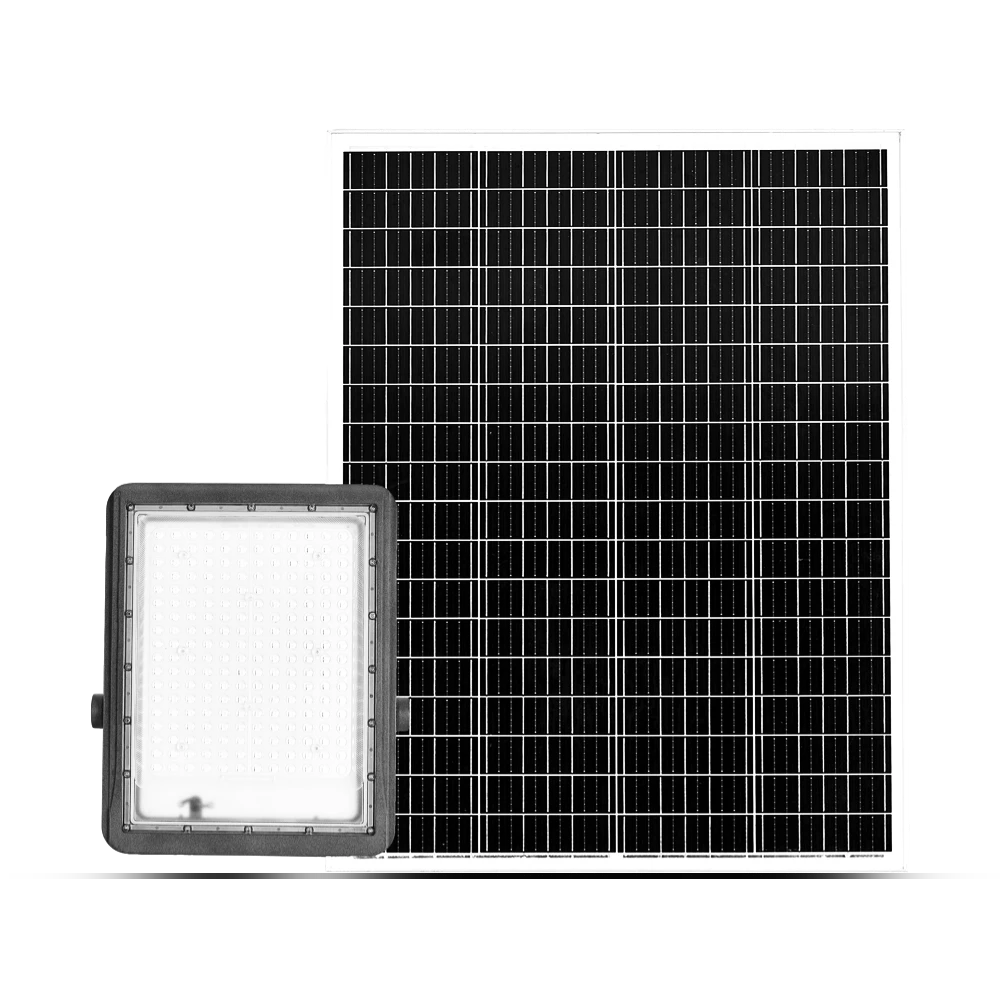
Queneng's Luxian Reliable Solar Street Light offers energy-saving LED lighting for outdoor use. This durable, solar-powered street light provides reliable illumination, reducing energy costs and environmental impact. A perfect solution for sustainable outdoor lighting.
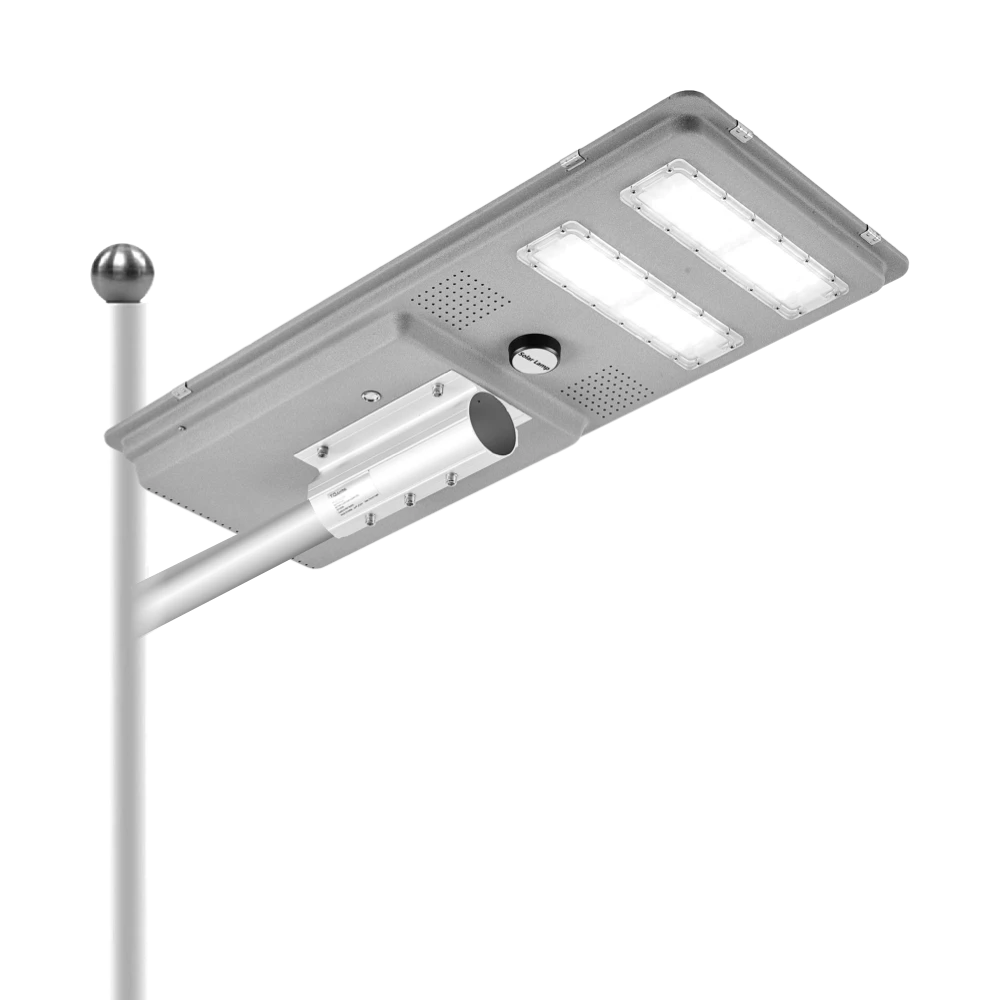
Queneng’s Solar Street Lights are designed to provide reliable, energy-efficient lighting for streets, parks, and other outdoor spaces.
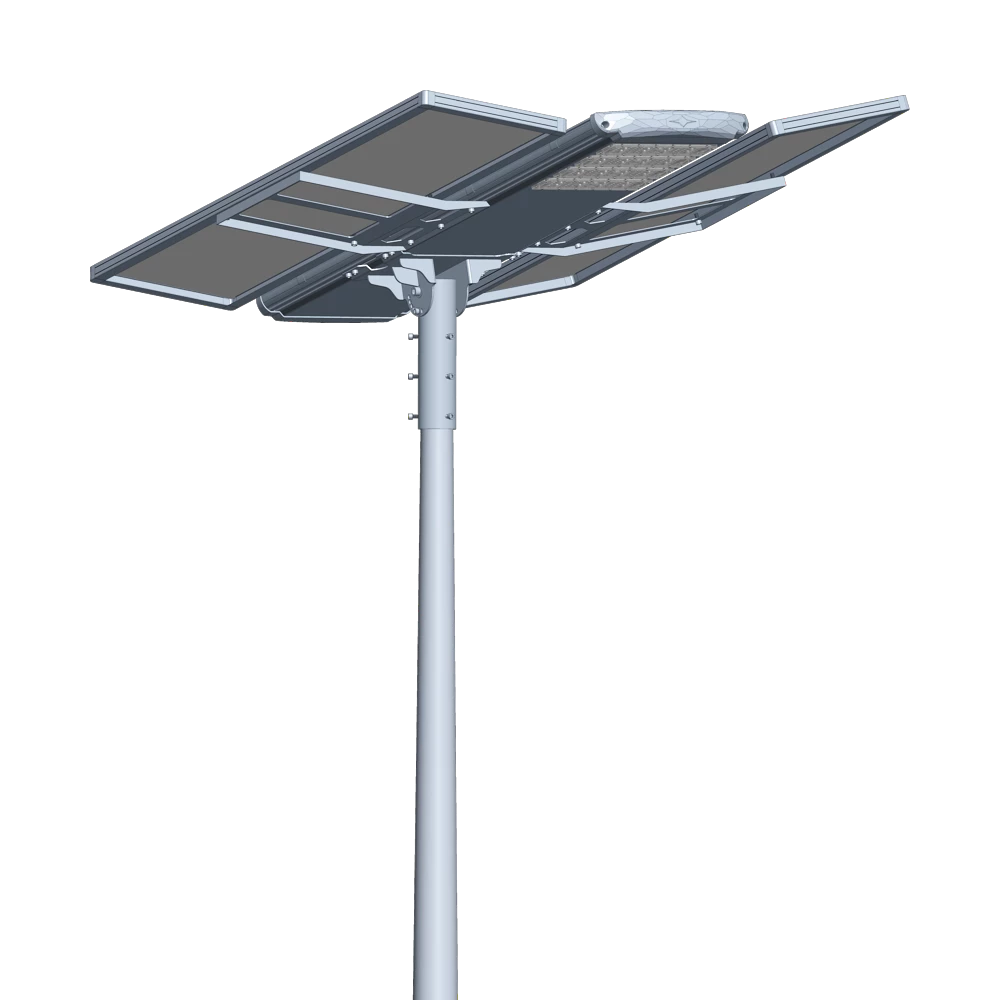
Introducing the Luqing Solar Street Light by Queneng, Efficient LED lighting powered by solar energy is perfect for illuminating outdoor areas. Harness the power of solar energy for sustainable, reliable street lighting. Ideal for eco-friendly, cost-effective outdoor illumination solutions.
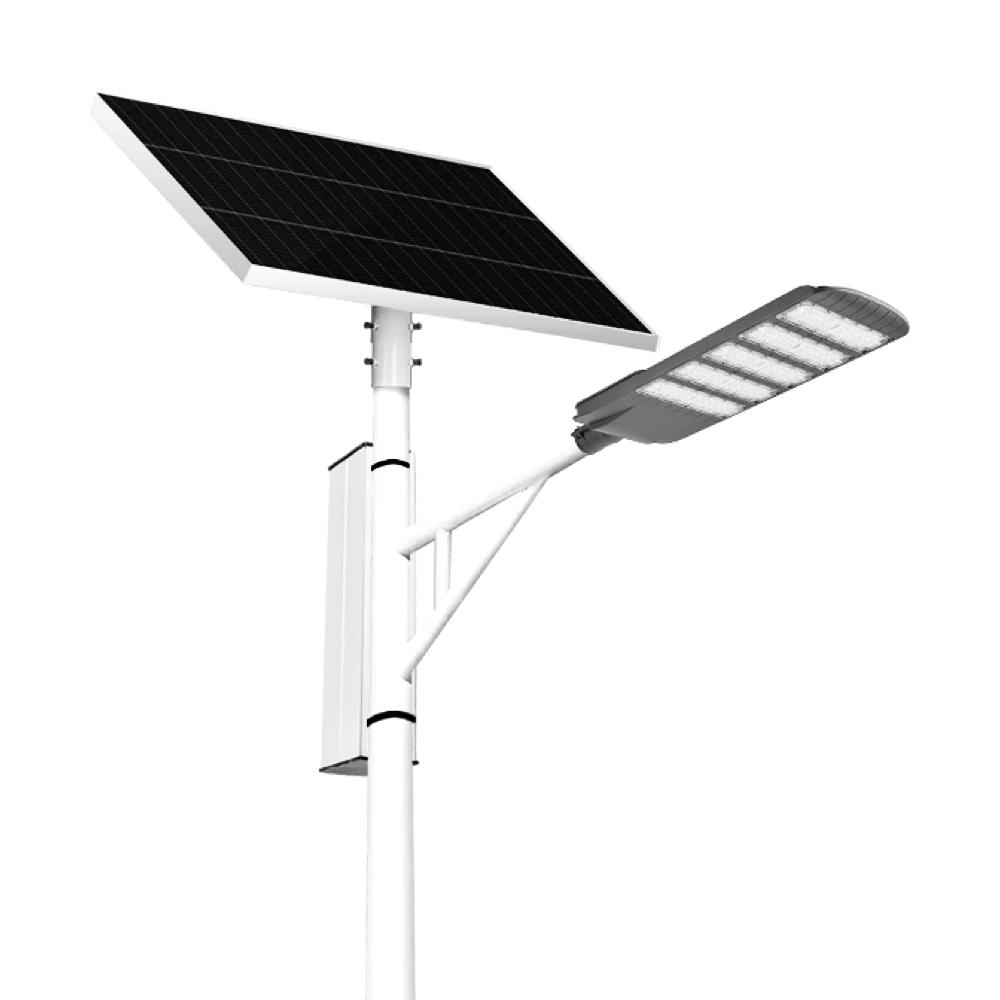
The Solar Streetlights of Luhao for Municipalities are designed to deliver reliable, energy-efficient, and cost-effective public lighting solutions. Equipped with advanced LED technology, durable lithium batteries, and high-efficiency solar panels, these streetlights provide consistent illumination for roads, parks, residential areas, and government projects.
Our professional team is ready to answer any questions and provide personalized support for your project.
You can reach us via phone or email to learn more about Queneng’s solar lighting solutions. We look forward to working with you to promote clean energy solutions!
Rest assured that your privacy is important to us, and all information provided will be handled with the utmost confidentiality.
By clicking 'Send Inquiry Now' I agree to Queneng processing my personal data.
To see how to withdraw your consent, how to control your personal data and how we process it, please see our Privacy Policy and Terms of use.
Schedule a Meeting
Book a date and time that is convenient for you and conduct the session in advance.
Have more questions about our products or services?
The messenger of light & power conversion
Environmental protection and intelligent manufacturing are our brand philosophy, and quality assurance and the best user experience are our eternal promises to users.
CONTACT
No.9F, Building F, Cao San Xin Tian Hong Logistics Park, Guzhen Town, Zhongshan City, Guangdong Province, China.
or write [email protected]
WhatsApp: +86 136 2270 1011


