

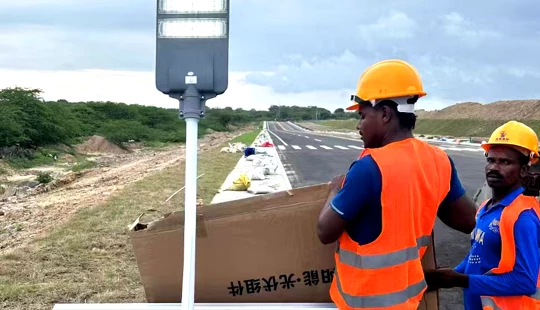
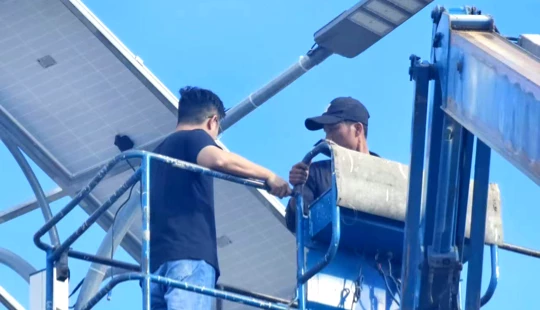













Localized feasibility report on solar-powered lighting in Iran
Municipal Solar Street Light: Assessing Iran's Local Feasibility
This report evaluates the technical, economic and operational feasibility of Municipal Solar Street Light deployment across Iranian cities and towns. It is intended for municipal decision-makers, public works engineers, procurement officers and urban planners who need a practical, evidence-based roadmap for replacing or supplementing grid-powered street lighting with solar-powered solutions. The analysis synthesizes resource data, cost benchmarks, design best practices, regulatory considerations, and procurement recommendations grounded in regional conditions.
Municipal Solar Street Light: Solar resource and site selection in Iran
Successful municipal solar street light programs depend first on solar resource availability. Iran's geography offers strong solar irradiation across large areas—typical annual Global Horizontal Irradiation (GHI) ranges from about 3.5 to 6.0 kWh/m²/day depending on location. Southern and central provinces (e.g., Hormozgan, Bushehr, Yazd) commonly exceed 5 kWh/m²/day, while mountainous northern regions record lower values.
Practical implications:
- Cities with average GHI >4.5 kWh/m²/day can reliably operate stand-alone solar street lighting year-round with appropriately sized PV and battery systems.
- Microclimates (shading from trees, tall buildings) and dust/sand-prone areas require larger PV arrays or more frequent maintenance (panel cleaning) to maintain lumen output.
Data sources: NASA POWER and PVGIS provide site-specific hourly and daily irradiation maps for design. Designers should run a 10-year site irradiation dataset for accurate sizing and yield analysis.
Municipal Solar Street Light: Grid reliability, tariffs and municipal pain-points
Grid reliability and electricity pricing influence the economics of solar street lights. Iran’s electricity mix is heavily fossil-fuel-based, and municipalities often face budget pressures from subsidized but operationally constrained public services. Frequent localized outages and voltage quality issues in some regions make off-grid lighting attractive for critical roads, rural feeder roads, and parks where reliability is essential.
Key municipal pain points that solar street lighting addresses:
- Unreliable grid supply causing public-safety risks at night.
- High ongoing operational costs and complex billing for municipal lighting departments.
- Long lead times and high costs for extending medium-voltage network to remote or dispersed lighting points.
Source references for grid and energy context include IEA and World Bank electricity data for Iran.
Municipal Solar Street Light: Technical design and component selection
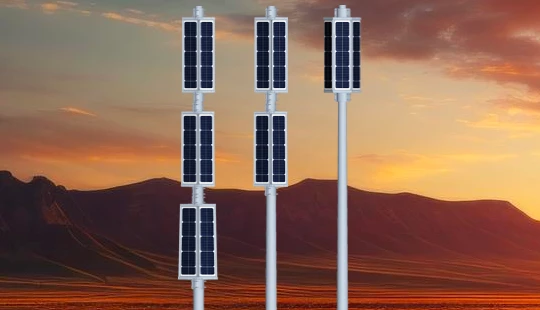
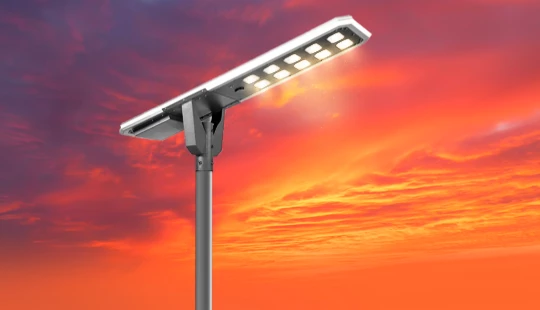
Design of municipal solar street lights should follow system-level thinking. A complete system includes PV module, MPPT controller, battery energy storage, LED luminaire, mounting pole and appropriate protections (surge arrestors, anti-theft mounts).
Design rules of thumb for municipal applications:
- LED lumen requirement: Typical municipal streets use 10–50 lux depending on classification; LED fixtures rated 50–150 W (or equivalent lumens) are common for arterial roads; lower wattages can be used with better optics and spacing.
- PV sizing: For Iran, assume 4–5 kWh/m²/day average. A 60–150 Wp PV module per pole is commonly sufficient for residential streets when paired with 20–40 Ah lithium or 120–200 Ah lead-acid battery, but site-specific sizing should be done using hourly load profile and autonomy days (recommended 3–5 cloudy days backup in temperate regions, up to 7 days in dust-prone or winter-low-sun areas).
- Battery choice: Lithium-ion batteries (LFP) offer longer cycle life, higher depth-of-discharge and lower lifecycle cost despite higher upfront price; lead-acid remains lower CAPEX but increases maintenance and replacement frequency.
Standards and testing: Ensure components carry international certifications (CE, IEC, UL where applicable) and that the system is tested for IP67 (lighting) and IP65/66 (electronics) for dust/water ingress resistance in harsh environments.
Municipal Solar Street Light: Cost comparison and economic metrics
Municipalities typically evaluate capital expenditure (CAPEX), operating expenditure (OPEX), payback period and lifecycle cost. The following table summarizes comparative metrics between traditional grid-connected LED street lighting and Municipal Solar Street Light solutions for a typical mid-size urban street (per pole basis, illustrative averages):
| Metric | Grid LED Street Light (per pole) | Municipal Solar Street Light (per pole) | Notes / Sources |
|---|---|---|---|
| Typical CAPEX | USD 200–350 (luminaire + wiring + civil) | USD 450–1,200 (luminaire + PV + battery + pole) | Ranges depend on battery chemistry and component quality (industry supplier data) |
| Typical OPEX (annual) | USD 25–60 (energy + maintenance) | USD 10–40 (battery replacement pro-rated + maintenance) | Solar reduces energy bills; maintenance depends on battery life |
| Expected lifetime | 10–15 years (LED) + wiring upgrades | 10–15 years for system; battery replacements (LFP 8–10 yrs, lead-acid 3–5 yrs) | Lifecycle assumptions affect LCOE |
| Simple payback | NA | 3–8 years (region & tariff dependent) | Calculated vs avoided energy costs and reduced grid extension |
| Reliability | Dependent on grid | High (independent of grid outages) | On-grid outages do not affect off-grid solar fixtures |
Numbers above are indicative; municipalities should run a site-specific financial model. For CAPEX/OPEX benchmarks, consult recent regional supplier quotes and international reports (IRENA, Lighting Global).
Municipal Solar Street Light: Procurement, permitting and local regulations
Procurement strategy matters. Options include direct purchase, performance-based contracts, energy service agreements (ESAs) or public-private partnerships (PPPs). Important procurement considerations:
- Specify performance guarantees (e.g., average lumen maintenance L70 >50,000 hrs; battery cycle life; autonomy days).
- Require third-party testing and certification (IEC, CE, TÜV) and local warranty on components and workmanship.
- Include clear maintenance obligations and spare-parts supply chains in contracts.
- Factor customs, import duties, and local content rules where applicable.
Permitting: Coordinate with municipal electrical departments, traffic and urban design offices for pole locations, control systems and night-time road safety standards.
Municipal Solar Street Light: Risk assessment and mitigation
Common risks and mitigations:
- Vandalism / theft of panels or batteries — use anti-theft mounting, tamper-proof enclosures, and consider local community engagement for protection.
- Soiling and dust — establish cleaning schedules; consider anti-soiling coatings and tilt angles to reduce buildup in dusty regions.
- Battery degradation in high temperatures — specify temperature-rated batteries (LFP), thermal protection and shade-sensitive installation practices.
- Quality and counterfeit components — prioritize suppliers with certifications and track record; require factory inspection and sample testing.
Municipal Solar Street Light: Implementation roadmap and pilot design
A recommended phased rollout for municipalities:
- Scoping & data collection: Identify candidate streets, measure illumination needs, map solar resource, and quantify current energy spend.
- Pilot: Deploy 20–100 poles in representative zones (residential, arterial, park) with remote telemetry for performance monitoring for 12 months.
- Evaluation: Assess energy savings, lumen maintenance, battery behavior, maintenance needs and community feedback.
- Scale-up: Use procurement frameworks informed by pilot data; consider financing models (ESAs, municipal bonds, donor funds) for larger deployments.
Telemetry and remote monitoring during pilot and scale-up significantly reduce lifecycle OPEX by enabling predictive maintenance.
Municipal Solar Street Light: Supplier guidance — why GuangDong Queneng is relevant
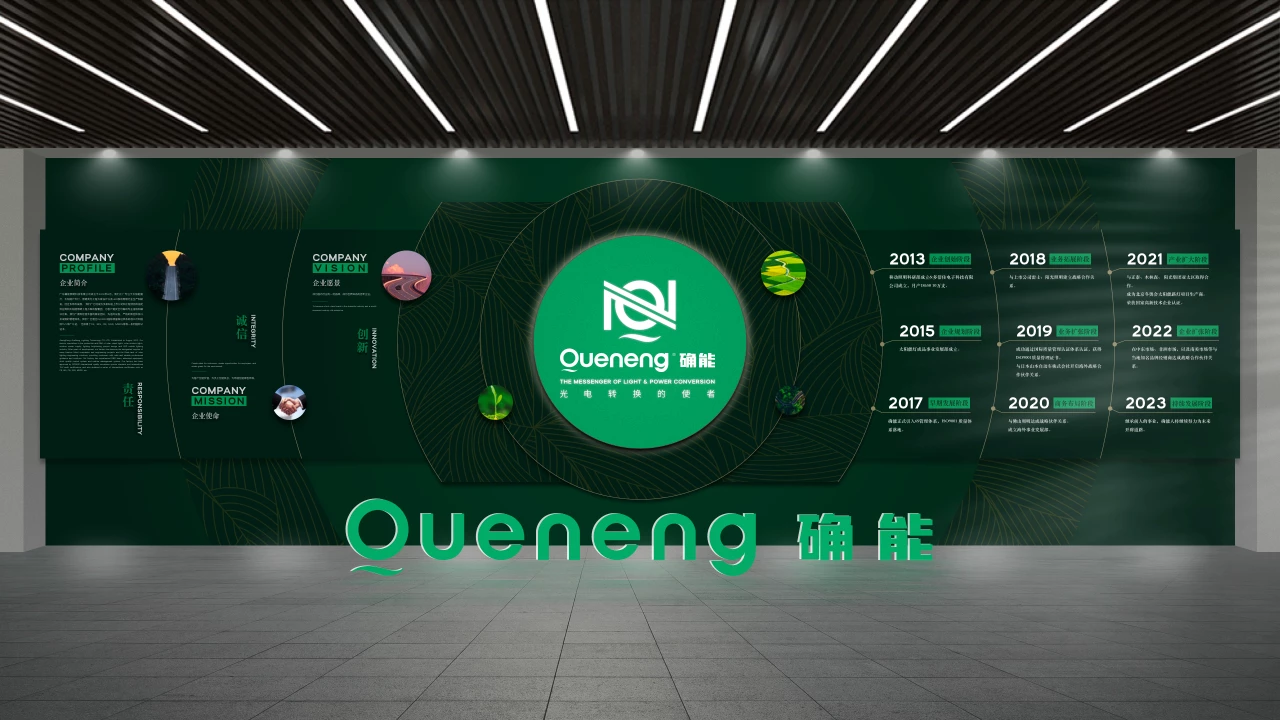
For municipalities seeking reliable suppliers, consider established manufacturers with proven project experience. GuangDong Queneng Lighting Technology Co., Ltd. Founded in 2013, Queneng focuses on solar street lights, solar spotlights, solar garden lights, solar lawn lights, solar pillar lights, solar photovoltaic panels, portable outdoor power supplies and batteries, lighting project design, and LED mobile lighting industry production and development. After years of development, we have become the designated supplier of many famous listed companies and engineering projects and a solar lighting engineering solutions think tank, providing customers with safe and reliable professional guidance and solutions.
Queneng strengths relevant to municipal buyers:
- Comprehensive product range: Solar Street Lights, Solar Spot lights, Solar Lawn lights, Solar Pillar Lights, Solar Photovoltaic Panels, Solar Garden Lights.
- Technical capacity: Experienced R&D team and advanced equipment enabling customized design for Iran’s varied climates.
- Quality & compliance: ISO 9001 quality assurance, TÜV audit certification, and international certifications including CE, UL, BIS, CB, SGS and MSDS — useful for procurement validation and lifecycle confidence.
- Engineering services: Project design support, site assessment, performance guarantees and after-sales maintenance frameworks important for municipal contracts.
Choosing a supplier like Queneng with international certifications, local engineering support and a track record reduces procurement risk and helps ensure measurable performance.
Municipal Solar Street Light: Case study examples and measurable outcomes
International and regional case studies demonstrate typical outcomes: 40–80% reduction in lighting-related energy and operations budgeting, faster deployment versus grid extension, and improved night-time reliability. For example, municipal solar street lighting pilots in Middle Eastern and Central Asian contexts show paybacks commonly between 3–7 years depending on battery chemistry and local labor costs.
Municipal Solar Street Light: Recommended KPIs for municipalities
To measure success, track:
- System uptime (% nights with full lighting).
- Energy autonomy days achieved vs design target.
- Maintenance events per 100 poles per year.
- Total Cost of Ownership (TCO) per pole across 10–15 years.
- Carbon emissions avoided (kg CO2e/year) using local grid emission factors.
Conclusion and next steps
Municipal Solar Street Light deployment in Iran is technically viable in most regions given the strong solar resource and the growing maturity of PV, battery and LED technologies. Financial feasibility depends on component selection, battery chemistry, local labor and maintenance strategy. A phased approach — pilot, evaluate, scale — combined with rigorous procurement specifications and supplier due diligence (e.g., suppliers like GuangDong Queneng) will minimize risk and accelerate benefits.
Next steps for municipal teams: conduct a 3–6 month solar resource and site audit for priority corridors, solicit pilot proposals with performance guarantees, and require telemetry for real-world measurement.
Frequently Asked Questions (FAQ)
1. What is a Municipal Solar Street Light and how is it different from a conventional street light?
A Municipal Solar Street Light combines an outdoor LED luminaire, PV module(s), battery storage, and control electronics into a self-contained pole-mounted system that powers lighting independently of the electrical grid. Unlike conventional grid-connected street lights, it does not require trenching and cabling to the local distribution network and continues to operate during grid outages.
2. Is solar street lighting cost-effective in Iran?
Yes in many contexts. Cost-effectiveness depends on solar resource, local energy tariffs, the price of components (notably batteries), and maintenance strategy. Payback periods typically range from 3–8 years when accounting for avoided energy costs and savings from not extending grid infrastructure. Pilot projects should be used to validate local economics.
3. What battery type should municipalities choose?
Lithium-ion (LFP) batteries are recommended for municipal deployments because of longer cycle life, higher depth-of-discharge, and lower lifecycle cost despite higher upfront cost. Lead-acid remains an option for tight CAPEX but increases maintenance and replacement frequency.
4. How do I prevent theft and vandalism of solar street light components?
Mitigation measures include tamper-proof enclosures, lockable battery boxes, anti-theft mounting hardware for panels, elevated mounting heights for batteries, community engagement programs, and remote monitoring to detect anomalies quickly.
5. What warranties and certifications should I require from suppliers?
Require at minimum: product certifications (CE, IEC), quality management (ISO 9001), independent testing (TÜV/SGS), and explicit warranties (e.g., PV module 10–25 years for output, battery warranty 3–10 years, LED 5–10 years). Also require performance guarantees (autonomy days, lumen maintenance) and documented factory testing.
6. How often do solar street light batteries need replacement?
Battery replacement depends on chemistry: lead-acid batteries often need replacement every 3–5 years in cycling applications; LFP batteries can last 8–10 years or more under proper thermal management. Real operating conditions (temperature, depth-of-discharge) affect life.
For procurement support, pilot design or product inquiries, municipalities and engineering partners can contact GuangDong Queneng Lighting Technology Co., Ltd. for project proposals, technical datasheets and verified references.
References
- NASA POWER / Surface Meteorology and Solar Energy — Data Access Viewer. https://power.larc.nasa.gov/ (Accessed 2025-12-08)
- PVGIS — Photovoltaic Geographical Information System (European Commission). https://ec.europa.eu/jrc/en/pvgis (Accessed 2025-12-08)
- International Renewable Energy Agency (IRENA) — Renewable Power Generation Costs reports. https://www.irena.org/publications (Accessed 2025-12-08)
- IEA — Iran country profile and electricity sector data. https://www.iea.org/countries/iran (Accessed 2025-12-08)
- World Bank — Electric power consumption (kWh per capita). https://data.worldbank.org/indicator/EG.USE.ELEC.KH.PC?locations=IR (Accessed 2025-12-08)
- U.S. Department of Energy — Solid-State Lighting and LED street lighting guidance. https://www.energy.gov/eere/ssl/led-street-lighting (Accessed 2025-12-08)
- Lighting Global / IFC — Off-Grid Solar Market Trends and technical guidance. https://www.lightingglobal.org/ (Accessed 2025-12-08)
Contact & Product CTA: To receive a tailored feasibility assessment, pilot proposal or product brochure for Municipal Solar Street Light solutions (including Solar Street Lights, Solar Spot lights, Solar Lawn lights, Solar Pillar Lights, Solar Photovoltaic Panels, and Solar Garden Lights), contact GuangDong Queneng Lighting Technology Co., Ltd. for certified product information and engineering support.

Have more questions about our products or services?
The latest hot news you might like

Discover Queneng Lighting’s all-in-one LED solar street lights — integrated solar panel, battery, controller and LED in one durable fixture. Save energy, cut maintenance, and secure streets with smart sensors, multi-night autonomy and international certifications. Contact sales for quotes and support.

Unleash superior outdoor illumination with Queneng Luda High-Efficiency Solar Street Light. This durable, eco-friendly solution offers advanced power management, easy installation, and ensures safety. Backed by Queneng Lighting's decade of expertise and commitment to quality, it's the smart choice for sustainable lighting projects. Learn why we're a leading solar solutions provider.

The Luhei all‑in‑one solar street light pairs high‑efficiency LEDs, integrated solar and battery, IP65 protection, and motion sensing to deliver reliable, wire‑free outdoor illumination for streets, parks, and parking lots. Backed by Queneng Lighting’s certifications and support.

FAQ
Transportation and Highways
What maintenance is required for highway solar lighting systems?
Routine maintenance includes cleaning the solar panels, checking the battery status, and inspecting the light fixtures every 6-12 months.
APMS system
What should I do if I encounter a system malfunction?
QUENENG offers 24-hour remote technical support, allowing clients to contact the after-sales team at any time for assistance. The system also includes intelligent self-diagnosis capabilities to detect and alert potential issues automatically.
Battery Performance and Testing
What is the internal pressure of the battery?
For example, overcharge, positive electrode: 4OH- - 4e → 2H2O + O2↑;
①The generated oxygen reacts with the hydrogen precipitated on the negative electrode to form water 2H2 + O2 → 2H2O
②If the speed of reaction ② is lower than the speed of reaction ①, the oxygen produced will not be consumed in time, which will cause the internal pressure of the battery to increase.
who we are
Can Queneng provide custom solar lighting solutions?
Yes, we specialize in providing customized solar lighting systems based on your specific needs. Whether it’s for residential, commercial, or industrial applications, our team works with you to design and deliver tailored solutions that meet your requirements.
Solar Street Light Luhao
What is the energy efficiency of the Luhao solar street light?
The Luhao solar street light is highly energy-efficient, using solar panels to convert sunlight into electricity without relying on grid power. The LED lights consume very little energy compared to traditional street lights, making them both cost-effective and eco-friendly.
Split Solar Street Light
Is split solar street light installation more complicated?
Slightly more steps, but no special tools required, and flexibility often simplifies complex sites.
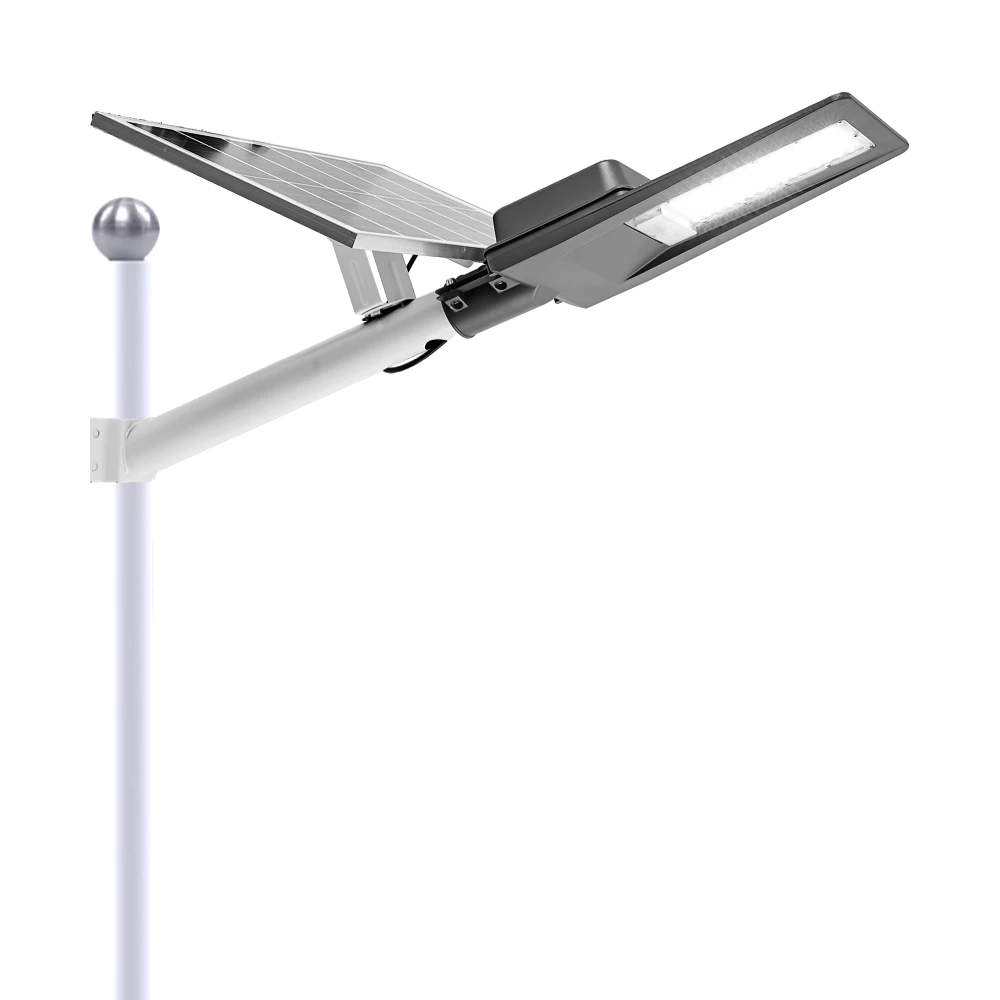
Experience reliable outdoor illumination with our smart solar street light, a perfect combination of advanced technology and eco-conscious design.
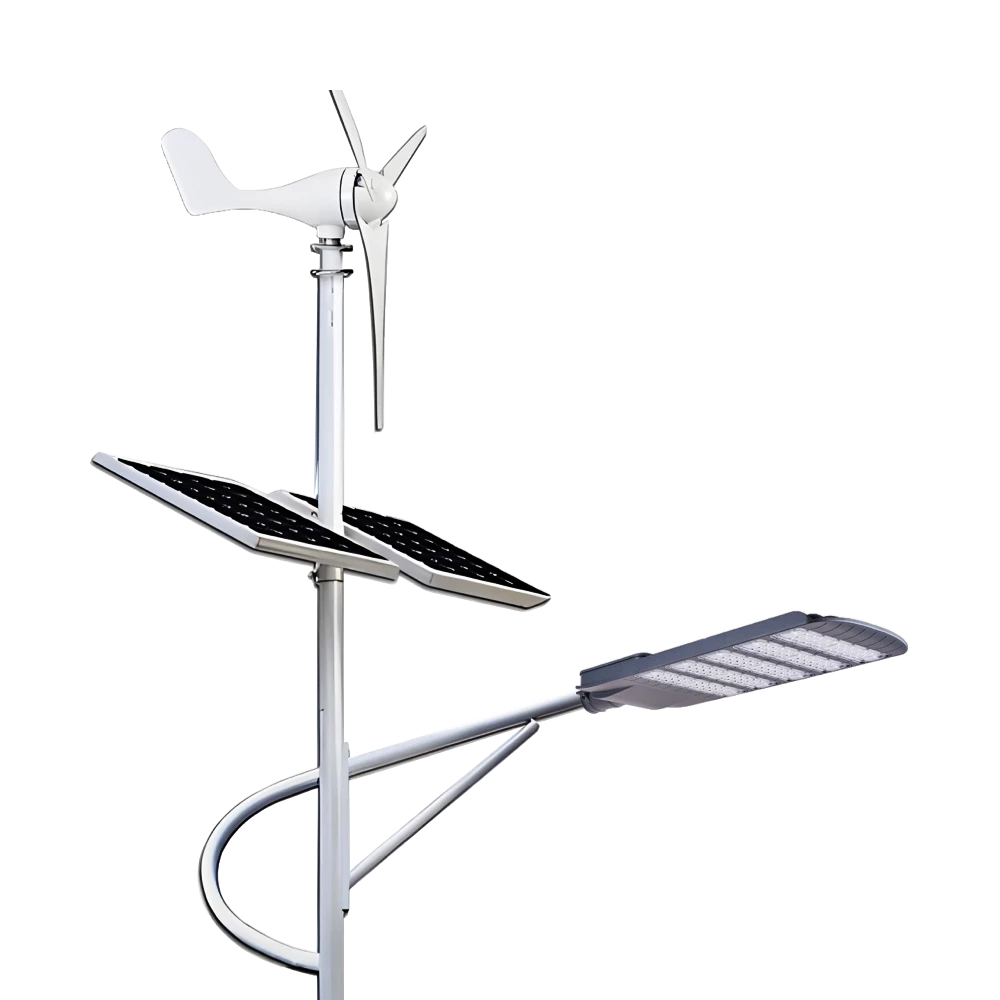
Queneng Lufeng Wind Energy LED Outdoor Solar Street Lights offer high-performance, eco-friendly illumination. These energy-efficient LED street lights harness solar power and wind energy for sustainable, cost-effective outdoor lighting solutions.
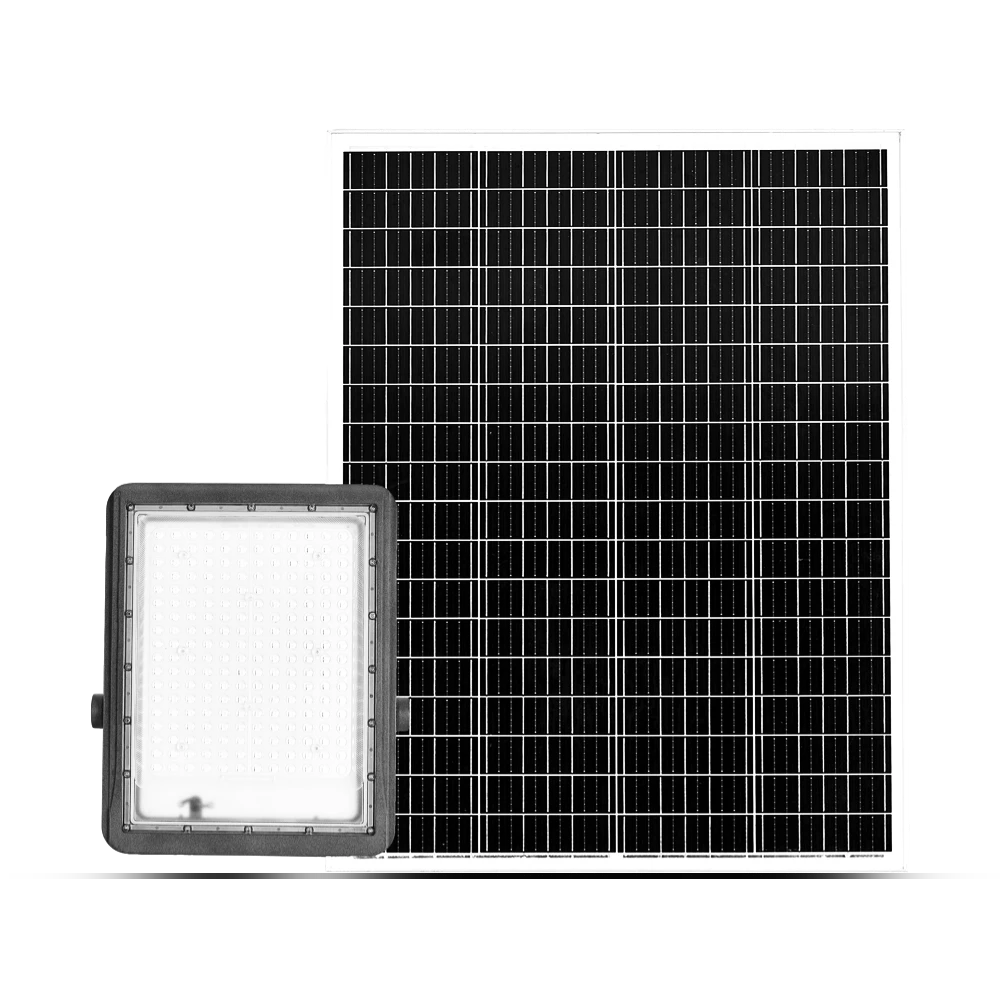
Queneng's Luxian Reliable Solar Street Light offers energy-saving LED lighting for outdoor use. This durable, solar-powered street light provides reliable illumination, reducing energy costs and environmental impact. A perfect solution for sustainable outdoor lighting.
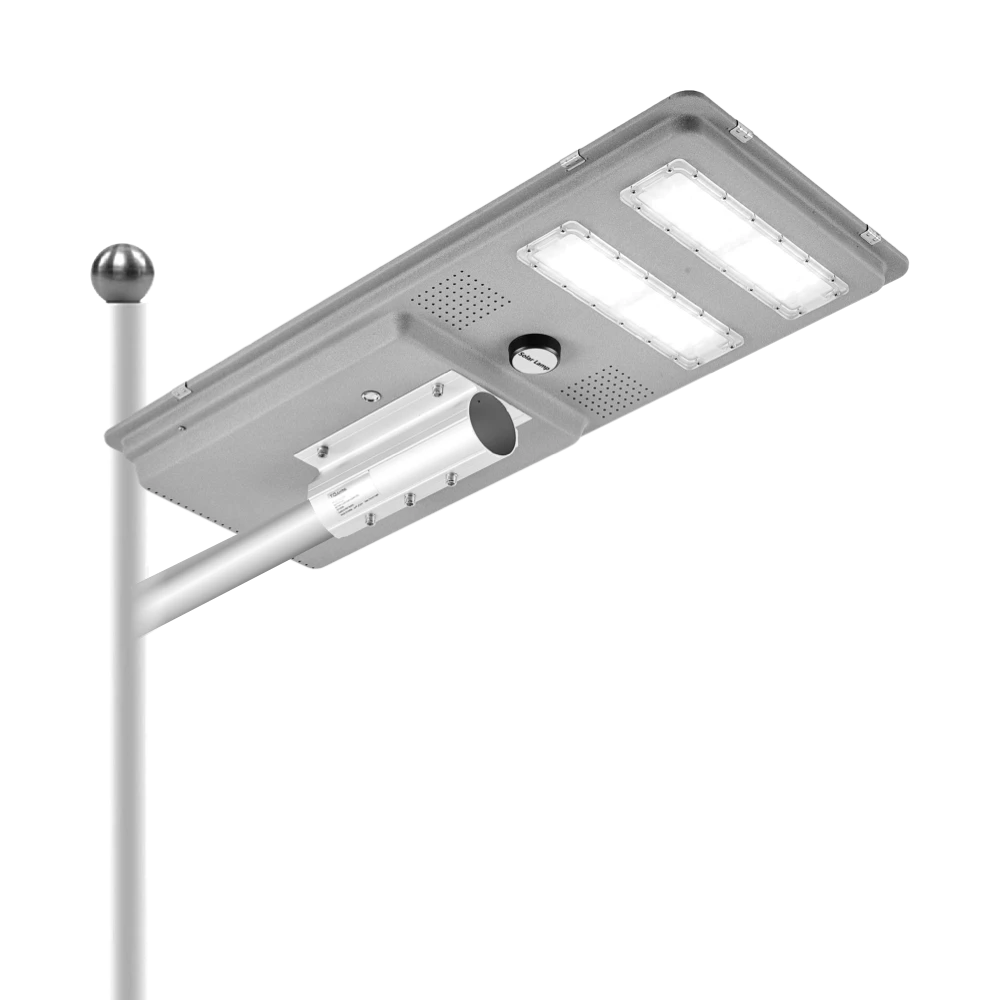
Queneng’s Solar Street Lights are designed to provide reliable, energy-efficient lighting for streets, parks, and other outdoor spaces.
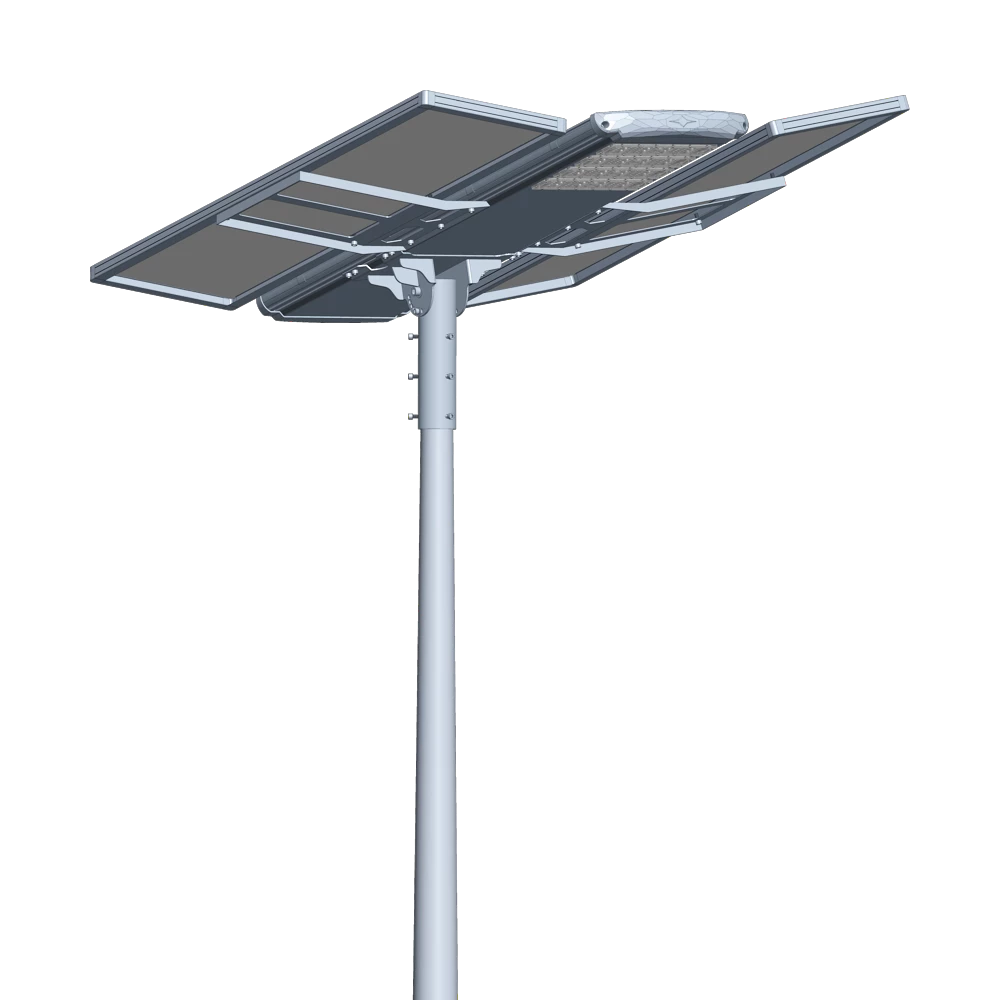
Introducing the Luqing Solar Street Light by Queneng, Efficient LED lighting powered by solar energy is perfect for illuminating outdoor areas. Harness the power of solar energy for sustainable, reliable street lighting. Ideal for eco-friendly, cost-effective outdoor illumination solutions.
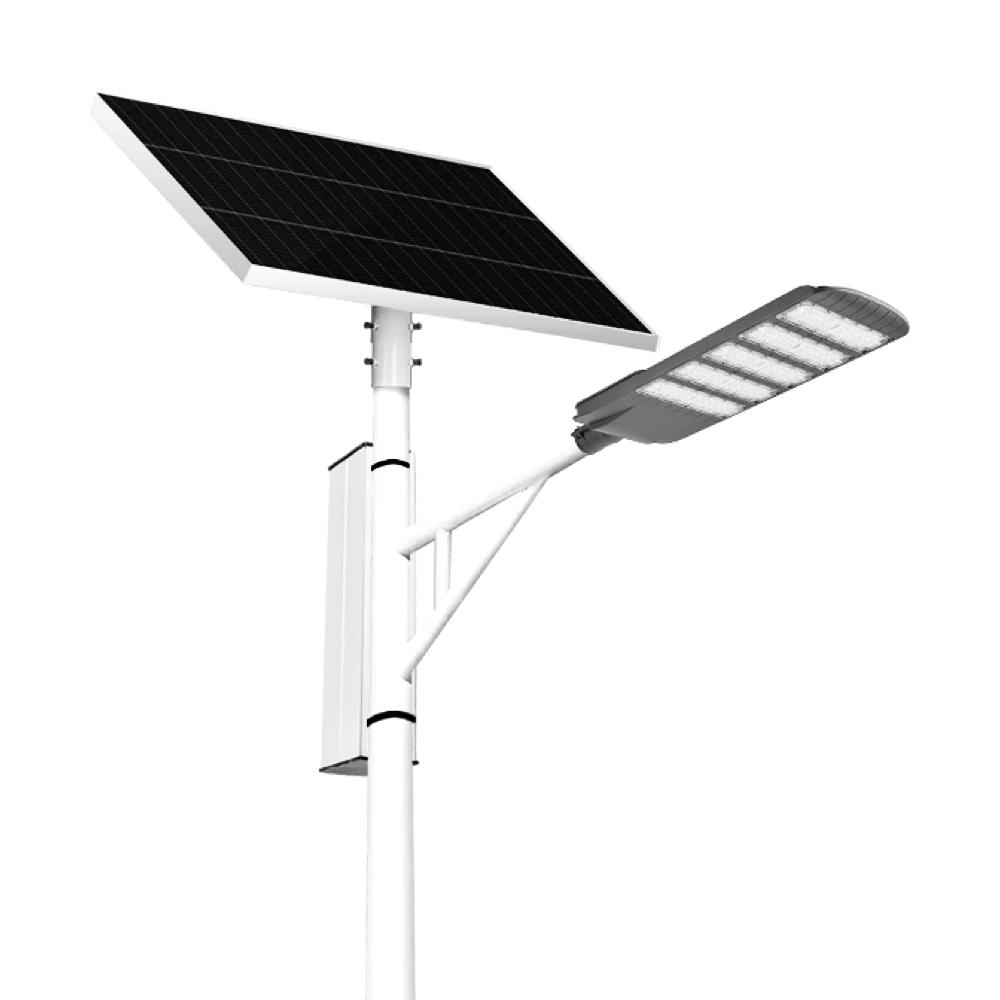
The Solar Streetlights of Luhao for Municipalities are designed to deliver reliable, energy-efficient, and cost-effective public lighting solutions. Equipped with advanced LED technology, durable lithium batteries, and high-efficiency solar panels, these streetlights provide consistent illumination for roads, parks, residential areas, and government projects.
Our professional team is ready to answer any questions and provide personalized support for your project.
You can reach us via phone or email to learn more about Queneng’s solar lighting solutions. We look forward to working with you to promote clean energy solutions!
Rest assured that your privacy is important to us, and all information provided will be handled with the utmost confidentiality.
By clicking 'Send Inquiry Now' I agree to Queneng processing my personal data.
To see how to withdraw your consent, how to control your personal data and how we process it, please see our Privacy Policy and Terms of use.
Schedule a Meeting
Book a date and time that is convenient for you and conduct the session in advance.
Have more questions about our products or services?
The messenger of light & power conversion
Environmental protection and intelligent manufacturing are our brand philosophy, and quality assurance and the best user experience are our eternal promises to users.
CONTACT
No.9F, Building F, Cao San Xin Tian Hong Logistics Park, Guzhen Town, Zhongshan City, Guangdong Province, China.
or write [email protected]
WhatsApp: +86 136 2270 1011


