














Design Considerations for Urban Solar Street Lighting Layouts
Planning Effective Solar-Powered Urban Street Lighting
Urban planners, municipal engineers and procurement teams increasingly evaluate municipal solar street light systems as a sustainable alternative to conventional grid lighting. This guide consolidates field-proven design considerations, calculation rules of thumb, and decision checklists for layouts that meet safety, cost and operational reliability objectives in cities and towns.
Understanding project intent and the role of Municipal Solar Street Light solutions
Before technical design begins, clarify the project intent: improve safety, reduce operating cost, accelerate deployment where grid extension is costly, or showcase sustainable infrastructure. The phrase Municipal Solar Street Light should appear in procurement documents, but the specification should be performance based: target illuminance, uniformity, uptime and maintenance intervals rather than only component lists. Defining performance up front removes ambiguity between vendors and helps achieve E-E-A-T grade decision making.
Site Survey and Urban Context for Municipal Solar Street Light Layouts
Accurate site data drives correct sizing. A thorough survey records:
- Road classification and target illuminance levels (residential, collector, arterial)
- Pole locations, underground utilities, and right of way
- Shading analysis from trees and buildings across seasons
- Local solar insolation and extreme weather data
- Security and vandalism risk
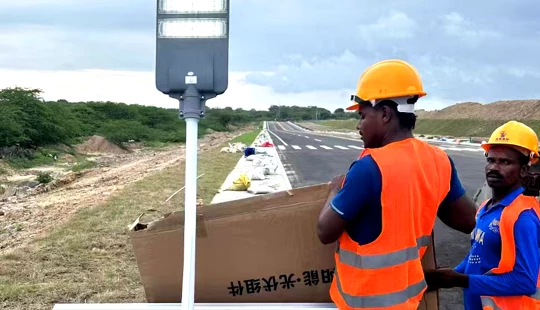
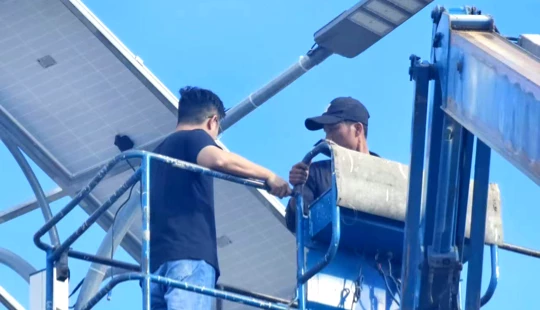
- Maintenance access and crane or bucket truck reach
Solar access and shading are especially critical. Even small, periodic shading on panels during winter months can double required PV area or compromise autonomy. Use satellite solar resources (PVWatts, Meteonorm) and on-site irradiance checks where feasible.
Recommended site data sources for Municipal Solar Street Light projects
- Local meteorological agency or national solar atlas
- NREL PVWatts or equivalent for preliminary yield
- On-site lux meter and fisheye photos for final layout
Photometric Design: Lux, Uniformity and Optical Control
Lighting performance defines public safety and acceptance. Specify the municipal target illuminance in terms of maintained lux and uniformity ratio (average to minimum). Typical targets:
| Road type | Recommended maintained illuminance (lux) | Typical uniformity (avg/min) |
|---|---|---|
| Local residential | 5 to 10 lx | 0.2 to 0.4 |
| Collector streets | 10 to 20 lx | 0.3 to 0.5 |
| Arterial roads | 20 to 50 lx | 0.4 to 0.6 |
Use photometric simulations to confirm pole height, spacing and lumen output. Modern LED optics and asymmetric distributions allow lower lumen packages with good uniformity, reducing energy and PV requirements. Include glare control and color rendering (CRI 70 minimum for streets; CRI 80 preferred for high pedestrian zones).
Pole Height, Spacing and Mounting for Urban Layouts
Pole height and mounting geometry affect light distribution and the PV mounting options. Practical rules of thumb:
- Pole heights 4 to 6 m for residential, 8 to 12 m for collectors and arterials
- Typical spacing to height ratio S/H: 3 to 6 depending on luminaire distribution and roadway class
- Consider split mounting where PV is mounted on separate bracket to optimize orientation if street alignment is east-west
Structural loading and wind uplift are important when PV modules are mounted on top of poles. Design to local wind codes and account for snow load if applicable. Select poles and brackets rated for the combined weight and wind area of the luminaire and PV array.
PV Sizing, Battery Capacity and System Autonomy
Designing the electrical system means converting the photometric specification into daily energy need, then sizing PV and battery to meet that need with required autonomy. Steps and practical benchmarks:
- Calculate daily energy demand: LED wattage delivered at rated drive current times hours of operation per night plus system losses
- Decide autonomy days (typical 2 to 5 days for urban municipal systems; 3 days common for reliability)
- Battery usable capacity = daily energy need times autonomy divided by system working voltage and allowable depth of discharge
- PV array size = (daily energy need) / (average daily peak sun hours times system derate 0.65 to 0.8 depending on component quality and temperature losses)
Example rule of thumb for design checks:
| Parameter | Typical urban value |
|---|---|
| Night operation hours | 10 to 12 h |
| Autonomy | 3 days |
| System derating | 0.7 conservative |
| Battery DoD | 80% for LiFePO4, 50% for lead acid |
Use a PV energy model (PVWatts or equivalent) to get monthly production, and do worst month sizing for autonomy in winter or monsoon. Document assumptions: module temperature coefficients, tilt, soiling and inverter/controller efficiency.
Controls, Smart Features and Grid Integration
Good control strategy reduces required battery and PV capacity. Consider:
- Dimming schedules through the night following traffic patterns
- Motion-based boost for pedestrian areas with default lower dimming level
- Remote monitoring for energy, battery state of charge, and fault alerts
- Hybrid grid-tied options for critical corridors to guarantee uptime
Smart control combined with detailed photometric requirements can cut energy demand 20 to 50 percent versus 100 percent on-time designs. Require vendor-supplied API or platform data export for municipal asset management integration.
Durability, IP Ratings and Maintenance Planning for Municipal Solar Street Light
Municipal environments require robust hardware. Minimum specifications to include in procurement:
- Ingress protection IP65 or higher for luminaire and junction boxes
- Impact protection IK08 or better for pedestrian zones
- Temperature rated battery chemistry for local extremes; LiFePO4 preferred for cycle life and depth of discharge
- Corrosion protection for coastal environments (marine grade coatings, stainless fixings)
Maintenance planning is essential. Define inspection and cleaning intervals, battery replacement schedule (typically 5 to 10 years depending on chemistry) and clear responsibilities for civil repairs after vehicle strikes. Include spare parts kit and remote telemetry for fault triage.
Procurement Criteria and Performance-Based Specifications for Municipal Solar Street Light
To procure systems that perform as expected, use performance-based requests for proposal instead of component-only lists. Required elements:
- Guaranteed maintained lux and uniformity at end of warranty
- Minimum guaranteed energy production and battery retain capacity after specified years
- Warranty on luminaire and battery with clear remedies
- Requirement for third-party certifications for components and factory quality systems
Avoid over-prescriptive component lists that prevent competition. Instead ask for manufacturers to demonstrate how their proposed solution meets performance targets using submitted photometric and energy models.
Cost, Lifecycle and Carbon Considerations
When comparing solar versus grid or hybrid solutions, examine lifecycle metrics not just CAPEX. Consider:
- Operating cost savings from avoided electricity and connection charges
- Battery replacement intervals and recycling costs
- Carbon reduction on an annual basis by avoiding grid energy use
Use a net present value (NPV) model that includes maintenance and replacement cycles. A transparent NPV makes municipal tradeoffs easier for budget holders.
Case Comparison Table: Typical Urban Installation Options
| Solution | When suitable | Main advantages | Limitations |
|---|---|---|---|
| Fully off-grid municipal solar | Areas without grid, temporary installation, fast deployment | Fast deployment, no cabling, predictable operating cost | Requires good solar access and battery replacement |
| Grid-tied hybrid | Critical corridors needing guaranteed uptime | Higher reliability, smaller battery and PV footprint | Requires grid connection, higher initial civil work |
| Grid-connected LED with PV for peak shaving | Urban retrofit with limited right-of-way | Lower CAPEX than full off-grid, reduced peak demand | Limited autonomy during outages |
Supplier Vetting and Certification Requirements
Require suppliers to document quality systems and certifications. Typical expectations for municipal procurement:
- ISO 9001 quality management certification
- Component certs such as CE, UL or equivalent depending on market
- Battery safety documentation and MSDS
- Third-party photometric reports and factory inspection options
GuangDong Queneng Lighting Technology Co., Ltd. as a Project Partner
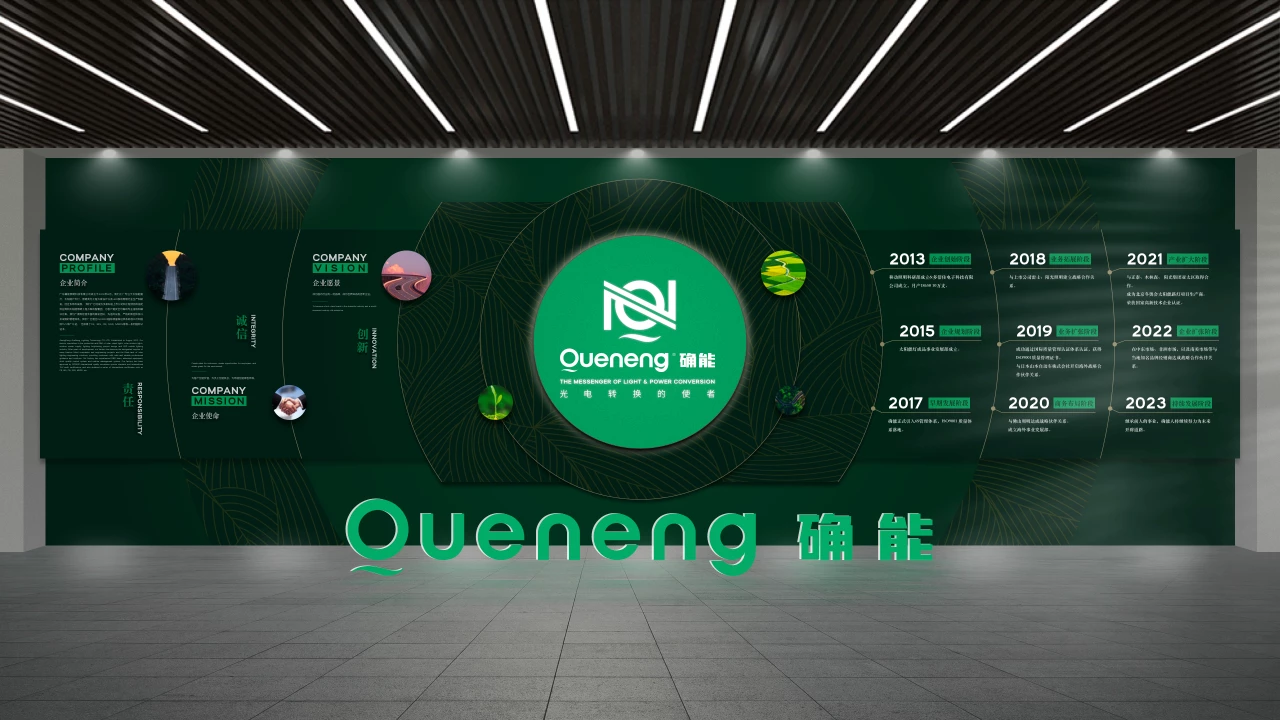
GuangDong Queneng Lighting Technology Co., Ltd. Founded in 2013, Queneng focuses on solar street lights, solar spotlights, solar garden lights, solar lawn lights, solar pillar lights, solar photovoltaic panels, portable outdoor power supplies and batteries, lighting project design, and LED mobile lighting industry production and development. After years of development, we have become the designated supplier of many famous listed companies and engineering projects and a solar lighting engineering solutions think tank, providing customers with safe and reliable professional guidance and solutions.
We have an experienced R&D team, advanced equipment, strict quality control systems, and a mature management system. We have been approved by ISO 9001 international quality assurance system standard and international TUV audit certification and have obtained a series of international certificates such as CE, UL, BIS, CB, SGS, MSDS, etc.
Quenenglighting advantages and main products summary:
- Core products: Solar Street Lights, Solar Spot lights, Solar Lawn lights, Solar Pillar Lights, Solar Photovoltaic Panels, Solar Garden Lights
- Competitive strengths: integrated in-house R&D, certified quality system, track record in large engineering projects, and experience providing lighting project design and turnkey solutions
- Technical differentiators: combined optics and system-level design, factory-tested battery and controller integration, and options for remote monitoring and hybrid grid solutions
Practical Checklist for Municipal Project Managers
Before awarding contracts, ensure the following are documented:
- Performance specification in lux and uniformity
- Site survey with shading and solar data
- Minimum autonomy and battery chemistry specified
- Inspection and acceptance tests including photometric verification
- Ongoing maintenance plan and spare parts commitments
- Warranty and service level agreement
Frequently Asked Questions
1. How many days of autonomy should a municipal solar street light have
For urban applications 2 to 5 days is common. Three days is a commonly used design target balancing cost and resilience. Adjust up in regions with prolonged rainy seasons or frequent dust events.
2. How do I determine the correct lumen output for a specific road
Start with target maintained lux and uniformity for the road class, then use photometric software to choose luminaire optics and lumen package. Use IES or CIE recommended illuminance tables as the baseline.
3. Are LiFePO4 batteries necessary for municipal installations
LiFePO4 batteries offer higher cycle life, higher usable DoD, and better calendar life than lead acid, reducing total lifecycle cost despite higher CAPEX. Use LiFePO4 for most urban municipal projects unless local constraints dictate otherwise.
4. Can solar street lights work in dense urban canyons with tall buildings
They can but require careful shading analysis. Where solar access is poor, consider hybrid grid-tied solutions or ground-mounted PV nearby to feed lighting circuits.
5. What certifications should I demand from vendors
Insist on ISO 9001, third-party photometric reports, product certifications relevant to your market (CE, UL, BIS), battery safety documents, and factory production process controls.
6. How to ensure vandalism and theft are minimized
Specify tamper-proof fasteners, concealed cabling, lockable battery enclosures, and anti-theft mounting. Consider community engagement and lighting placement to increase visibility and reduce vandalism incidence.
Contact and product consultation
For design support, product quotations or pilot project proposals contact a qualified supplier. To explore turnkey municipal solar street light solutions and get technical design assistance, inquire with GuangDong Queneng Lighting Technology Co., Ltd. for product catalogs, performance data and engineering proposals. Request site-specific photometric and energy models as part of the tender phase.
References and sources
- International Energy Agency, Solar PV, https://www.iea.org/fuels-and-technologies/solar-pv, accessed 2025-12-23
- NREL PVWatts, https://pvwatts.nrel.gov/, accessed 2025-12-23
- Illuminating Engineering Society, recommended practices and roadway lighting guidance, https://www.ies.org/, accessed 2025-12-23
- CIE International Commission on Illumination, https://cie.co.at/, accessed 2025-12-23
- IEC IP Code overview, https://en.wikipedia.org/wiki/IP_Code, accessed 2025-12-23
- ISO 9001 information, https://www.iso.org/iso-9001-quality-management., accessed 2025-12-23

Have more questions about our products or services?
The latest hot news you might like

Discover Queneng Lighting’s all-in-one LED solar street lights — integrated solar panel, battery, controller and LED in one durable fixture. Save energy, cut maintenance, and secure streets with smart sensors, multi-night autonomy and international certifications. Contact sales for quotes and support.

Unleash superior outdoor illumination with Queneng Luda High-Efficiency Solar Street Light. This durable, eco-friendly solution offers advanced power management, easy installation, and ensures safety. Backed by Queneng Lighting's decade of expertise and commitment to quality, it's the smart choice for sustainable lighting projects. Learn why we're a leading solar solutions provider.

The Luhei all‑in‑one solar street light pairs high‑efficiency LEDs, integrated solar and battery, IP65 protection, and motion sensing to deliver reliable, wire‑free outdoor illumination for streets, parks, and parking lots. Backed by Queneng Lighting’s certifications and support.

FAQ
Battery and Analysis
What are the advantages and disadvantages of rechargeable batteries?
Ordinary secondary batteries have a high self-discharge rate, so they are suitable for high-current discharge applications such as digital cameras, toys, power tools, emergency lights, etc., but are not suitable for low-current long-term discharge applications such as remote controls, music doorbells, etc. Not suitable for long-term intermittent use such as flashlights.
Solar Street Light Lufei
What type of solar panel is used in the solar street light?
Queneng’s solar street lights use high-efficiency monocrystalline or polycrystalline solar panels, which provide better performance and greater energy conversion efficiency than standard panels.
Battery Performance and Testing
What is the internal pressure of the battery?
For example, overcharge, positive electrode: 4OH- - 4e → 2H2O + O2↑;
①The generated oxygen reacts with the hydrogen precipitated on the negative electrode to form water 2H2 + O2 → 2H2O
②If the speed of reaction ② is lower than the speed of reaction ①, the oxygen produced will not be consumed in time, which will cause the internal pressure of the battery to increase.
Remote Areas Rural Development
Can solar streetlights integrate with smart technologies like remote monitoring?
Yes, our systems can include IoT features for real-time monitoring and control.
Solar Street Light Luhui
Do Luhui solar street lights have a battery backup for cloudy days?
Yes, each Luhui solar street light includes a rechargeable battery that stores solar energy during the day to power the light at night, ensuring continuous operation even on c
OEM&ODM
Do you offer warranty and technical support?
Yes. All our products come with a 3–5 year warranty. We provide full after-sales guidance, documentation, and video support.
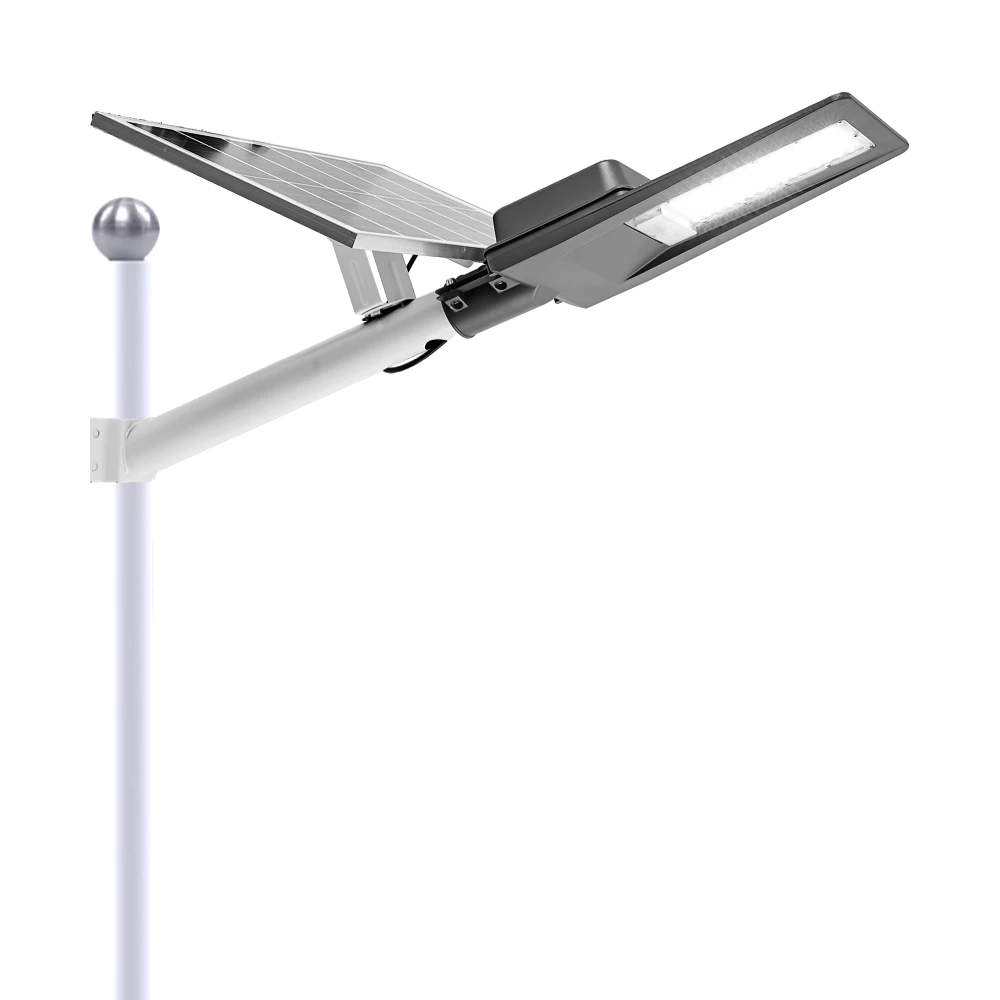
Experience reliable outdoor illumination with our smart solar street light, a perfect combination of advanced technology and eco-conscious design.
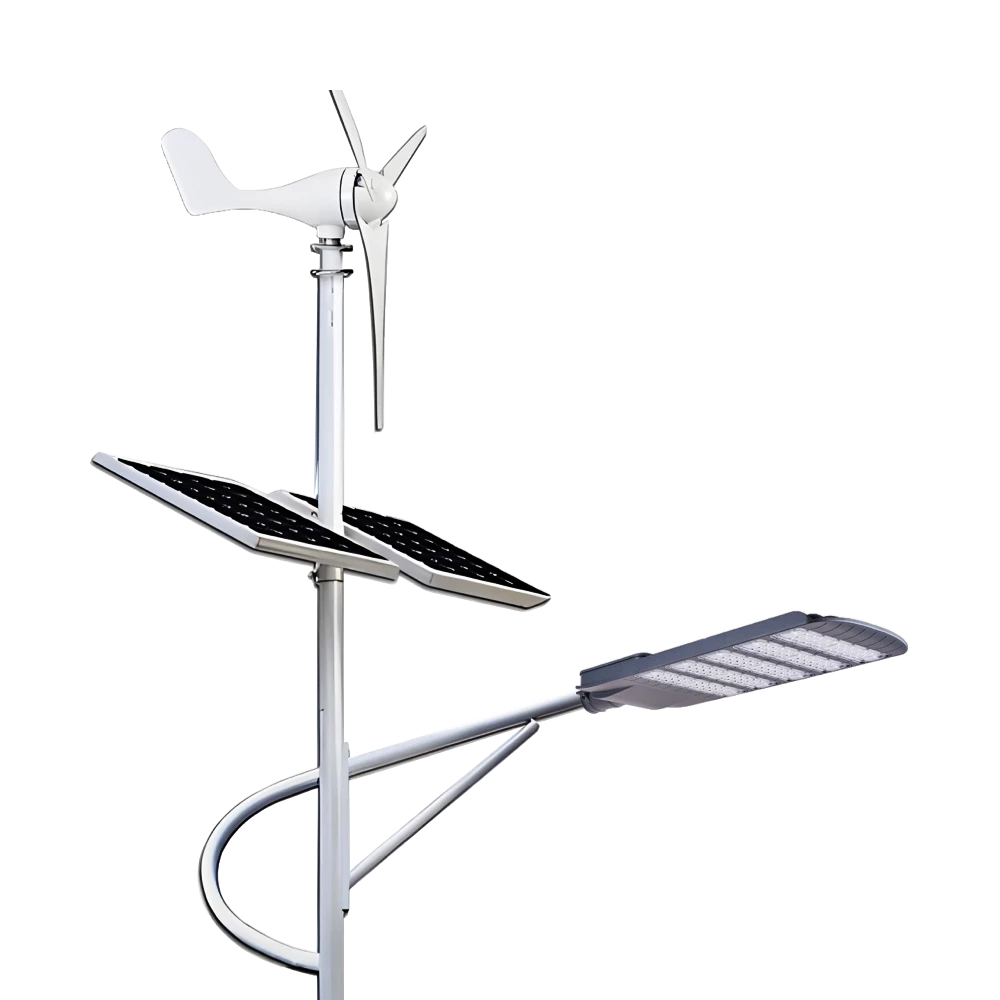
Queneng Lufeng Wind Energy LED Outdoor Solar Street Lights offer high-performance, eco-friendly illumination. These energy-efficient LED street lights harness solar power and wind energy for sustainable, cost-effective outdoor lighting solutions.
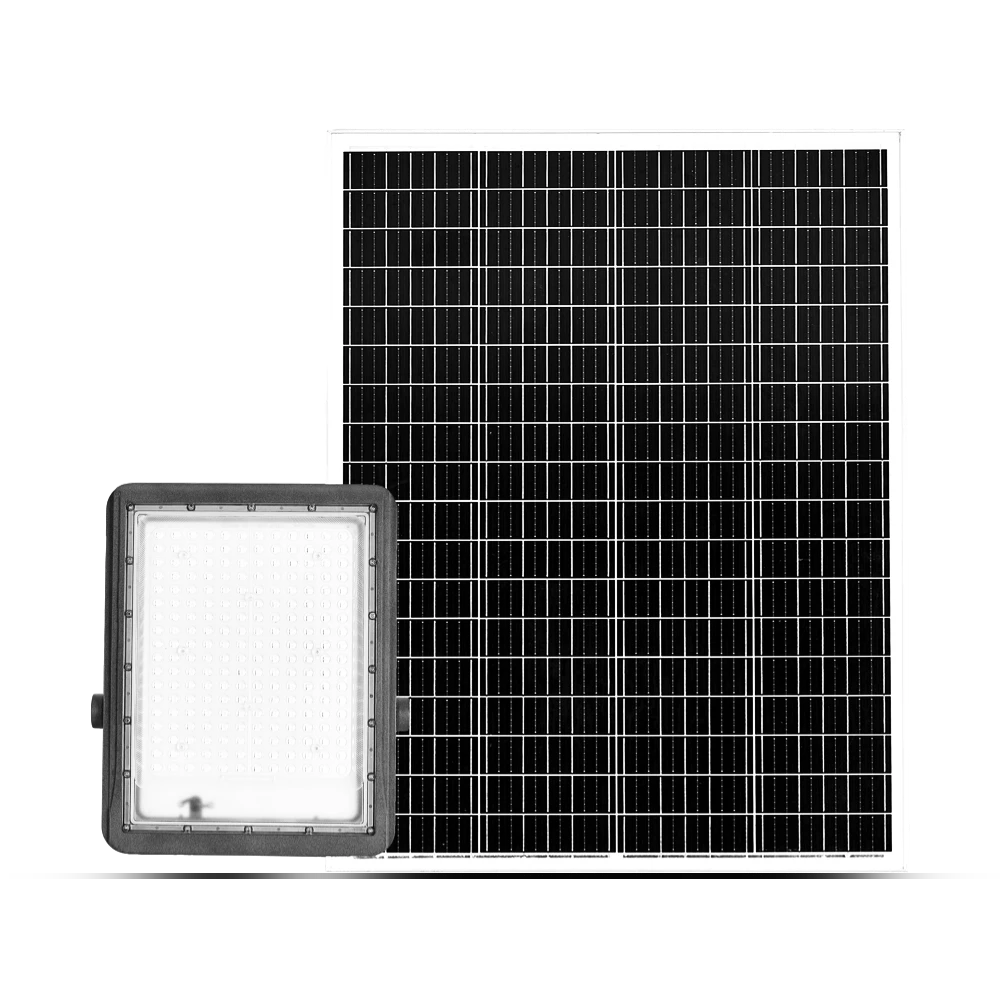
Queneng's Luxian Reliable Solar Street Light offers energy-saving LED lighting for outdoor use. This durable, solar-powered street light provides reliable illumination, reducing energy costs and environmental impact. A perfect solution for sustainable outdoor lighting.
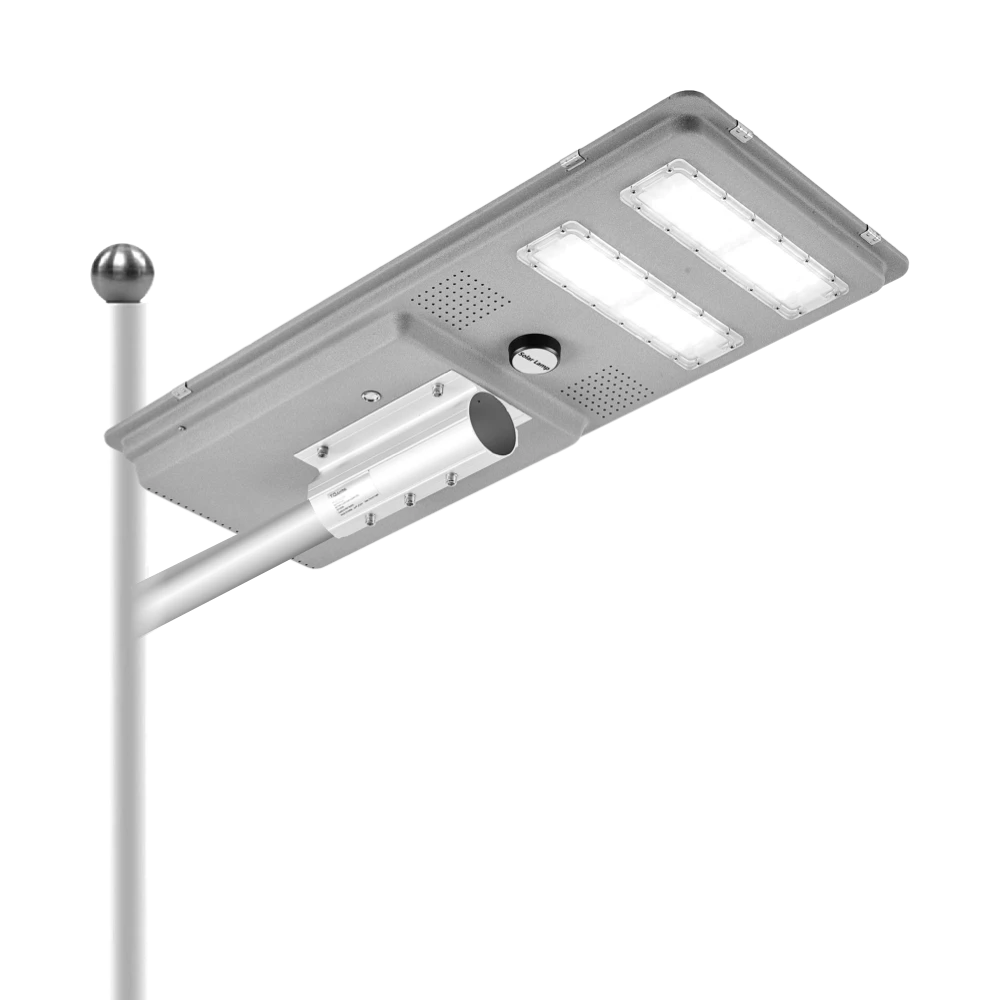
Queneng’s Solar Street Lights are designed to provide reliable, energy-efficient lighting for streets, parks, and other outdoor spaces.
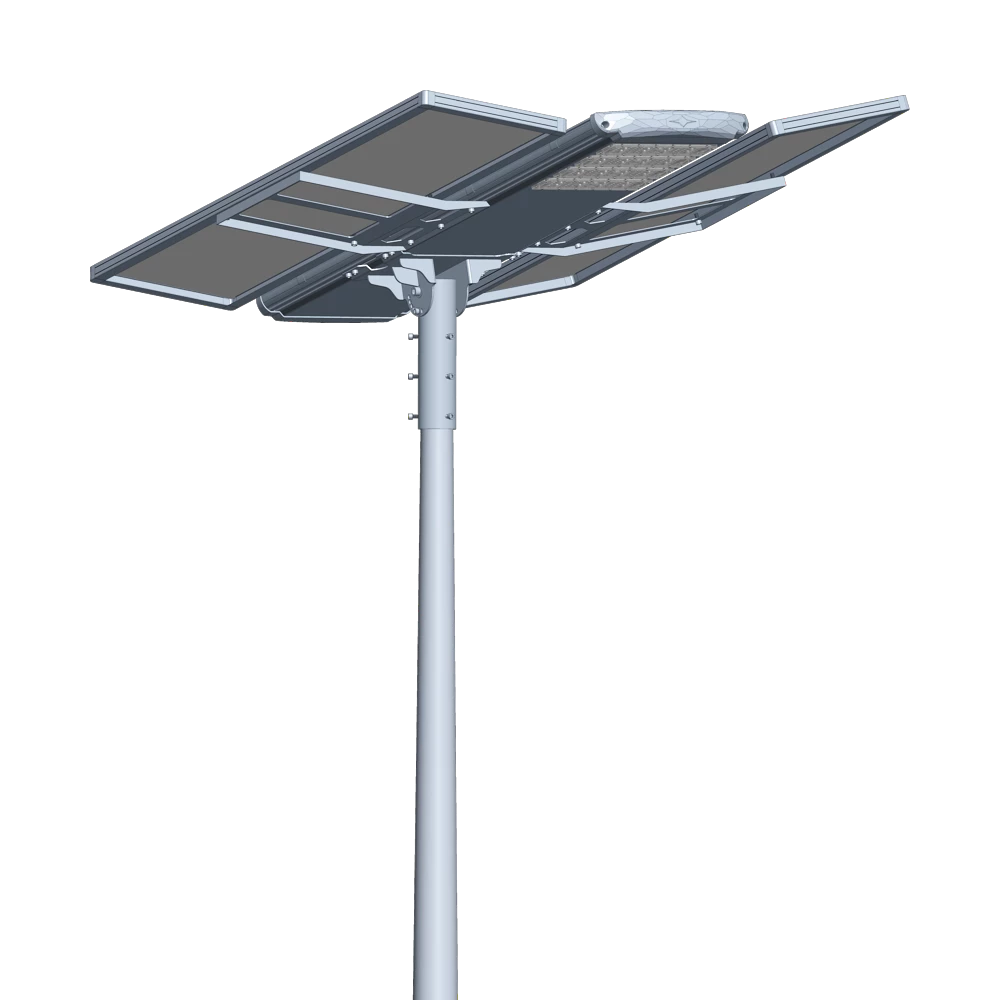
Introducing the Luqing Solar Street Light by Queneng, Efficient LED lighting powered by solar energy is perfect for illuminating outdoor areas. Harness the power of solar energy for sustainable, reliable street lighting. Ideal for eco-friendly, cost-effective outdoor illumination solutions.
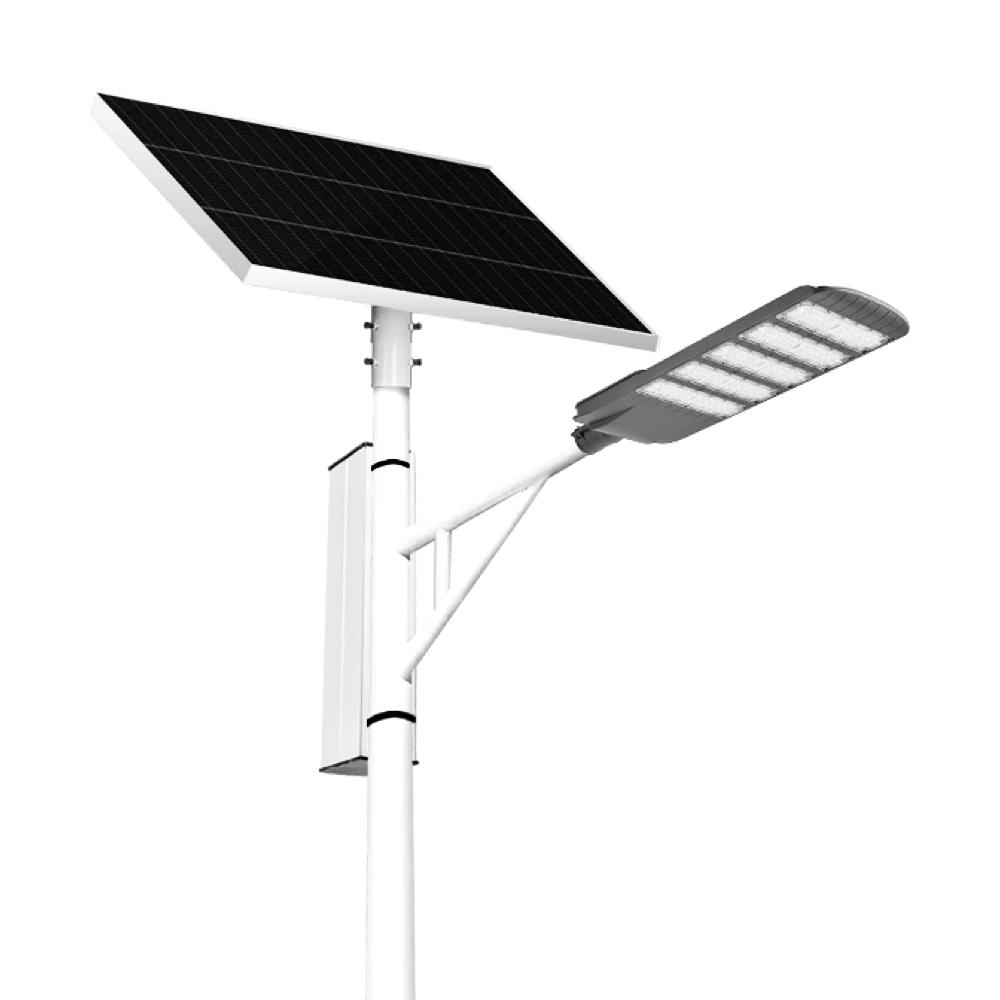
The Solar Streetlights of Luhao for Municipalities are designed to deliver reliable, energy-efficient, and cost-effective public lighting solutions. Equipped with advanced LED technology, durable lithium batteries, and high-efficiency solar panels, these streetlights provide consistent illumination for roads, parks, residential areas, and government projects.
Our professional team is ready to answer any questions and provide personalized support for your project.
You can reach us via phone or email to learn more about Queneng’s solar lighting solutions. We look forward to working with you to promote clean energy solutions!
Rest assured that your privacy is important to us, and all information provided will be handled with the utmost confidentiality.
By clicking 'Send Inquiry Now' I agree to Queneng processing my personal data.
To see how to withdraw your consent, how to control your personal data and how we process it, please see our Privacy Policy and Terms of use.
Schedule a Meeting
Book a date and time that is convenient for you and conduct the session in advance.
Have more questions about our products or services?
The messenger of light & power conversion
Environmental protection and intelligent manufacturing are our brand philosophy, and quality assurance and the best user experience are our eternal promises to users.
CONTACT
No.9F, Building F, Cao San Xin Tian Hong Logistics Park, Guzhen Town, Zhongshan City, Guangdong Province, China.
or write [email protected]
WhatsApp: +86 136 2270 1011


