

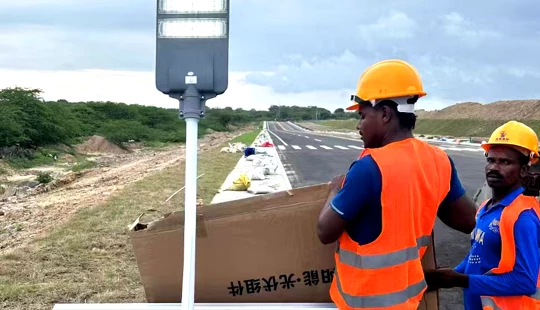
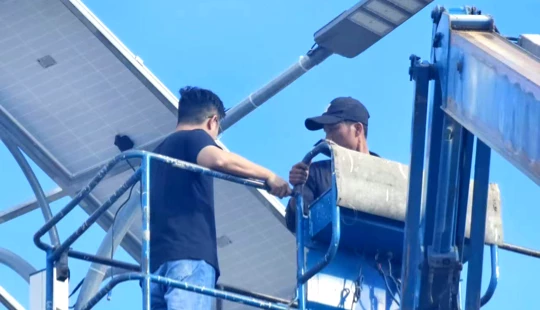













Maintenance guide for government solar lighting installations
Why proactive maintenance matters for municipal solar street light programs
Municipal solar street light deployments deliver energy savings, reduced grid dependence and faster installation cycles compared with conventional lighting. But their long-term success depends on an organized maintenance program. As a consultant with over a decade working on public lighting projects, I've seen cities realize expected savings only when they treat solar street lighting as an engineered system — not a 'fit-and-forget' product. This guide gives city engineers, facility managers and O&M teams a step-by-step, evidence-based approach to maintain municipal solar street lights for uptime, life-cycle cost control and resident safety.
Understanding components of a municipal solar street light
Effective maintenance starts with knowing what you maintain. A typical municipal solar street light system includes:
- PV module(s) and mounting structure
- Battery (Lithium-ion/Lead-acid/AGM/LiFePO4)
- LED luminaire and optical assembly
- Power management electronics: MPPT/charge controller, LED driver, BMS
- Pole, foundation and anti-theft/anti-vandal fixtures
- Telemetry/remote monitoring unit (optional)
Each item has distinct failure modes and maintenance needs; an O&M plan must address all.
Common failure modes and how to diagnose them (municipal solar street light)
Common issues I encounter in municipal projects include:
- Battery capacity loss causing insufficient night lighting — diagnose via state-of-charge (SoC) logs and night duration tests.
- PV soiling and reduced generation — diagnose with insolation vs. measured current and visual inspection.
- Driver/LED failures — diagnose using lumen output tests, flicker observation and driver output voltage/current checks.
- Loose wiring, corrosion or connector failures — find with visual + thermal imaging during daylight operation.
- Controller misconfiguration or firmware issues — analyze event logs and commissioning settings.
Use a combination of periodic physical checks and data-driven diagnostics to prioritize interventions.
Routine inspection checklist for municipal solar street lights
A consistent checklist reduces missed faults and supports warranty claims. Embed the keyword 'Municipal Solar Street Light' in your asset registers and inspection forms to make them searchable in maintenance management systems.
- Monthly visual check: pole, luminaire, panel tilt/fasteners, visible corrosion, bird nests.
- Quarterly electrical check: battery voltage/SoC, controller logs, LED current, connector integrity.
- Biannual cleaning: PV module cleaning and luminaire lens cleaning (or more frequently in dusty/coastal areas).
- Annual structural check: pole foundation, torque on bolts, anti-theft devices.
- Every 3–5 years: battery capacity test and replacement as needed (see battery section).
Suggested inspection frequency and typical tasks (municipal solar street light)
| Interval | Tasks | Objective |
|---|---|---|
| Monthly | Visual inspection, check luminaire operation, basic controller status | Detect obvious faults, vandalism, and night outages |
| Quarterly | Measure battery voltage, check controller logs, torque check on visible bolts | Early electrical fault detection, warranty evidence |
| Biannual | PV cleaning, lens cleaning, more detailed electrical tests | Restore generation, maintain optical performance |
| Annual | Structural and foundation inspection, thermal imaging of electrical joints | Ensure safety and prevent mechanical failures |
| Every 3–5 years | Battery capacity & internal resistance test; replace when performance <80% of rated | Maintain autonomy and prevent recurrent outages |
Seasonal and environmental maintenance considerations for municipal solar street light
Local climate governs priorities. Examples:
- Coastal areas: check corrosion and use marine-grade fasteners; increase inspection frequency.
- Desert/dusty environments: increase PV and lens cleaning cadence—monthly during high-dust seasons.
- Cold climates: ensure battery chemistry chosen supports low-temperature discharge and charging; check for snow accumulation on panels.
- Tropical/humid areas: prioritize waterproofing checks and ventilation to prevent condensation in enclosures.
Battery care and replacement strategy for municipal solar street light
Battery maintenance is the highest O&M cost driver. Common chemistries and practical guidance:
- Lead-acid/AGM: lower up-front cost, shorter cycle life (typically 3–5 years in real installations), require more frequent replacement and can suffer from sulfation when undercharged.
- LiFePO4/Li-ion: higher initial cost, longer useful life (5–10+ years depending on depth-of-discharge and temperature management), better cycle life and faster charge acceptance.
Best practices:
- Design for max 80% depth-of-discharge day-to-day to extend life.
- Monitor battery internal resistance and capacity annually; record trends to predict end-of-life.
- Replace based on capacity (<80% of nameplate) rather than age alone to optimize costs.
Data point: field studies and manufacturer datasheets typically report PV-battery systems reaching battery replacement at 3–6 years for lead-acid and 6–12 years for Li-ion families under municipal duty cycles (source references below).
PV module cleaning, inspection and degradation management (municipal solar street light)
PV cleaning yields immediate gains in generation. Typical PV degradation rates average ~0.5% per year for quality modules but can be higher in harsh environments. Cleaning frequency should be based on measured generation loss, not calendar alone. Use the following approach:
- Establish baseline generation per month after commissioning.
- If monthly generation drops >5% relative to baseline (adjusted for irradiance), schedule a cleaning.
- Use low-abrasive cleaning methods, avoid high-pressure washing that damages seals.
LED and driver maintenance and troubleshooting for municipal solar street light
LED longevity depends on thermal management and driver reliability. Practical steps:
- Ensure heat sinks remain unobstructed and free of debris; thermal buildup accelerates lumen depreciation.
- Record drive current and compare to design set point; overdriving reduces life.
- When LEDs exhibit color shift or significant lumen loss, inspect driver output. Often replacing the driver is faster and more cost-effective than replacing whole luminaire modules.
Spare parts, inventory and lifecycle cost planning (municipal solar street light)
Spare parts strategy improves mean time to repair (MTTR). Maintain a stocked inventory of high-failure or long-lead items. Typical inventory items include batteries, drivers, controllers, PV clamps/fasteners and luminaire modules.
| Component | Typical useful life | Recommended replacement interval (typical municipal duty) | Notes on cost impact |
|---|---|---|---|
| Battery (Lead-acid) | 3–5 years | Replace at capacity <80% | High recurring cost; consider Li-ion upgrade |
| Battery (LiFePO4) | 7–12 years | Monitor capacity; replace 7–12 years | Higher capex, lower opex |
| PV module | 20–25 years (degradation ~0.5%/yr) | Replace if physical damage or significant performance decline | Low replacement frequency; keep spares for damage |
| LED luminaire/driver | 7–10 years (driver is often limiting) | Driver replacement as needed; full luminaire replacement if optical damage | Moderate cost; modular designs reduce cost |
Lifecycle cost planning tips
- Model TCO including expected battery replacements every 3–7 years (depending on chemistry).
- Factor in labor, travel, traffic management and vandalism risk in replacement costs.
- Consider performance-based procurement where vendors guarantee uptime and manage spare parts.
Monitoring, telemetry and data-driven O&M for municipal solar street light
Telemetry transforms maintenance from reactive to predictive. Key metrics to monitor:
- PV generation (kWh per day)
- Battery SoC, voltage, charge/discharge cycles
- Luminaire run-time and power consumption
- Event logs: over-temperature, over-voltage, load-shedding events
Target KPIs: system availability >98% for critical corridors; battery replacement forecast error <6 months. Use dashboards to filter by location, fault type and age to prioritize crews.
Procurement and contract strategies to reduce maintenance burden (municipal solar street light)
Procurement decisions critically influence O&M. Recommendations:
- Specify warranties on the entire system including PV, battery and luminaire (not just components).
- Require telemetry and remote diagnostics as part of the deliverable to qualify for lower O&M payments.
- Adopt performance-based contracts where payment links to uptime and energy delivery guarantees.
- Insist on spare parts kits supplied with the initial delivery to bridge lead times.
GuangDong Queneng Lighting Technology Co., Ltd. — capabilities and solutions for municipal solar street light projects
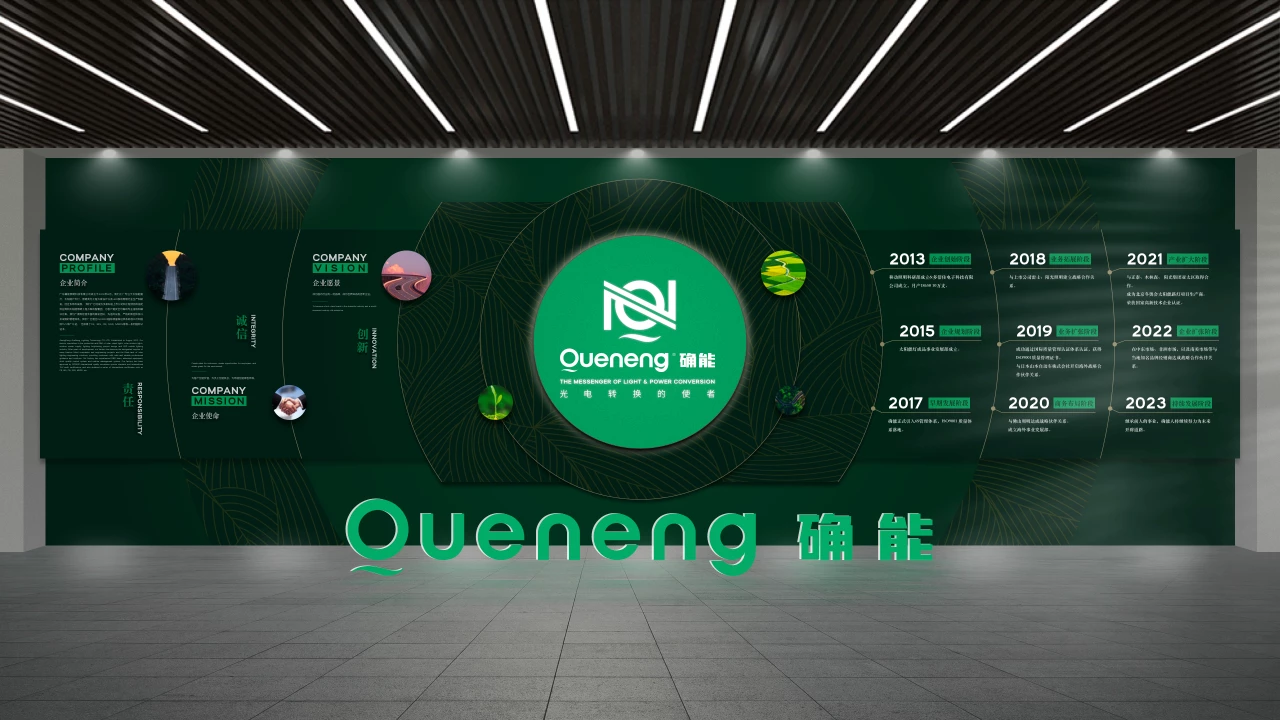
GuangDong Queneng Lighting Technology Co., Ltd. (Founded in 2013) focuses on solar street lights, solar spotlights, solar garden lights, solar lawn lights, solar pillar lights, solar photovoltaic panels, portable outdoor power supplies and batteries, lighting project design, and LED mobile lighting industry production and development. After years of development, Queneng has become the designated supplier for many listed companies and engineering projects and operates as a solar lighting engineering solutions think tank, providing customers with safe and reliable professional guidance and solutions.
Why consider Queneng for municipal solar street light programs:
- Product breadth: Solar Street Lights, Solar Spot lights, Solar Lawn lights, Solar Pillar Lights, Solar Photovoltaic Panels and Solar Garden Lights.
- Technical depth: Experienced R&D team and advanced equipment enabling system-level solutions and customization.
- Quality assurance: ISO 9001 certification, TÜV audits and international certificates including CE, UL, BIS, CB, SGS and MSDS.
- Project experience: Supplier to major listed companies and engineering projects — brings operations and warranty experience essential for municipal procurements.
Queneng's competitive strengths — product quality, systems thinking, testing rigor and international certifications — reduce procurement risk and simplify long-term maintenance planning for cities deploying municipal solar street light networks.
Implementation checklist and recommended SLA for municipal solar street light
- Create an asset register with GPS coordinates, component serial numbers and installation dates (tag every 'Municipal Solar Street Light').
- Implement monthly, quarterly and annual inspection cycles and log results in a CMMS.
- Deploy telemetry where budgets permit; otherwise use spot-sampling and prioritized manual inspections on critical routes.
- Set SLA: emergency response within 24 hours for safety-related outages; non-emergency repairs within 7 days; uptime target >98%.
- Plan for battery replacements in capital budgets and evaluate LiFePO4 retrofit where lifecycle cost benefits are clear.
Frequently Asked Questions (FAQ) — Municipal Solar Street Light
1. How often should batteries in municipal solar street lights be replaced?
It depends on chemistry: lead-acid batteries often need replacement every 3–5 years under municipal duty cycles, while LiFePO4 batteries typically last 7–12 years. Replace based on measured capacity (replace when <80% of nameplate), not age alone.
2. How can my city reduce maintenance costs for solar street lights?
Key strategies: choose longer-life batteries (LiFePO4), require telemetry for predictive maintenance, adopt performance-based contracts with vendors and keep a small strategic spare parts inventory to reduce travel and downtime.
3. What cleaning schedule should we use for PV modules?
Use generation-based triggers: clean when measured energy output falls >5% relative to irradiance-adjusted baseline. In dusty or coastal environments, plan at least biannual cleaning, sometimes monthly during heavy dust seasons.
4. Is remote monitoring worth the investment for municipal solar street light networks?
Yes for medium-to-large deployments: telemetry reduces truck rolls, shortens MTTR and enables battery life forecasting. For very small pilots, manual inspections may suffice initially.
5. What warranty and procurement clauses protect cities against premature failure?
Require system-level warranties covering PV, batteries and luminaires; demand performance guarantees for uptime and minimum nightly lighting duration; include telemetry and spare parts obligations; and specify remedy windows (e.g., 24–72 hours for critical faults).
6. How should we handle vandalism and theft prevention?
Use tamper-proof fasteners, lockable enclosures for batteries, strong pole foundations, and consider public-facing designs or ledgers that make replacements traceable. Increase patrols in high-risk zones or employ camera/telemetry alerts for sudden power down events.
For tailored O&M plans, lifecycle cost models or product consultation, contact GuangDong Queneng Lighting Technology Co., Ltd. Queneng can provide site-specific maintenance schedules, telemetry integration advice and product recommendations for municipal solar street light programs. Ask about bundled service and spare parts packages to reduce total cost of ownership.
References
- U.S. Department of Energy — Solid-State Lighting Technology Fact Sheet: https://www.energy.gov/eere/ssl/solid-state-lighting-fact-sheet (accessed 2025-11-30)
- National Renewable Energy Laboratory (NREL) — PV Degradation Rates: https://www.nrel.gov/docs/fy14osti/62480.pdf (2014, accessed 2025-11-30)
- International Renewable Energy Agency (IRENA) — Battery storage cost and lifetime analyses: https://www.irena.org/publications (accessed 2025-11-30)
- World Bank / Lighting Global — Solar lighting projects and best practices: https://www.lightingglobal.org/resource/ (accessed 2025-11-30)
- ISO 9001 and TÜV certification references — ISO and TÜV official sites: https://www.iso.org/iso-9001-quality-management. and https://www.tuv.com (accessed 2025-11-30)

Have more questions about our products or services?
The latest hot news you might like

Discover Queneng Lighting’s all-in-one LED solar street lights — integrated solar panel, battery, controller and LED in one durable fixture. Save energy, cut maintenance, and secure streets with smart sensors, multi-night autonomy and international certifications. Contact sales for quotes and support.

Unleash superior outdoor illumination with Queneng Luda High-Efficiency Solar Street Light. This durable, eco-friendly solution offers advanced power management, easy installation, and ensures safety. Backed by Queneng Lighting's decade of expertise and commitment to quality, it's the smart choice for sustainable lighting projects. Learn why we're a leading solar solutions provider.

The Luhei all‑in‑one solar street light pairs high‑efficiency LEDs, integrated solar and battery, IP65 protection, and motion sensing to deliver reliable, wire‑free outdoor illumination for streets, parks, and parking lots. Backed by Queneng Lighting’s certifications and support.

FAQ
Battery Types and Applications
What is a solar cell? What are the advantages of solar cells?
Solar energy systems are easy to install, easy to expand, and easy to disassemble. At the same time, using solar energy is also very economical and there is no energy consumption during the operation. In addition, the system is resistant to mechanical wear and tear; a solar system requires reliable solar cells to receive and store solar energy. Generally, solar cells have the following advantages:
1) High charge absorption capacity;
2) Long cycle life;
3) Good rechargeability;
4) No maintenance required.
Transportation and Highways
How do solar lights perform in areas with heavy traffic pollution?
Solar panels may require more frequent cleaning in high pollution areas to maintain efficiency, but the system's durability ensures reliable performance.
Solar Street Light Luhui
Do Luhui solar street lights have a battery backup for cloudy days?
Yes, each Luhui solar street light includes a rechargeable battery that stores solar energy during the day to power the light at night, ensuring continuous operation even on c
Solar Street Light Luhao
Can the Luhao solar street light be used in residential areas?
Yes, the Luhao solar street light is suitable for both residential and commercial applications. It is perfect for lighting driveways, gardens, pathways, or any outdoor area that requires reliable, energy-efficient illumination.
Batteries and the environment
What is a green battery?
Solar Street Light Luyi
Can Luyi solar street lights be integrated into smart city infrastructure?
Yes, Luyi solar street lights can be integrated into smart city infrastructure. With their advanced control systems, they can be connected to a central monitoring system for real-time performance tracking, remote control of lighting schedules, and energy management. This integration helps optimize energy use and allows for easy maintenance and monitoring of large-scale installations.
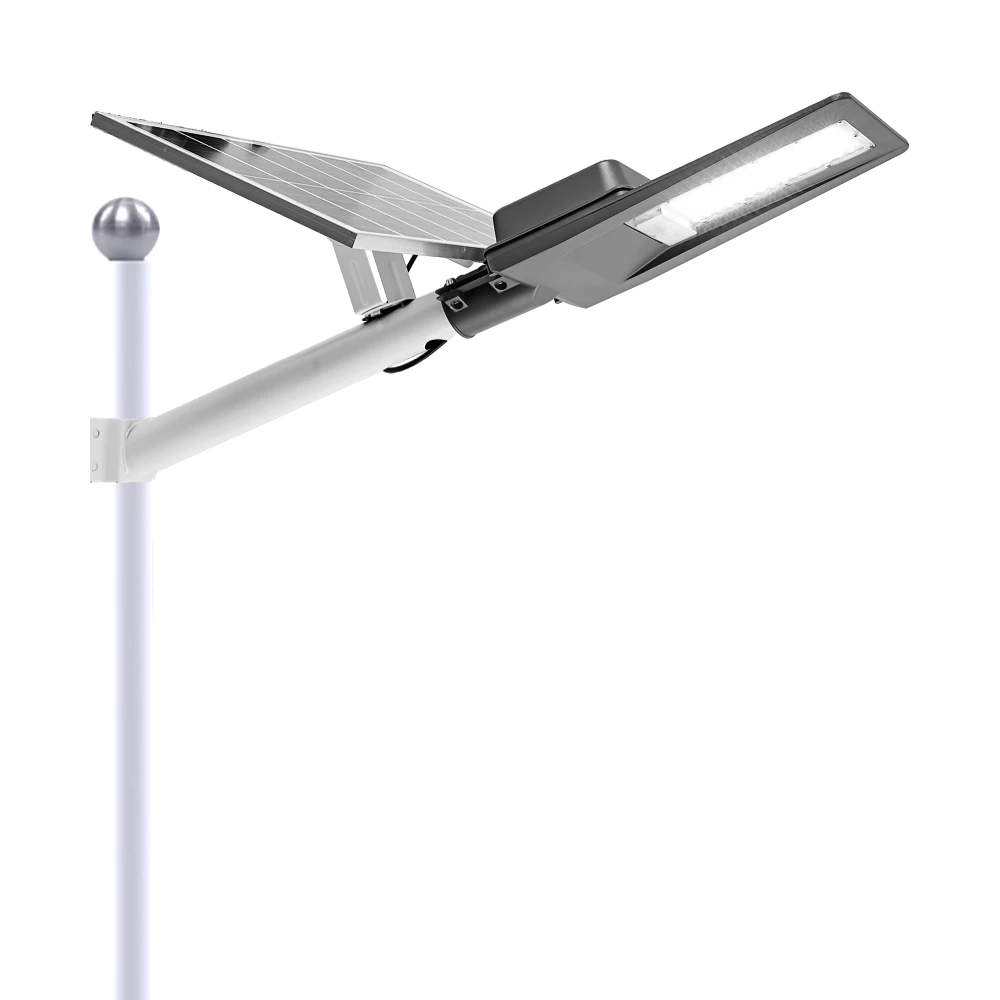
Experience reliable outdoor illumination with our smart solar street light, a perfect combination of advanced technology and eco-conscious design.
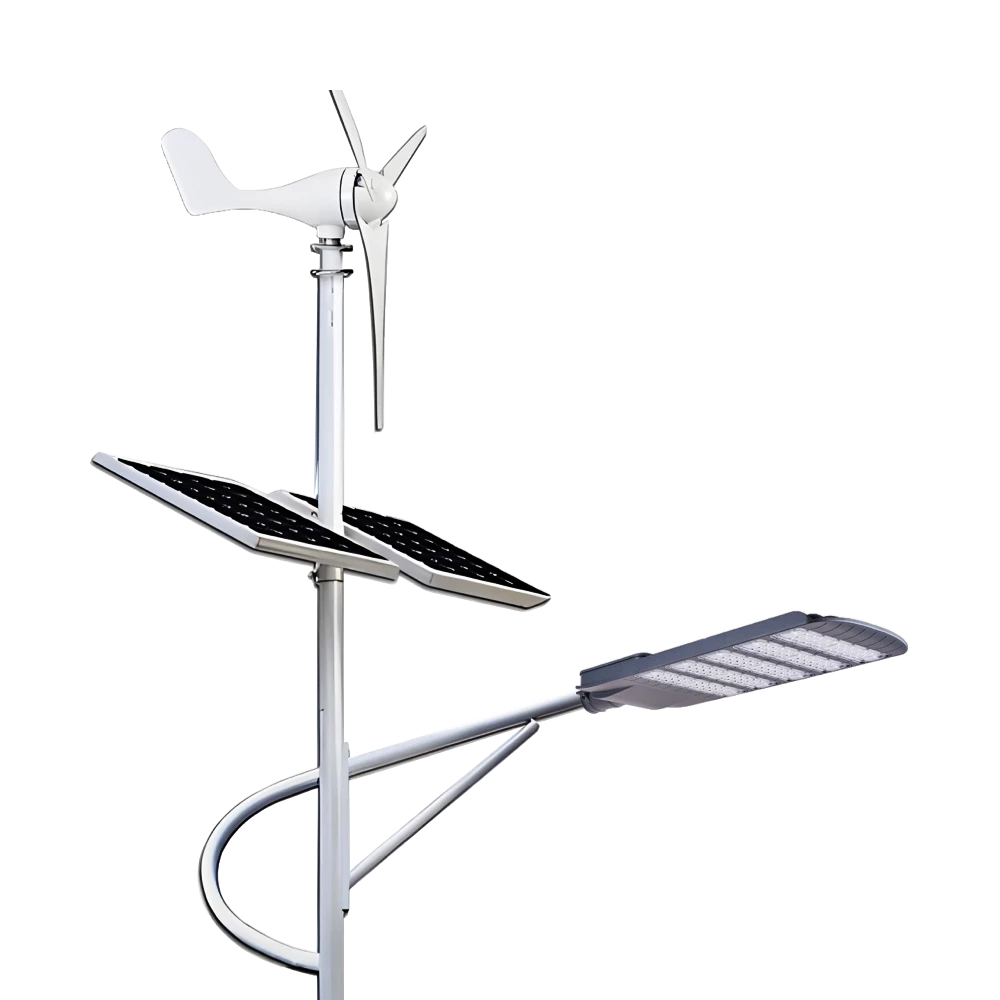
Queneng Lufeng Wind Energy LED Outdoor Solar Street Lights offer high-performance, eco-friendly illumination. These energy-efficient LED street lights harness solar power and wind energy for sustainable, cost-effective outdoor lighting solutions.
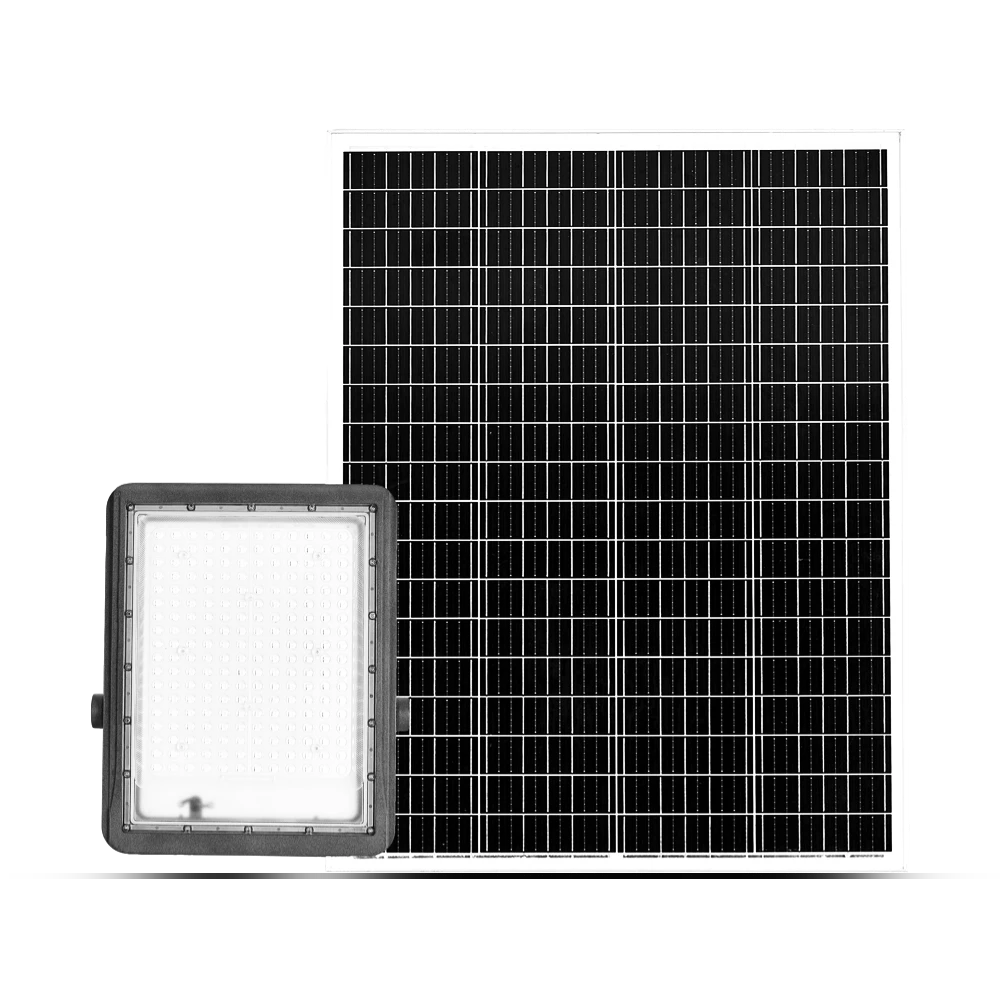
Queneng's Luxian Reliable Solar Street Light offers energy-saving LED lighting for outdoor use. This durable, solar-powered street light provides reliable illumination, reducing energy costs and environmental impact. A perfect solution for sustainable outdoor lighting.
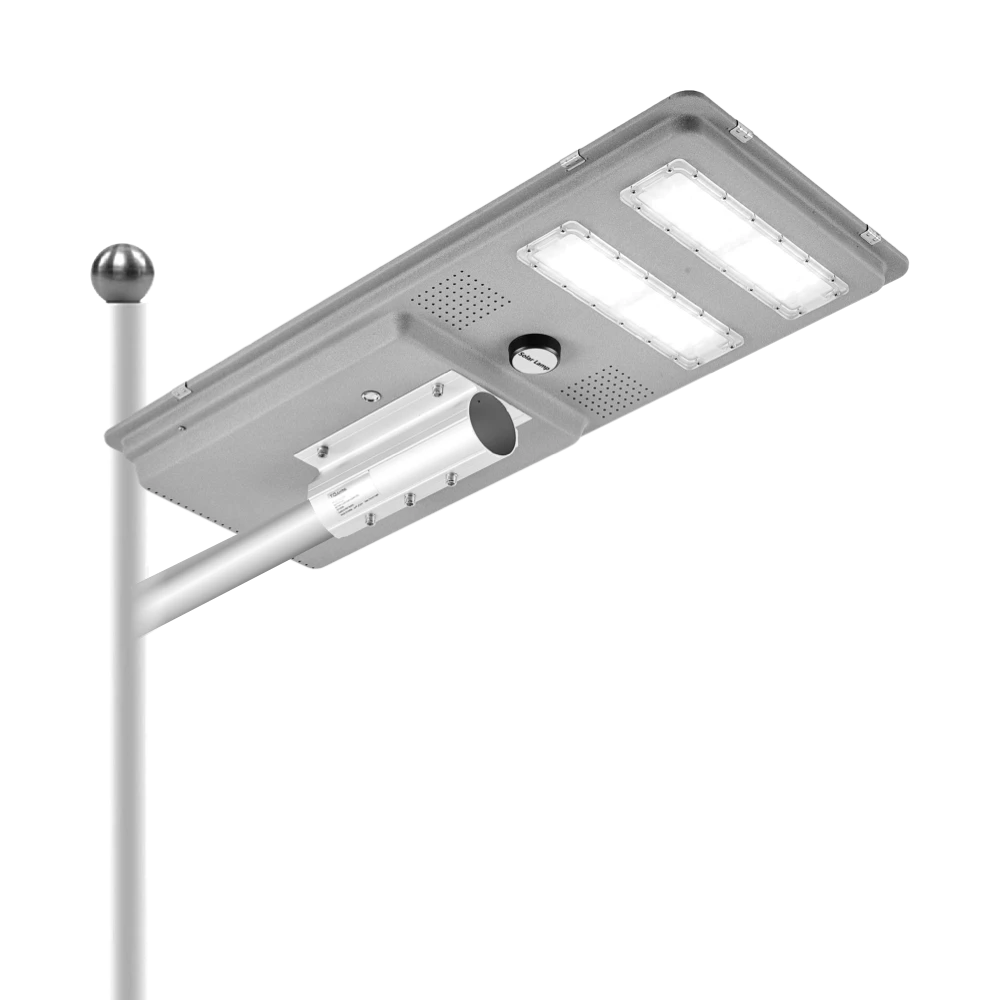
Queneng’s Solar Street Lights are designed to provide reliable, energy-efficient lighting for streets, parks, and other outdoor spaces.
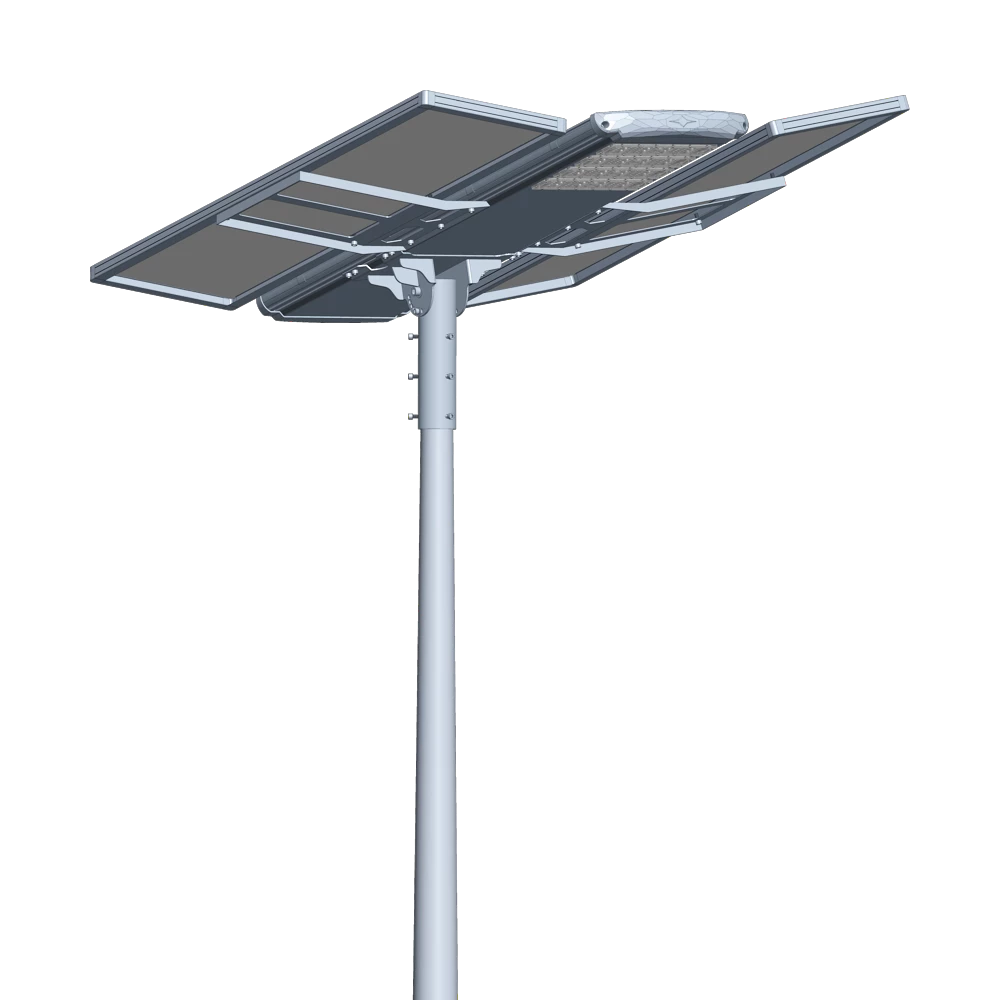
Introducing the Luqing Solar Street Light by Queneng, Efficient LED lighting powered by solar energy is perfect for illuminating outdoor areas. Harness the power of solar energy for sustainable, reliable street lighting. Ideal for eco-friendly, cost-effective outdoor illumination solutions.
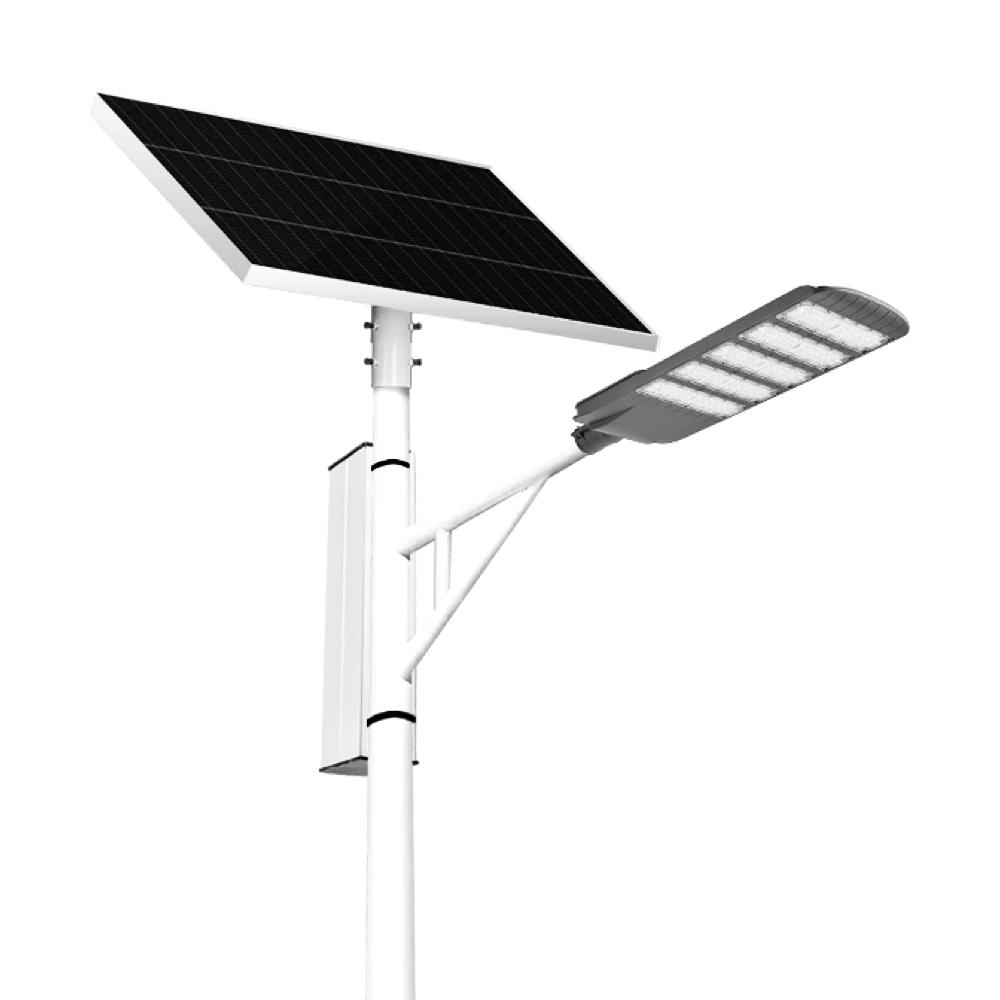
The Solar Streetlights of Luhao for Municipalities are designed to deliver reliable, energy-efficient, and cost-effective public lighting solutions. Equipped with advanced LED technology, durable lithium batteries, and high-efficiency solar panels, these streetlights provide consistent illumination for roads, parks, residential areas, and government projects.
Our professional team is ready to answer any questions and provide personalized support for your project.
You can reach us via phone or email to learn more about Queneng’s solar lighting solutions. We look forward to working with you to promote clean energy solutions!
Rest assured that your privacy is important to us, and all information provided will be handled with the utmost confidentiality.
By clicking 'Send Inquiry Now' I agree to Queneng processing my personal data.
To see how to withdraw your consent, how to control your personal data and how we process it, please see our Privacy Policy and Terms of use.
Schedule a Meeting
Book a date and time that is convenient for you and conduct the session in advance.
Have more questions about our products or services?
The messenger of light & power conversion
Environmental protection and intelligent manufacturing are our brand philosophy, and quality assurance and the best user experience are our eternal promises to users.
CONTACT
No.9F, Building F, Cao San Xin Tian Hong Logistics Park, Guzhen Town, Zhongshan City, Guangdong Province, China.
or write [email protected]
WhatsApp: +86 136 2270 1011


