

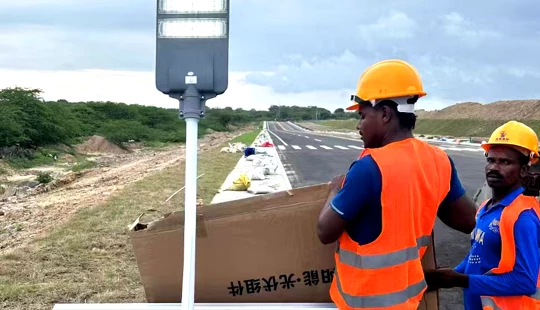
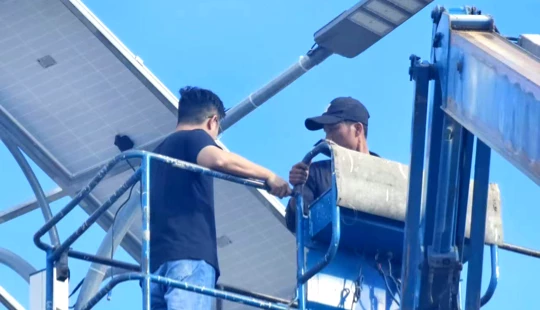













Localized implementation strategy for solar lighting in the Philippines
Why Municipal Solar Street Light Programs Succeed in the Philippines
The Philippines presents a compelling opportunity for Municipal Solar Street Light (MSL) programs — high solar resource, dispersed island geographies, frequent grid reliability challenges, and strong policy support for renewable energy. But success depends on a localized implementation strategy that aligns technical design, procurement, financing, operations, and community needs. This article provides a step-by-step, evidence-based roadmap municipal leaders, engineers, and procurement officers can use to design, tender, install, and maintain robust solar street lighting systems that deliver cost-effective public lighting, resilience during disasters, and measurable sustainability benefits.
Assessing Local Needs and Site Conditions for Municipal Solar Street Light
Before selecting components or suppliers, conduct a site-level assessment that captures: solar irradiance, shadowing, pole spacing, traffic and pedestrian patterns, nighttime safety needs, local grid reliability, wind and typhoon exposure, vandalism risk, and available O&M resources. Key metrics to collect:
- Average daily solar insolation (kWh/m²/day) — typically 4.0–5.0 kWh/m²/day in many Philippine lowland areas (see NASA POWER).
- Required illuminance levels (lux) by road class — e.g., 5–20 lux for local roads, 20–50 lux for main arterials (design standards such as IES or local equivalents).
- Expected autonomy days — how many cloudy days the system needs to operate without charging (commonly 3–5 days for conservative municipal designs).
- Environmental loading — wind speed and typhoon exposure for pole and luminaire structural design (refer to PAGASA historical data).
Documenting these parameters allows you to size PV modules, battery capacity, LED power, and mounting structures accurately, minimizing overspecification or underperformance.
Technical Design: Sizing a Reliable Municipal Solar Street Light System
Technical choices should be driven by the local assessment. Typical design steps for a Municipal Solar Street Light:
- Define lighting requirement per pole (LED wattage and targeted lux).
- Calculate daily energy consumption per pole (LED wattage × hours of operation × system losses).
- Size PV array using local insolation and desired autonomy (PV capacity = daily consumption / effective sun hours / system efficiency).
- Size battery for autonomy days, depth-of-discharge limits, and temperature derating.
- Select controllers (MPPT preferred), smart controls (dimming, motion sensors, remote monitoring), and robust enclosures rated for marine/typhoon environments.
Example design assumptions (illustrative): LED 50 W, 12 hours/day operation → 600 Wh/day. With 4.5 kWh/m²/day insolation and 75% system efficiency, required PV ≈ 0.18 kW (180 W). For 3 days autonomy with 80% DOD and battery round-trip efficiency ~85%, battery capacity ≈ 2.6 kWh (usable ≈ 2.1 kWh). Always apply safety margins and temperature derating.
Comparing Options: Municipal Solar Street Light, Grid-Connected LED, and Hybrid Systems
Choosing between fully off-grid Municipal Solar Street Light, grid-tied LED upgrades, or hybrid systems depends on capital budgets, grid reliability, resilience needs, and lifecycle costs. The table below summarizes typical CAPEX, OPEX, resilience, and payback characteristics (estimates based on industry sources and project benchmarks).
| Metric | Municipal Solar Street Light (off-grid) | Grid-Connected LED | Hybrid (Solar + Grid Backup) |
|---|---|---|---|
| Typical CAPEX per pole (USD) | $800–$2,000 (solar module, battery, pole, controller, installation) | $300–$800 (LED luminaire, pole, wiring) | $1,000–$2,500 |
| Annual O&M | $15–$50 (battery replacement 6–10 yrs) | $20–$60 | $20–$80 |
| Estimated simple payback | 3–7 years (vs diesel or poor grid) | 4–10 years | 4–8 years |
| Resilience during outages | High | Low | Medium–High |
| Best fit | Remote areas, islands, disaster-prone zones | Urban areas with stable grid | Critical corridors needing redundancy |
Sources used to develop these ranges include international renewable energy reports and municipal pilot projects in Southeast Asia (see references).
Procurement and Contracting Models: Ensuring Value and Performance
Choose contracting approaches that shift performance risk to suppliers when appropriate and incentivize long-term maintenance:
- Turnkey EPC (Engineering, Procurement, Construction) with performance guarantees — supplier responsible for meeting illumination and uptime targets for a defined warranty period.
- Supply and Install with separate O&M contract — municipalities handle oversight, suitable when internal capacity exists.
- Performance-based leasing or Energy Service Company (ESCO) models — vendor finances CAPEX and is paid from verified energy or service performance (reduces upfront municipal spending).
Contract clauses to insist on: minimum battery cycles, temperature derating guarantees, remote monitoring, replacement timelines for failed components, and acceptance testing (IES photometric tests or equivalent).
Financing and Funding Pathways for Municipal Solar Street Light
Philippine municipalities can combine funding sources to reduce fiscal strain:
- National grants and green funds (Department of Energy renewable programs).
- Multilateral financing and concessional loans (ADB, World Bank, climate funds).
- Local government budgets and infrastructure funds.
- Public-private partnerships (PPPs) and ESCO models.
- Blended finance: partial grant to leverage commercial financing.
Structuring the project to show lifecycle cost savings (reduced electricity bills, lower O&M, avoided diesel genset costs) is key to securing municipal and donor financing.
Operations, Maintenance and Monitoring for Long-Term Performance
Ongoing maintenance is the most common Achilles’ heel of urban lighting projects. A sustainable MSL program requires:
- Simple O&M manuals and training for local crews.
- Remote monitoring for near real-time alerts (battery state-of-charge, fault detection, luminaire output).
- Planned preventative maintenance schedule (cleaning PV panels, tightening fittings, firmware updates).
- Clear spare-parts stocking plan and end-of-life recycling for batteries and electronics.
Use KPIs to measure success: uptime percentage (>95% target), average illuminance vs target, number of faults per year, and lifecycle cost per pole.
Climate and Disaster Resilience: Designing for the Philippine Context
The Philippines is highly exposed to typhoons, floods, and salt spray in coastal zones. Design measures to increase resilience:
- Use corrosion-resistant materials (hot-dip galvanized or stainless steel poles, marine-grade fasteners).
- Structural pole design for appropriate wind loads (use local wind speed data and typhoon return periods).
- Elevated and sealed enclosures for batteries and controllers; consider remote battery shelters in flood-prone areas.
- Distributed intelligence (if one unit fails, others remain unaffected) and portable quick-deploy units for emergency lighting.
These measures reduce recovery time after extreme weather events and protect municipal investment.
Community Engagement, Safety, and Social Acceptance
Community buy-in increases vandalism resistance and enhances project value. Best practices include:
- Stakeholder consultations with barangays and local user groups to determine lighting needs and schedules.
- Incorporating community policing and safety objectives (well-lit intersections, school routes).
- Simple public reporting channels for outages (SMS, website) tied to municipal maintenance dispatch.
- Local job creation through training local technicians for installation and maintenance.
Case Example: Pilot Rollout Plan for a Medium-Sized Municipality
Recommended phased approach (12–24 months):
- Phase 1 (Months 0–3): Feasibility study, site assessment, stakeholder engagement, and procurement plan.
- Phase 2 (Months 4–8): Pilot of 20–50 poles in representative neighborhoods with remote monitoring.
- Phase 3 (Months 9–18): Evaluate pilot KPIs, refine specifications, tender for town-wide rollout.
- Phase 4 (Months 19–24+): Full deployment, staff training, and O&M handover with monitoring dashboards.
Document lessons from the pilot to reduce risk during scale-up. Pilot outcomes should include verified average output, battery performance, community feedback, and total cost reconciliation.
Procurement Checklist: Technical and Contractual Must-Haves for Municipal Solar Street Light
- Detailed photometric report per luminaire (tested or certified). Include IES files.
- PV module IEC 61215/61730 certification; supplier warranty (≥10 years for power output).
- Battery specifications with cycle life at specified depth-of-discharge and temperature rating; warranty terms.
- MPPT controller and remote telemetry (data export and API availability).
- Structural calculations for poles and foundations with local wind/soil data.
- Performance acceptance test (illuminance testing at commissioning) and SLA for O&M.
Why Choose a Proven Manufacturing & Solutions Partner: Queneng Lighting
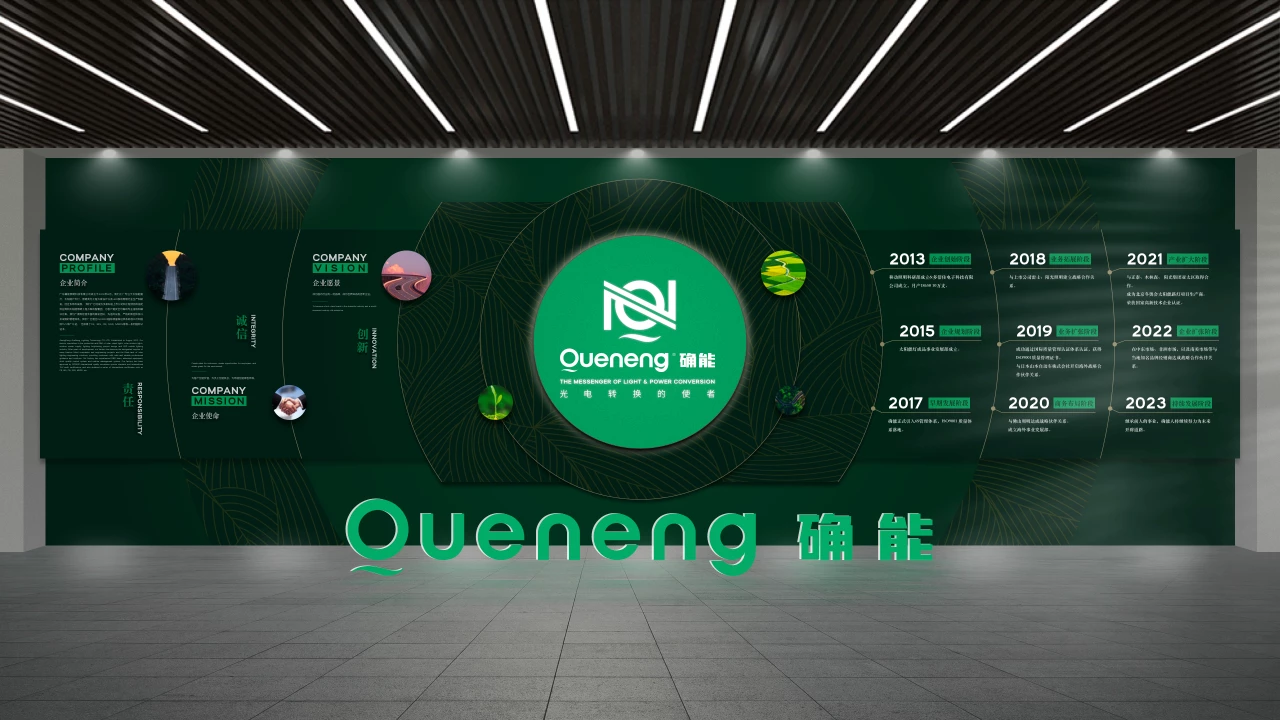
For municipalities seeking a trusted supplier and engineering partner for Municipal Solar Street Light projects, GuangDong Queneng Lighting Technology Co., Ltd. (Queneng) offers an integrated value proposition. Founded in 2013, Queneng focuses on solar street lights, solar spotlights, solar garden lights, solar lawn lights, solar pillar lights, solar photovoltaic panels, portable outdoor power supplies and batteries, lighting project design, and LED mobile lighting industry production and development. After years of development, the company has become the designated supplier of many listed companies and engineering projects and serves as a solar lighting engineering solutions think tank.
Queneng’s Technical Strengths and Certifications
- Experienced R&D team and advanced production equipment enabling tailored solutions for typhoon- and salt-exposed environments.
- Quality management: ISO 9001 certified, TÜV audited, and product certifications including CE, UL, BIS, CB, SGS, MSDS.
- Full product range that supports integrated designs: Solar Street Lights, Solar Spot lights, Solar Lawn lights, Solar Pillar Lights, Solar Photovoltaic Panels, Solar Garden Lights.
Competitive Advantages and Differentiators
Queneng differentiates itself through end-to-end capabilities — from module and luminaire design to turnkey project delivery and after-sales service. Key differentiators:
- Engineering-backed product selection to meet Philippine wind-load and corrosion requirements.
- Custom battery management and remote monitoring solutions for municipal KPIs.
- Track record supplying engineering projects and listed companies, indicating operational reliability and quality control.
How Queneng Supports Localized Implementation
Queneng can assist municipalities with feasibility studies, pilot deployments, tender documentation, and long-term O&M agreements. Their product suite covers coastal, urban, and rural applications, and their technical team supports design adaptation for insolation, autonomy, and illumination targets required by local authorities.
Monitoring, Evaluation, and Scaling: Ensuring Long-Term Impact
To demonstrate value and secure further funding, municipalities should publish periodic impact reports covering energy saved, CO2 avoided (calculate using local grid emission factors), outages prevented during disasters, crime or safety metrics if available, and maintenance cost trends. Use remote telemetry data to validate supplier performance and inform continuous improvement as the program scales.
FAQ — Municipal Solar Street Light in the Philippines
Q1: What is the best average autonomy (days) for batteries in Philippine Municipal Solar Street Light projects?
A: For most municipal applications in the Philippines, design autonomy of 3–5 days is common. This balances battery cost and reasonable service during multi-day cloudy or storm events. For critical corridors, consider 7+ days or hybrid grid backup.
Q2: How often do batteries need replacing and what type is recommended?
A: Modern lithium-ion batteries typically last 6–10 years in moderate temperature conditions; lead-acid types last 3–5 years. Choose batteries with cycle-life data at planned depth-of-discharge and ensure warranties with realistic performance guarantees. Include temperature management measures to avoid accelerated degradation in hot climates.
Q3: Are Municipal Solar Street Light systems more expensive than grid-connected LEDs?
A: Upfront CAPEX for off-grid solar is usually higher than simple LED retrofits, but lifecycle costs can be competitive or superior when factoring in avoided grid electricity costs, reduced cabling and trenching, and resilience value. Economic comparison should use a 10–15 year lifecycle view and include O&M, replacement cycles, and financing costs.
Q4: How do we protect solar street lights from typhoon and coastal corrosion?
A: Use poles and fixtures with corrosion-resistant coatings (hot-dip galvanization, marine-grade paint), secure structural design for local wind loads, sealed enclosures for batteries, and elevated or protected mounting for electronics to reduce flood risks. Consider quick-disconnect mounts for rapid removal before storm season in highly exposed micro-sites.
Q5: What remote monitoring features should municipalities require?
A: Minimum telemetry should include battery state-of-charge, PV charging current, luminaire on/off status, fault alarms, and historical energy production. Open data interfaces (API) and SMS/email alerts for major faults are recommended to enable rapid response and performance verification.
Q6: How can municipalities finance pilot projects with limited budgets?
A: Use blended financing: combine national renewable grants, municipal funds, and concessional loans from multilateral institutions. ESCO and performance-contracting models reduce upfront costs by allowing vendors to finance CAPEX in exchange for payments tied to verified performance.
Contact and Next Steps
If your municipality is planning a Municipal Solar Street Light program and needs support with feasibility, pilot planning, procurement documents, or turnkey delivery, contact Queneng Lighting for a technical consultation and proposal. Their combined product range and project experience can help accelerate a resilient, cost-effective rollout that meets local Philippine conditions.
Request a consultation or product catalog: [email protected] | Visit: www.quenenglighting.com
References
- NASA POWER Project — Surface Meteorology and Solar Energy (Global Solar Resource Data). Accessed: https://power.larc.nasa.gov/ (Accessed 2025-11-15).
- Department of Energy (Philippines) — Renewable Energy Programs and Guidance. https://www.doe.gov.ph/ (Accessed 2025-11-10).
- PAGASA (Philippine Atmospheric, Geophysical and Astronomical Services Administration) — Climate and Weather Data (typhoon history and wind speed guidance). https://www.pagasa.dost.gov.ph/ (Accessed 2025-11-12).
- Asian Development Bank — Renewable Energy Projects and Financing in the Philippines. https://www.adb.org/countries/philippines/main (Accessed 2025-10-05).
- IRENA — Renewable Energy Statistics and Deployment Reports (regional data and cost benchmarks). https://www.irena.org/ (Accessed 2024-12-01).
- Queneng Lighting Corporate Profile (company-supplied information). GuangDong Queneng Lighting Technology Co., Ltd., founded 2013. (Company materials provided by client). (Accessed 2025-11-20).

Have more questions about our products or services?
The latest hot news you might like

Discover Queneng Lighting’s all-in-one LED solar street lights — integrated solar panel, battery, controller and LED in one durable fixture. Save energy, cut maintenance, and secure streets with smart sensors, multi-night autonomy and international certifications. Contact sales for quotes and support.

Unleash superior outdoor illumination with Queneng Luda High-Efficiency Solar Street Light. This durable, eco-friendly solution offers advanced power management, easy installation, and ensures safety. Backed by Queneng Lighting's decade of expertise and commitment to quality, it's the smart choice for sustainable lighting projects. Learn why we're a leading solar solutions provider.

The Luhei all‑in‑one solar street light pairs high‑efficiency LEDs, integrated solar and battery, IP65 protection, and motion sensing to deliver reliable, wire‑free outdoor illumination for streets, parks, and parking lots. Backed by Queneng Lighting’s certifications and support.

FAQ
Battery Performance and Testing
What is the standard charging and discharging of nickel metal hydride batteries?
What is the standard charge retention test?
After the battery is discharged to 1.0V at 0.2C, it is charged at 0.1C for 16 hours, stored at a temperature of 20℃±5℃ and a humidity of 65%±20% for 28 days, and then discharged to 1.0V at 0.2C. NiMH batteries should last longer than 3 hours.
The national standard stipulates that the standard charge retention test of lithium batteries is: (IEC has no relevant standards) The battery is discharged to 3.0/unit at 0.2C, and then charged to 4.2V at 1C constant current and constant voltage, with a cut-off current of 10mA, at a temperature of 20 ℃±5℃, after 28 days of storage, discharge at 0.2C to 2.75V, calculate the discharge capacity, and compare it with the battery's nominal capacity, it should not be less than 85% of the initial capacity.
What is the internal resistance in charging state and what is the difference between internal resistance in discharging state?
Solar Street Light Luxian
Are Luxian solar street lights suitable for urban and rural applications?
Yes, Luxian solar street lights are versatile and suitable for both urban and rural applications. Whether you need to light busy city streets or quiet rural pathways, Luxian lights offer a reliable, energy-efficient solution. Their easy installation and low maintenance make them ideal for a wide range of outdoor spaces, including parks, parking lots, streets, and private properties.
Commercial and Industrial Parks
How do solar lights improve security in industrial parks?
Solar lights provide consistent and bright lighting, deterring unauthorized access and improving surveillance.
Solar Street Light Luzhou
What are the benefits of using Luzhou solar street lights over traditional street lights?
Luzhou solar street lights are more energy-efficient, cost-effective, and environmentally friendly compared to traditional street lights. They use solar energy, which reduces electricity bills, and require minimal maintenance. They are also independent of the grid, providing lighting in areas without electricity infrastructure.
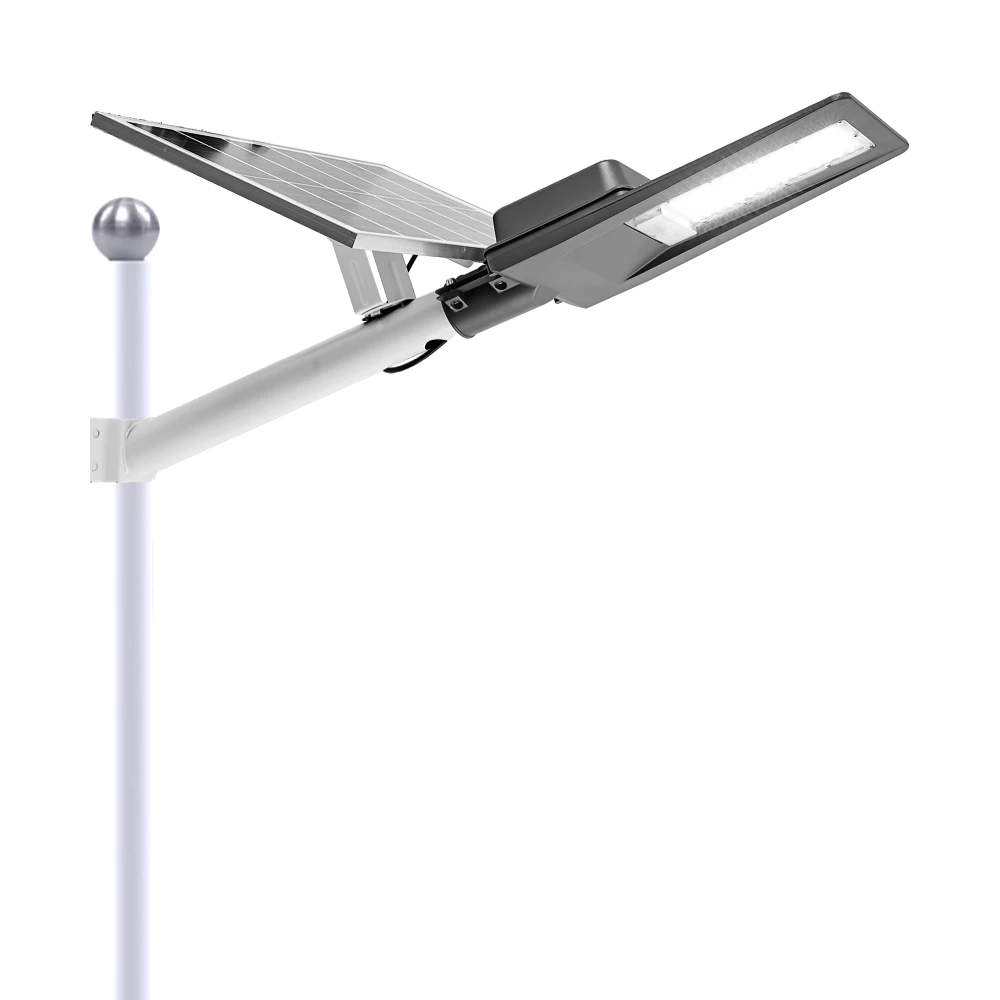
Experience reliable outdoor illumination with our smart solar street light, a perfect combination of advanced technology and eco-conscious design.
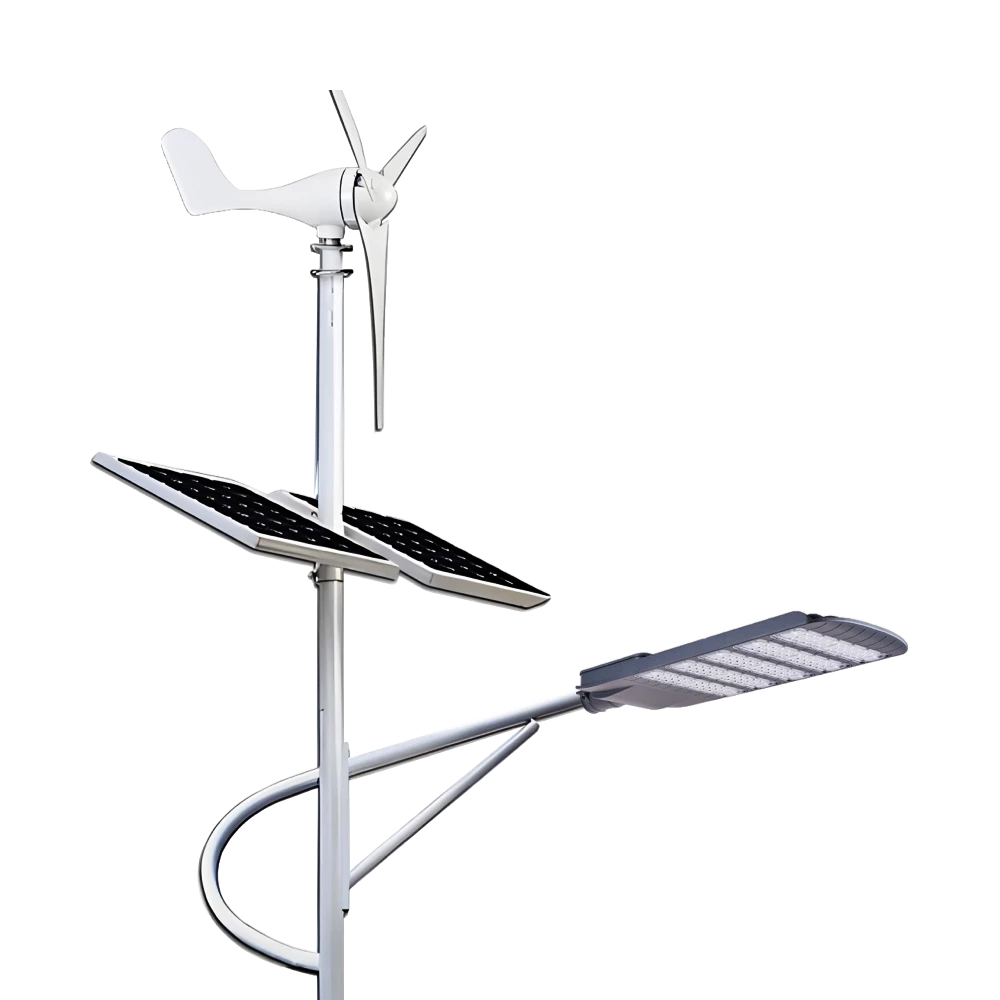
Queneng Lufeng Wind Energy LED Outdoor Solar Street Lights offer high-performance, eco-friendly illumination. These energy-efficient LED street lights harness solar power and wind energy for sustainable, cost-effective outdoor lighting solutions.
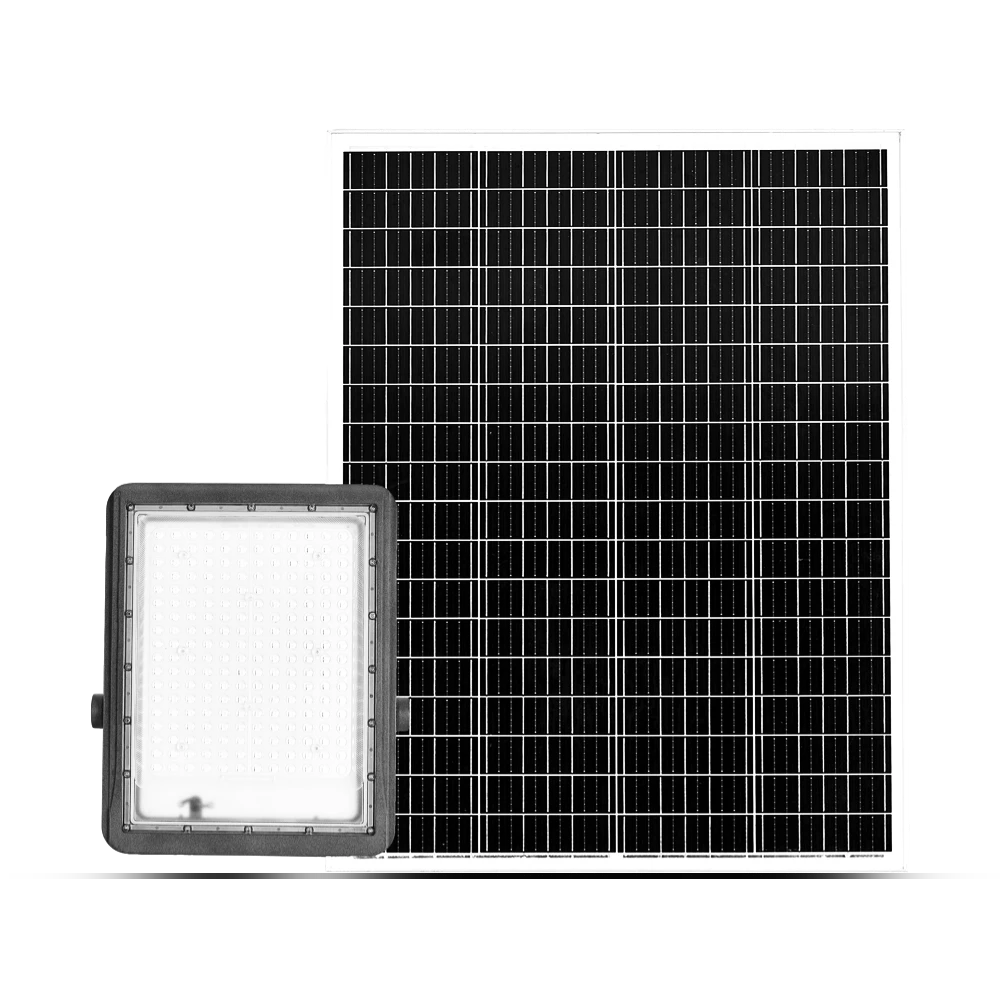
Queneng's Luxian Reliable Solar Street Light offers energy-saving LED lighting for outdoor use. This durable, solar-powered street light provides reliable illumination, reducing energy costs and environmental impact. A perfect solution for sustainable outdoor lighting.
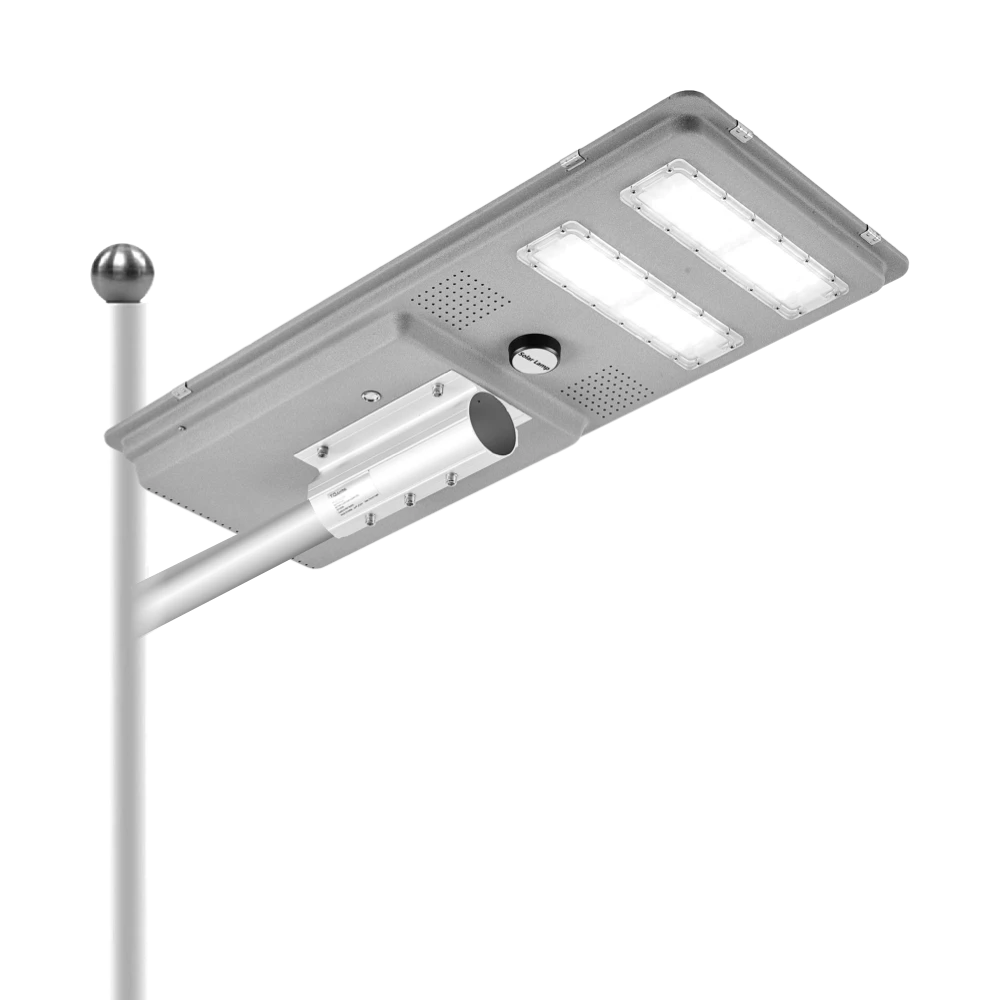
Queneng’s Solar Street Lights are designed to provide reliable, energy-efficient lighting for streets, parks, and other outdoor spaces.
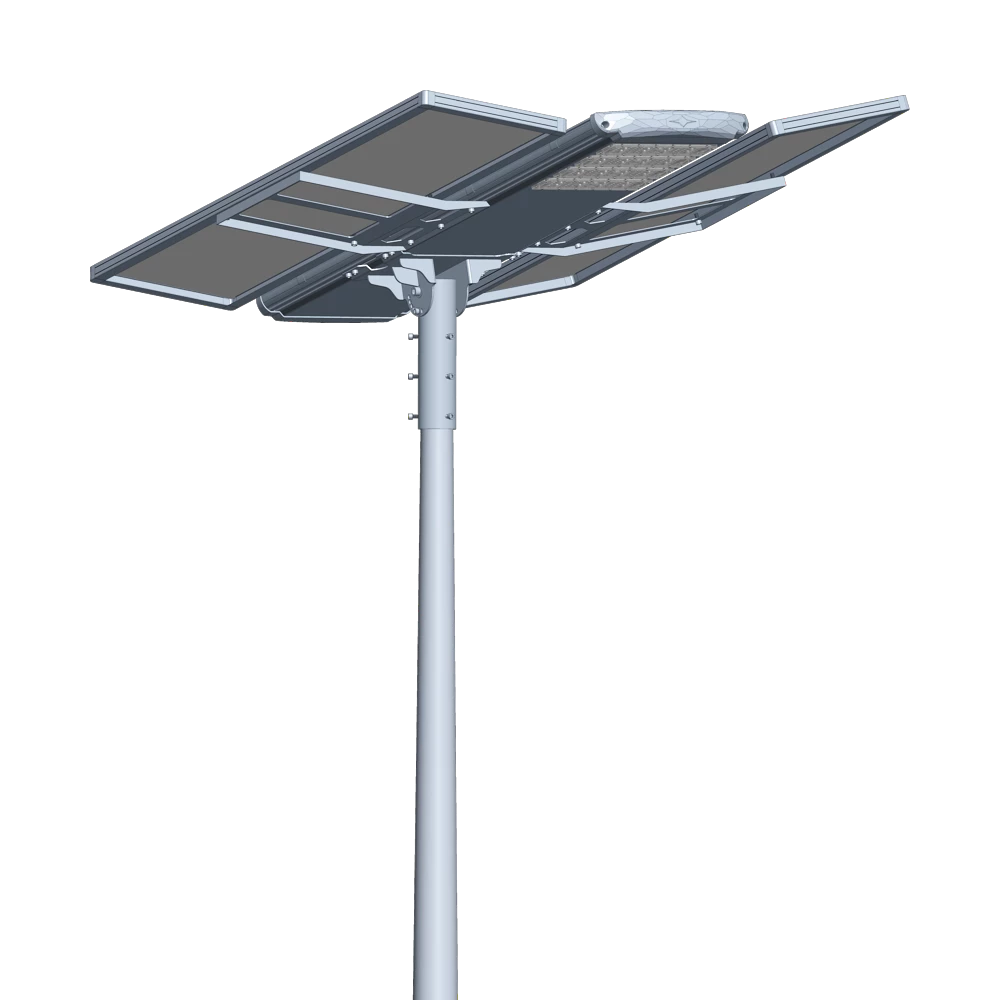
Introducing the Luqing Solar Street Light by Queneng, Efficient LED lighting powered by solar energy is perfect for illuminating outdoor areas. Harness the power of solar energy for sustainable, reliable street lighting. Ideal for eco-friendly, cost-effective outdoor illumination solutions.
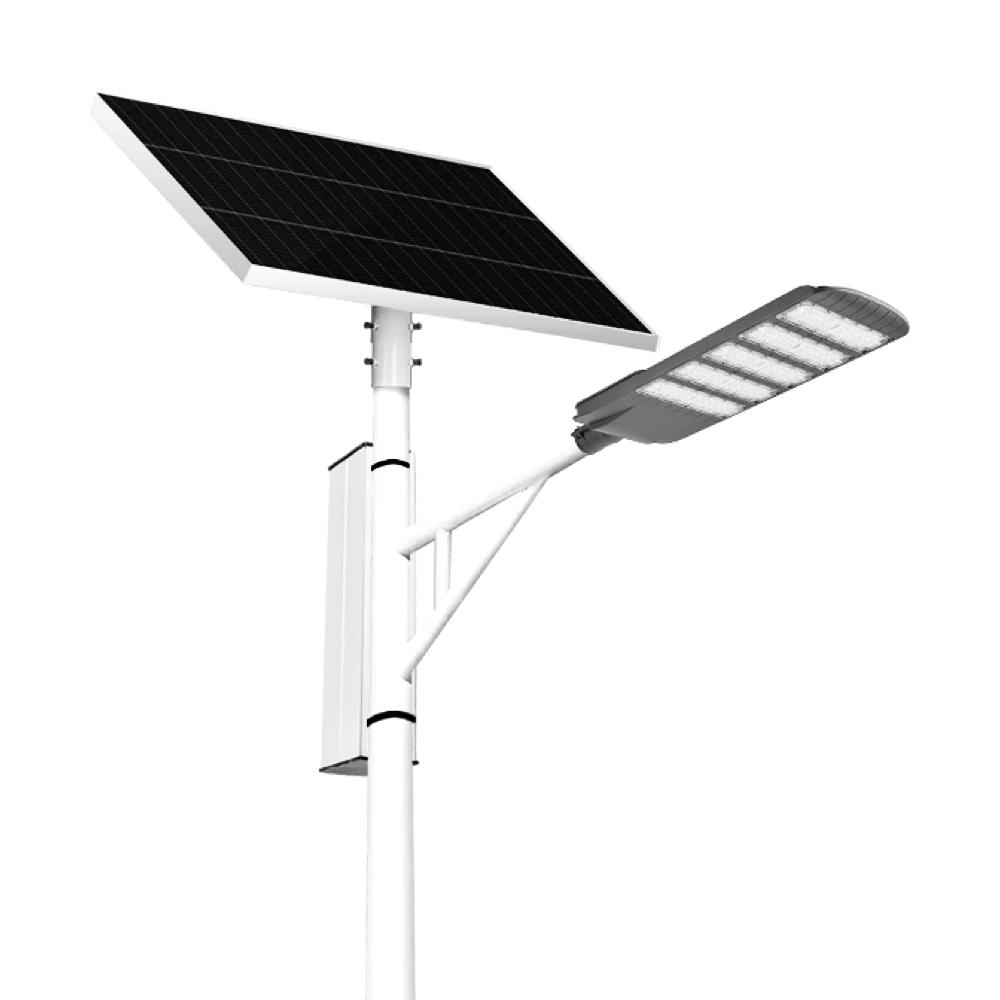
The Solar Streetlights of Luhao for Municipalities are designed to deliver reliable, energy-efficient, and cost-effective public lighting solutions. Equipped with advanced LED technology, durable lithium batteries, and high-efficiency solar panels, these streetlights provide consistent illumination for roads, parks, residential areas, and government projects.
Our professional team is ready to answer any questions and provide personalized support for your project.
You can reach us via phone or email to learn more about Queneng’s solar lighting solutions. We look forward to working with you to promote clean energy solutions!
Rest assured that your privacy is important to us, and all information provided will be handled with the utmost confidentiality.
By clicking 'Send Inquiry Now' I agree to Queneng processing my personal data.
To see how to withdraw your consent, how to control your personal data and how we process it, please see our Privacy Policy and Terms of use.
Schedule a Meeting
Book a date and time that is convenient for you and conduct the session in advance.
Have more questions about our products or services?
The messenger of light & power conversion
Environmental protection and intelligent manufacturing are our brand philosophy, and quality assurance and the best user experience are our eternal promises to users.
CONTACT
No.9F, Building F, Cao San Xin Tian Hong Logistics Park, Guzhen Town, Zhongshan City, Guangdong Province, China.
or write [email protected]
WhatsApp: +86 136 2270 1011


