













Municipal Solar Street Light Procurement Guide
Choosing the Right Solar Street Lighting Strategy for Your City
Understanding municipal objectives and constraints
Municipalities procure lighting to meet several overlapping objectives: public safety, energy savings, maintenance minimization, and visual quality. Decisions are affected by budget (CAPEX vs OPEX), existing grid reliability, local climate (solar irradiance, temperature), vandalism risk, and long-term sustainability targets. Early-stage clarity on objectives will shape whether a city should favor Split Solar Street Light systems (separate PV and battery locations), All-in-One Solar Street Lights (integrated luminaire with PV and battery), or hybrid/grid-tied solutions.
When to prefer split systems versus all-in-one solutions
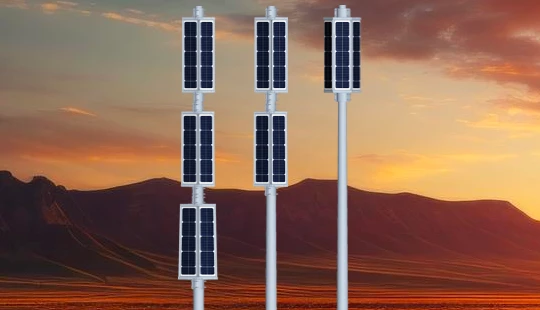
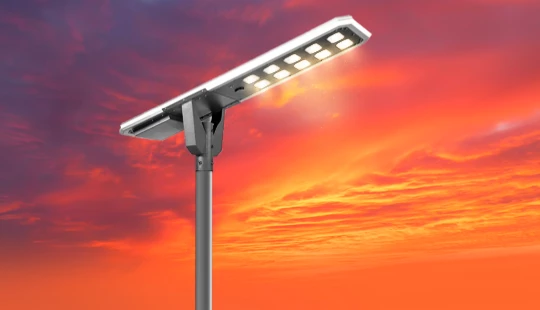
Split Solar Street Light systems separate the PV array and battery from the luminaire. They are ideal for large projects where panels can be optimally oriented, where vandalism or theft risk to luminaires is high, or when higher battery capacity and modular expansion are required. All-in-One Solar Street Lights are compact, easier to install, and often cheaper for small-scale deployments and retrofit projects where pole top space or installation complexity is limited. Understanding site-specific constraints (pole height, mounting, shading, theft risk) is crucial to selecting the appropriate system architecture.
Key municipal KPIs for procurement
Set measurable KPIs in the tender: uptime (e.g., 99% night-on performance), minimum lux levels across road categories, warranty terms (typical: 3–7 years for full system, 5–10 years for battery), energy autonomy (days of autonomy), maintenance intervals, and lifecycle cost per year. These KPIs will be the framework for technical evaluation and post-installation acceptance testing.
Technical Specifications and Performance Criteria
Lighting performance: lumen output, distribution and color
Specify lighting levels based on road classification (e.g., main arterial, residential, pedestrian). Use photometric distributions and target maintained illuminance (lux) rather than nominal lumens alone. Include requirements for Color Rendering Index (CRI >70 typically for public roads) and correlated color temperature (CCT 3000K–4000K recommended to balance visibility and light pollution).
Power system sizing: PV, battery, and controller
Proper sizing requires local solar irradiance data, fixture power draw, desired autonomy (days without sun), and expected degradation. A conservative municipal approach: design for 3–5 days autonomy and include PV oversizing (10–30% margin) to account for seasonal variation and dust losses. For batteries, prefer depth-of-discharge-limited lithium chemistries (e.g., LiFePO4) for long cycle life; specify cycle life (e.g., >3000 cycles @80% DOD or equivalent) and temperature management strategies.
Durability: materials, IP rating and vandal resistance
Municipal assets must be robust. Require IP65 or better for luminaires and controllers, IK08+ impact rating for public installations, anti-theft mounting points, and corrosion-resistant finishes (hot-dip galvanized or ≥G-90 for poles). Document expected operating temperature range and ensure batteries and electronics have thermal management or heating for cold climates.
Lifecycle Cost and Comparative Analysis
CAPEX versus OPEX: what municipalities must evaluate
Procurement decisions should be based on total cost of ownership (TCO) over the project lifetime (typically 10–15 years). CAPEX includes fixtures, poles, civil works, and installation. OPEX includes maintenance, replacement batteries or electronics, cleaning, and energy costs (if hybrid). All-in-One systems often have lower initial installation cost and simpler logistics. Split systems can lower replacement costs for modular components and can offer better energy yield when PV arrays are optimally sited.
Comparison table: Split vs All-in-One vs Grid-tied LED (typical ranges)
| Feature | Split Solar Street Light | All-in-One Solar Street Light | Grid-tied LED Street Light |
|---|---|---|---|
| Initial Cost (per pole, indicative) | $800–$2,200 | $400–$1,200 | $300–$800 (+ grid connection) |
| Typical Lifetime (yrs) | 10–15 | 7–12 | 10–15 |
| Battery Replacement | Modular, easier (every 5–10 yrs) | Integrated, replacement more complex | None (unless UPS) |
| Maintenance Complexity | Higher logistics but modular | Lower initial complexity | Medium (grid maintenance) |
| Optimal Use Case | Large-scale projects, high theft/vandalism risk, custom orientation | Small/medium projects, fast deployment, tight budgets | Urban areas with reliable grid |
Note: values are indicative ranges for planning. Actual costs vary by region, labor rates, tariffs and component quality. For economic comparisons, discount rate and asset replacement schedules must be modeled in project financials.
Real-world performance metrics and expected savings
Solar street lights eliminate grid energy use at the point of light. Savings depend on local electricity price and system lifetime. Municipalities often see payback in 3–8 years for solar systems in regions with high electricity costs or where grid extension is expensive. Include conservative estimates of PV performance degradation (~0.5–0.8% per year) and battery capacity fade in lifecycle models.
Procurement Process, Testing and Supplier Evaluation
Drafting technical specifications and tender documents
Write clear technical specifications with mandatory minimums and an objective scoring matrix. Sections should include: system architecture (split or all-in-one), PV module type and certification (IEC 61215/61730), battery chemistry and cycle life, luminaire photometry (IES files), control/communication features (e.g., remote monitoring, dimming), mechanical specs (IP/IK ratings), warranty terms, and acceptance tests.
Factory inspection, third-party testing and on-site acceptance
Require factory acceptance tests (FAT) and third-party lab verification for PV output, LED photometry (LM-79), battery performance, and controller functionality. On-site acceptance must include night-time photometric verification and functionality tests under low-light conditions. Consider appointing an independent engineer for verification.
Supplier due diligence checklist
Assess supplier financial health, track record on similar municipal projects, certifications (ISO 9001, CE, UL, BIS, CB), resourcing for after-sales service, spare parts logistics, and local presence or authorized service partners. Verify sample installations and request references from other municipalities. Include penalties and performance bonds in contracts to protect public assets.
Implementation Best Practices and Operation
Installation tips to maximize lifetime and performance
Ensure correct pole placement to minimize shading, orient split PV arrays for optimal tilt and azimuth, and apply anti-theft fixtures. Train installation crews on torque specs, cabling methods, and sealing to prevent water ingress. Commission systems with full charge cycles and log baseline performance for later comparison.
Maintenance schedules and remote monitoring
Set preventive maintenance intervals: visual inspections every 6 months, cleaning of PV modules every 6–12 months (frequency depends on dust/pollution), battery health checks annually, and firmware updates as needed. Remote monitoring platforms provide real-time alarms for outages, low battery, or component failures and reduce OPEX by enabling targeted maintenance.
End-of-life planning and circularity
Plan for battery recycling or take-back, LED re-use or refurbishment, and module recycling where available. Municipal procurement should include end-of-life options or supplier take-back commitments to reduce environmental liability and help meet sustainability goals.
Why Choose Queneng Lighting for Municipal Projects
Company profile and credibility
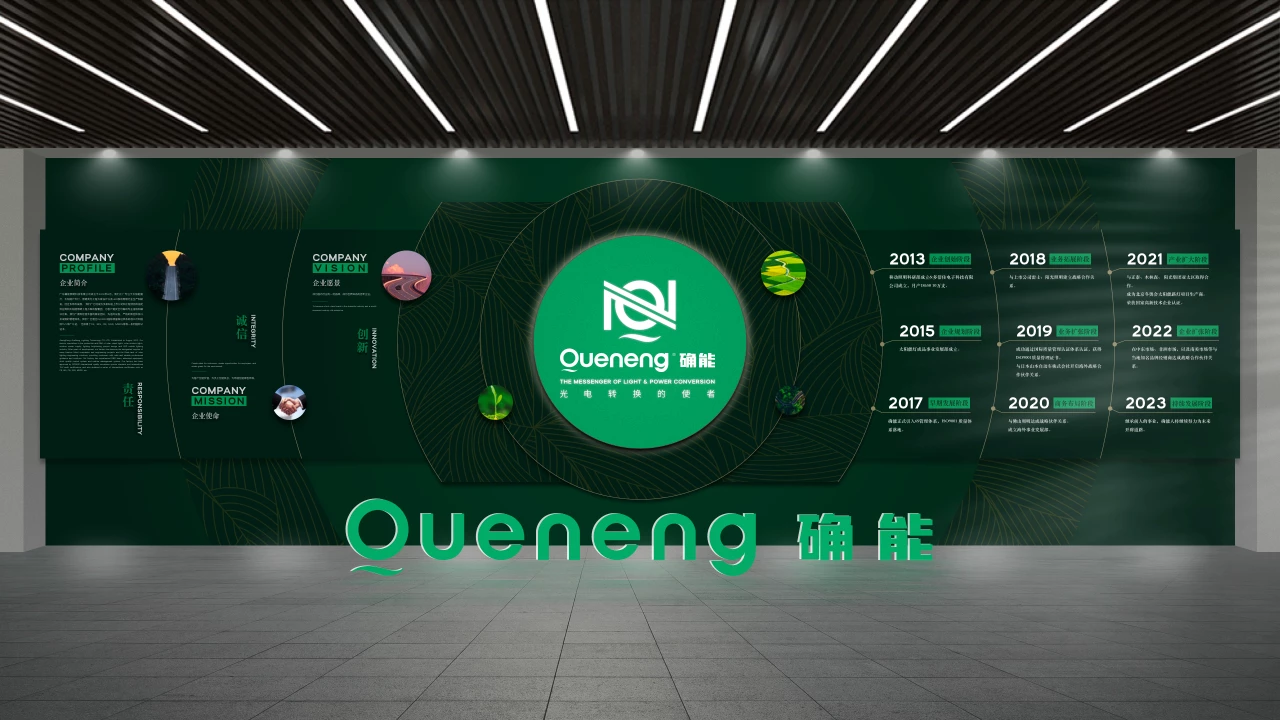
Queneng Lighting, founded in 2013, focuses on solar street lights, solar spotlights, solar garden lights, solar lawn lights, solar pillar lights, solar photovoltaic panels, portable outdoor power supplies and batteries, lighting project design, and LED mobile lighting. After years of development, Queneng Lighting has become the designated supplier for listed companies and engineering projects and serves as a solar lighting engineering solutions think tank, providing municipal customers with professional guidance and solutions.
Product range and technical strengths
Queneng offers both Split Solar Street Light systems and All-in-One Solar Street Lights as well as complementary products including Solar Street Lights, Solar Spot lights, Solar Lawn lights, Solar Pillar Lights, and Solar Photovoltaic Panels. Their R&D team works on modular battery systems, MPPT controllers, intelligent lighting controls, and robust optics to meet a variety of municipal lighting requirements.
Quality assurance, certifications and service
Queneng operates advanced manufacturing and strict quality control systems. The company is ISO 9001 certified and has passed international TÜV audits. Products hold internationally recognized certifications including CE, UL, BIS, CB, SGS, and MSDS documents for components. Queneng provides technical support, design consultation, and after-sales service for large municipal tenders, and can assist in testing and commissioning.
Competitive differentiators
Key differentiators include: integrated project design capability (from PV sizing to lighting design), modular split-system options for large-scale municipal installations, a certified quality management system, and a proven track record with listed companies and engineering projects. Queneng emphasizes system reliability, maintainability, and warranty support tailored to municipal procurement needs.
Procurement Checklist and Tender Template Elements
Mandatory technical items to include
- System architecture: split or all-in-one, with clear diagrams.
- PV modules: IEC 61215/61730 certified, minimum efficiency and degradation rate.
- Batteries: chemistry, cycle life, DOD limits, temperature range.
- LED luminaire: LM-79 photometric report, CRI, CCT, and luminous efficacy.
- Controller: MPPT, dimming schedule, remote monitoring capability (optional/mandatory).
- Mechanical: IP/IK ratings, pole foundation design, anti-theft features.
Commercial and contractual clauses
- Performance guarantees and uptime SLA.
- Warranty: minimum years for system, components and optional extended warranty.
- Penalties for non-performance, delivery schedule milestones.
- Spare parts availability and lead times.
- Acceptance tests and payment milestones tied to commissioning.
Evaluation matrix (example)
Score bids on technical compliance (40%), TCO/lifecycle cost (25%), supplier experience and references (15%), warranty and after-sales (10%), and additional features like monitoring and smart controls (10%).
FAQ
1. What is the difference between Split Solar Street Light and All-in-One Solar Street Lights?
Split systems separate the PV arrays and batteries from the luminaire, allowing optimized PV orientation and easier modular replacement. All-in-One integrates PV, battery and luminaire into a single unit, simplifying installation but sometimes limiting battery size and PV orientation options.
2. How many days of autonomy should municipal solar street lights provide?
Typical municipal designs specify 3–5 days of autonomy to ensure reliable operation during prolonged cloudy periods. The exact number depends on local climate, required uptime, and acceptable risk levels.
3. What warranties should municipalities require?
Require at least 3–5 years for the full system with component warranties: 5–10 years for batteries (depending on chemistry), 5–7 years for LEDs (with lumen maintenance guarantees), and 10+ years for PV modules where possible.
4. Are lithium batteries always better than lead-acid for street lighting?
Lithium (e.g., LiFePO4) typically offers longer cycle life, higher usable depth-of-discharge, lighter weight, and lower maintenance than lead-acid. Upfront cost is higher but TCO is often lower due to longer life and fewer replacements.
5. Can solar street lights be integrated into smart-city systems?
Yes. Modern controllers support remote monitoring (GSM/LoRa/4G), dimming schedules, motion sensors, and integration with central management platforms for scheduling, fault detection, and analytics.
6. How should municipalities handle theft and vandalism?
Use tamper-resistant fastenings, remove accessible battery enclosures where feasible (favor split systems or locked cabinets), specify anti-theft designs, and collaborate with local enforcement. Consider insurance or supplier take-back provisions.
Contact and Next Steps
If you are planning a municipal lighting project and need a turnkey solution from design to commissioning, contact Queneng Lighting for consultations, project proposals and product catalogs. We provide technical design assistance, factory and site testing, and long-term service agreements to ensure municipal lighting goals are met reliably and cost-effectively.
Explore Queneng Lighting’s product lines including Solar Street Lights, Split Solar Street Light systems, and All-in-One Solar Street Lights to identify the optimal solution for your city.
References
- International Energy Agency (IEA) – Renewables and energy efficiency resources. https://www.iea.org/ (accessed Jan 2026)
- International Renewable Energy Agency (IRENA) – Renewable power generation costs. https://www.irena.org/ (accessed Jan 2026)
- U.S. Department of Energy – Solid-State Lighting R&D and efficacy data. https://www.energy.gov/eere/ssl/solid-state-lighting (accessed Jan 2026)
- National Renewable Energy Laboratory (NREL) – PV performance and PVWatts tool. https://www.nrel.gov/ (accessed Jan 2026)
- ISO – ISO 9001 Quality management systems. https://www.iso.org/iso-9001-quality-management. (accessed Jan 2026)
- TÜV – Testing, inspection and certification services. https://www.tuv.com/ (accessed Jan 2026)
- World Bank – Infrastructure and municipal services best practices. https://www.worldbank.org/ (accessed Jan 2026)

Have more questions about our products or services?
The latest hot news you might like
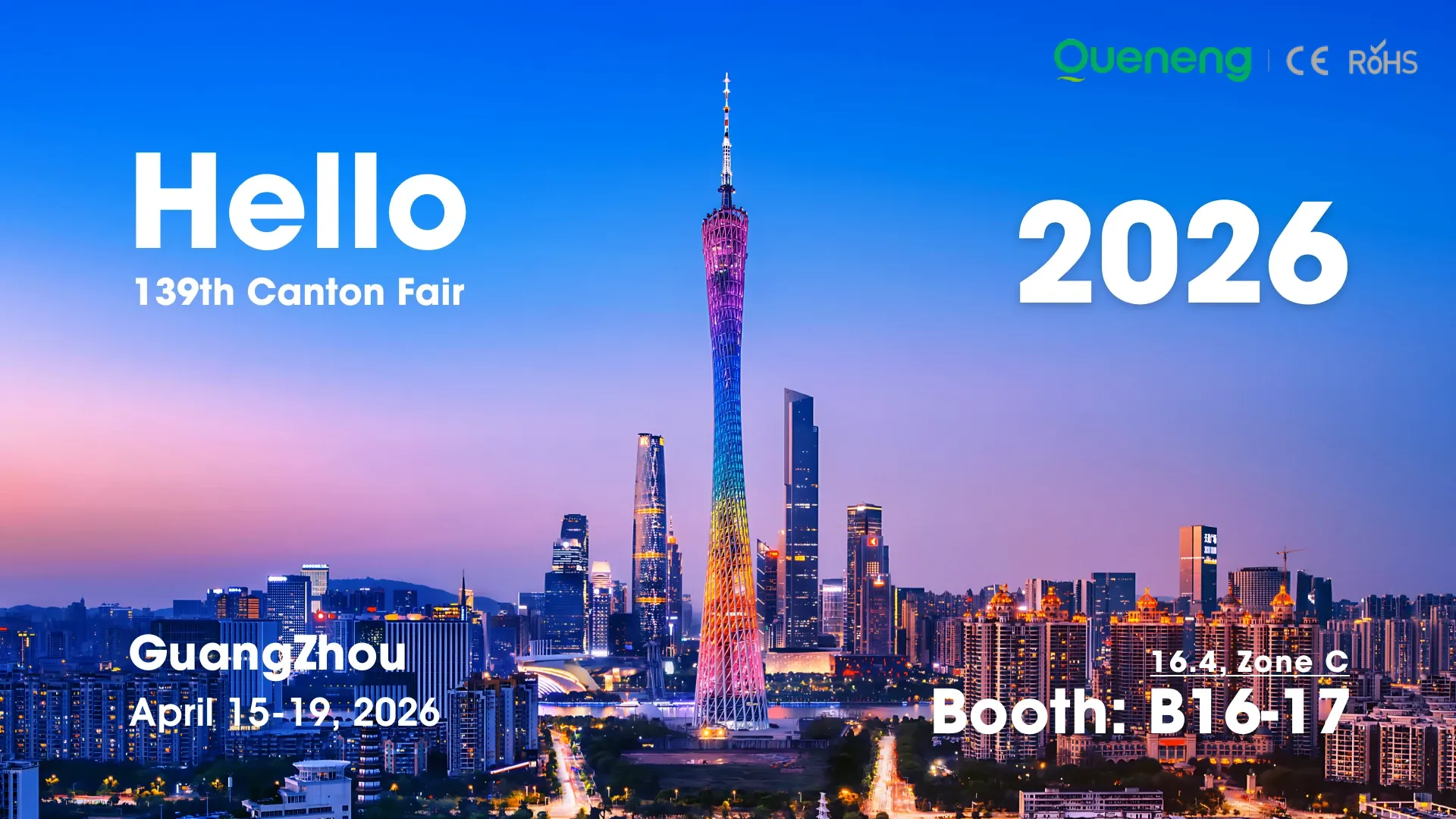
As the global demand for sustainable infrastructure rises, Queneng Lighting is proud to announce its participation in the 139th China Import and Export Fair (Canton Fair), held from April 15th to 19th, 2026, in Guangzhou.
For over 13 years, Queneng has been at the forefront of the solar lighting industry, providing high-efficiency solutions for infrastructure contractors, municipal developers, and EPC companies worldwide. This year, we are bringing our most advanced technology yet to the international stage.

Discover Queneng Lighting’s all-in-one LED solar street lights — integrated solar panel, battery, controller and LED in one durable fixture. Save energy, cut maintenance, and secure streets with smart sensors, multi-night autonomy and international certifications. Contact sales for quotes and support.

Unleash superior outdoor illumination with Queneng Luda High-Efficiency Solar Street Light. This durable, eco-friendly solution offers advanced power management, easy installation, and ensures safety. Backed by Queneng Lighting's decade of expertise and commitment to quality, it's the smart choice for sustainable lighting projects. Learn why we're a leading solar solutions provider.

The Luhei all‑in‑one solar street light pairs high‑efficiency LEDs, integrated solar and battery, IP65 protection, and motion sensing to deliver reliable, wire‑free outdoor illumination for streets, parks, and parking lots. Backed by Queneng Lighting’s certifications and support.
FAQ
Sustainability
What is the wind resistance rating of Queneng solar street lights?
Our solar street lights are rigorously tested and can withstand wind speeds of up to 120 km/h. For areas with particularly strong winds, we offer customized solutions to enhance wind resistance.
Tourist Attractions and Resorts
Can solar lights be used for both functional and decorative purposes?
Yes, solar lighting is versatile and can be used for both functional purposes, such as illuminating pathways and parking lots, and decorative purposes, such as enhancing garden features or architectural details.
Battery and Analysis
What is overcharging and what effect does it have on battery performance?
Positive electrode: 4OH- - 4e → 2H2O + O2↑;①
Negative electrode: 2H2 + O2 → 2H2O②
Since the negative electrode capacity is higher than the positive electrode capacity during design, the oxygen generated by the positive electrode passes through the separator paper and combines with the hydrogen generated by the negative electrode. Therefore, under normal circumstances, the internal pressure of the battery will not increase significantly. However, if the charging current is too large, Or if the charging time is too long, the generated oxygen will not be consumed in time, which may cause the internal pressure to rise, battery deformation, leakage and other adverse phenomena. At the same time, its electrical properties will also be significantly reduced.
Schools and Educational Institutions
Do solar lights work year-round, even during winter?
Yes, solar lights can work year-round, even in winter. However, in areas with heavy snow, it’s important to ensure the solar panels are clear of snow for optimal performance.
Battery Performance and Testing
What is a 24-hour self-discharge test?
Solar Street Light Luzhou
How efficient are the solar panels in Luzhou solar street lights?
Luzhou solar street lights are equipped with high-efficiency solar panels that are designed to capture maximum sunlight, even in low-light conditions. This ensures optimal performance even on cloudy or overcast days.
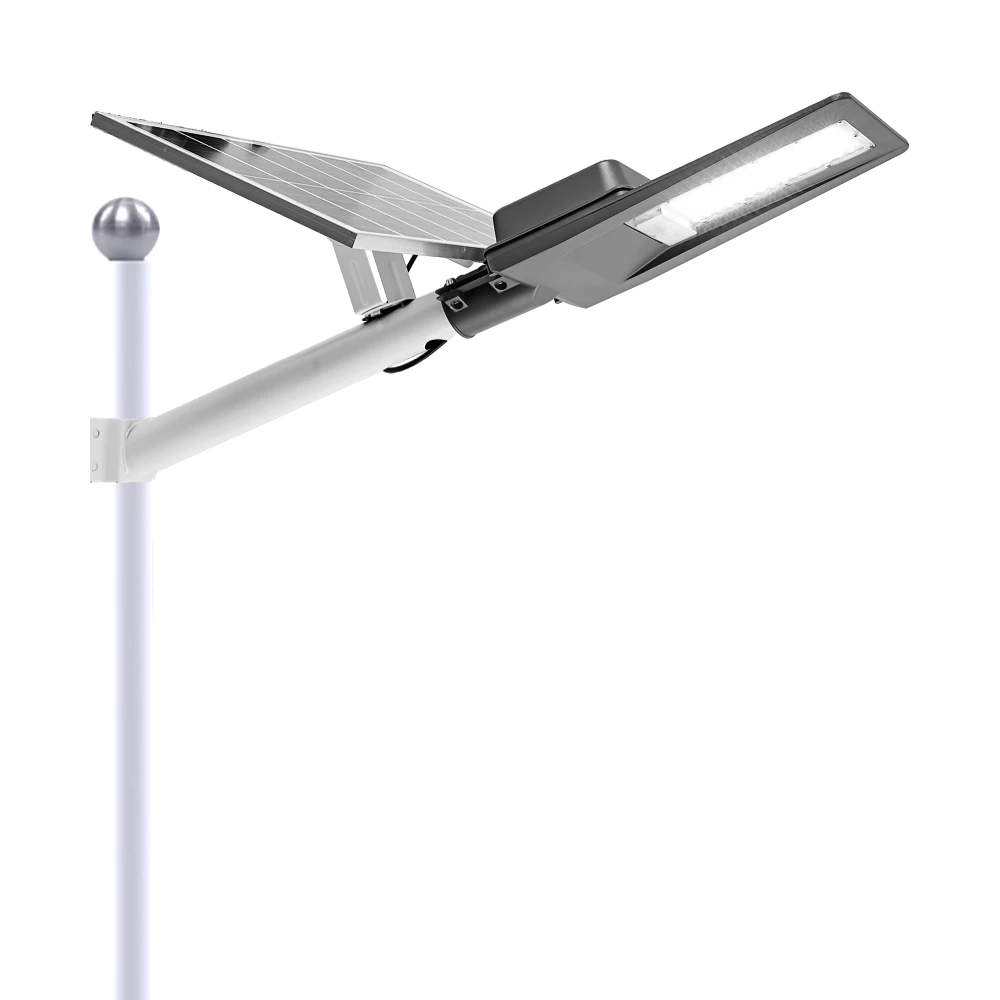
Experience reliable outdoor illumination with our smart solar street light, a perfect combination of advanced technology and eco-conscious design.
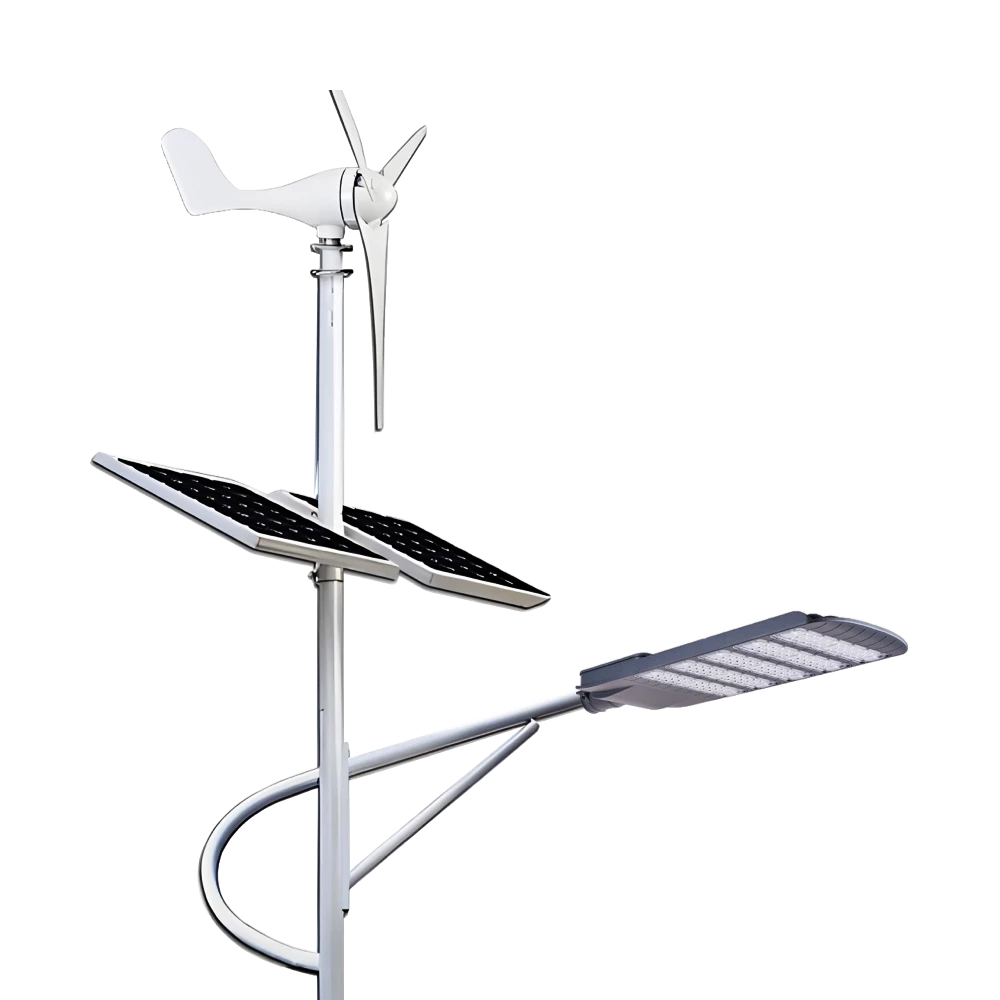
Queneng Lufeng Wind Energy LED Outdoor Solar Street Lights offer high-performance, eco-friendly illumination. These energy-efficient LED street lights harness solar power and wind energy for sustainable, cost-effective outdoor lighting solutions.
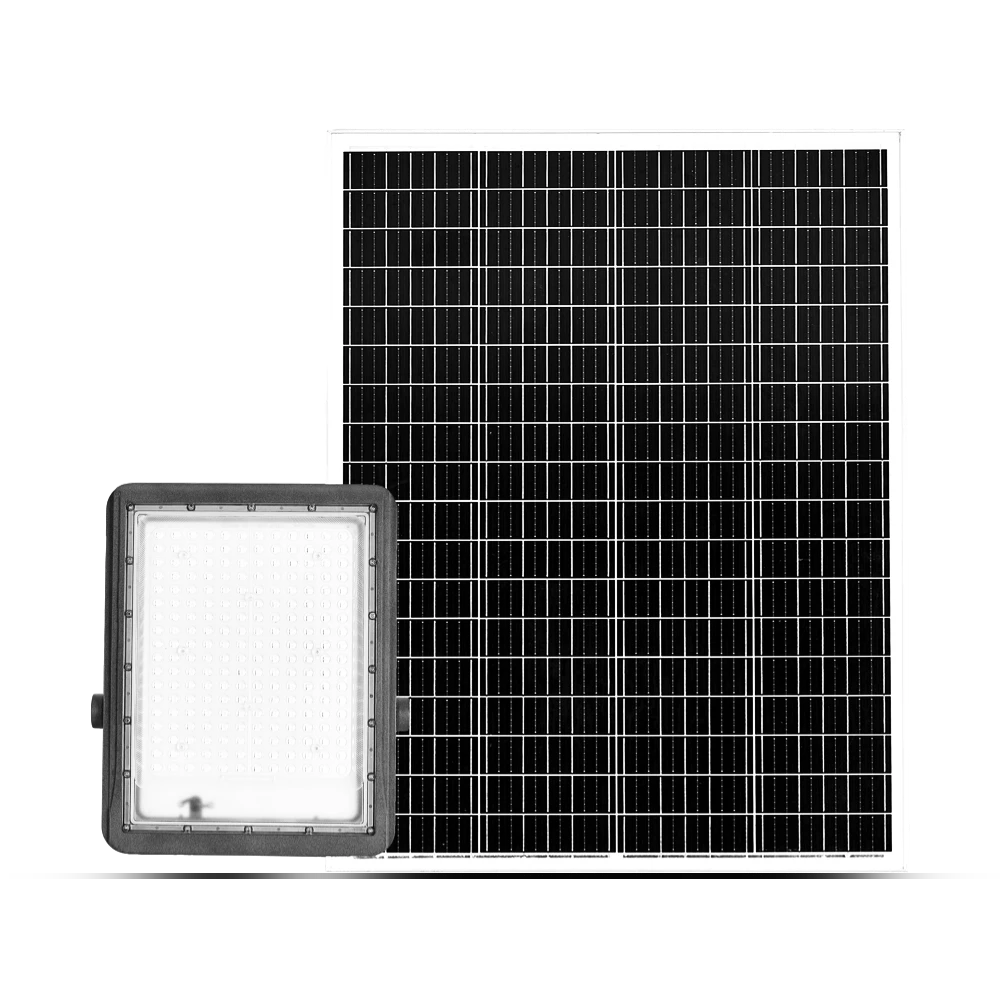
Queneng's Luxian Reliable Solar Street Light offers energy-saving LED lighting for outdoor use. This durable, solar-powered street light provides reliable illumination, reducing energy costs and environmental impact. A perfect solution for sustainable outdoor lighting.
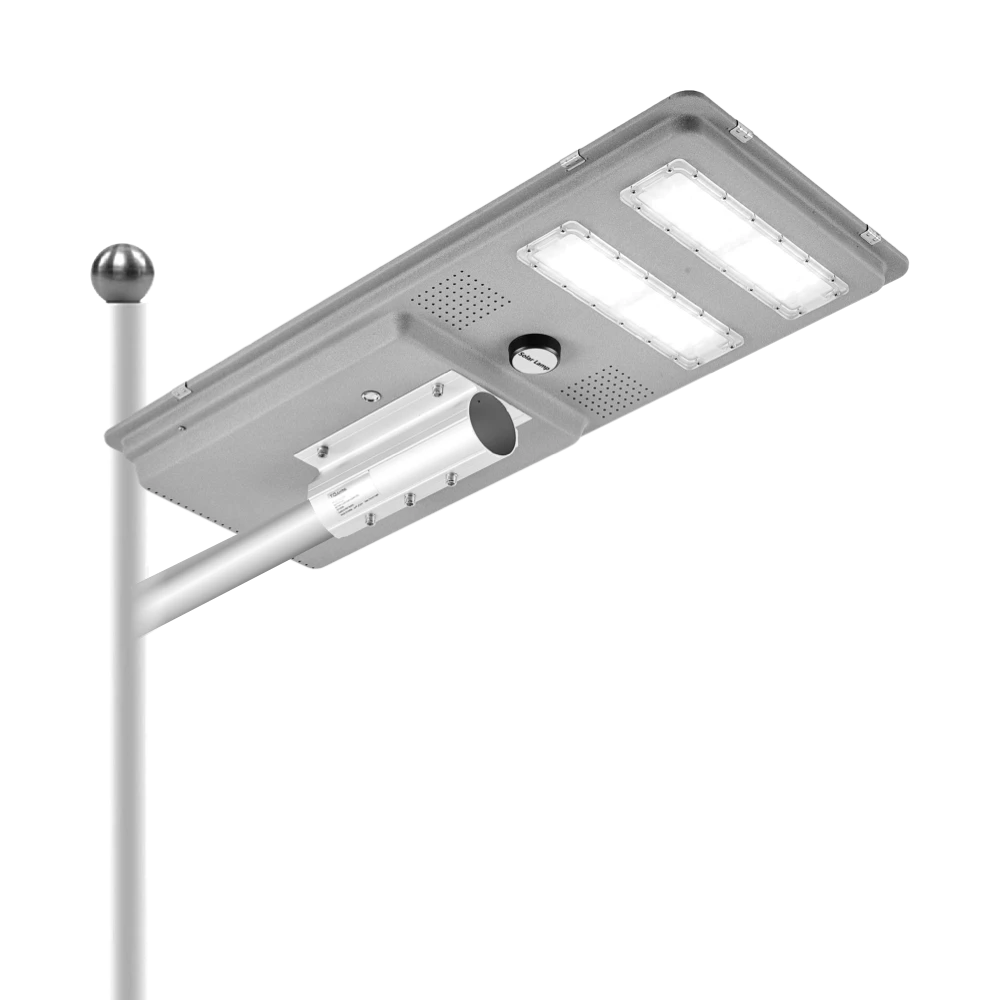
Queneng’s Solar Street Lights are designed to provide reliable, energy-efficient lighting for streets, parks, and other outdoor spaces.
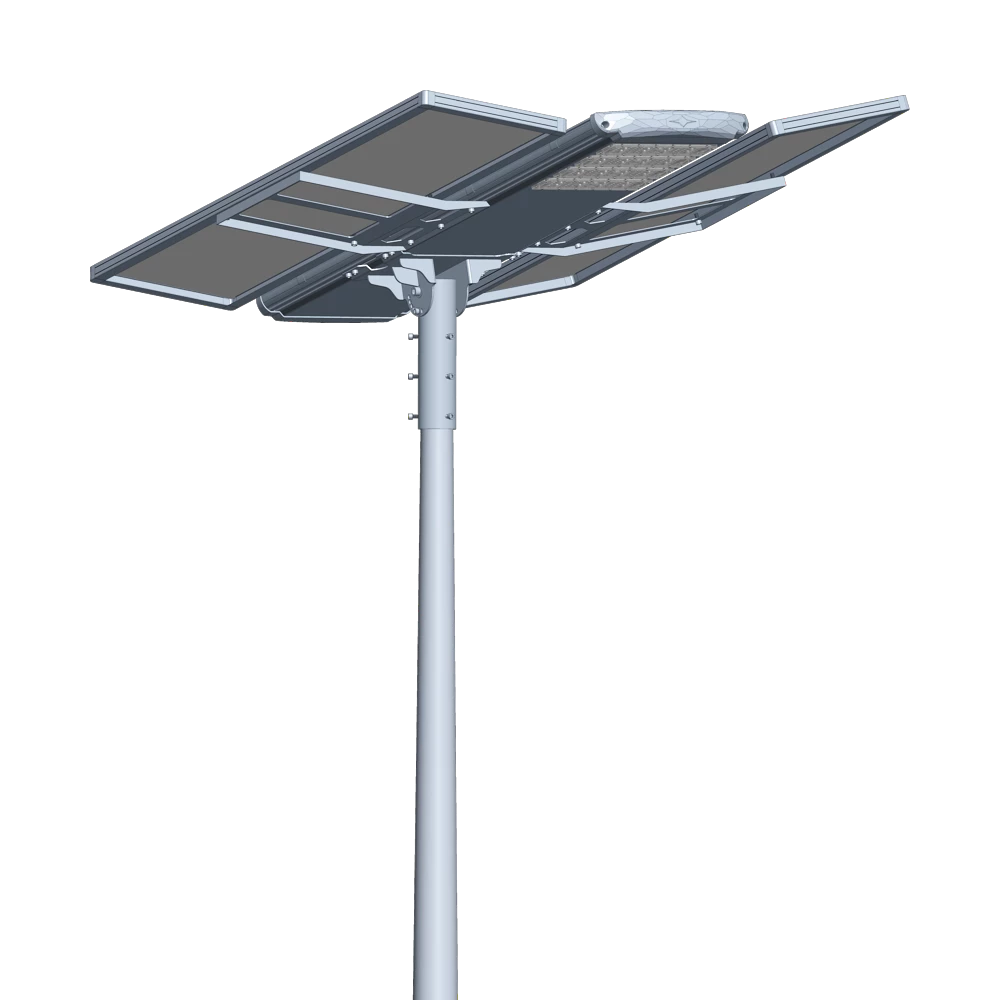
Introducing the Luqing Solar Street Light by Queneng, Efficient LED lighting powered by solar energy is perfect for illuminating outdoor areas. Harness the power of solar energy for sustainable, reliable street lighting. Ideal for eco-friendly, cost-effective outdoor illumination solutions.
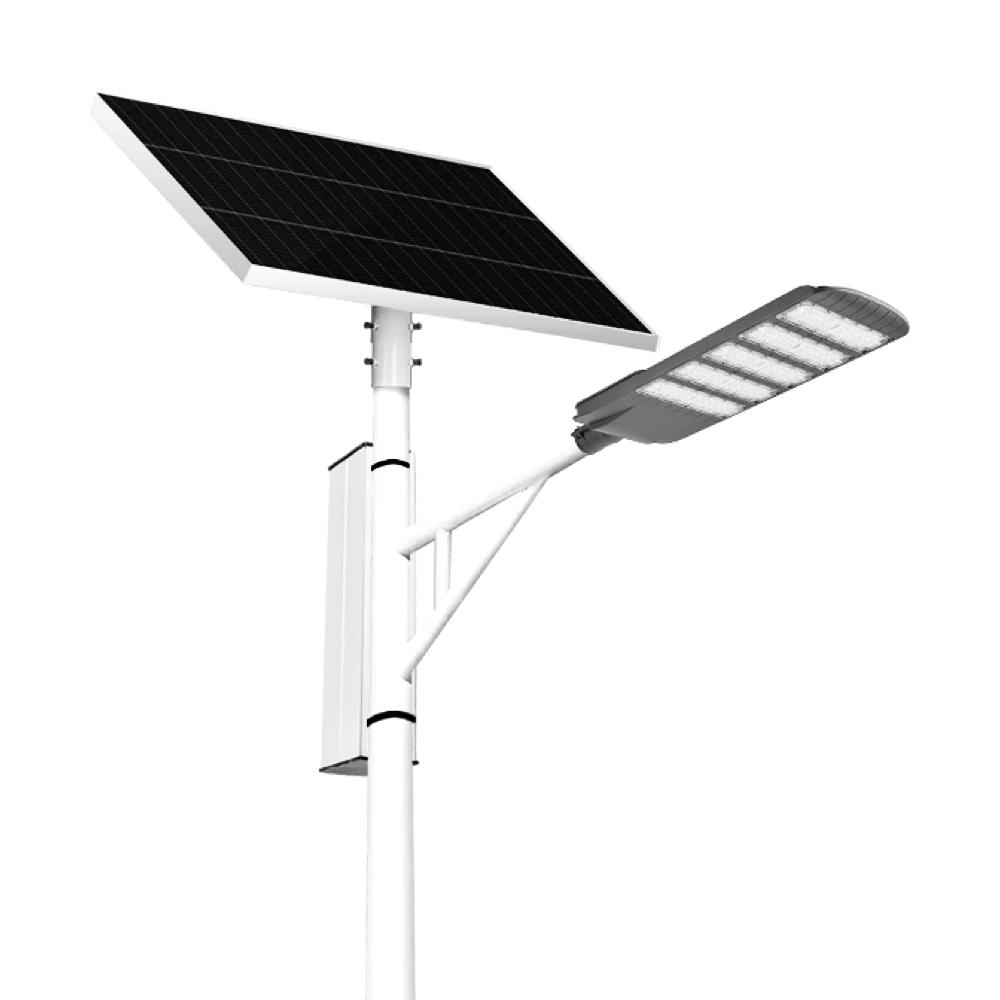
The Solar Streetlights of Luhao for Municipalities are designed to deliver reliable, energy-efficient, and cost-effective public lighting solutions. Equipped with advanced LED technology, durable lithium batteries, and high-efficiency solar panels, these streetlights provide consistent illumination for roads, parks, residential areas, and government projects.
Our professional team is ready to answer any questions and provide personalized support for your project.
You can reach us via phone or email to learn more about Queneng’s solar lighting solutions. We look forward to working with you to promote clean energy solutions!
Rest assured that your privacy is important to us, and all information provided will be handled with the utmost confidentiality.
By clicking 'Send Inquiry Now' I agree to Queneng processing my personal data.
To see how to withdraw your consent, how to control your personal data and how we process it, please see our Privacy Policy and Terms of use.
Schedule a Meeting
Book a date and time that is convenient for you and conduct the session in advance.
Have more questions about our products or services?
The messenger of light & power conversion
Environmental protection and intelligent manufacturing are our brand philosophy, and quality assurance and the best user experience are our eternal promises to users.
CONTACT
No.9F, Building F, Cao San Xin Tian Hong Logistics Park, Guzhen Town, Zhongshan City, Guangdong Province, China.
or write [email protected]
WhatsApp: +86 136 2270 1011


