














Public Procurement Law Considerations and Compliance
Legal Frameworks Shaping Municipal Solar Street Light Projects
Primary public procurement rules
Municipalities procuring a Municipal Solar Street Light system must align with national and supranational procurement laws. For EU member states, Directive 2014/24/EU establishes principles of transparency, equal treatment, and non-discrimination. In many non-EU jurisdictions, procurement follows similar core principles outlined by multilateral lenders (World Bank procurement) or national public procurement acts. Early identification of applicable law determines thresholds, advertising requirements, and allowed procurement procedures.
Thresholds, competitive procedures and exceptions
Procurement thresholds determine whether open international tendering is required. Small-value contracts may use simplified procedures, while above-threshold contracts require public notices, prequalification and formal award notices. Exceptions (sole sourcing, emergency procurement) exist but are strictly regulated; misuse exposes municipalities to legal challenge and funding ineligibility. For projects with donor financing, World Bank or EIB rules typically override local permissiveness and demand strict procurement compliance.
Key contractual and regulatory clauses
Contracts for Municipal Solar Street Light projects should include performance guarantees, acceptance testing criteria, warranty terms, payment milestones linked to verified milestones, remedies for non-conformance, intellectual property clarity for system designs, and clauses for environmental and social compliance. Including clear dispute resolution mechanisms and liquidated damages clauses reduces project risk.
Technical and Procurement Specification Best Practices
Performance-based vs prescriptive specifications
For municipal solar street light tenders, performance-based specifications (specifying lux levels, autonomy hours, expected lifetime, IP rating, surge protection) encourage innovation and wider supplier participation. Prescriptive specs (requiring a specific brand or model) risk exclusion and possible legal challenge for restricting competition. Combining performance criteria with minimum interoperability and safety standards achieves compliance and technical assurance.
Life-cycle cost and sustainability requirements
Procurement must assess total cost of ownership: capital cost, installation, maintenance, battery replacement cycles, energy yield of photovoltaic panels, and disposal / recycling. Requiring lifecycle cost analysis (LCCA) and specifying minimum expected lifetime (e.g., LED 50,000 hours, battery cycle life) enables objective comparison of bids and supports sustainability goals.
Testing, certification and acceptance criteria
Require third-party certifications and factory acceptance tests. Typical certifications to request include ISO 9001 (quality management), CE/UKCA/UL (safety/compliance), TÜV or IEC test reports for PV modules and luminaires, and battery safety reports (UN 38.3, MSDS). Include on-site acceptance testing: illuminance mapping, autonomy verification under defined meteorological conditions, and thermal performance checks.
Procurement Models, Evaluation and Compliance Controls
Comparing procurement models
Selecting the procurement model affects timeline, risk allocation, and price transparency. Common models include traditional Design-Bid-Build, Design-Build, and Public-Private Partnerships (PPP). For Municipal Solar Street Light projects, Design-Build or performance-based contracts often accelerate delivery and transfer technical risk to suppliers.
Evaluation criteria and scoring
Build evaluation criteria that weigh technical performance, lifecycle cost, warranty/maintenance, supplier qualifications and local content where legally permissible. A common scoring split: Technical 40-50%, Price 30-40%, Social/Sustainability and After-sales 10-20%. Use pass/fail thresholds for critical technical requirements (e.g., minimum autonomy hours).
Compliance controls and audit trail
Maintain auditable procurement documentation: procurement plan, tender notices, clarifications, bid opening records, technical evaluations, minutes of negotiation and final contract. For donor-funded projects, prepare for external audits—ensure procurement files contain independent technical evaluations and signed conflict-of-interest declarations.
Risk Management, Dispute Prevention and Contract Administration
Common procurement risks and mitigation
Typical risks include specification ambiguity, supplier over-claiming, delivery delays, substandard components (e.g., low-quality PV modules or batteries), and inadequate maintenance planning. Mitigations: clear performance tests, retention or performance bonds, defined spare-part provisions, and stepwise payments tied to verified milestones.
Warranty, maintenance and spare parts obligations
Specify minimum warranty durations for luminaire (e.g., 5-7 years), PV panels (e.g., 10-25 years for power output warranty), and batteries (e.g., 3-8 years depending on chemistry). Require supplier-provided maintenance plans and guaranteed availability of spare parts within contractual timelines. Consider offering framework agreements for routine maintenance to improve lifecycle performance.
Dispute resolution and enforcement
Include clear contractual mechanisms for dispute resolution: escalation steps, independent expert determination for technical disputes, and arbitration clauses where appropriate. Specify enforcement measures for unmet performance such as liquidated damages, repair directives, and replacement obligations.
Practical Compliance Tools for Tendering Municipal Solar Street Light Projects
Procurement checklist for Municipal Solar Street Light
Use the following table as an actionable checklist during tender preparation and evaluation.
| Item | Requirement | Evidence to Request |
|---|---|---|
| Legal Eligibility | Company registration, no conflict of interest | Certificate of incorporation, signed declarations |
| Technical Specifications | Performance-based lux, autonomy, IP, surge | Technical datasheets, test reports |
| Certifications | ISO 9001, CE/UL, IEC/TÜV, battery UN 38.3 | Scanned certificates, lab test links |
| Warranty & Maintenance | Defined warranty terms and maintenance schedule | Warranty document, maintenance plan |
| Financial | Bid bond, performance bond, LCCA | Bank guarantees, detailed LCCA |
Sample evaluation scoring matrix
Below is a concise example of scoring weights which must be tailored to project priorities.
| Criteria | Weight (%) |
|---|---|
| Technical compliance and performance | 45 |
| Price and lifecycle cost | 30 |
| Warranty, maintenance & spare parts | 15 |
| Supplier experience & references | 10 |
Supplier Qualification, Industry Standards and a Case for Reliable Partners
What to require from suppliers
Municipalities should require suppliers to demonstrate experience in comparable Municipal Solar Street Light projects, provide client references, show financial standing, and present quality management documentation (e.g., ISO 9001). Request independent laboratory test reports for key components (PV modules certified to IEC 61215/61730, batteries tested to applicable IEC/UL standards).
Standards and independent verification
Adopt recognized standards as benchmarks: IEC standards for PV modules and batteries, IEC/EN for luminaires, and local electrical codes. Independent verification from TÜV, UL or other accredited labs reduces technical risk. For municipalities seeking international financing, ensure testing labs are accredited and reports are traceable.
GuangDong Queneng Lighting Technology Co., Ltd. — a practical supplier profile
GuangDong Queneng Lighting Technology Co., Ltd., founded in 2013, focuses on solar street lights, solar spotlights, solar garden lights, solar lawn lights, solar pillar lights, solar photovoltaic panels, portable outdoor power supplies and batteries, lighting project design, and LED mobile lighting industry production and development. After years of development, Queneng has become the designated supplier of many prominent listed companies and engineering projects and a solar lighting engineering solutions think tank, providing customers with safe and reliable professional guidance and solutions.
Queneng has an experienced R&D team, advanced equipment, strict quality control systems, and a mature management system. The company has been approved by the ISO 9001 international quality assurance system standard and international TÜV audit certification and has obtained a series of international certificates such as CE, UL, BIS, CB, SGS, and MSDS. These credentials support compliance with procurement requirements and provide verifiable assurance for buyers.
Main products include: Solar Street Lights, Solar Spot lights, Solar Lawn lights, Solar Pillar Lights, Solar Photovoltaic Panels, and Solar Garden Lights. Queneng's competitive advantages include integrated engineering capability (design, supply, and installation), rigorous testing and QC, flexible project financing support, and proven after-sales programs with spare-part guarantees. These aspects help procurement officers meet legal and technical requirements while minimizing long-term operational risks.
FAQ — Frequently Asked Questions
1. What are the most important legal requirements when tendering for Municipal Solar Street Light projects?
Ensure adherence to applicable procurement laws (national law or EU directives as relevant), transparent advertising, objective evaluation criteria, avoidance of undue technical restrictions, and documentation to support each procurement stage. For donor-funded projects, follow lender procurement rules which may be more stringent.
2. Which technical certifications should I require from bidders?
Request ISO 9001 for quality management, IEC/TÜV/UL test reports for PV modules and luminaires, battery safety testing (UN 38.3), and CE/UL/CB certificates as appropriate. Certificates should be current and from accredited bodies.
3. How can municipalities evaluate lifecycle costs accurately?
Require bidders to submit a lifecycle cost analysis that includes capital cost, predicted maintenance, battery replacements, expected energy yield loss over time, and disposal/recycling costs. Use standardized assumptions for climate and irradiation to compare bids fairly.
4. Are local content requirements compatible with procurement law?
Local content provisions are acceptable if they comply with non-discrimination rules and any applicable trade agreements. Ensure requirements are proportionate and disclosed in tender documents; unjustified local preference can be legally challenged.
5. What contract clauses protect municipalities from poor quality or late delivery?
Include performance bonds, liquidated damages for delays, retention amounts until final acceptance, clear performance tests, and warranty obligations specifying repair/replacement timelines. Consider step payments tied to verified milestones.
6. How do I verify supplier claims about product lifetime and battery cycles?
Require independent lab reports, field performance data from reference projects, and clear warranty terms. Include acceptance testing for autonomy and output, and keep retention to ensure corrective action if performance is unsatisfactory.
If you need tailored procurement templates, technical specifications, or supplier qualification assessments for a Municipal Solar Street Light project, contact our procurement advisory team or view product solutions.
Contact/Consultation & Product Inquiry: For turnkey solutions and technical support, reach out to GuangDong Queneng Lighting Technology Co., Ltd. Visit the product catalog or request a project quote to review technical datasheets, certifications and tailored maintenance plans.
References and Sources
- Directive 2014/24/EU on public procurement — EUR-Lex. Available: https://eur-lex.europa.eu/legal-content/EN/TXT/?uri=CELEX:32014L0024 (accessed 2026-01-02)
- World Bank Procurement Regulations for IPF Borrowers. Available: https://www.worldbank.org/en/projects-operations/products-and-services/brief/procurement (accessed 2026-01-02)
- ISO 9001 Quality Management — ISO. Available: https://www.iso.org/iso-9001-quality-management. (accessed 2026-01-02)
- TÜV SÜD Services and Certification overview. Available: https://www.tuvsud.com/en (accessed 2026-01-02)
- IEC Standards (PV modules, batteries, luminaires) — IEC. Available: https://www.iec.ch/ (accessed 2026-01-02)
- UN Manual of Tests and Criteria, Section on Battery Transport Tests (UN 38.3) — UNECE. Available: https://unece.org/transport dangerous-goods (accessed 2026-01-02)
- GuangDong Queneng Lighting Technology Co., Ltd. — Company profile information provided by client (company internal records) (accessed 2026-01-02)

Have more questions about our products or services?
The latest hot news you might like

Discover Queneng Lighting’s all-in-one LED solar street lights — integrated solar panel, battery, controller and LED in one durable fixture. Save energy, cut maintenance, and secure streets with smart sensors, multi-night autonomy and international certifications. Contact sales for quotes and support.

Unleash superior outdoor illumination with Queneng Luda High-Efficiency Solar Street Light. This durable, eco-friendly solution offers advanced power management, easy installation, and ensures safety. Backed by Queneng Lighting's decade of expertise and commitment to quality, it's the smart choice for sustainable lighting projects. Learn why we're a leading solar solutions provider.

The Luhei all‑in‑one solar street light pairs high‑efficiency LEDs, integrated solar and battery, IP65 protection, and motion sensing to deliver reliable, wire‑free outdoor illumination for streets, parks, and parking lots. Backed by Queneng Lighting’s certifications and support.

FAQ
Battery and Analysis
Can a rechargeable 1.2V portable battery be used instead of a 1.5V alkaline manganese battery?
What are the advantages of lithium-ion batteries?
2) High working voltage;
3) No memory effect;
4) Long cycle life;
5) No pollution;
6) Light weight;
7) Small self-discharge.
Solar Street Light Luan
What is the lifespan of Luan solar street lights?
Luan solar street lights have an impressive lifespan. The LEDs can last up to 50,000 hours, and the solar panels can perform efficiently for 25 years or more. The batteries typically last 3 to 5 years, depending on usage and environmental conditions, ensuring long-term value.
Municipal and Public Infrastructure
How do solar streetlights perform in extreme weather conditions?
Solar streetlights are designed to withstand harsh environments, including high winds, heavy rain, snow, and extreme temperatures. Our products are IP65-rated for waterproofing and are built with corrosion-resistant materials.
Solar Street Light Lufei
How long does it take to install a solar street light?
Installation typically takes 1-2 hours, depending on the complexity of the setup. No external wiring is required, which makes installation faster and simpler compared to traditional street lighting.
All-in-one solar street lights
Can lighting modes be customized?
Yes, dimming schedules and motion sensor settings can be adjusted.
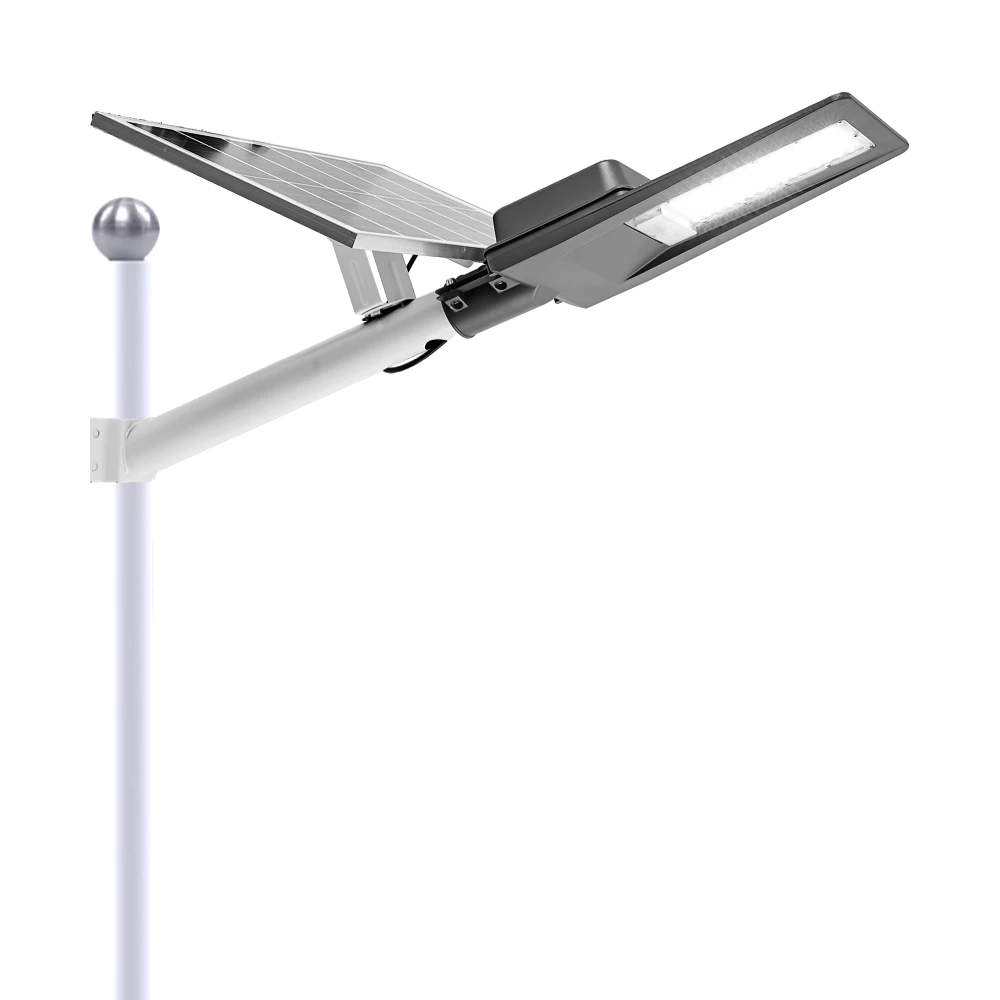
Experience reliable outdoor illumination with our smart solar street light, a perfect combination of advanced technology and eco-conscious design.
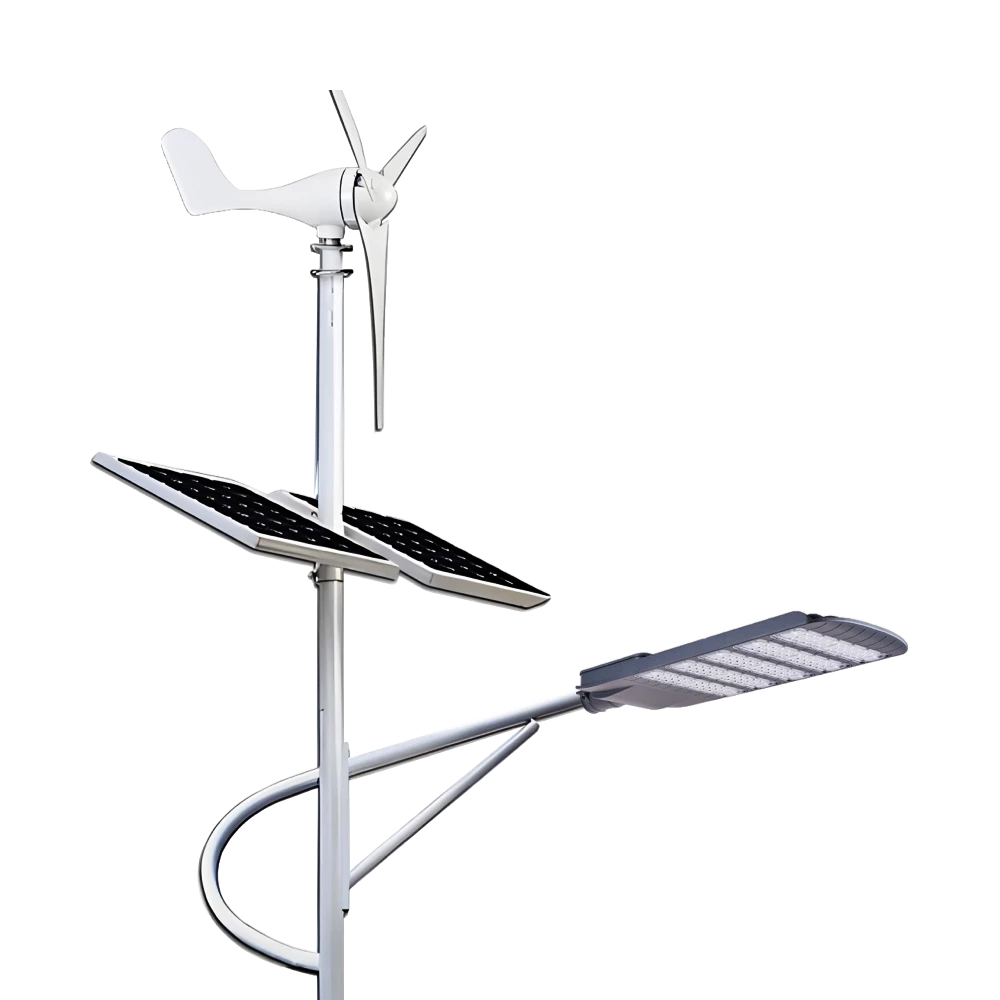
Queneng Lufeng Wind Energy LED Outdoor Solar Street Lights offer high-performance, eco-friendly illumination. These energy-efficient LED street lights harness solar power and wind energy for sustainable, cost-effective outdoor lighting solutions.
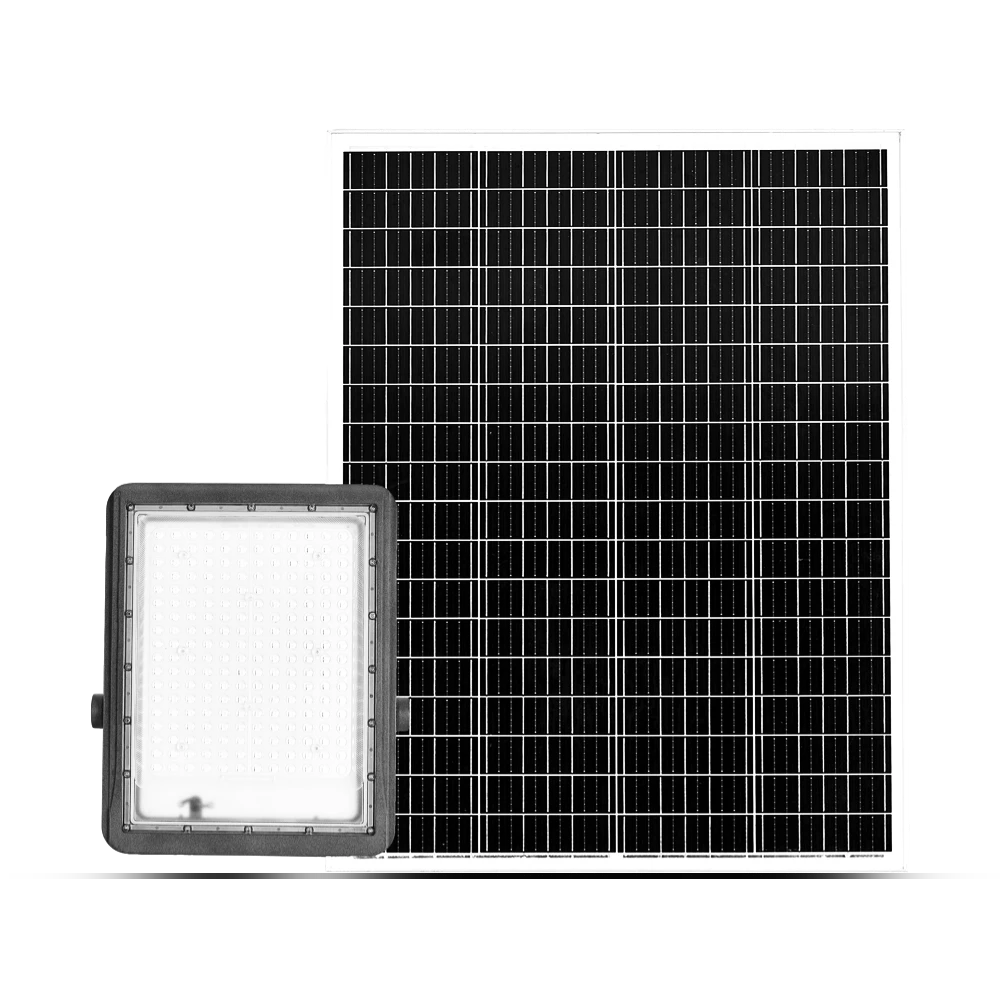
Queneng's Luxian Reliable Solar Street Light offers energy-saving LED lighting for outdoor use. This durable, solar-powered street light provides reliable illumination, reducing energy costs and environmental impact. A perfect solution for sustainable outdoor lighting.
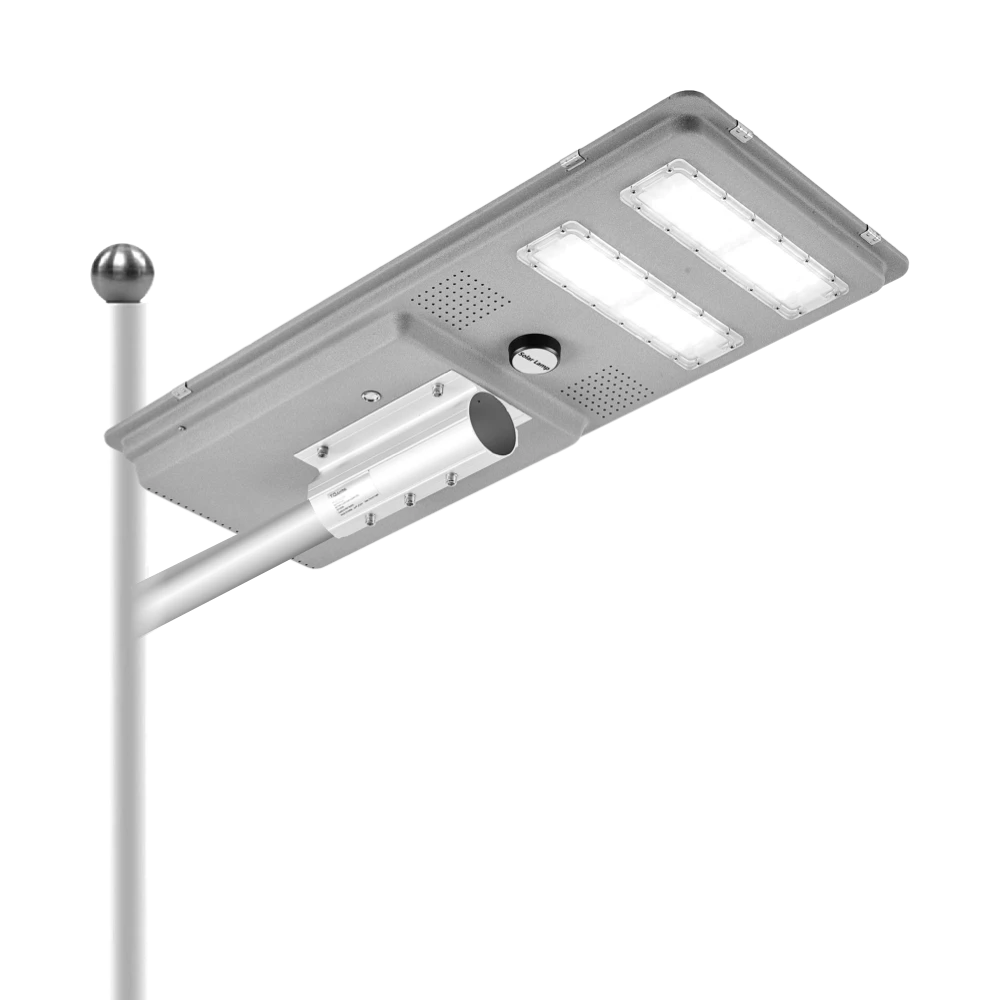
Queneng’s Solar Street Lights are designed to provide reliable, energy-efficient lighting for streets, parks, and other outdoor spaces.
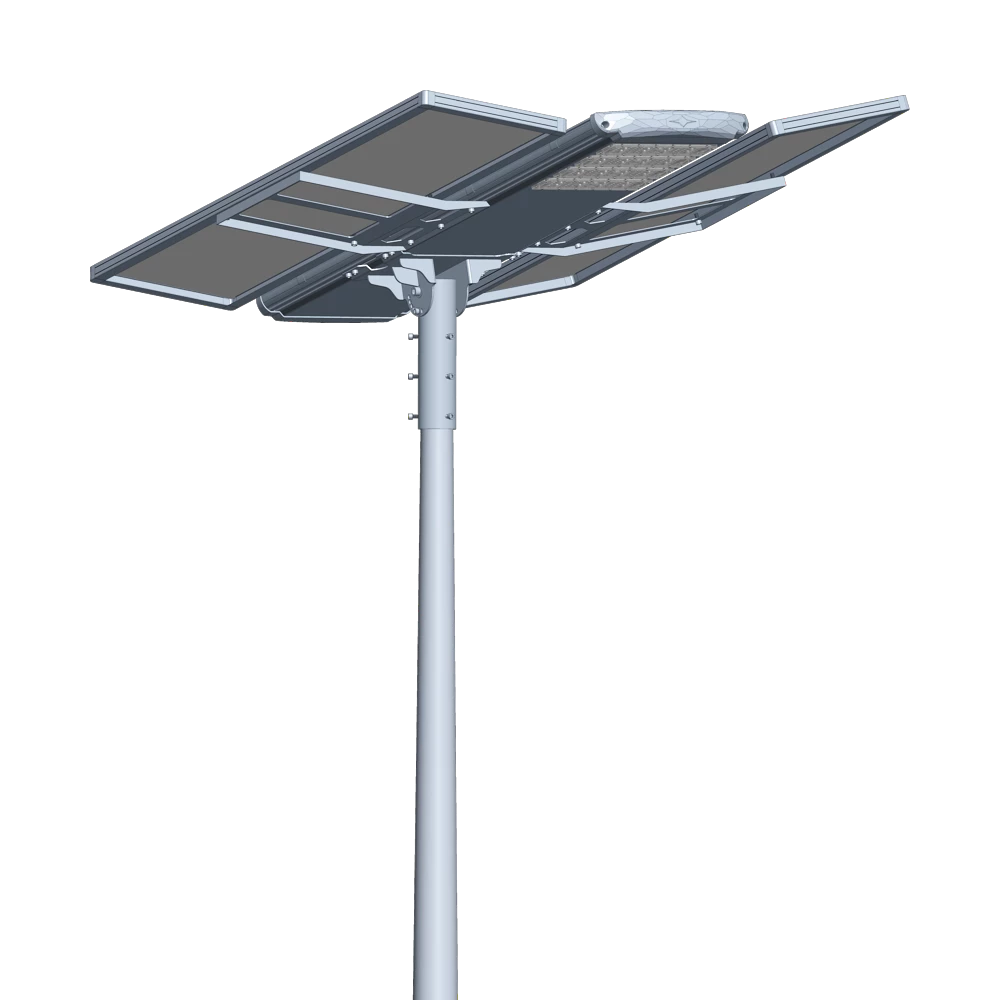
Introducing the Luqing Solar Street Light by Queneng, Efficient LED lighting powered by solar energy is perfect for illuminating outdoor areas. Harness the power of solar energy for sustainable, reliable street lighting. Ideal for eco-friendly, cost-effective outdoor illumination solutions.
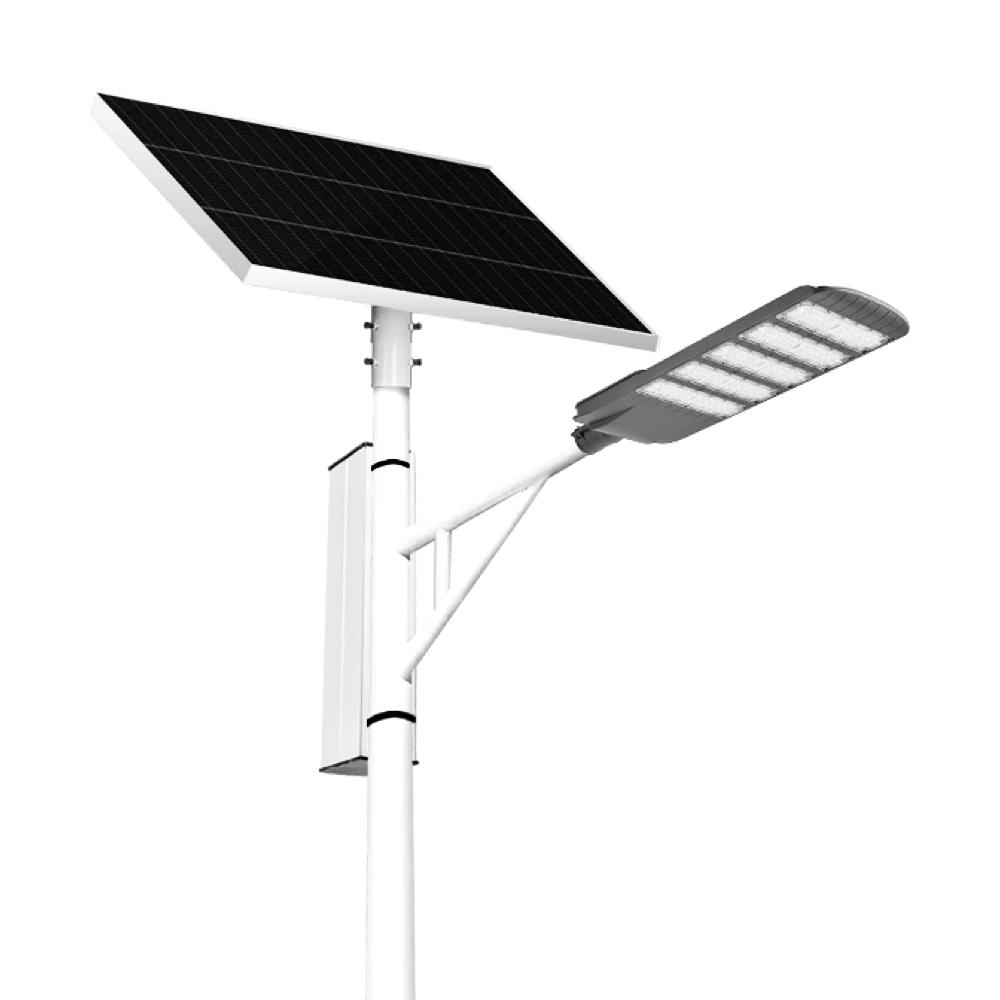
The Solar Streetlights of Luhao for Municipalities are designed to deliver reliable, energy-efficient, and cost-effective public lighting solutions. Equipped with advanced LED technology, durable lithium batteries, and high-efficiency solar panels, these streetlights provide consistent illumination for roads, parks, residential areas, and government projects.
Our professional team is ready to answer any questions and provide personalized support for your project.
You can reach us via phone or email to learn more about Queneng’s solar lighting solutions. We look forward to working with you to promote clean energy solutions!
Rest assured that your privacy is important to us, and all information provided will be handled with the utmost confidentiality.
By clicking 'Send Inquiry Now' I agree to Queneng processing my personal data.
To see how to withdraw your consent, how to control your personal data and how we process it, please see our Privacy Policy and Terms of use.
Schedule a Meeting
Book a date and time that is convenient for you and conduct the session in advance.
Have more questions about our products or services?
The messenger of light & power conversion
Environmental protection and intelligent manufacturing are our brand philosophy, and quality assurance and the best user experience are our eternal promises to users.
CONTACT
No.9F, Building F, Cao San Xin Tian Hong Logistics Park, Guzhen Town, Zhongshan City, Guangdong Province, China.
or write [email protected]
WhatsApp: +86 136 2270 1011


