

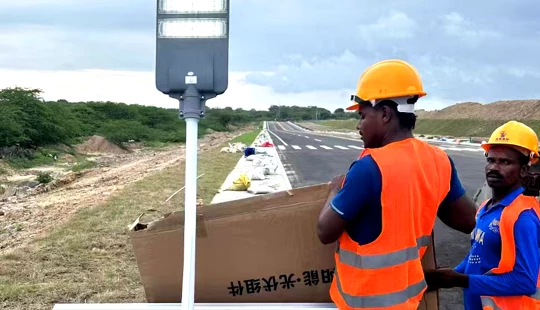
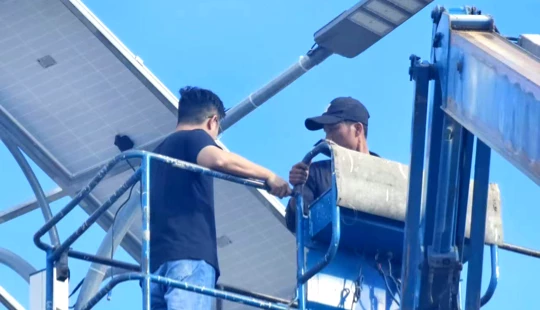













Localized project planning guide for sustainable lighting in Saudi Arabia
Why Municipal Solar Street Light Projects Are Vital for Saudi Urban Sustainability
Municipalities in Saudi Arabia are accelerating investments in sustainable infrastructure to meet Vision 2030 targets and improve livability. Municipal Solar Street Light projects reduce grid load, lower lifecycle costs, increase resiliency during outages, and cut greenhouse gas emissions by leveraging the Kingdom’s abundant solar resource. This guide provides localized, actionable planning steps and design considerations for public agencies, engineering firms, and procurement teams pursuing effective municipal solar lighting deployments.
Site Assessment and Resource Evaluation for Municipal Solar Street Light Projects
Accurate site assessment is the foundation of any successful Municipal Solar Street Light project in Saudi Arabia. Key tasks include: mapping solar resource, evaluating shading, assessing grid availability and reliability, categorizing road types (residential, collector, arterial), and reviewing local regulations and permitting timelines.
- Solar resource: Saudi Arabia has high solar irradiance; use PVGIS or Global Solar Atlas to obtain location-specific irradiance (kWh/m2/year) for accurate PV sizing (see references).
- Shading analysis: conduct on-site surveys and horizon surveys (or use drone LiDAR) to identify obstructions that reduce panel yield.
- Electrical context: determine whether the project will be off-grid, hybrid (grid-tied with battery), or grid-backed — this affects autonomy and battery sizing.
- Operational context: consider vandalism risk, maintenance access, dust/sand exposure, and local temperature extremes when selecting components.
Design Principles: System Components for a Municipal Solar Street Light
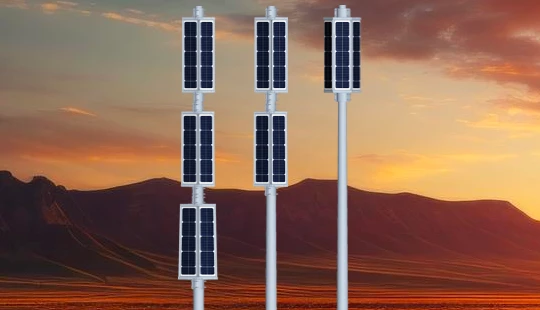
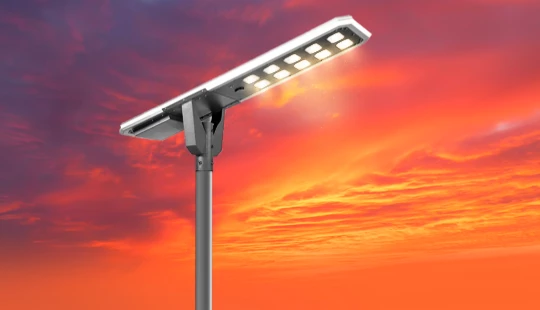
Each Municipal Solar Street Light system comprises an LED luminaires, PV panel, battery energy storage, controller/MPPT, mounting/pole and distribution/controls (sensors, remote telemetry). Design choices must balance capital cost, reliability, lifetime, and O&M simplicity.
- LED luminaire: specify luminous flux, distribution (cutoff, symmetrical/asymmetrical), color temperature (3000–4000K typical for public lighting), and lumen maintenance (L70 at specified hours).
- PV array: size for daily energy needs plus seasonal derating; use a conservative performance ratio (PR) 0.75–0.85 depending on dust and temperature factors.
- Batteries: select chemistry with long cycle life and temperature resilience; LiFePO4 is increasingly preferred for municipal systems.
- Controllers: MPPT charge controllers improve energy capture; include protections for overcharge, deep discharge and temperature compensation.
- Poles & mounts: pole height and luminaire aiming should meet recommended illuminance and uniformity for safety and compliance.
Component Sizing Example Table for Municipal Solar Street Light
| Road Type | Typical LED Output (lm) | Typical PV Panel (Wp) | Battery Capacity (Ah, 12V equiv) | Autonomy (days) |
|---|---|---|---|---|
| Residential street | 2,000–6,000 | 50–150 Wp | 120–200 Ah | 2–3 |
| Collector/secondary road | 6,000–12,000 | 150–300 Wp | 200–350 Ah | 3–5 |
| Arterial/main road | 12,000–30,000+ | 300–800 Wp | 350–800 Ah | 4–7 |
Note: values above are indicative ranges for preliminary planning. Final sizing must be based on measured irradiance, luminaire power draw, efficiency assumptions and desired autonomy. Sources: PV performance guidelines and international LED lighting standards (see references).
Selecting the Right Battery Chemistry for Municipal Solar Street Light Systems
Battery selection significantly affects lifecycle cost and system uptime. For Saudi Arabia’s high temperatures and municipal performance requirements, consider the following:
| Characteristic | Lead-acid (Sealed VRLA) | LiFePO4 (LFP) |
|---|---|---|
| Cycle life | 300–800 cycles | 2,000–5,000+ cycles |
| Temperature resilience | Poor at high temps; reduced life | Better high-temp performance with BMS |
| Depth of Discharge (DoD) | ~50% recommended | 80–90% usable |
| Maintenance | Higher (replacement cycle) | Low (BMS-managed) |
| CapEx | Lower initial | Higher initial, lower LCoE |
Recommendation: For municipal deployments in Saudi Arabia, LiFePO4 batteries typically provide superior total cost of ownership (TCO) and reliability, especially where temperatures exceed 30°C and long lifetimes are required (see battery lifecycle and manufacturer data in references).
Light Levels, Pole Height and Spacing — Meeting Safety Standards with Municipal Solar Street Light
Design must meet recommended illuminance and uniformity for the road class. While local regulations may vary, international guidance (IES, CIE) and public safety norms are useful baselines. Typical considerations:
- Pole height: 4–6 m for residential streets, 8–12 m for collectors and 12–15+ m for arterial roads.
- Spacing-to-height ratio (S/H): 3–6 depending on distribution and uniformity goals.
- Illuminance: design per road classification and pedestrian needs — use photometric simulation in design software (DIALux, Relux) with the chosen fixture photometry.
Perform a photometric layout to ensure lux and uniformity targets are met over the surface. This avoids over-sizing panels and batteries while meeting safety objectives.
Controls, Smart Features and Energy Optimization for Municipal Solar Street Light
Incorporating smart controls (dimming schedules, motion sensors, remote monitoring) can reduce energy consumption and extend battery life. Typical strategies:
- Adaptive dimming: 100% at peak hours, 30–70% during late-night low-activity periods.
- Motion-triggered boost for pedestrian areas to raise illuminance only when needed.
- Remote telemetry: monitor performance, battery health, and alarms to reduce O&M visits.
Smart controls are a higher upfront cost but often pay back through reduced battery wear and lower energy consumption.
Procurement, Standards and Tendering: Ensuring Quality for Municipal Solar Street Light Projects
Procurement should specify performance, not only components. Include factory certification, type-test requirements, warranties and service levels. Key standards and documents to reference in tenders:
- PV modules: IEC 61215 / IEC 61730 — performance and safety testing for crystalline panels.
- LED luminaires: IEC 60598, LM-80/ TM-21 for lumen maintenance guidance.
- Batteries and BMS: IEC 62619 / UN38.3 for transport safety and battery testing.
- Ingress & durability: IP65/IP66 rating for controllers and luminaires; IK10 vandal resistance as required.
Specify minimum warranty periods (typical: PV 10–25 years, LED 5–7 years, battery 3–8 years depending on chemistry) and include acceptance tests (I-V curve for panels, on-site photometry, battery C/20 capacity test).
Operation & Maintenance (O&M) and Local Capacity Building for Municipal Solar Street Light
Reliable O&M planning increases uptime and extends asset life. Key O&M components:
- Routine cleaning schedules for PV panels in dusty/sandy climates — frequency depends on soiling rates but typically monthly to quarterly in desert zones.
- Firmware and BMS lifecycle management — remote firmware update capability simplifies fleet management.
- Spare parts strategy — maintain stocks of critical spares (controllers, LED drivers, battery modules).
- Training for local municipal teams — basic diagnostics, battery safety and replacement procedures.
Financial Modelling and Return on Investment for Municipal Solar Street Light Investments
When modelling ROI, include capital cost, reduction in electricity bills (if replacing grid-supplied lighting), maintenance costs, battery replacement schedules, and externalities such as emissions reduction. Example financial levers:
- CapEx: panels, batteries, poles, installation, commissioning.
- OpEx: cleaning, repairs, monitoring fees, battery replacement (at lifecycle intervals).
- Operational savings: avoided kWh costs, avoided outage consequences, reduced grid upgrade needs.
Use conservative degradation rates (PV degradation 0.5–1%/year, battery capacity fade per manufacturer curves) for multi-year cash flows. If desired, include carbon valuations to reflect social benefits in procurement scoring.
Localized Considerations for Saudi Arabia When Deploying Municipal Solar Street Light
Key Saudi-specific aspects to factor into planning:
- High solar resource provides excellent generation potential — use location-specific irradiance maps when sizing systems (Global Solar Atlas, PVGIS).
- High ambient temperatures and dust/sand storms necessitate higher-spec components (higher temperature-rated batteries, sealed enclosures with higher IP ratings, anti-soiling PV coatings where cost-effective).
- Regulatory alignment: coordinate with municipal authorities and national programs such as Vision 2030 & NREP to leverage incentives or streamline approvals.
- Local workforce development: invest in training programs so municipalities can perform first-line maintenance and monitoring.
Why Choose an Experienced Supplier for Municipal Solar Street Light Projects — Example: Guangzhou Queneng Lighting
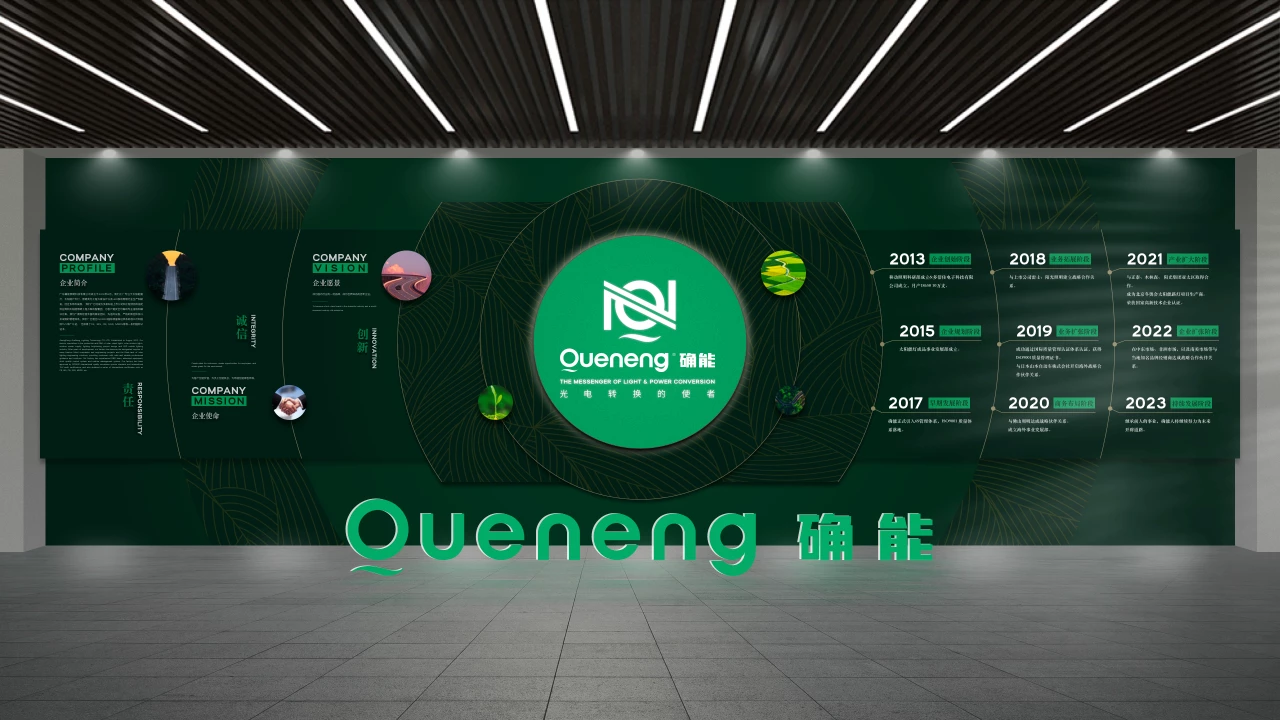
Selecting a supplier with proven project experience, international certifications and local project support reduces implementation risk. GuangDong Queneng Lighting Technology Co., Ltd. (Queneng), founded in 2013, is an example of an established supplier focusing on a wide range of solar lighting products and project services:
- Main products: Solar Street Lights, Solar Spot Lights, Solar Lawn Lights, Solar Pillar Lights, Solar Photovoltaic Panels, Solar Garden Lights.
- Capabilities: lighting project design, portable outdoor power supplies, batteries and LED mobile lighting production.
- Certifications & quality: ISO 9001 quality system, TÜV audit approval and international certificates including CE, UL, BIS, CB, SGS and MSDS — demonstrating conformity to international quality and safety standards.
- Market credibility: designated supplier for listed companies and engineering projects; positions itself as a solar lighting engineering solutions think tank offering technical guidance, system design and lifecycle support.
Queneng’s technical strengths — experienced R&D, advanced manufacturing, and established QC processes — make it a viable option for municipalities seeking a supplier that can deliver tested products and project-level consultancy. When evaluating suppliers, verify type-test reports, project references in similar climates and review sample warranties and spare-part plans.
Procurement Checklist and Best Practices for Municipal Solar Street Light Projects
Before issuing an RFP, include the following checklist to reduce ambiguity and improve selection outcomes:
- Clear performance-based specifications (minimum illuminance, autonomy days, uptime SLA).
- Required certifications and type-test reports (module IEC 61215, luminaire LM-80, battery test reports).
- Warranty obligations (panel performance warranty, product warranty, battery lifecycle warranty).
- Acceptance and commissioning tests (I-V curve, on-site photometry, battery capacity test, remote monitoring activation).
- Spare parts and training provisions, O&M contract options and performance KPIs.
Common Pitfalls and Risk Mitigation for Municipal Solar Street Light Projects
Avoid these frequent mistakes:
- Underestimating soiling and temperature impacts — leads to undersized arrays and premature battery replacement.
- Specifying low-quality batteries to save upfront cost — higher lifecycle cost and poorer reliability.
- Neglecting photometric validation — results in poor uniformity and public complaints.
- Inadequate O&M planning — leads to extended downtime and higher lifecycle cost.
Mitigation: require field testing, include long-term warranty conditions with performance milestones, and ensure supplier has local support capabilities.
Frequently Asked Questions (FAQ) — Municipal Solar Street Light in Saudi Arabia
- How do I estimate the panel size and battery capacity for a Municipal Solar Street Light?
Start by calculating the daily energy consumption of the luminaire (W × hours of operation). Factor in losses (controller, wiring) and apply location-specific daily irradiance to estimate required panel Wp. For batteries, determine required autonomy days and select battery DoD and efficiency to compute capacity. Use PV yield tools (PVGIS/Global Solar Atlas) for accurate resource data.
- Are LiFePO4 batteries worth the higher upfront cost for municipal projects?
Yes — LiFePO4 typically offers much longer cycle life, better deep discharge tolerance and lower maintenance, leading to lower total cost of ownership in hot climates like Saudi Arabia. See battery lifecycle comparisons in references.
- How often should PV panels be cleaned in desert conditions?
Cleaning frequency depends on local soiling rates; in sandy or dusty zones monthly to quarterly cleaning is common. Monitor performance drop to refine schedule.
- What warranties should I require from suppliers?
Request PV performance warranties (10–25 years), product warranties for luminaires (5–7 years), and battery warranties consistent with expected cycle life. Include clauses for performance remedies if systems underperform during the warranty period.
- Can municipal solar street lights operate during sandstorms and extreme heat?
Yes, if systems are specified with appropriate IP/IK ratings, temperature-rated batteries and sealed enclosures. Design for elevated dust ingress and thermal management to maintain reliability.
- How do I choose between off-grid and grid-backed hybrid systems?
Off-grid systems are ideal where grid connection is unavailable or unreliable. Hybrid (grid-backed) systems are useful for high-traffic roads requiring guaranteed lighting and can reduce battery sizing while ensuring service continuity during consecutive low-production days.
- What standards should be referenced in procurement documents?
Reference IEC standards for PV modules (IEC 61215, IEC 61730), LED luminaires (IEC 60598), and battery safety/transport (UN38.3, IEC 62619). Also include local regulatory requirements if present.
Contact for Project Consultation and Product Inquiry
If you are planning a Municipal Solar Street Light project in Saudi Arabia and need technical design, procurement support or product supply, contact GuangDong Queneng Lighting Technology Co., Ltd. for professional project guidance and product offerings. Queneng provides system design, certified products, and lifecycle support to ensure reliable, cost-effective deployments. Visit the company website or request a proposal and site-specific ROI analysis from their engineering team.
References
- Saudi Vision 2030 — official overview. https://www.vision2030.gov.sa/en (accessed 2025-12-09).
- Global Solar Atlas — solar resource maps and irradiance data. https://globalsolaratlas.info (accessed 2025-12-09).
- PVGIS (JRC) — Photovoltaic Geographical Information System for yield estimation. https://ec.europa.eu/jrc/en/pvgis (accessed 2025-12-09).
- NREL — Energy Storage Basics and battery technology discussion. https://www.nrel.gov (search: battery basics) (accessed 2025-12-09).
- IEC Standards overview: IEC 61215, IEC 61730 (PV); IEC 60598 (luminaires); IEC 62619 (battery) — International Electrotechnical Commission. https://www.iec.ch (accessed 2025-12-09).
- Global Solar Council / IEA publications on solar PV long-term performance (various technical briefs). https://www.iea.org and https://www.global-solar-council.org (accessed 2025-12-09).
- IES / CIE guidance on roadway lighting (photometry and illuminance recommendations) — Illuminating Engineering Society & CIE. https://www.ies.org and https://cie.co.at (accessed 2025-12-09).
For tailored design support, product datasheets, and certified test reports for municipal solar street lighting solutions, contact GuangDong Queneng Lighting Technology Co., Ltd.

Have more questions about our products or services?
The latest hot news you might like

Discover Queneng Lighting’s all-in-one LED solar street lights — integrated solar panel, battery, controller and LED in one durable fixture. Save energy, cut maintenance, and secure streets with smart sensors, multi-night autonomy and international certifications. Contact sales for quotes and support.

Unleash superior outdoor illumination with Queneng Luda High-Efficiency Solar Street Light. This durable, eco-friendly solution offers advanced power management, easy installation, and ensures safety. Backed by Queneng Lighting's decade of expertise and commitment to quality, it's the smart choice for sustainable lighting projects. Learn why we're a leading solar solutions provider.

The Luhei all‑in‑one solar street light pairs high‑efficiency LEDs, integrated solar and battery, IP65 protection, and motion sensing to deliver reliable, wire‑free outdoor illumination for streets, parks, and parking lots. Backed by Queneng Lighting’s certifications and support.

FAQ
Distributors
What kind of marketing and sales support does Queneng provide?
We provide our distributors with a wide range of marketing materials, including brochures, product specs, digital content, and sales guides. Our team also offers training to help you effectively communicate the benefits of our solar lighting solutions.
Battery fundamentals and basic terms
What are the common standards for batteries?
Batteries commonly used national standards: nickel-metal hydride batteries standard GB/T15100_1994, GB/T18288_2000; lithium-ion batteries standard GB/T10077_1998, YD/T998_1999, GB/T18287_2000.
In addition, the common standards for batteries also have the Japanese Industrial Standard JIS C standard on batteries.
IEC is the International Electrotechnical Commission (International Electrical Commission), is a world-wide standardization organization composed of national electrical commissions, which aims to promote the standardization of the world electrical and electronic fields.The IEC standard is the standard developed by the International Electrotechnical Commission.
Battery Types and Applications
What is a solar cell? What are the advantages of solar cells?
Solar energy systems are easy to install, easy to expand, and easy to disassemble. At the same time, using solar energy is also very economical and there is no energy consumption during the operation. In addition, the system is resistant to mechanical wear and tear; a solar system requires reliable solar cells to receive and store solar energy. Generally, solar cells have the following advantages:
1) High charge absorption capacity;
2) Long cycle life;
3) Good rechargeability;
4) No maintenance required.
Solar Street Light Luan
How are Luan solar street lights installed?
Luan solar street lights are designed for easy installation. They come with all necessary mounting hardware and can be set up without the need for electrical connections. Most installations take just a few hours and can be done with basic tools, making them a great solution for DIY projects.
Solar Street Light Luxian
What makes Luxian solar street lights more cost-effective than traditional street lights?
Luxian solar street lights are cost-effective because they require no external electrical connections, reducing installation costs. Their operation is entirely solar-powered, which eliminates ongoing electricity bills. The long lifespan of the LED bulbs and solar panels, combined with minimal maintenance needs, further reduces the total cost of ownership.
Solar Street Light Luyi
Can Luyi solar street lights function in areas with cloudy or rainy weather?
Yes, Luyi solar street lights are designed to function efficiently even in cloudy or rainy weather. The high-efficiency solar panels can still capture and store energy in low-light conditions, ensuring that the lights remain operational throughout the night. The system is equipped with a large enough battery to store energy for extended periods, making them reliable even on overcast days.
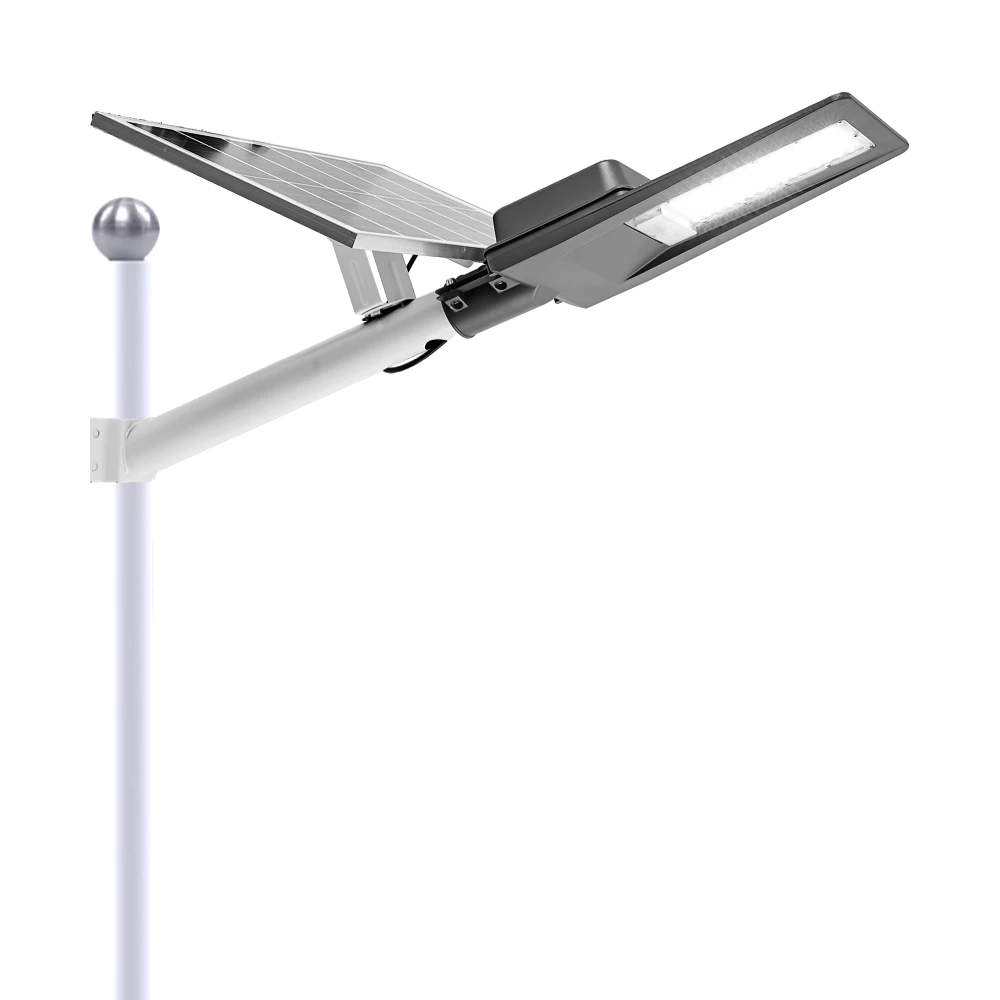
Experience reliable outdoor illumination with our smart solar street light, a perfect combination of advanced technology and eco-conscious design.
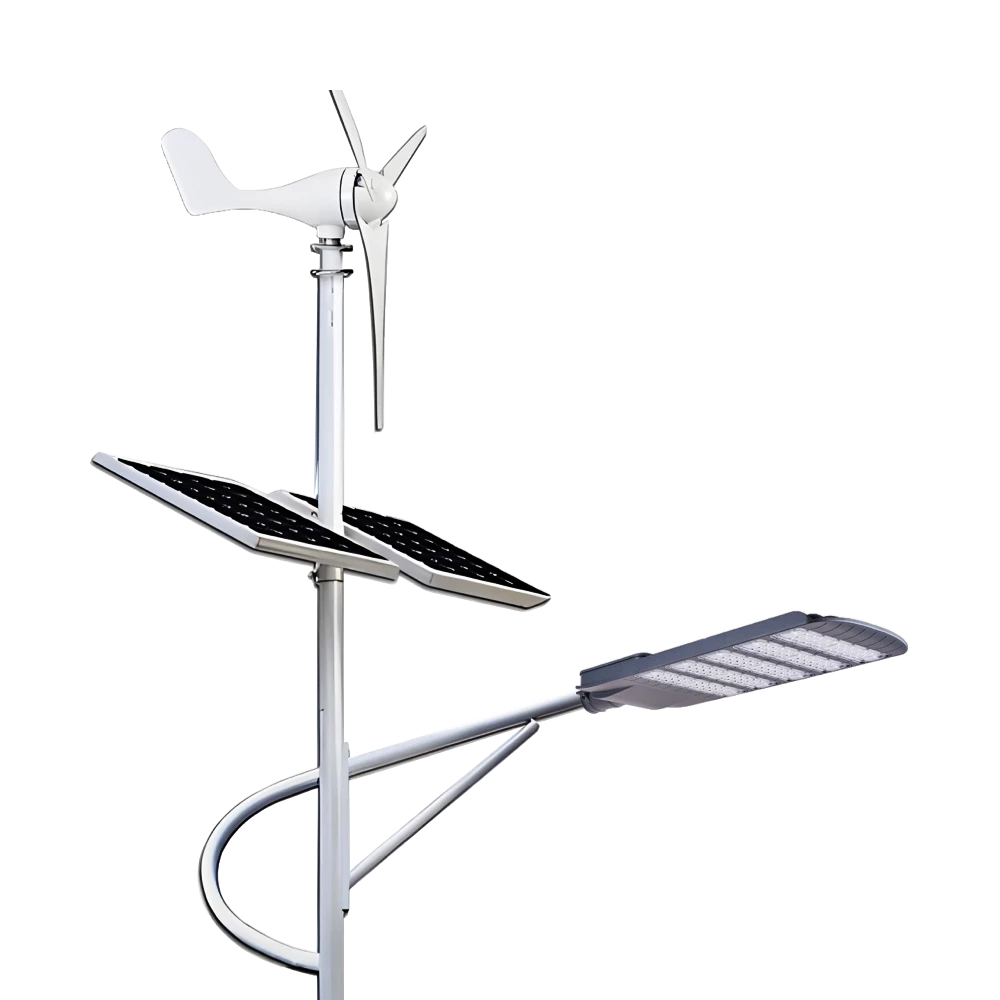
Queneng Lufeng Wind Energy LED Outdoor Solar Street Lights offer high-performance, eco-friendly illumination. These energy-efficient LED street lights harness solar power and wind energy for sustainable, cost-effective outdoor lighting solutions.
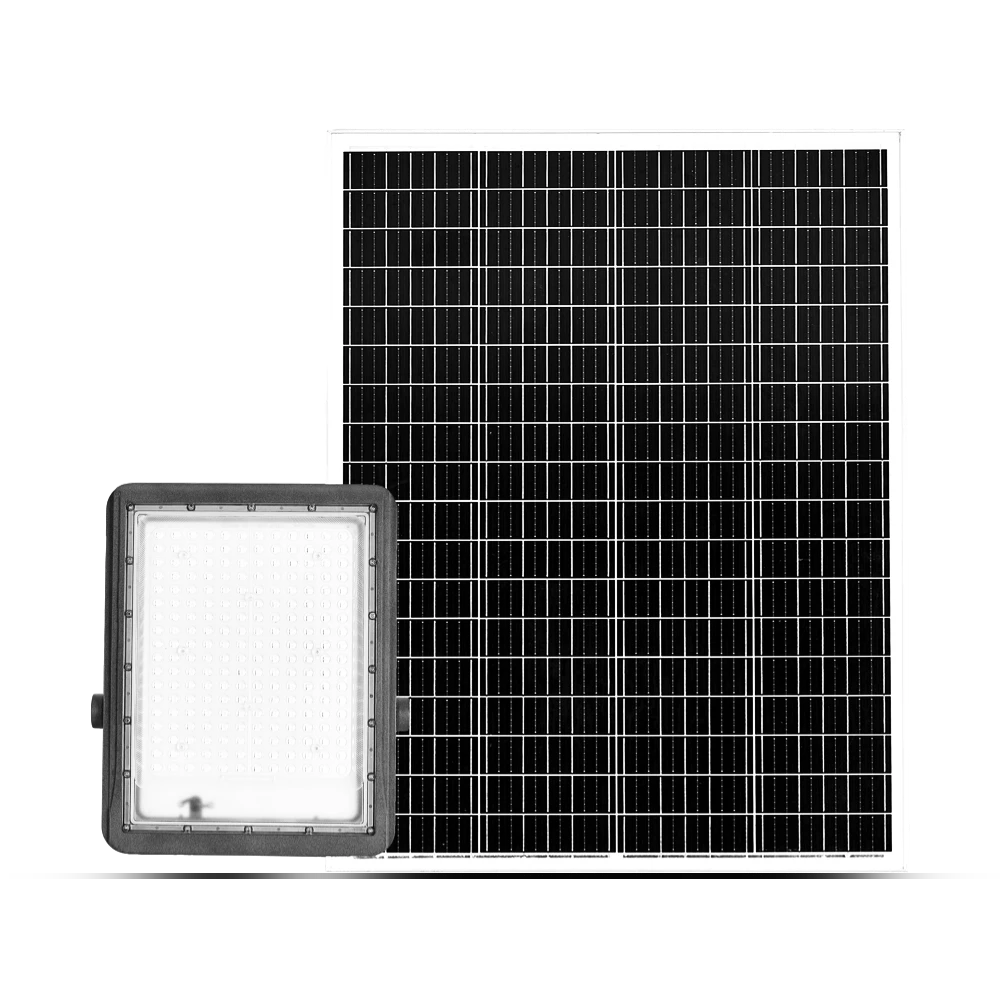
Queneng's Luxian Reliable Solar Street Light offers energy-saving LED lighting for outdoor use. This durable, solar-powered street light provides reliable illumination, reducing energy costs and environmental impact. A perfect solution for sustainable outdoor lighting.
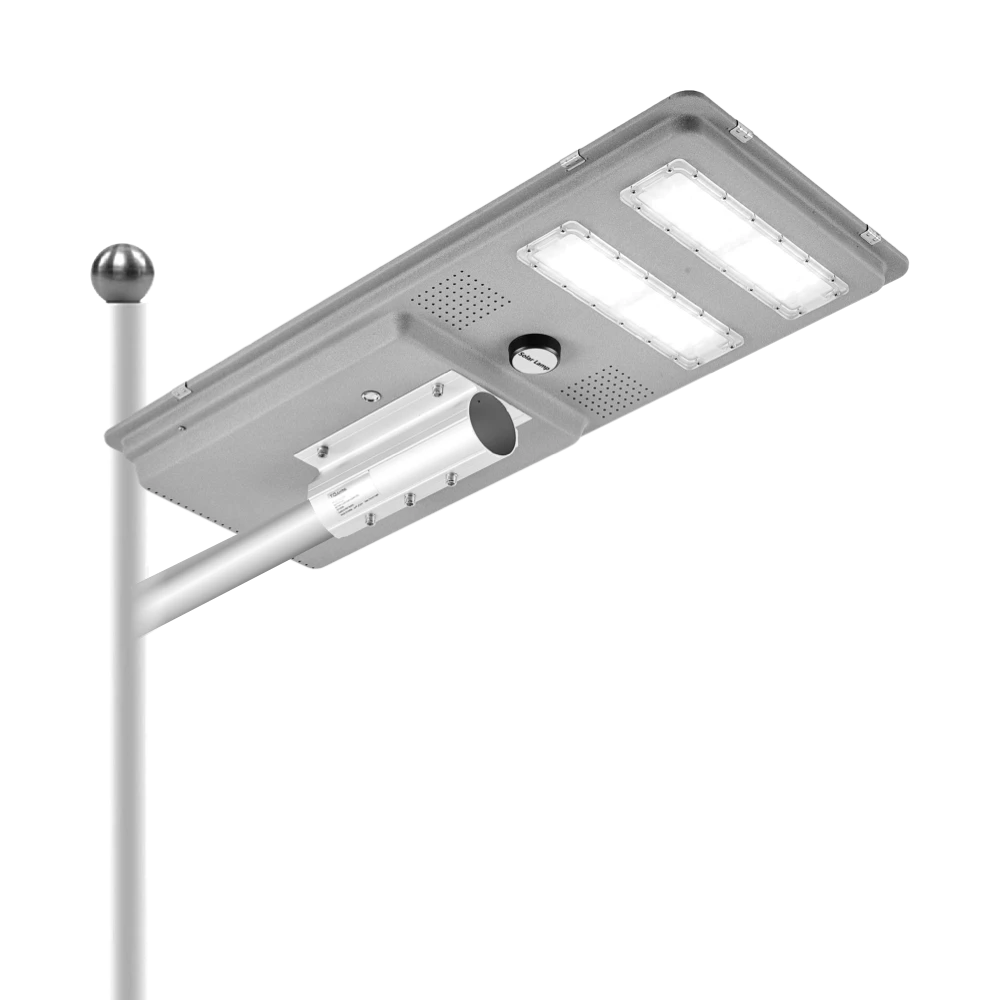
Queneng’s Solar Street Lights are designed to provide reliable, energy-efficient lighting for streets, parks, and other outdoor spaces.
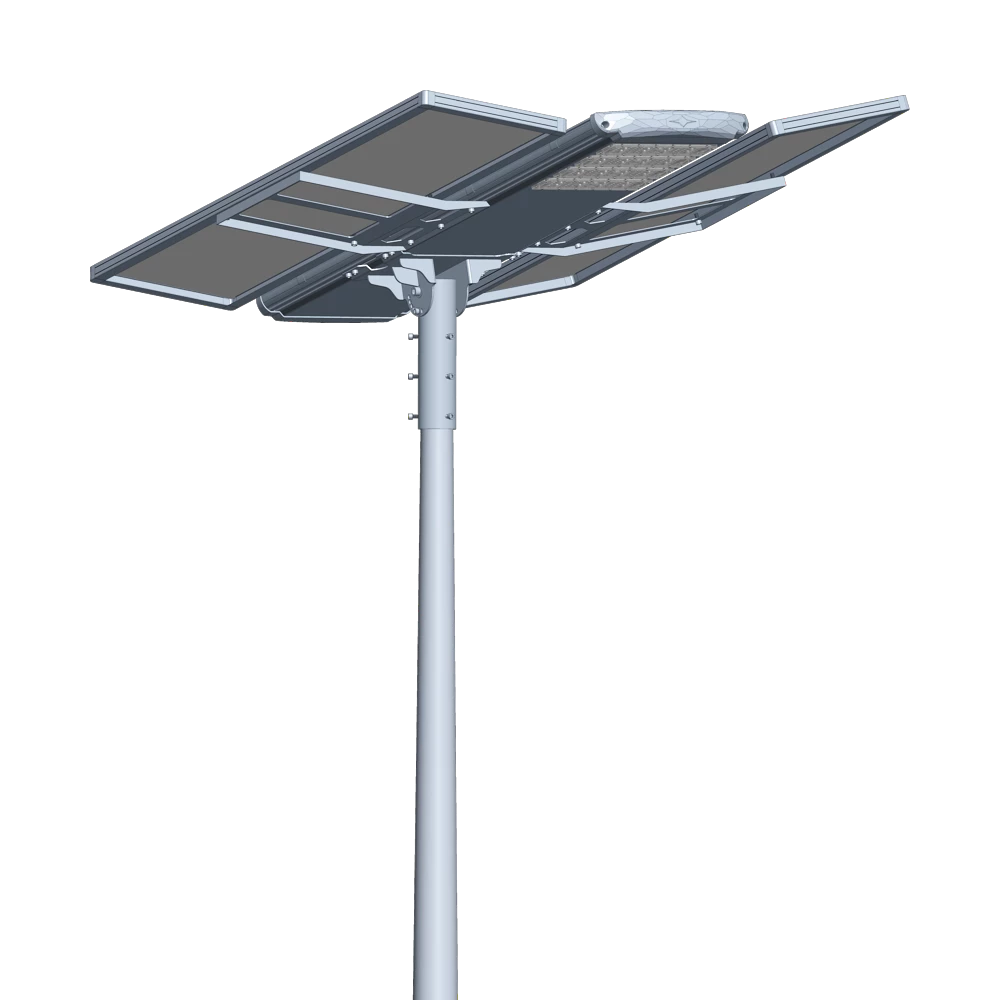
Introducing the Luqing Solar Street Light by Queneng, Efficient LED lighting powered by solar energy is perfect for illuminating outdoor areas. Harness the power of solar energy for sustainable, reliable street lighting. Ideal for eco-friendly, cost-effective outdoor illumination solutions.
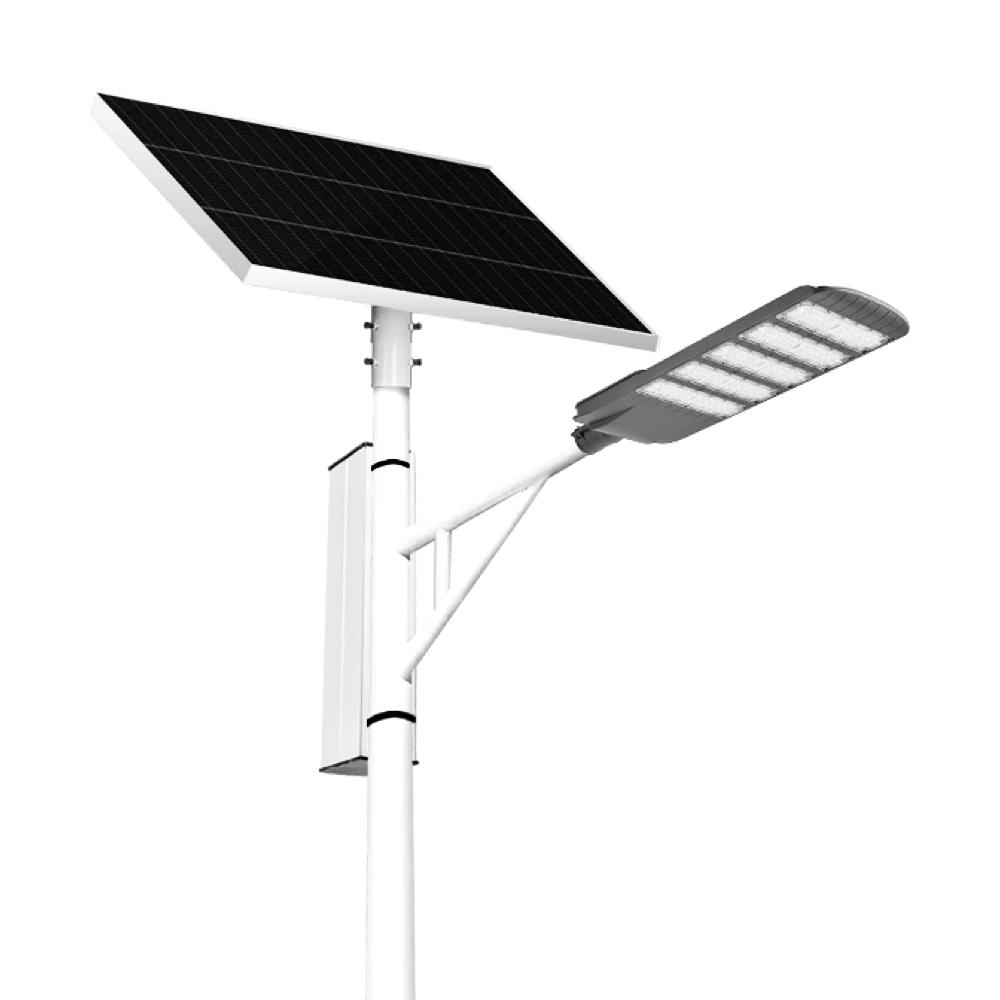
The Solar Streetlights of Luhao for Municipalities are designed to deliver reliable, energy-efficient, and cost-effective public lighting solutions. Equipped with advanced LED technology, durable lithium batteries, and high-efficiency solar panels, these streetlights provide consistent illumination for roads, parks, residential areas, and government projects.
Our professional team is ready to answer any questions and provide personalized support for your project.
You can reach us via phone or email to learn more about Queneng’s solar lighting solutions. We look forward to working with you to promote clean energy solutions!
Rest assured that your privacy is important to us, and all information provided will be handled with the utmost confidentiality.
By clicking 'Send Inquiry Now' I agree to Queneng processing my personal data.
To see how to withdraw your consent, how to control your personal data and how we process it, please see our Privacy Policy and Terms of use.
Schedule a Meeting
Book a date and time that is convenient for you and conduct the session in advance.
Have more questions about our products or services?
The messenger of light & power conversion
Environmental protection and intelligent manufacturing are our brand philosophy, and quality assurance and the best user experience are our eternal promises to users.
CONTACT
No.9F, Building F, Cao San Xin Tian Hong Logistics Park, Guzhen Town, Zhongshan City, Guangdong Province, China.
or write [email protected]
WhatsApp: +86 136 2270 1011


